
predators
🙊🐺🦝🦊🐭🐍🐀🐈⬛🦉🦩🦑🕸️🪰🪱
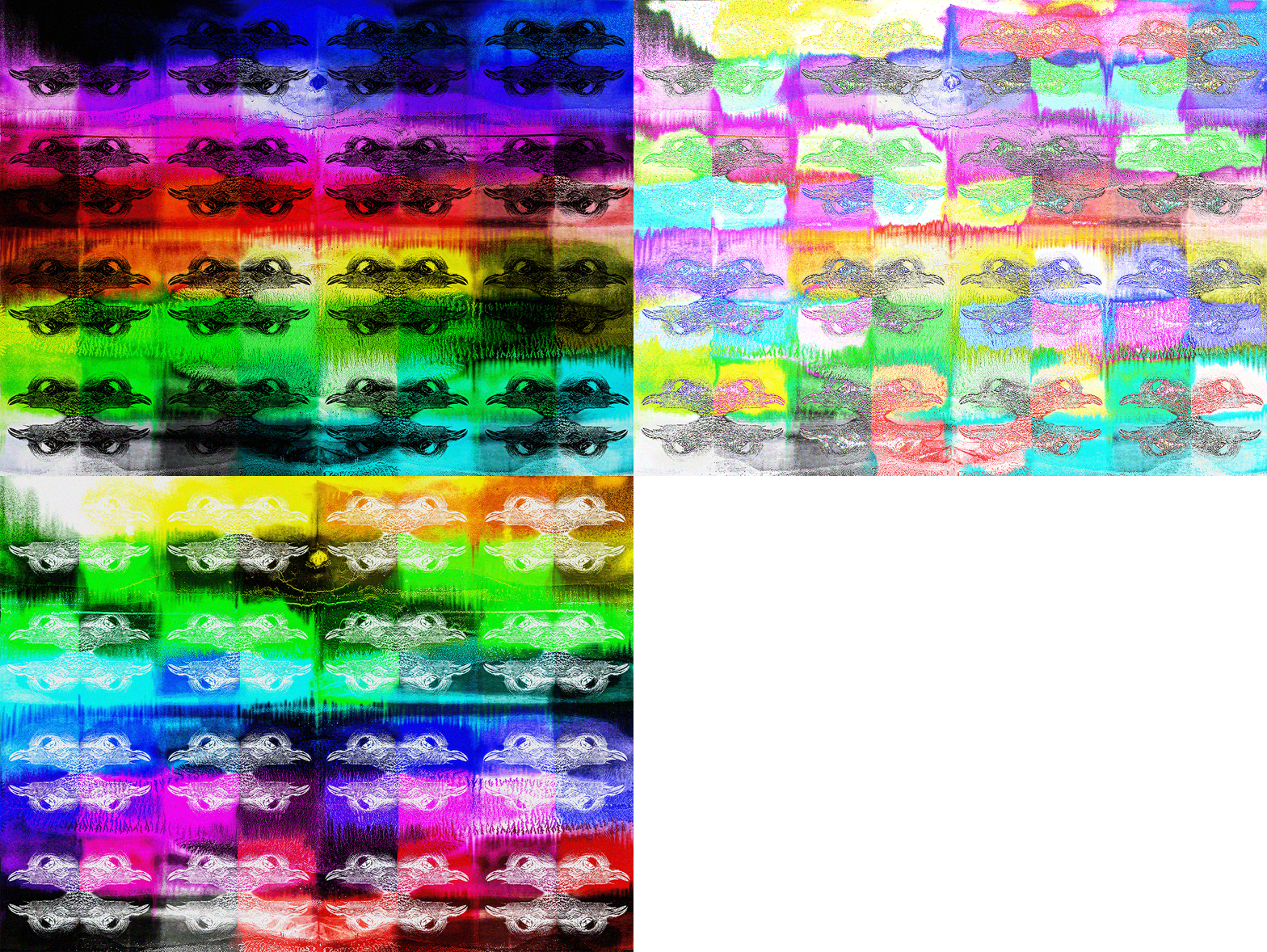
"Predators" is a series dedicated exclusively to those whom we have never considered as members of our society, those whom we have been using for survival, whether it be for emotional support, companionship, or other purposes.
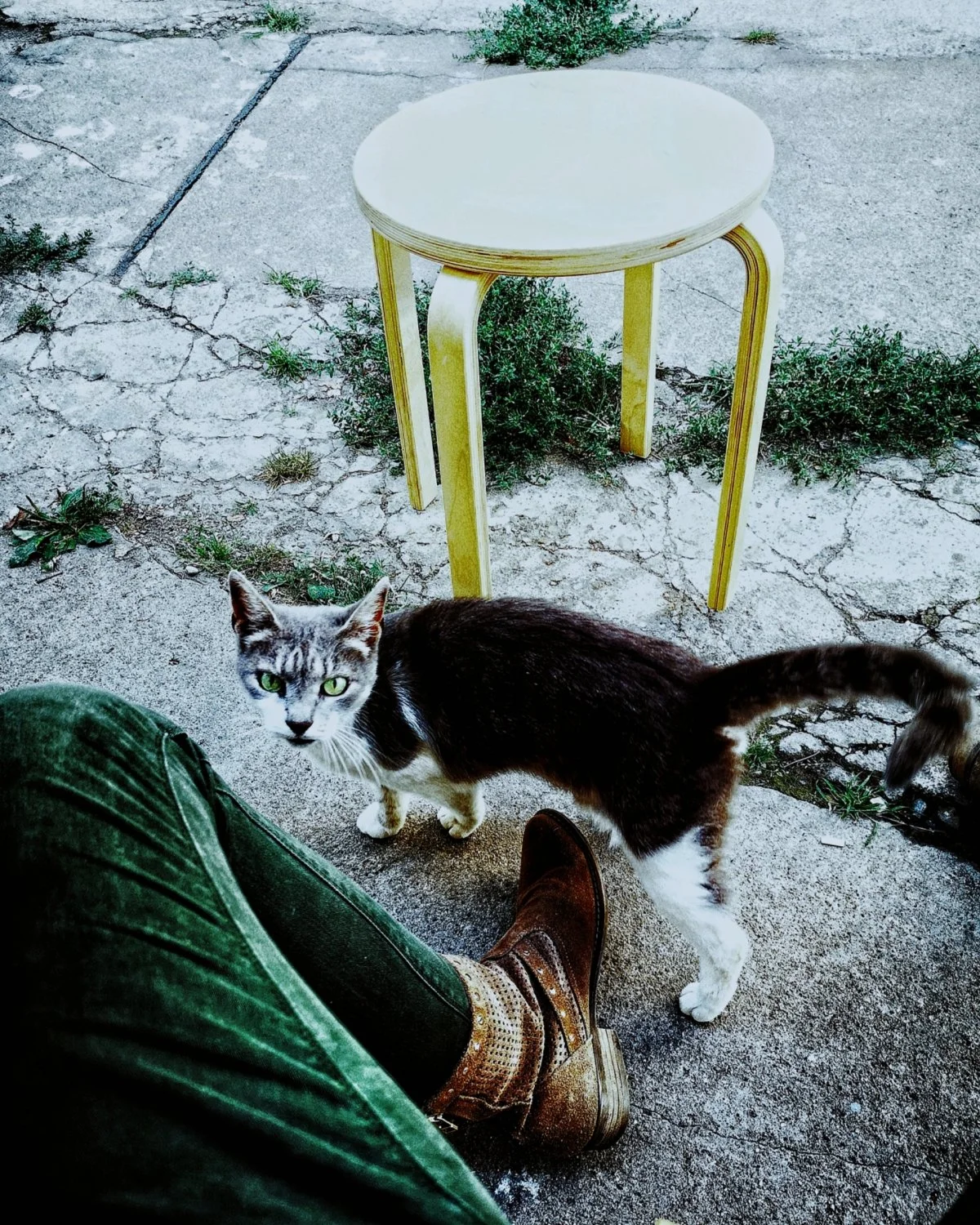
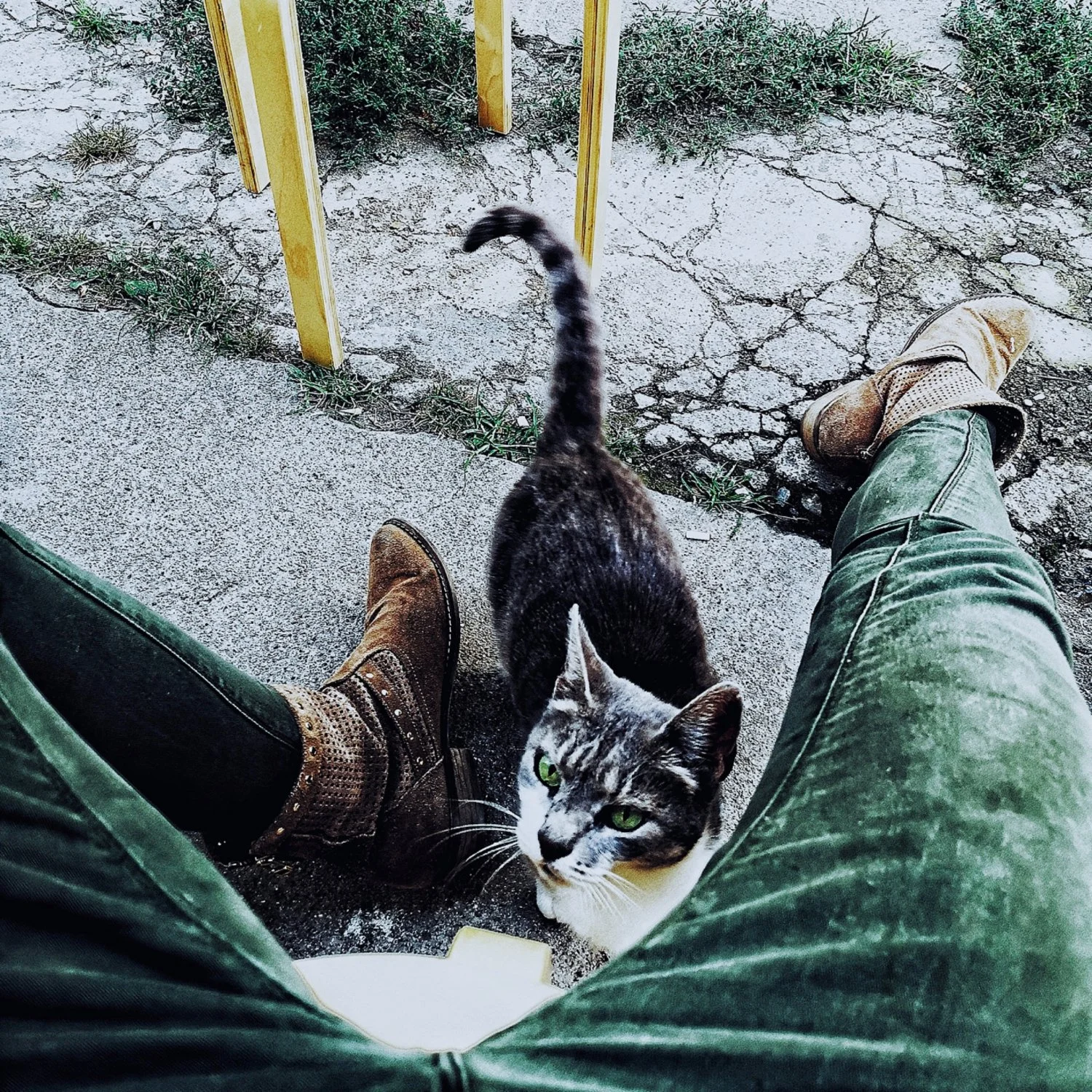
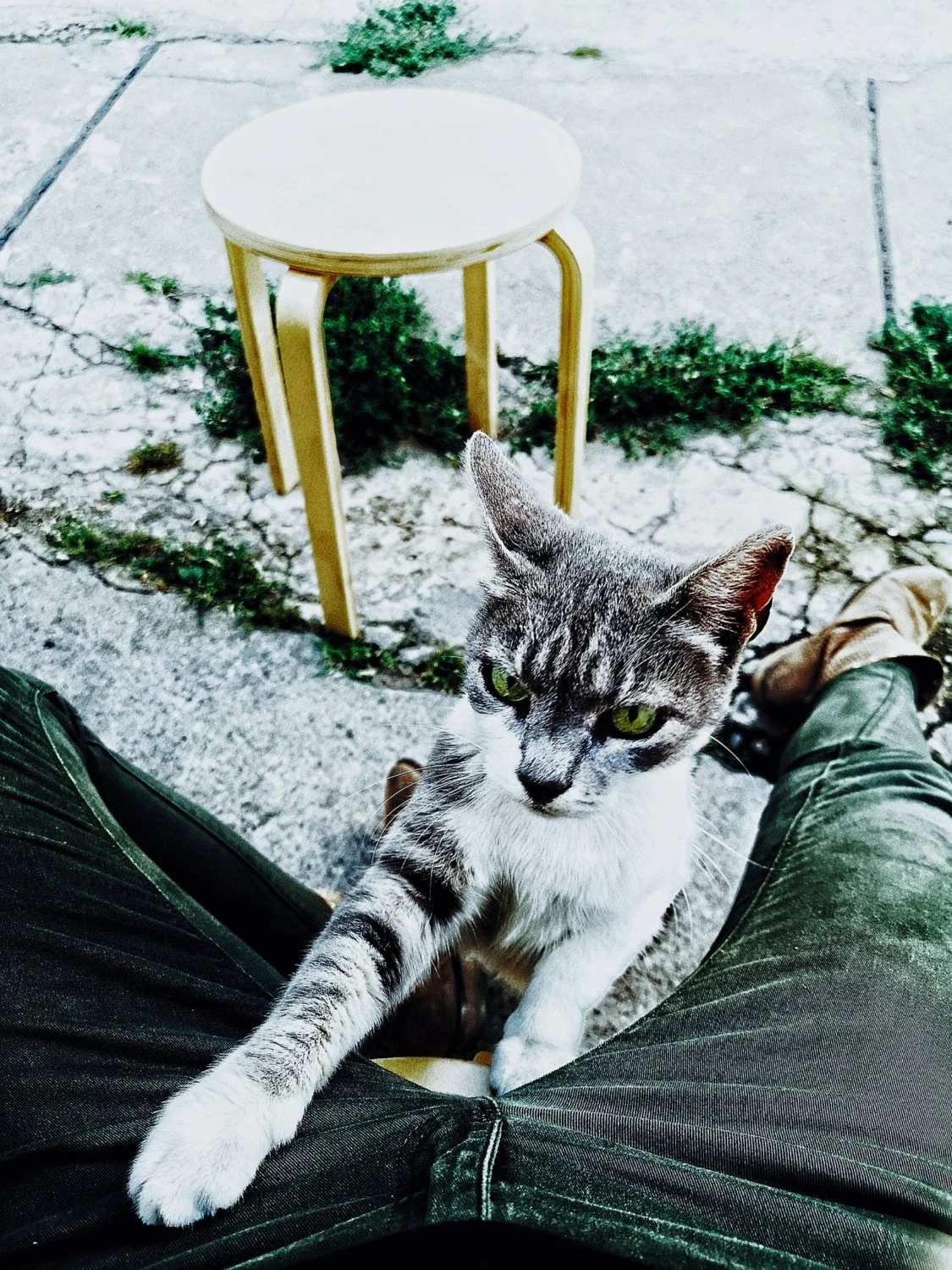
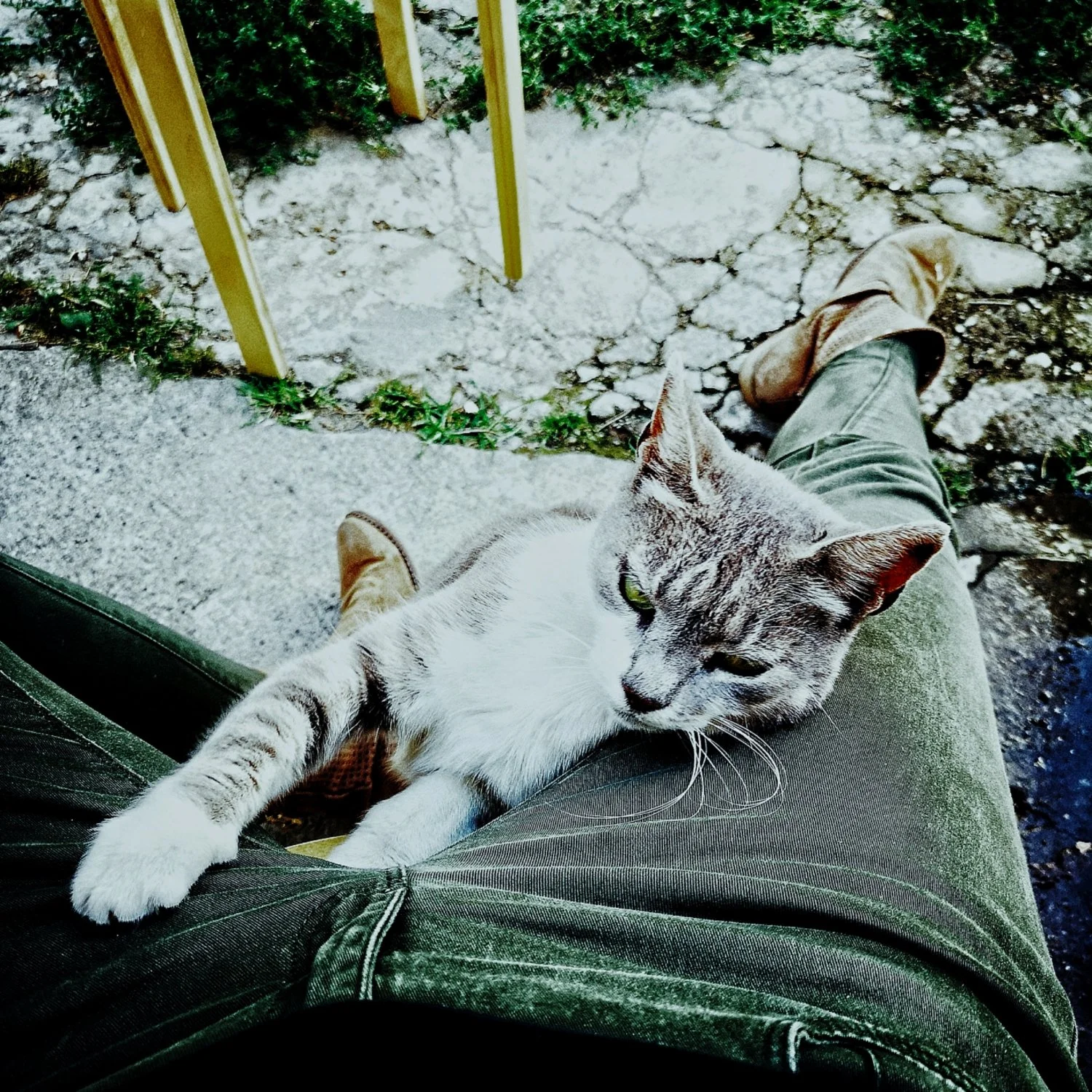
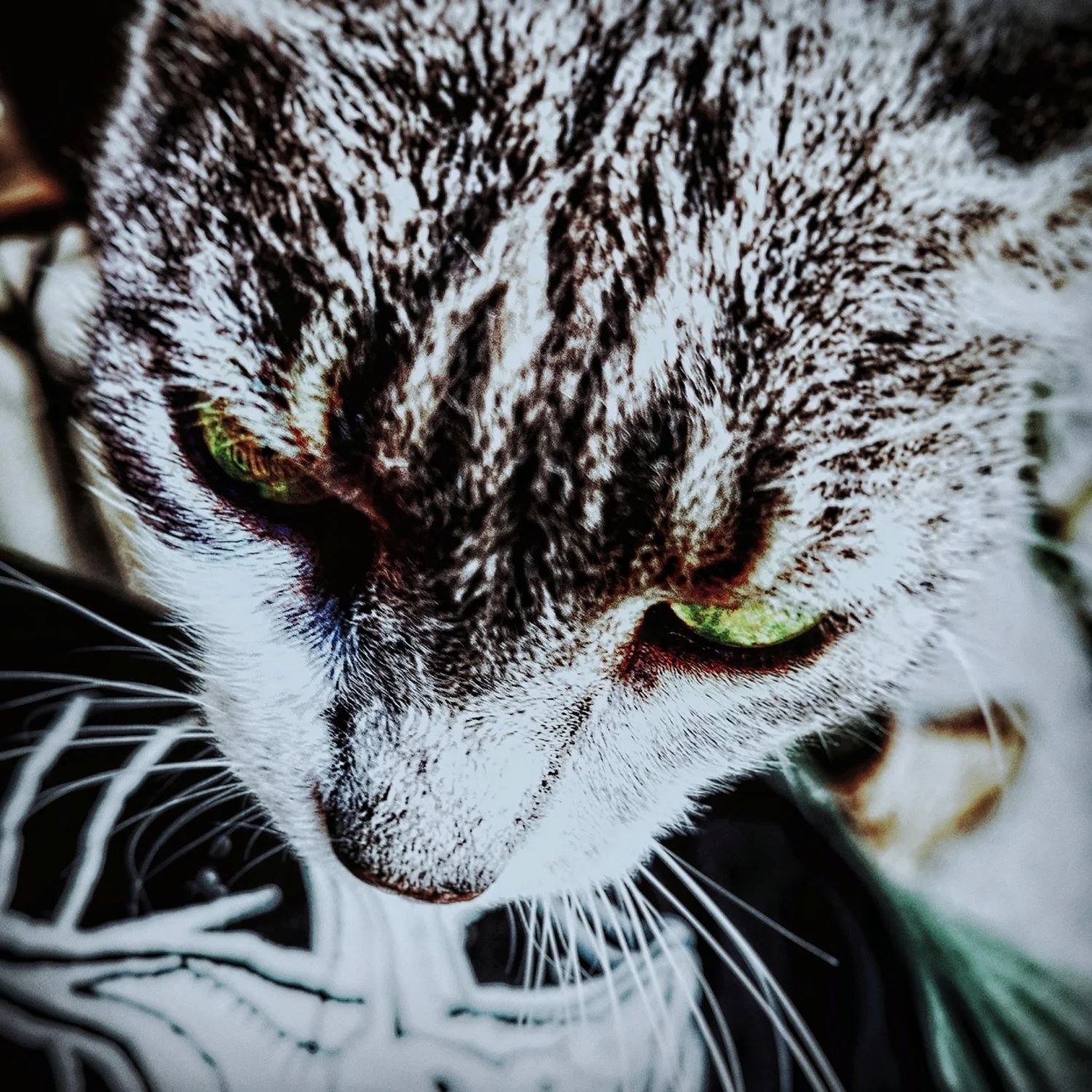
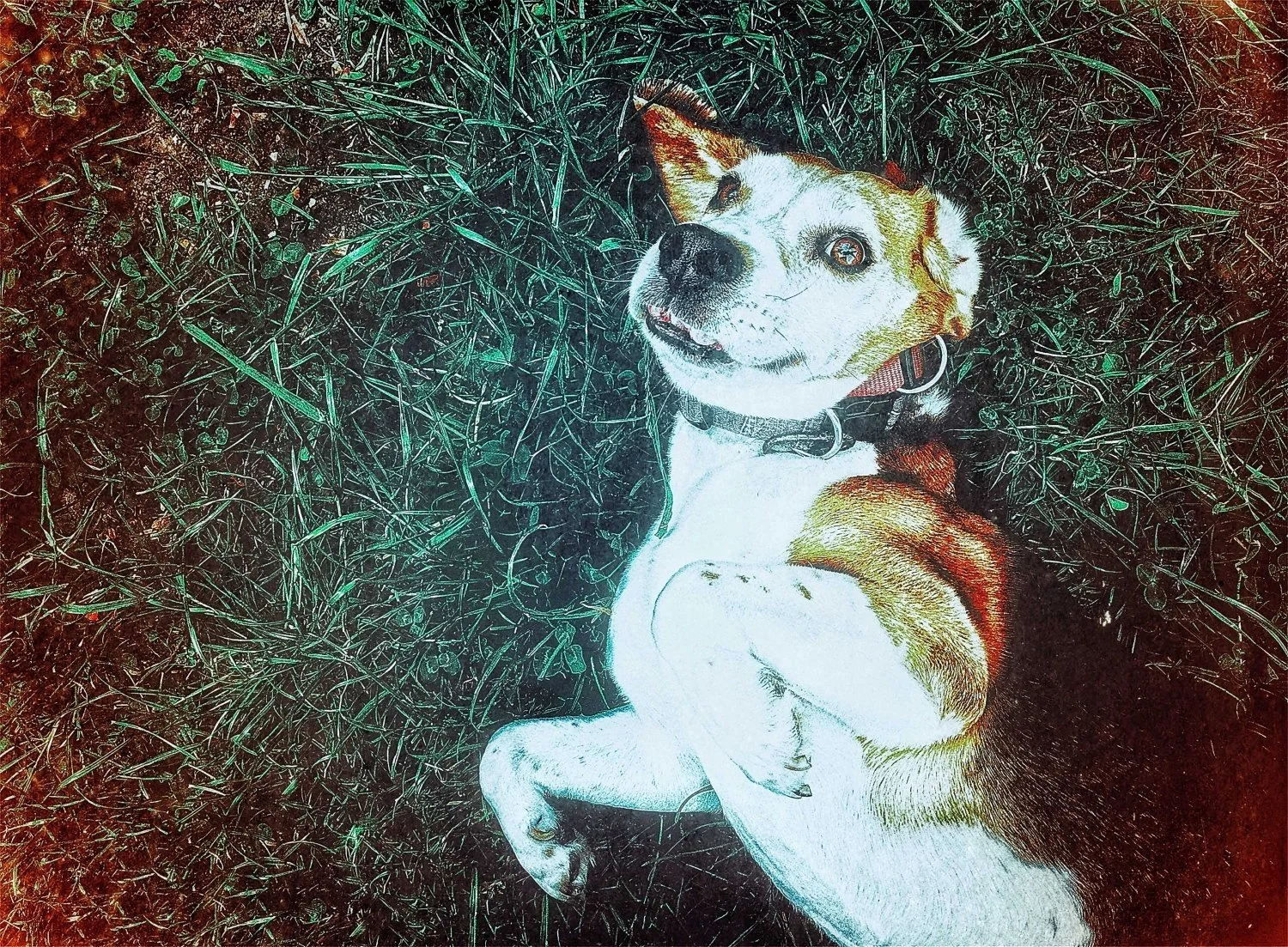
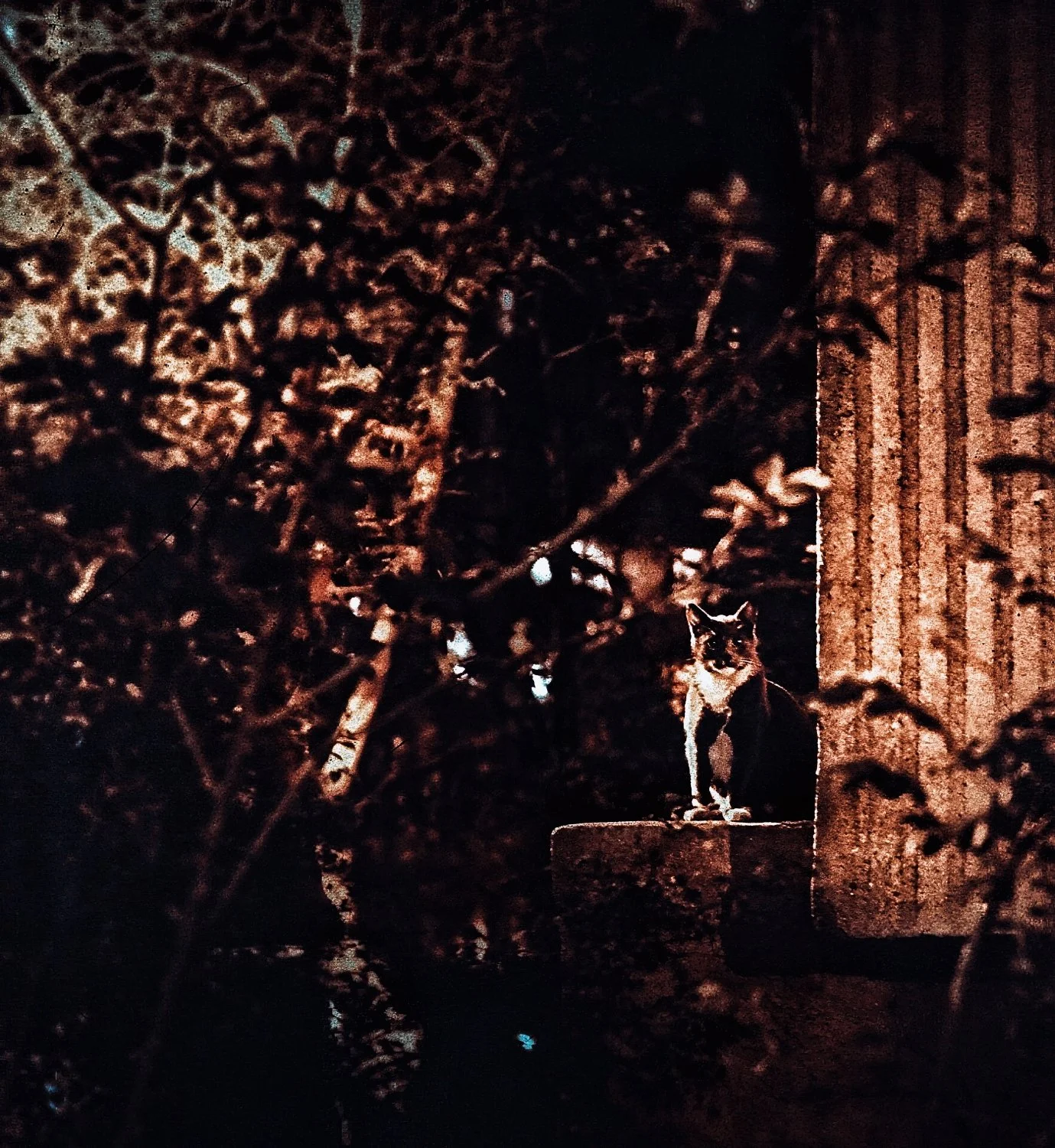
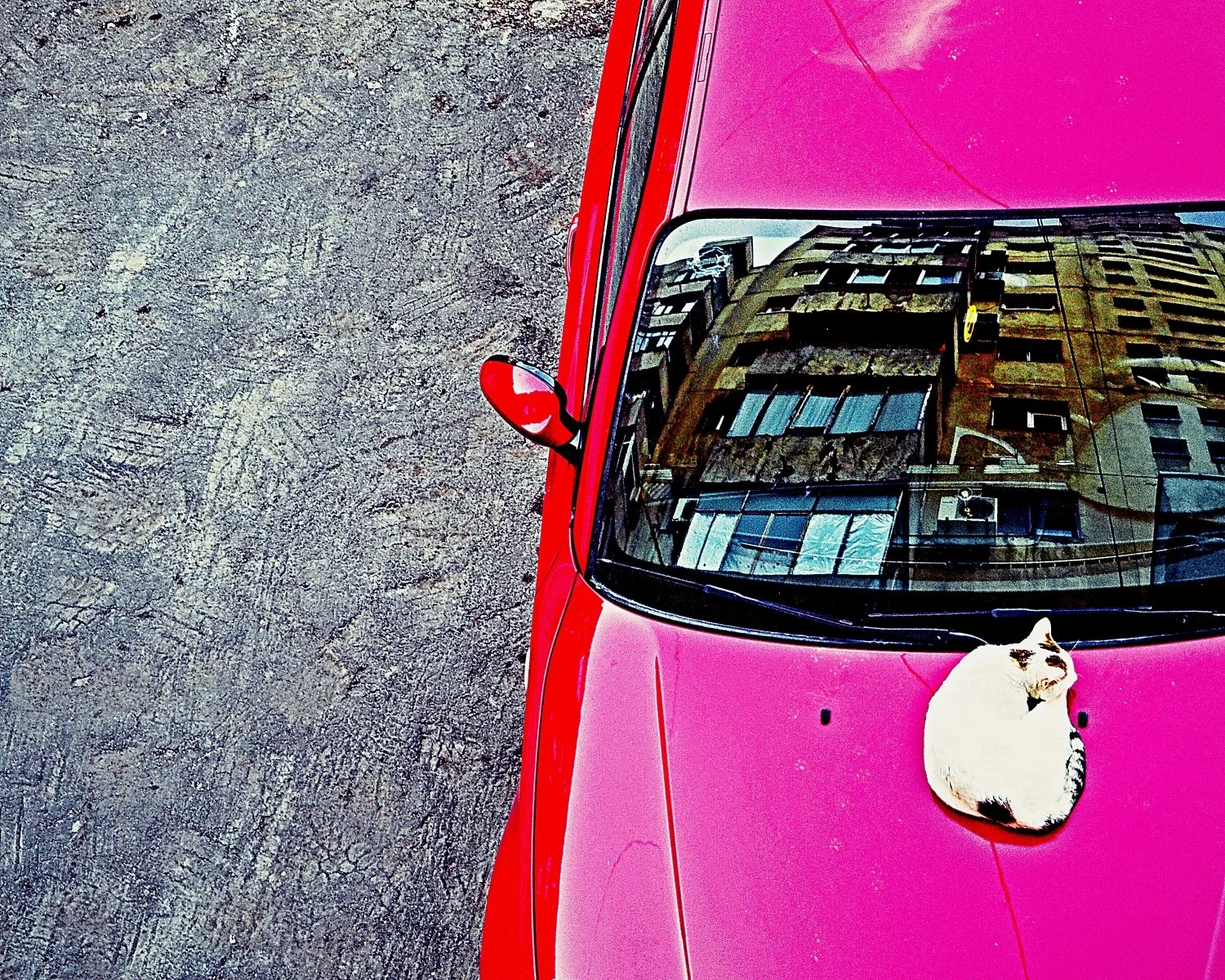
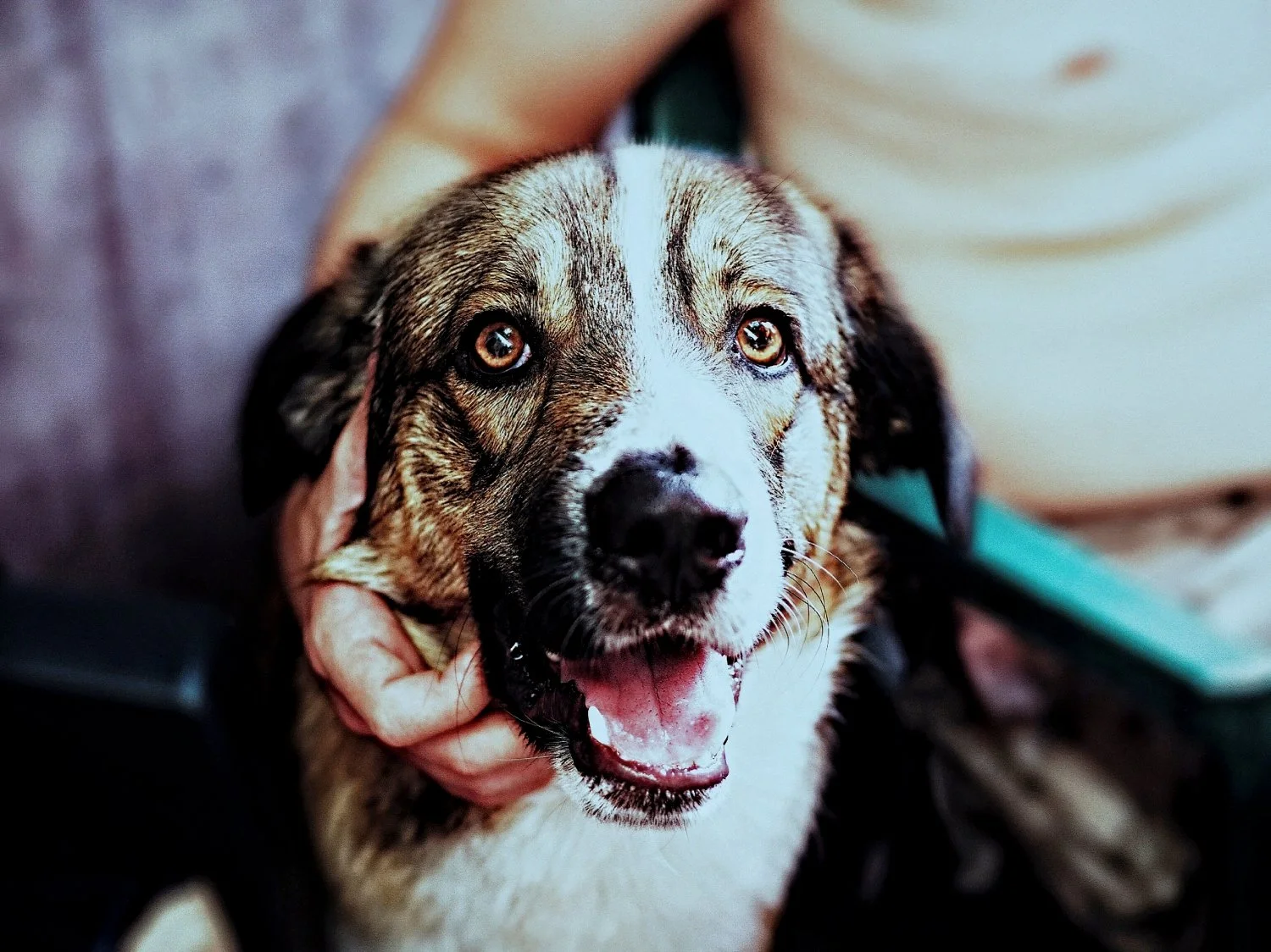
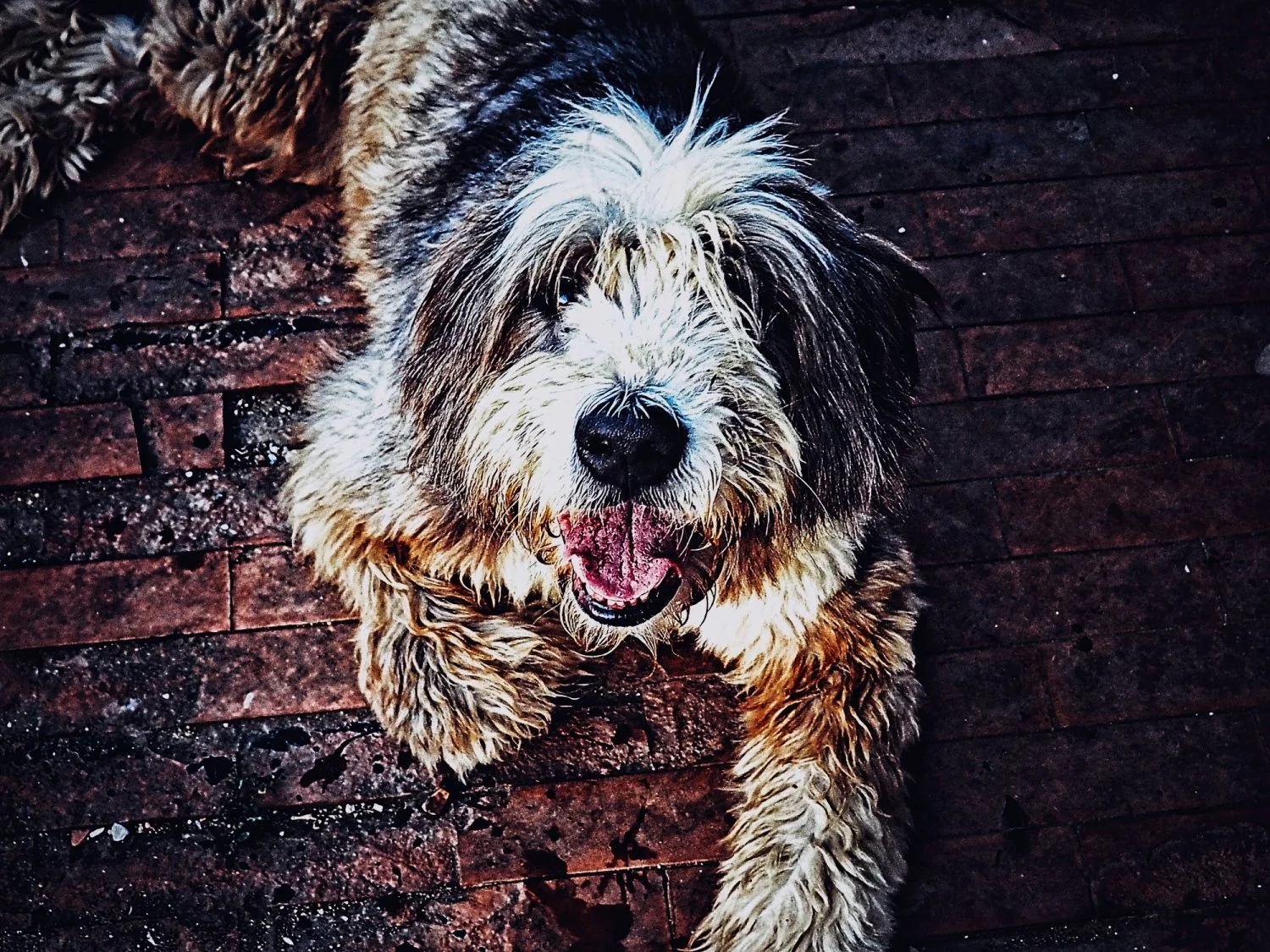
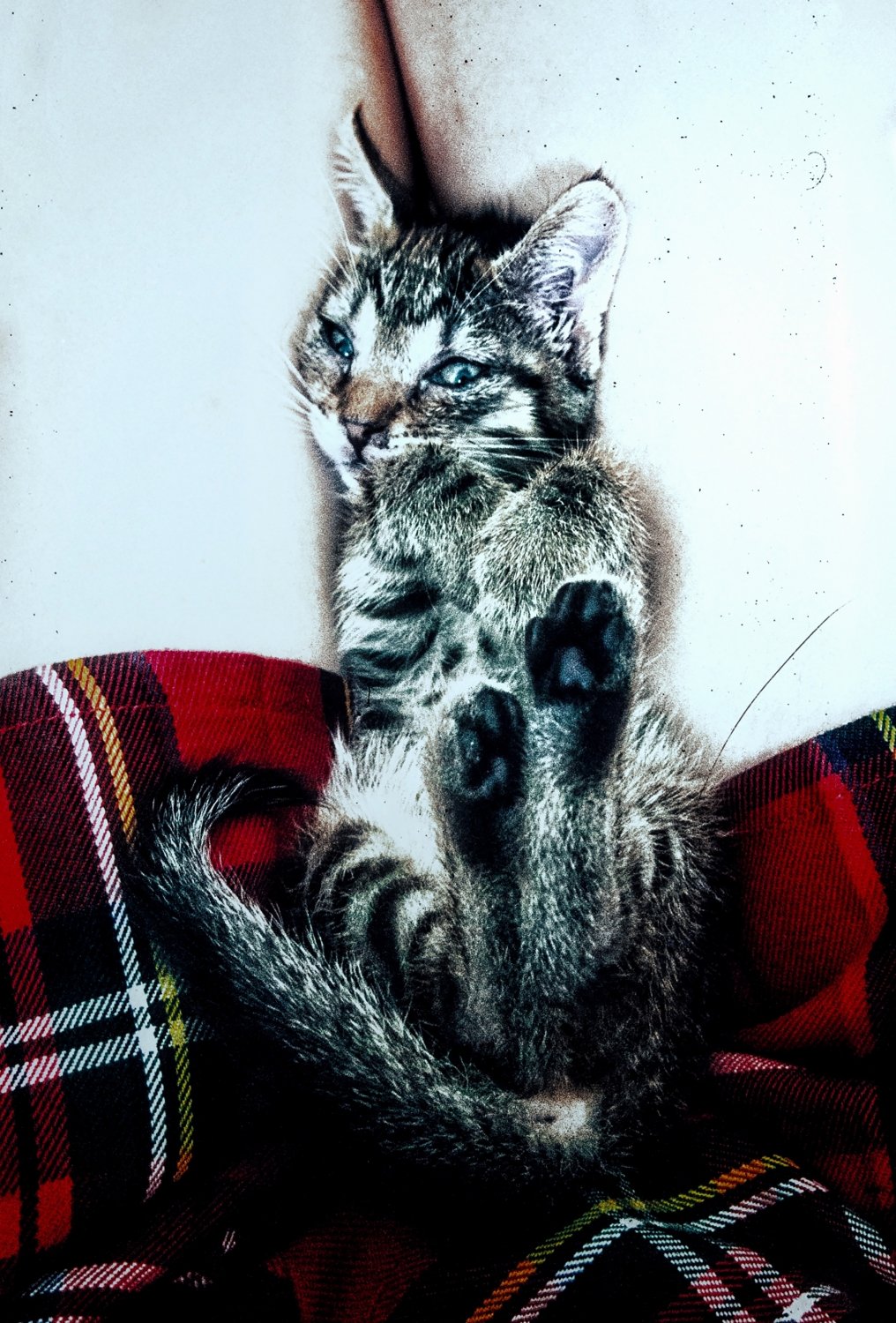
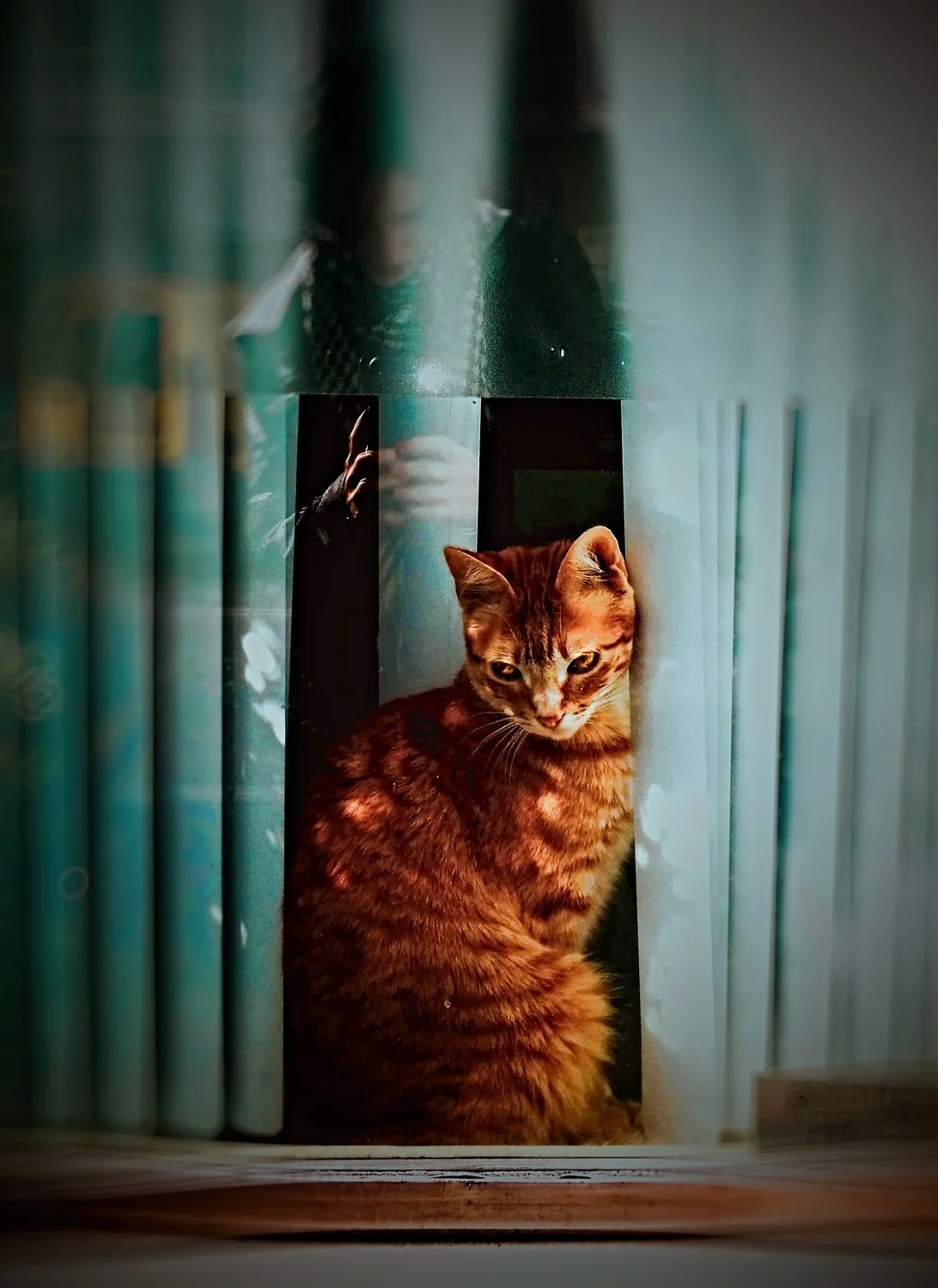
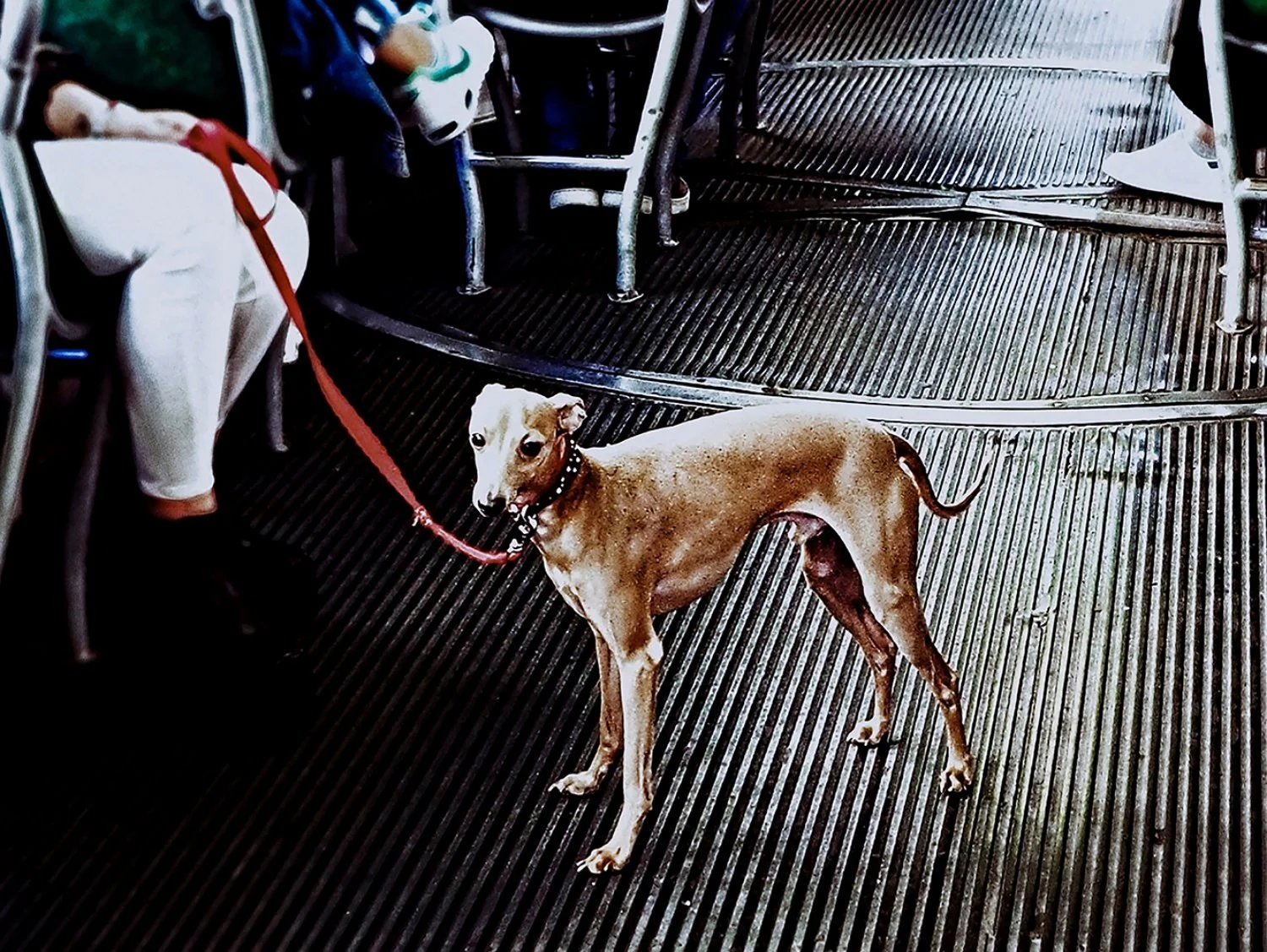
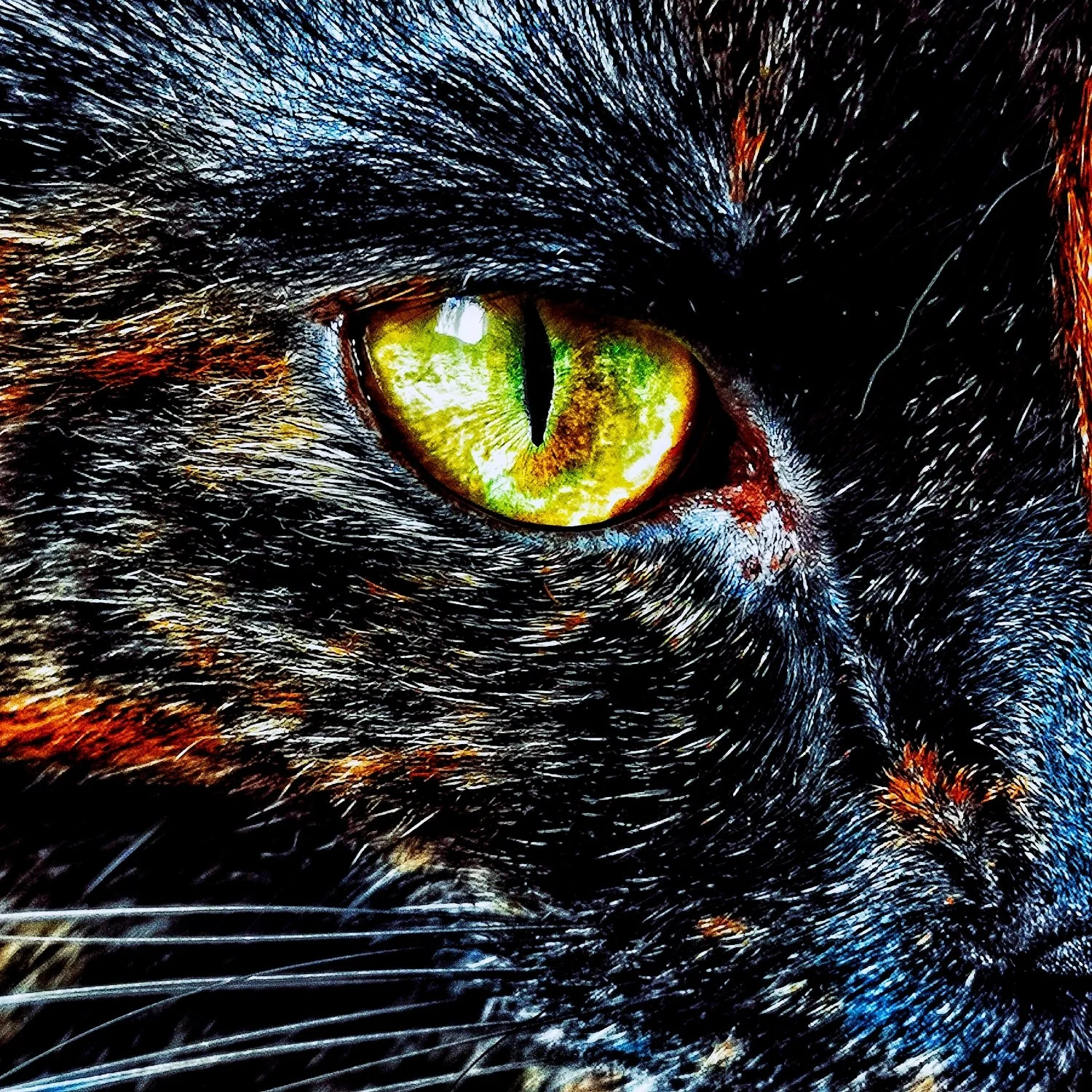
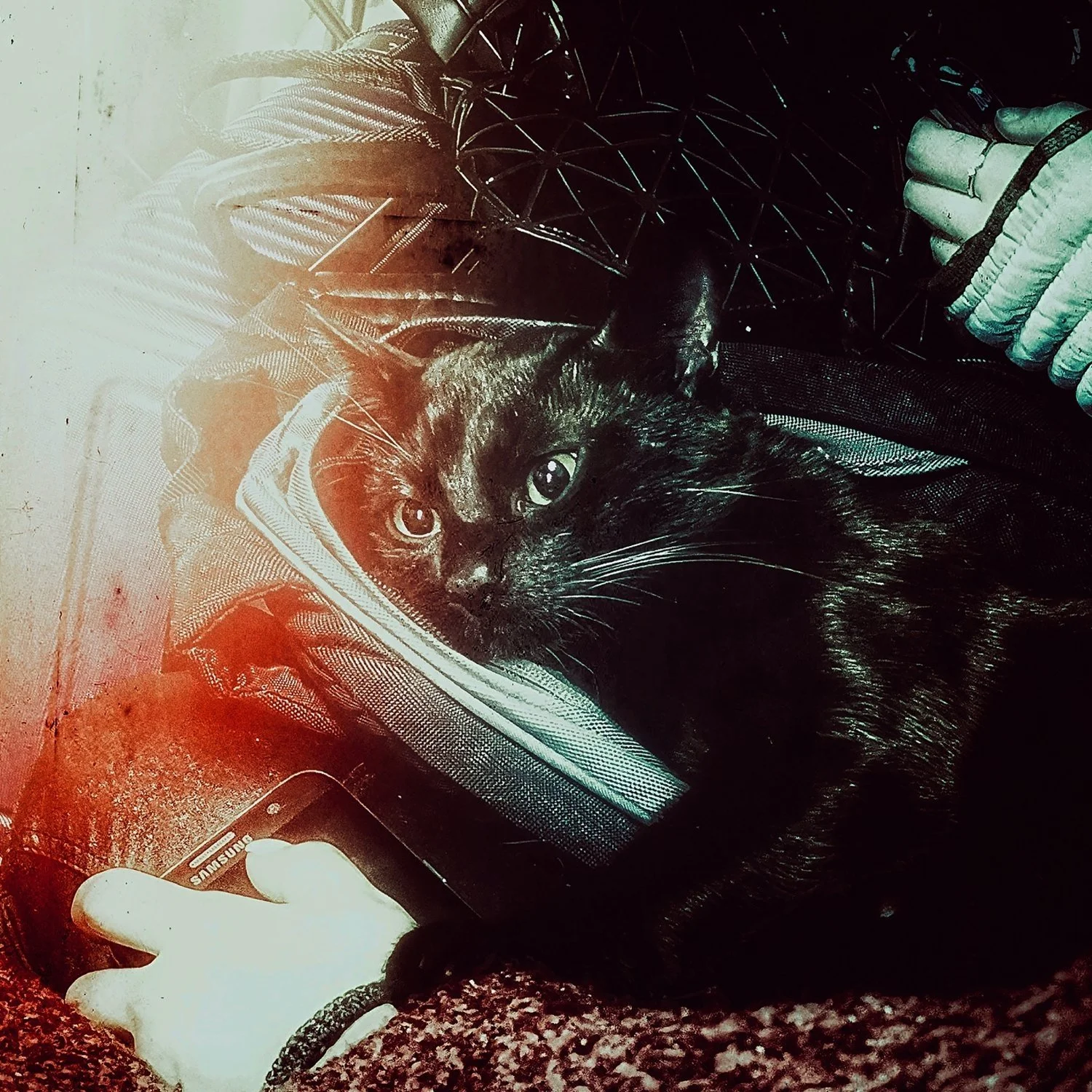
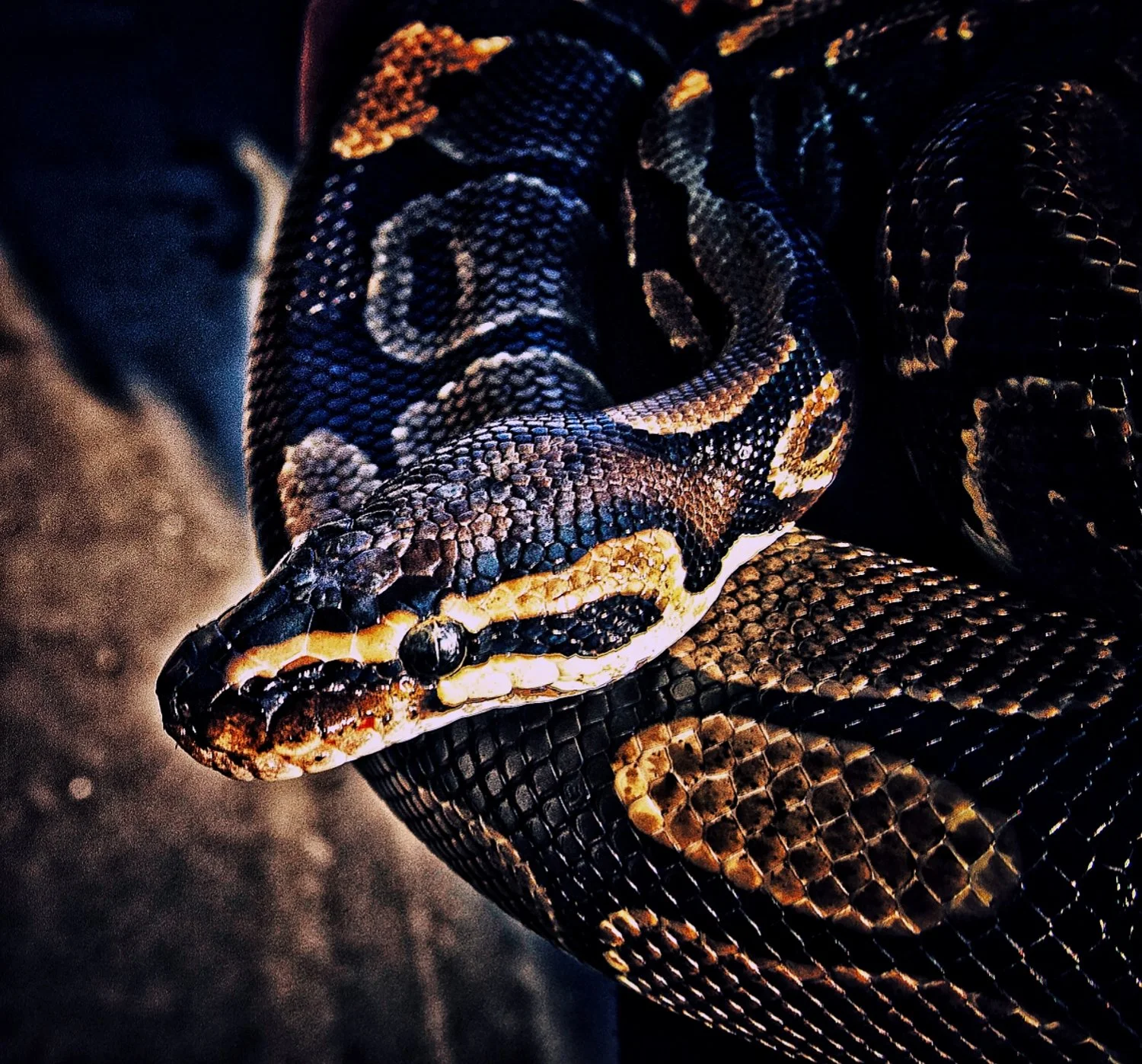
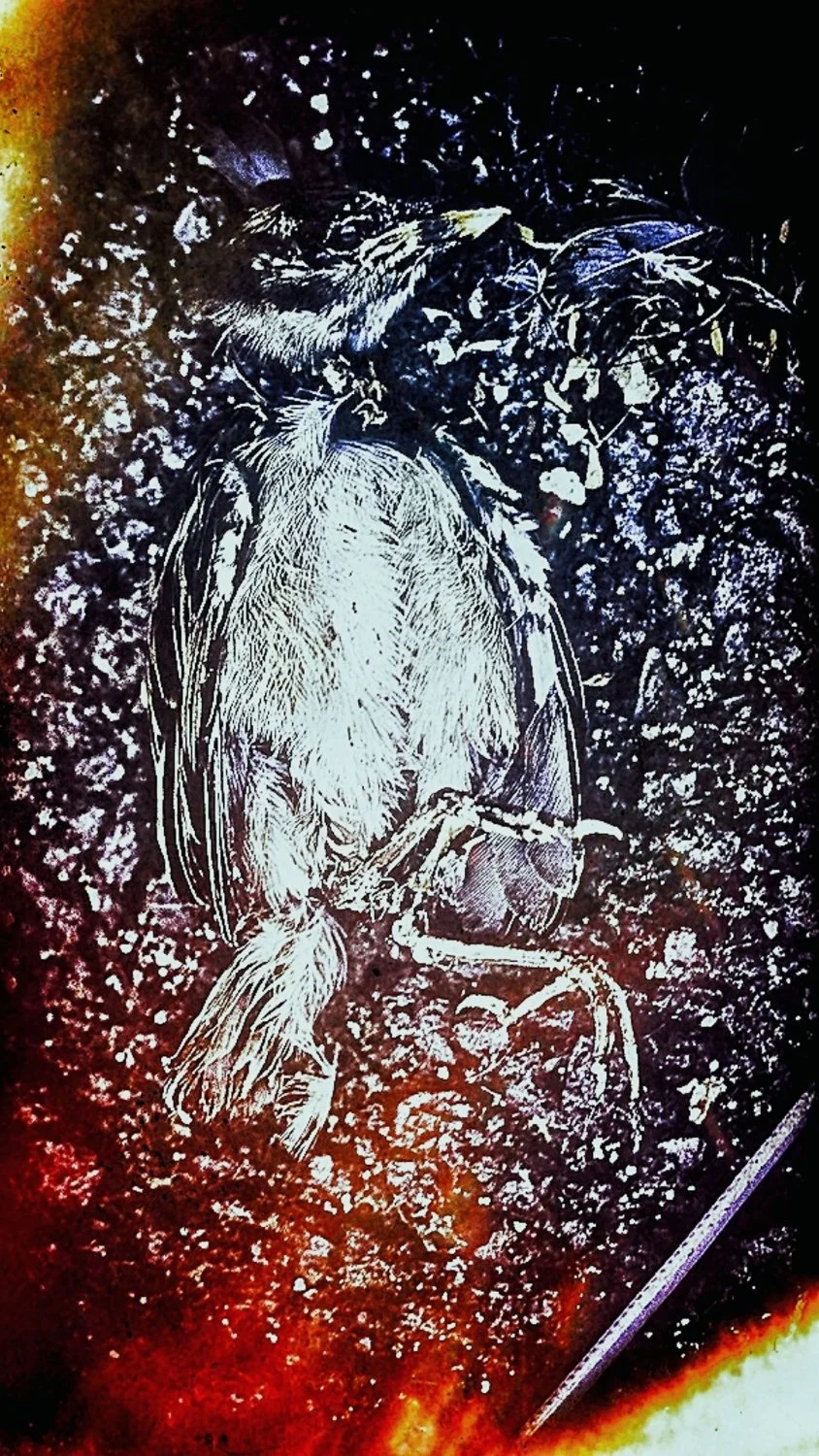
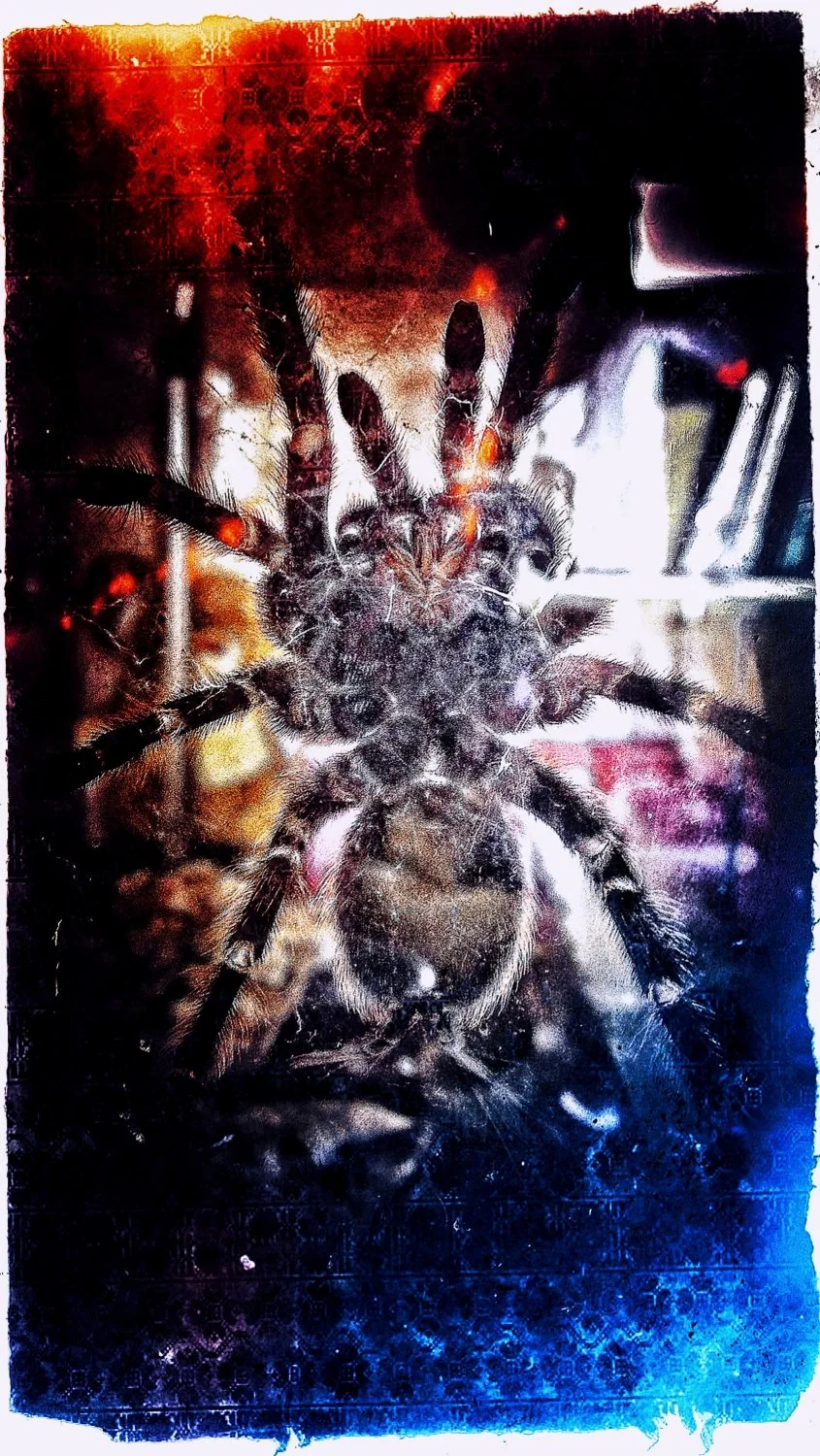
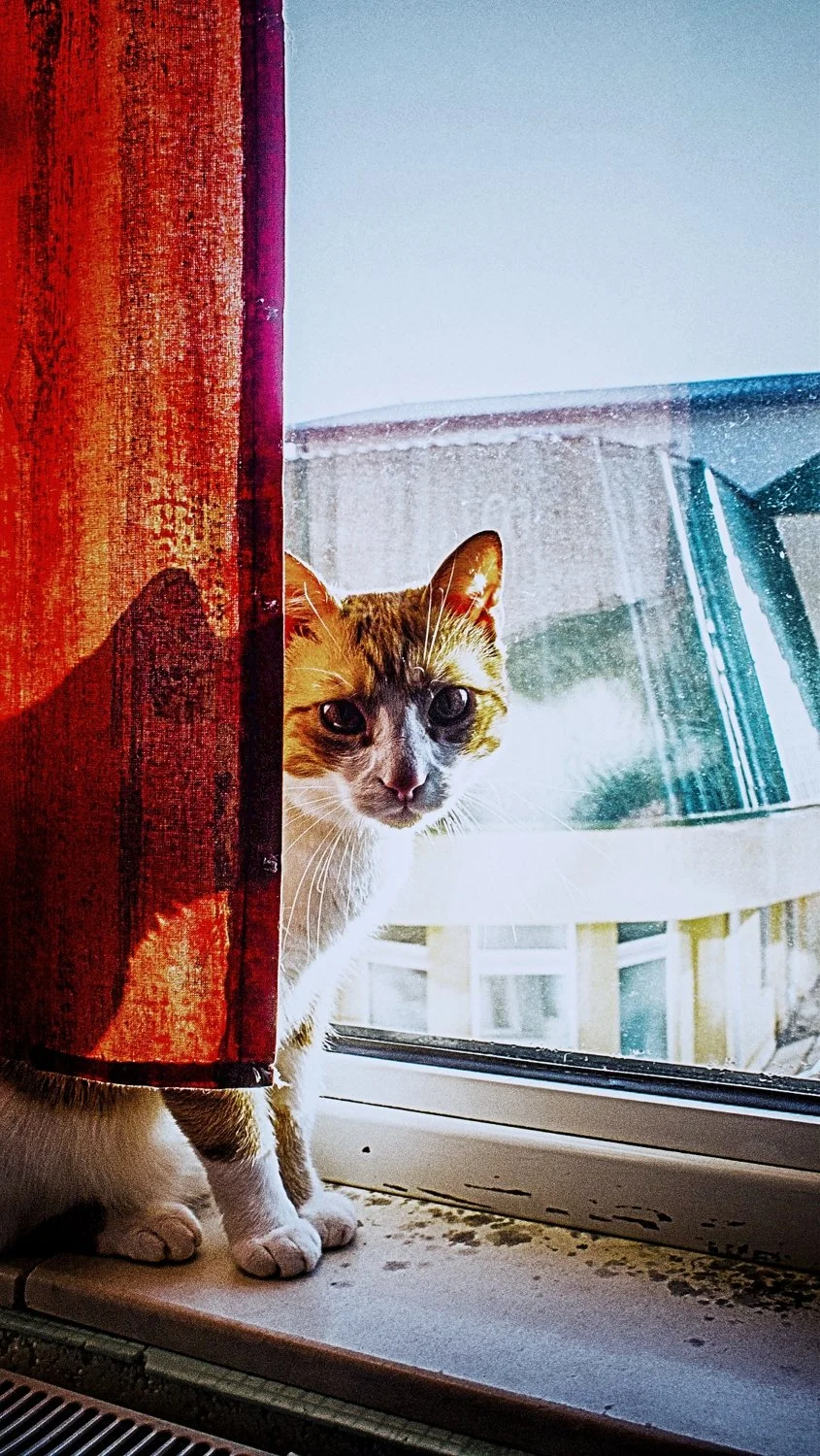
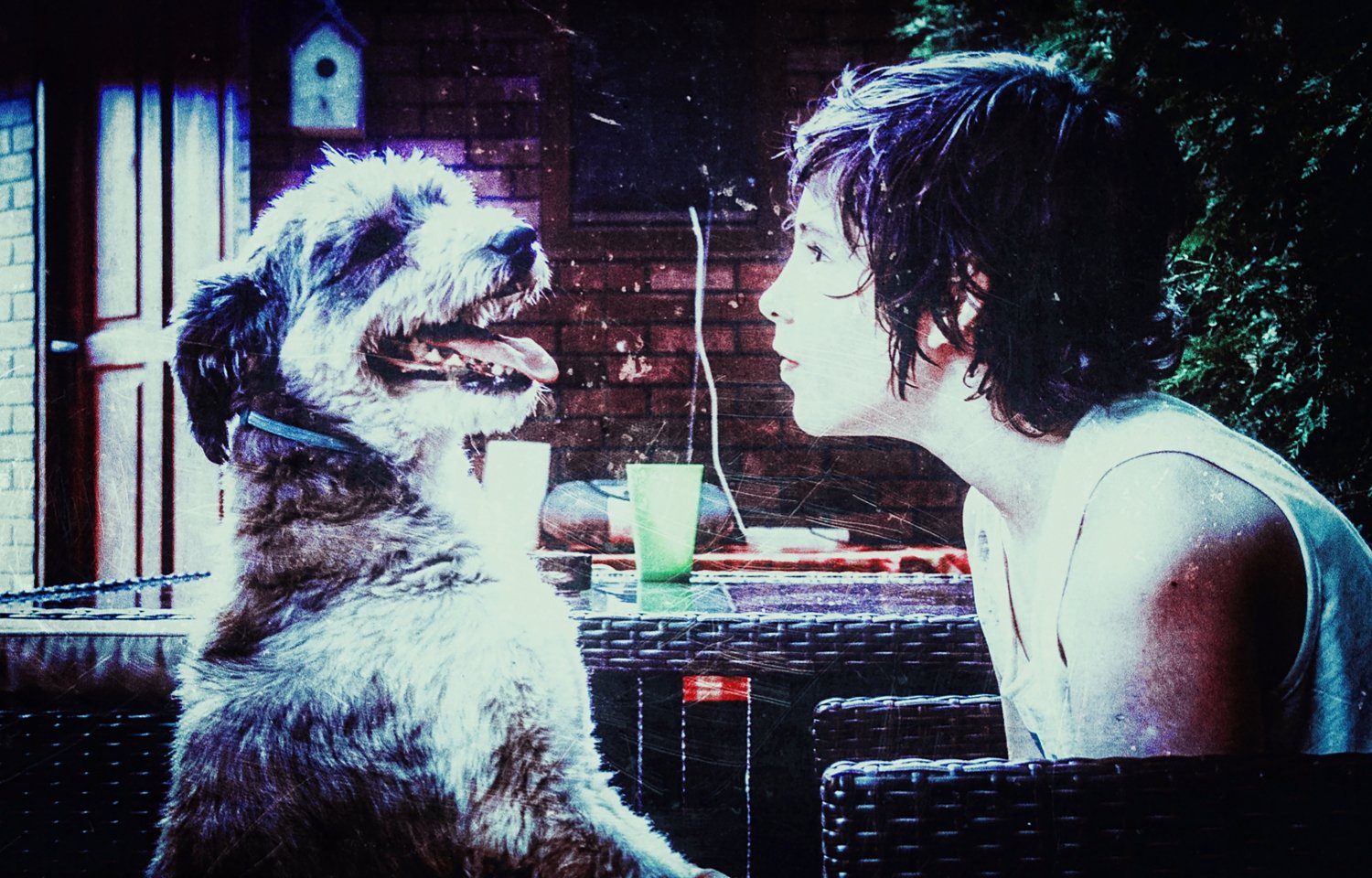
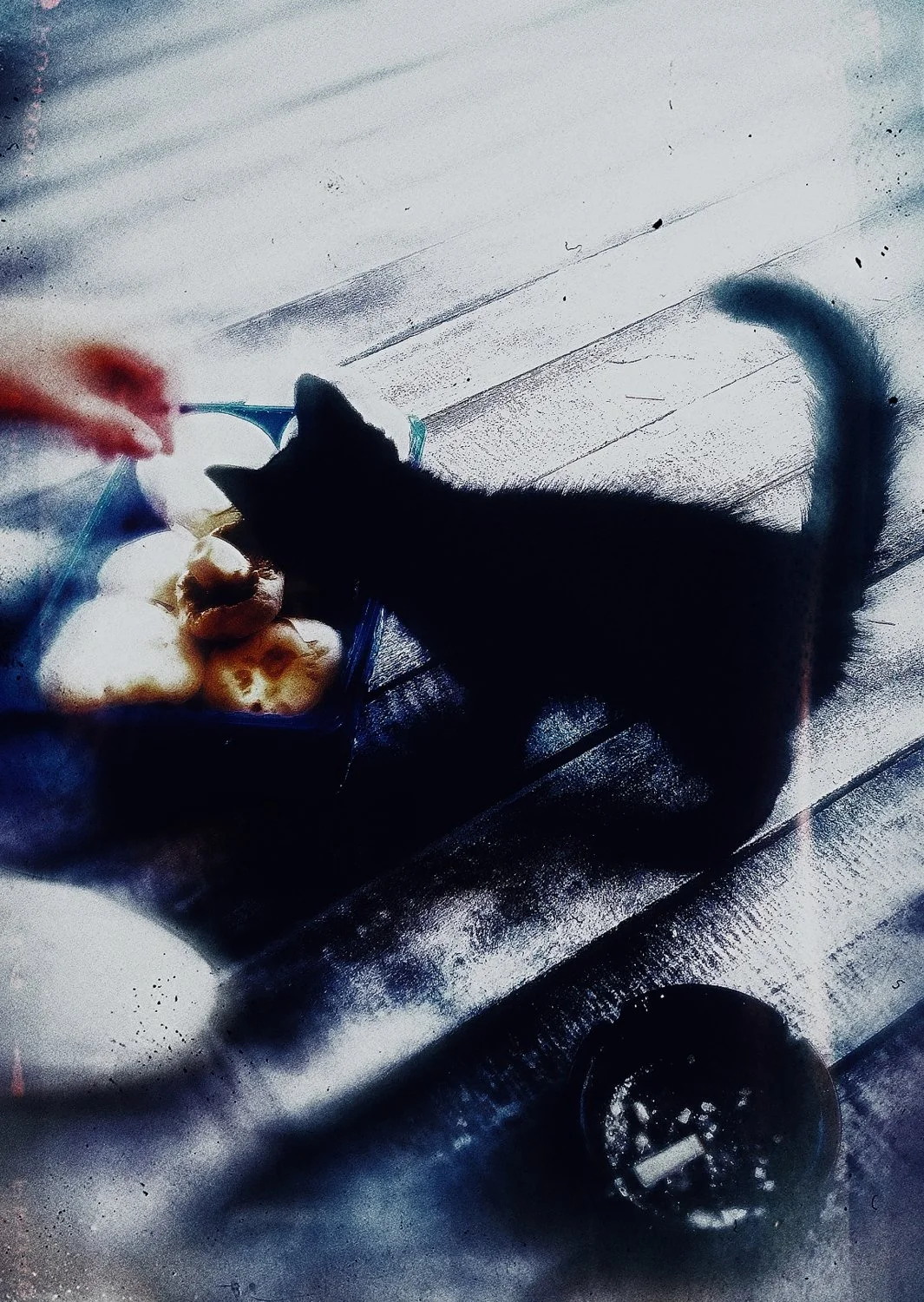
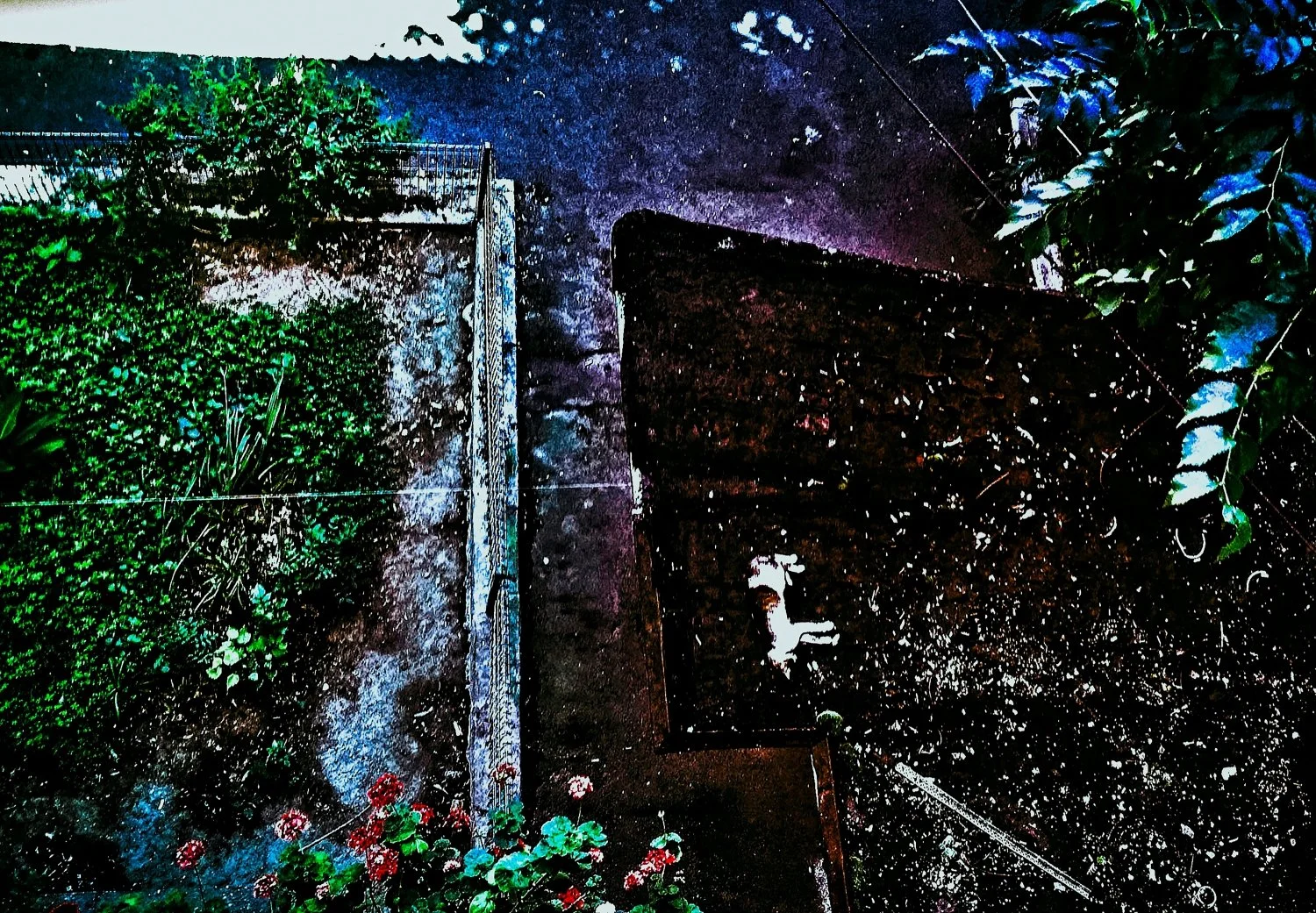
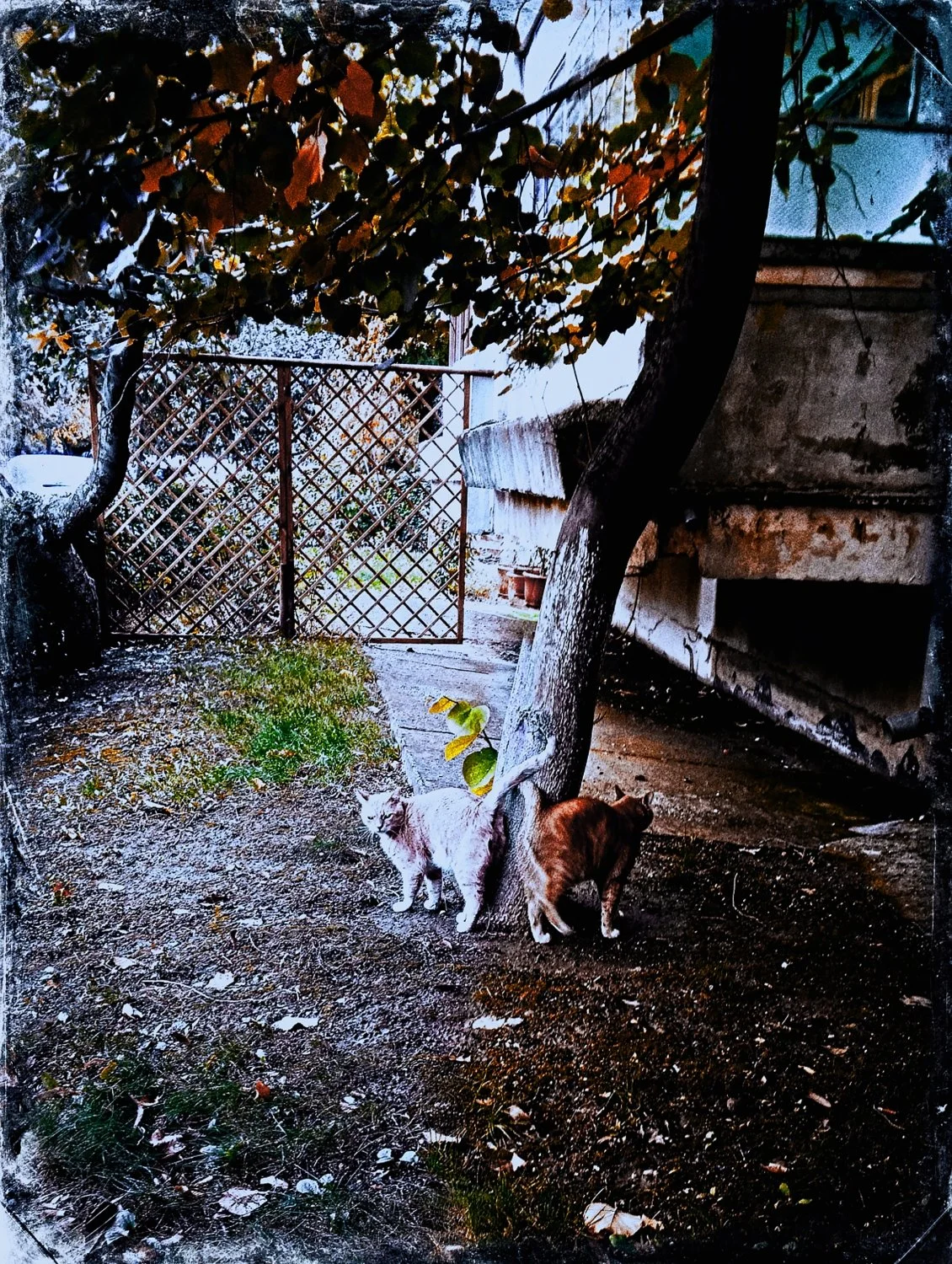
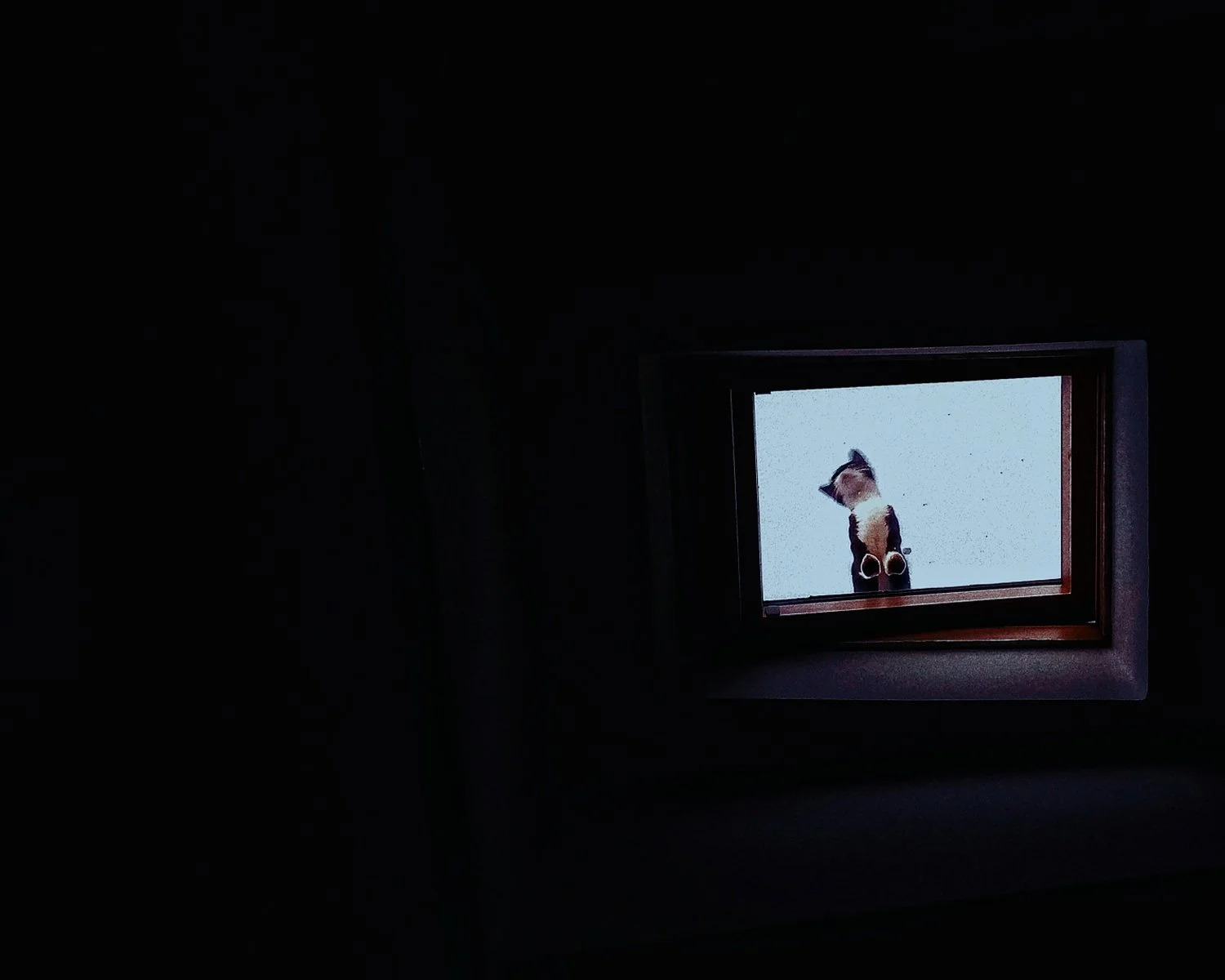
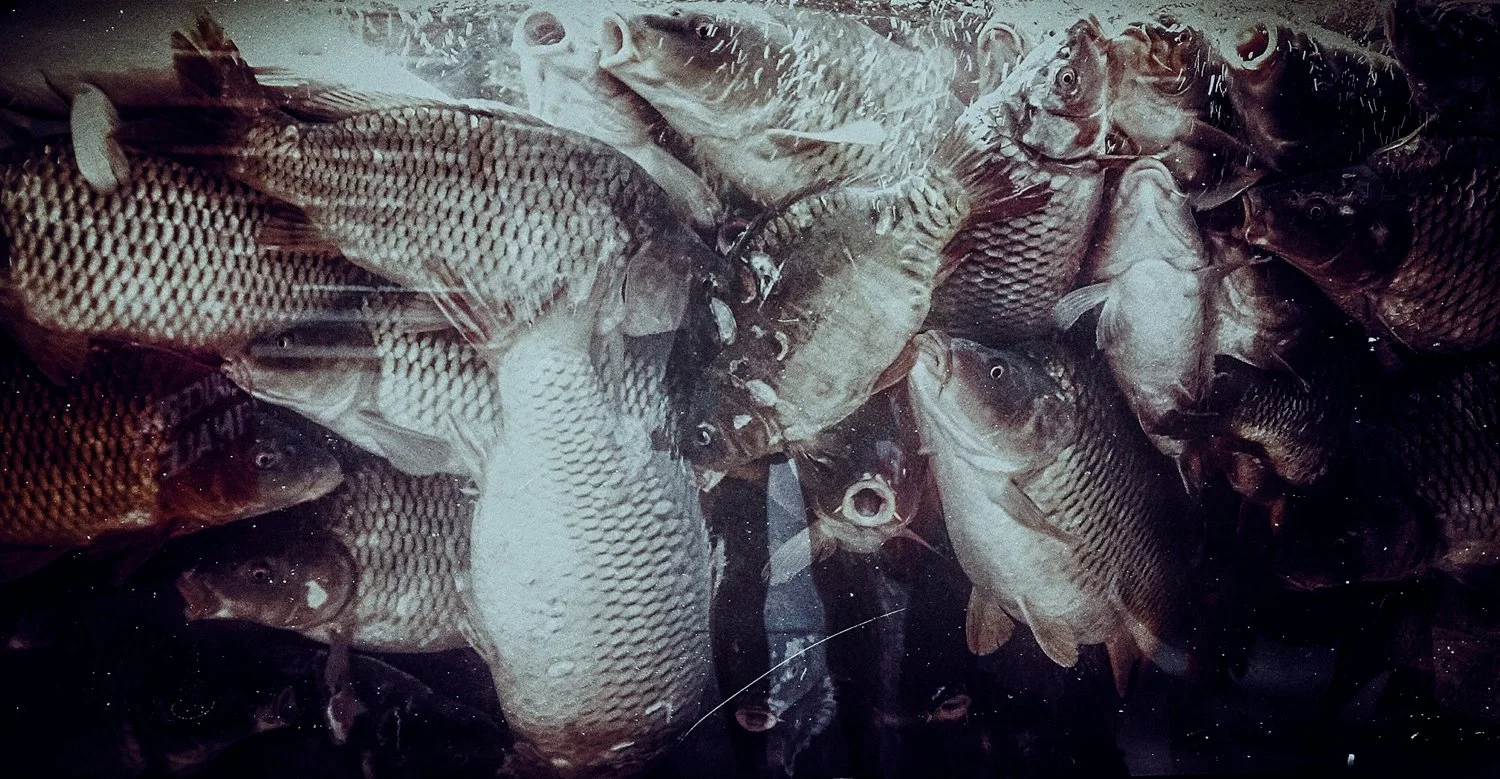
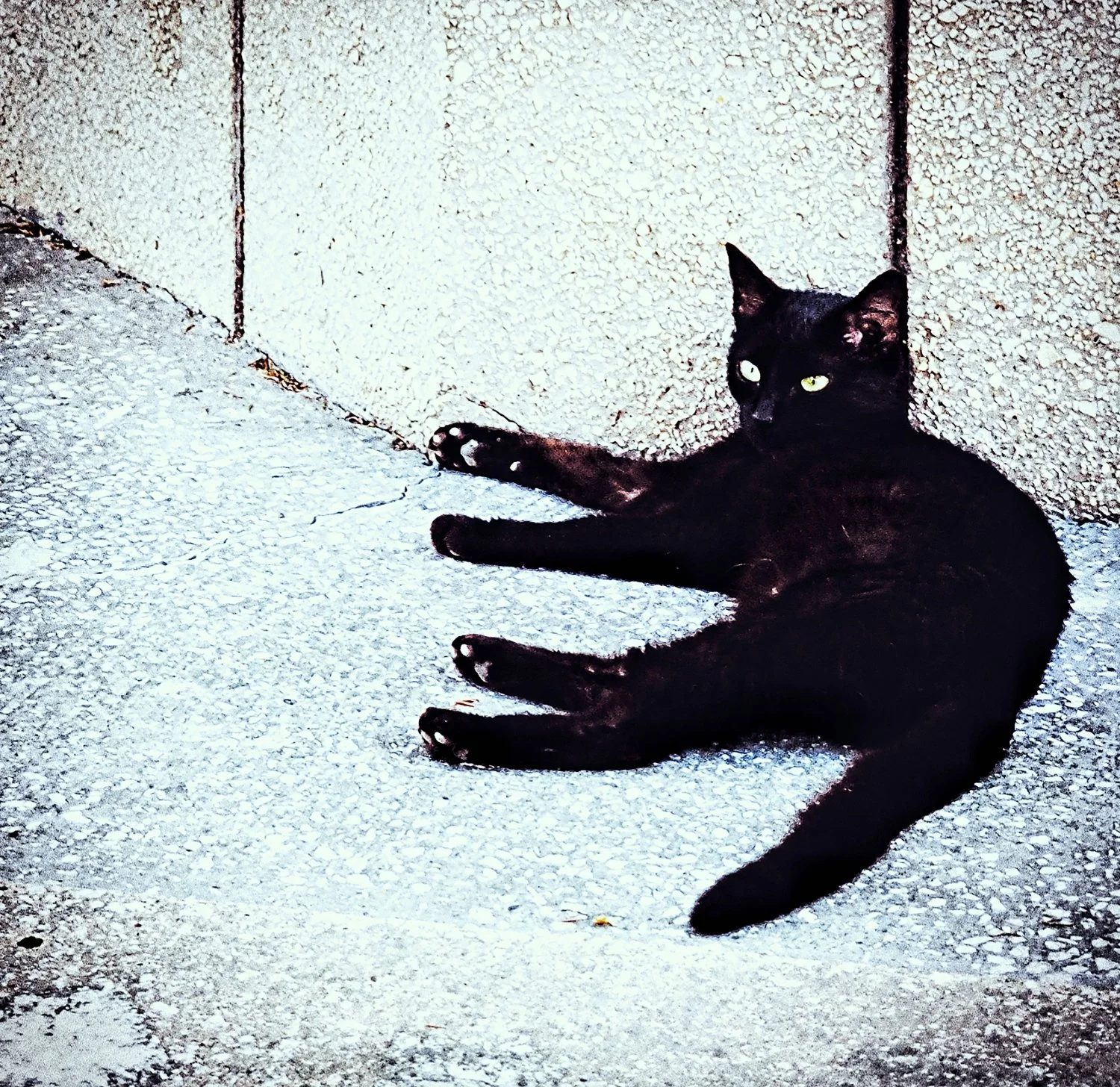
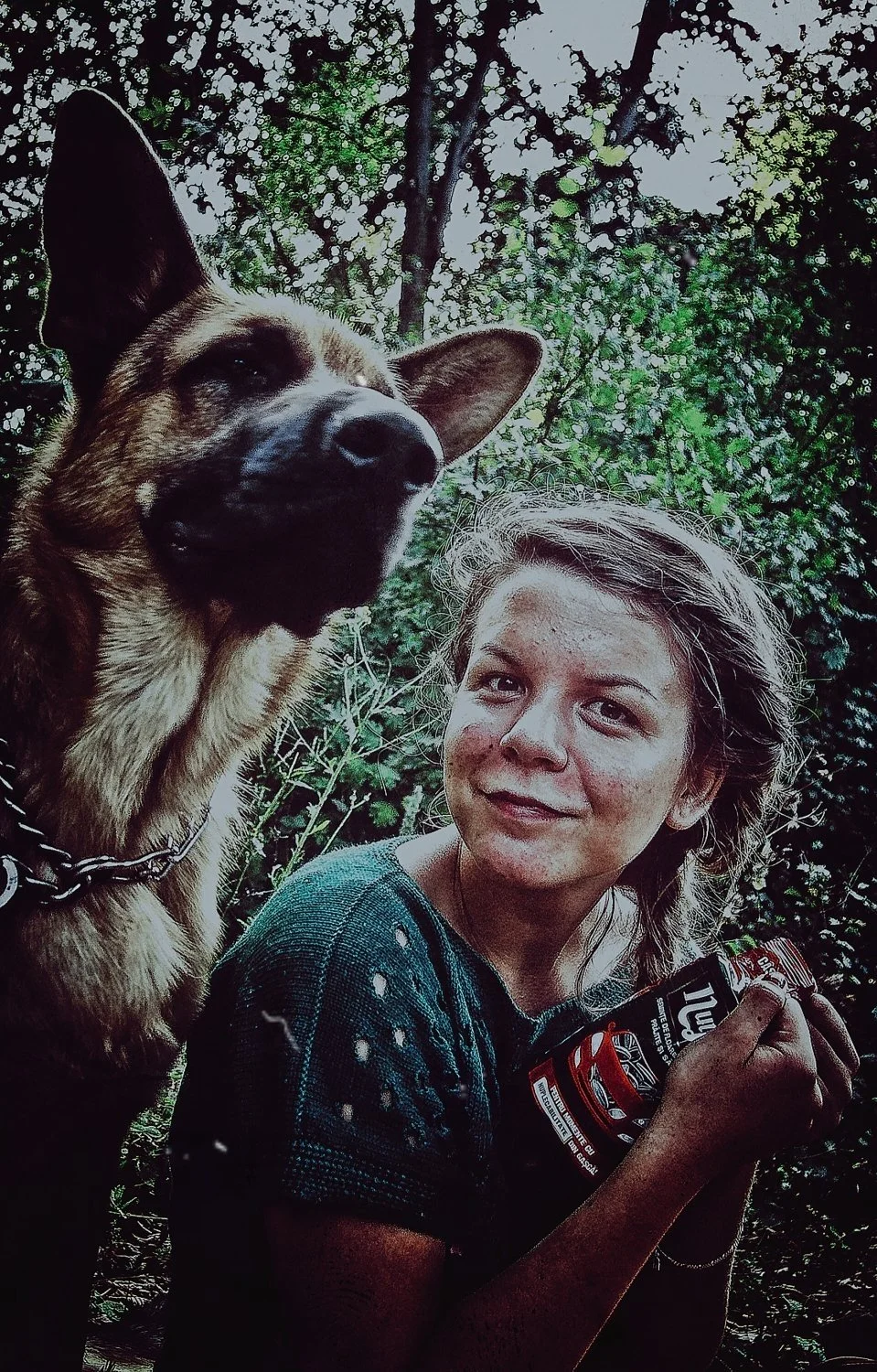
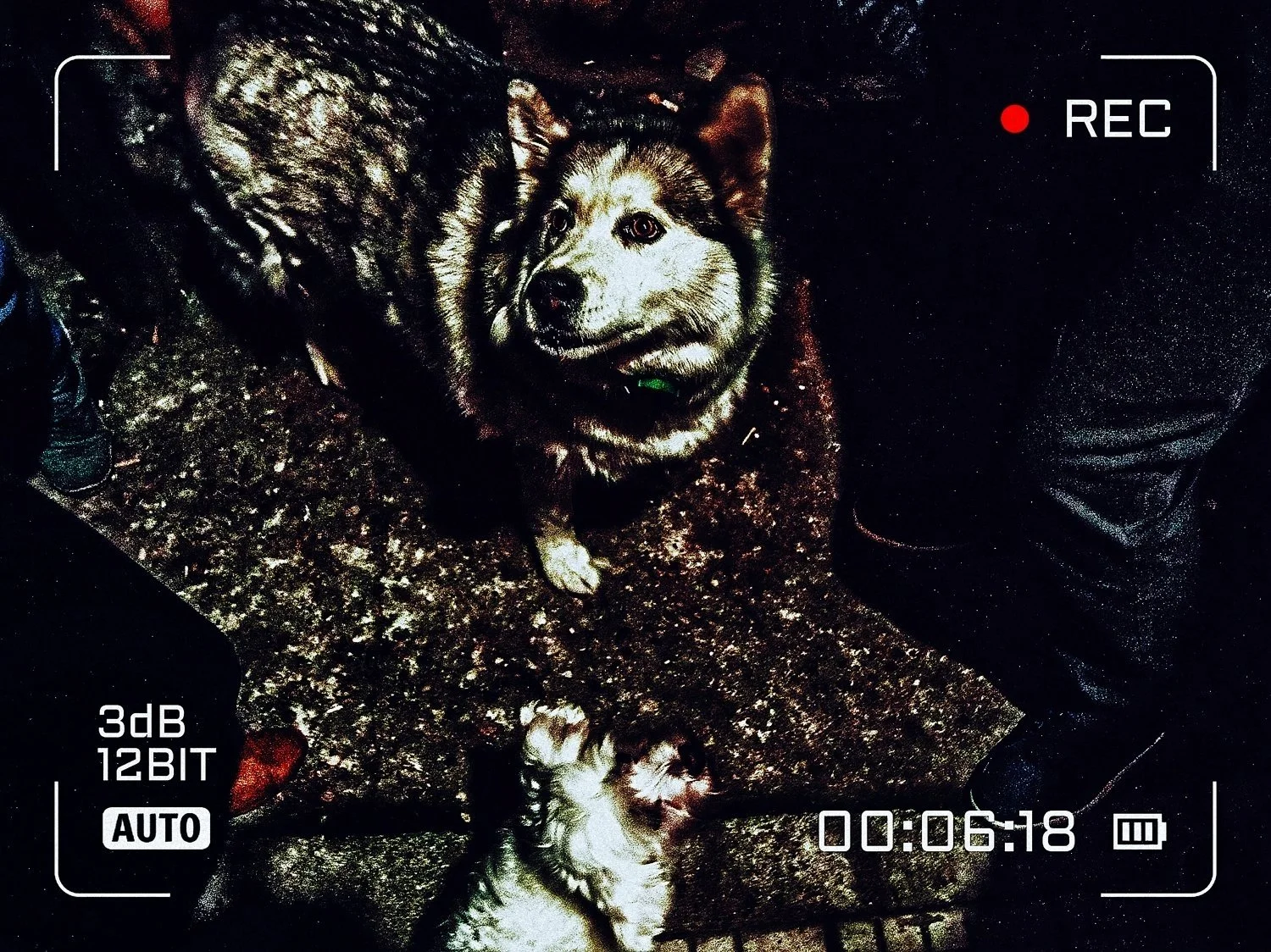
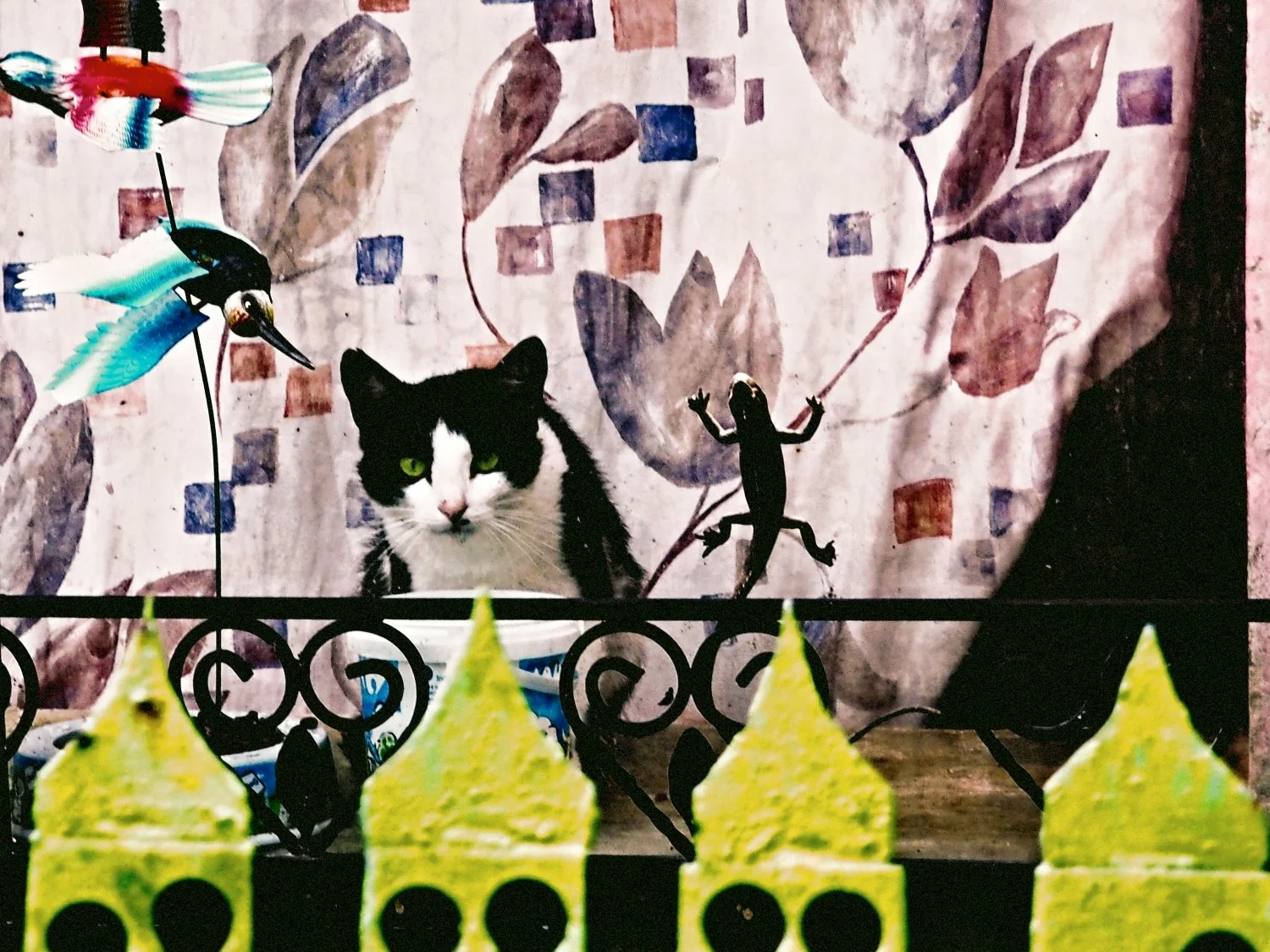
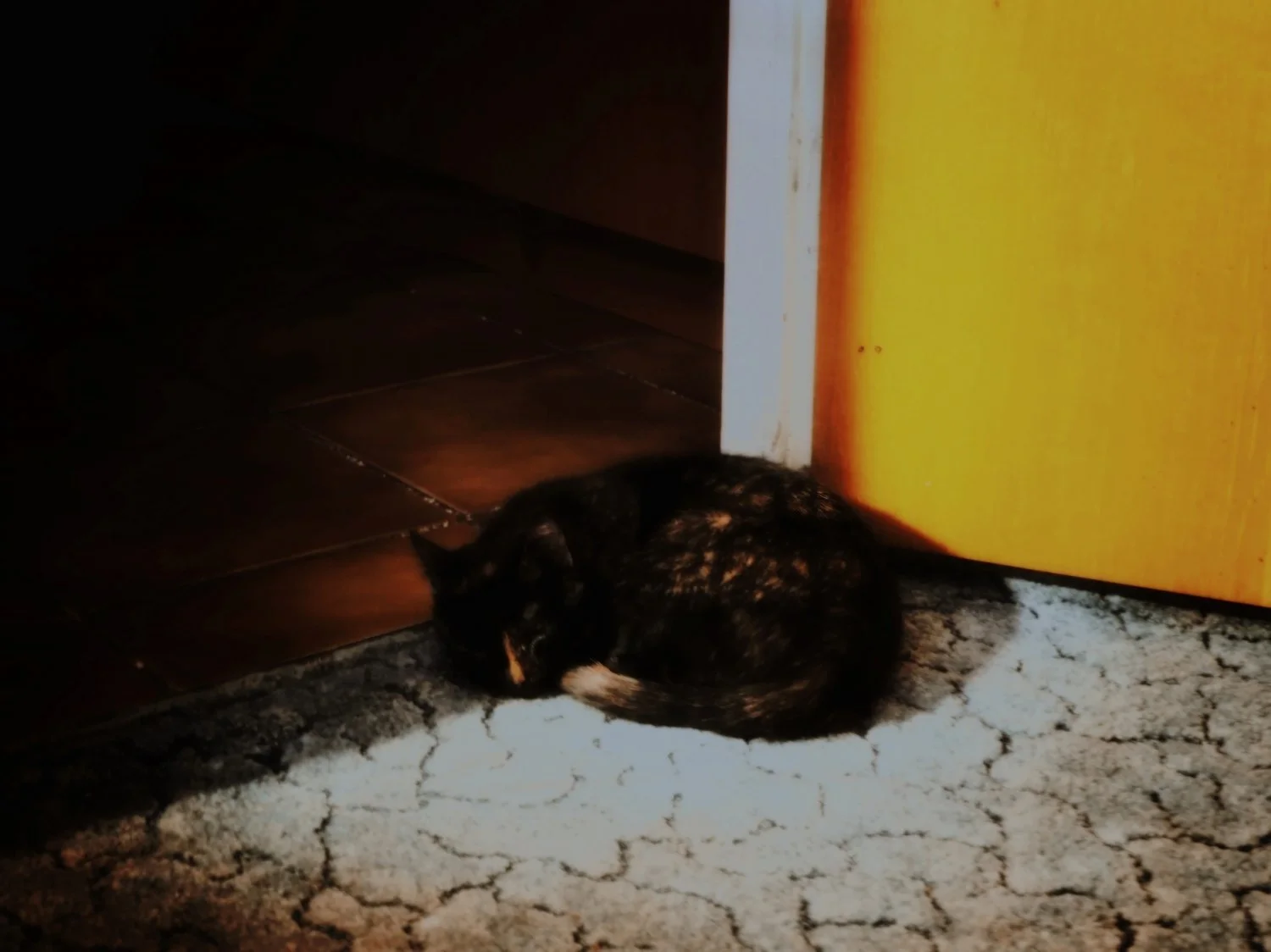
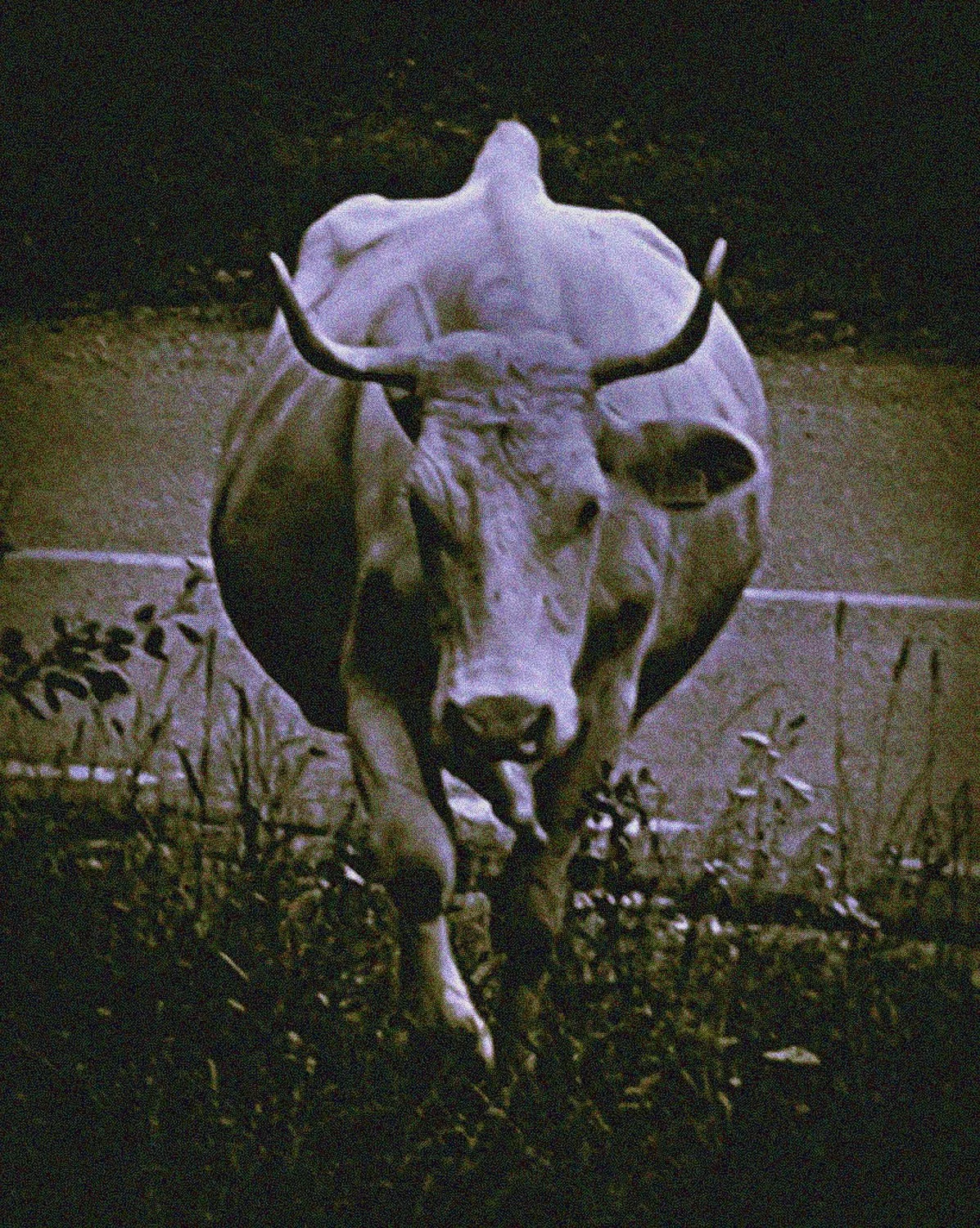
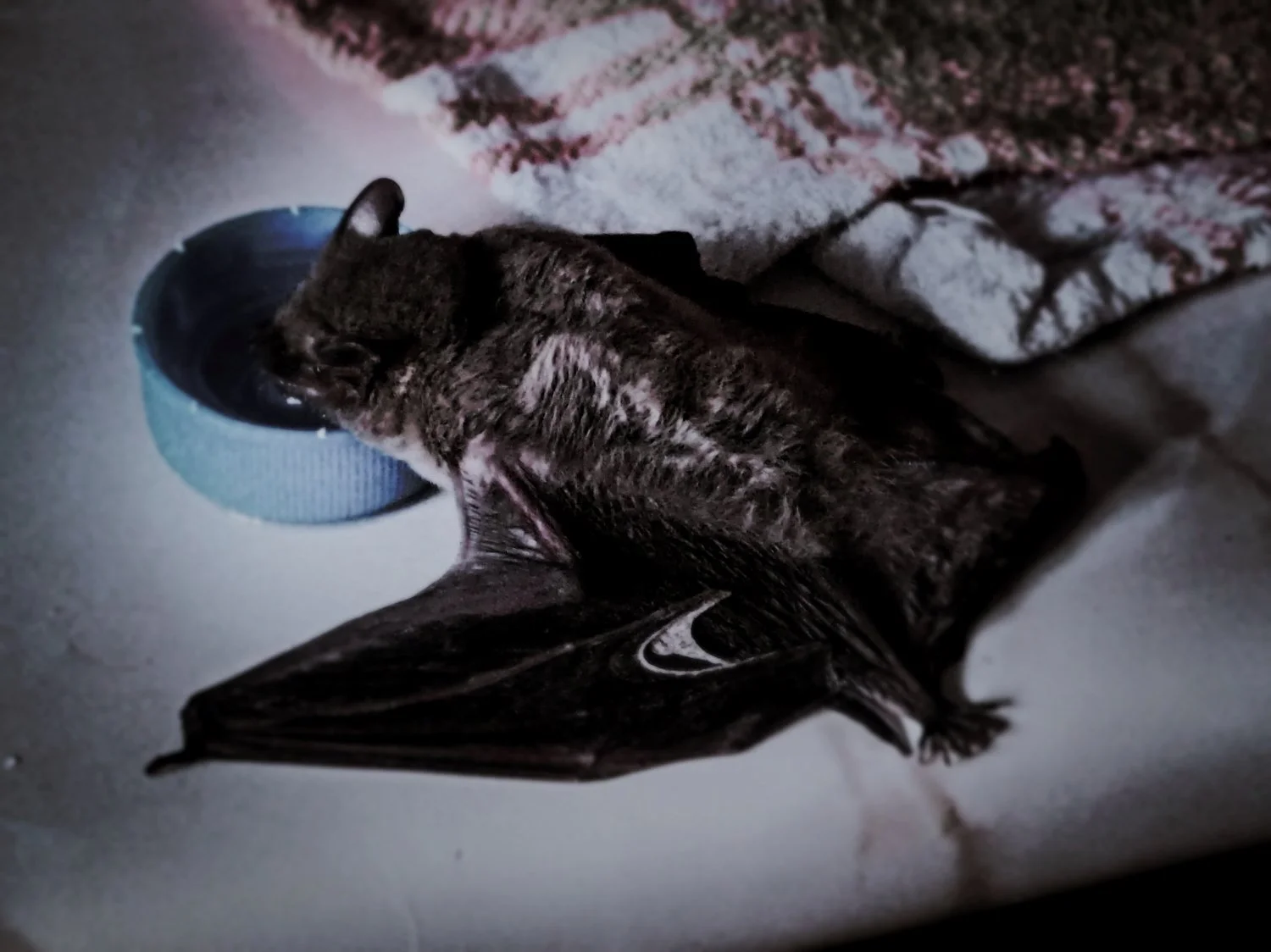
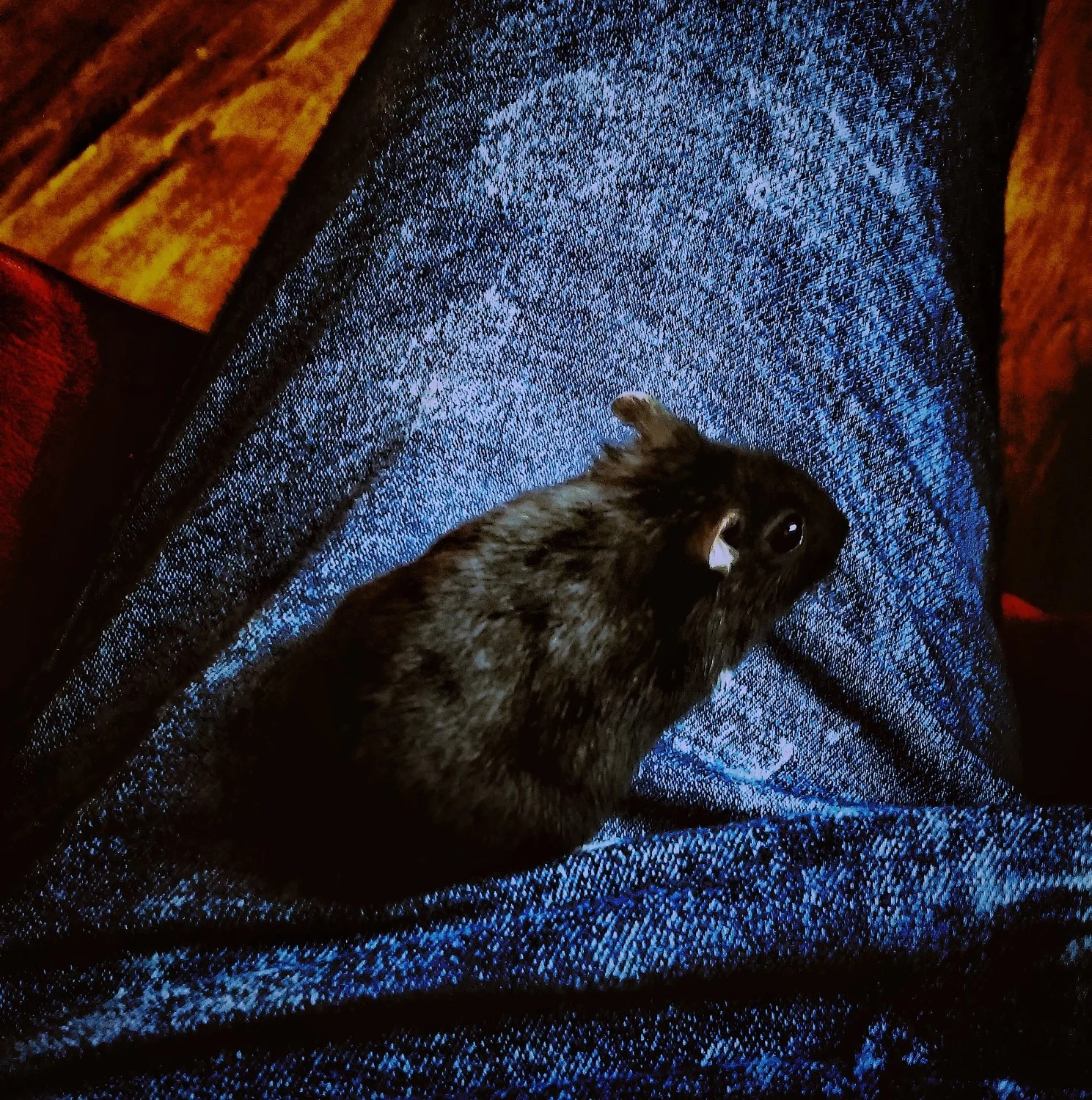
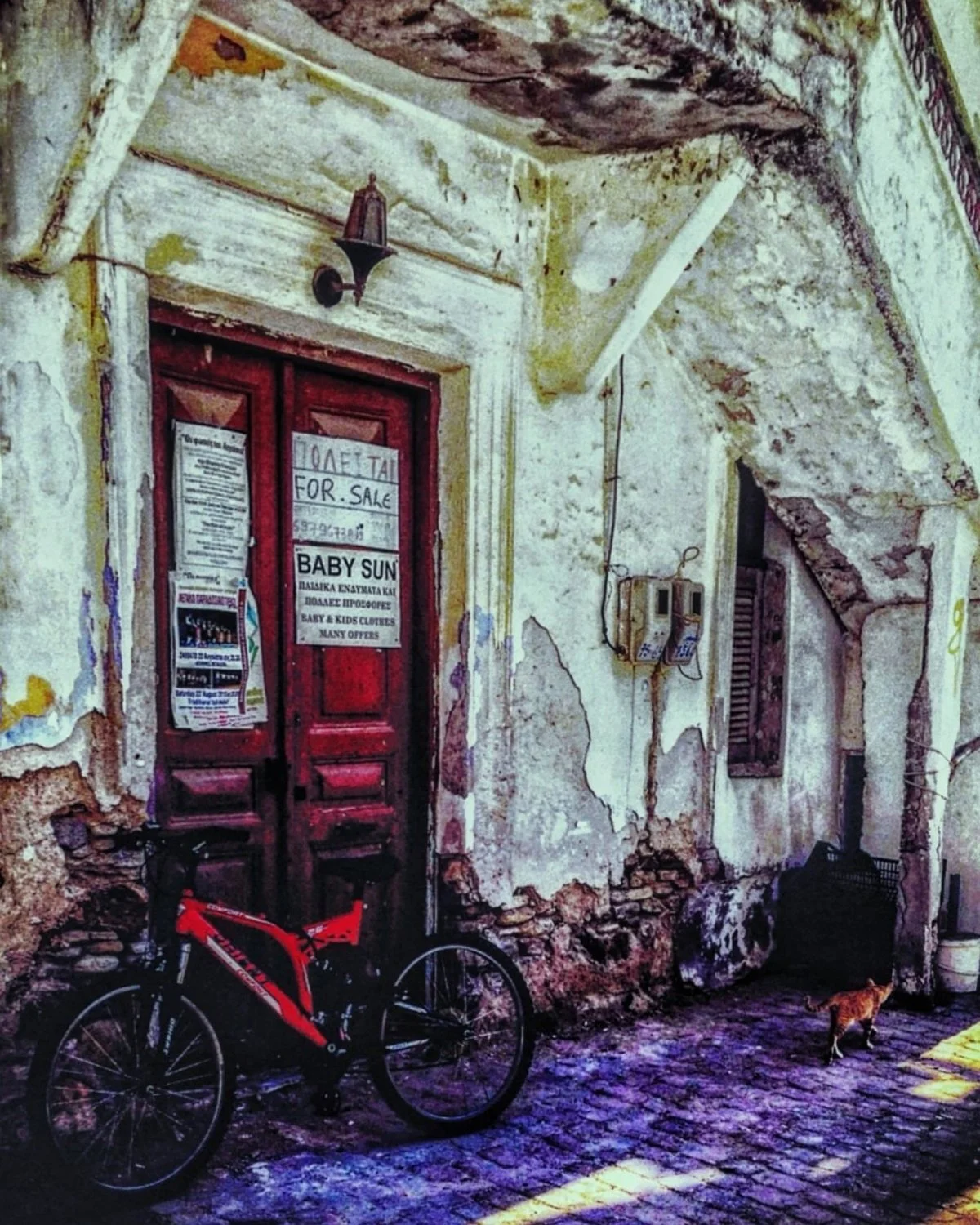
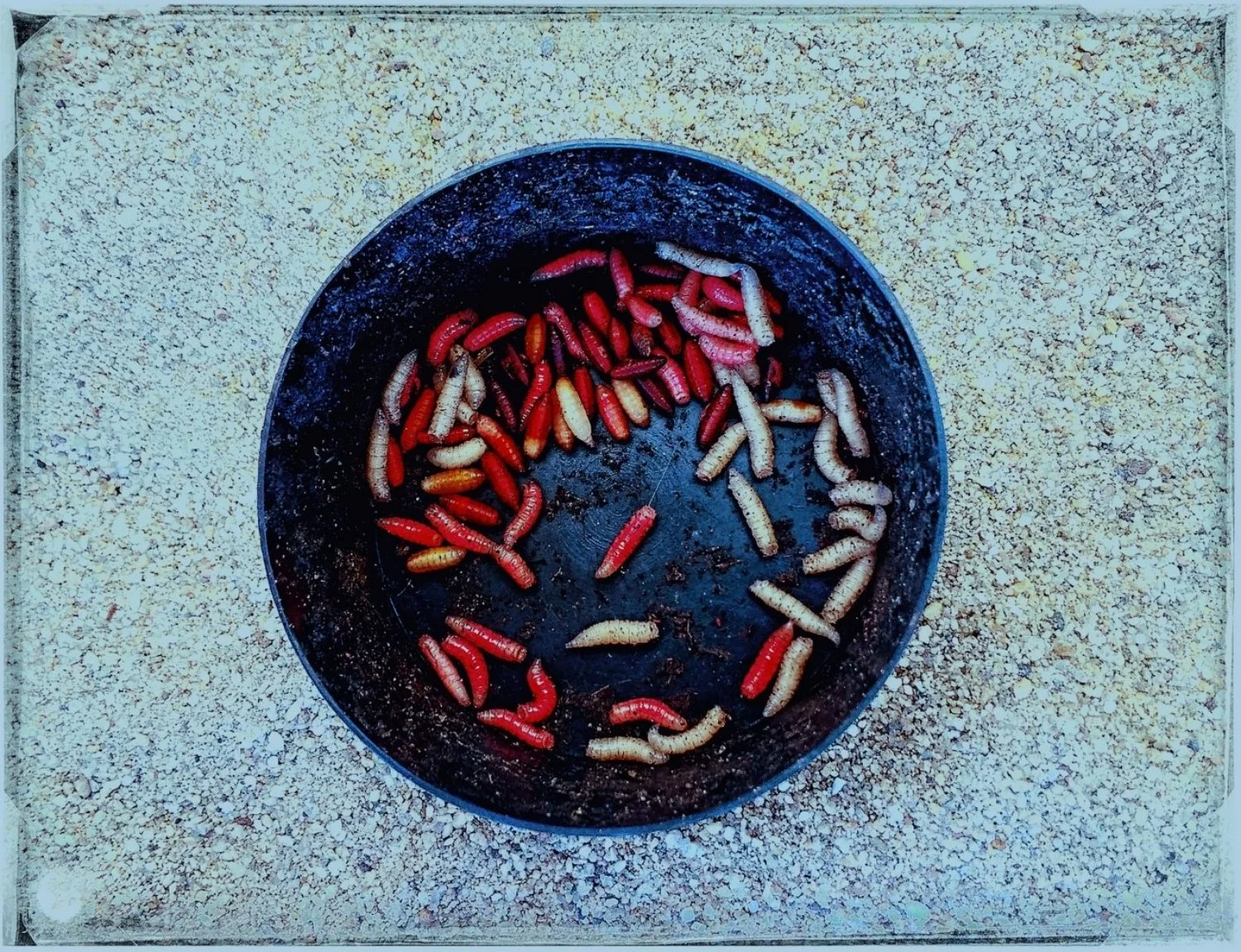
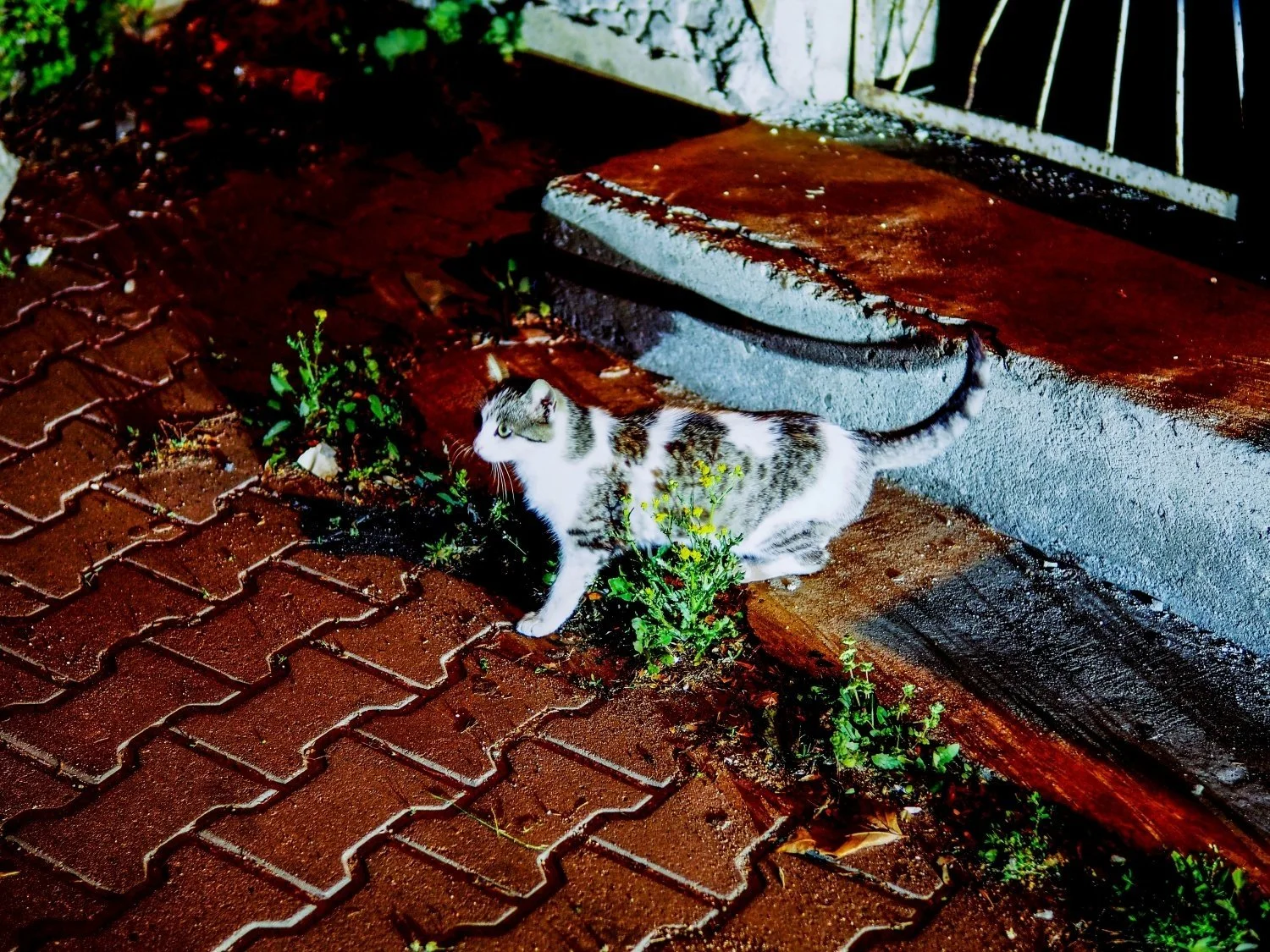
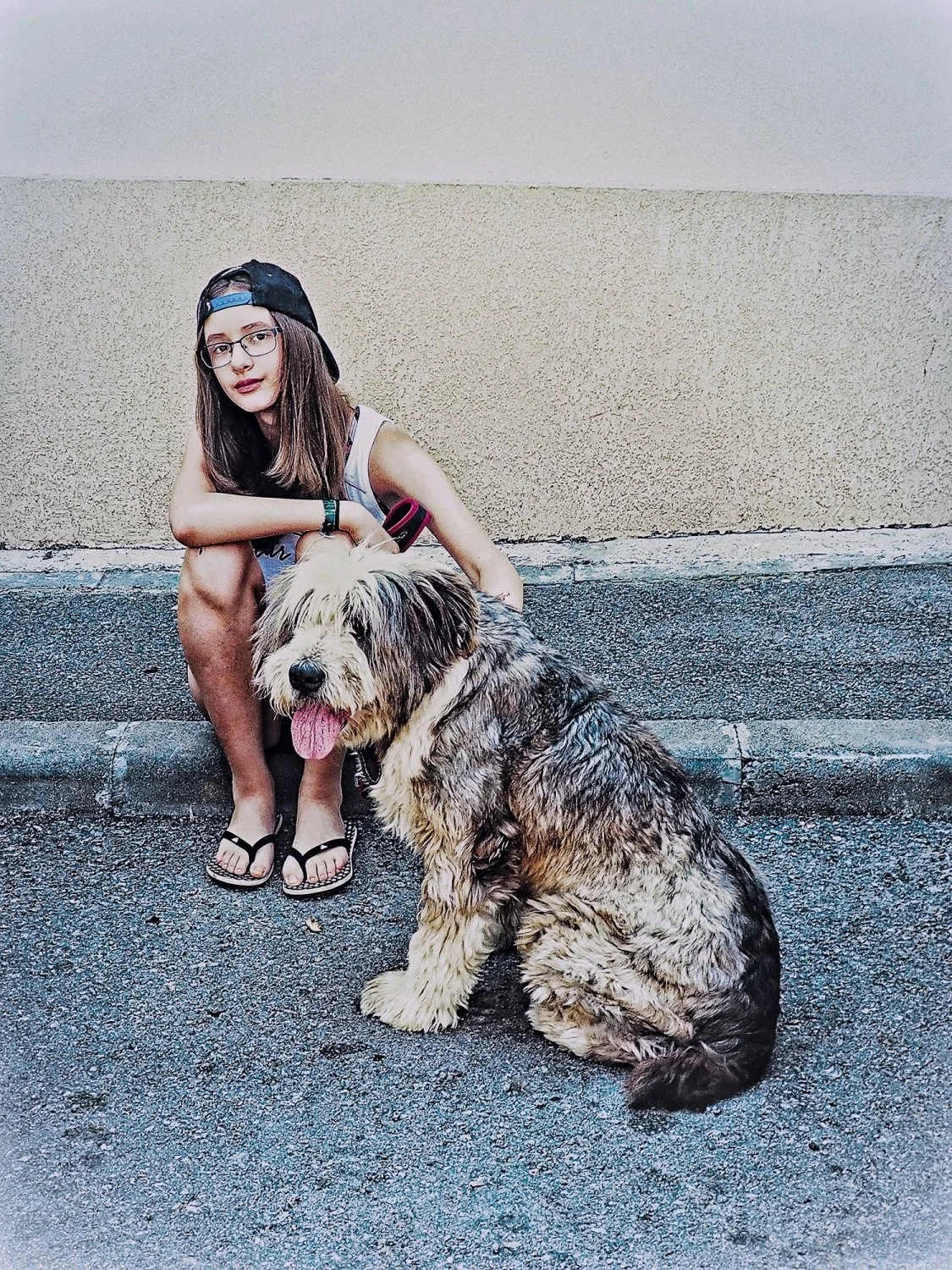
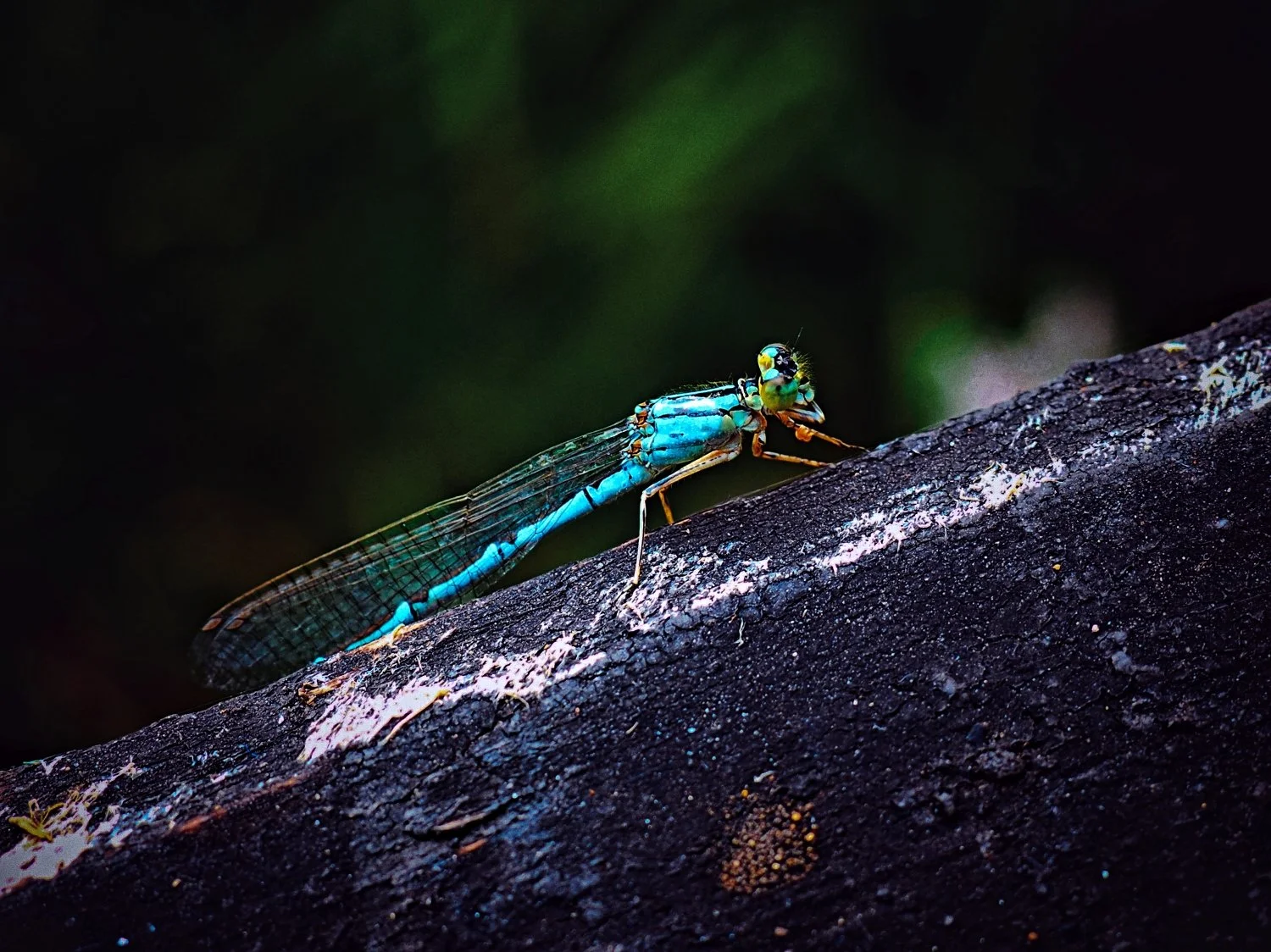
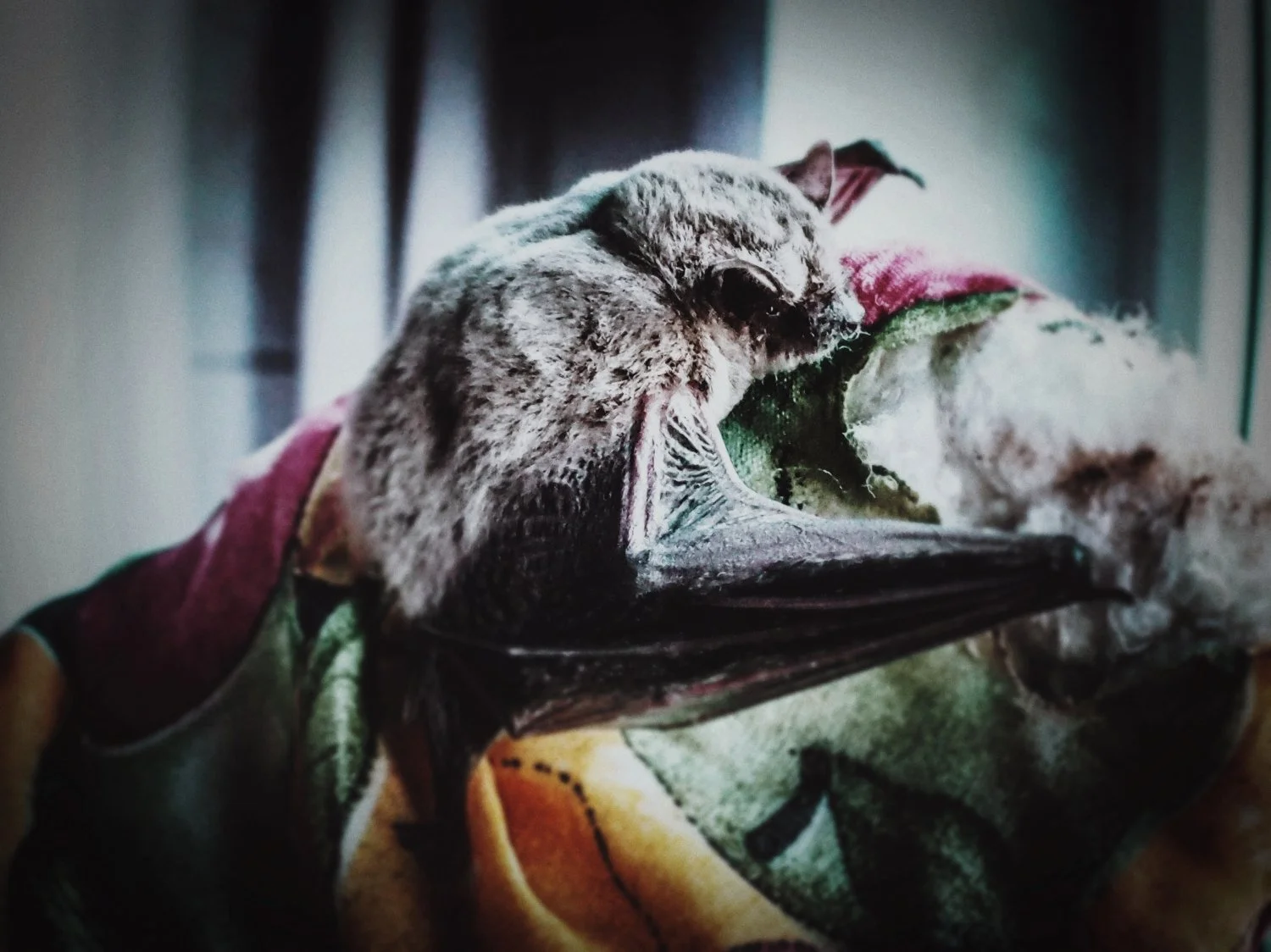
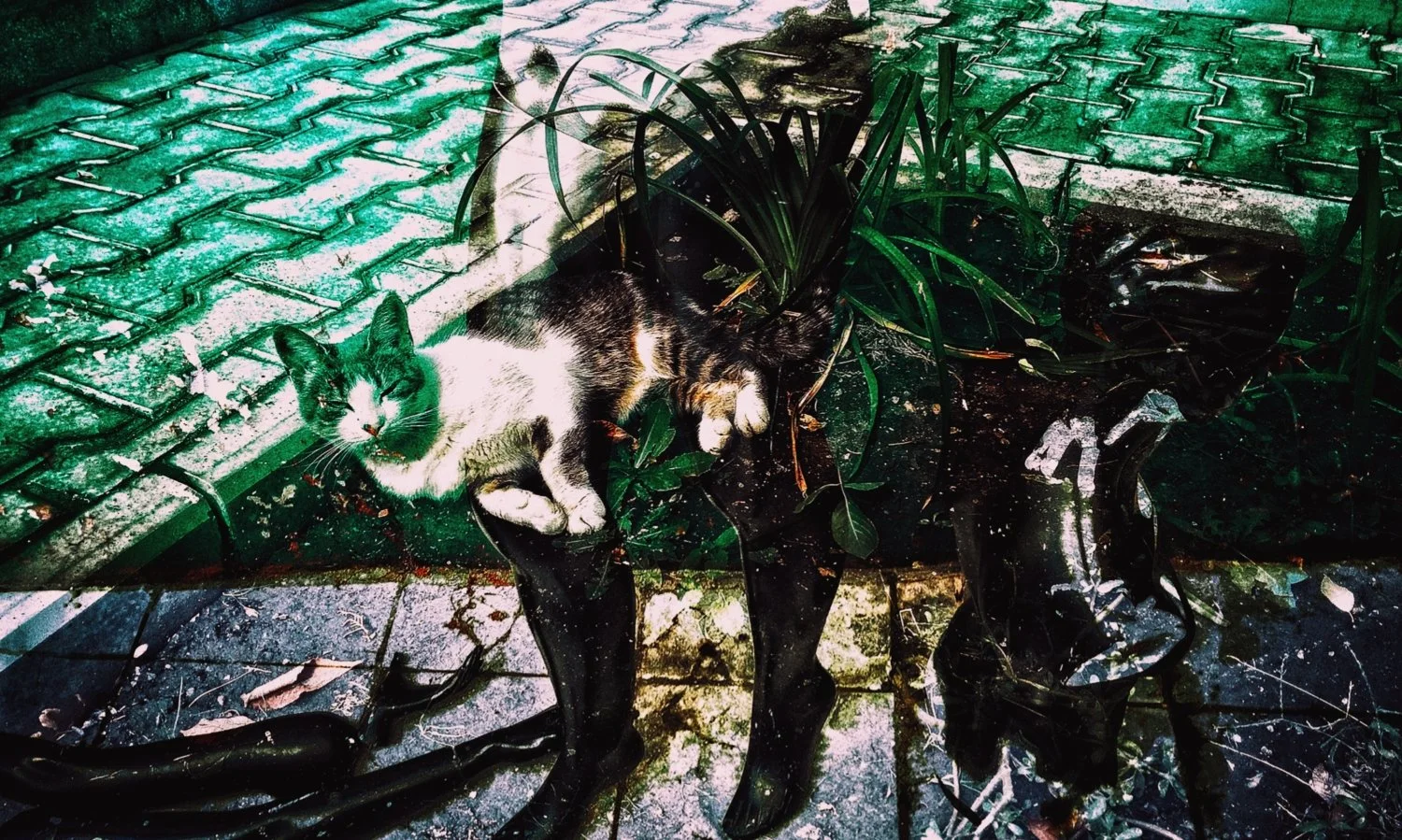
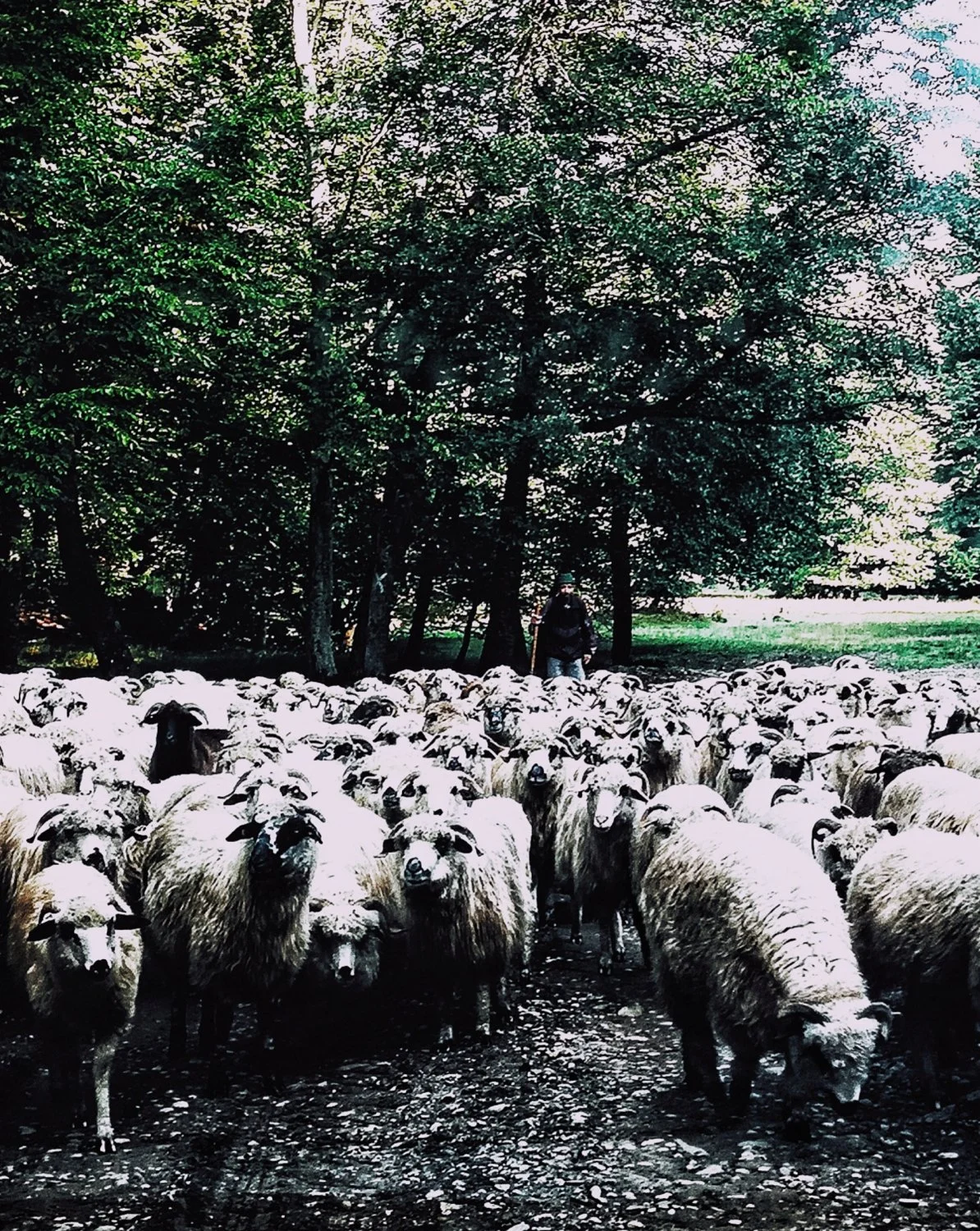
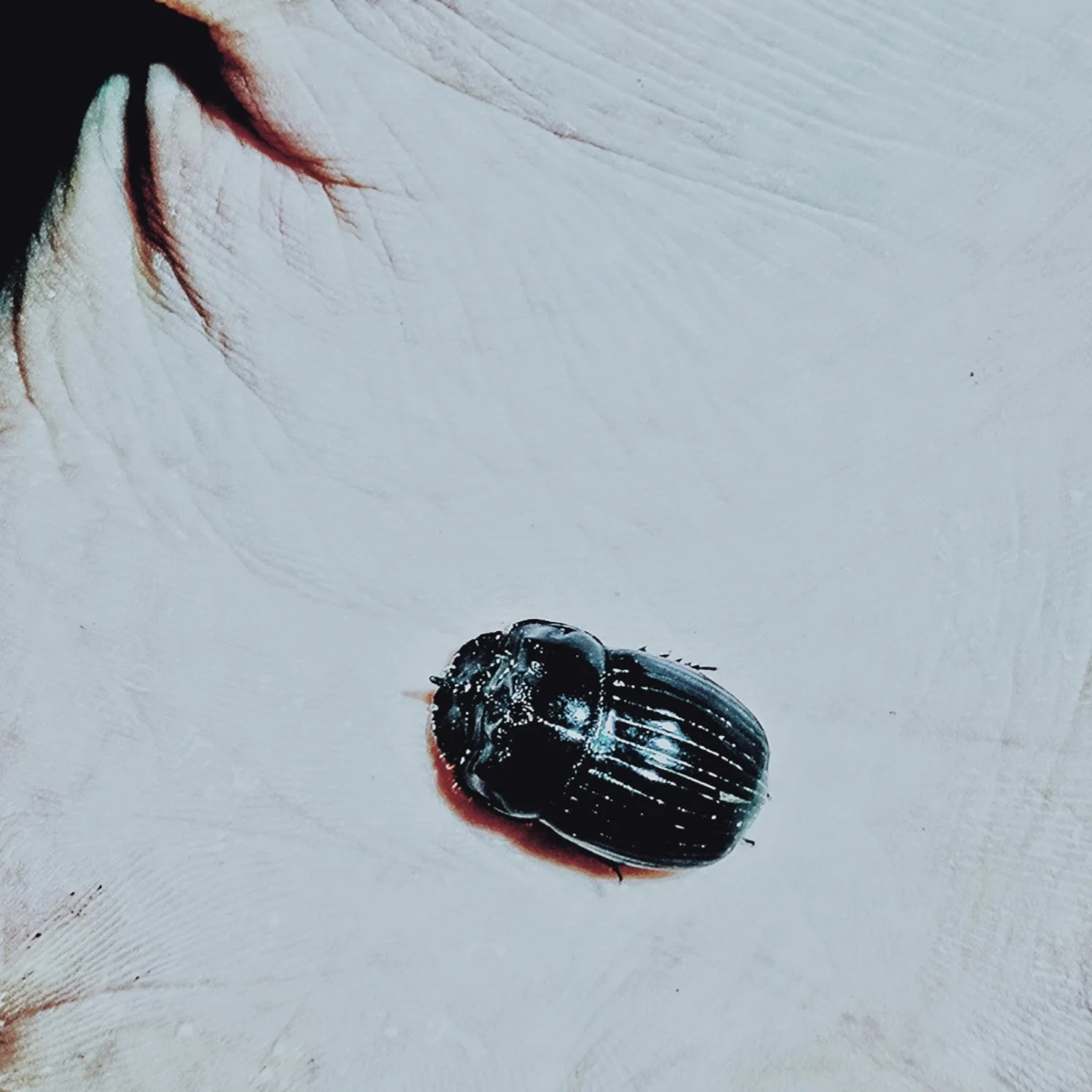
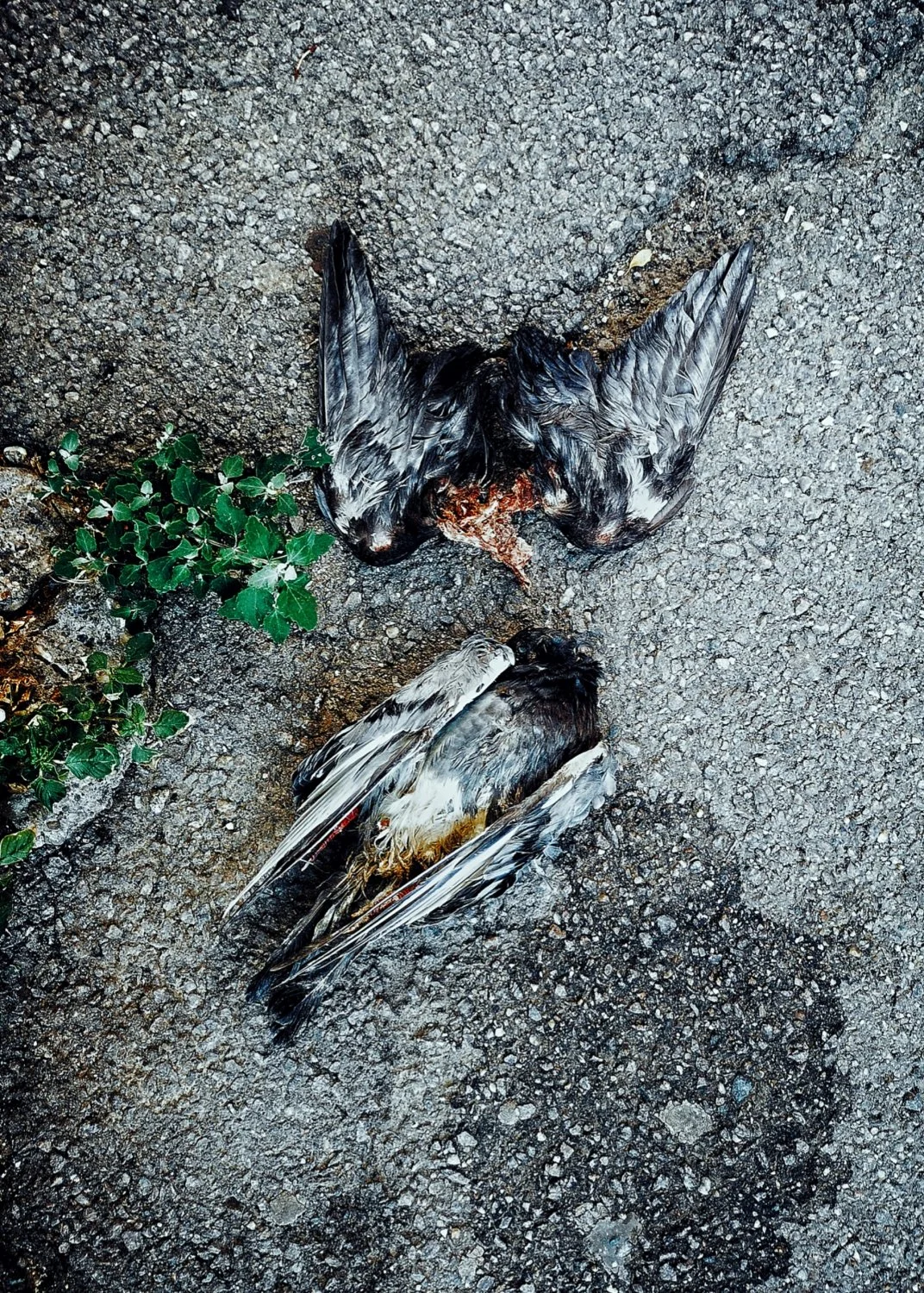
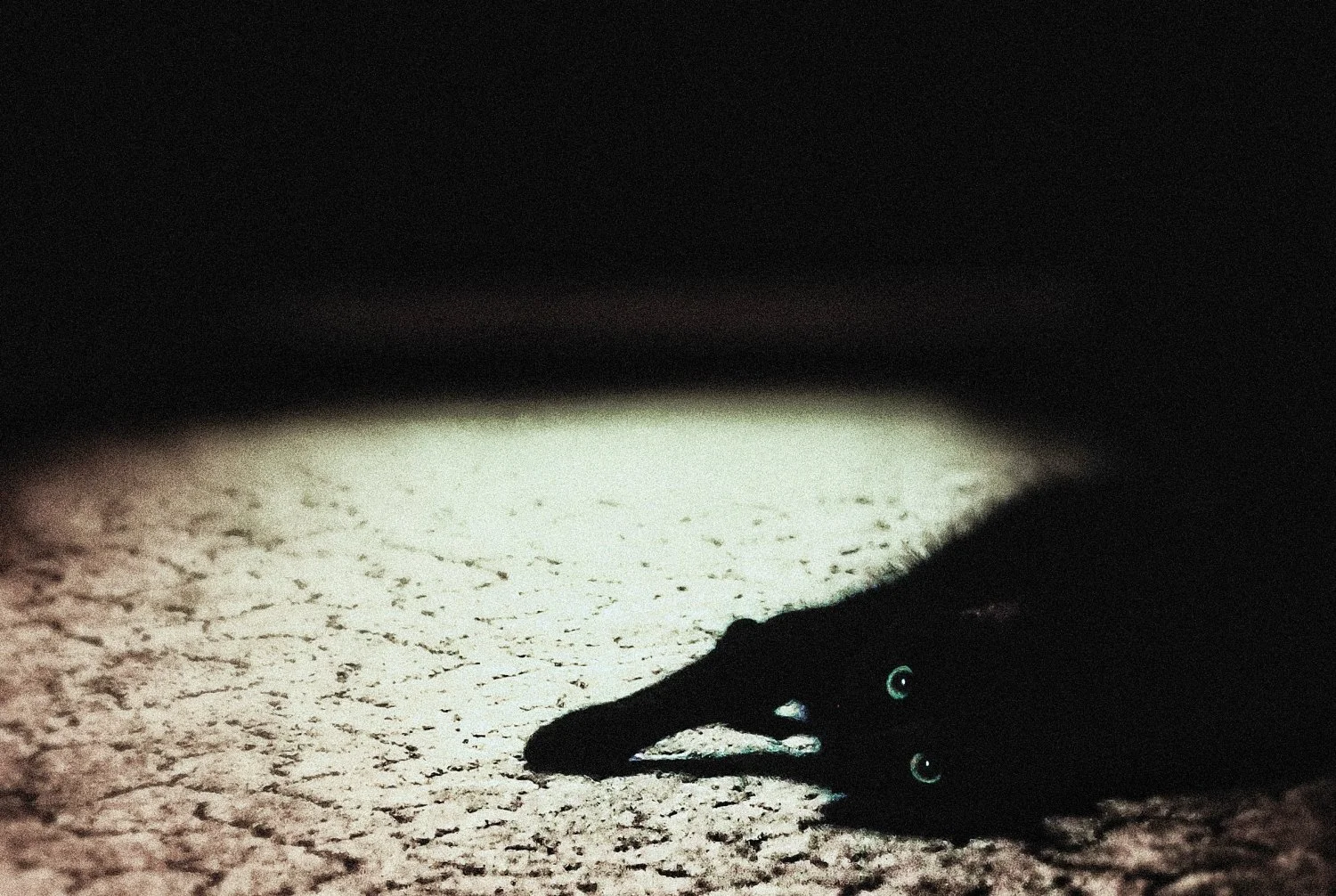
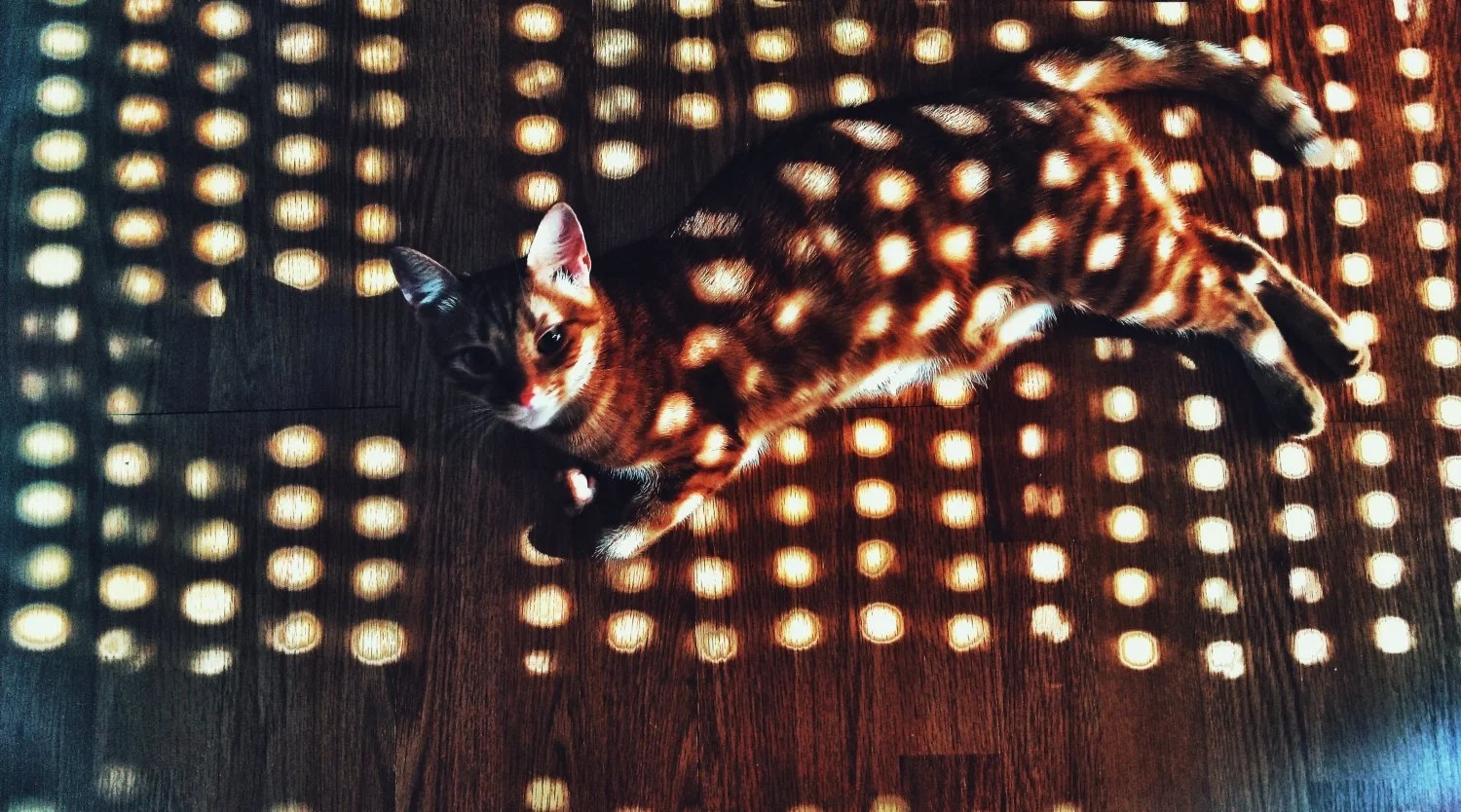
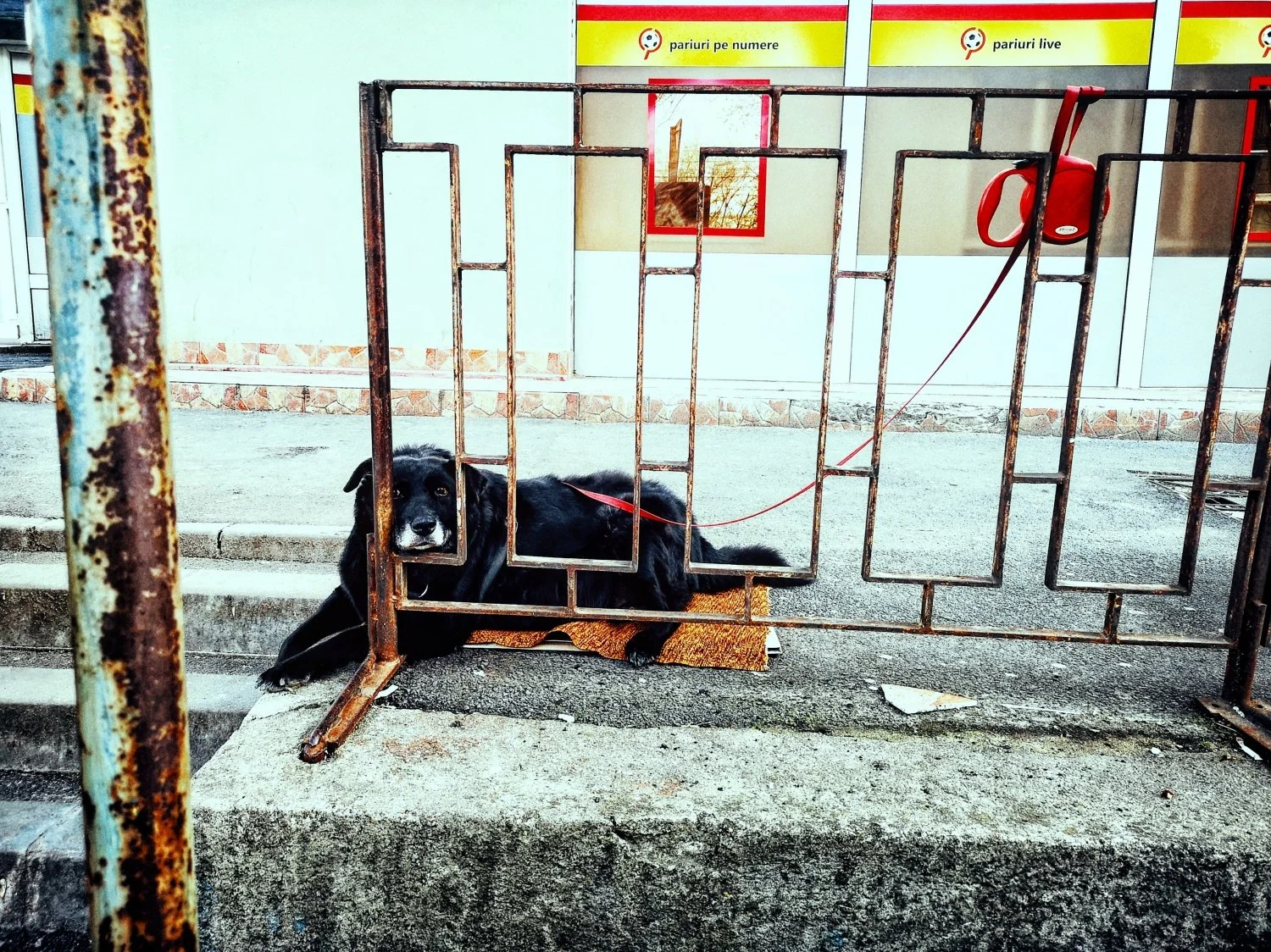
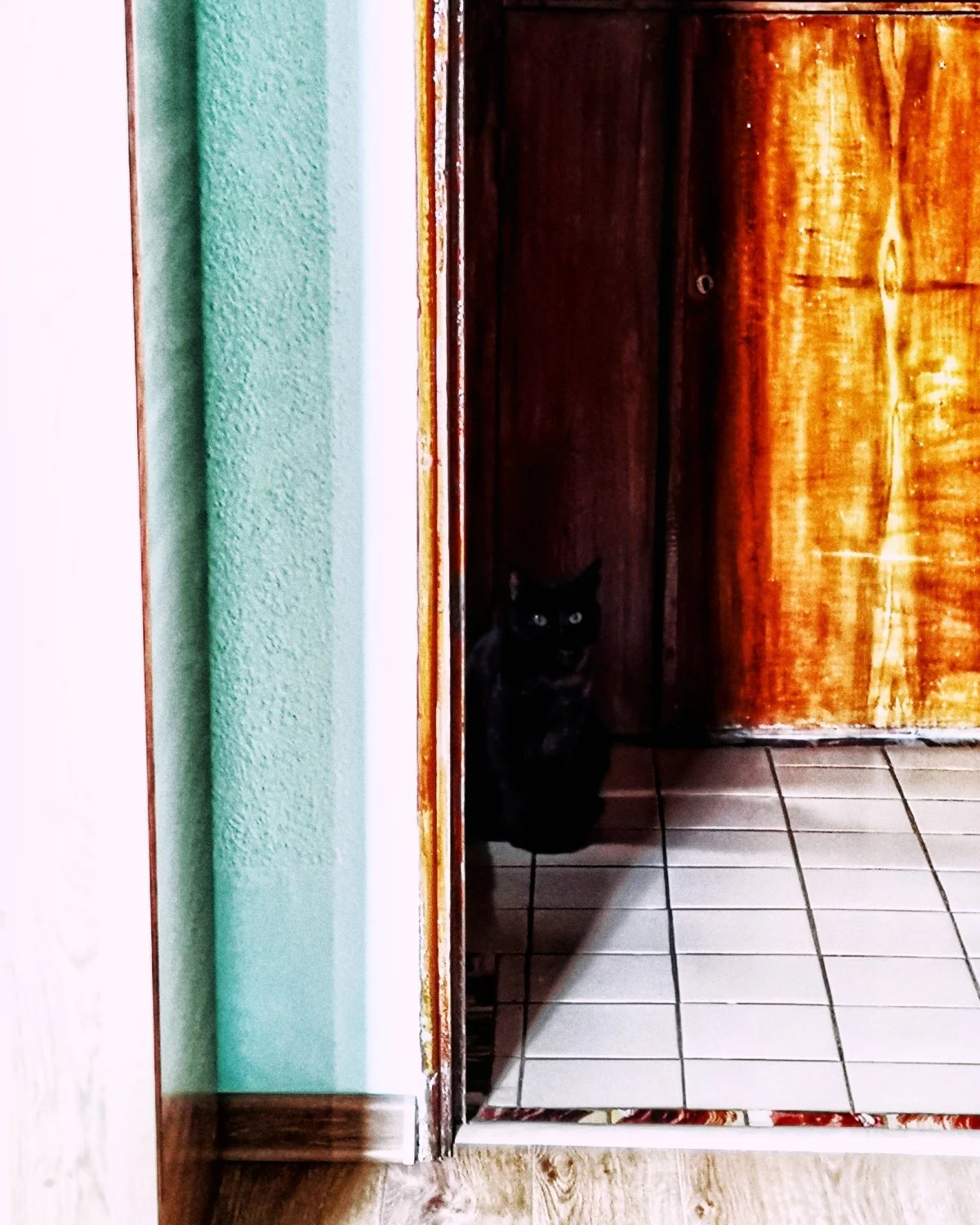
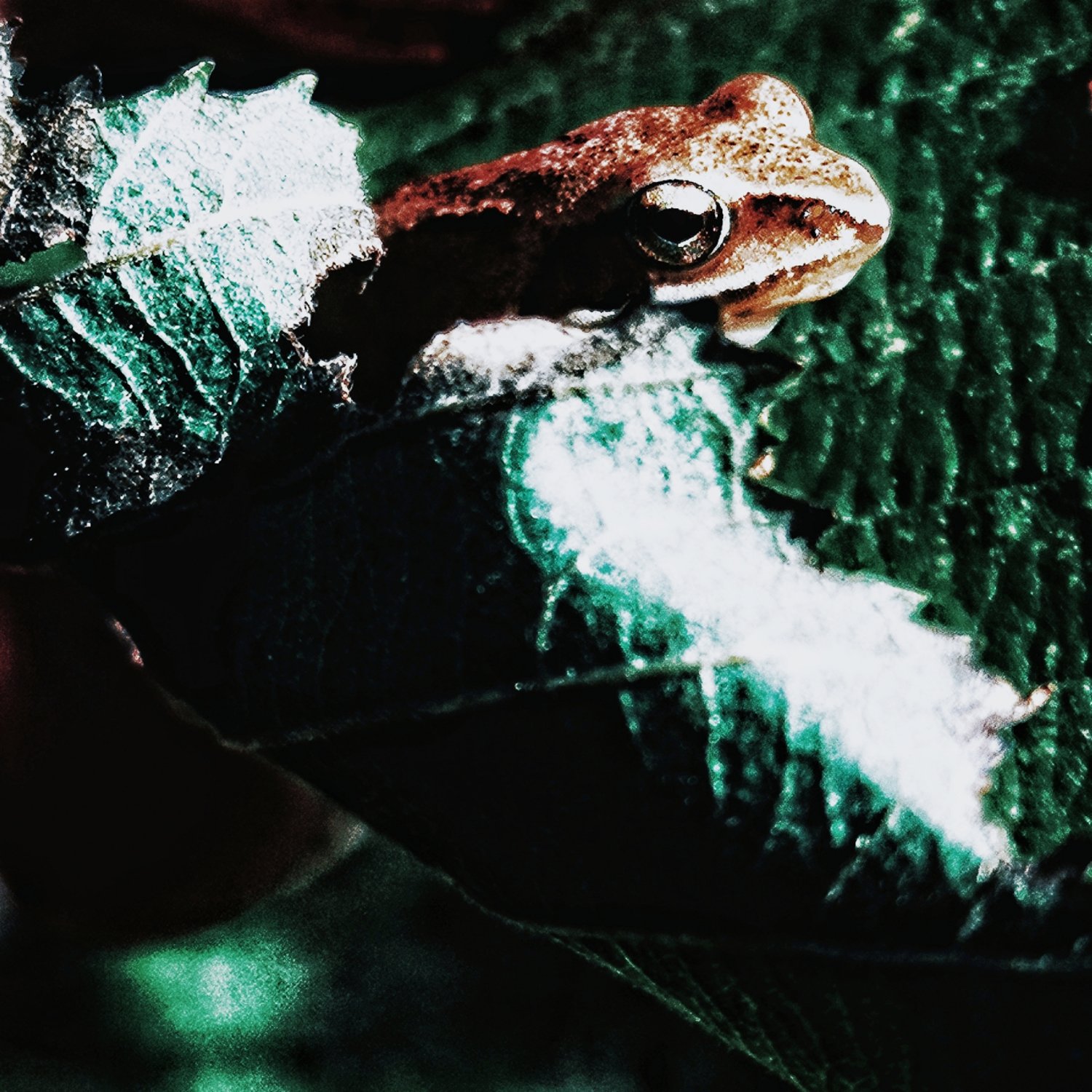
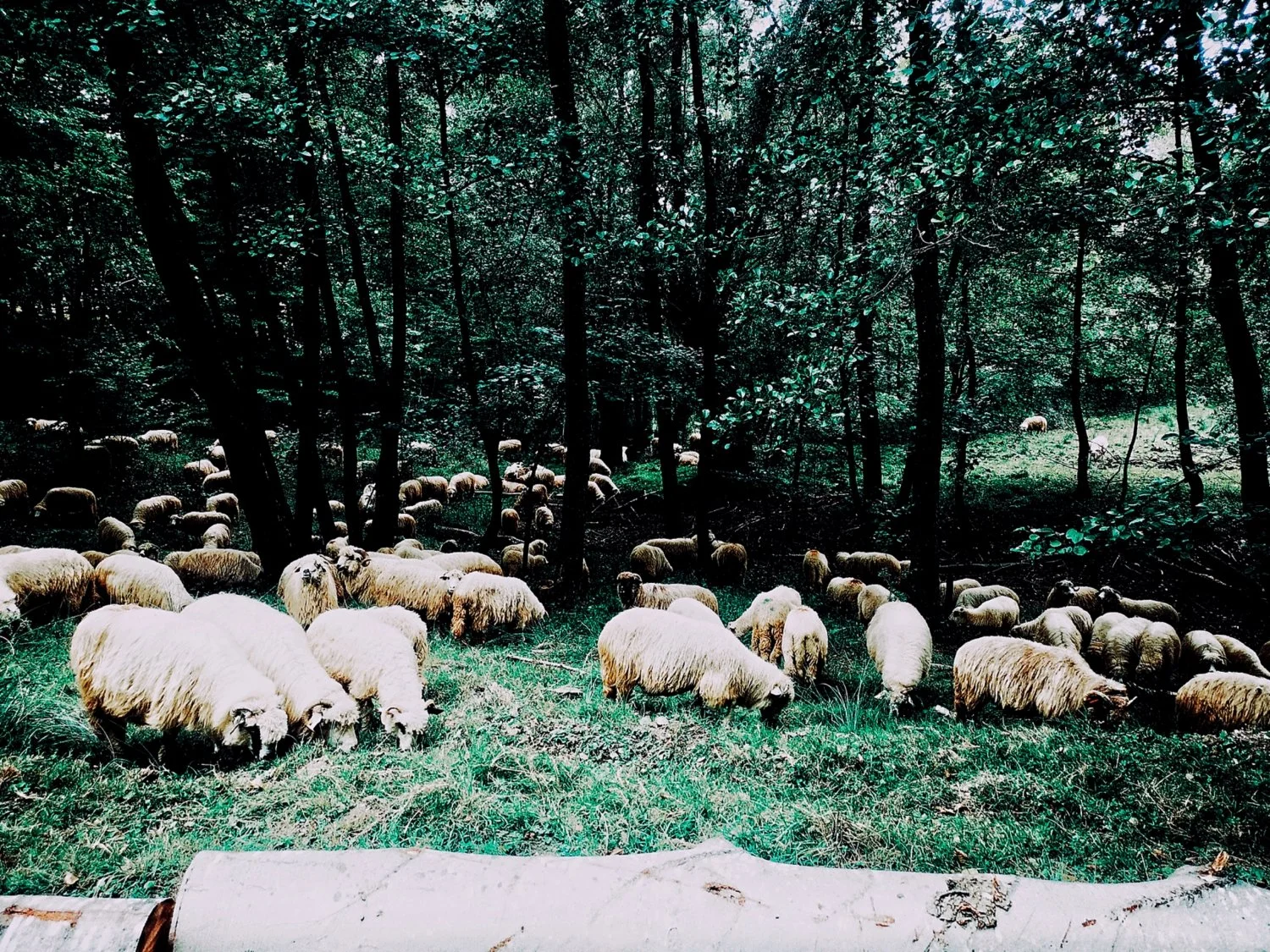
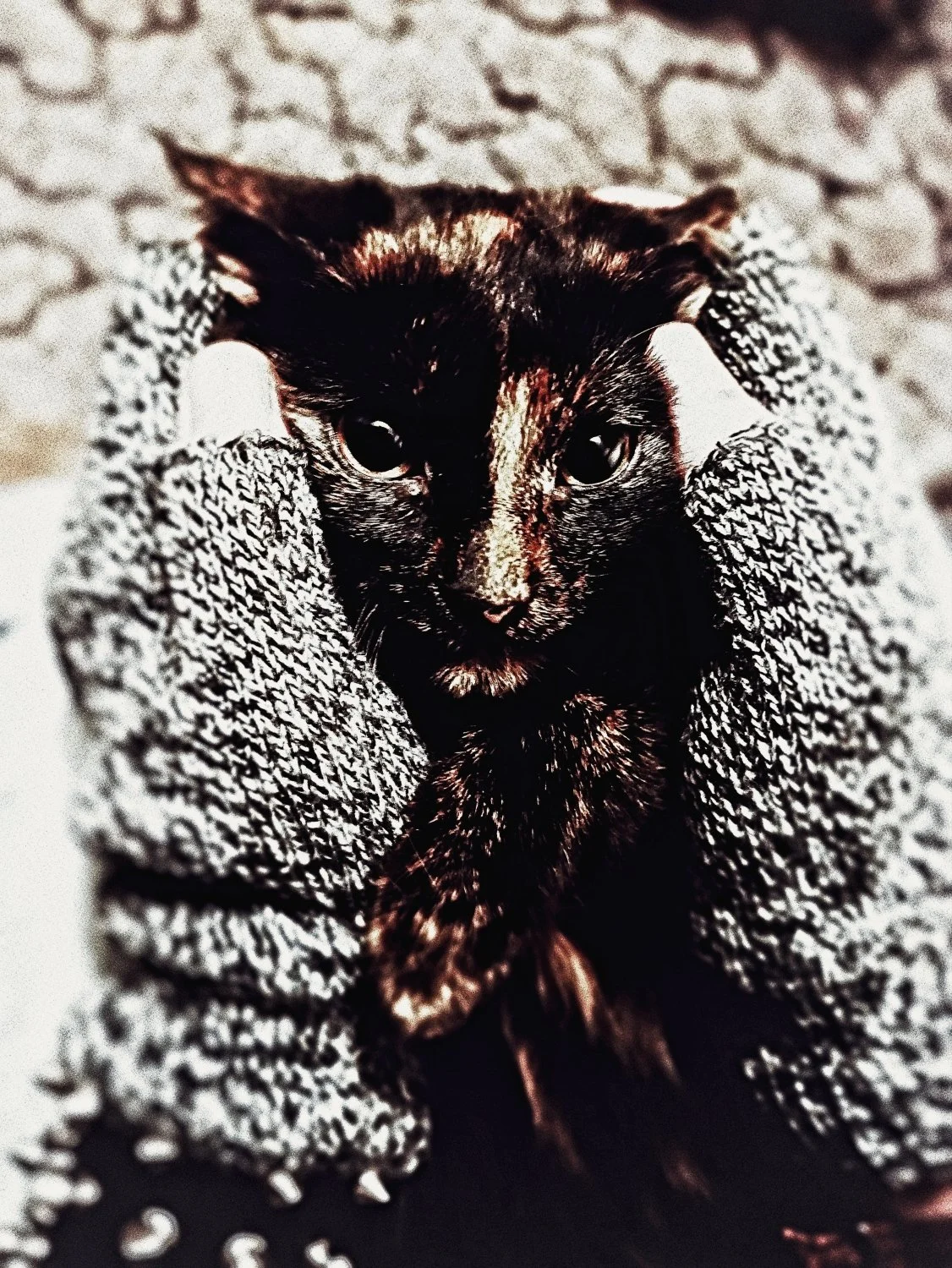
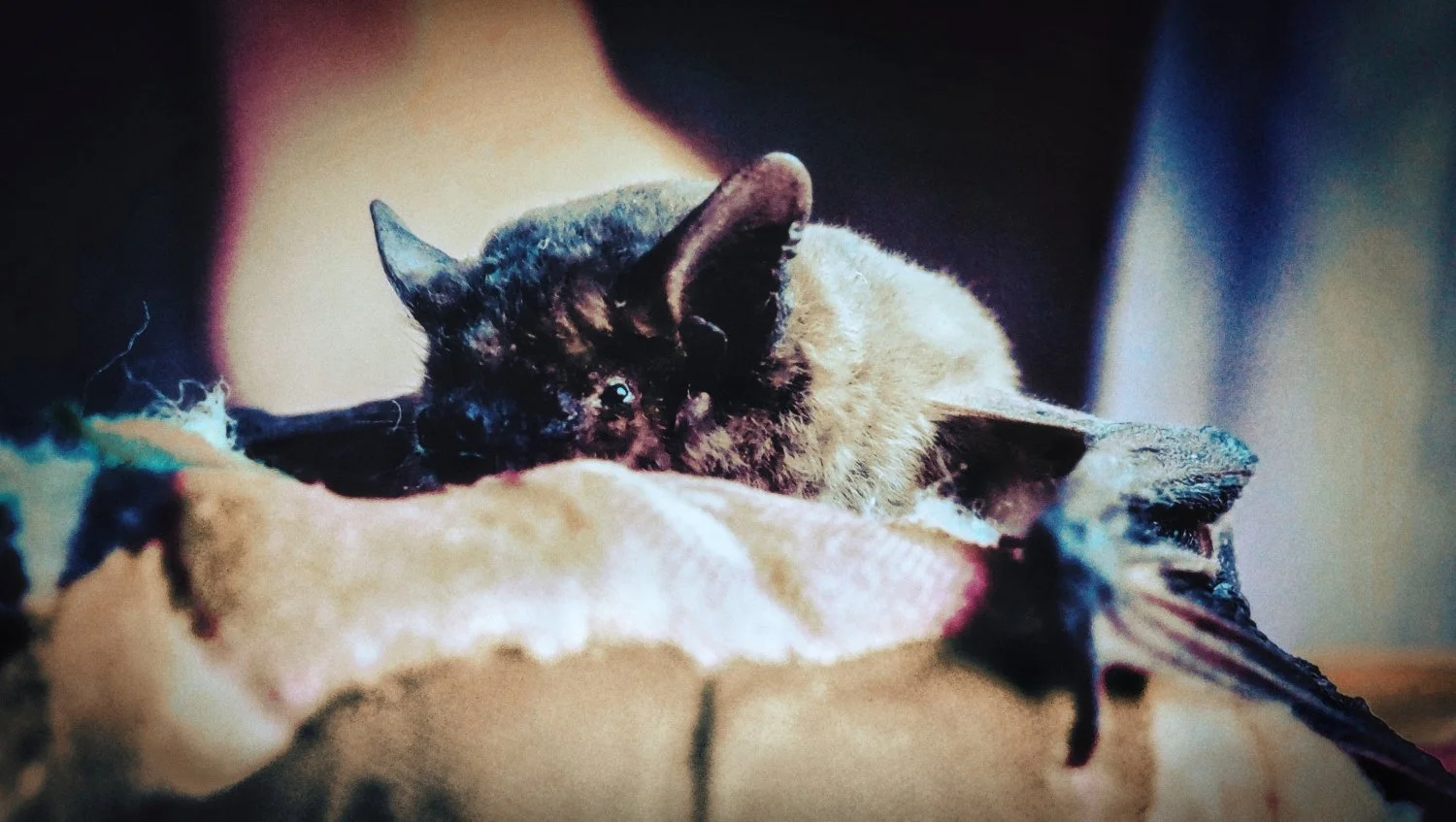
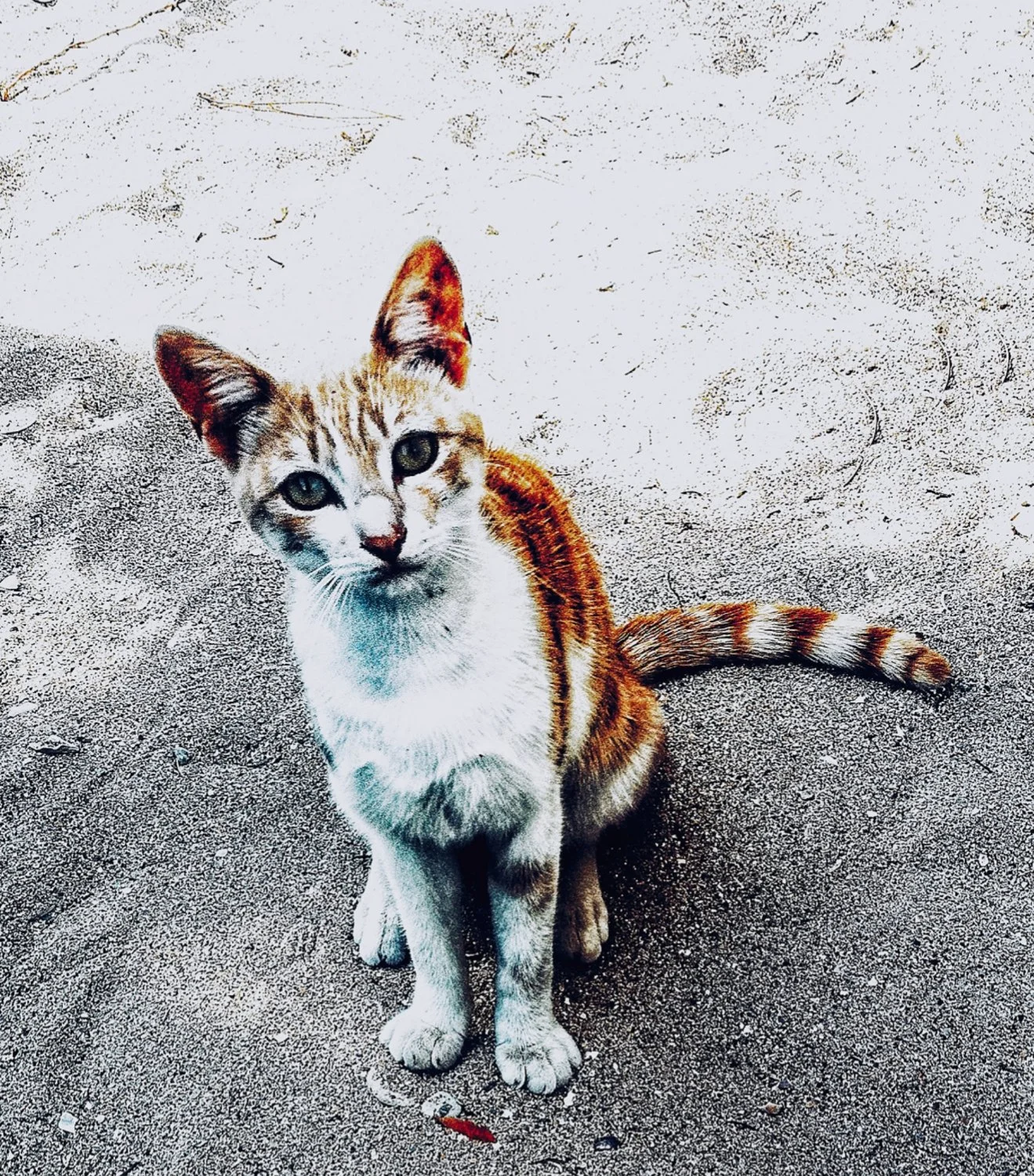
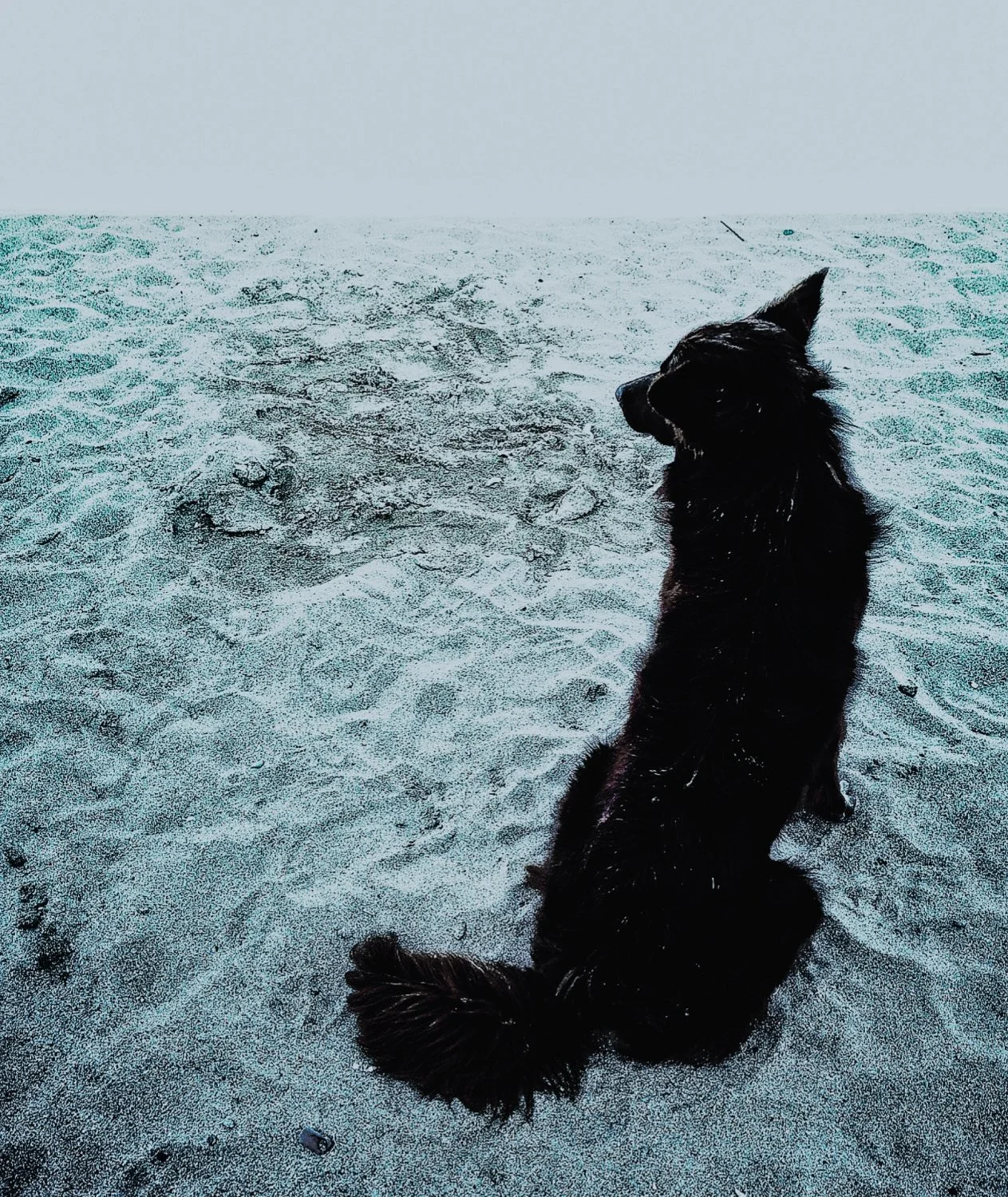
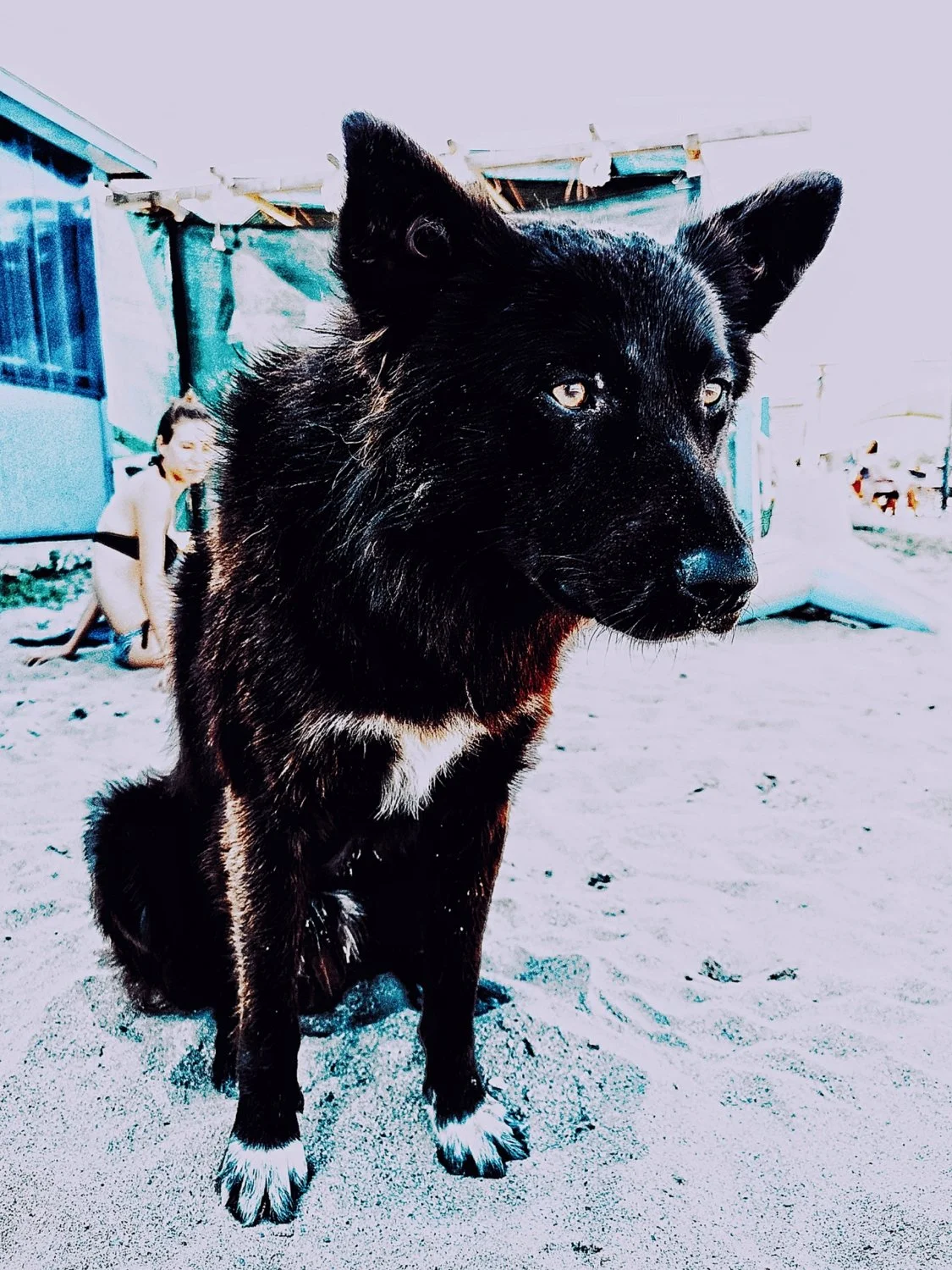
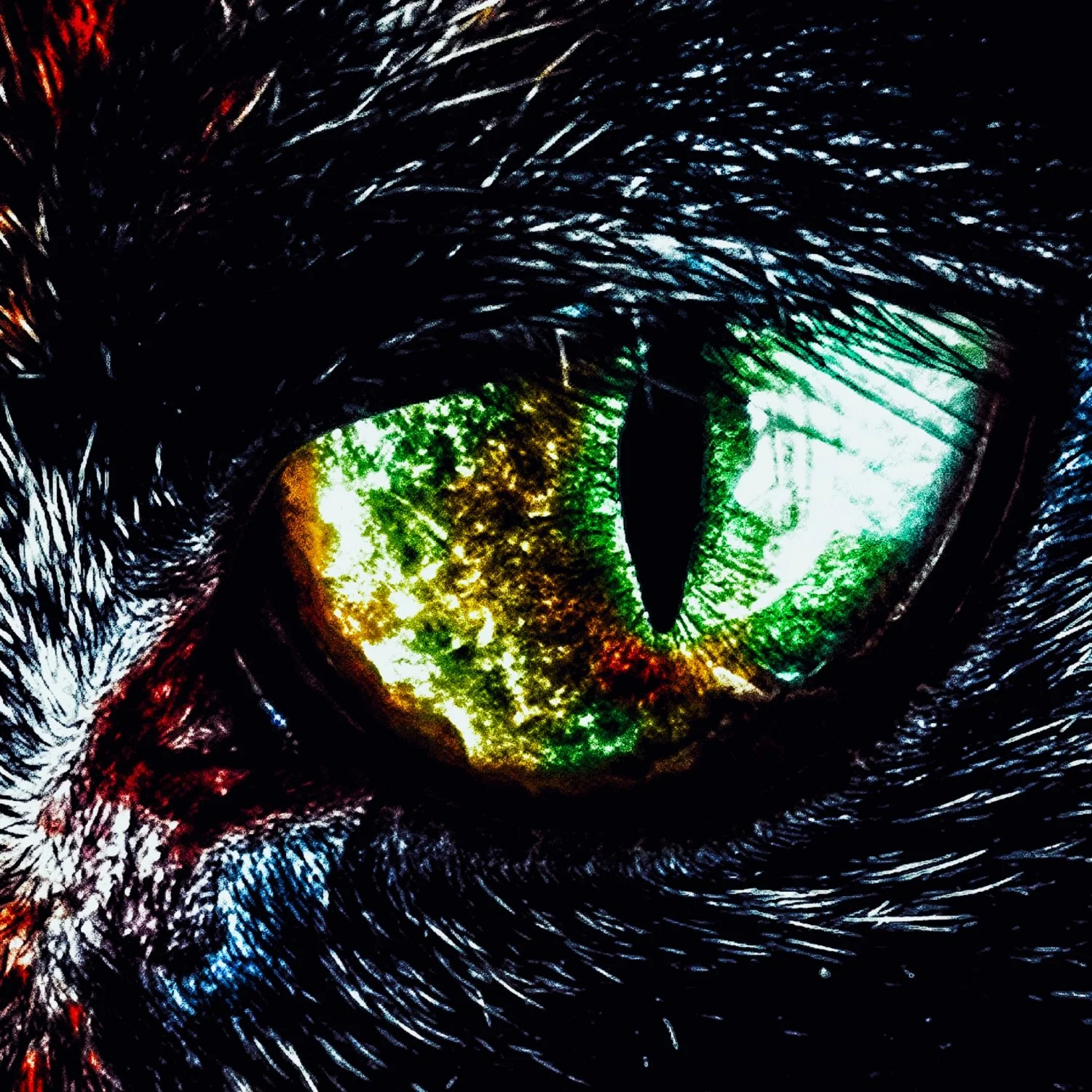
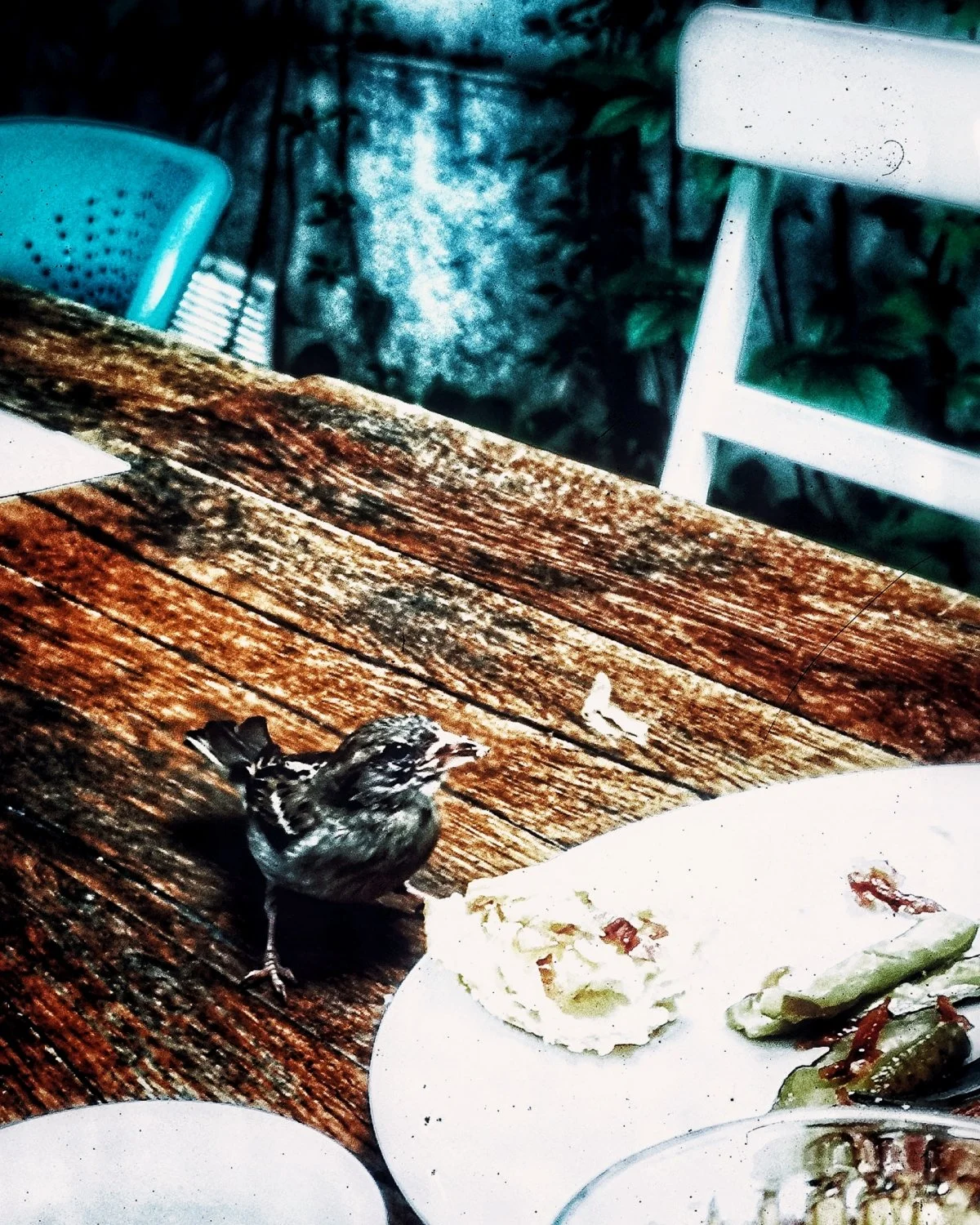
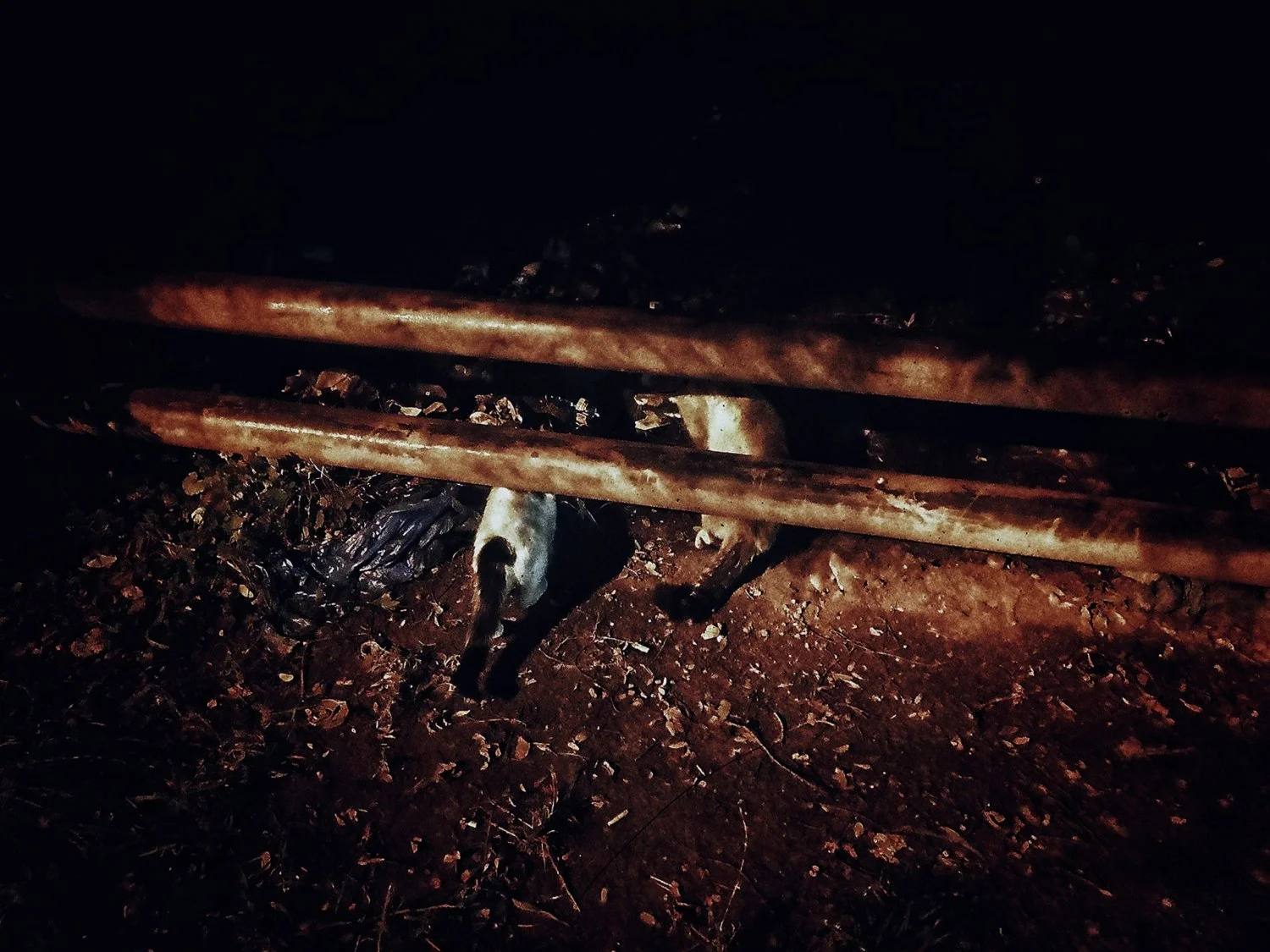
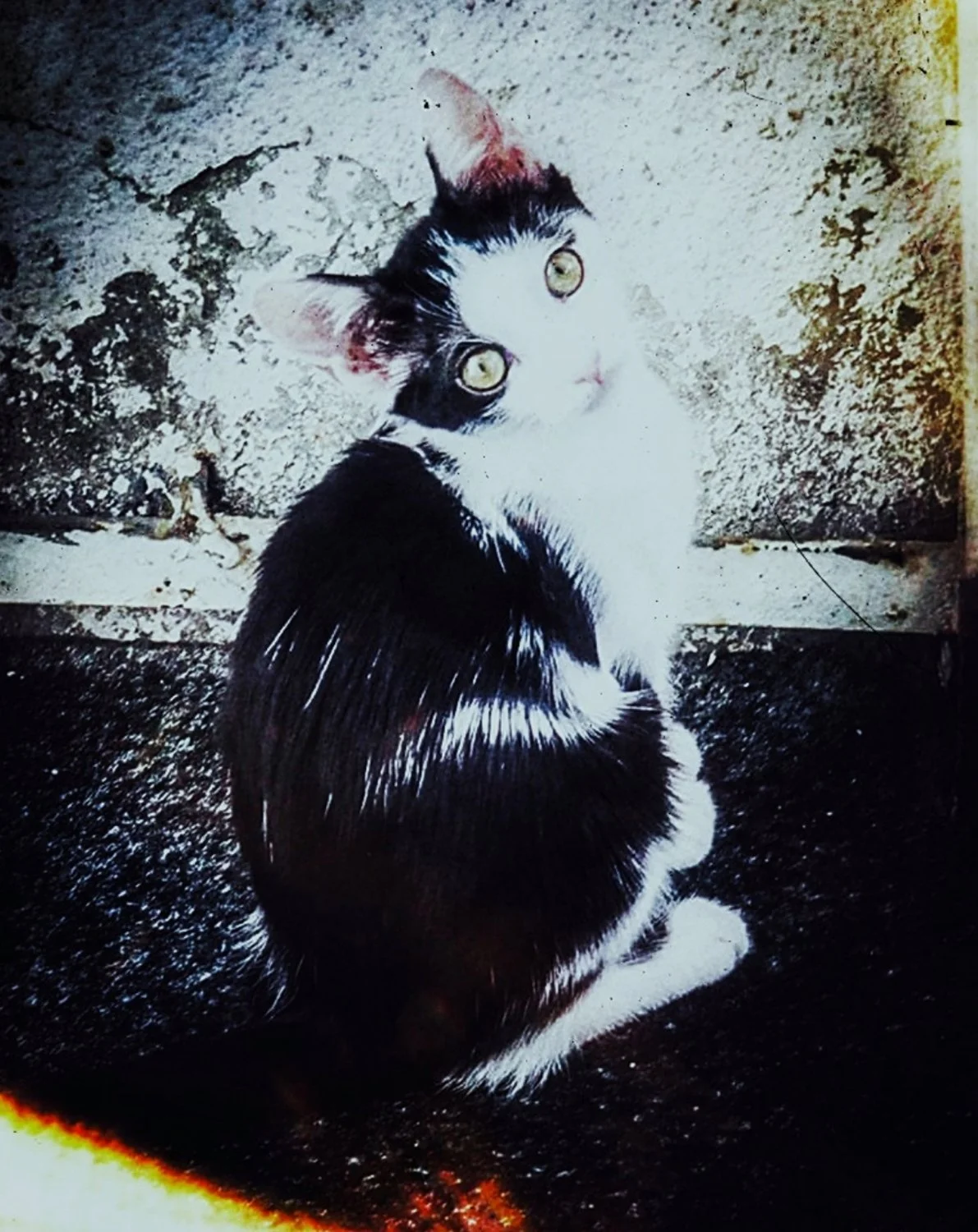
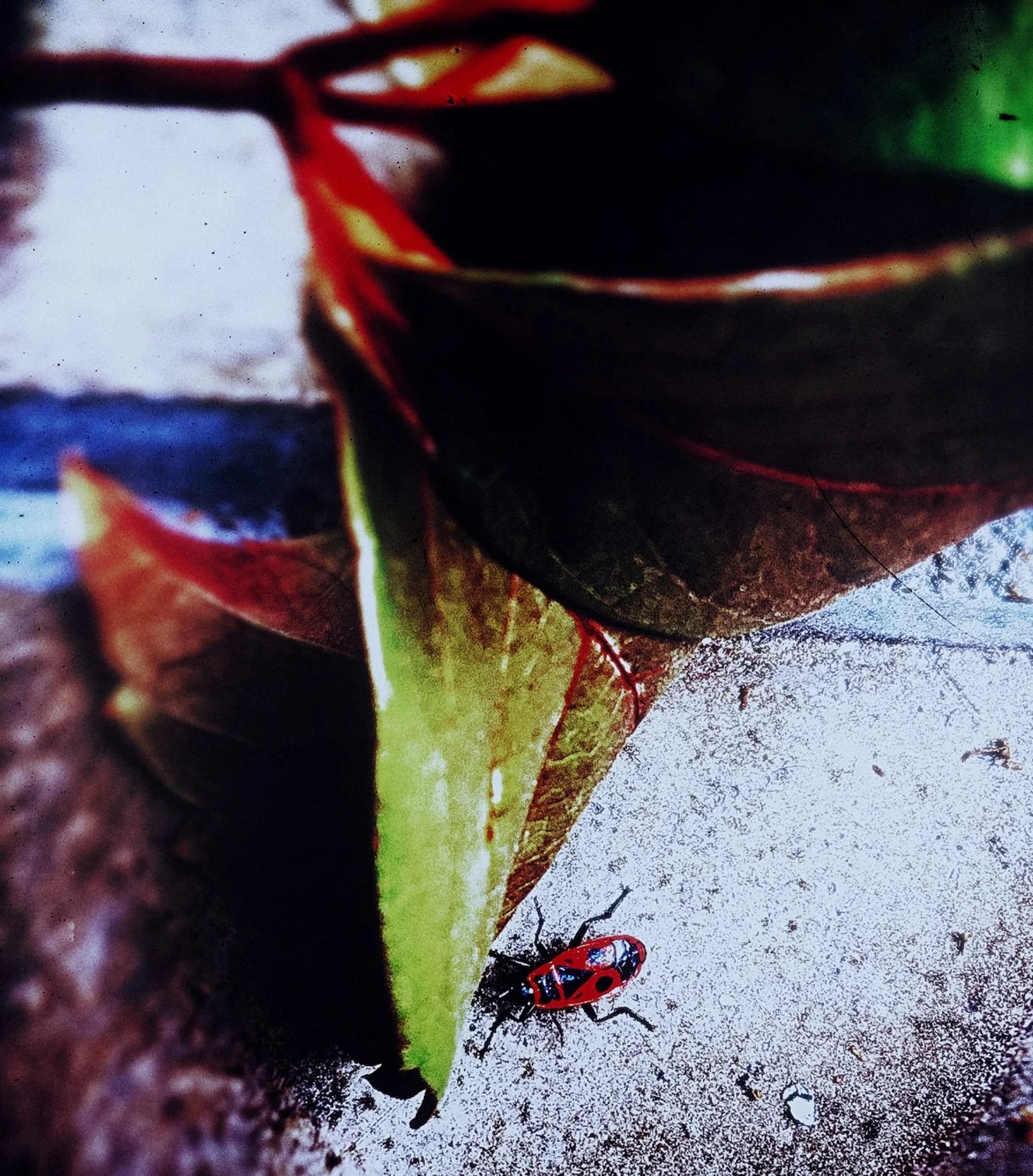
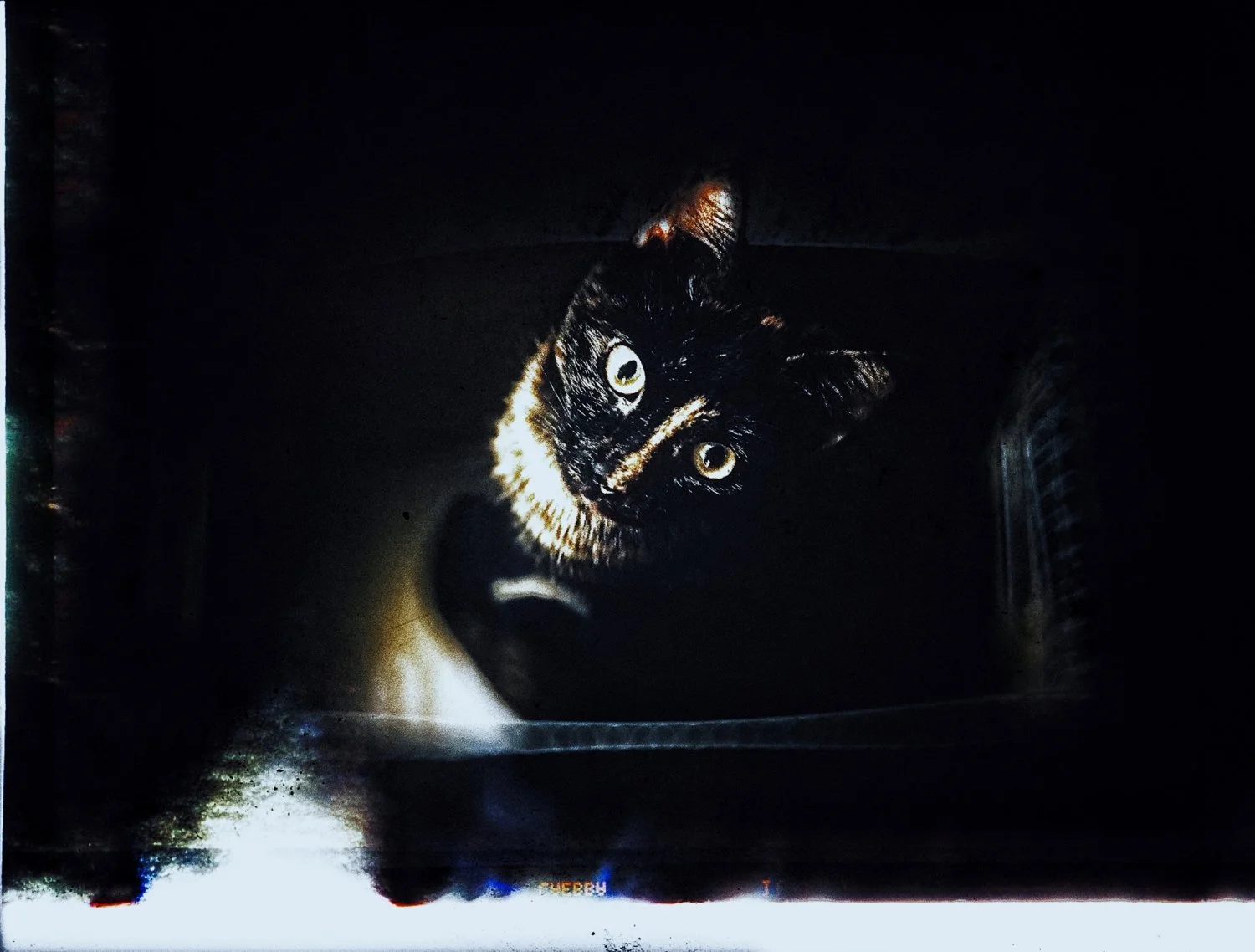
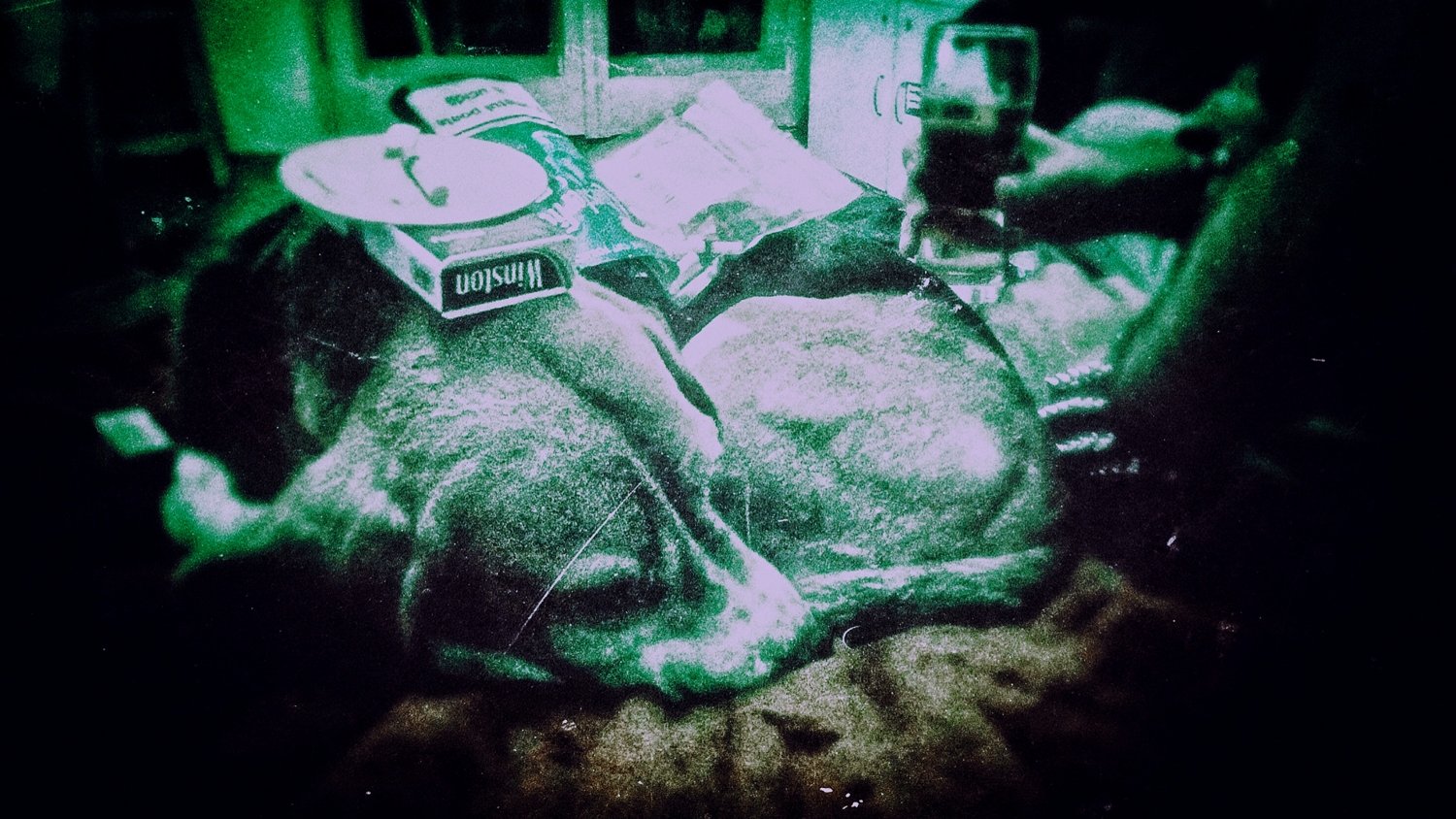
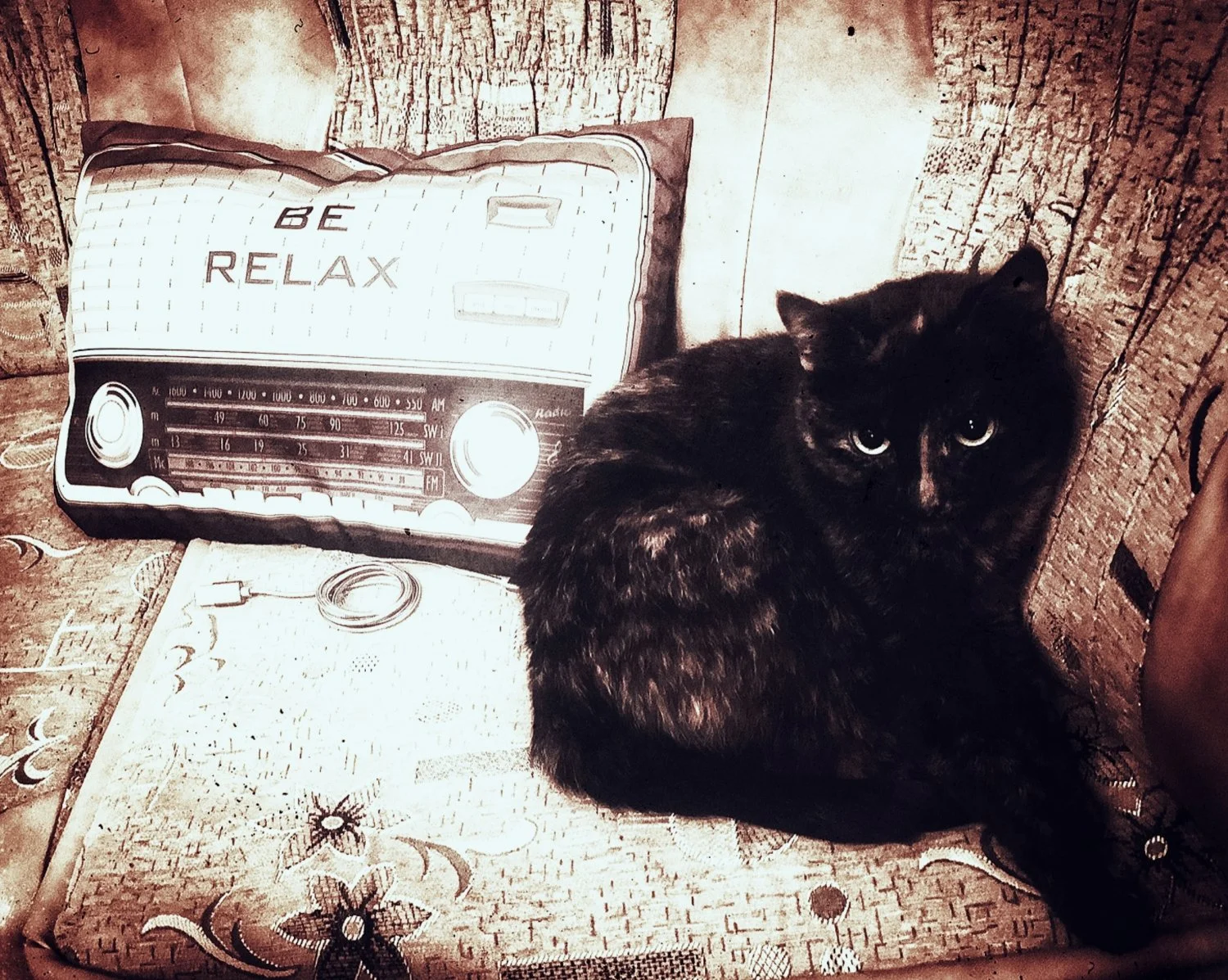
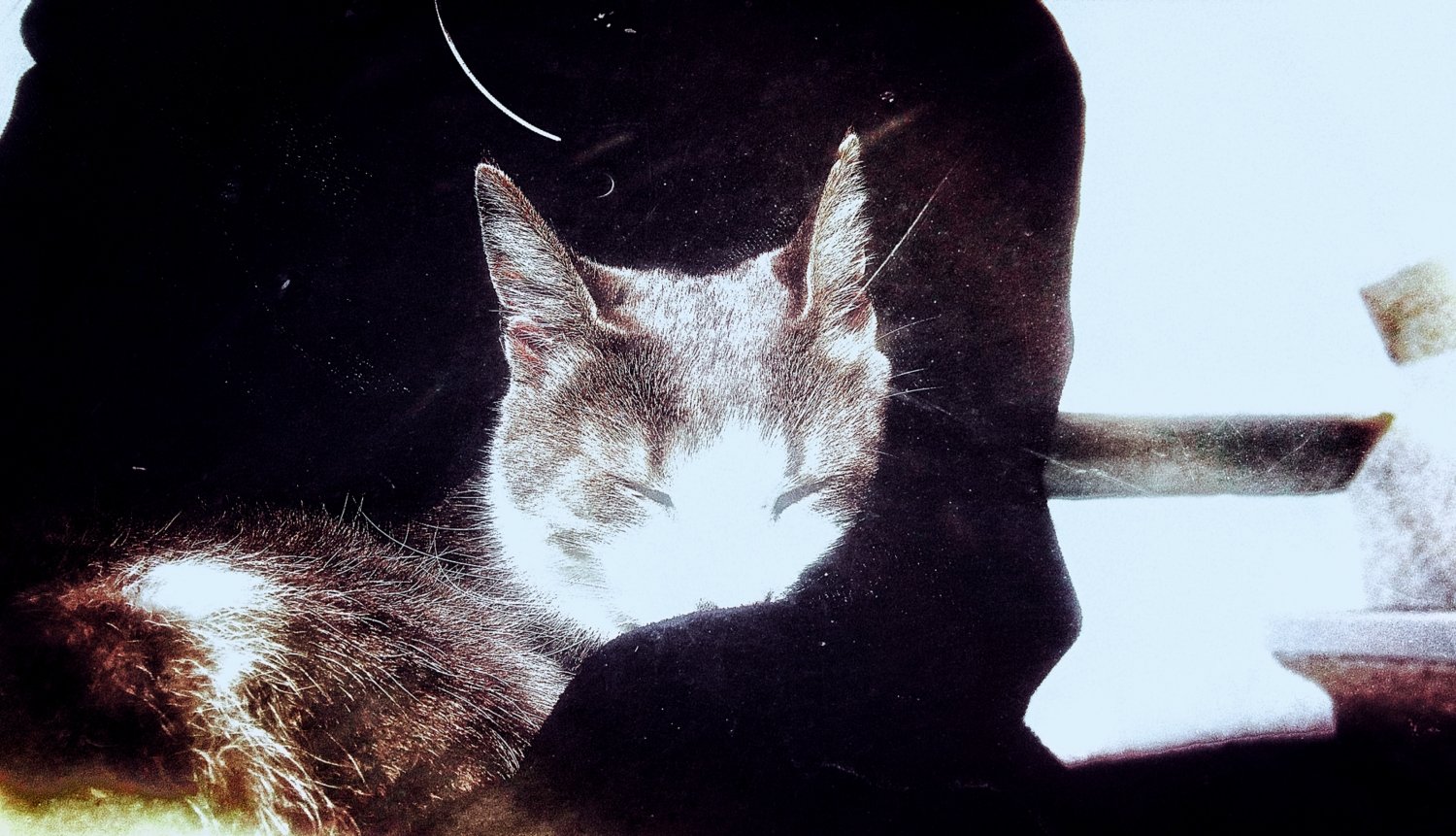
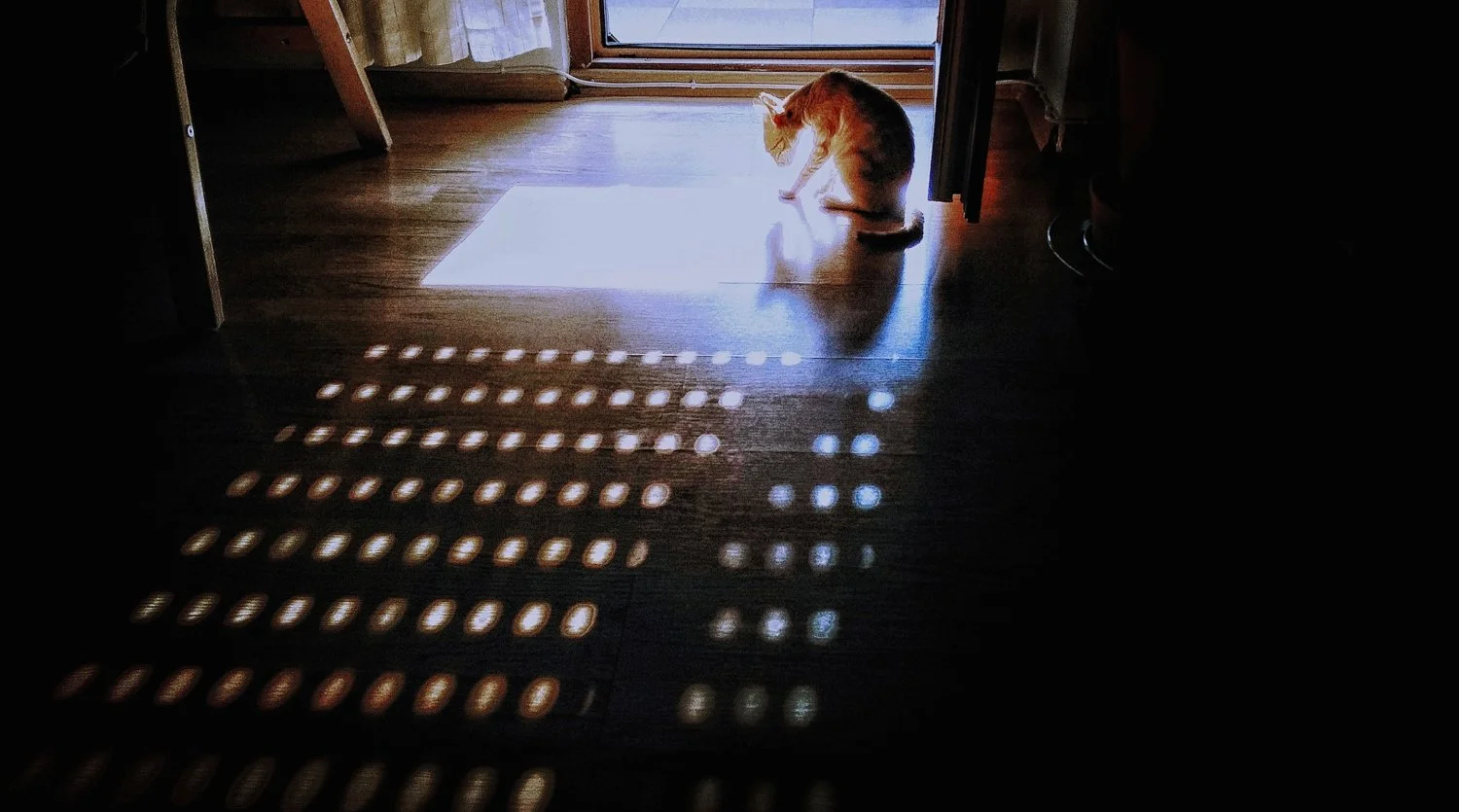
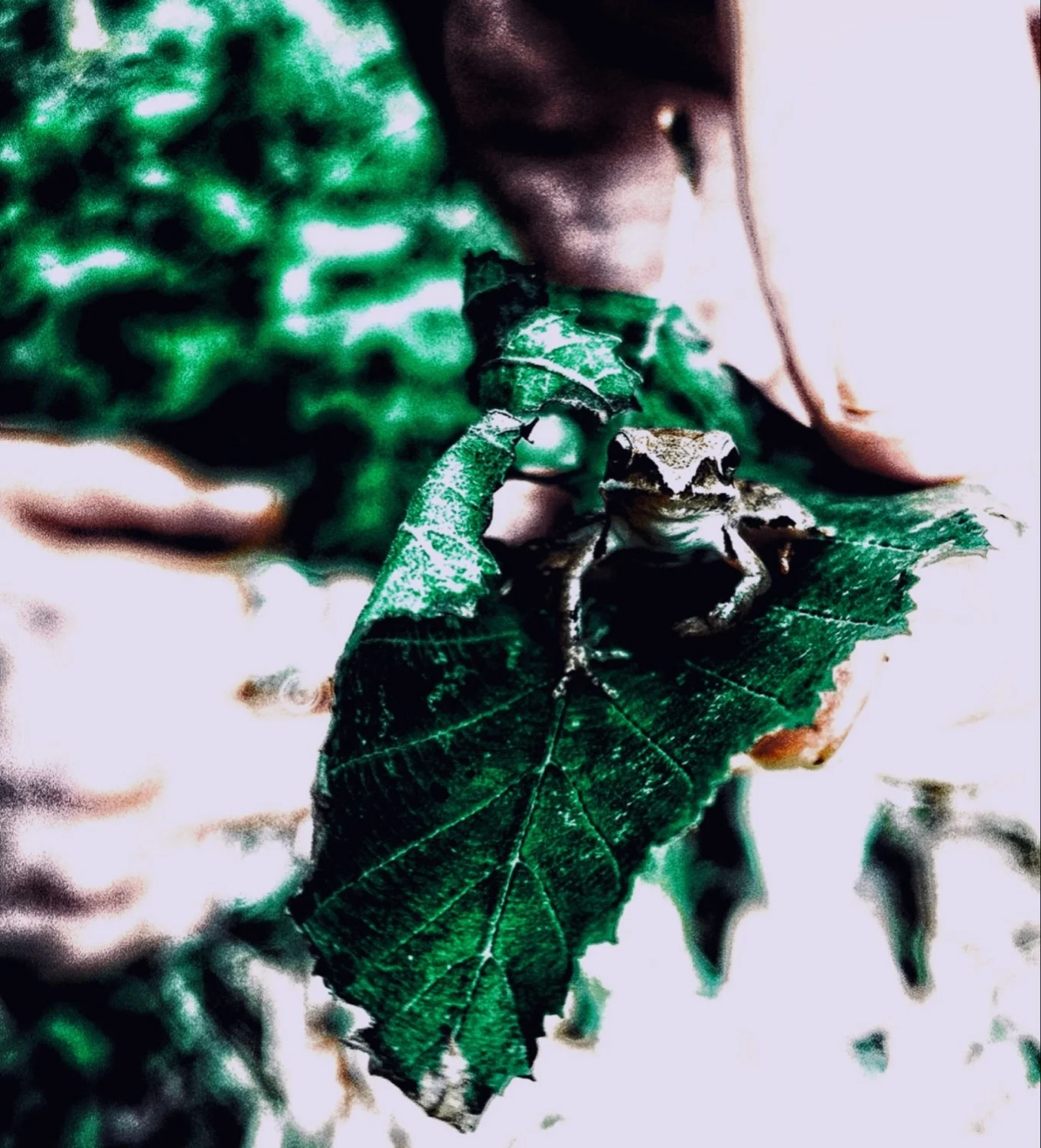
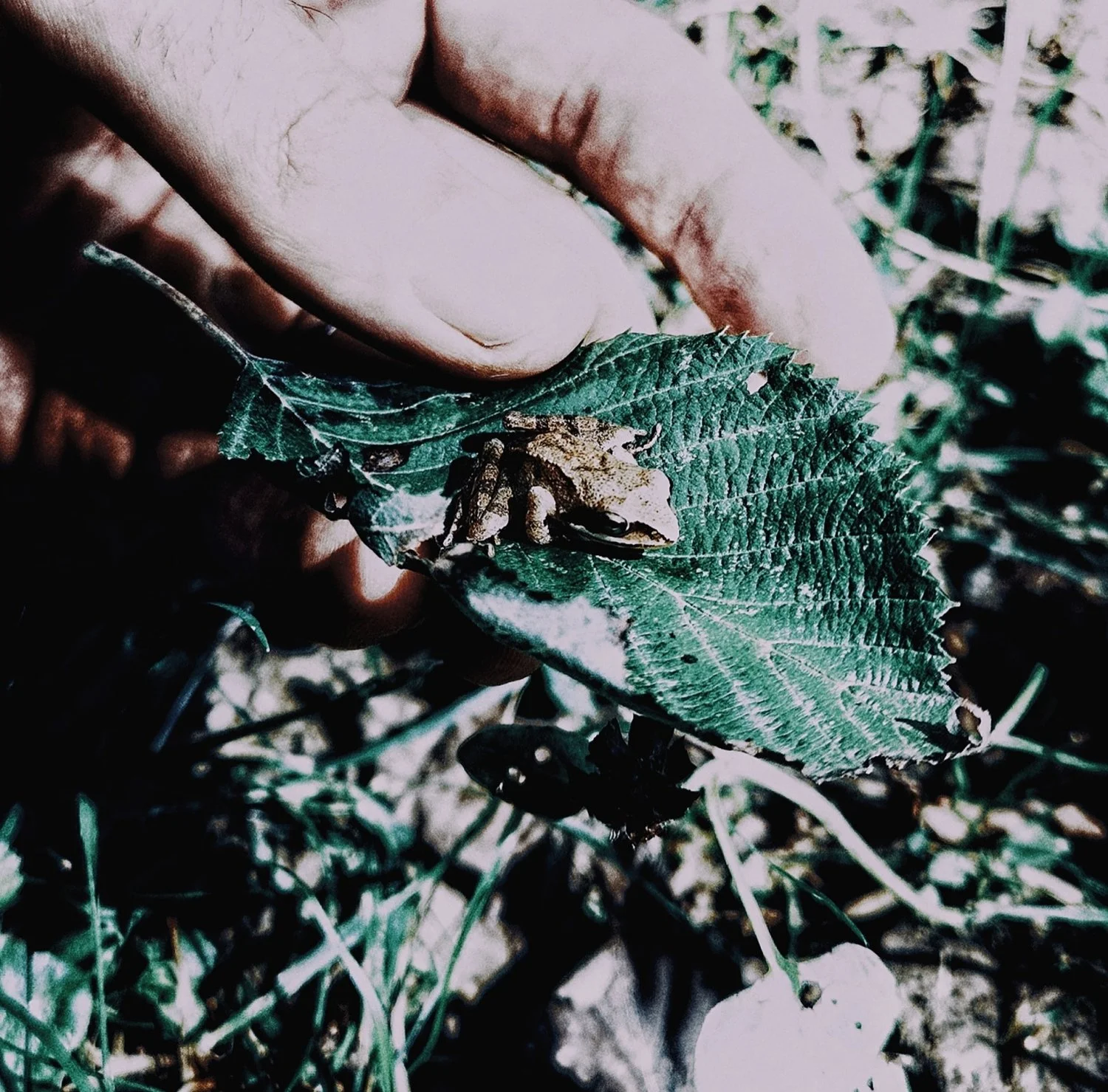
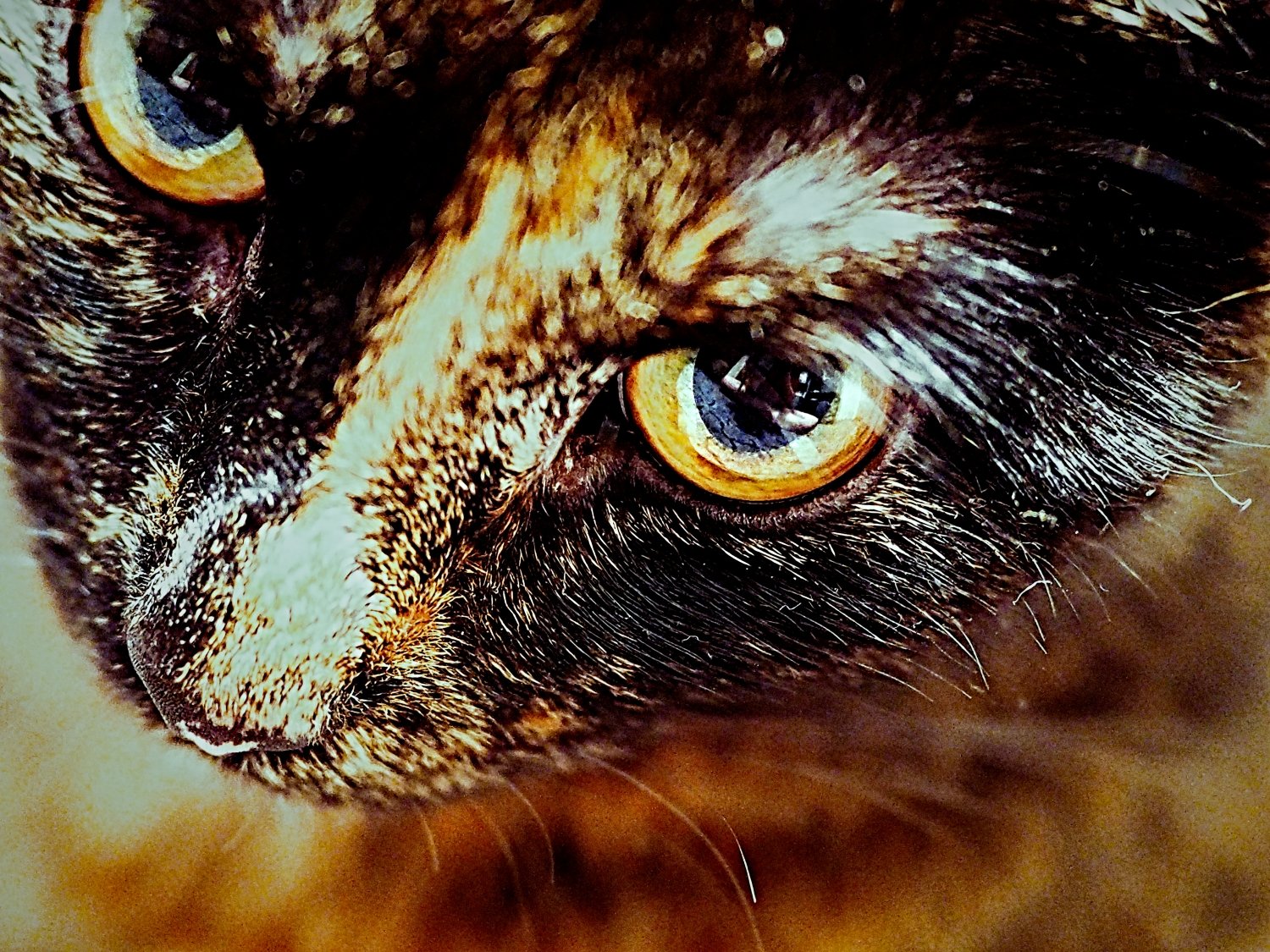
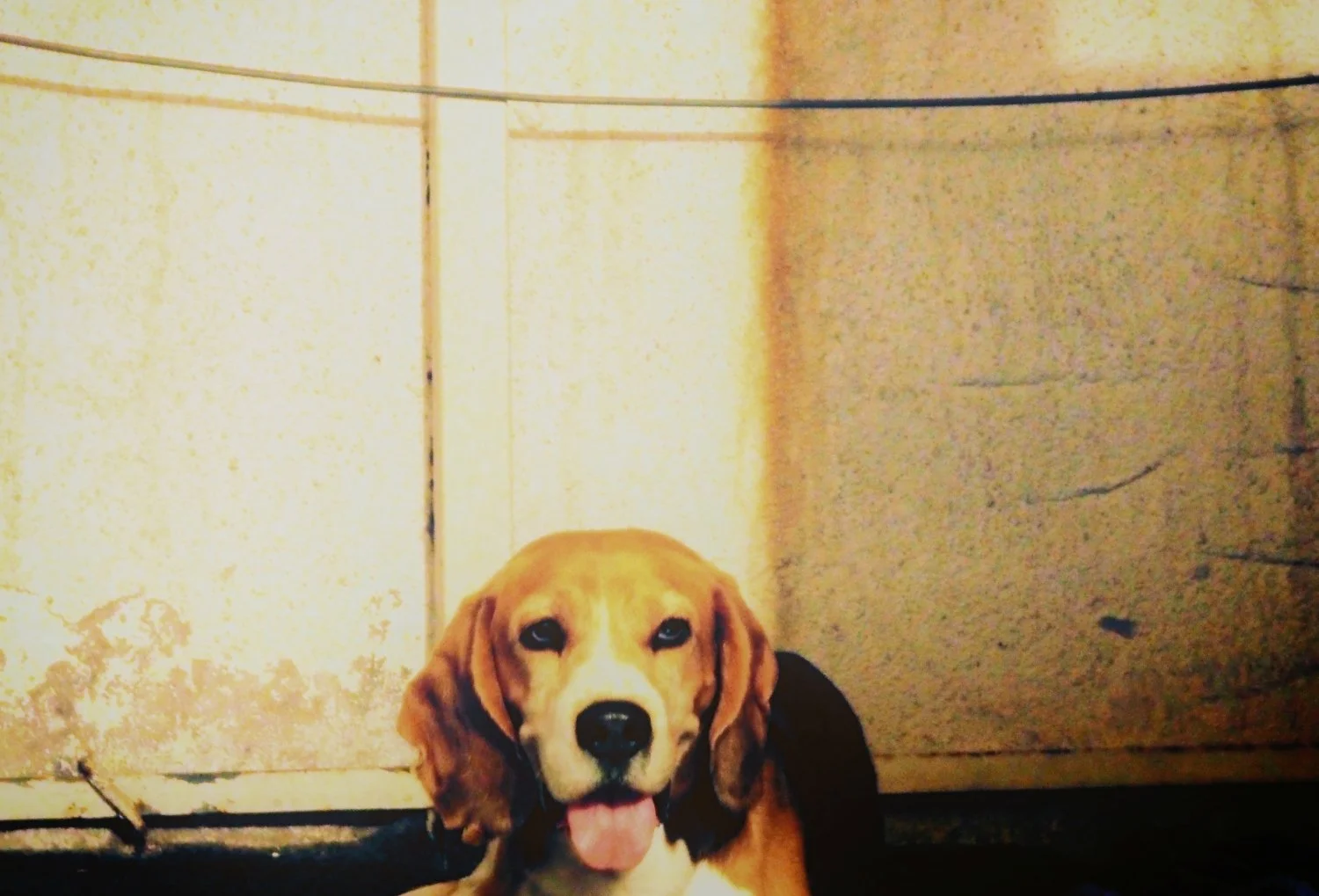
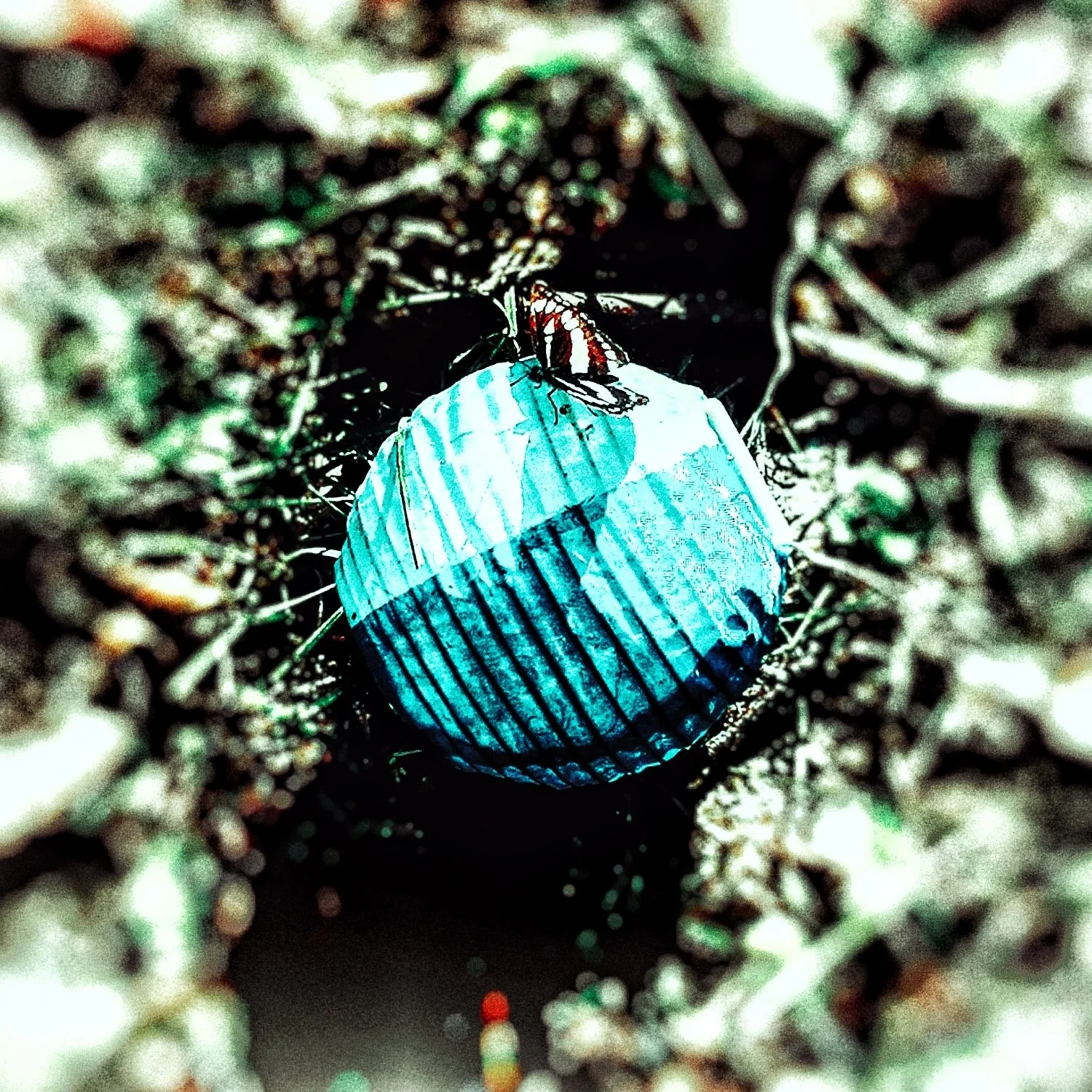
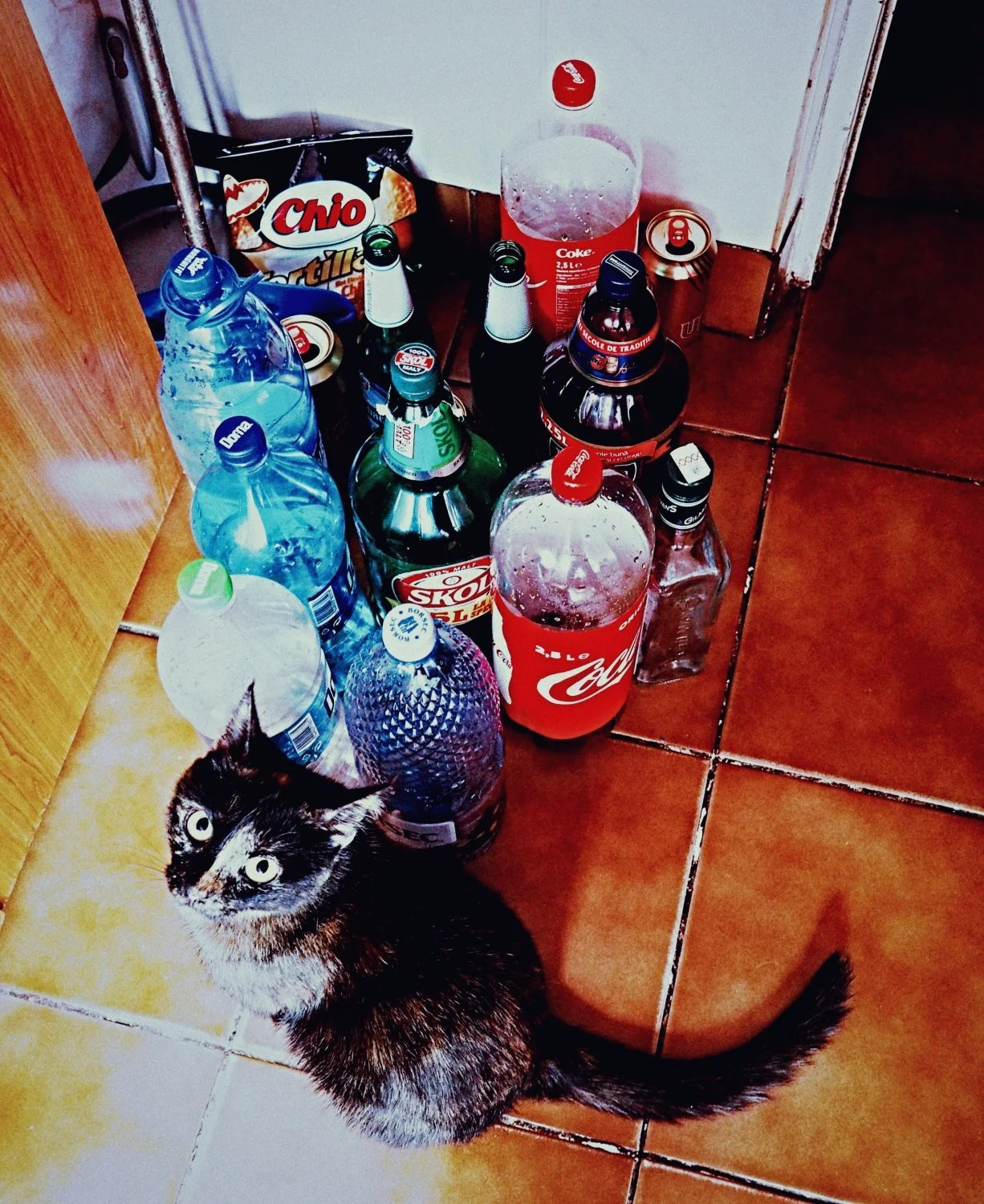
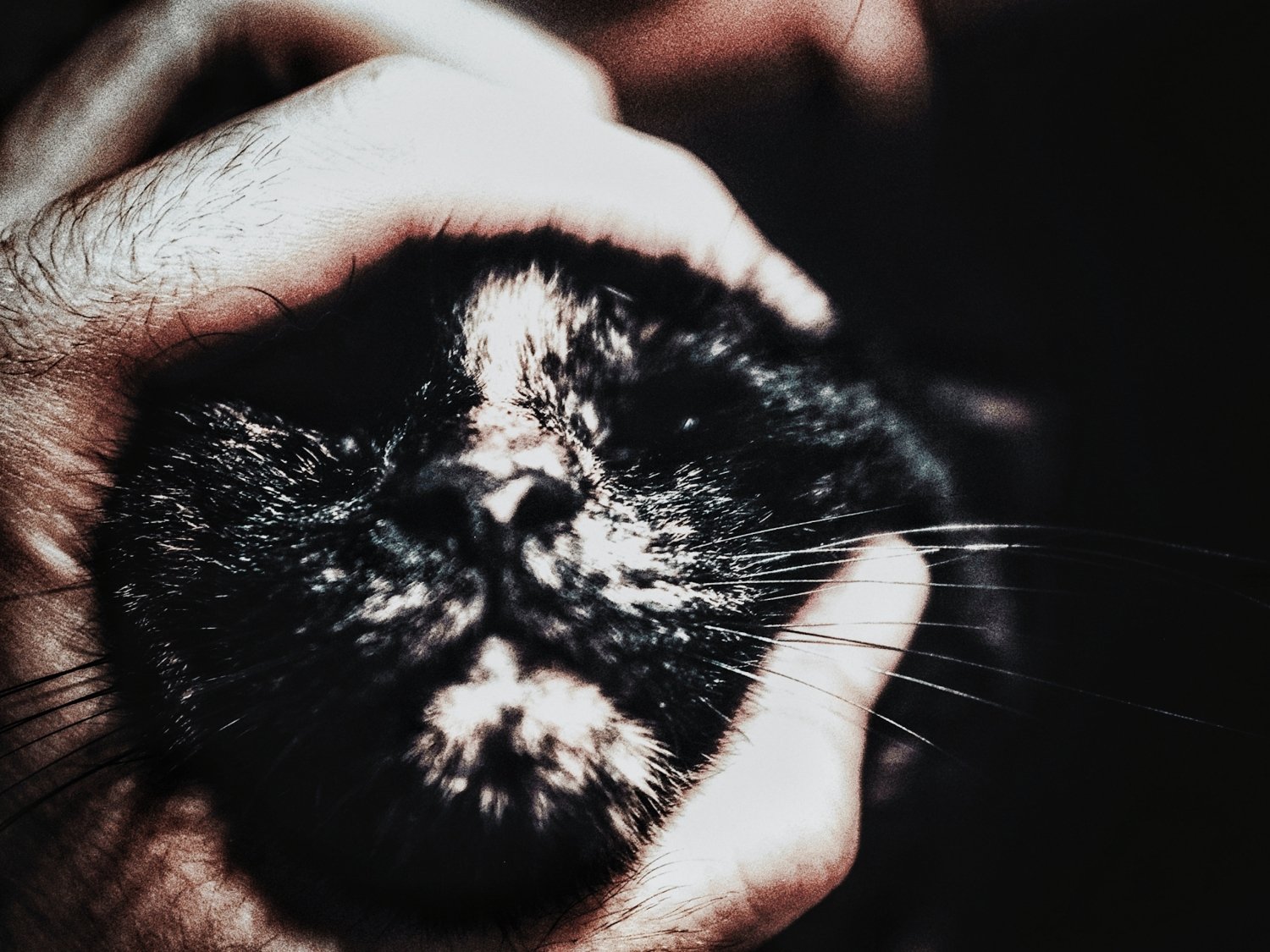
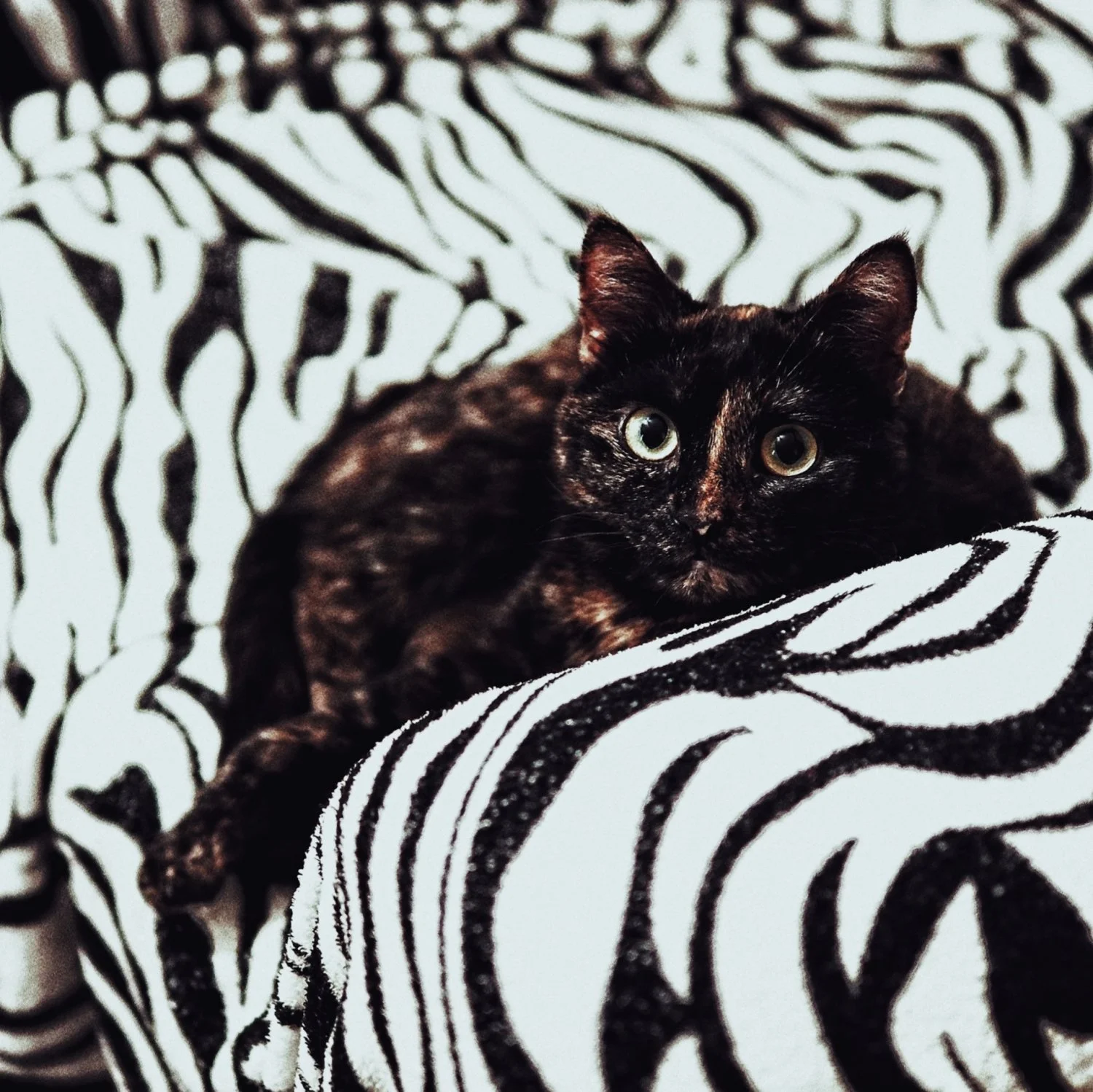
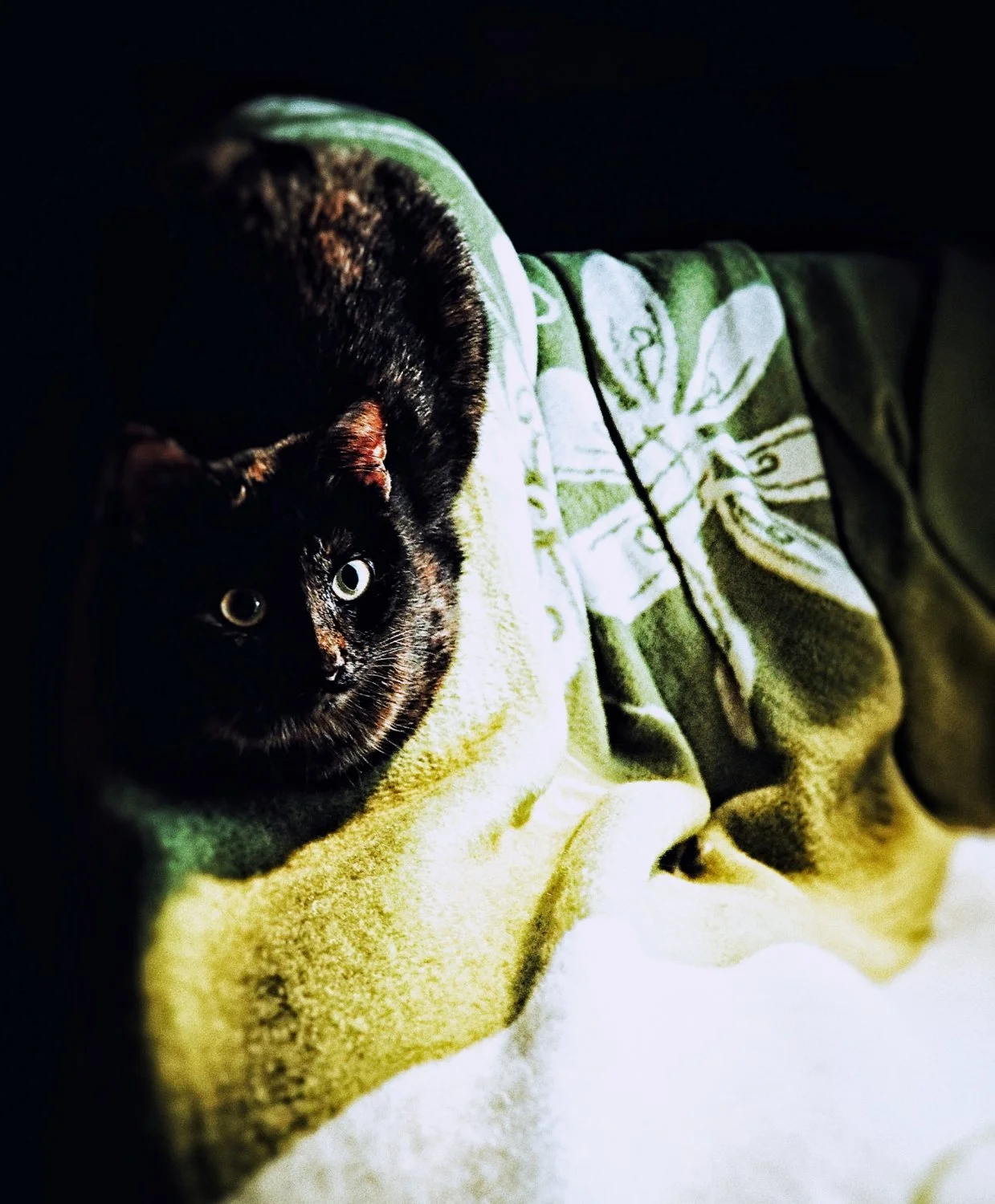
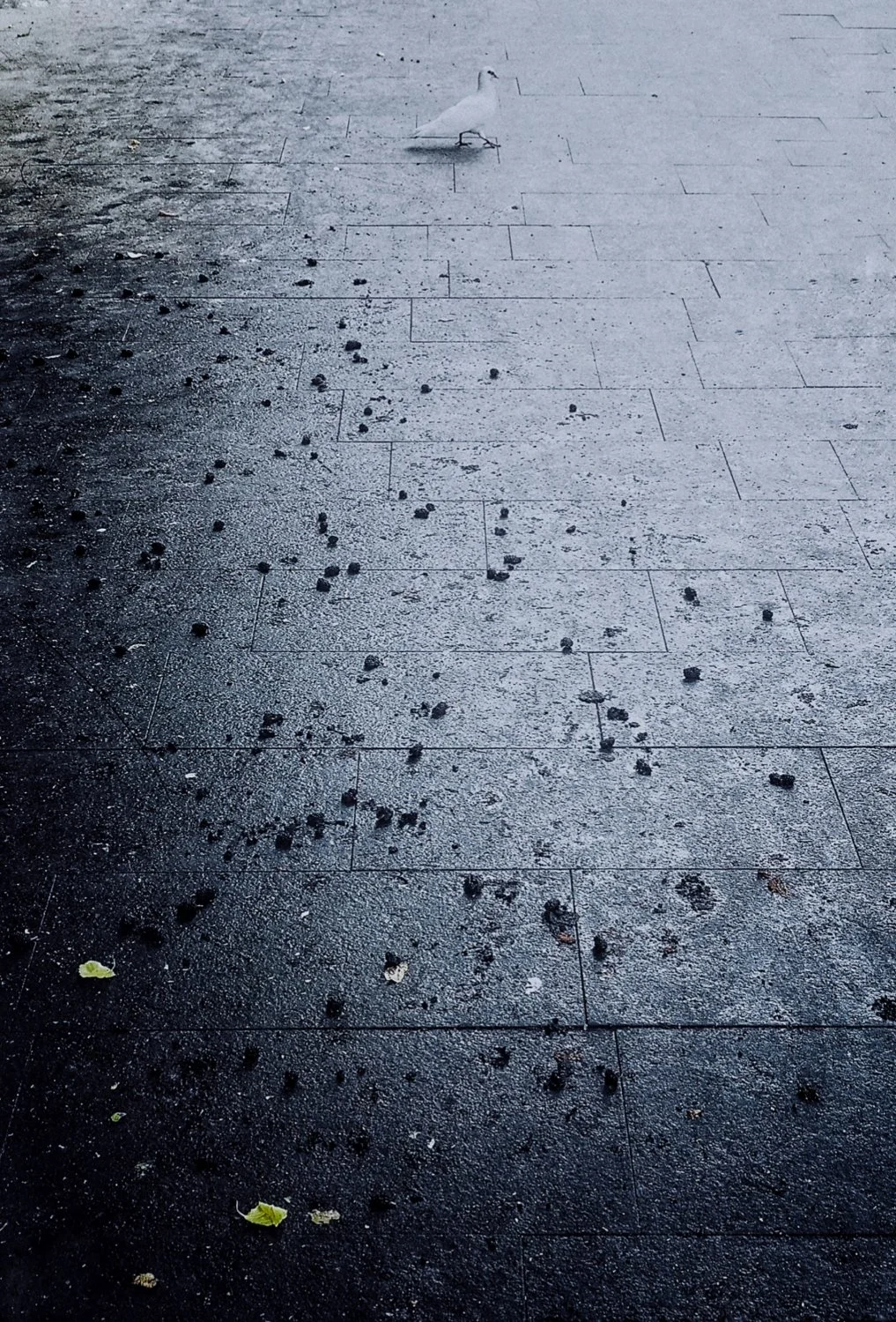
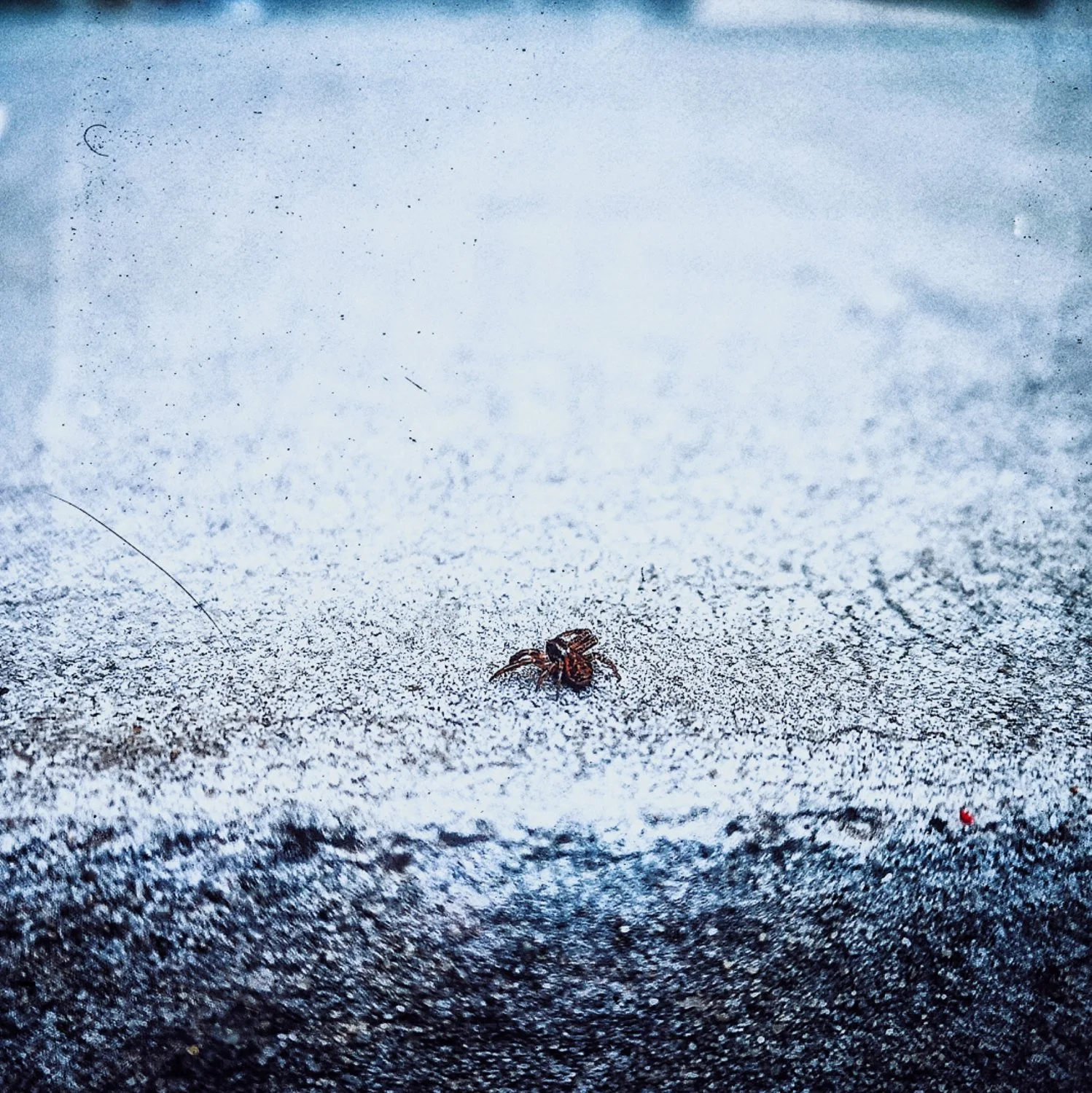
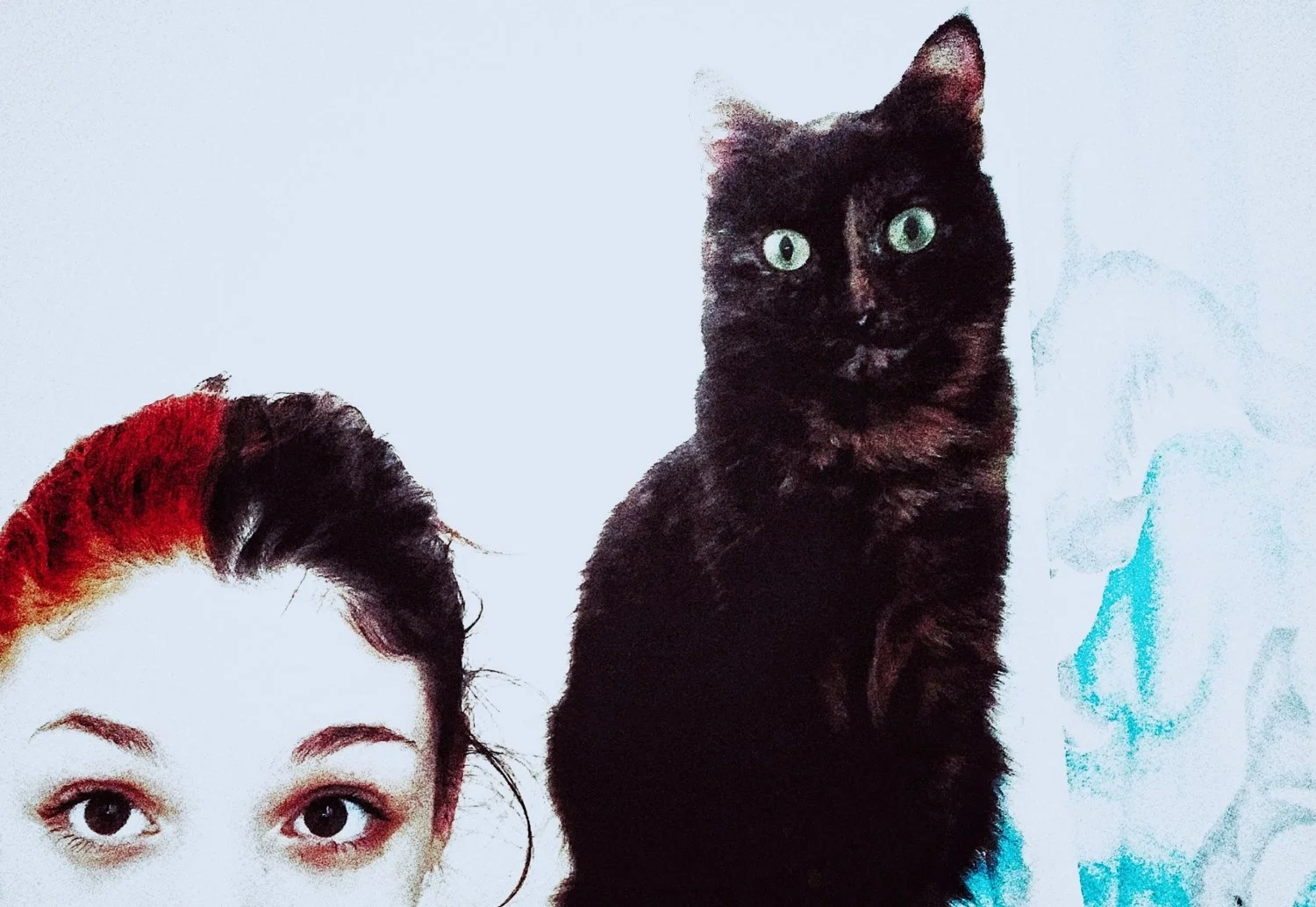
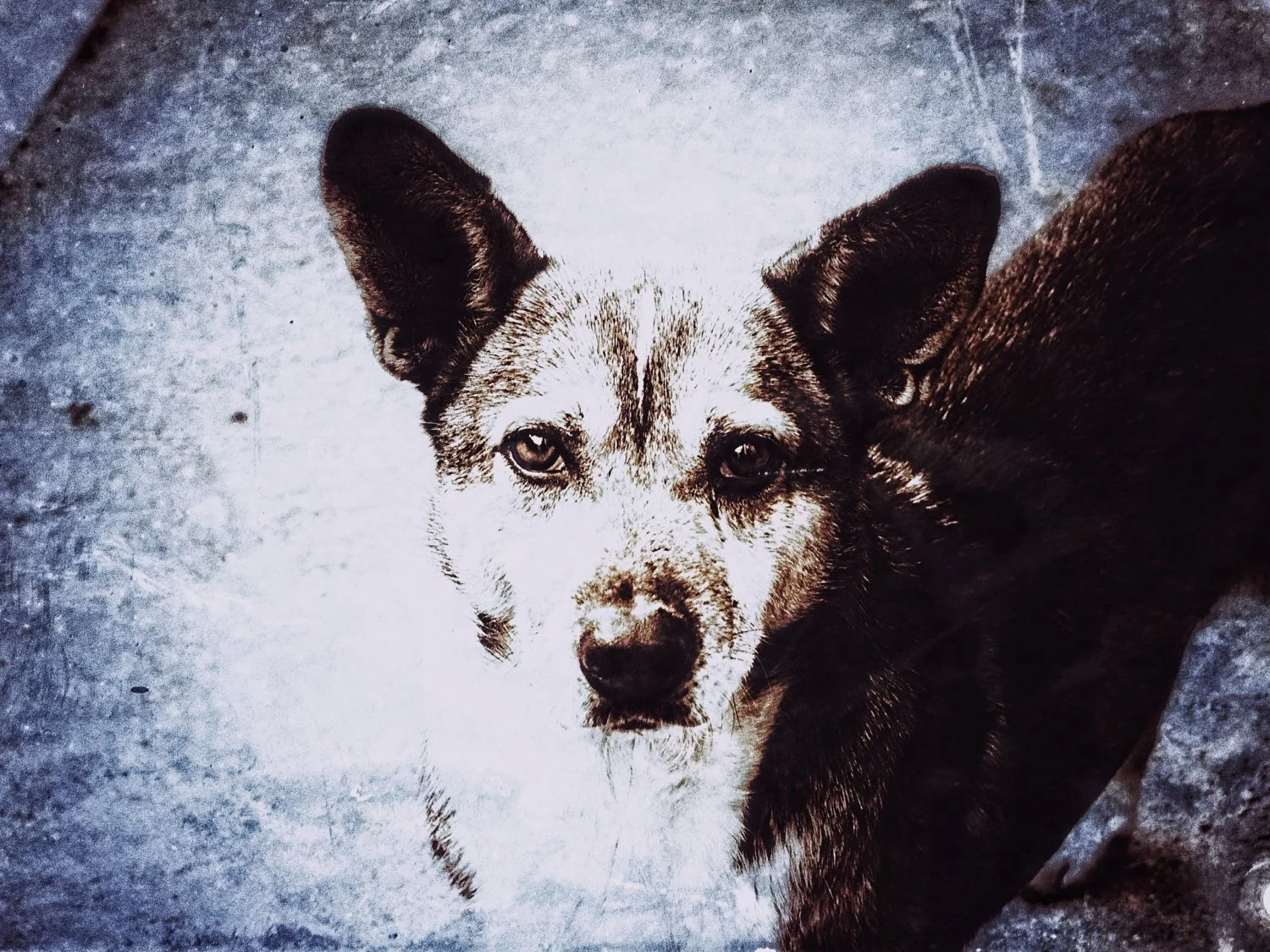
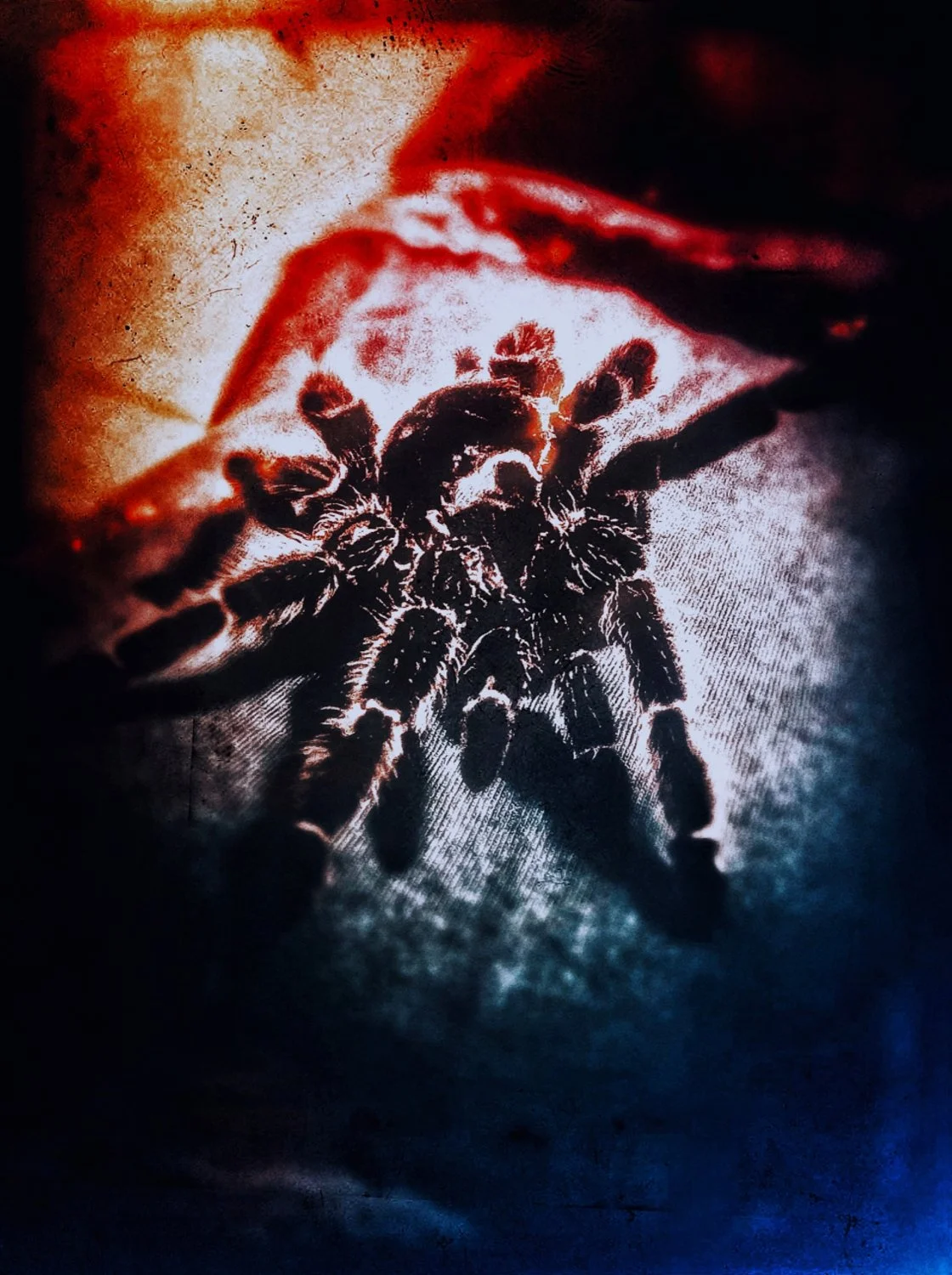
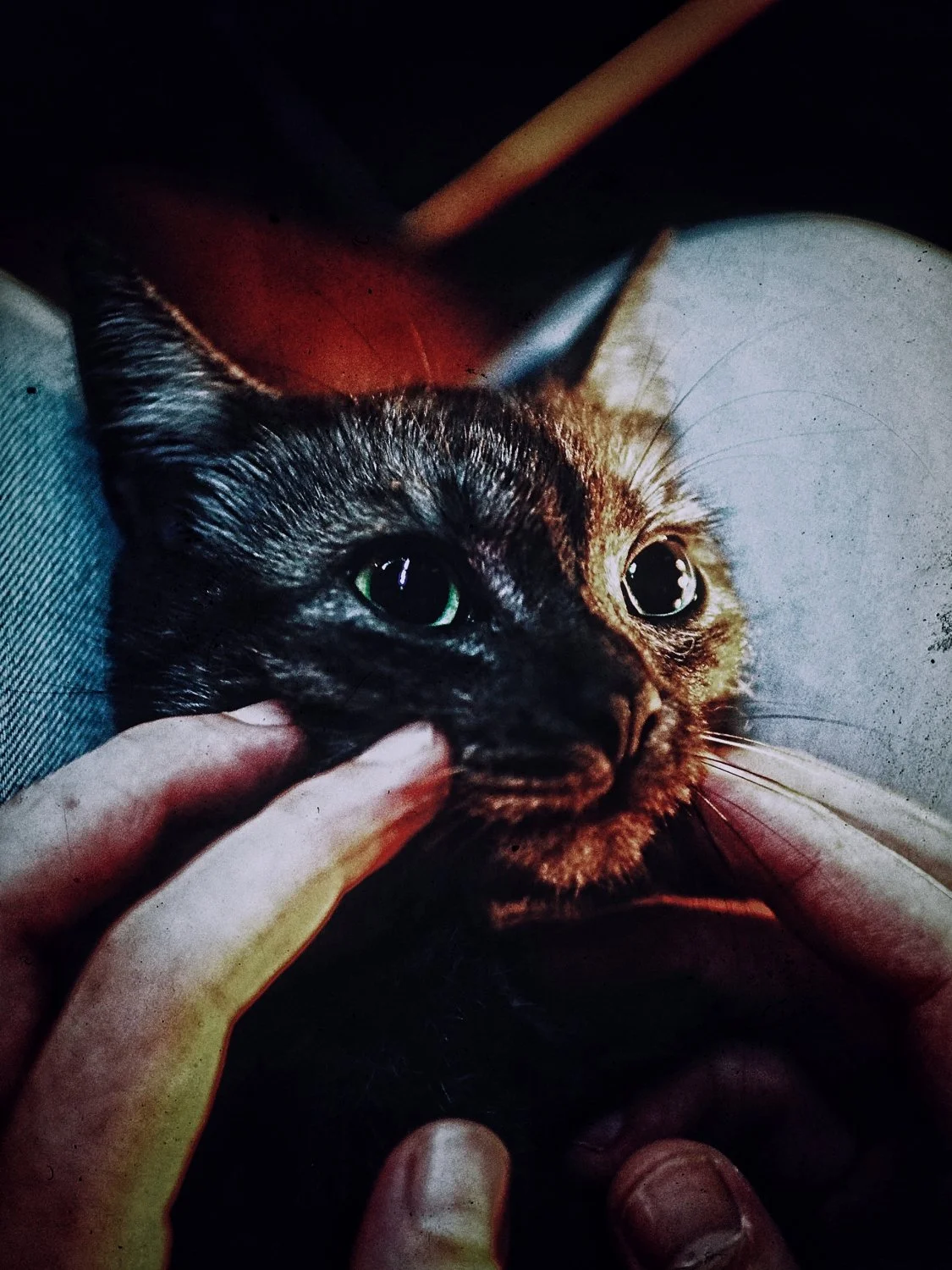
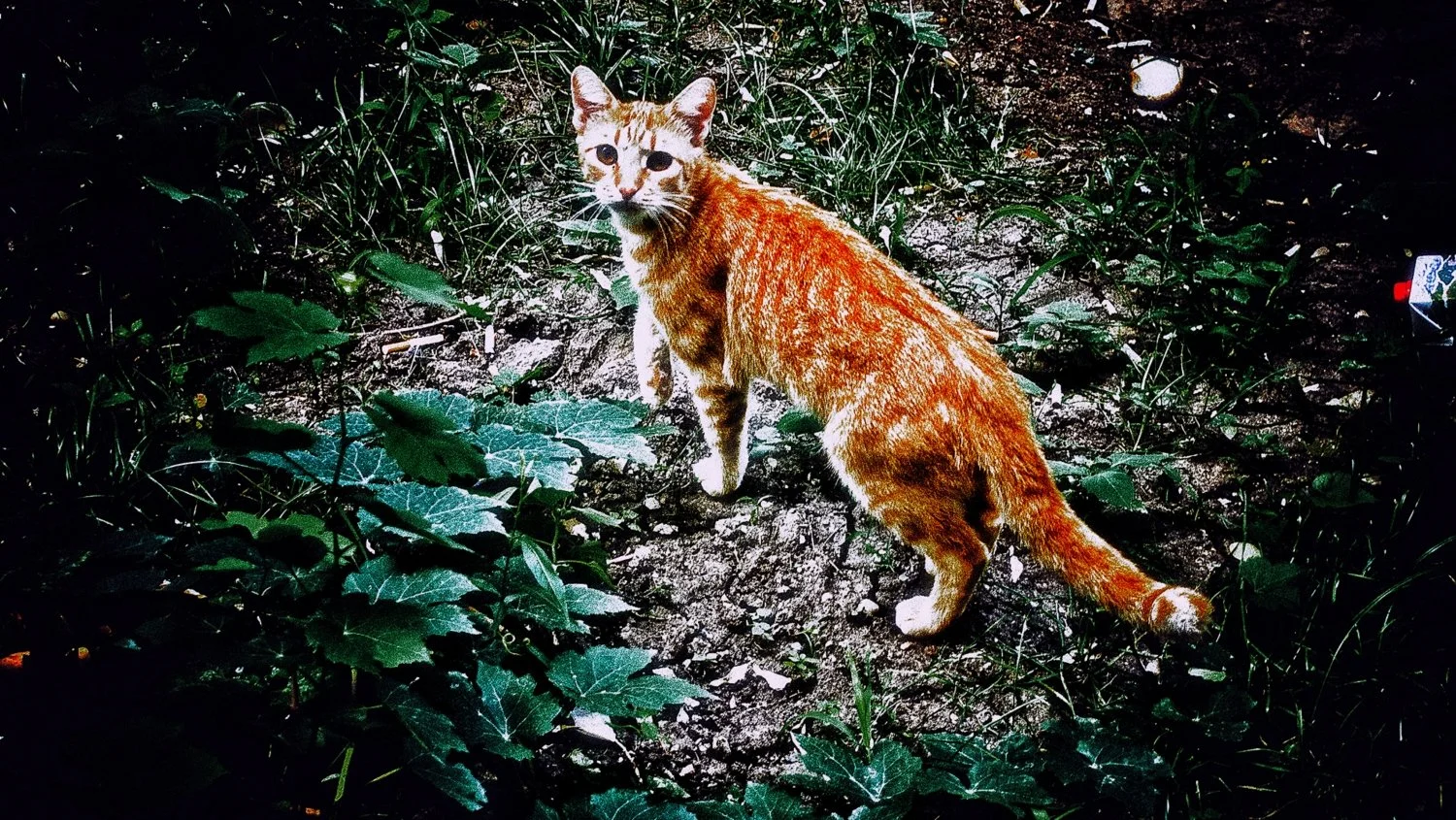
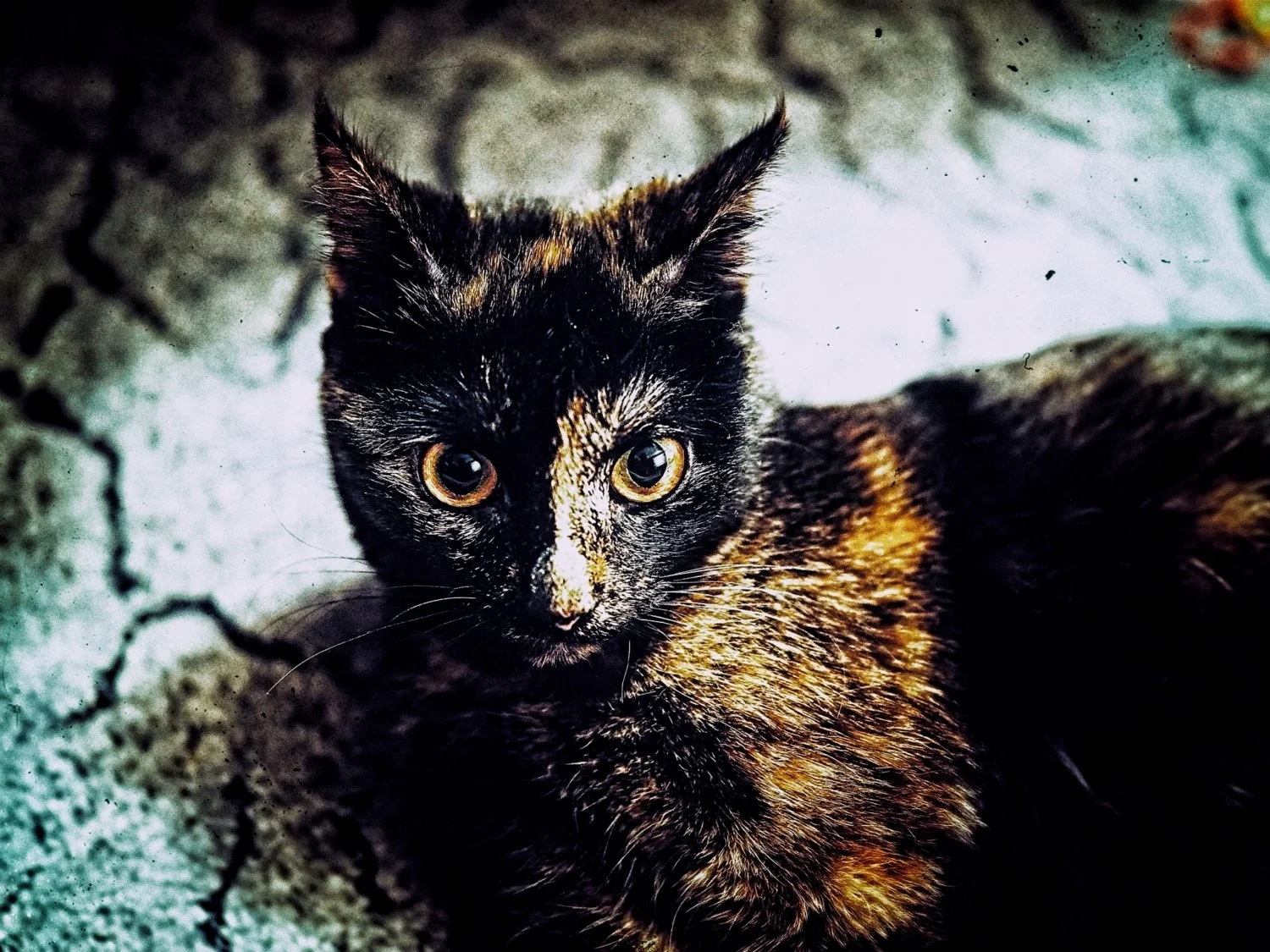
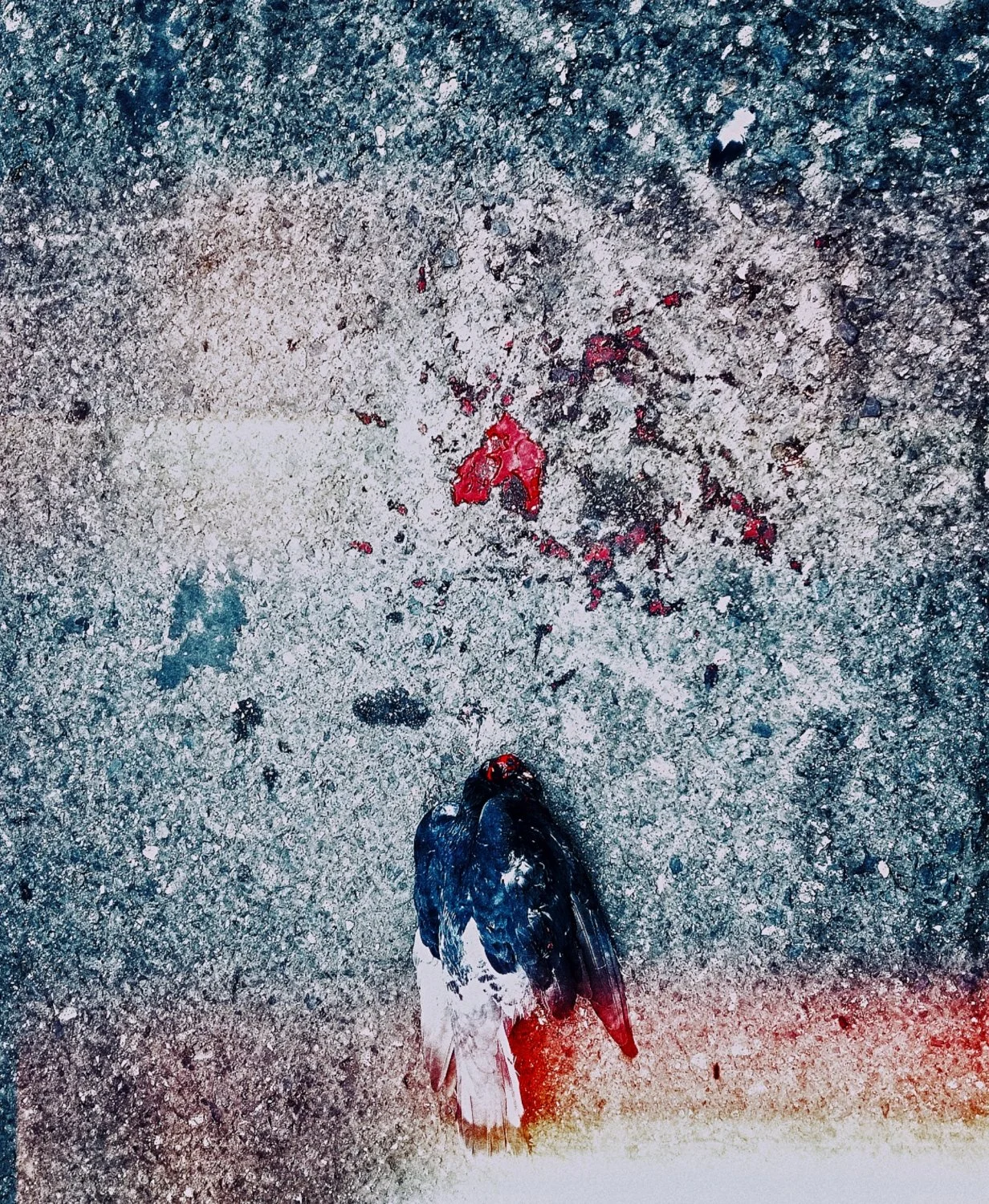
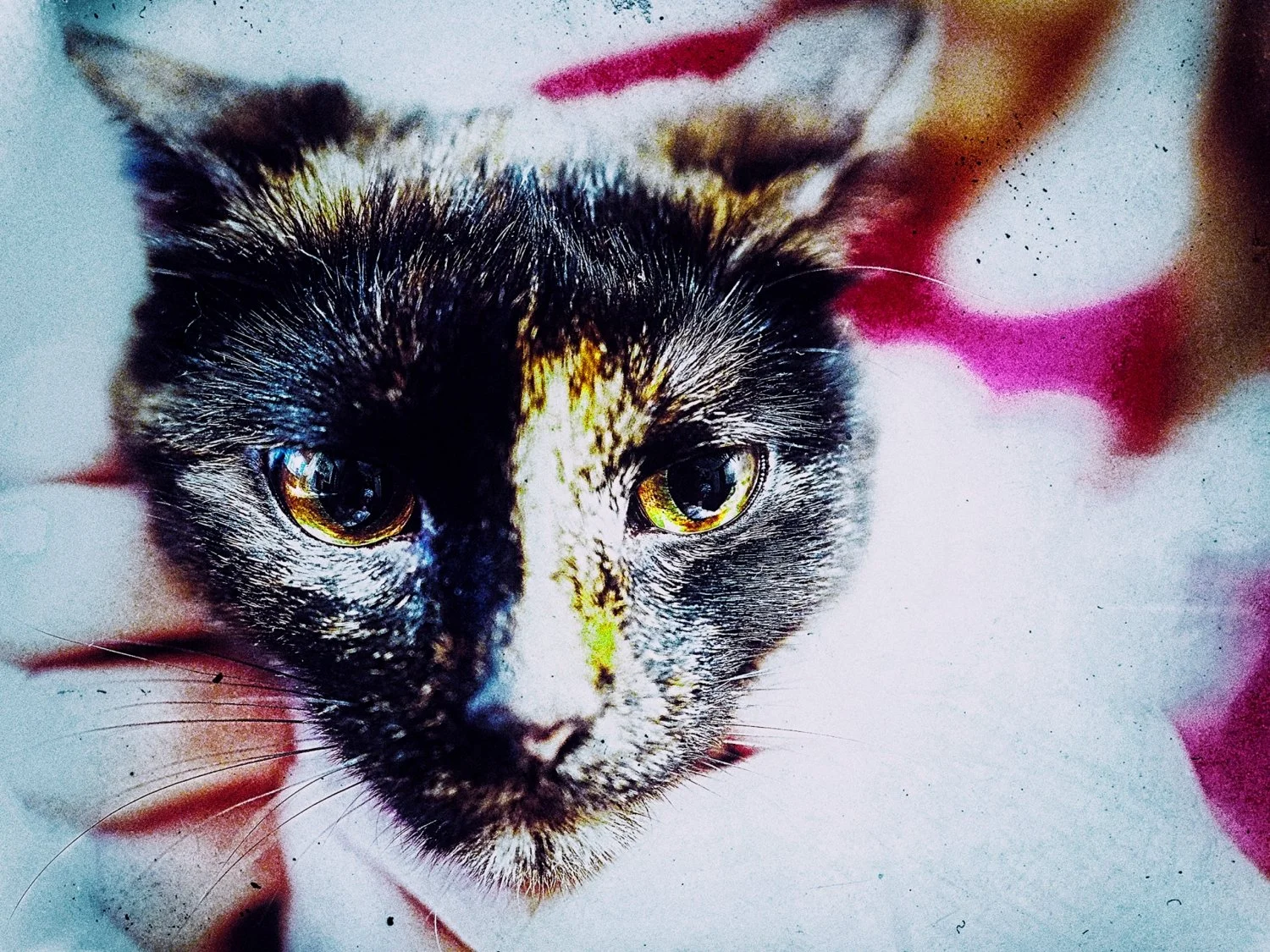
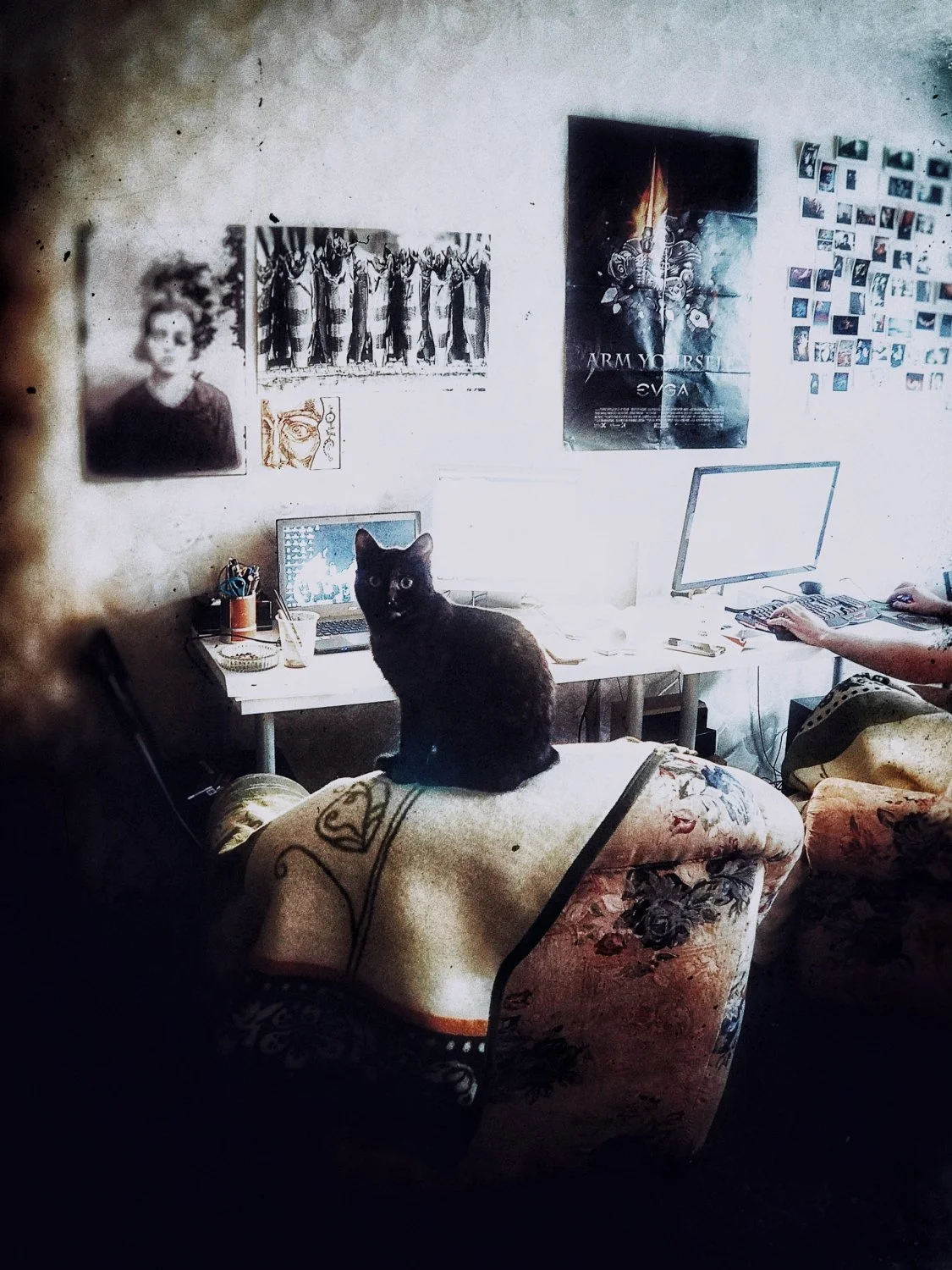
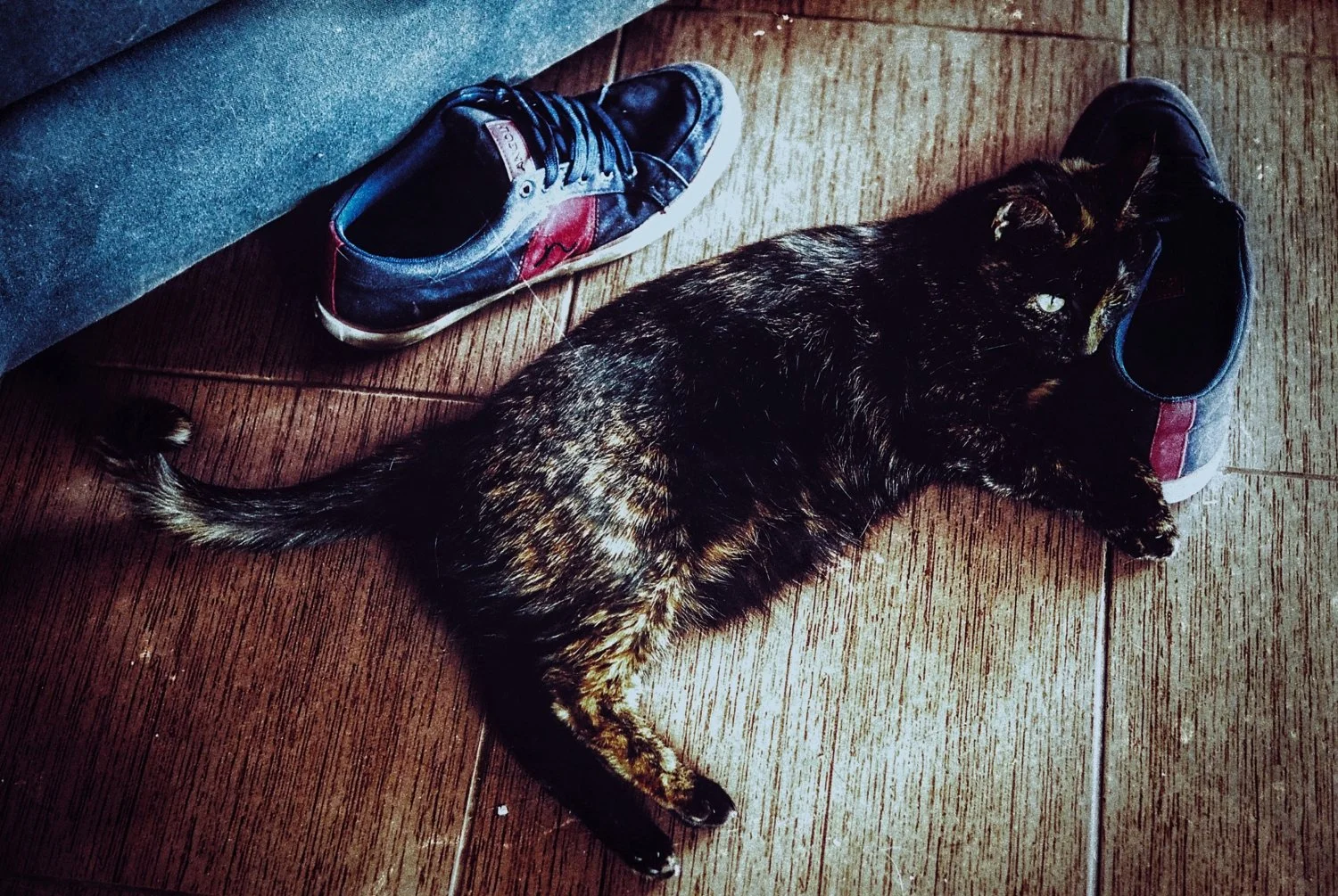
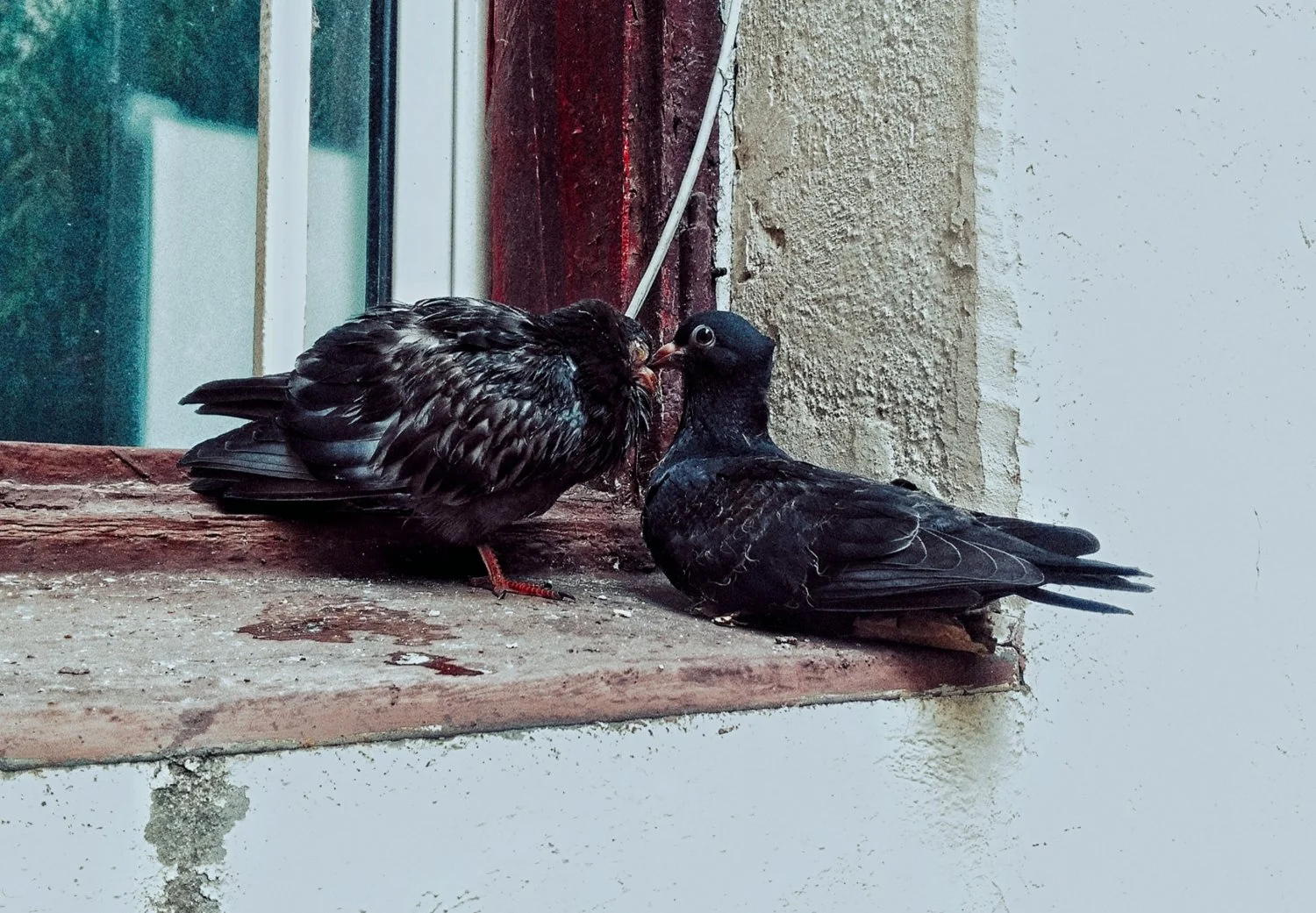
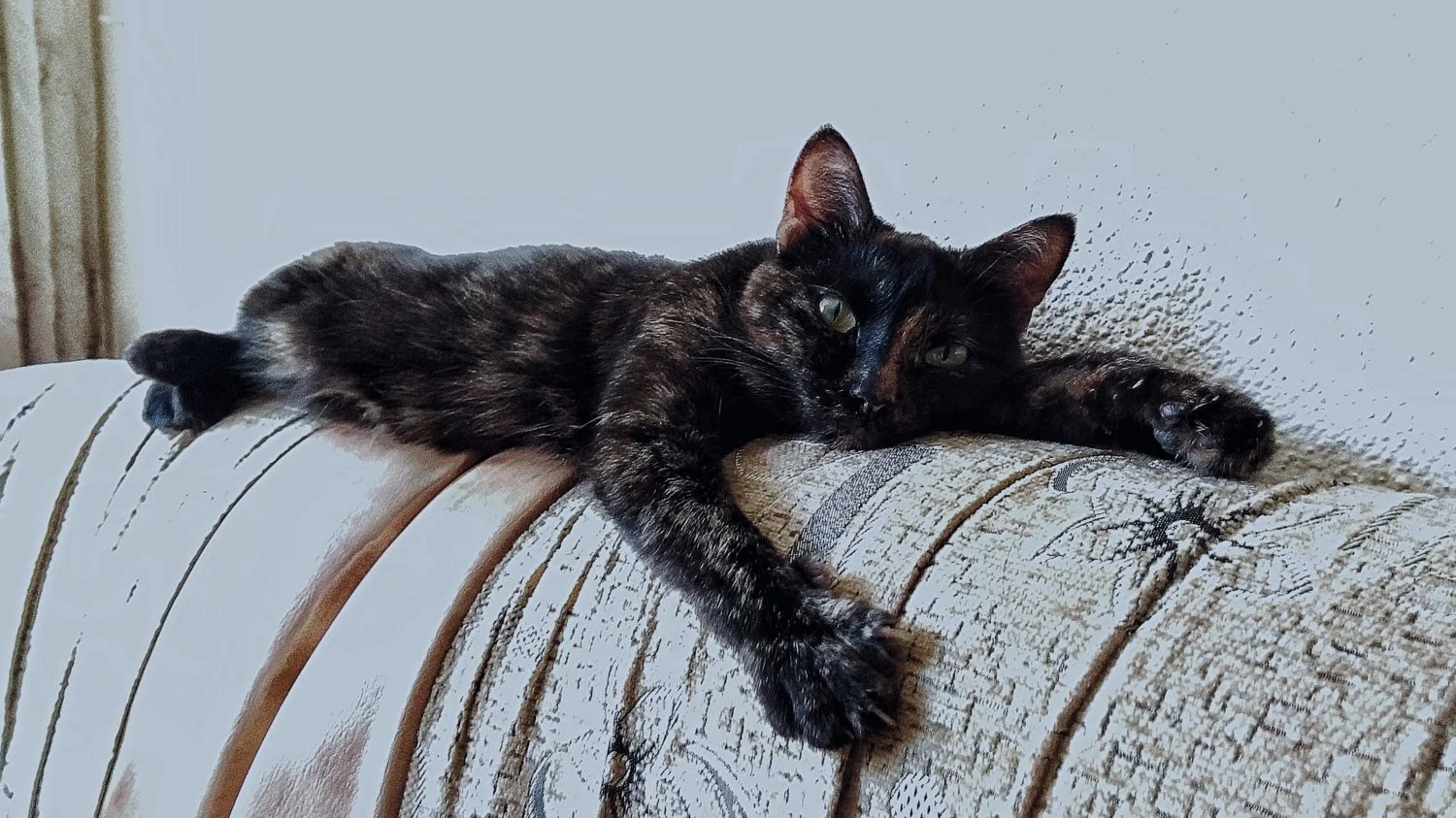
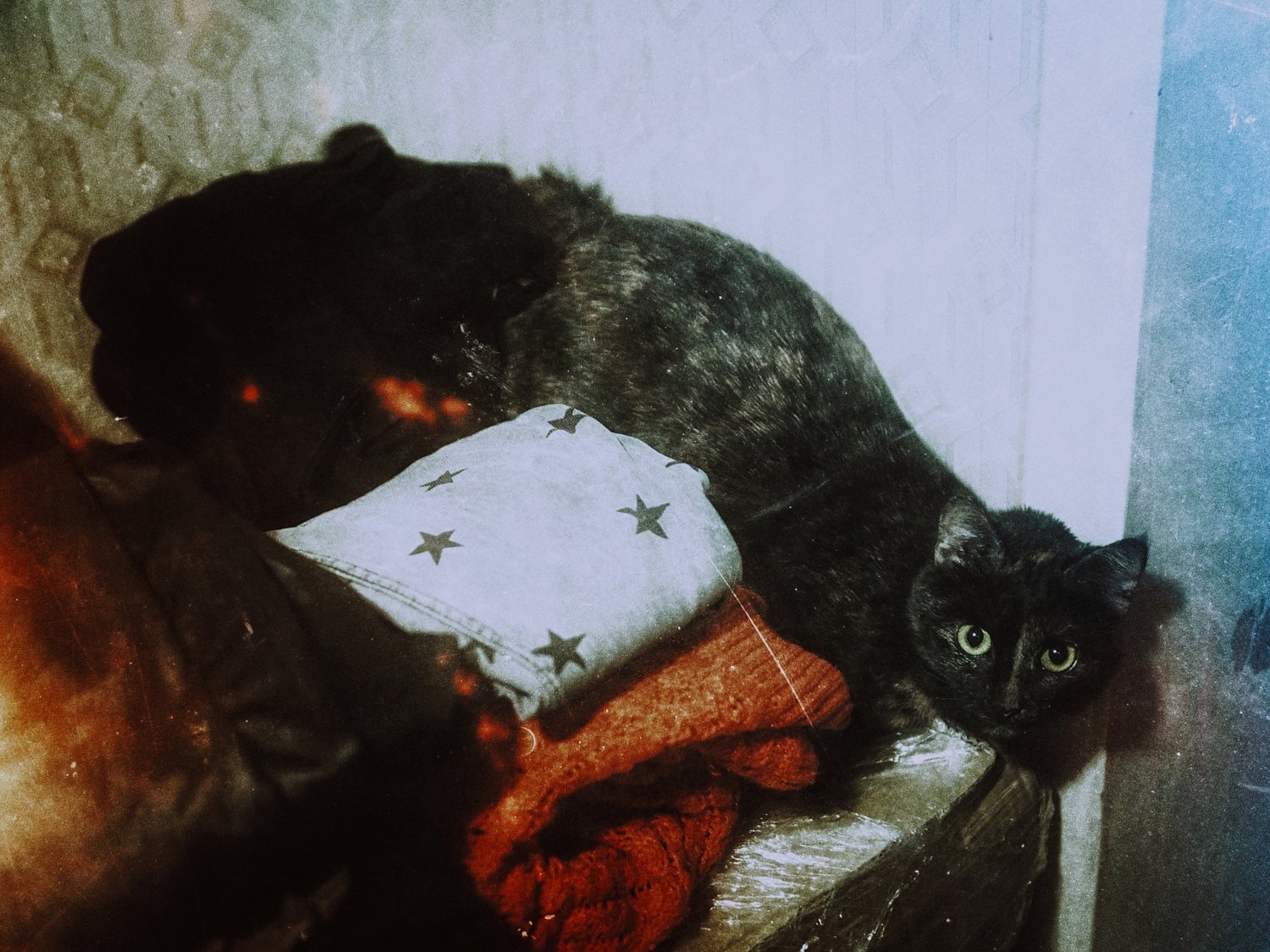
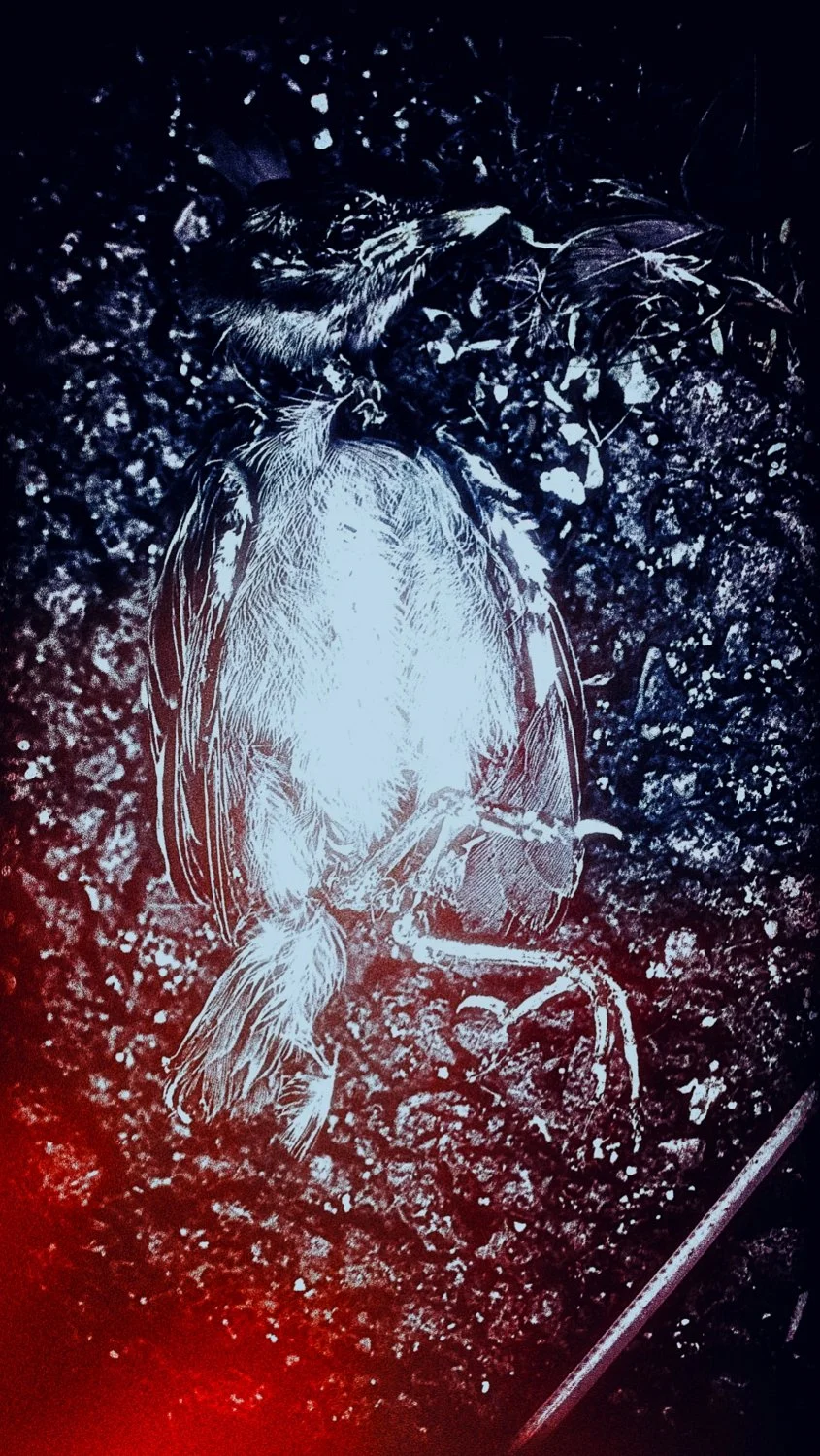
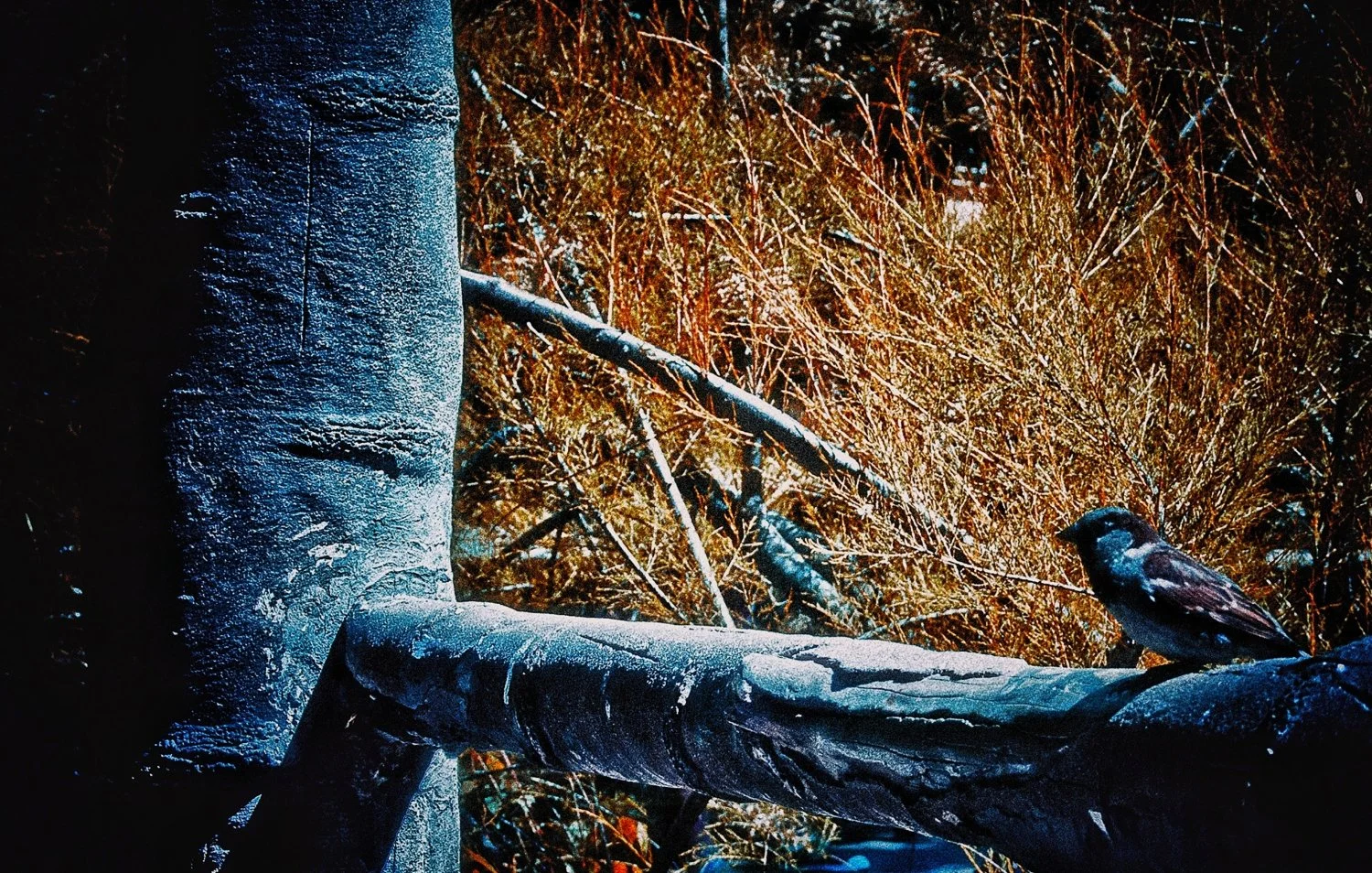
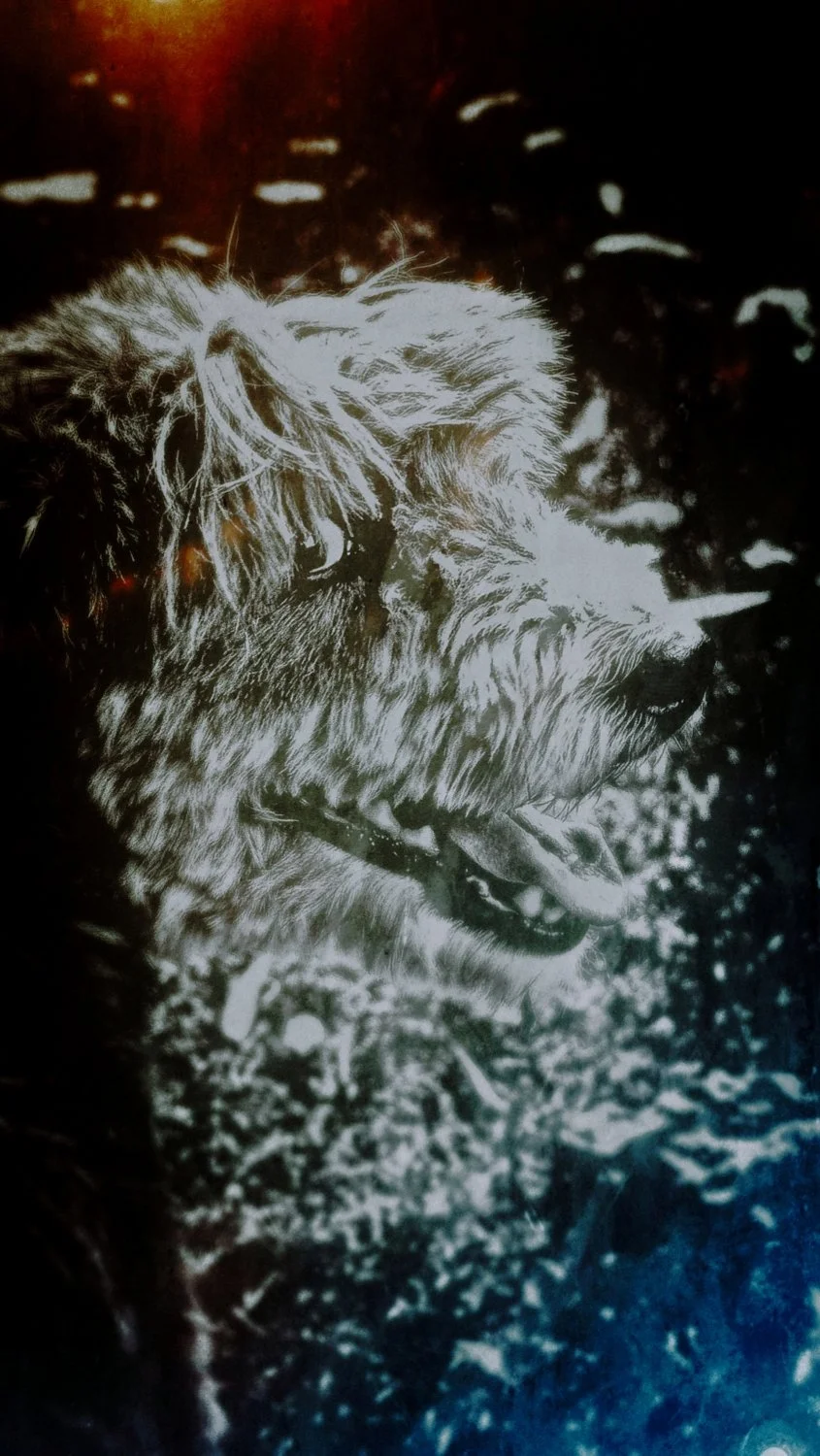
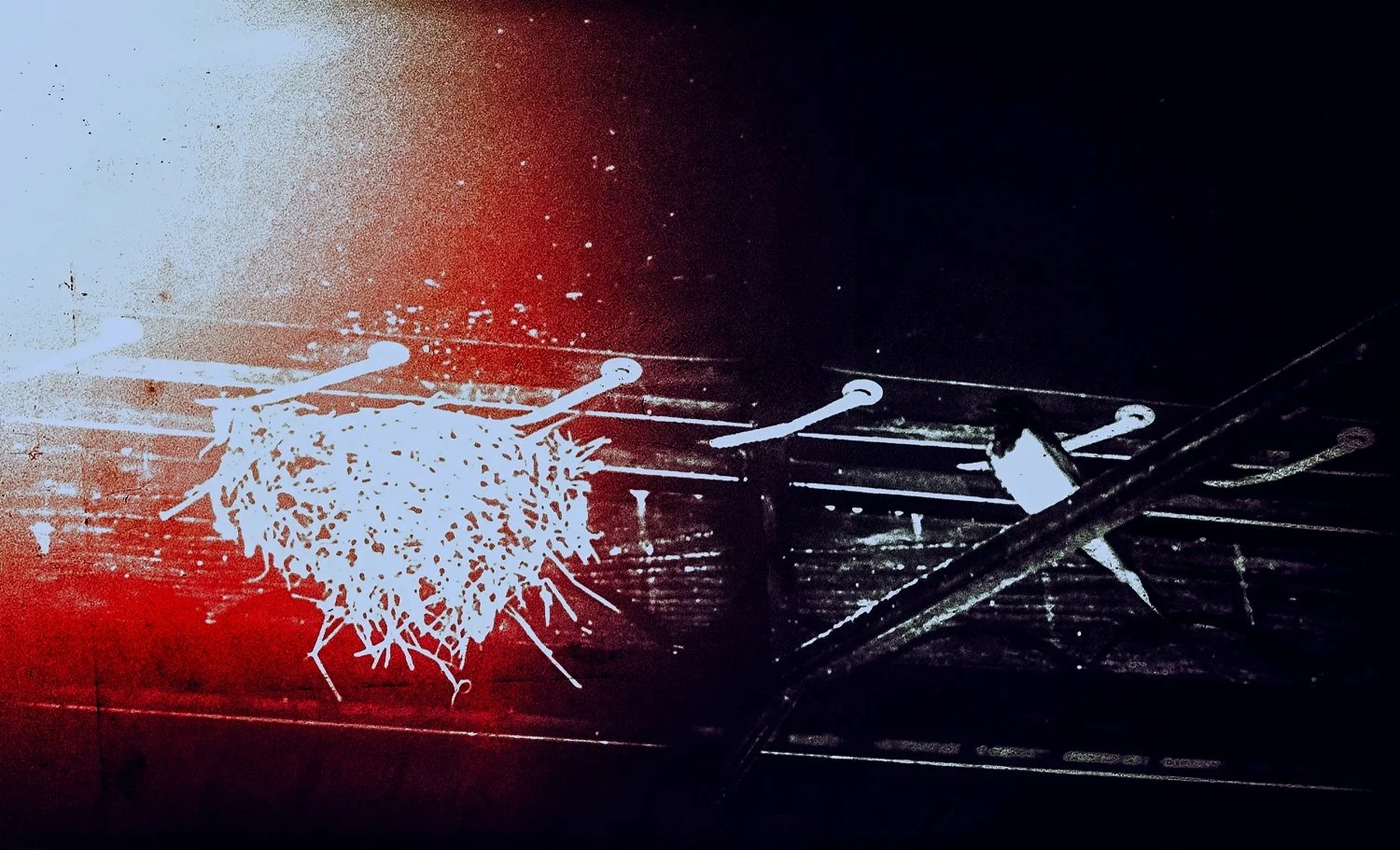
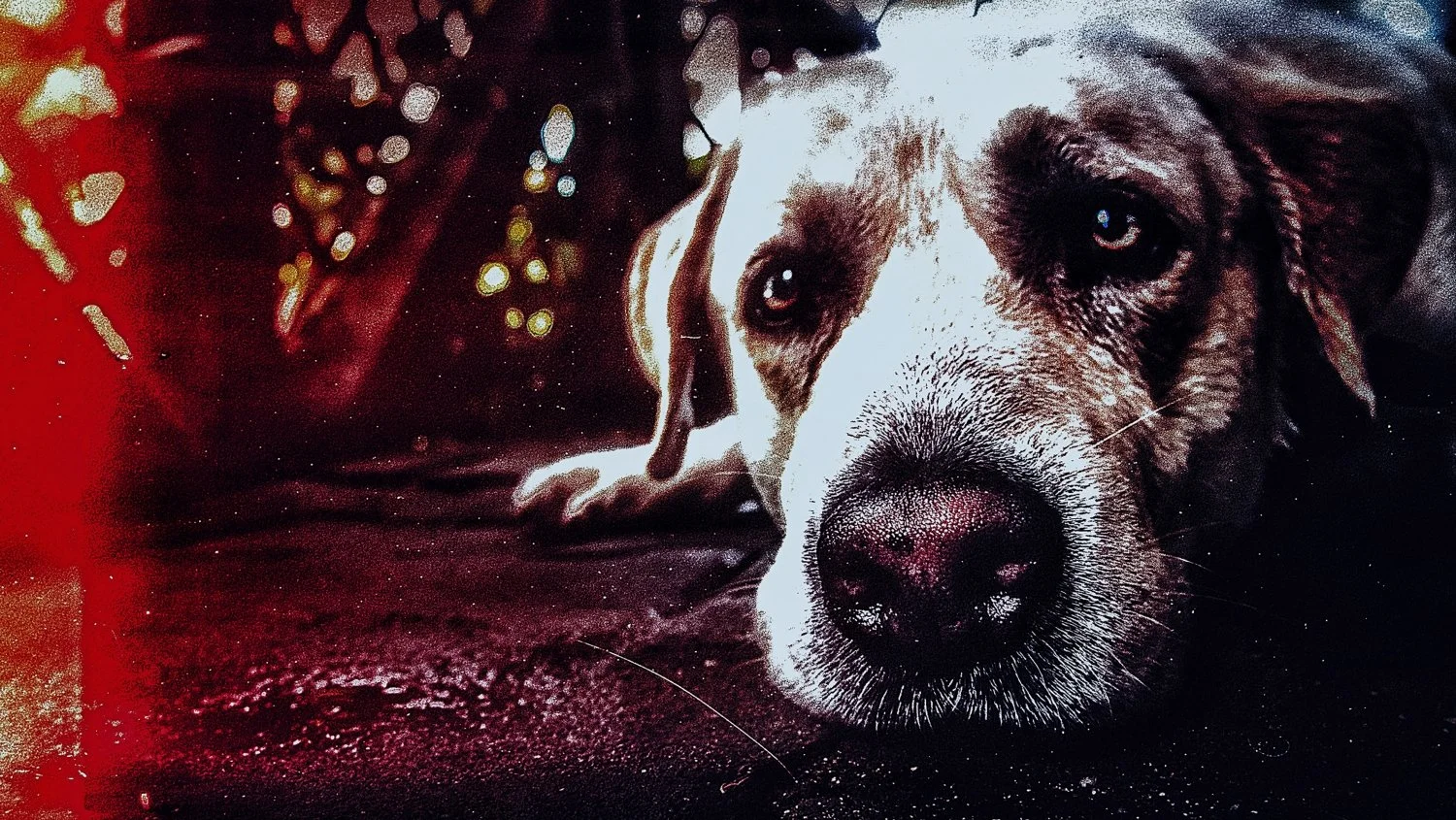
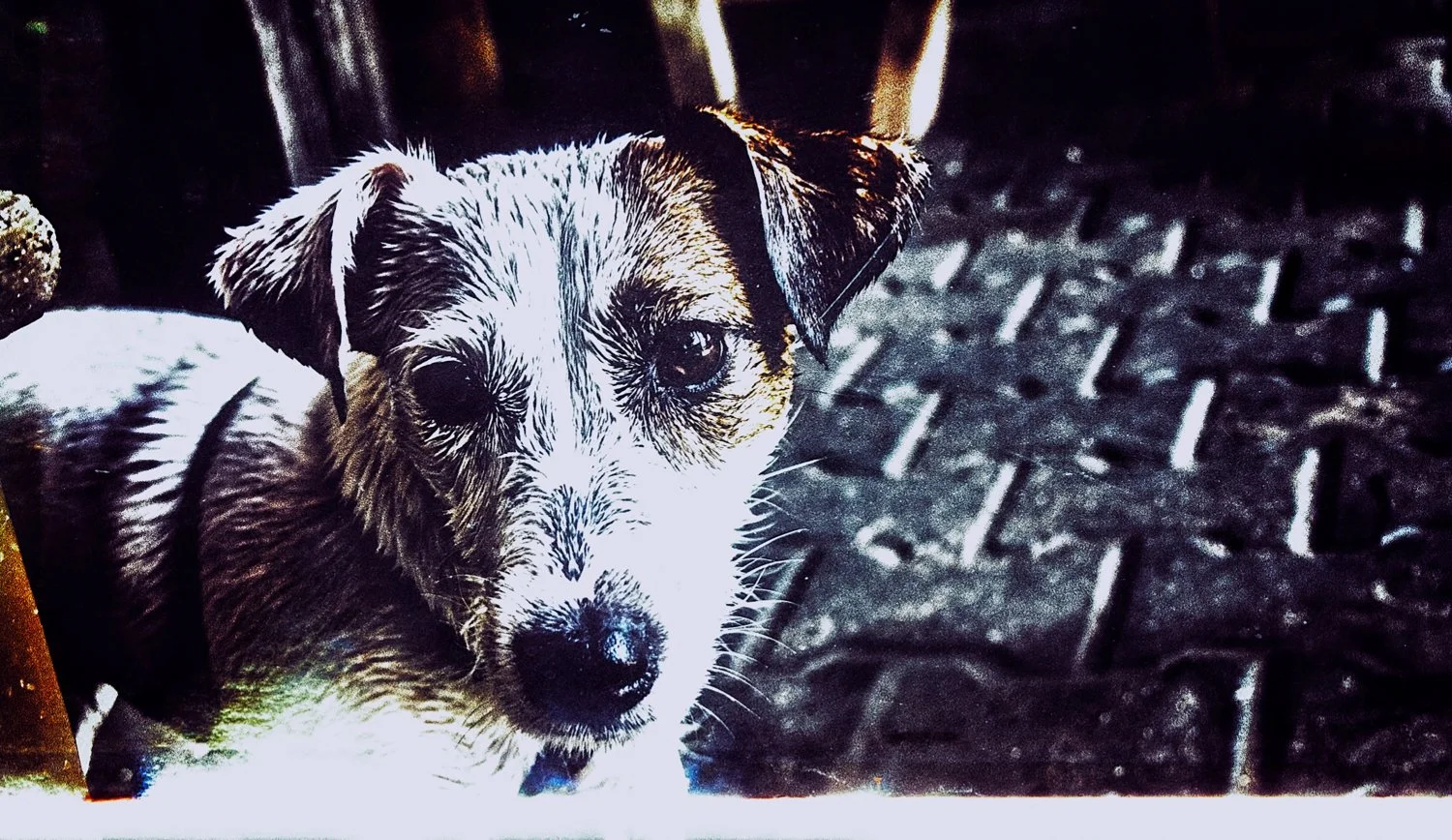
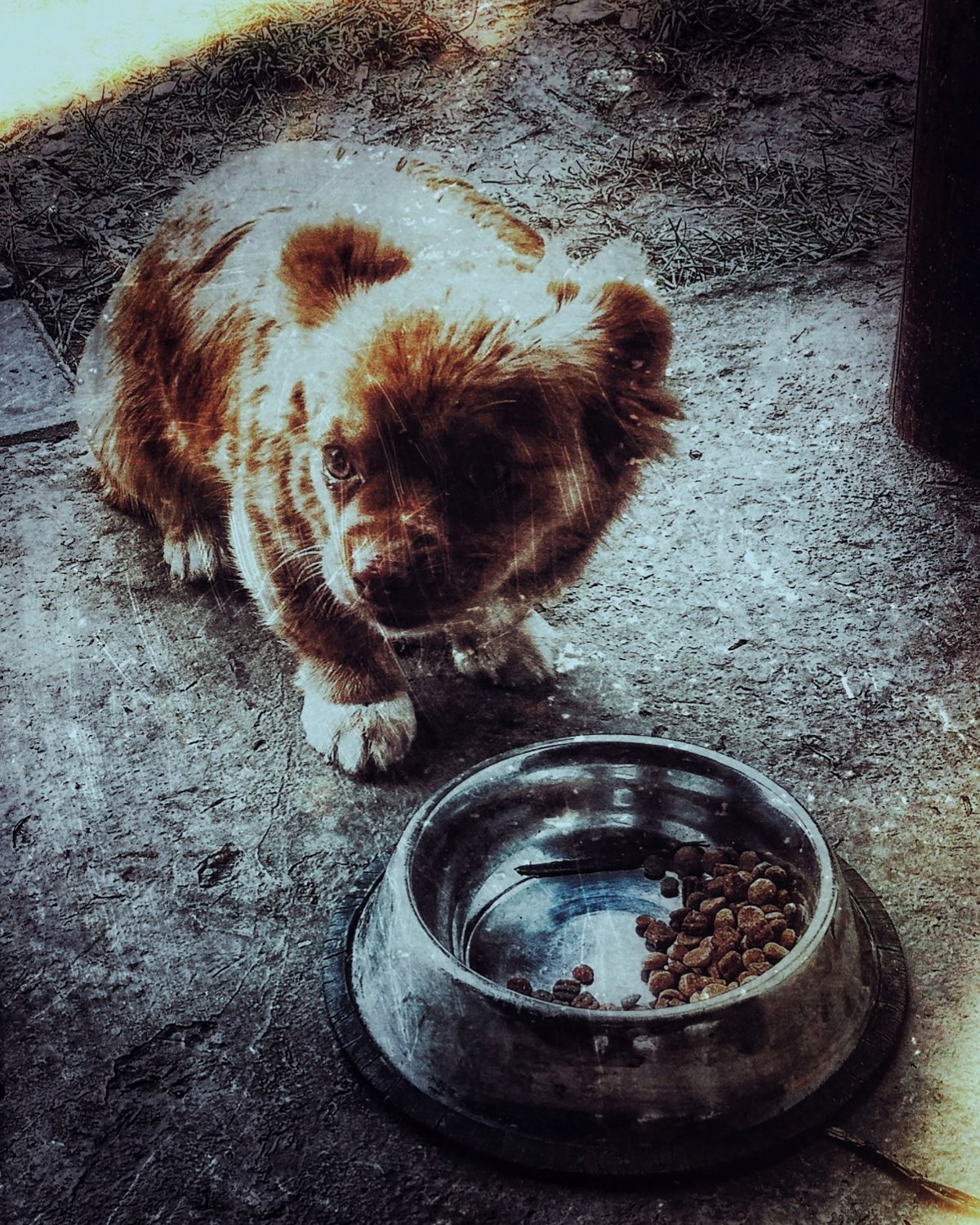
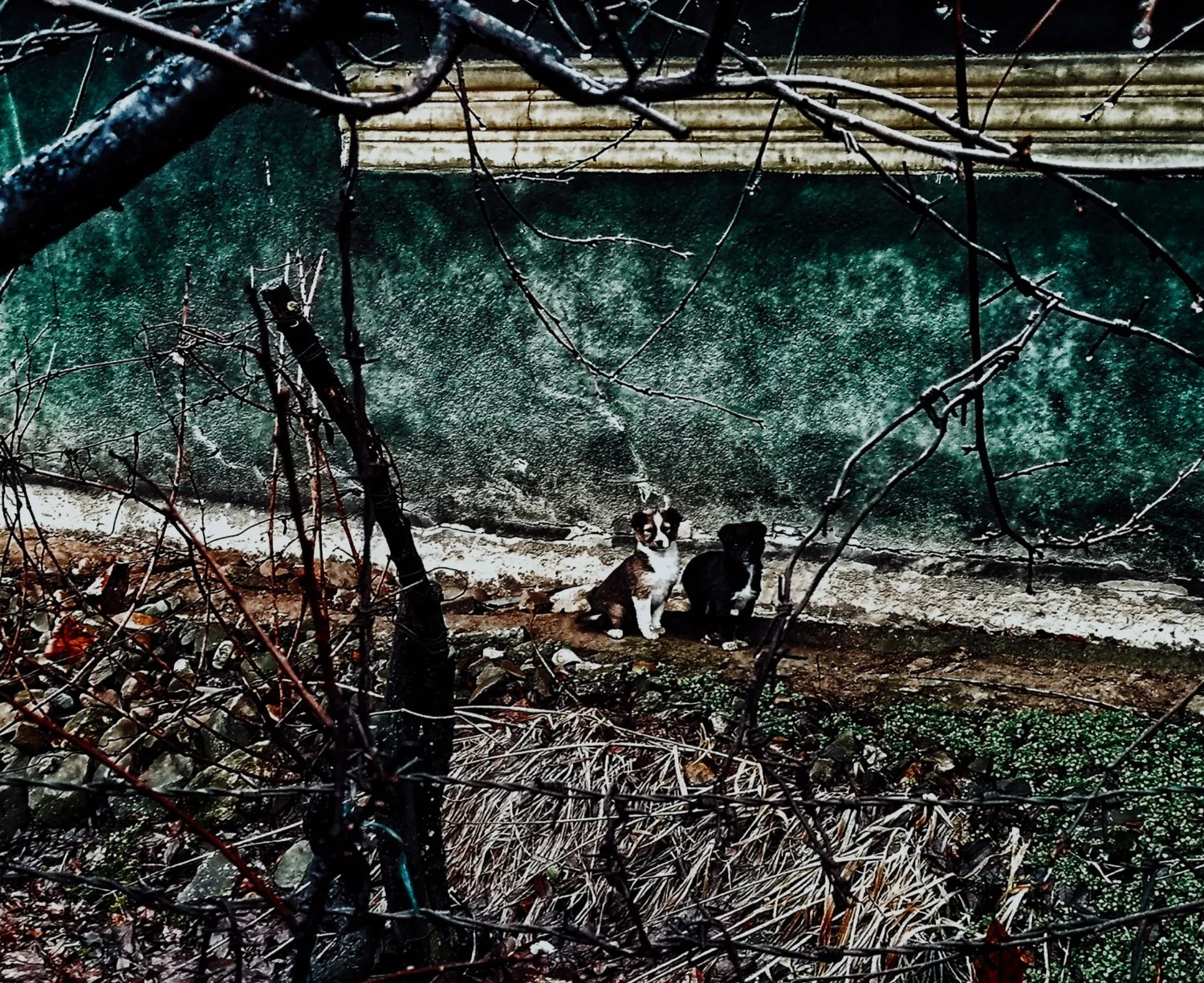
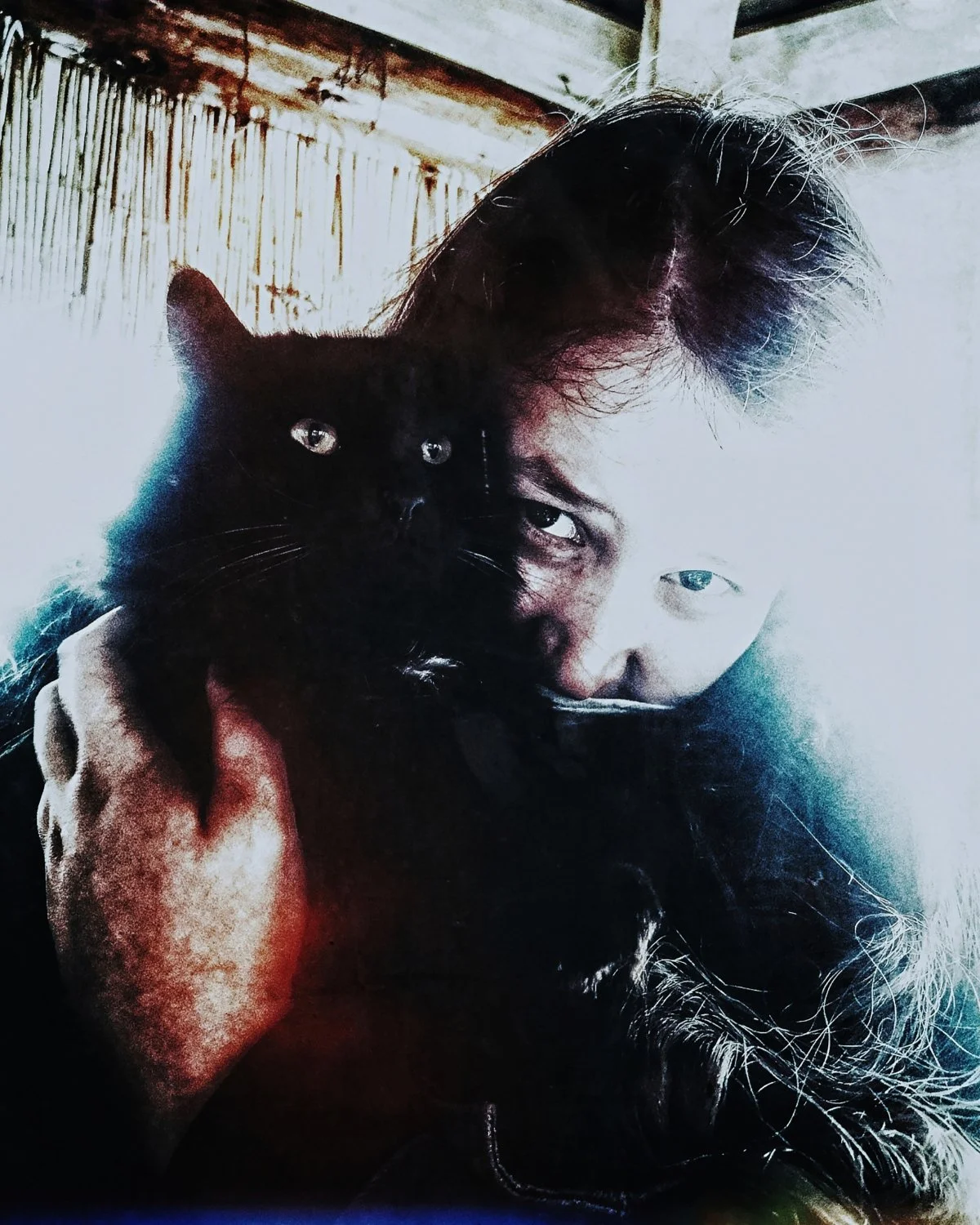
There is an interesting distinction that I want to address. While most references will be to the animal kingdom, the core of my message essentially speaks to all living beings.
According to the internet, the question arises: Do we refer to animals as "who" or "that"? Under normal circumstances, the relative pronoun used for animals is "that". Nevertheless, one can use "who" to refer to an animal with whom they have a close relationship, such as one's pet. Animals with names should be referred to as "who", while animals without names should be referred to as "that".
I understand that it makes less sense to address a plant as "who", as there is no indication of it possessing a mental consciousness similar to ours, but that is not the point. Many words hold entirely different meanings depending on the context.
I'm not implying that all living beings should be treated like humans (although they already are subjected to torture). What I mean is that if our vocabulary, which has evolved over centuries, had referred to other living beings more as beings than as mere things, we would have fostered healthier bonds with nature. We would have learned more about how to treat each living being with a customized form of respect. It would be akin to recognizing that dogs should not be treated like cats. Although this recognition is often limited to animals that humans generally find appealing.
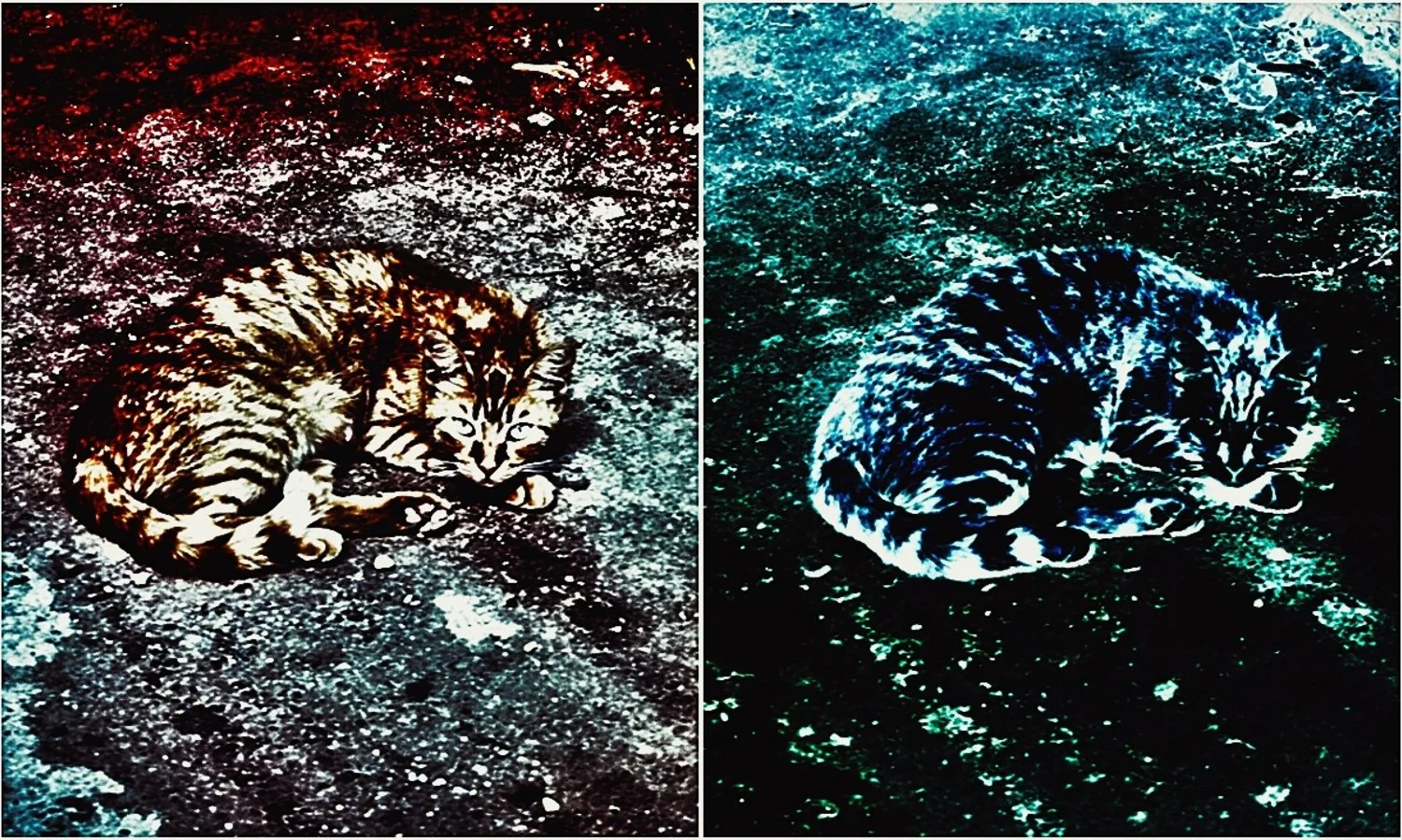
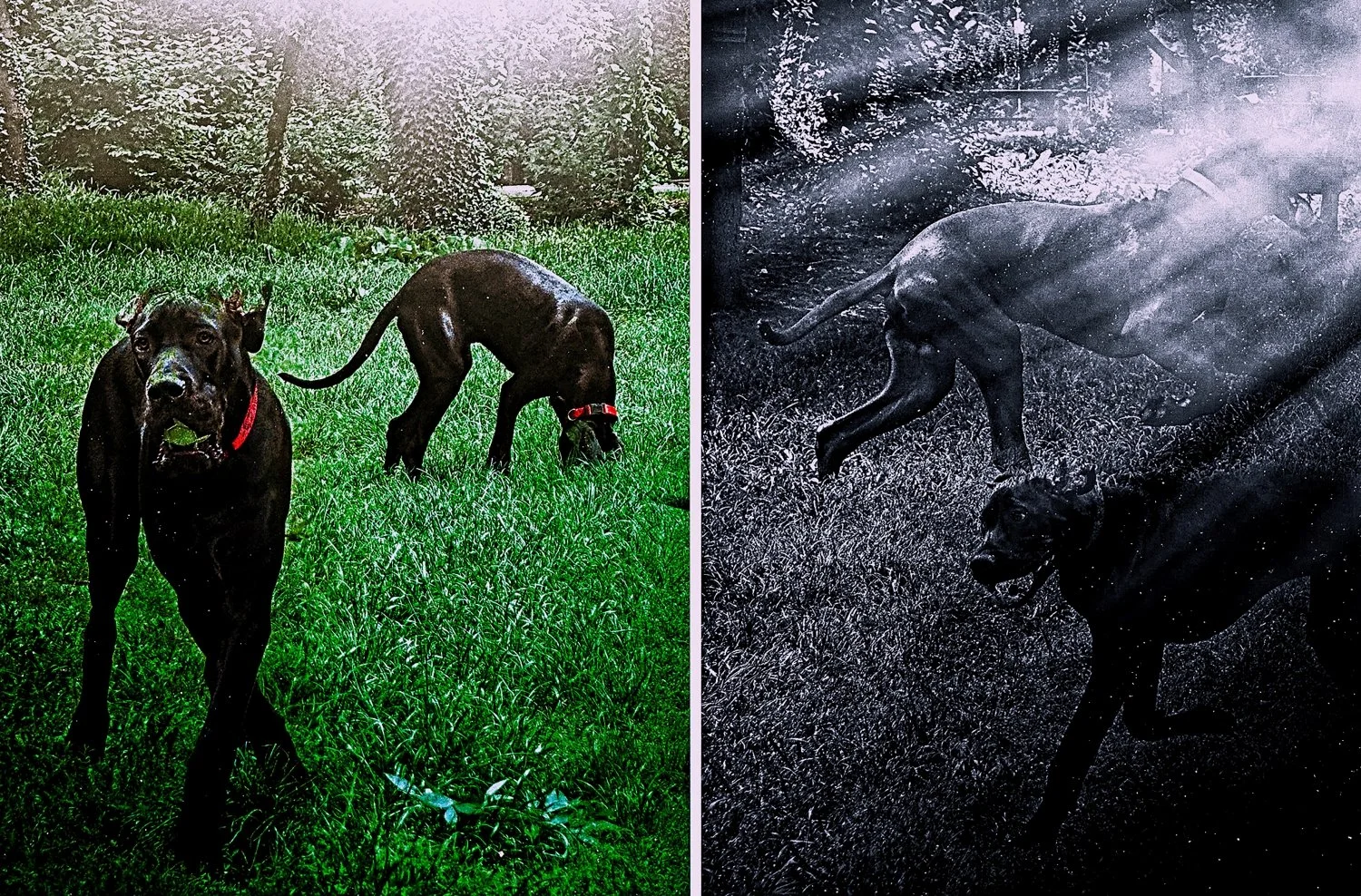
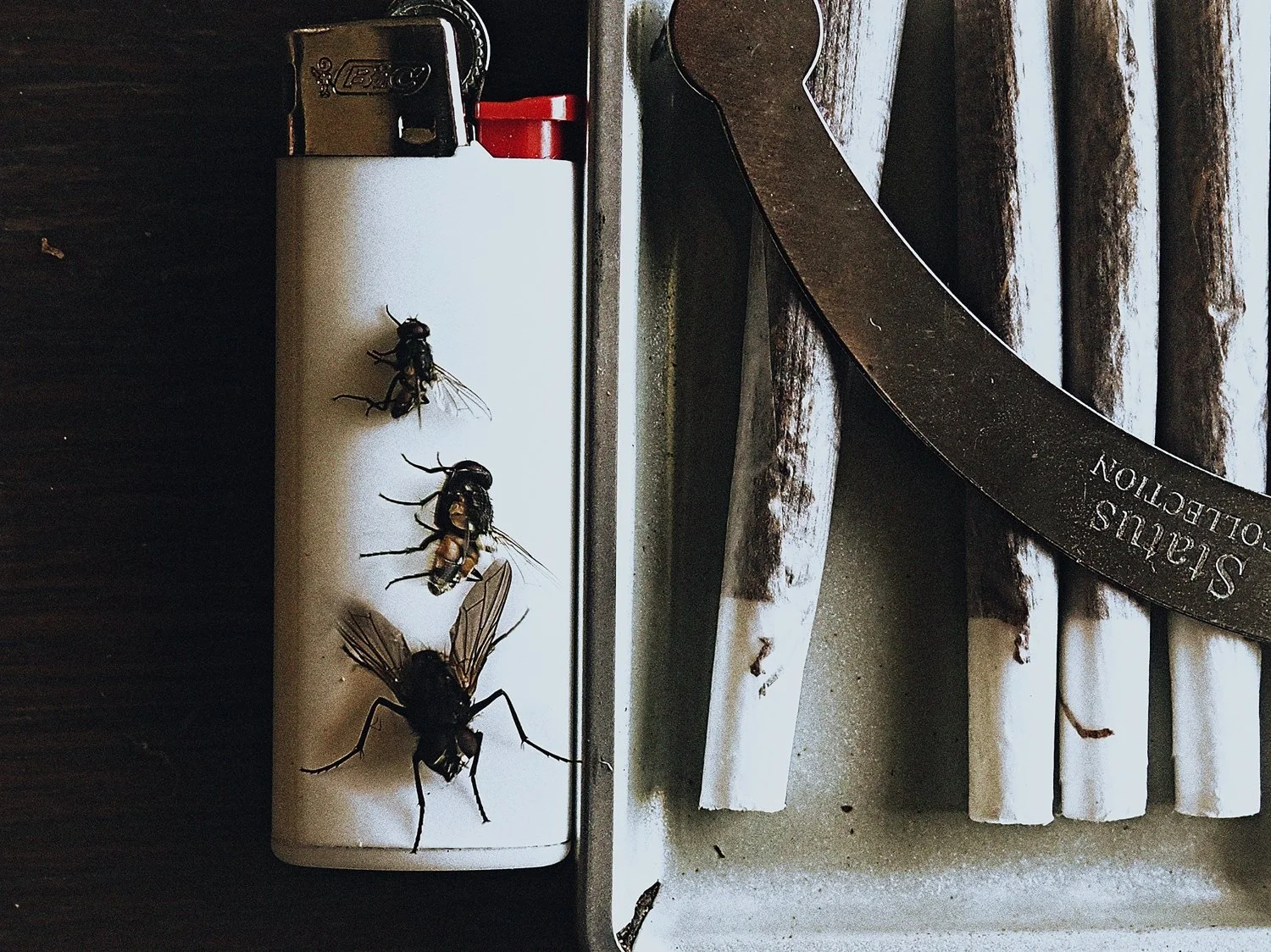
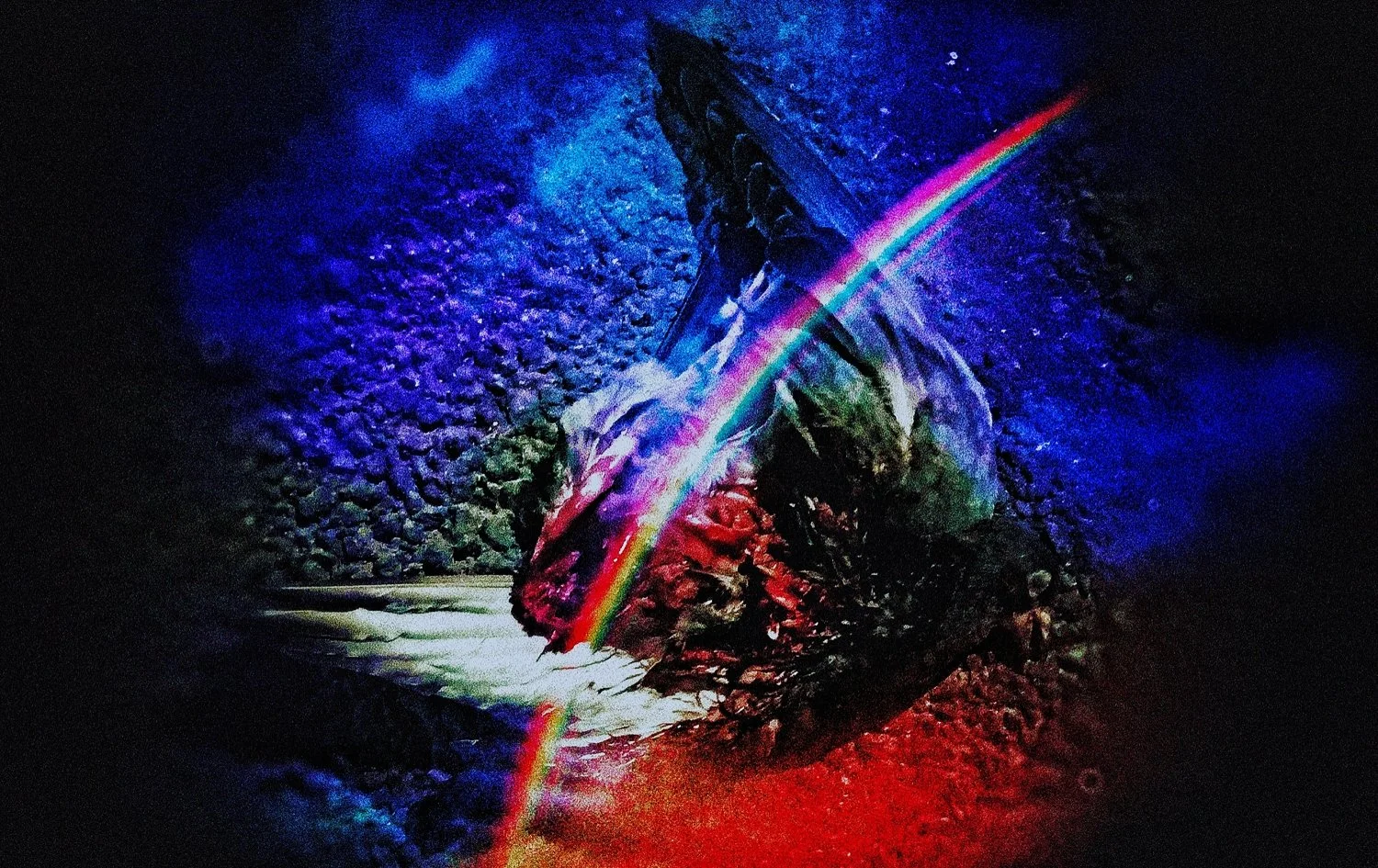
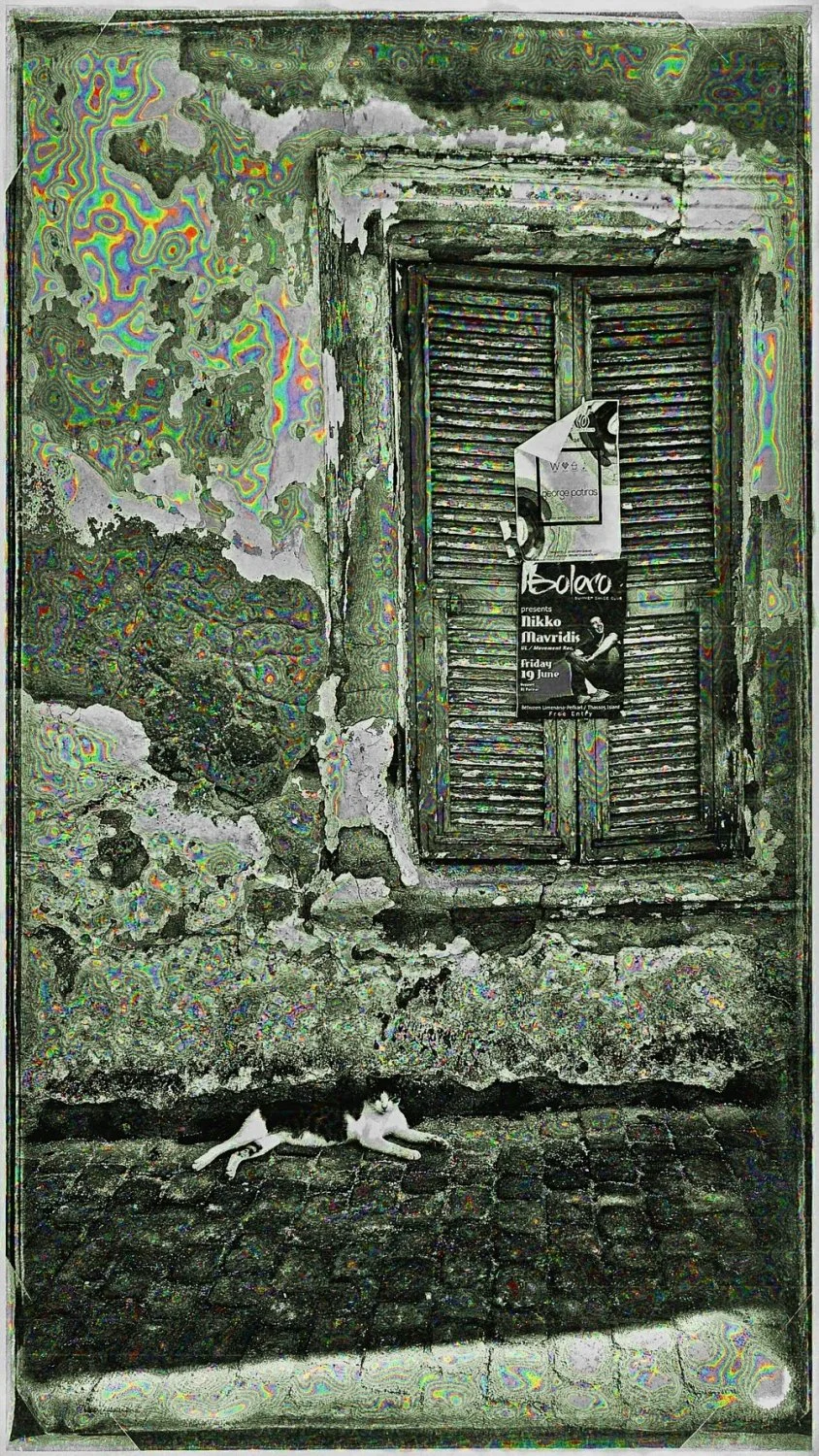
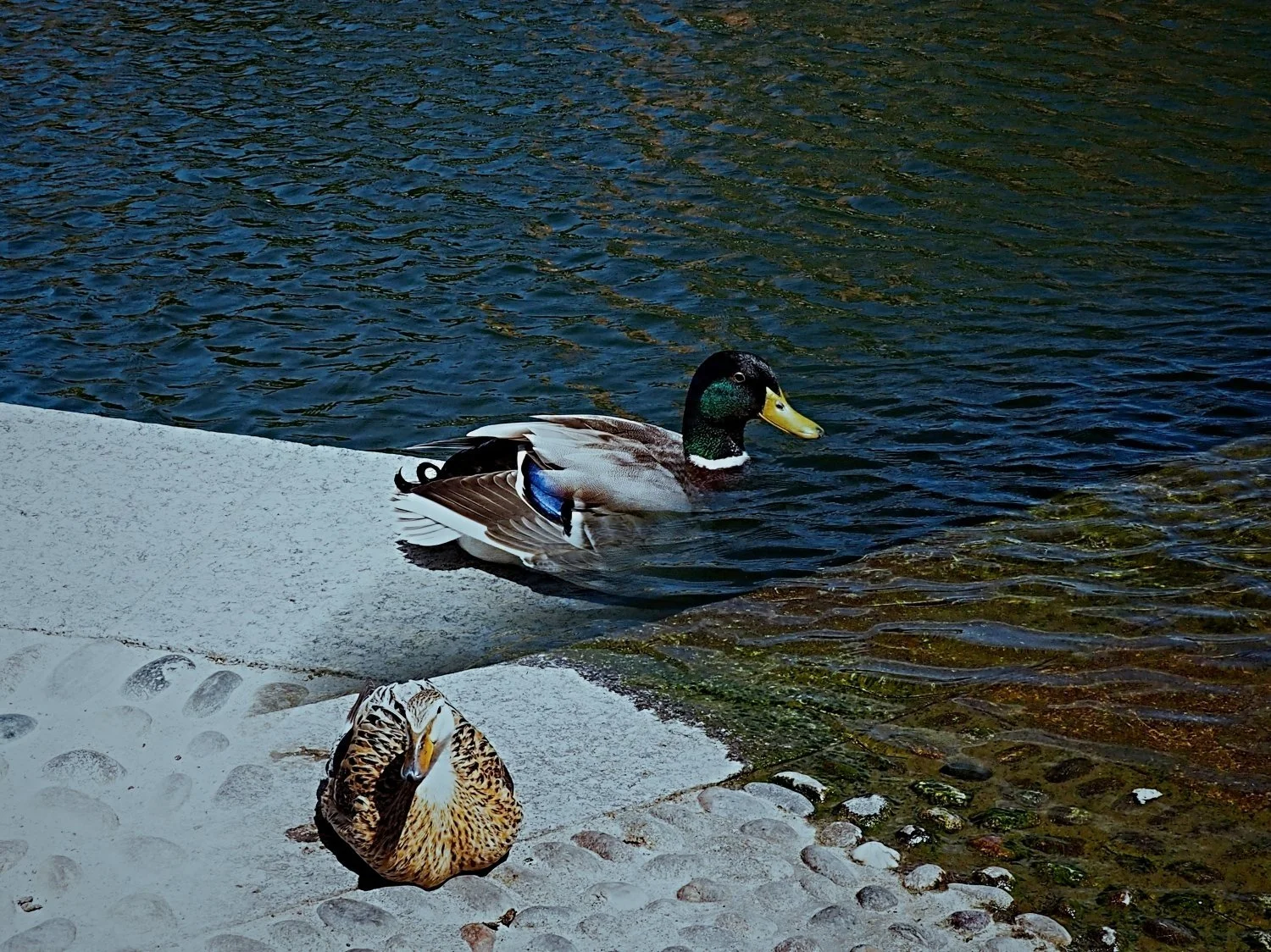
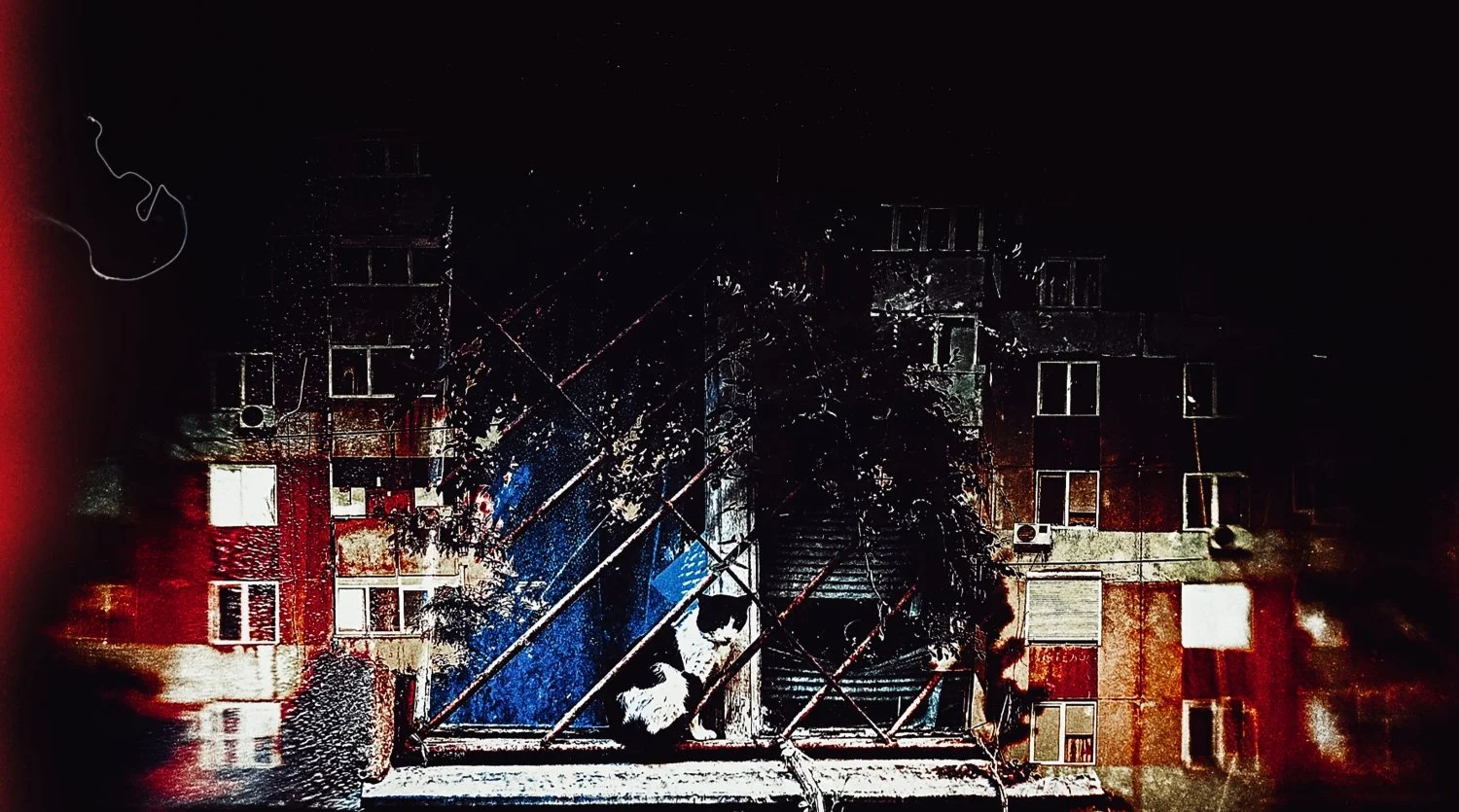
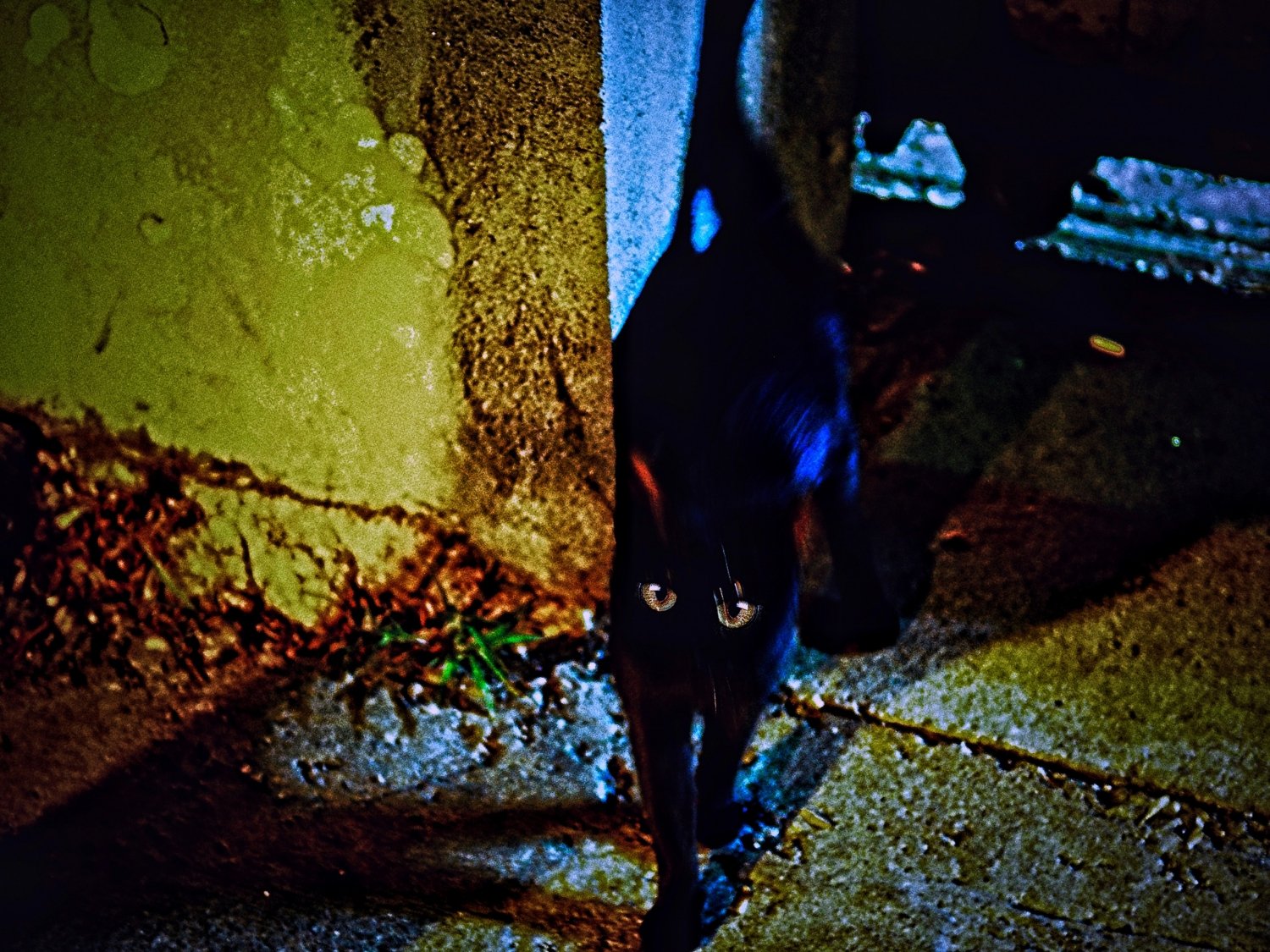
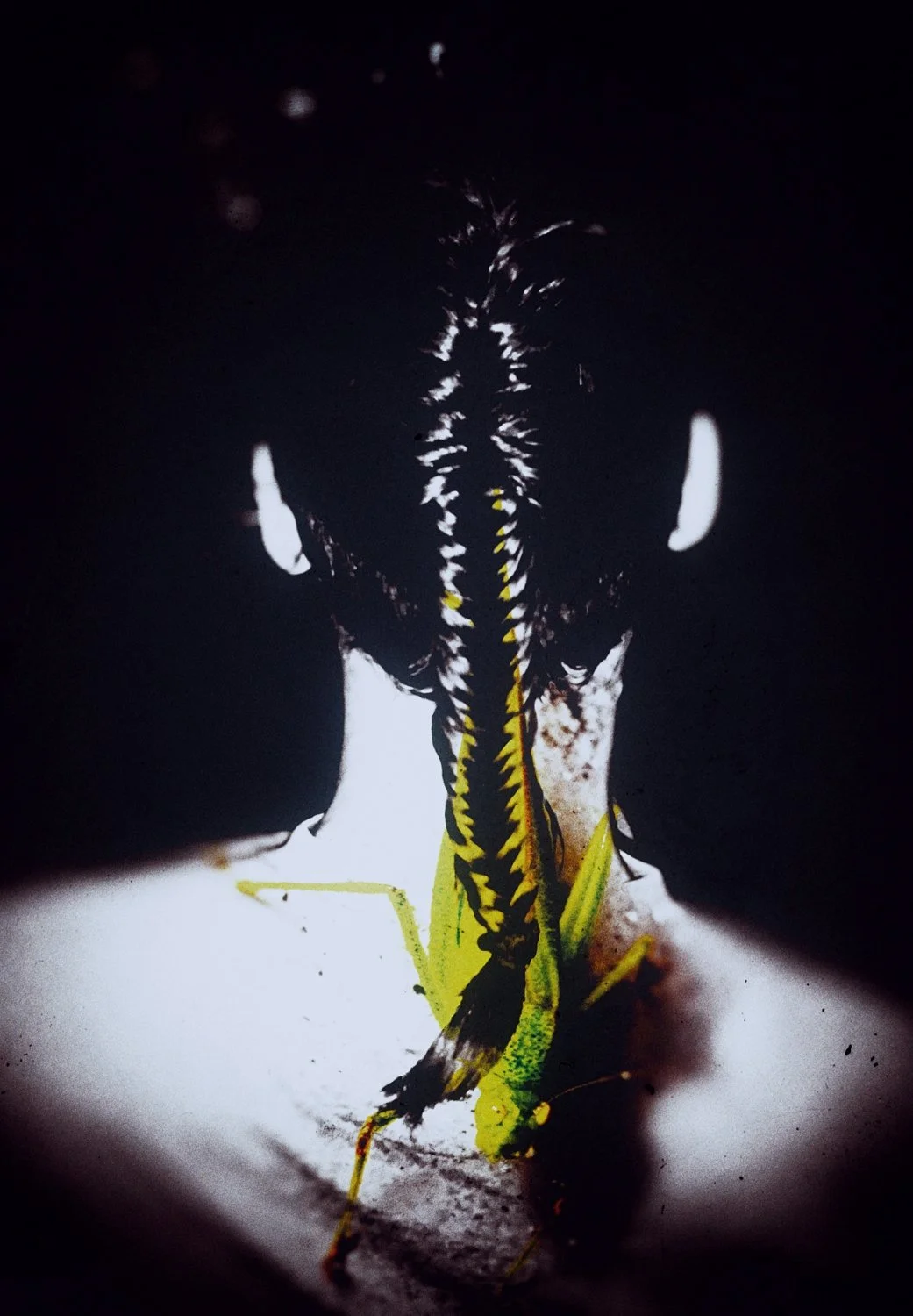
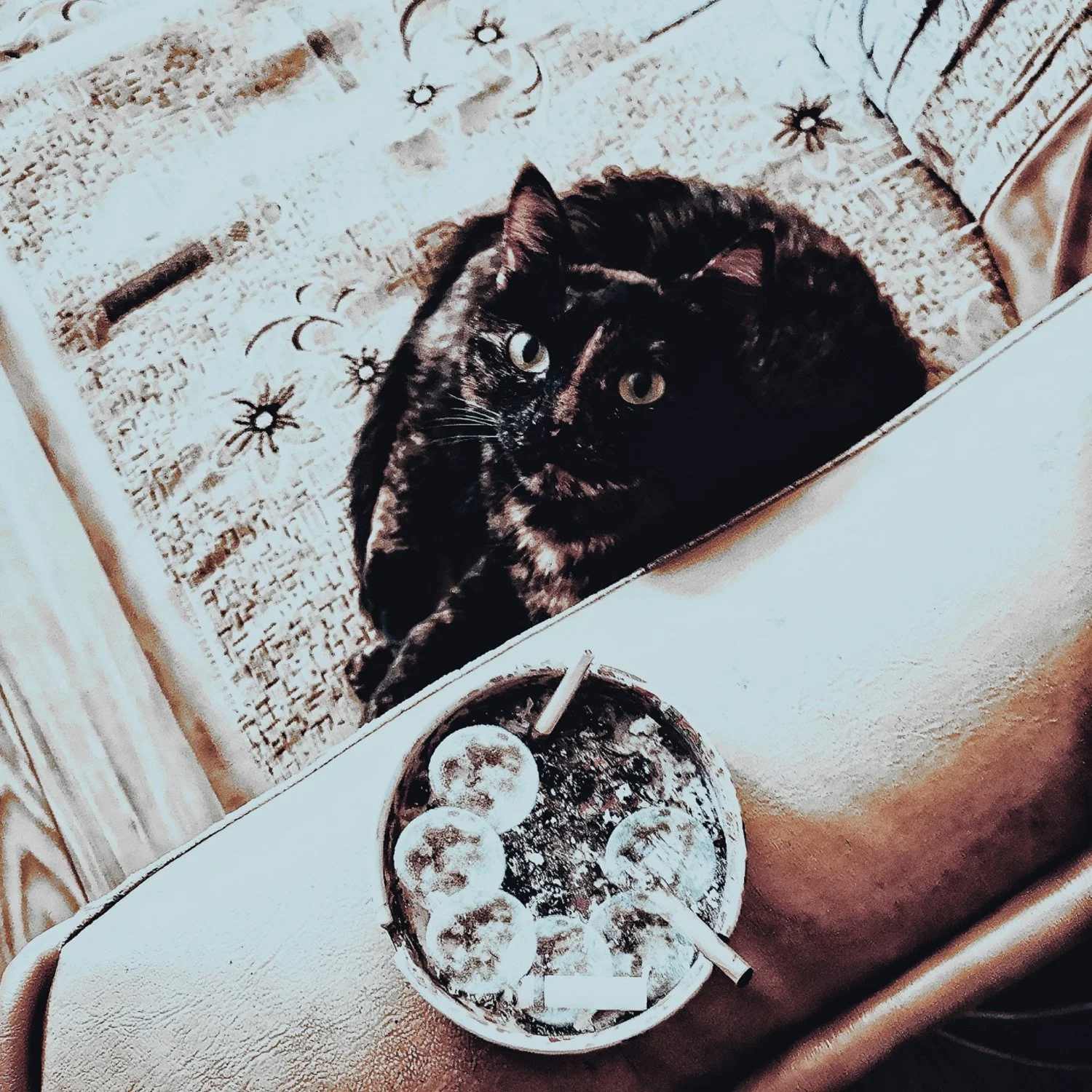
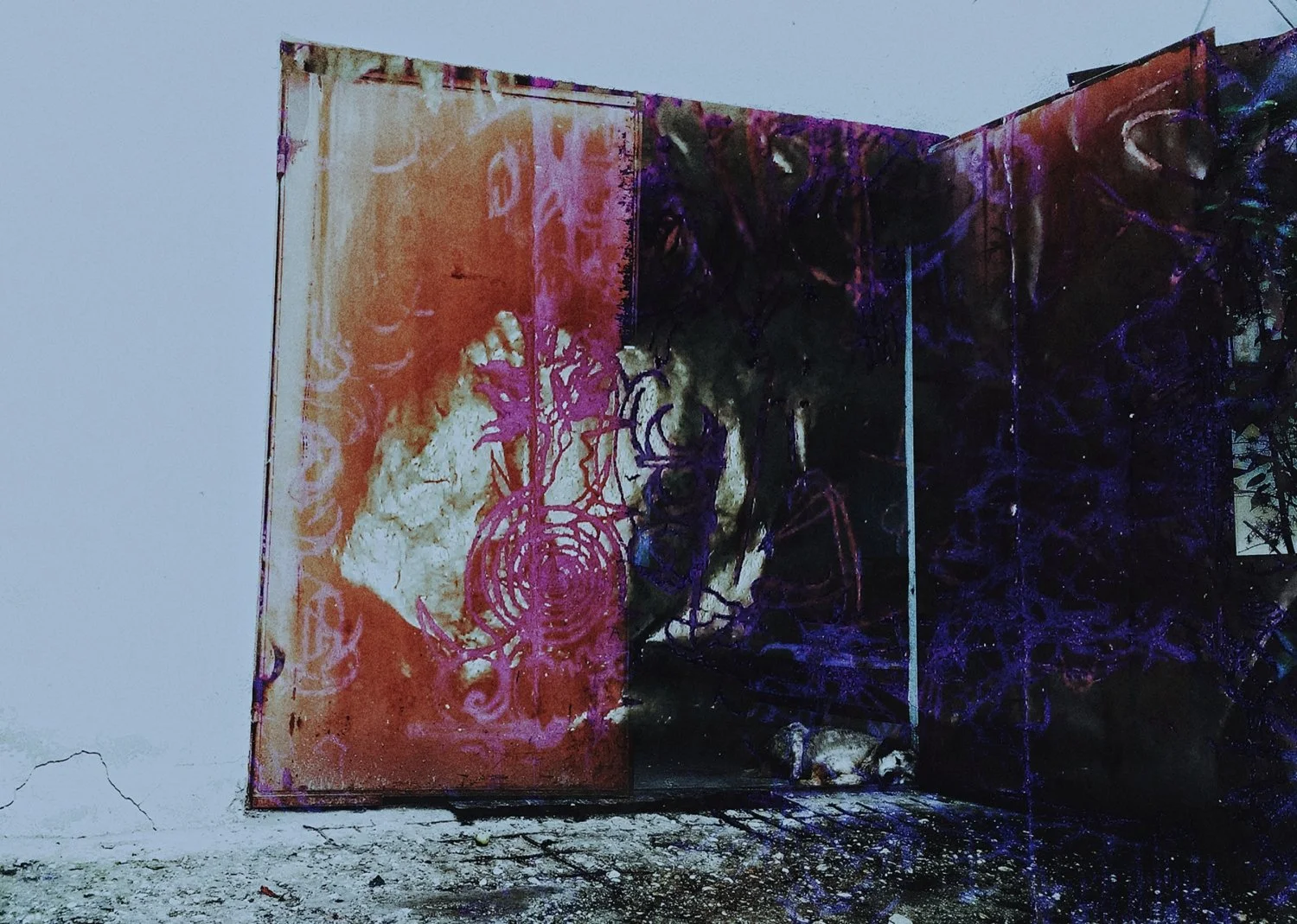
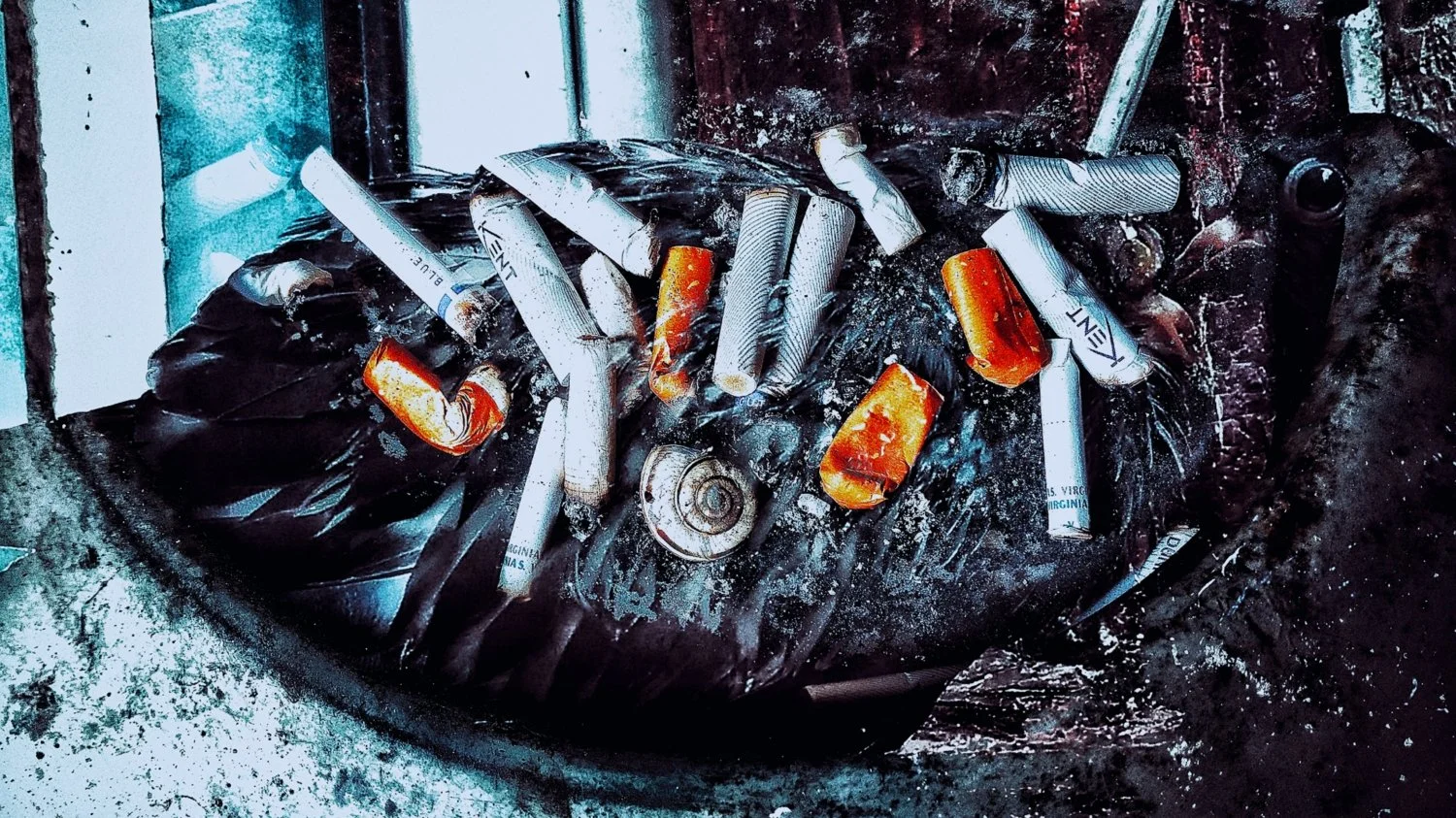
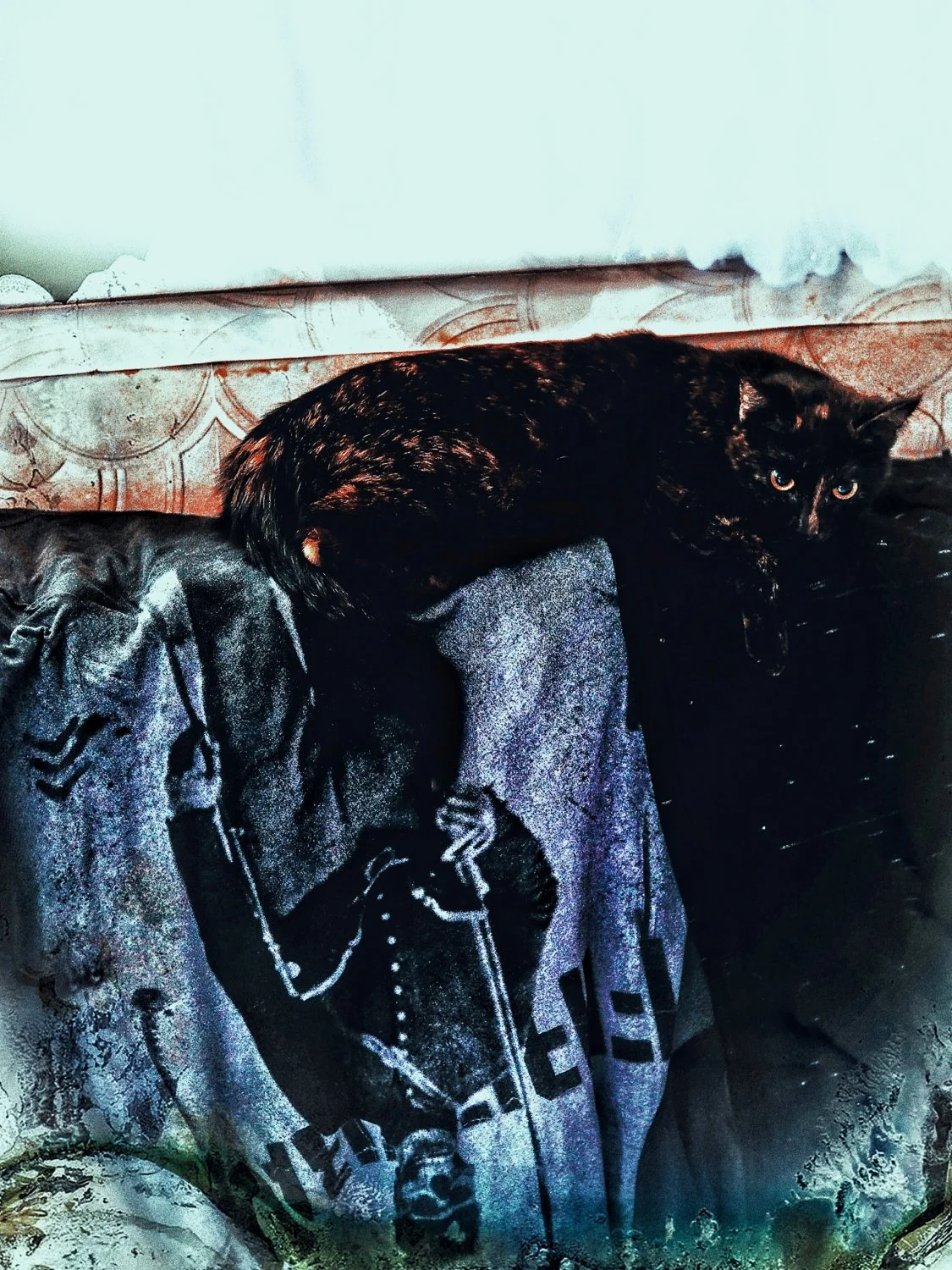
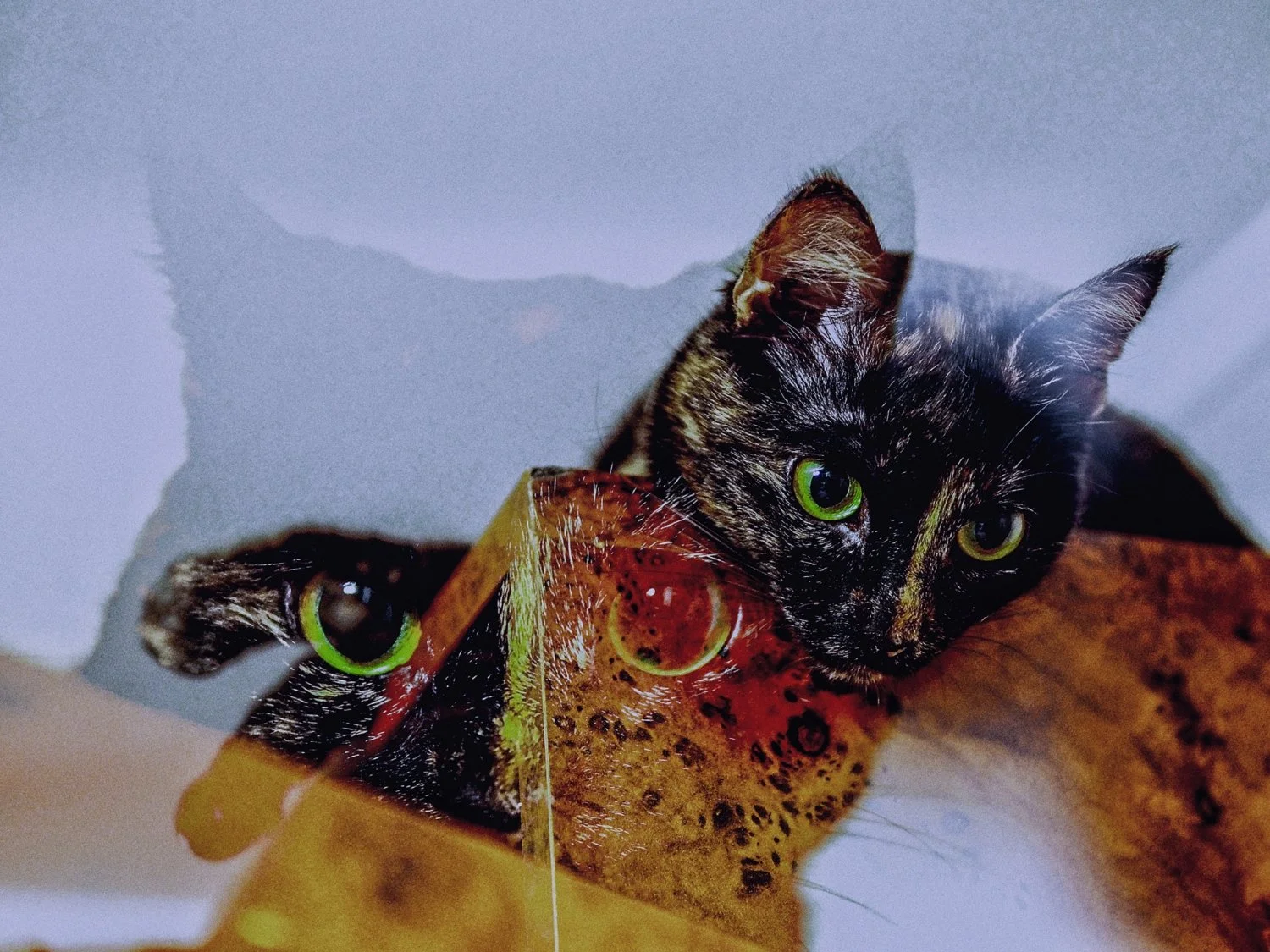
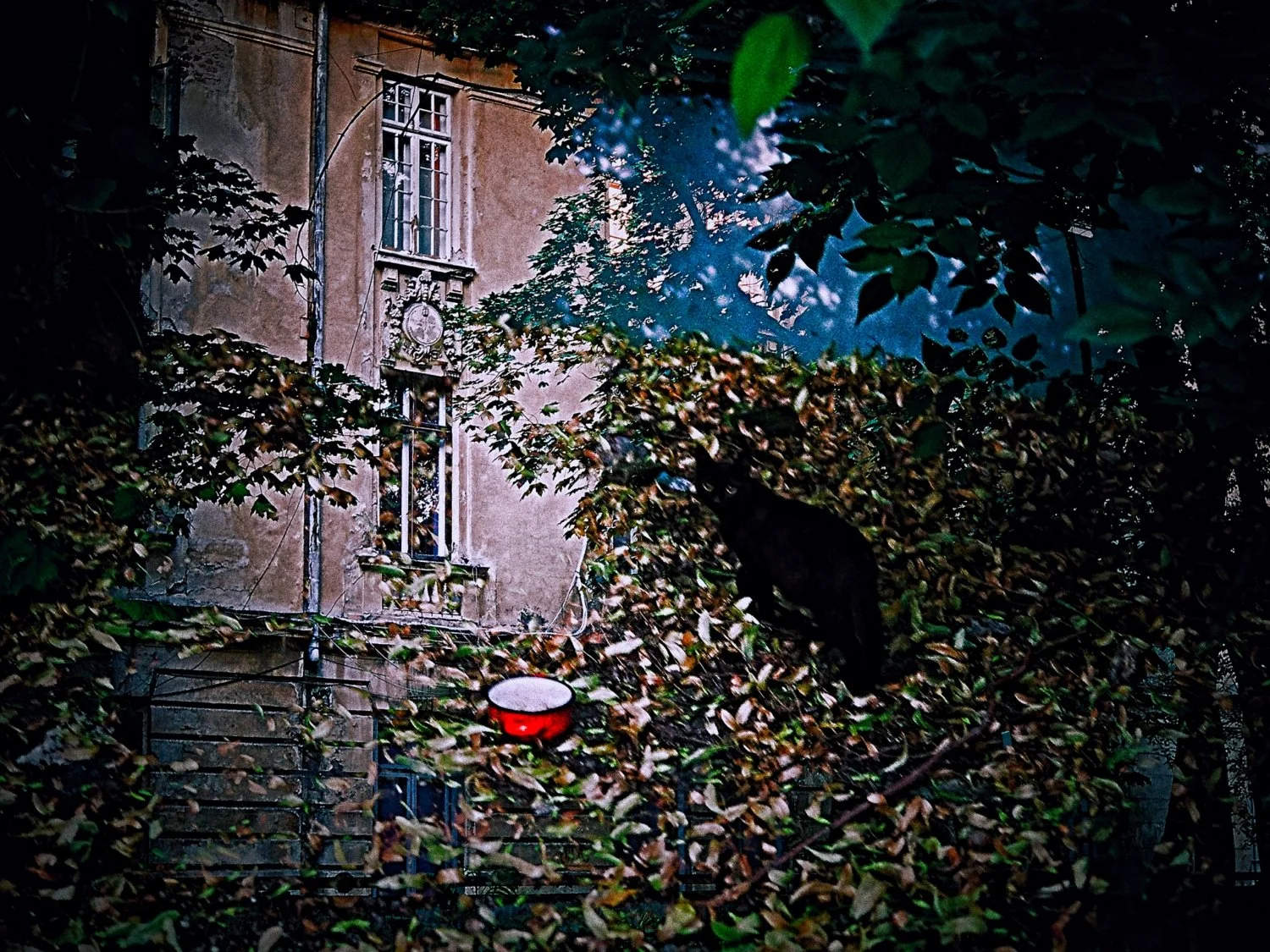
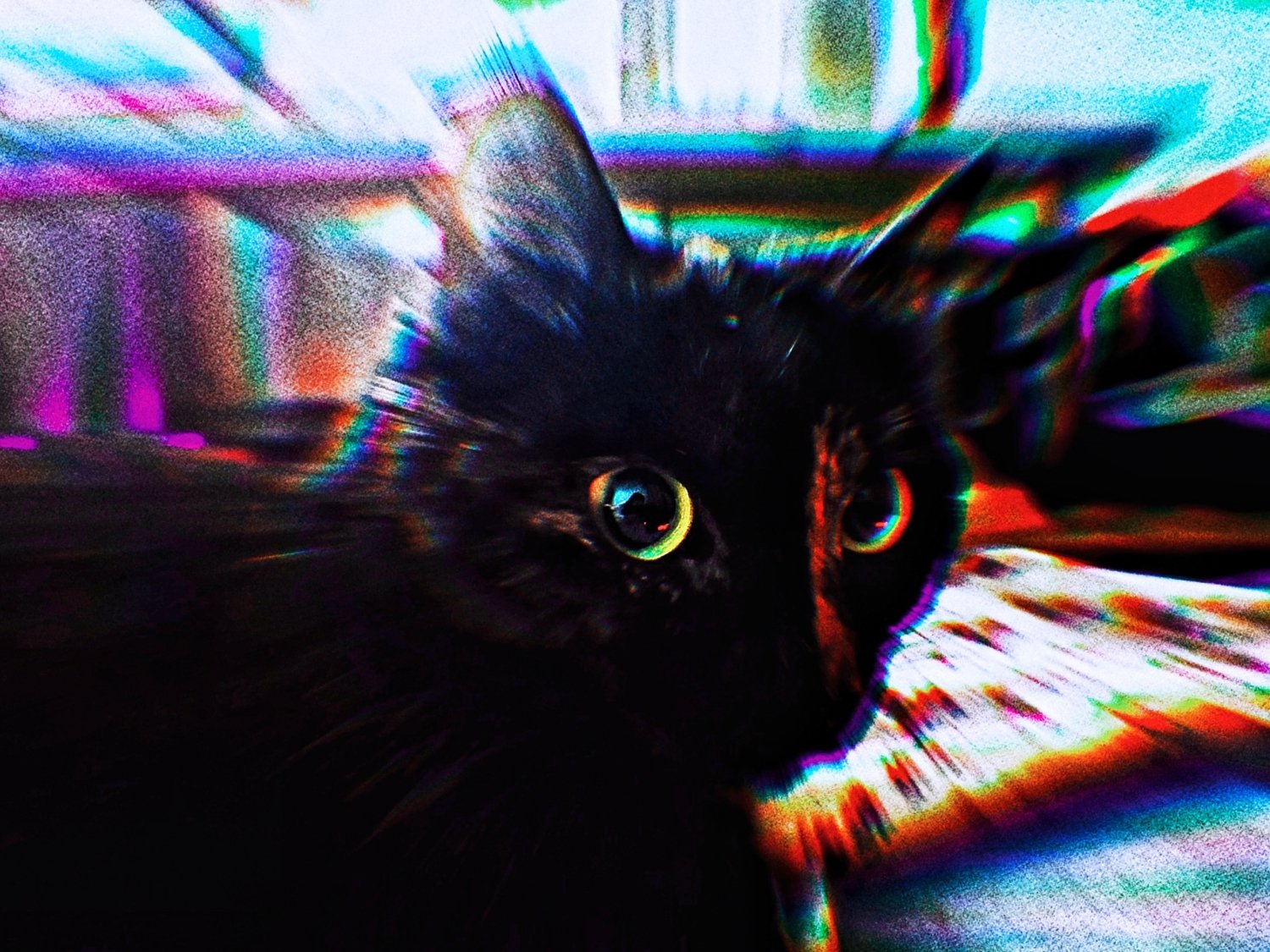
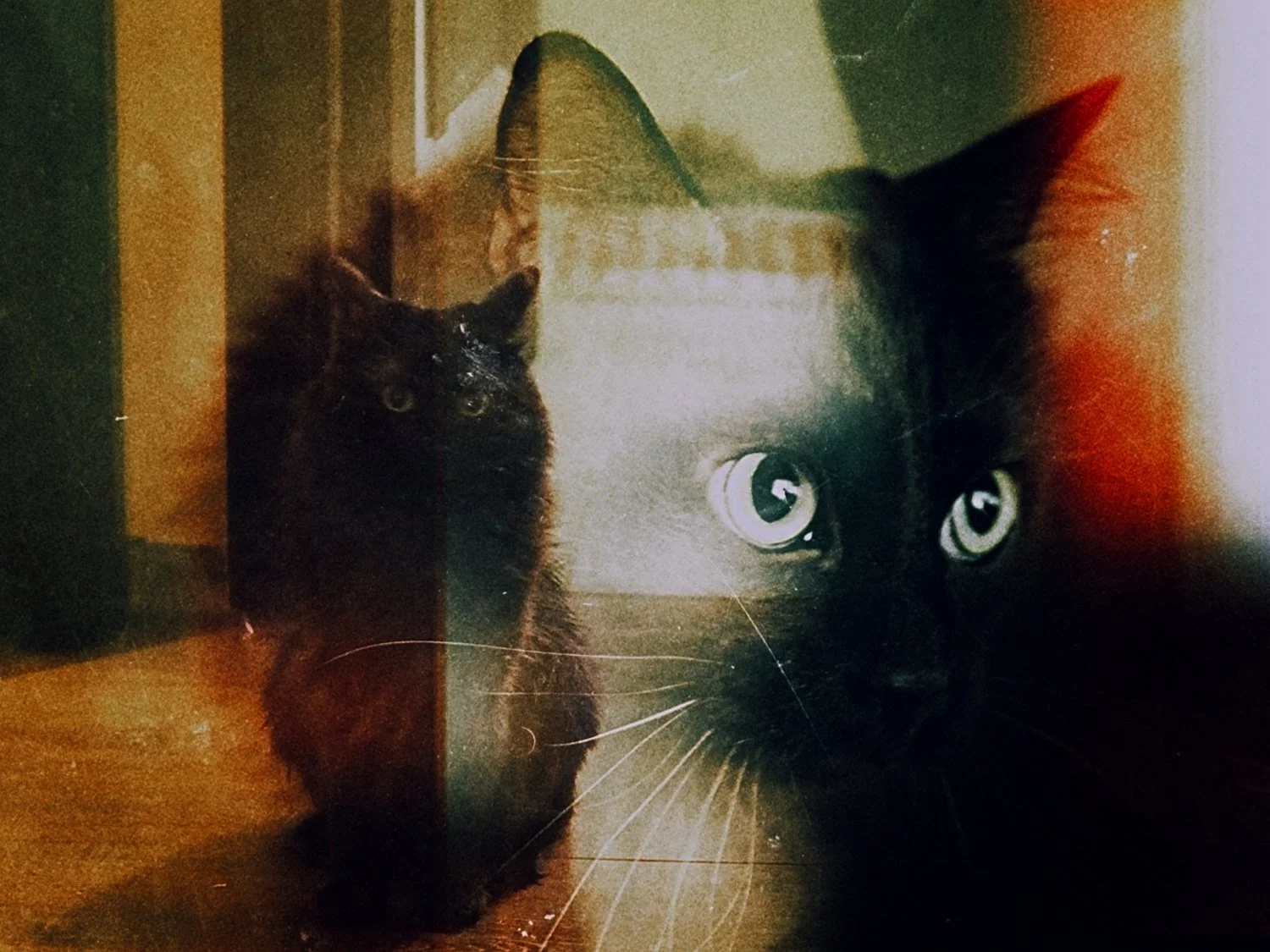
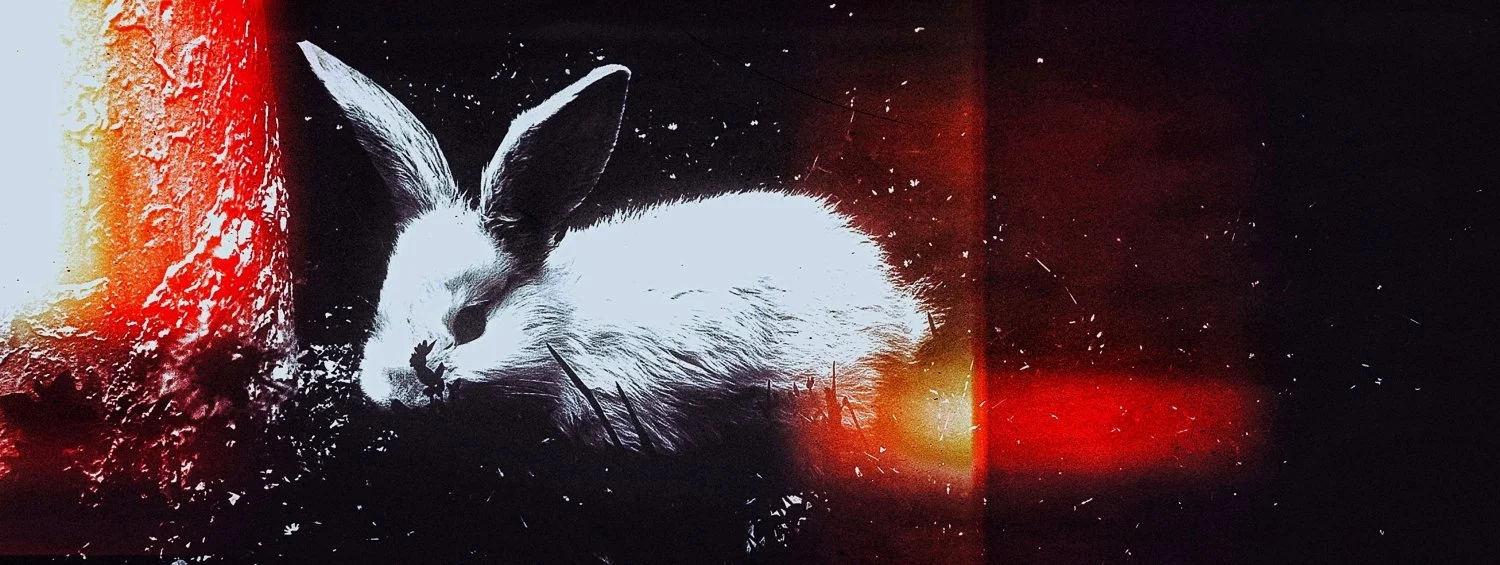
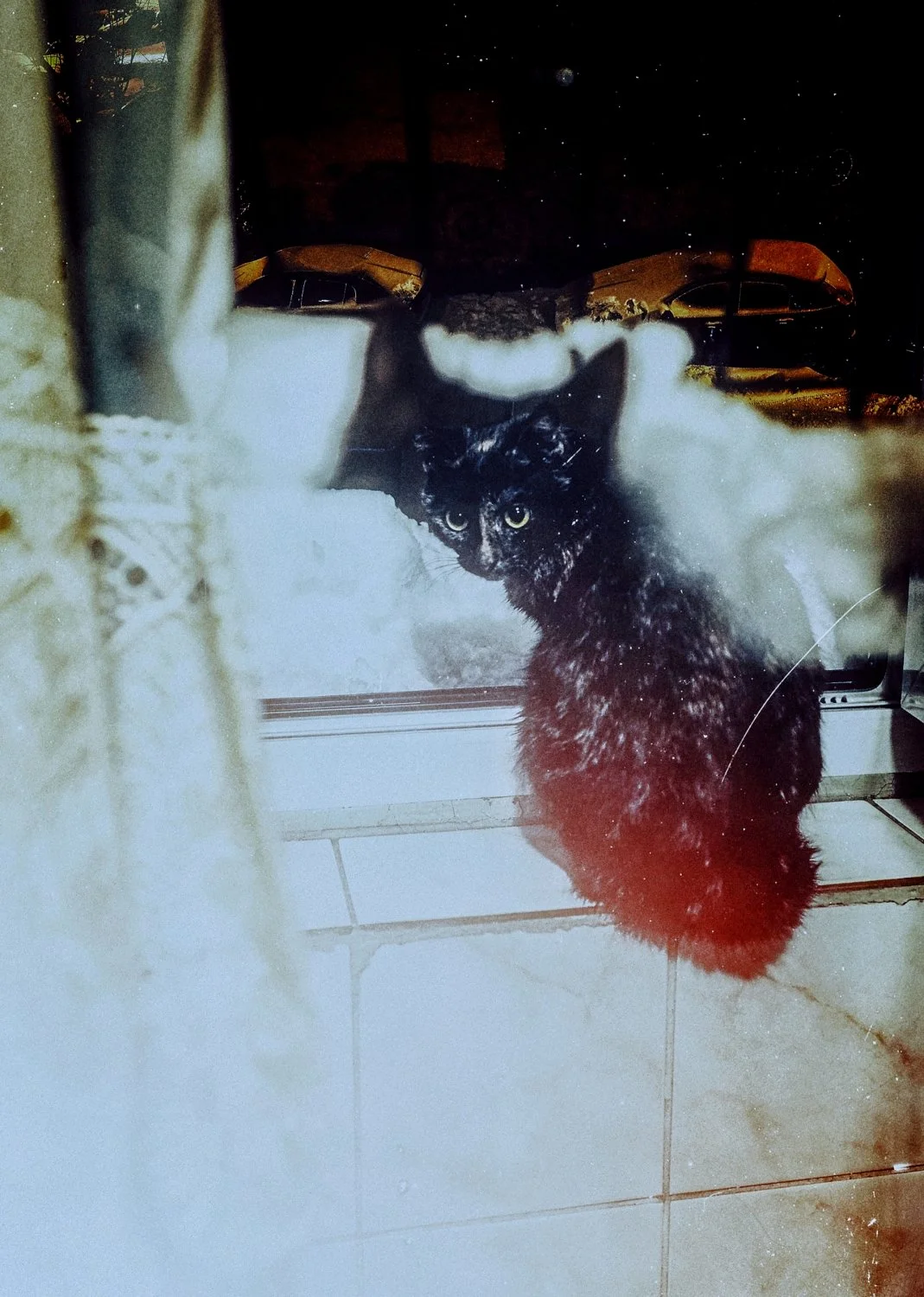
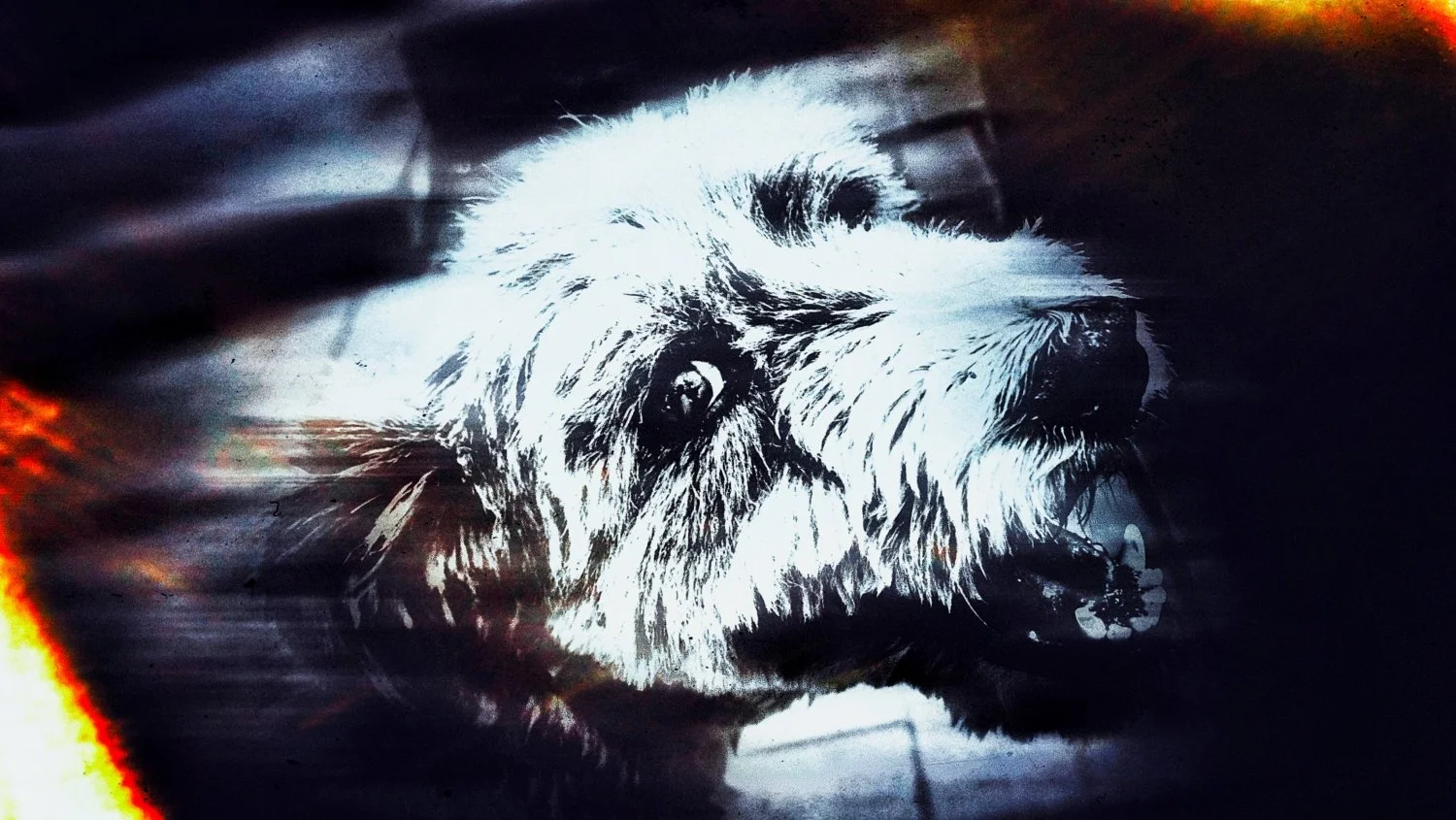
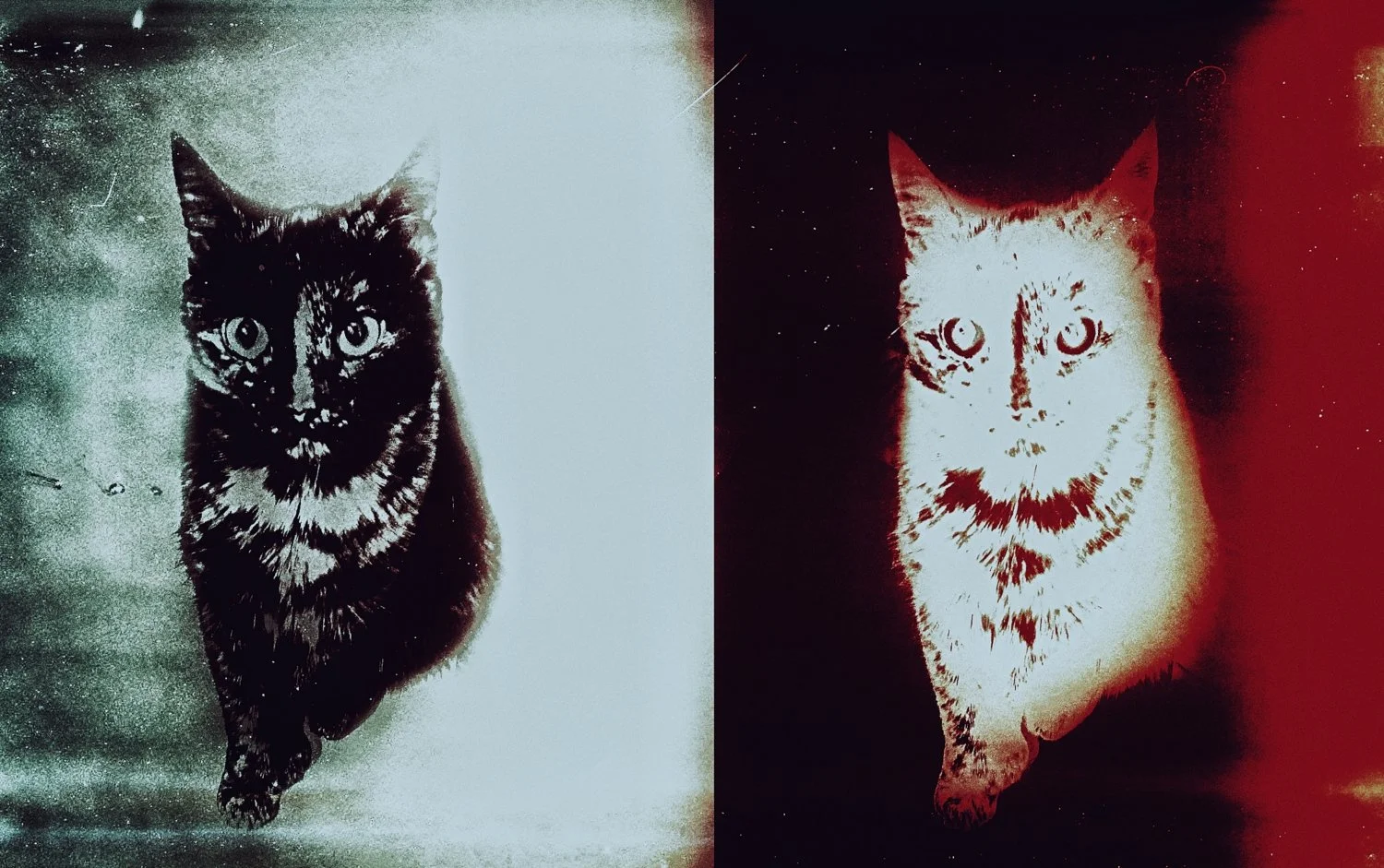
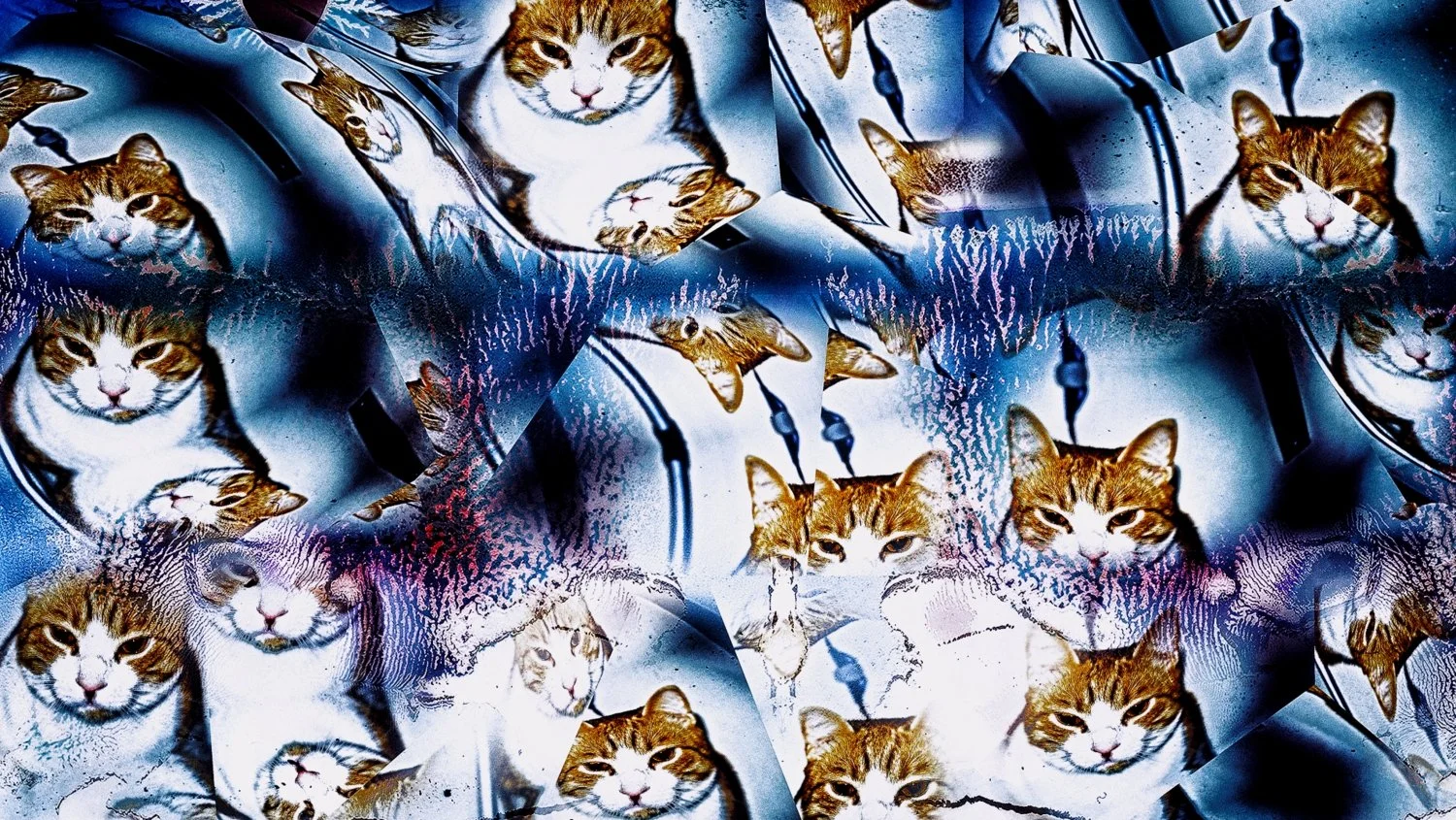
While there are distinct cultures that have had an extraordinary relationship with nature (or still do), it is not something we typically focus on in our daily lives. You might argue that people who live in the countryside are more connected with nature, and that is true. However, I am referring to a different kind of connection. People residing deep within the natural world face hardships for survival, and as a result, they often appreciate nature with only a partial measure. There is still plenty of animal cruelty, for example.
It's amusing how in many cultures, when we refer to someone as an animal, we mean that they're savage, as if humans wouldn't be biologically animals too.
I chose to name this collection "Predators" because humans are the only ones who use this term with a negative connotation. In nature, it is a natural part of a sacred balance. In society, it becomes excessive and toxic due to our inability to cultivate it appropriately. We placed ourselves on a high horse and decided that our intelligence forbids us from embracing our animal side. This repression has manifested in all the negative consequences brought about by our evolution.
Certainly, there is no evolution without negative consequences. However, what I'm specifically referring to is something along the lines of this: maybe the bubonic plague couldn't have been prevented based on our own evolution at the time, but if our relationship with nature were different, perhaps it would have claimed fewer lives. The way of the world involves equivalent exchange. Humanity has yet to fully understand the costs of this universal exchange.
We often discover or create something new and release it into the world without considering its price. We typically associate prices solely with money, but I believe we would have never invented money if we hadn't already grown accustomed to paying something. We have forgotten that payment is the gratitude of giving after taking, in order to maintain freedom and the natural flow of life.
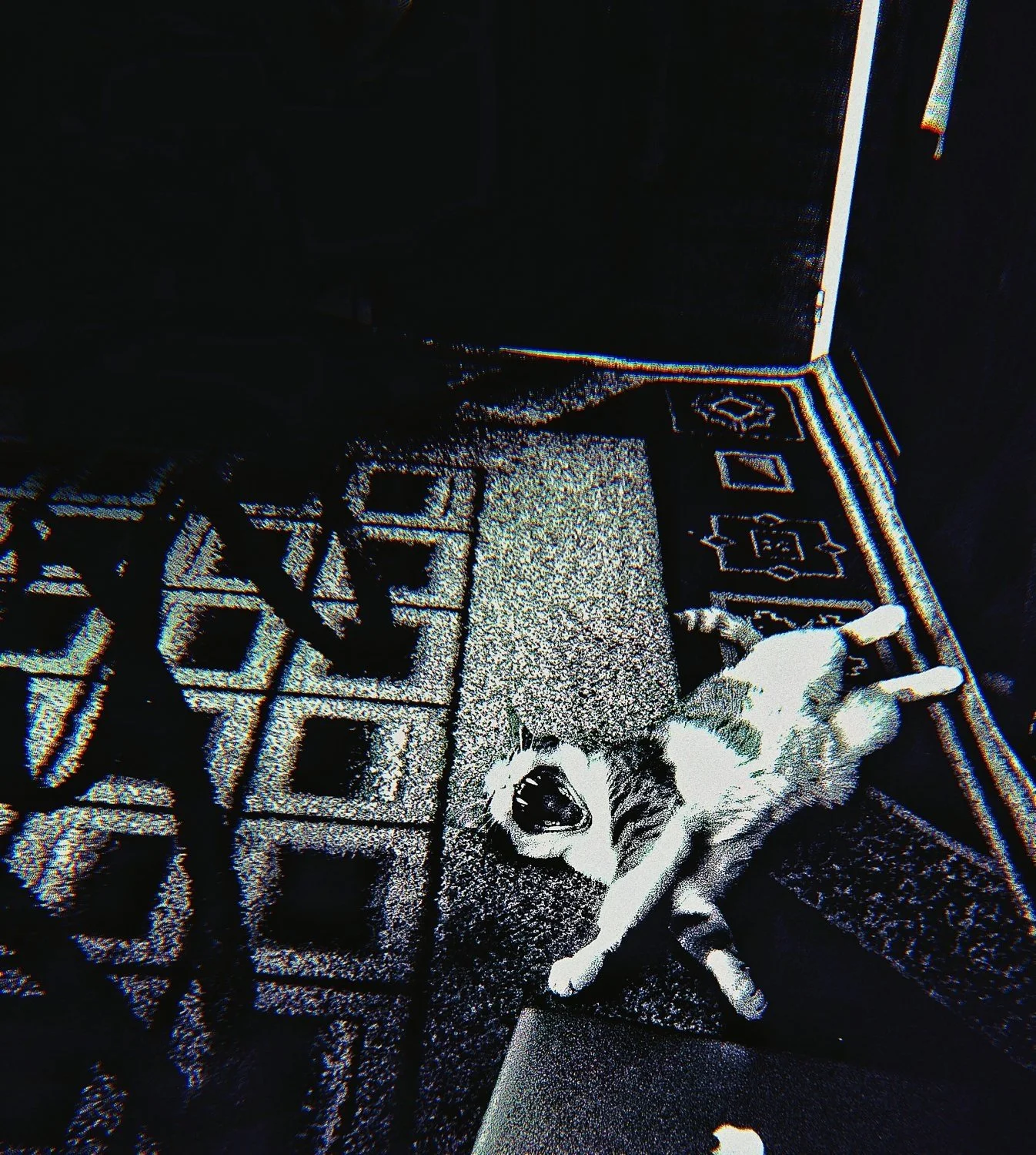
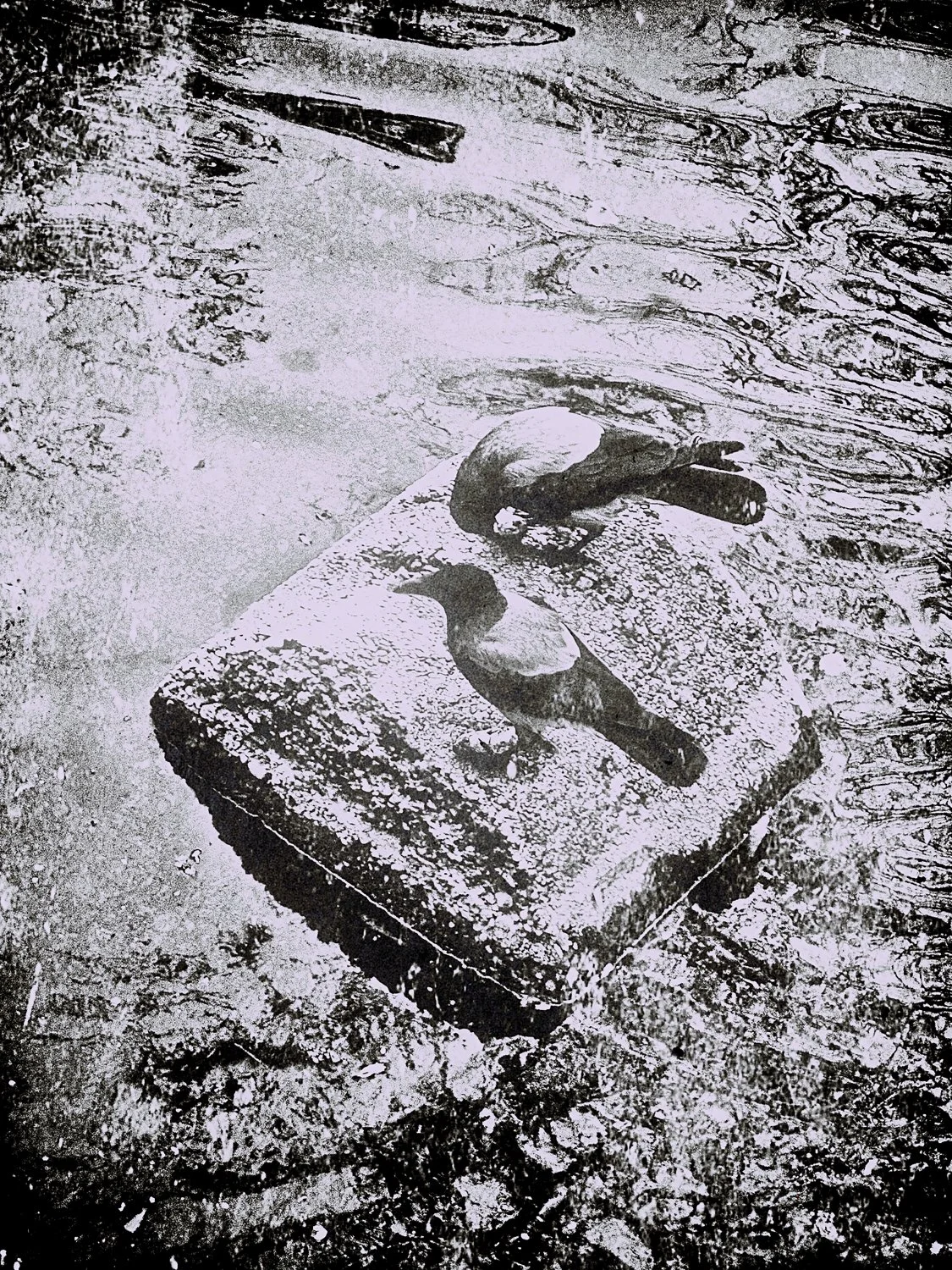
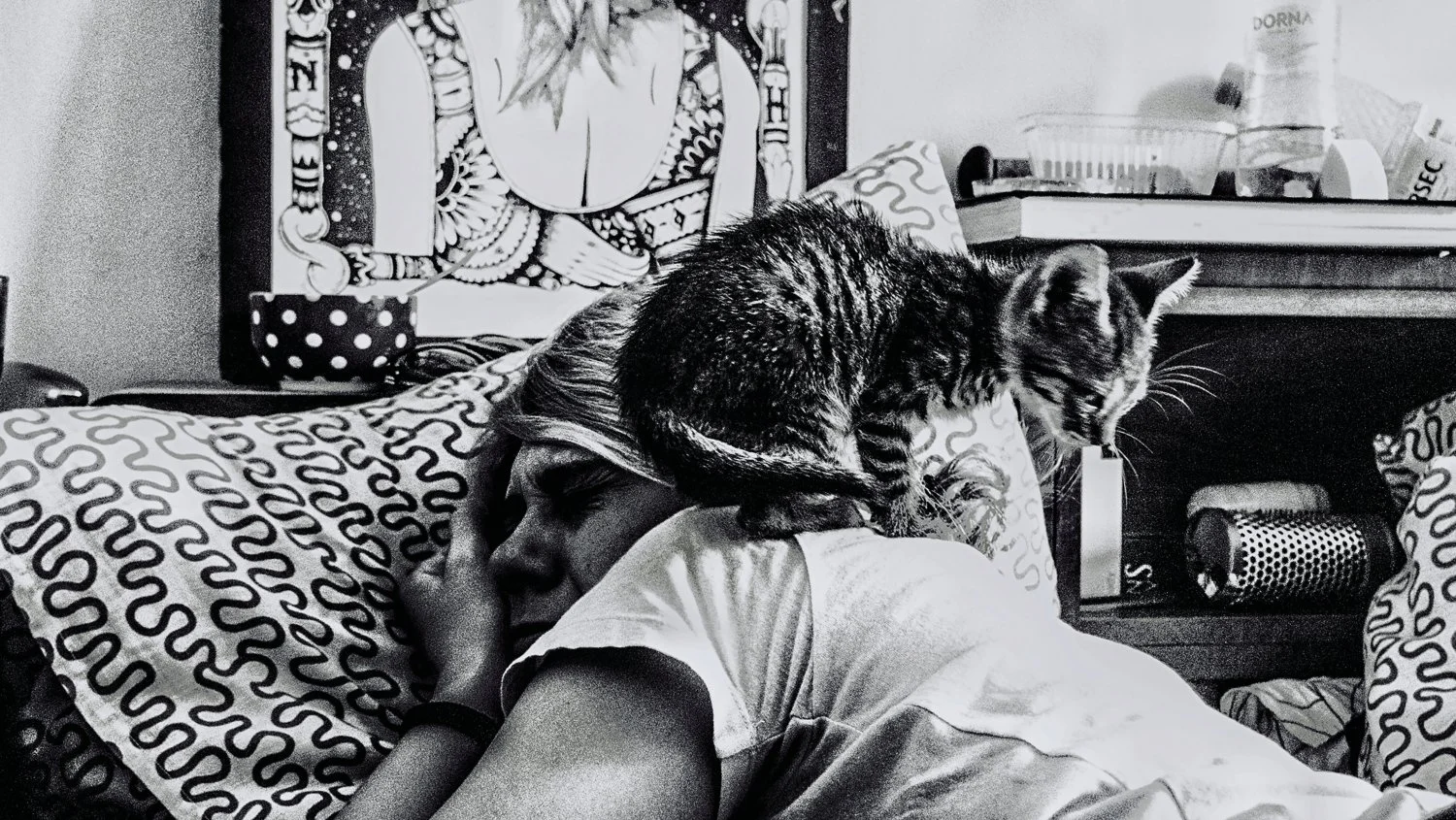
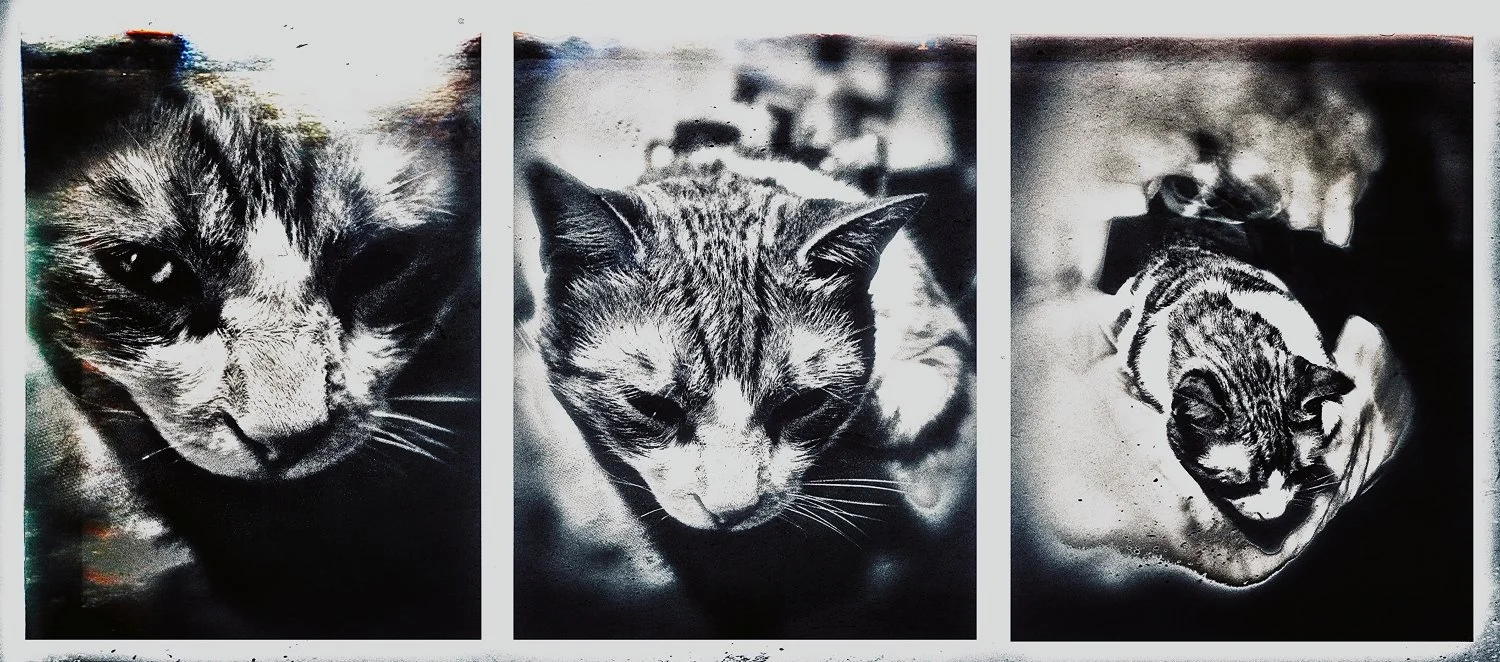
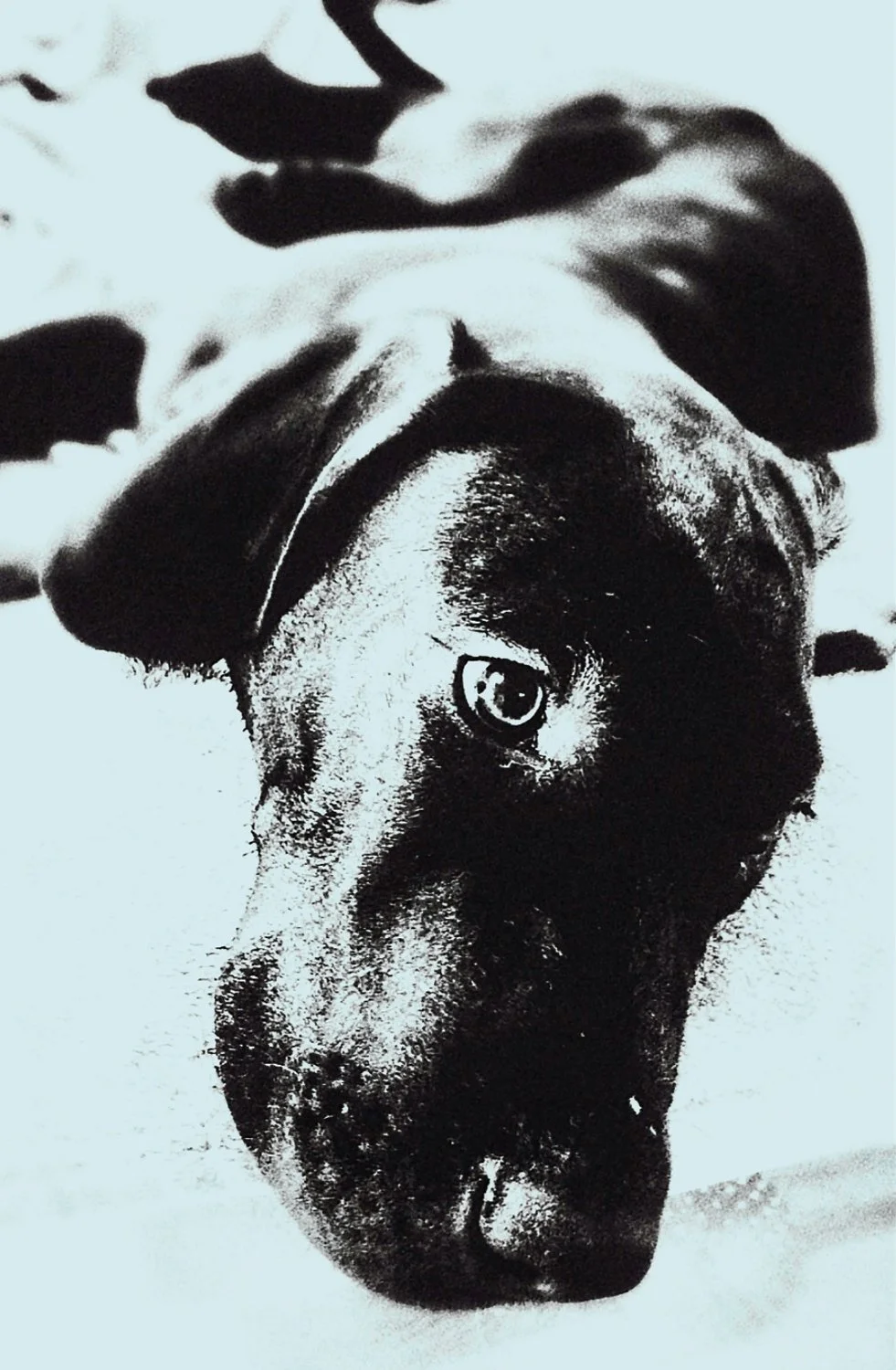
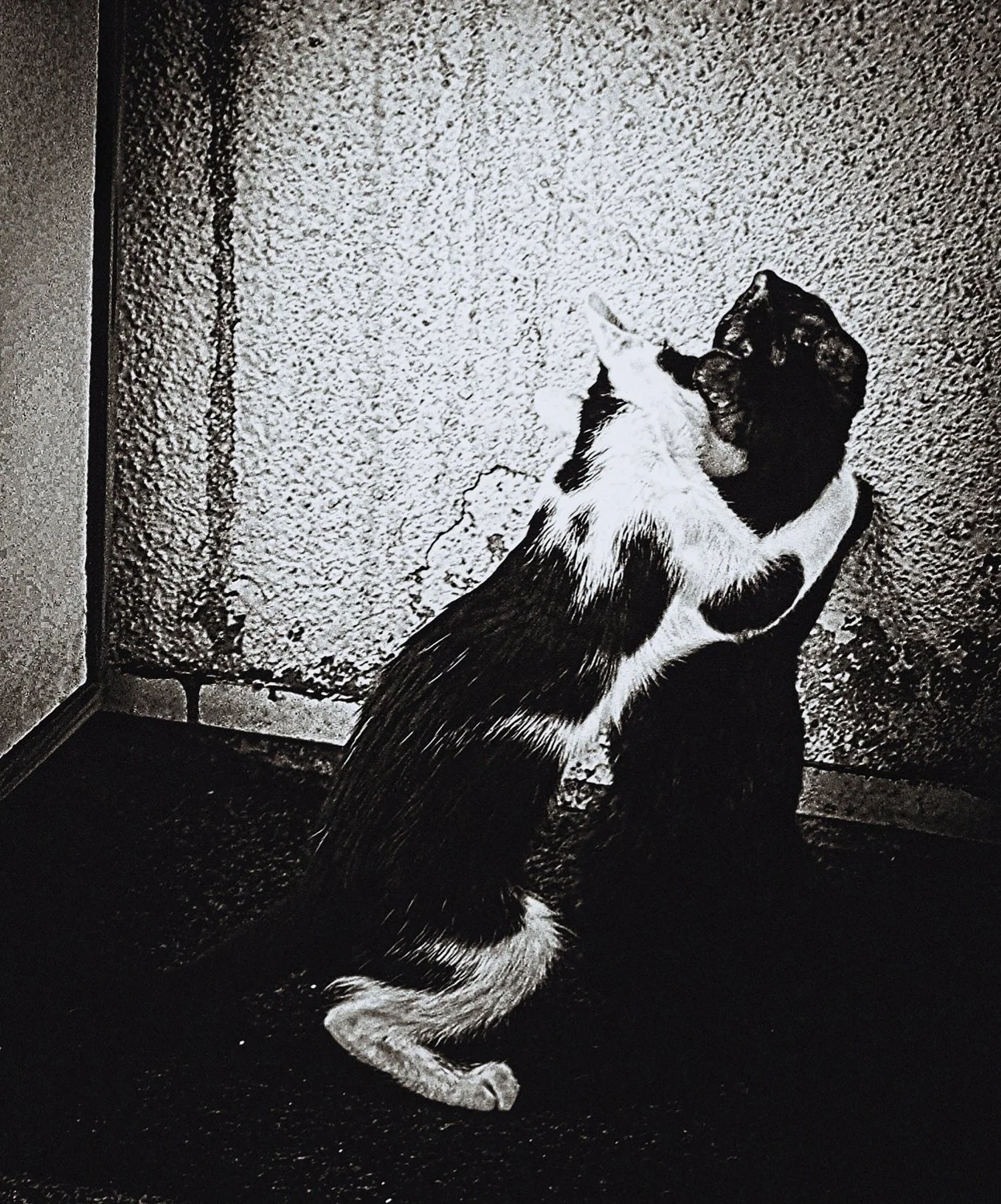

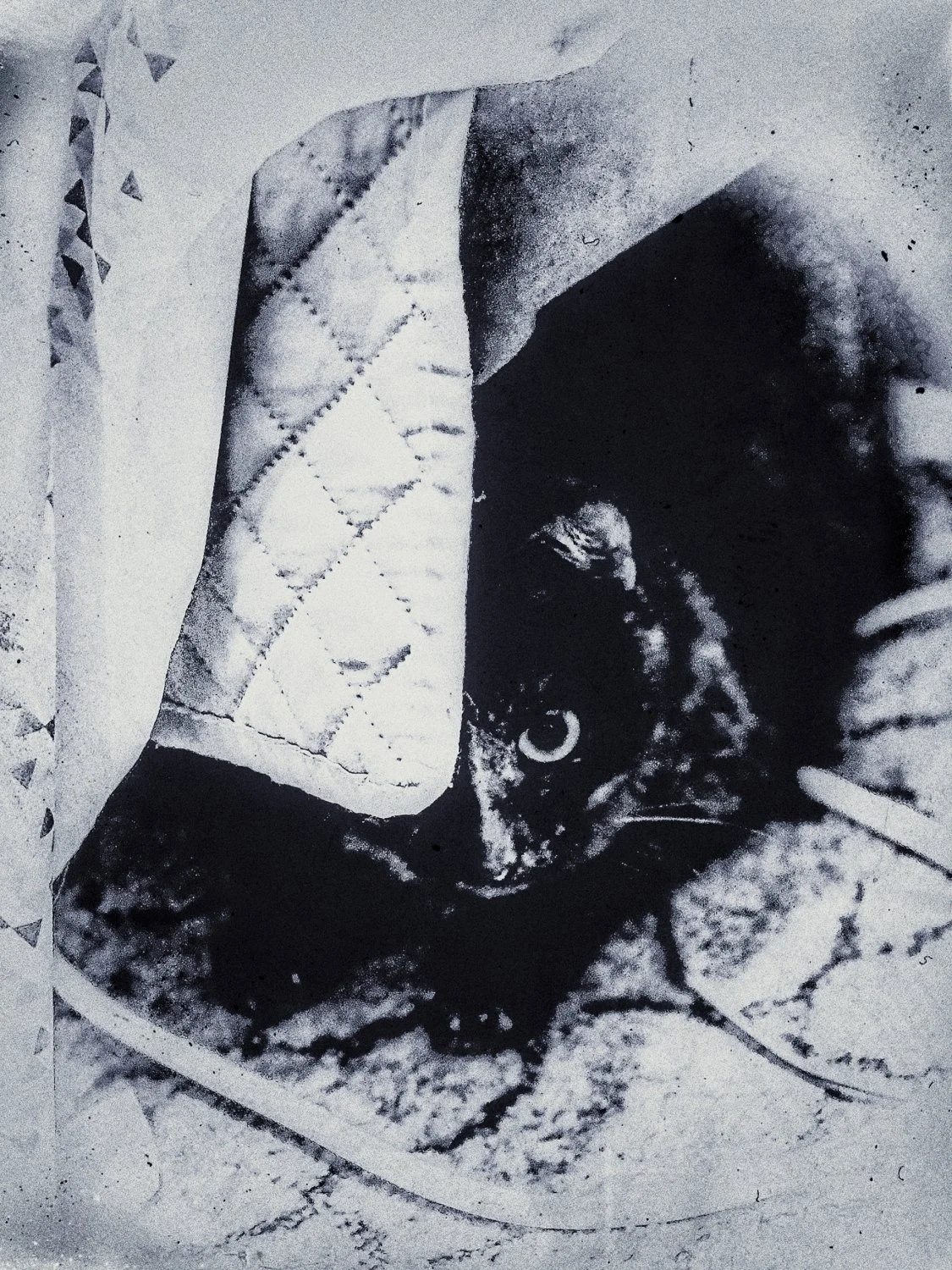
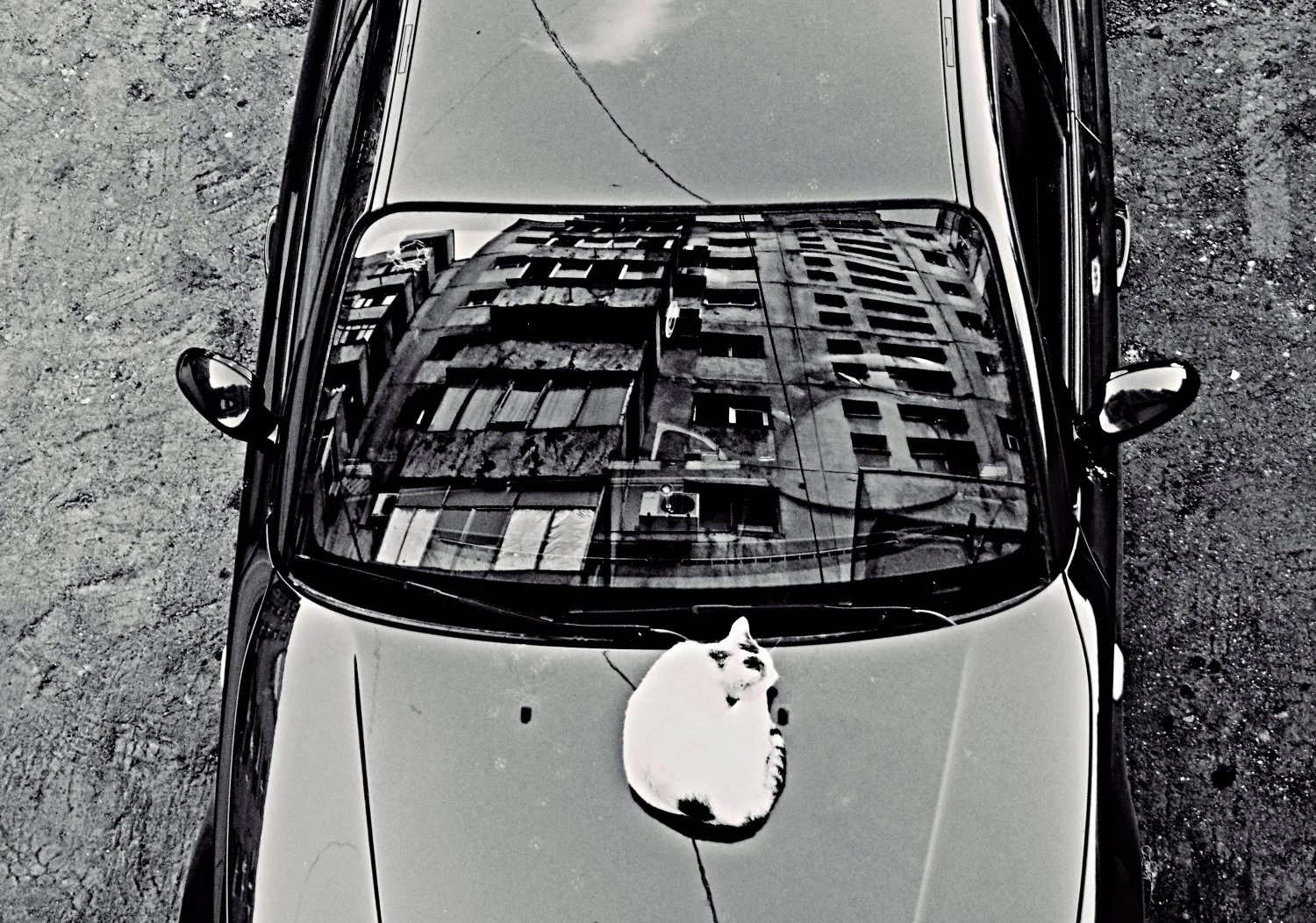
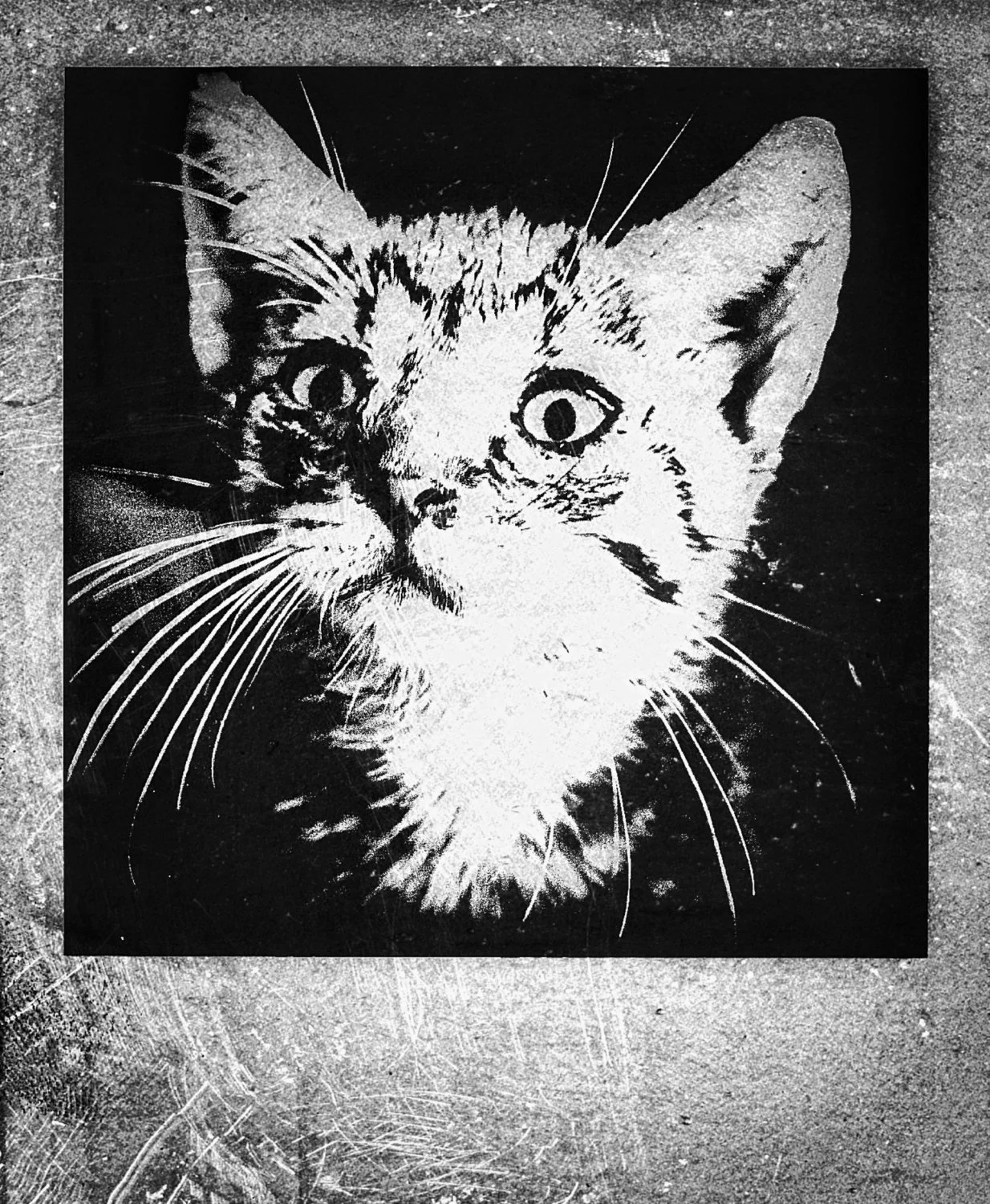
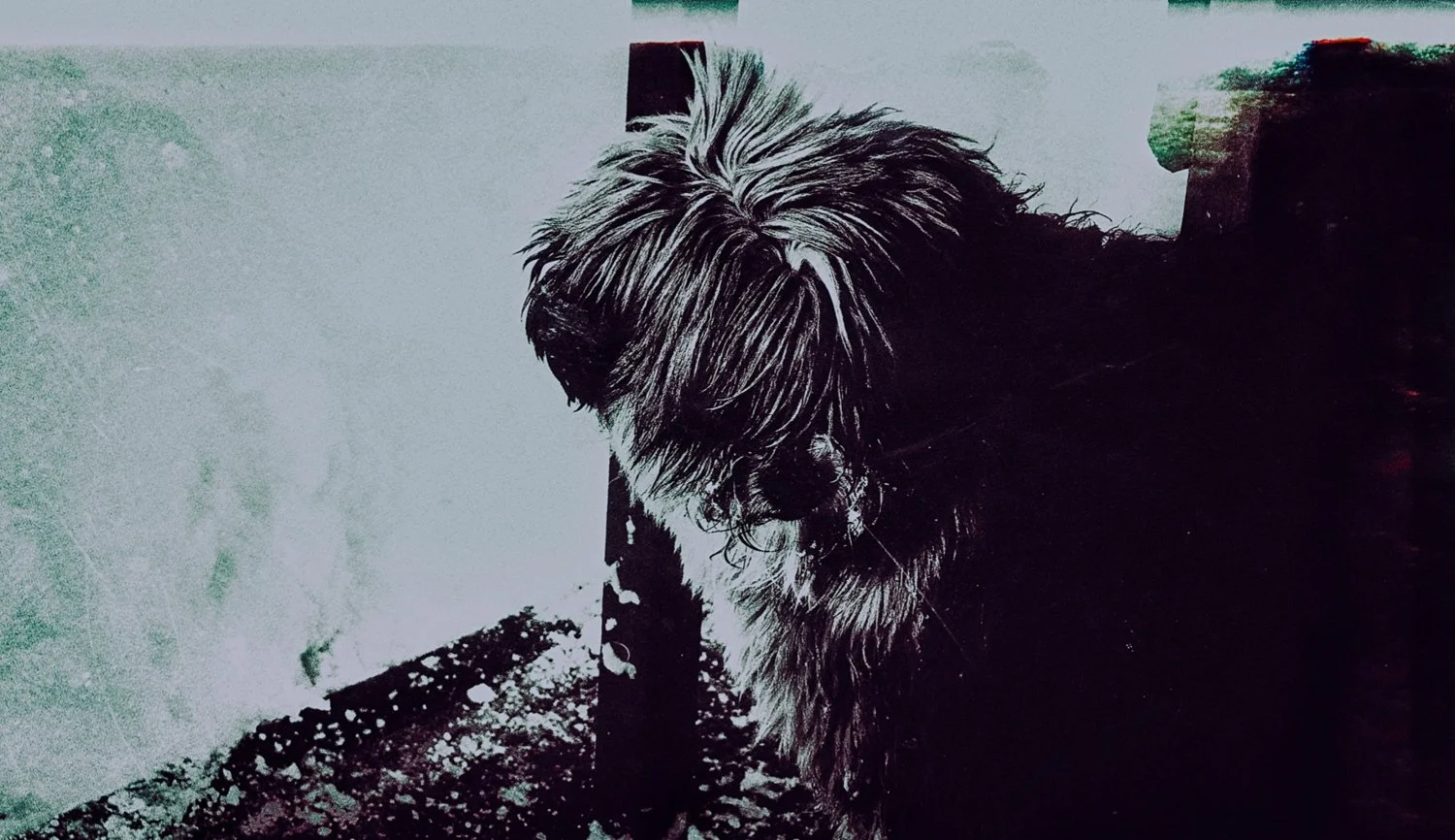
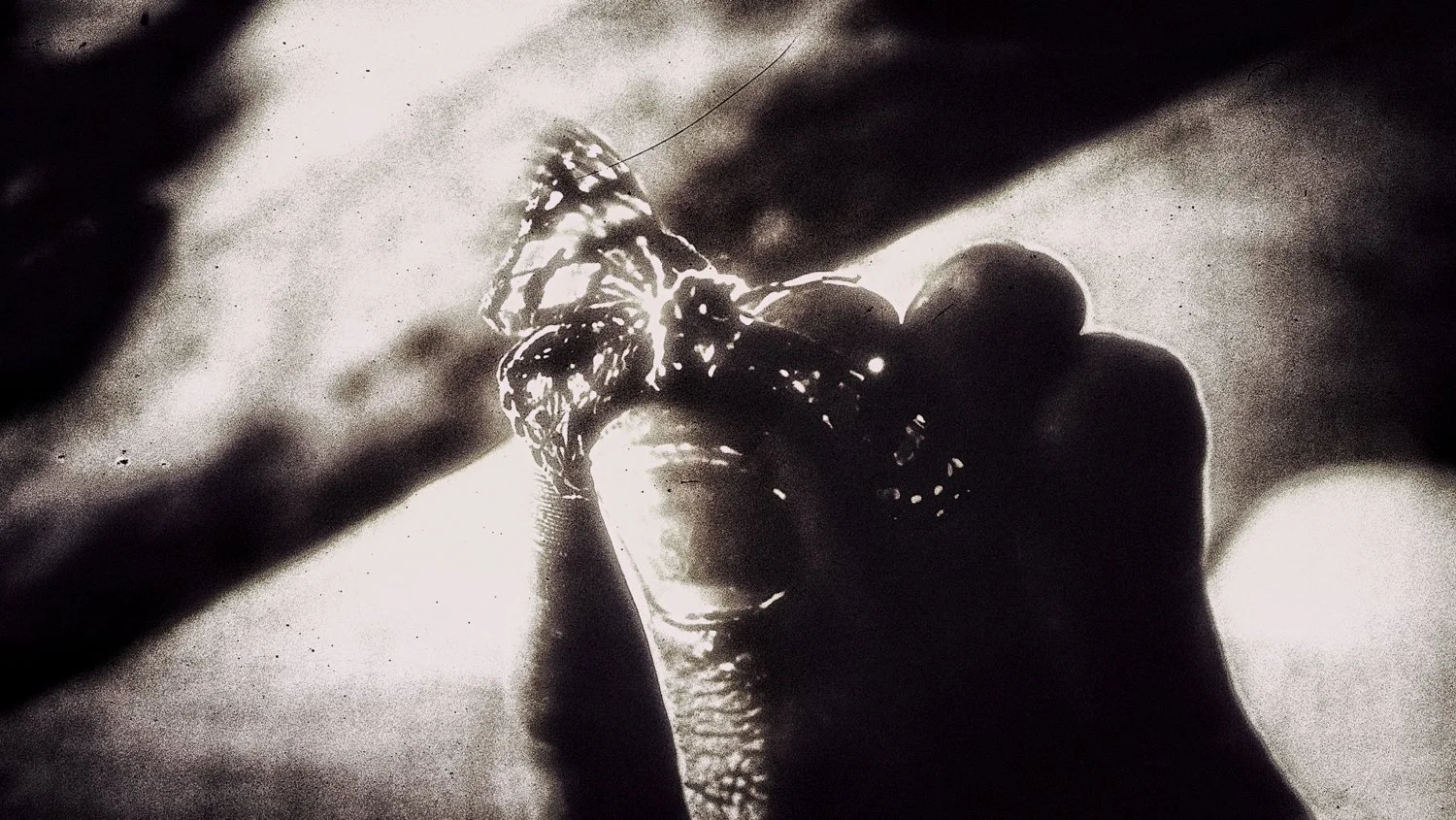
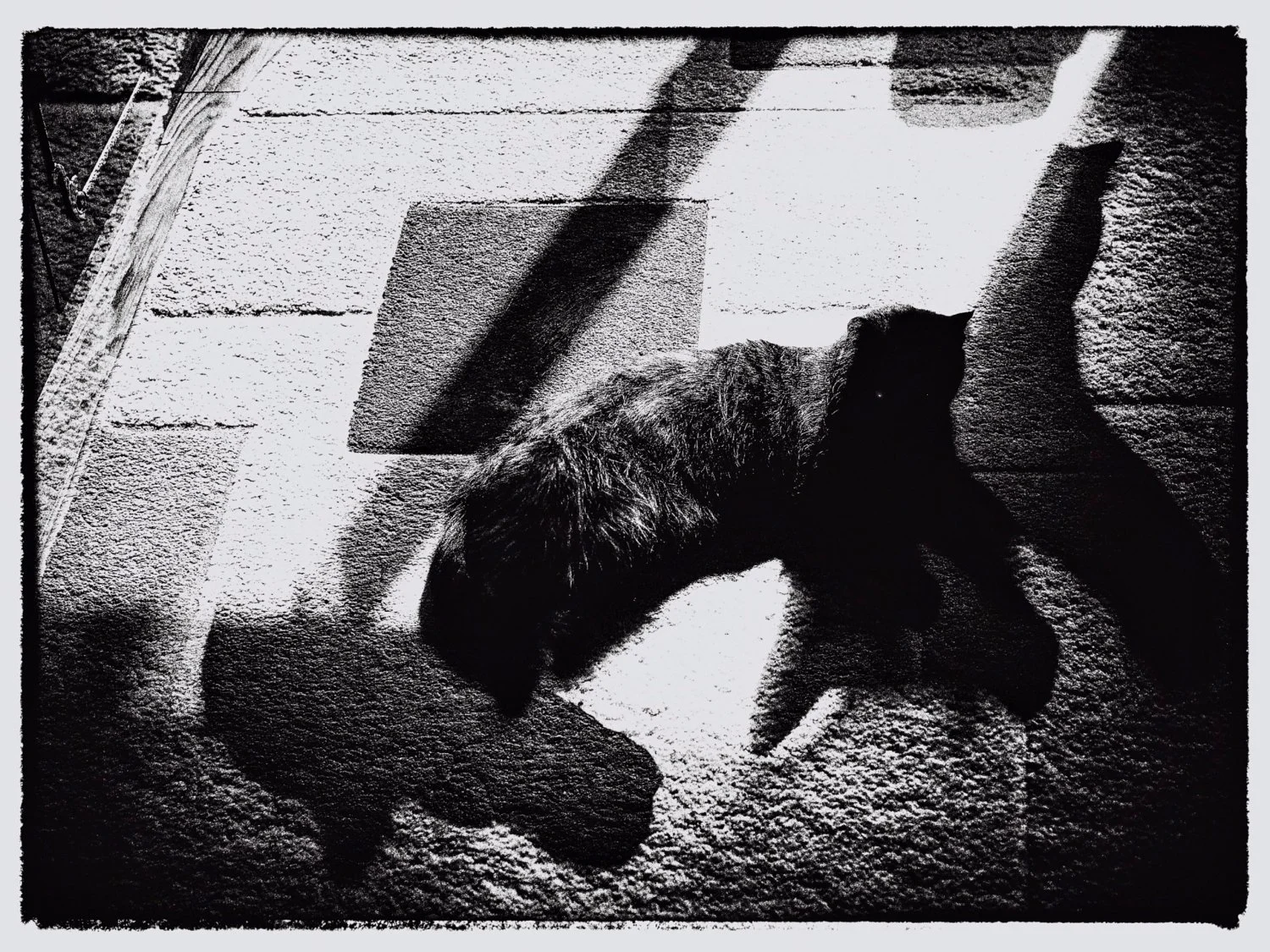
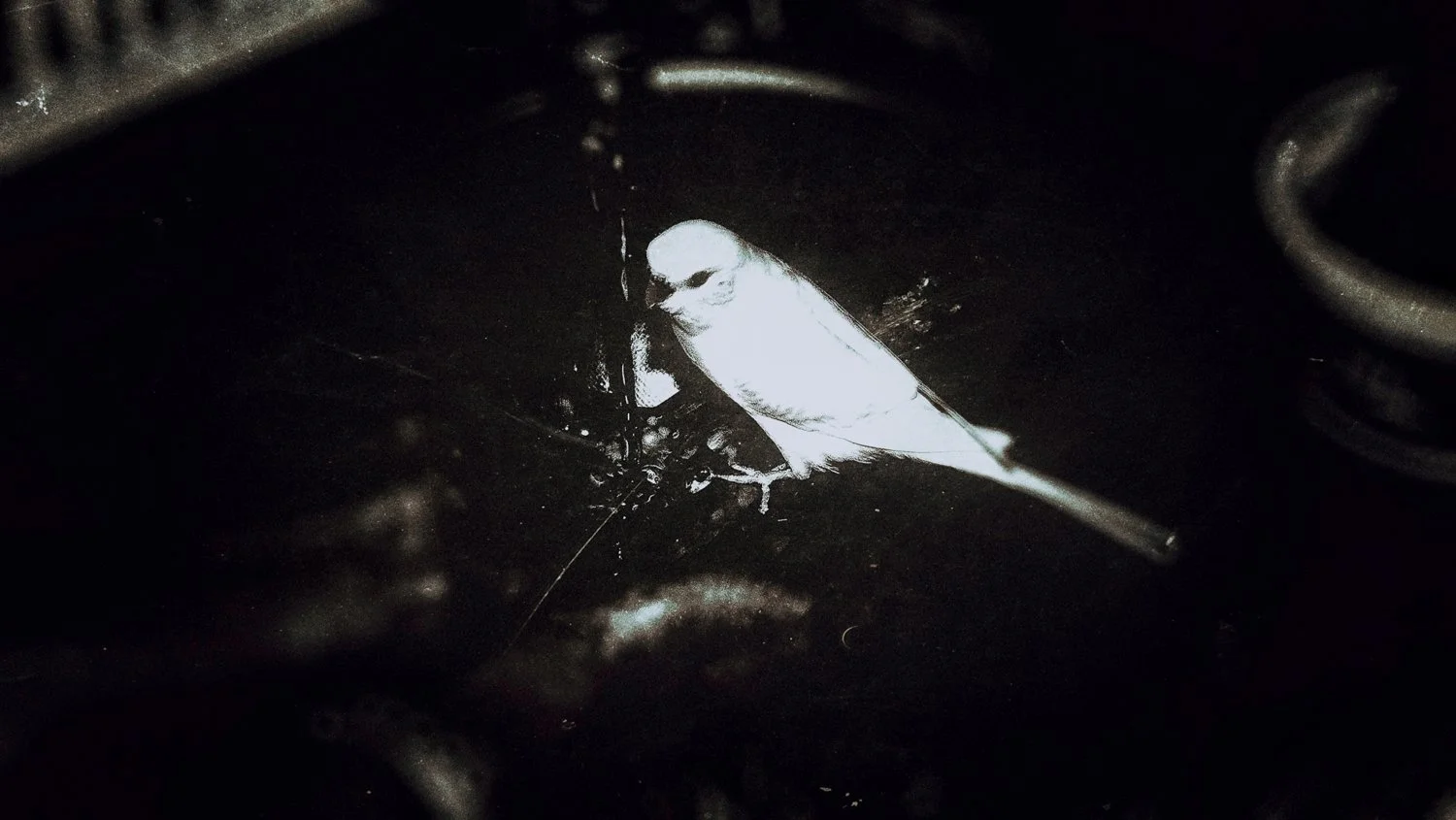
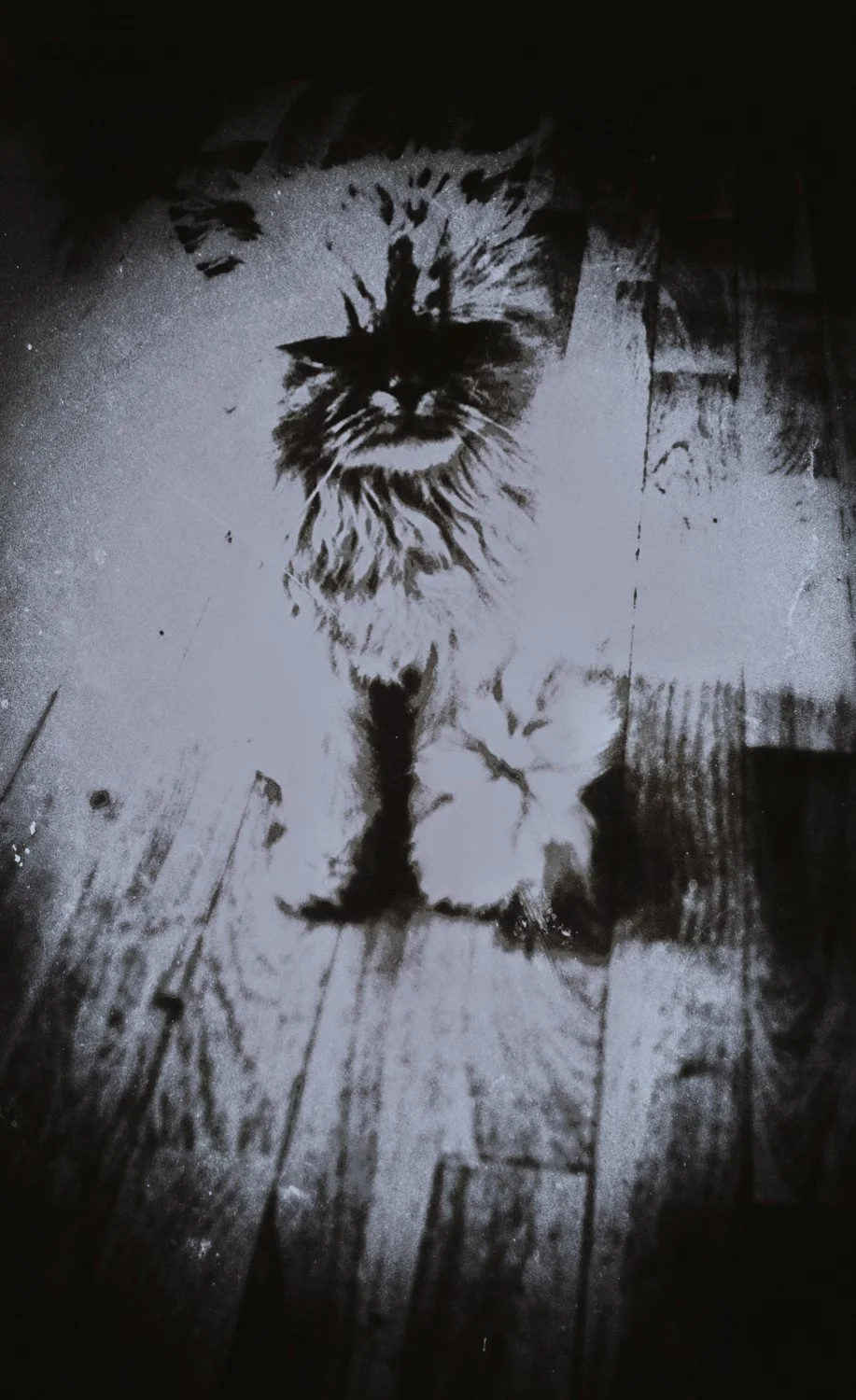
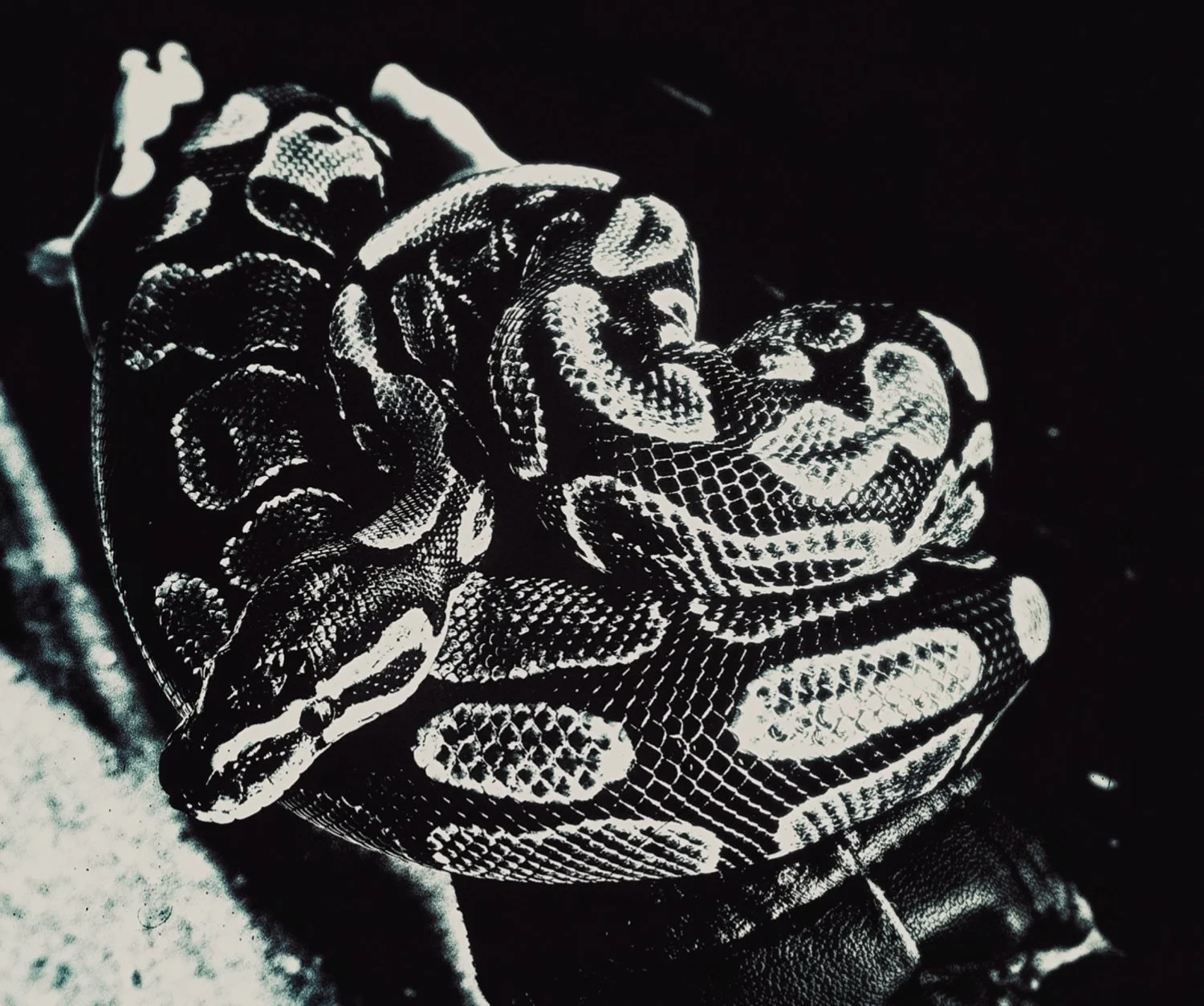
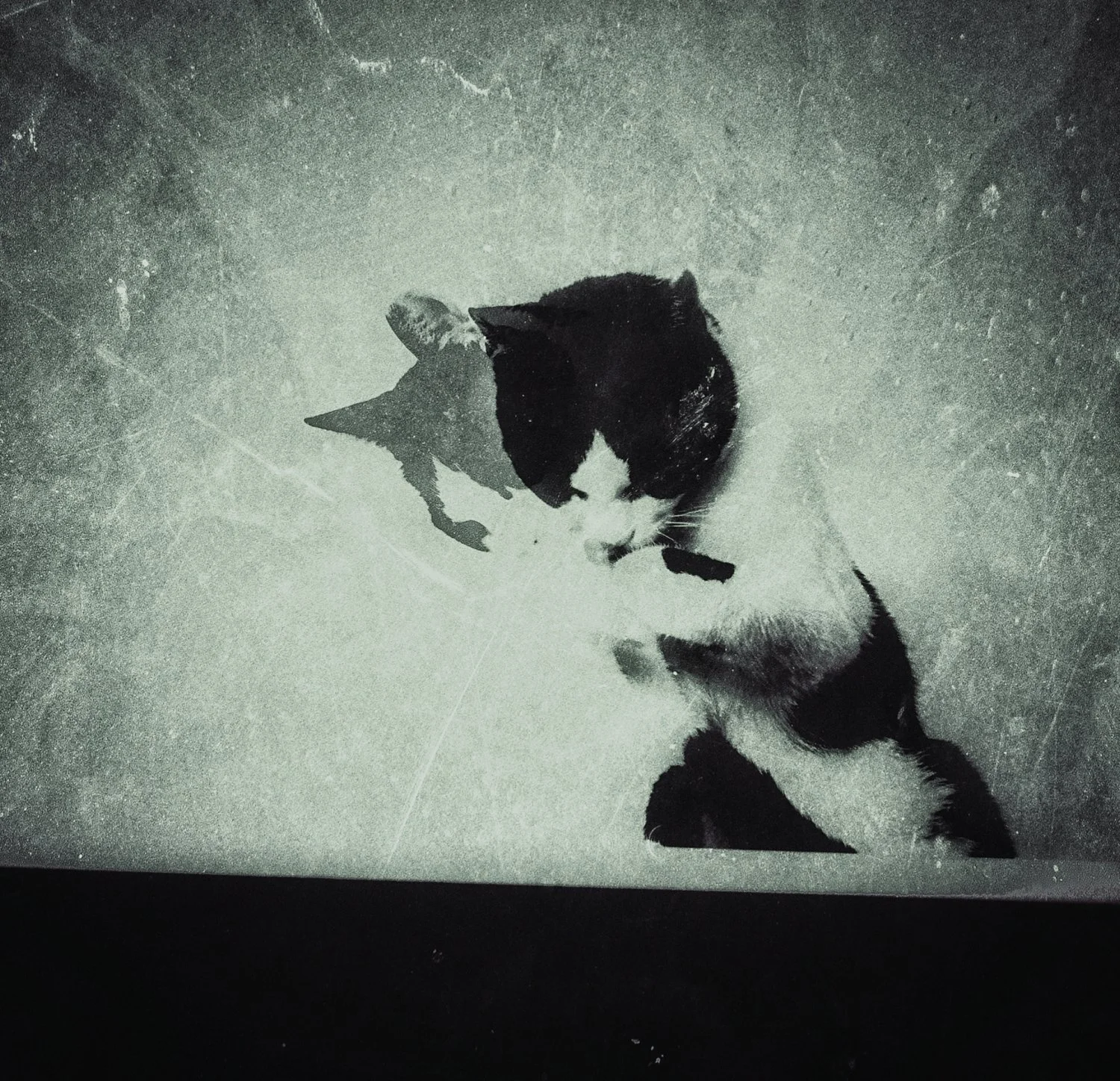
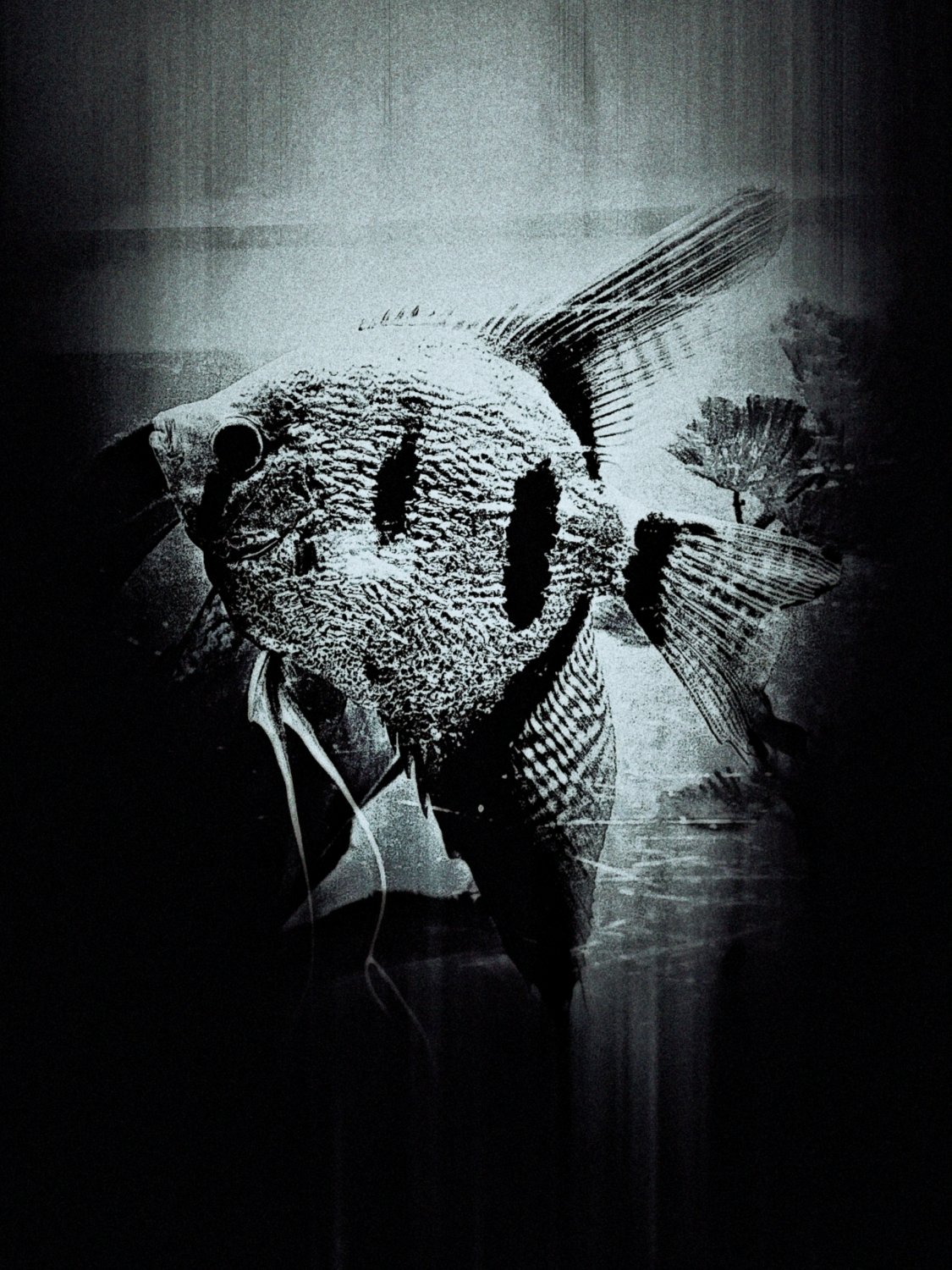
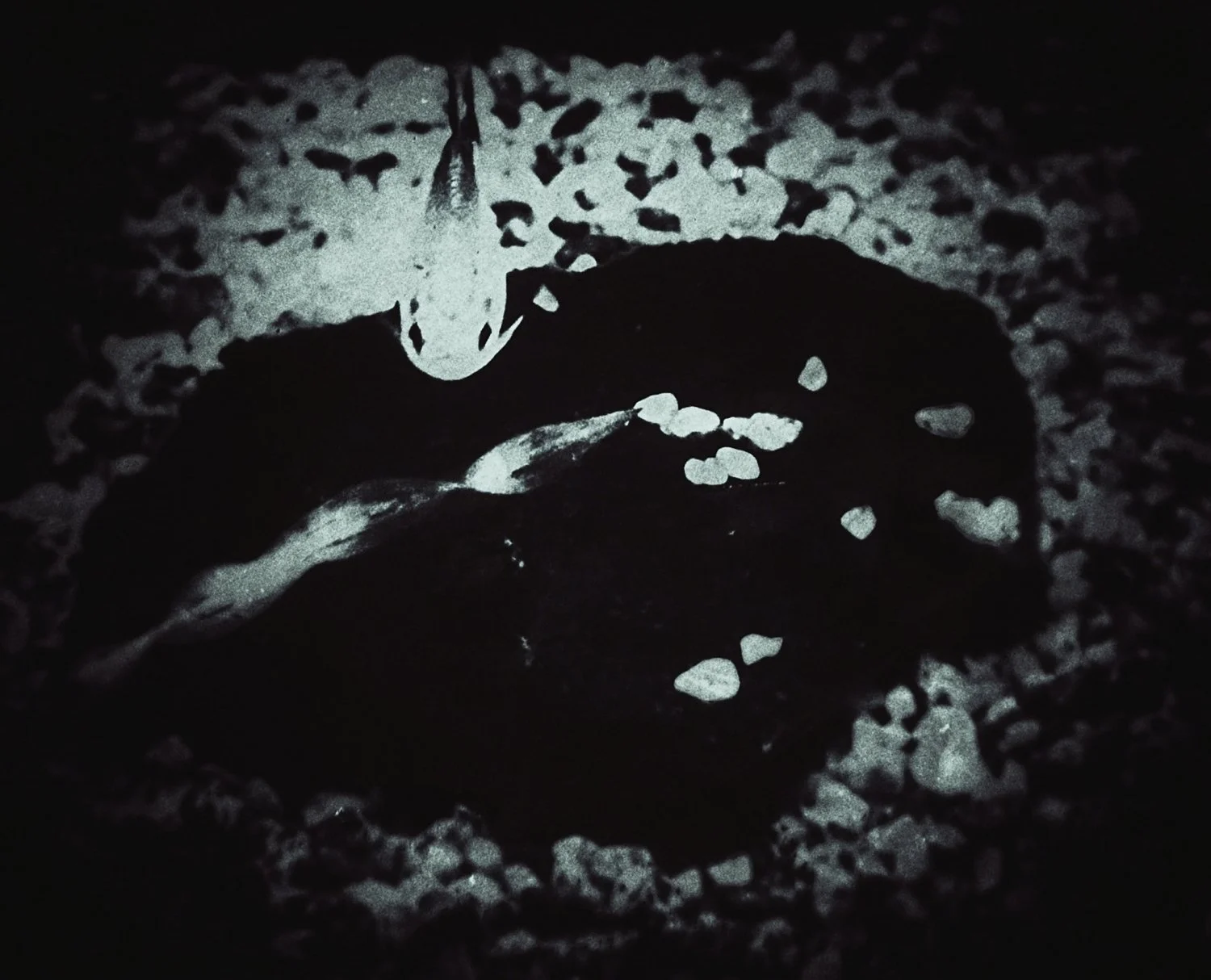

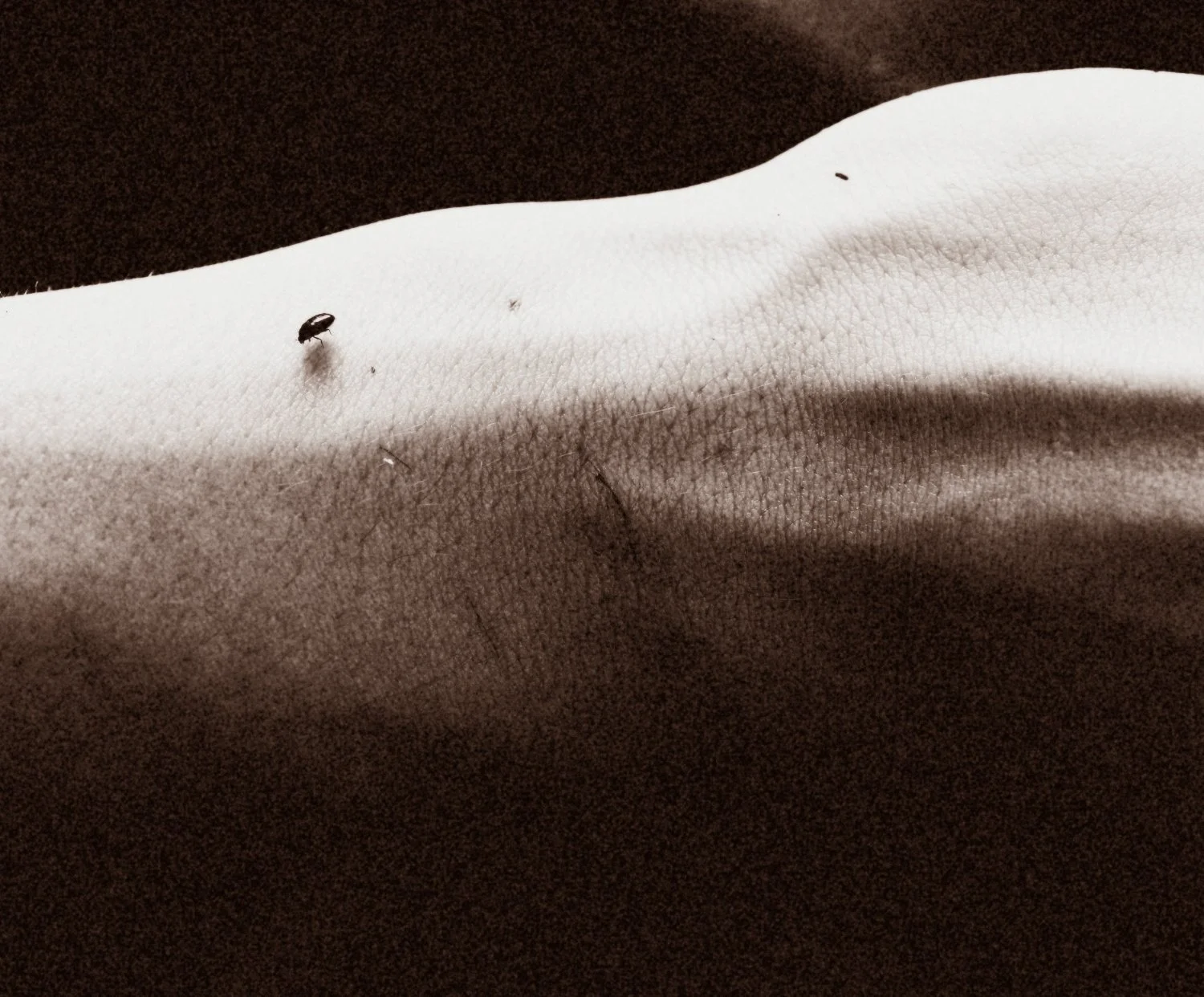
We have become the ultimate predators on a large scale, yet we are pathetic on our own. Send an average human today into the jungle and tell me what's the likelihood is of them surviving for long alongside our neighbors in their territory.
Through this series I want to remind you that every living being should have the right to exist in harmony. This concept is not relative. We are the ones who have created our own boxes of relativity to thrive in a society that's out of sync with our souls. It is impossible for our system to accommodate everyone.
I find it intriguing how there is an issue of belonging in "our human world" for many of us. This issue of belonging creates predators in certain instances; the kind that we condemn. It doesn't make sense how we cannot feel a sense of belonging in our own home.
Our definition of home is more related to what humanity has constructed, rather than how humanity came into existence and who its parents were before humanity realized that it could create its own. We have a natural need to feel important. We bred the belief that those at the top of the chain were too superior to rely on the roots they came from and that those at the bottom didn't deserve their roots. This was the moment when the chain transformed from a cycle of life into a prison. Ironically, the word "chain" itself is used with entirely different contexts—the chains that bind you and the chain that represents continuity. We can learn from non-human "predators" how to reconfigure our chains to form a cycle once again, rather than imprisoning all living beings.
🍄🍁🍂🍀🌵⛰️❄️🌫️🌋🌄🌈🌊🌪️💧⛈️🌍