
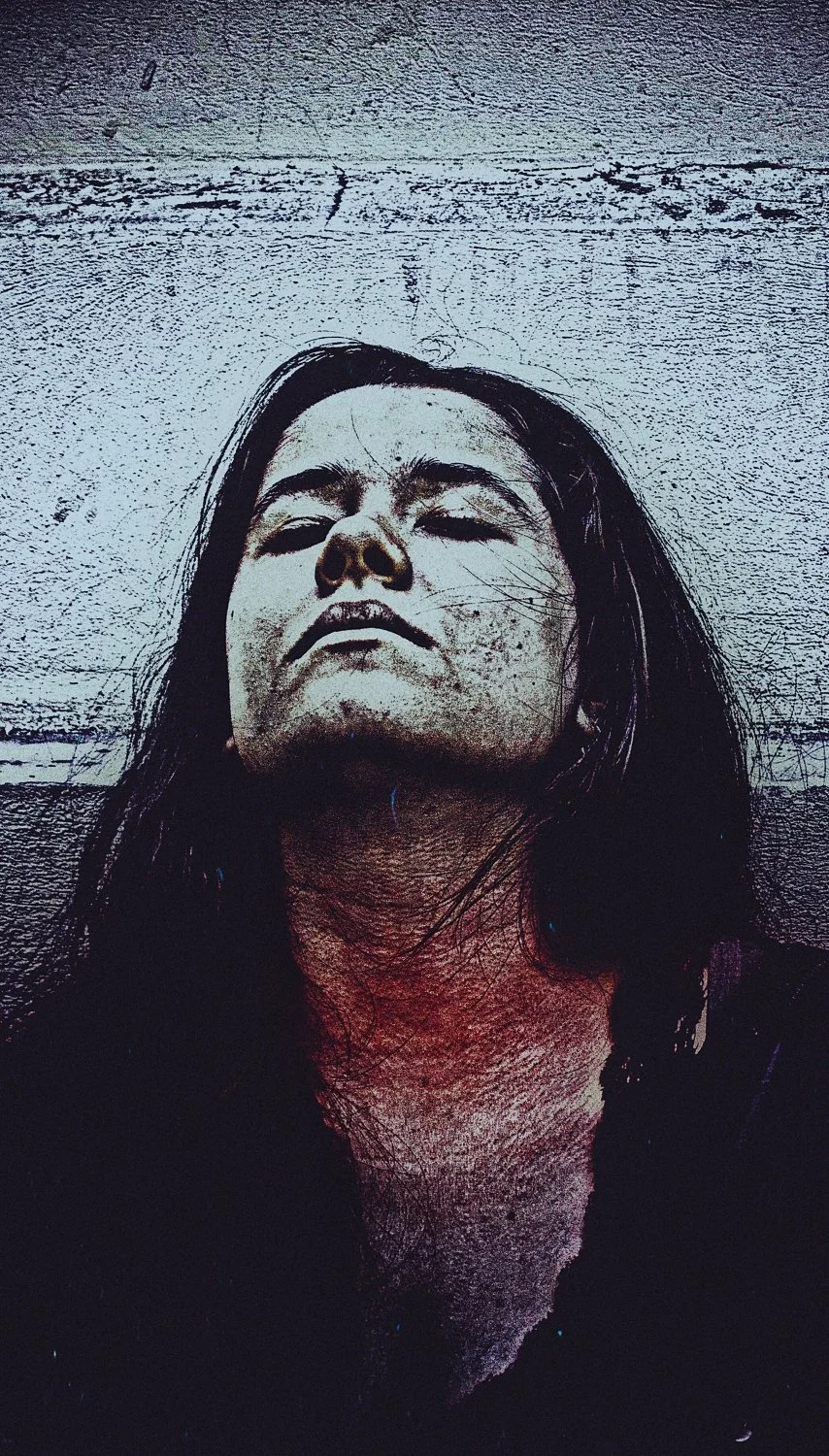
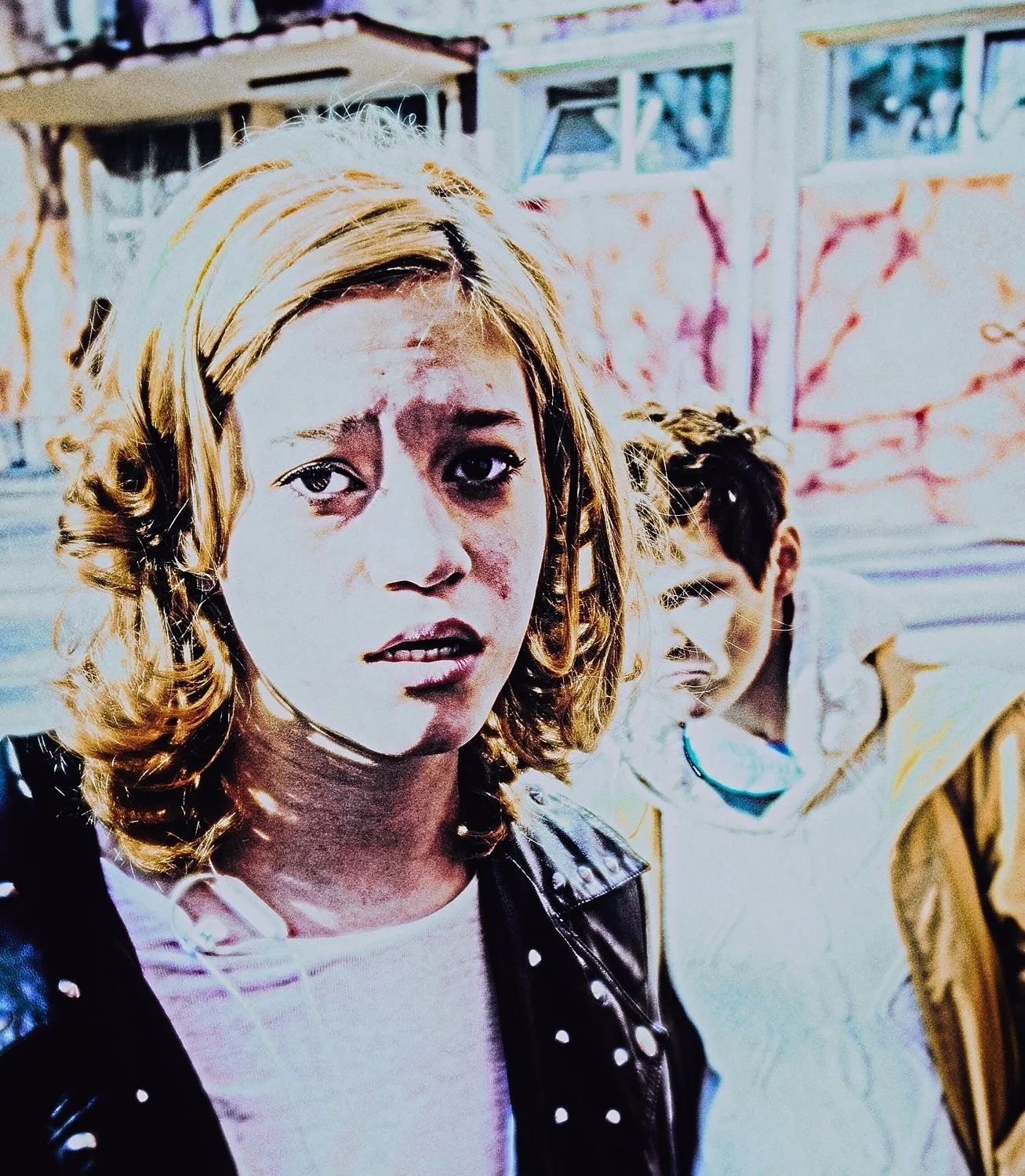
east-european skins
If going to school and being part of the educational system as a student did not matter in terms of the opportunities you'll have as an adult to survive, my advice to any child would be:
Since everything you learn in school today can be found outside institutions (plus there are external sources and resources of higher value or accuracy), and unless you live in an area where access to information is extremely limited, I would strongly advise against attending schools that depend on traditional systems. Find a different way. Get taught by those practicing in the field, research extensively, and challenge the conventional notion of schooling.
What school has become in the 21st century is often a disappointment (although I admit there are some agreeable systems, particularly in the northern regions).
I have attended multiple kindergartens and five schools, both private and public. I graduated in 2016 with enough dissatisfaction to not desire pursuing a university education. However, I love knowledge enough to seek it outside the confines of formal education.
I am aware that my experience of school is not representative of every child's experience. However, I want to emphasize that I am not the only one with such negative experiences. I observe and refuse to tolerate bullshit. There are children out there who suffer even more. While I don't know their stories, I hope that sharing mine will make you contemplate the fact that if the darkest side of school is undoubtedly worse, then there is a serious problem.
Each institution I attended was flawed in its own way because the problem lies not solely within the institutions themselves. The issue is a fundamental one that has plagued humanity since individuals became conscious of their own existence. Excepting nature, we, as humans, are the best creators and destroyers we know, yet we are infinitely less intelligent than nature. And ironically, we take pride in this.
The education system in any country reflects the values and characteristics of that country.
The Romanian system, based on my experience, has left me with the following impressions after years of dealing with its bullshit:



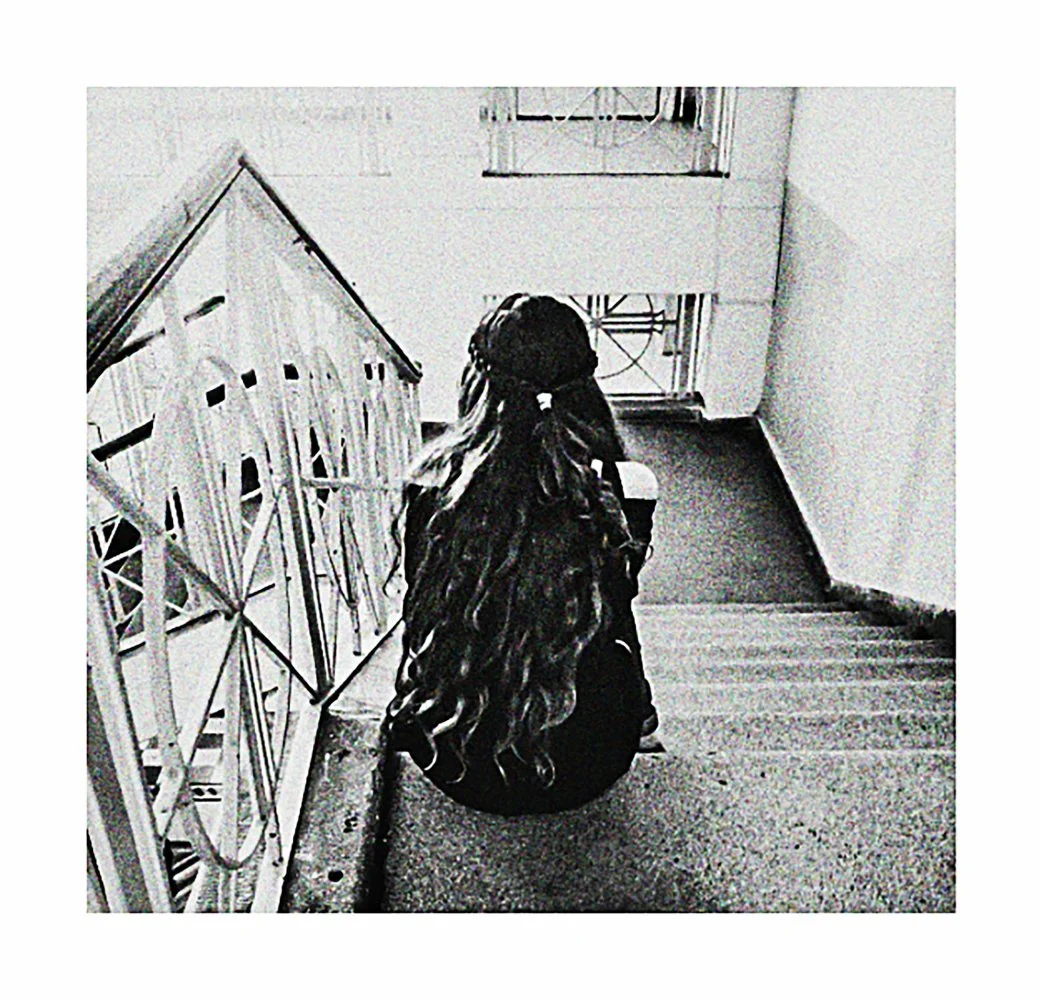
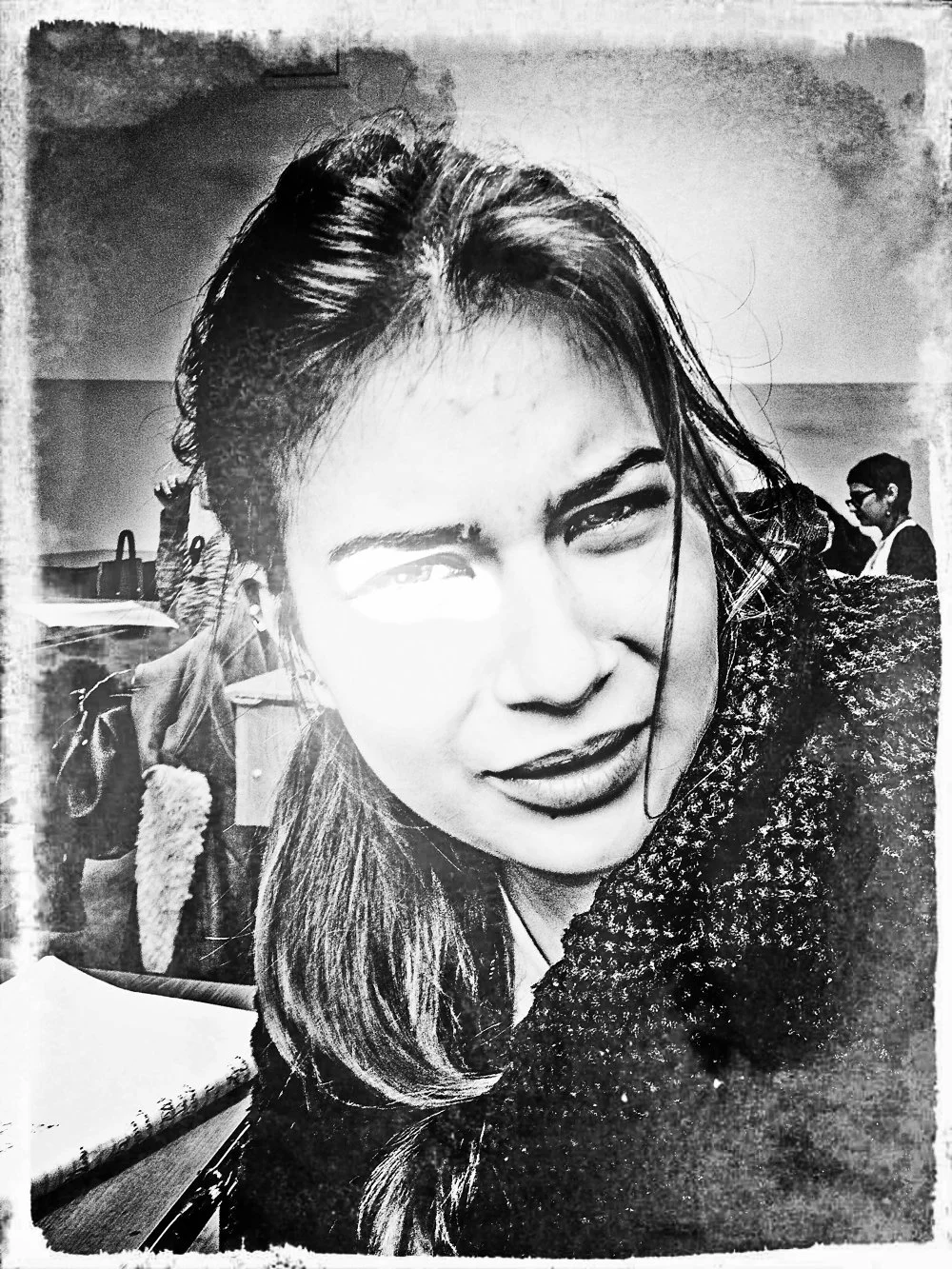
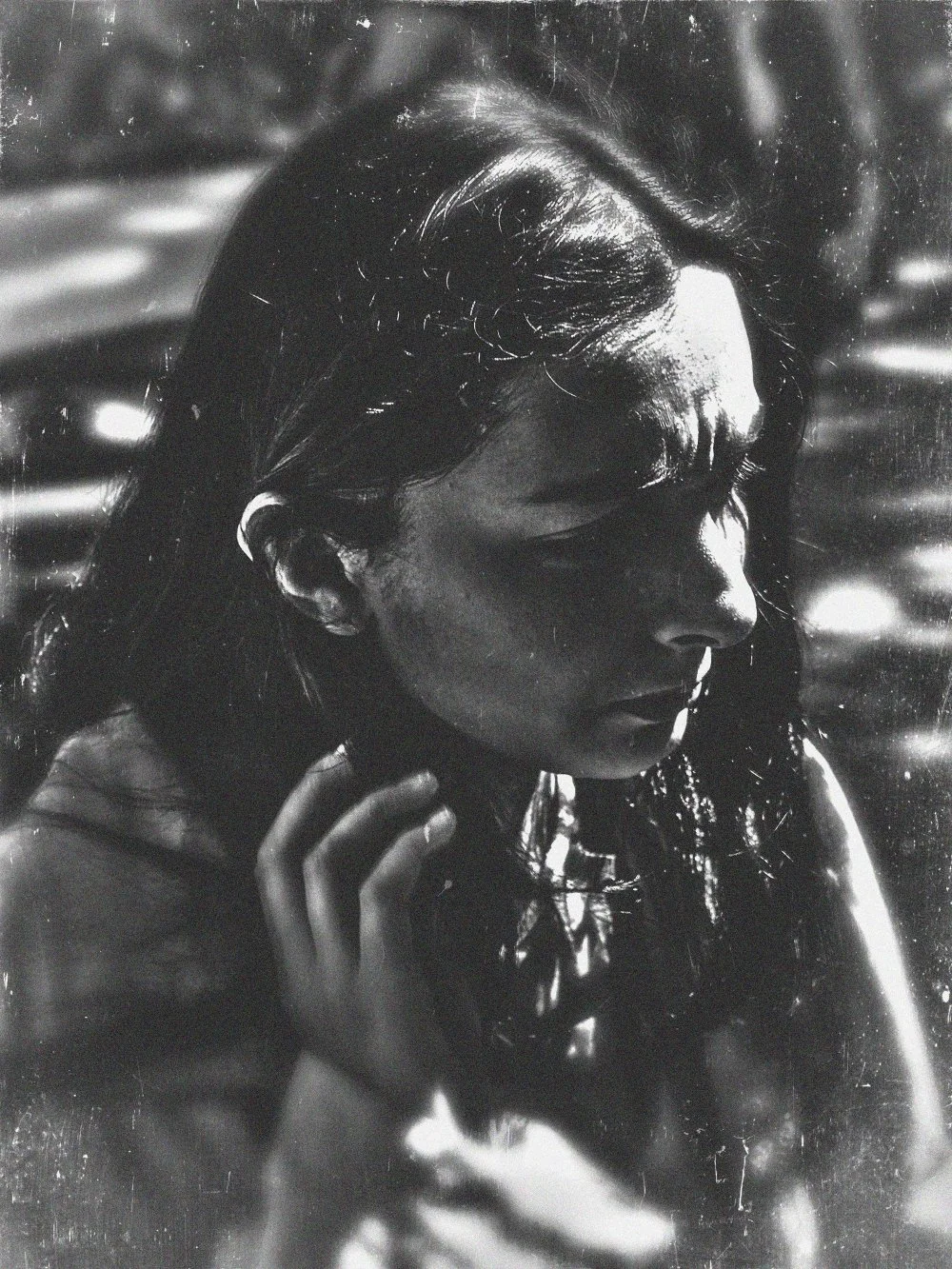
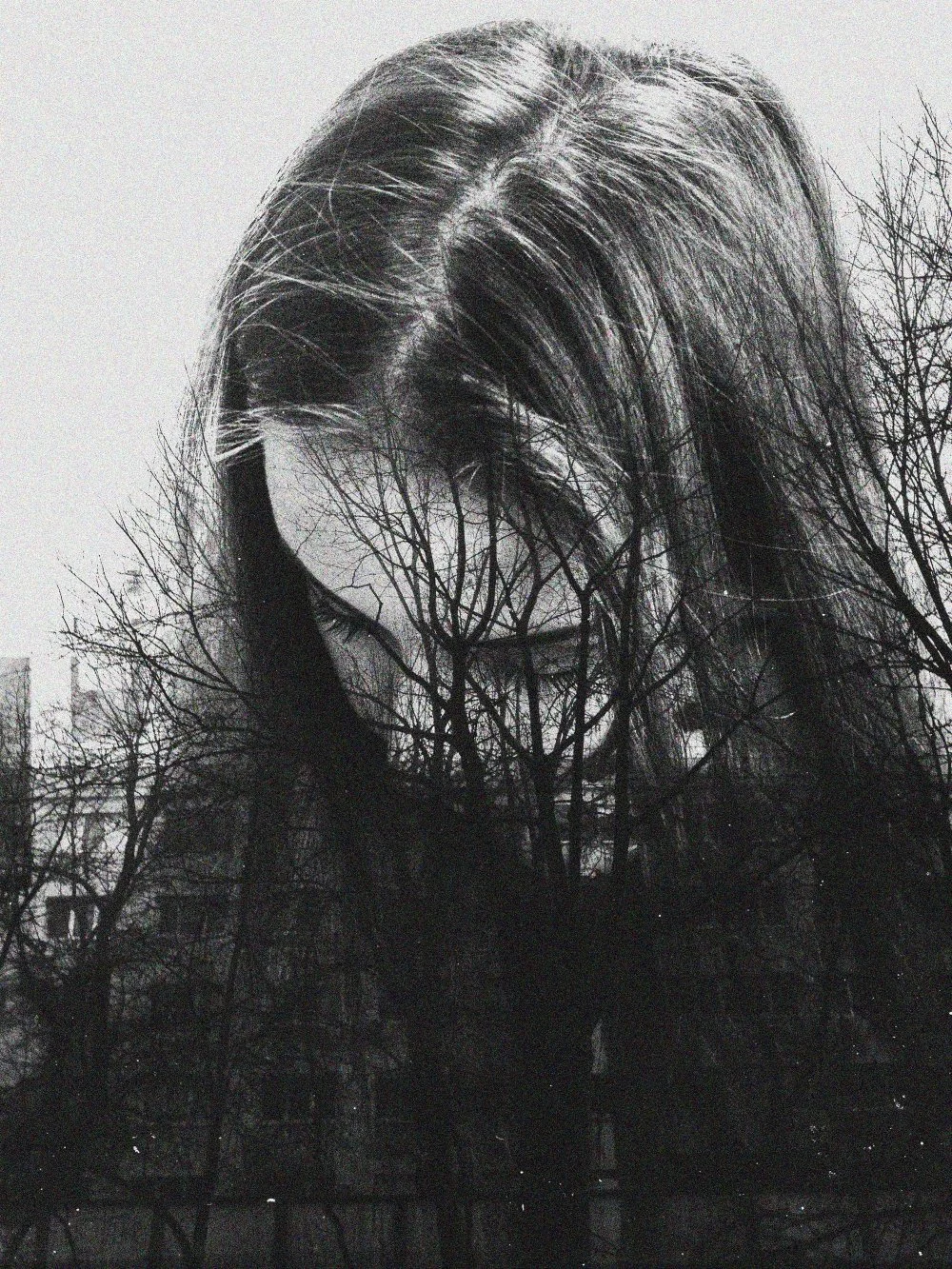
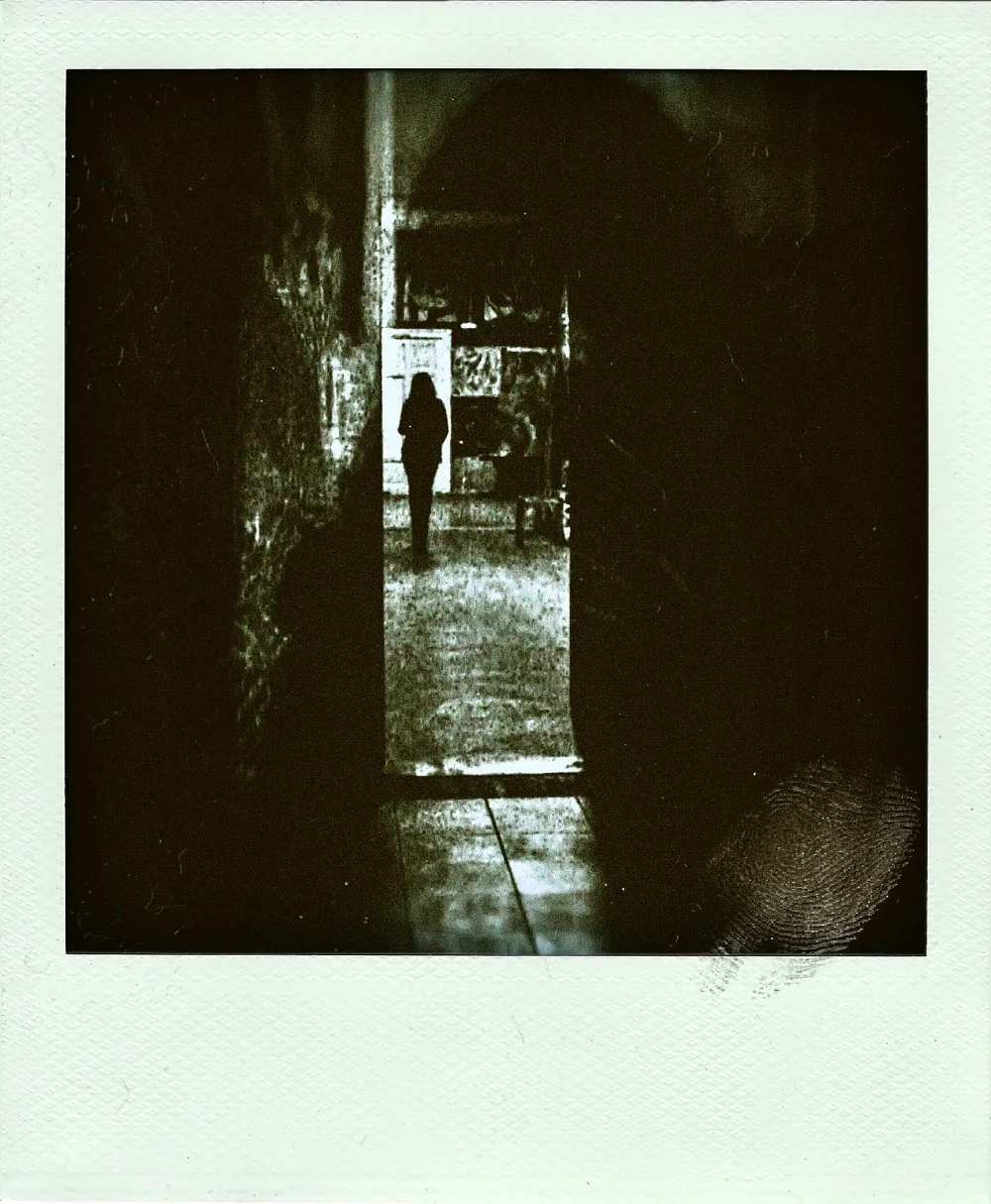
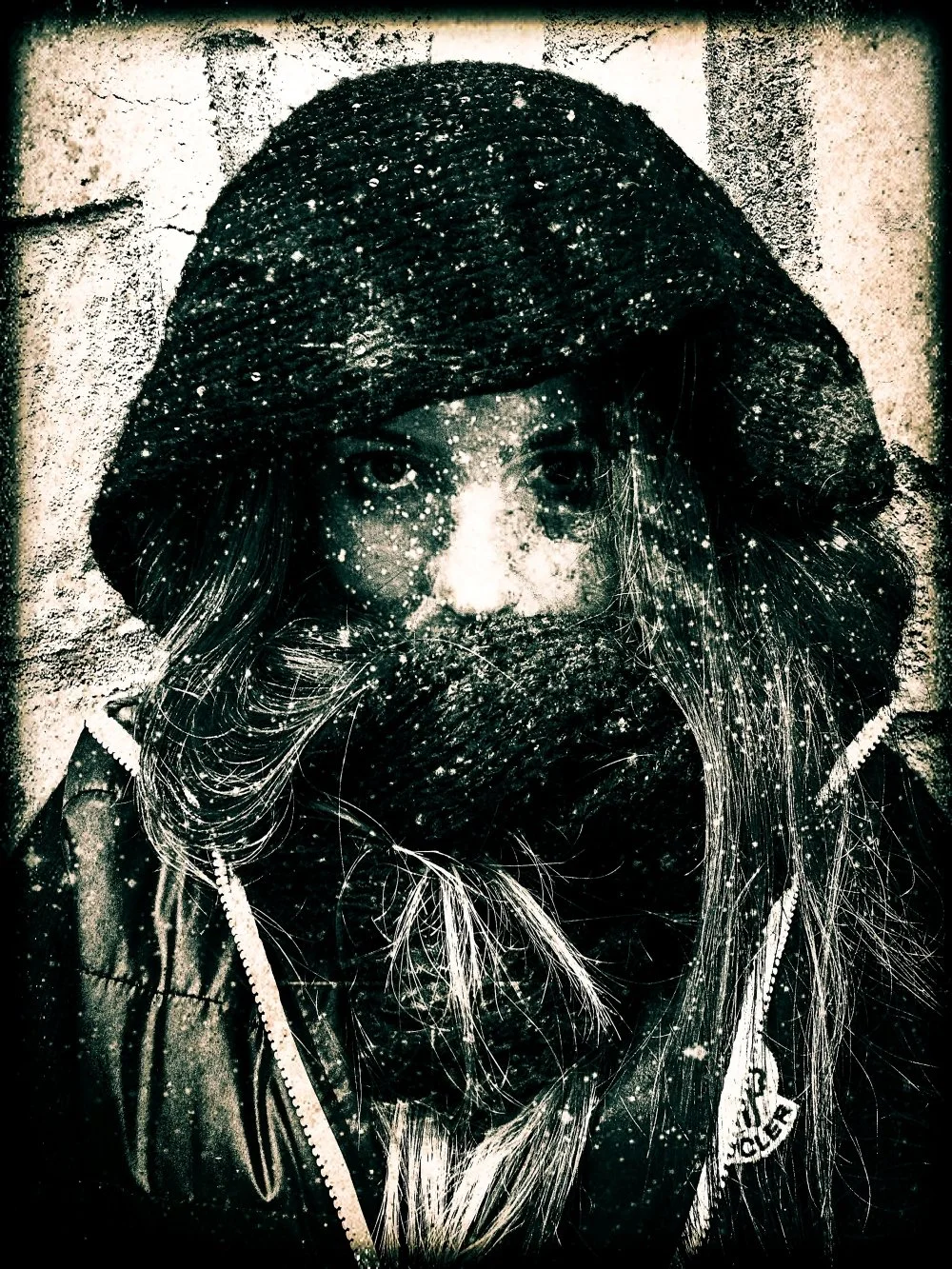
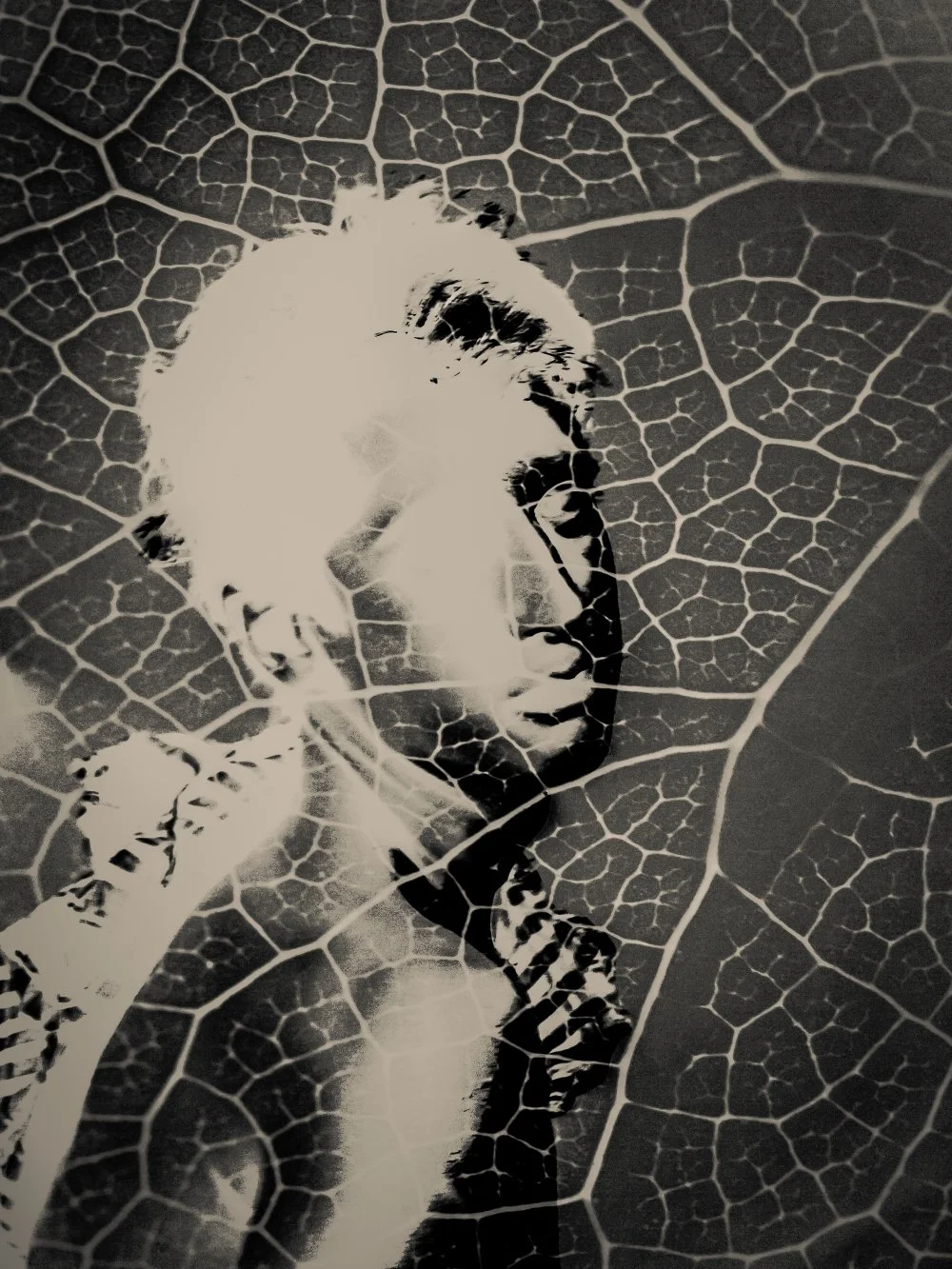
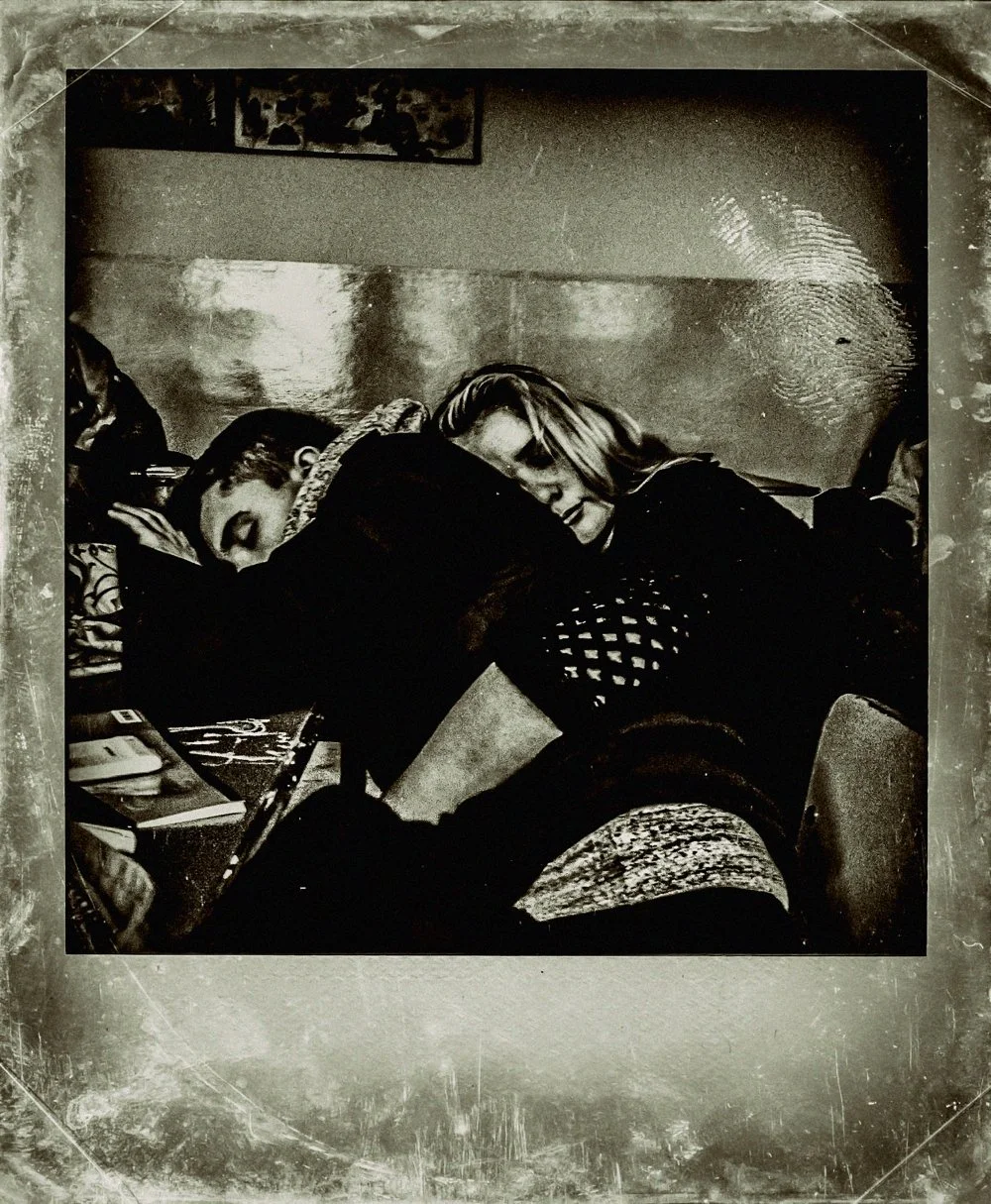

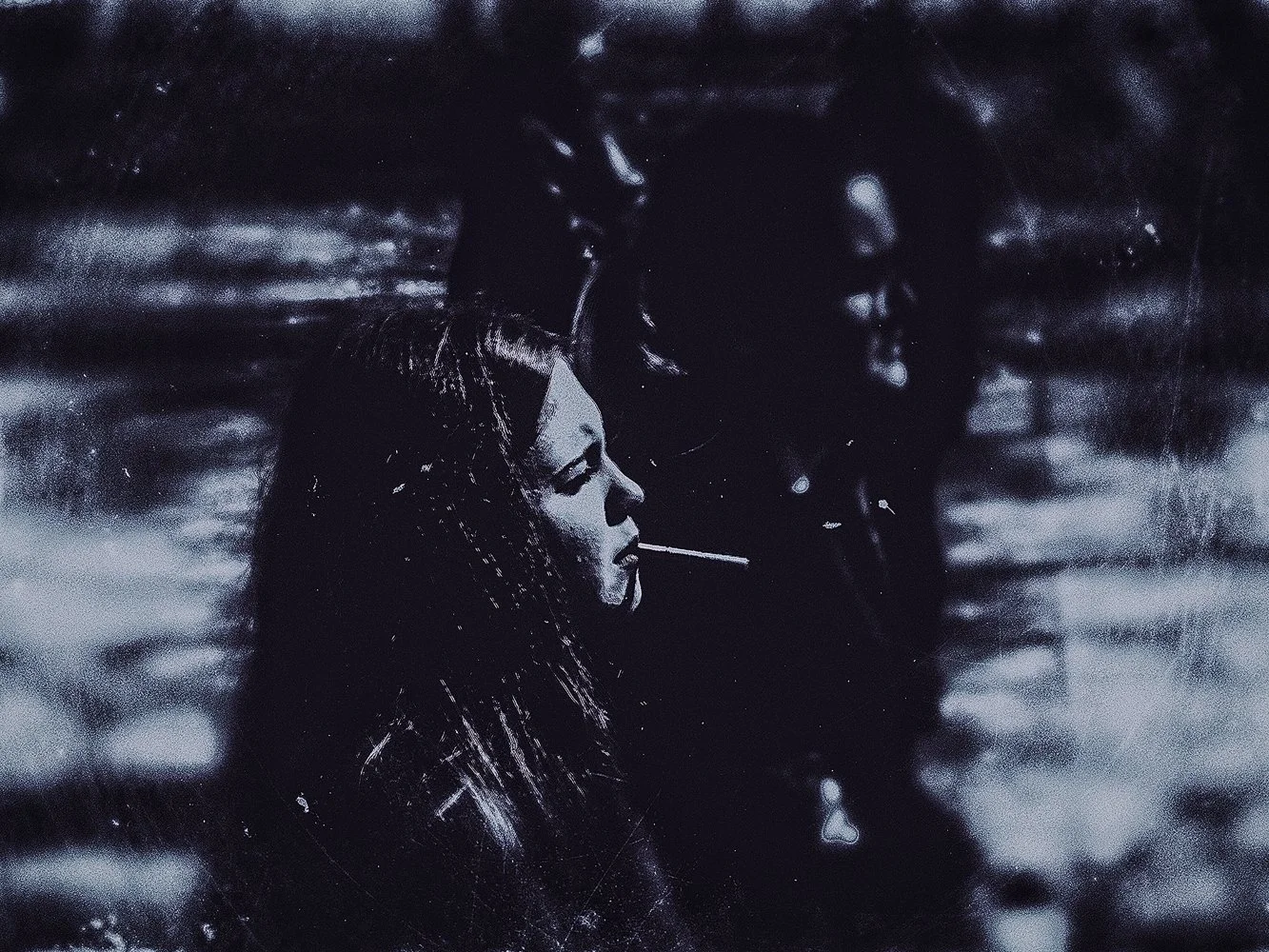


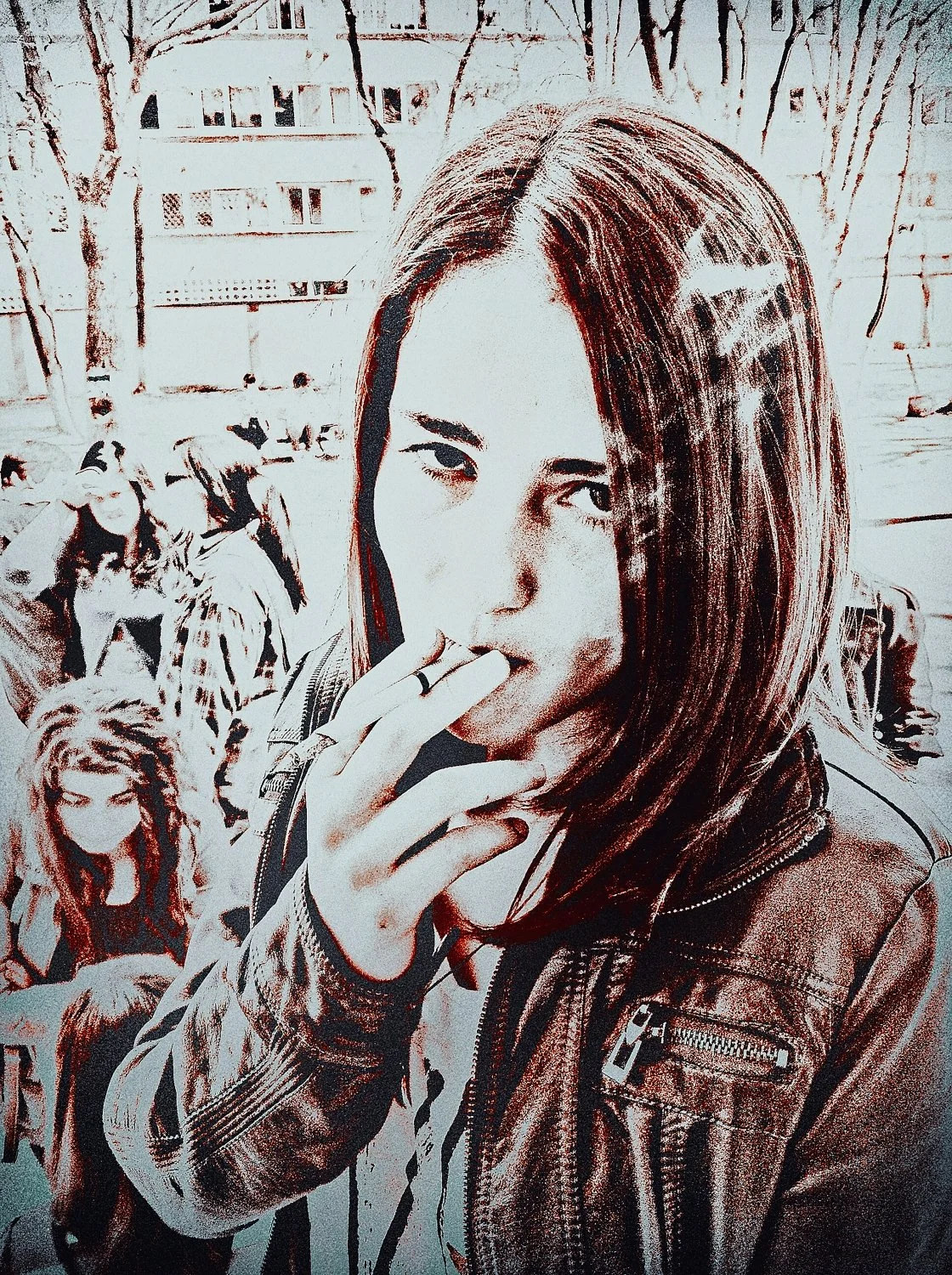
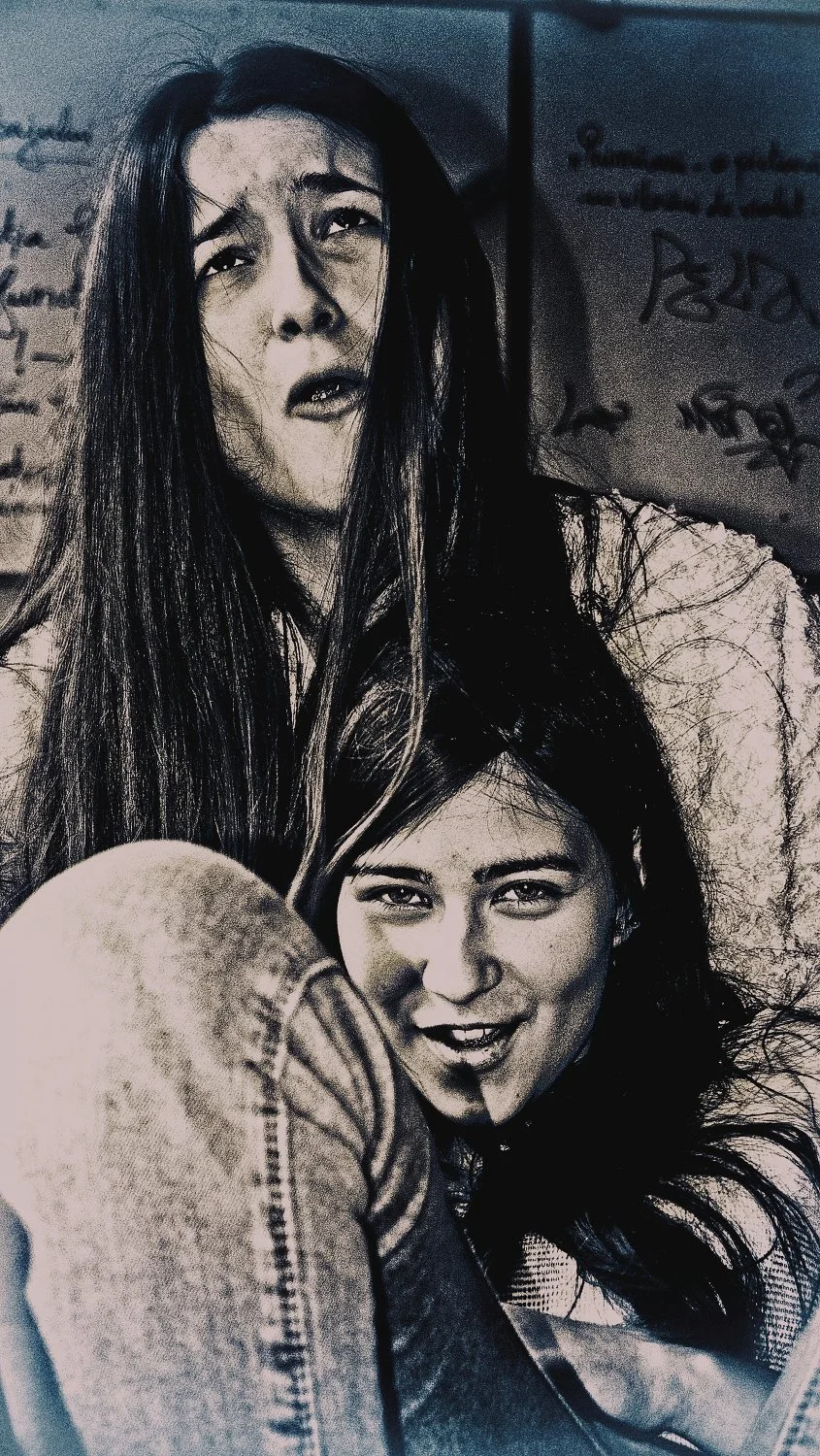
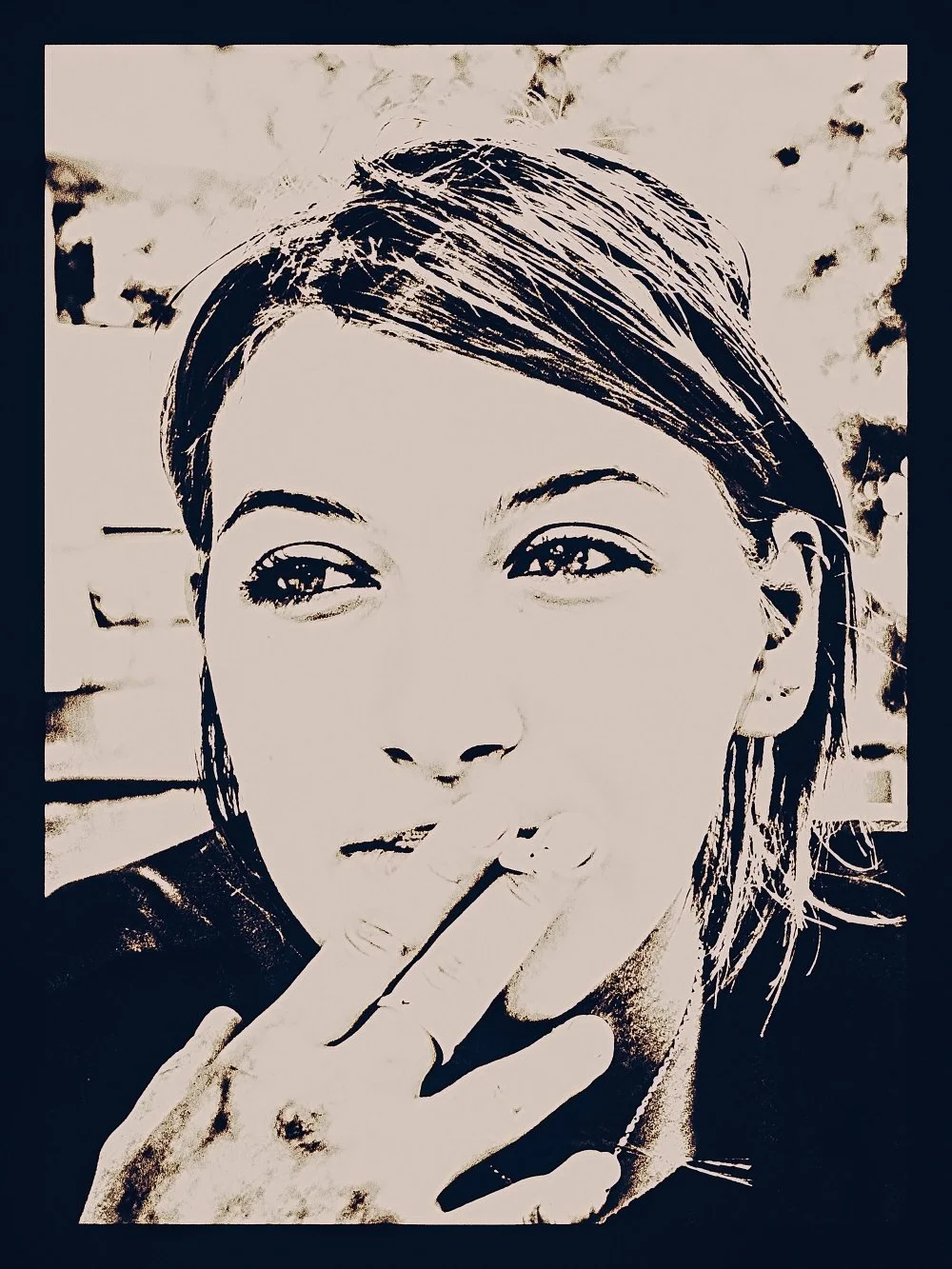
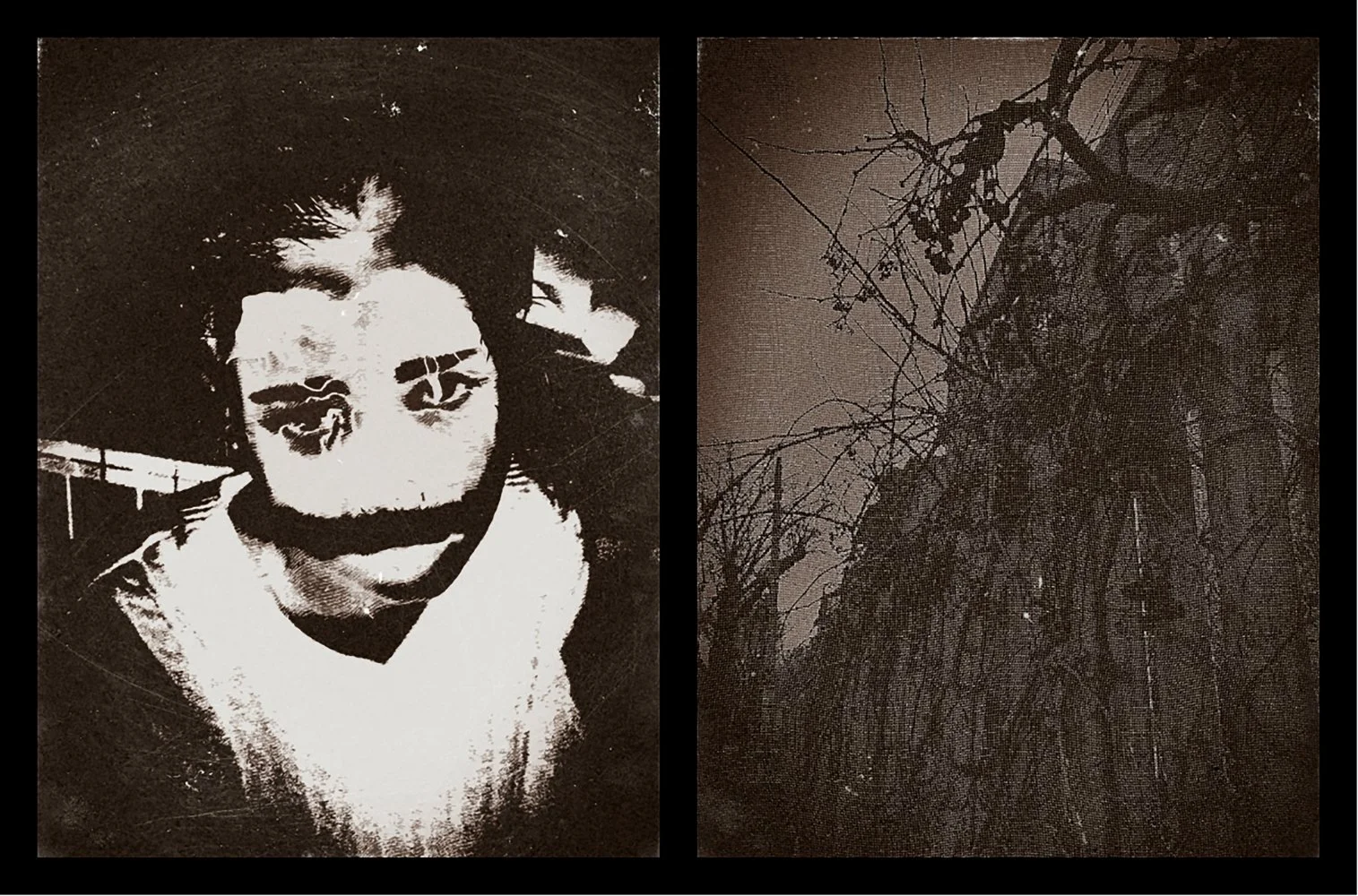
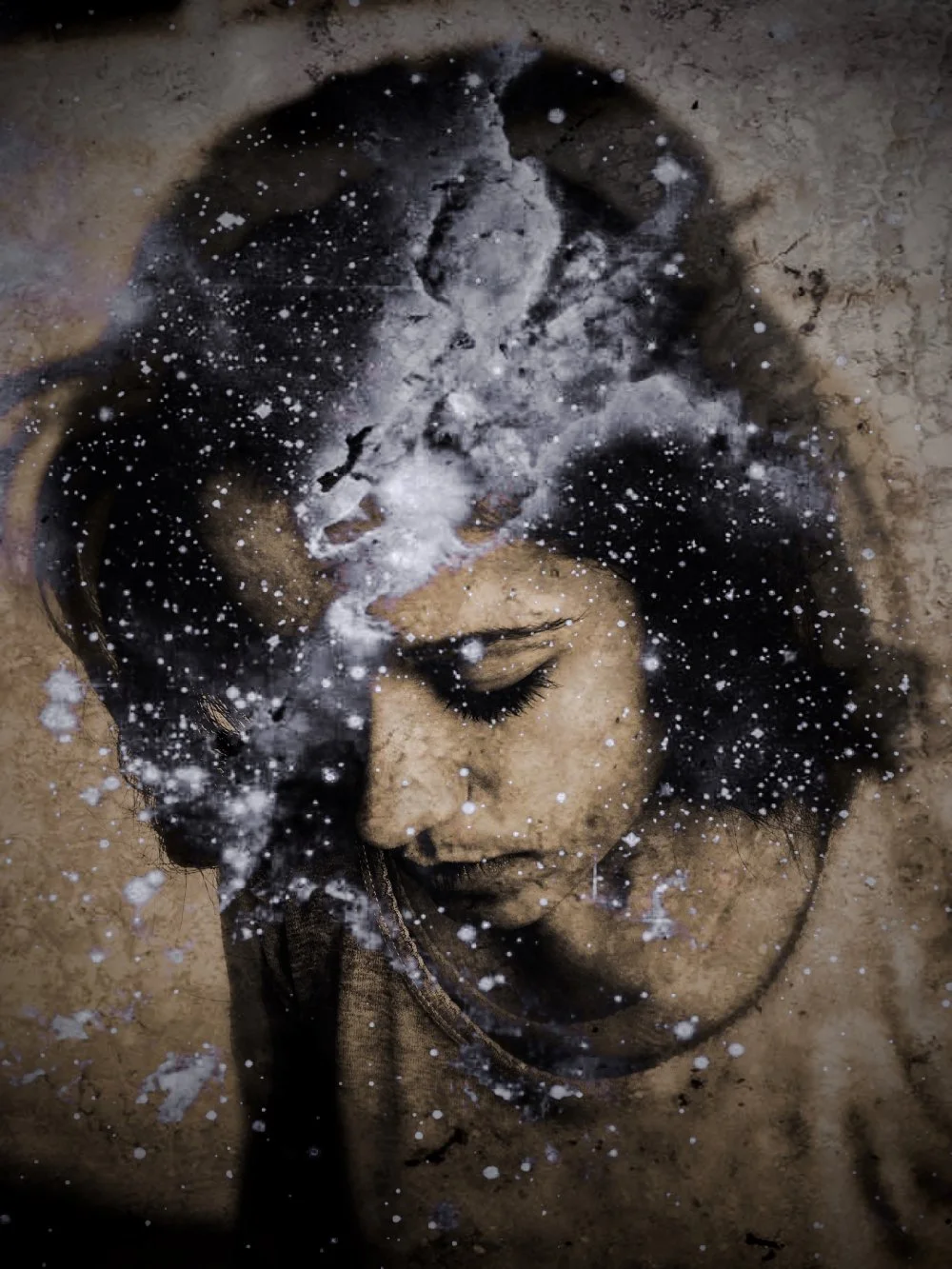


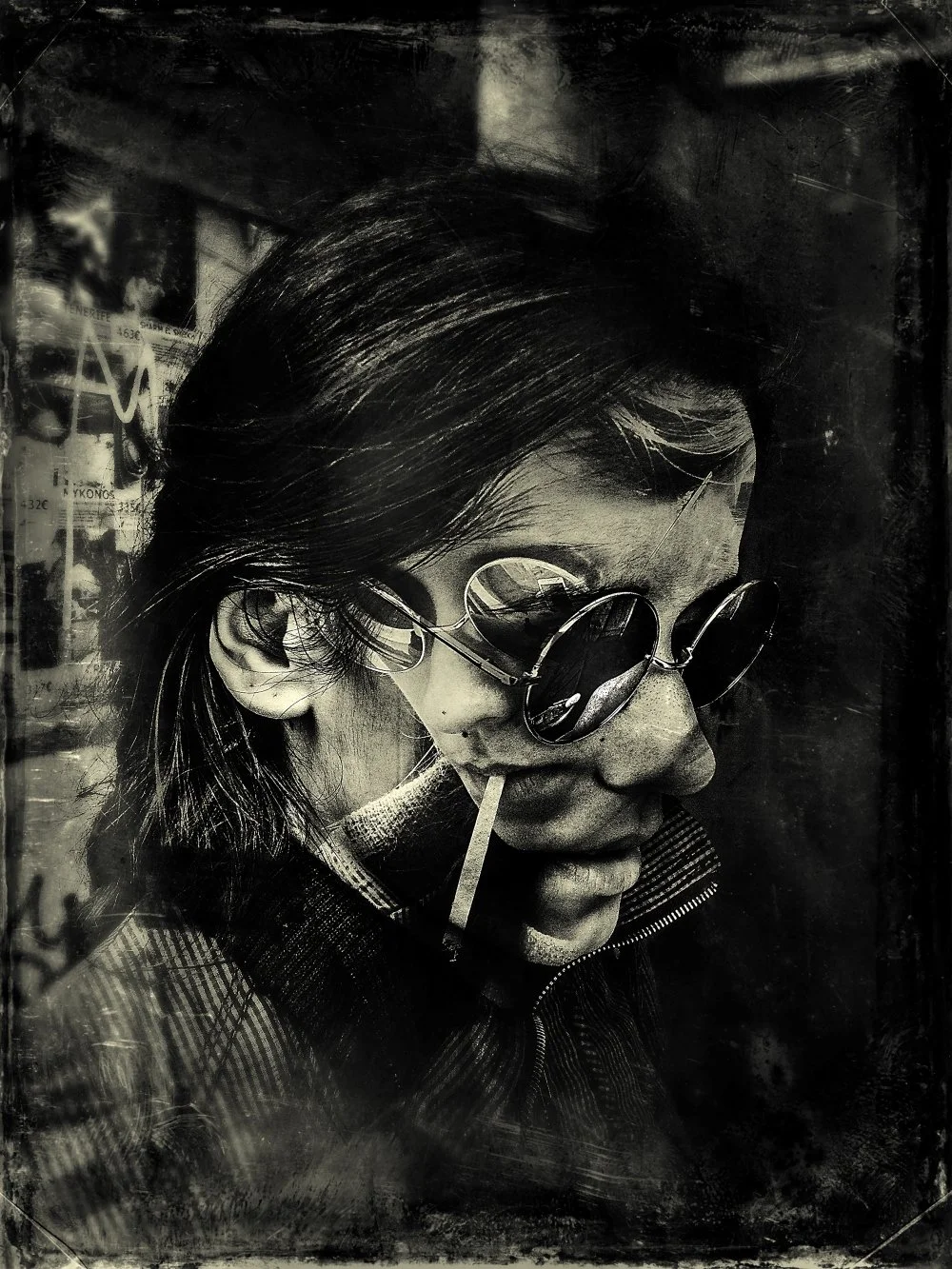
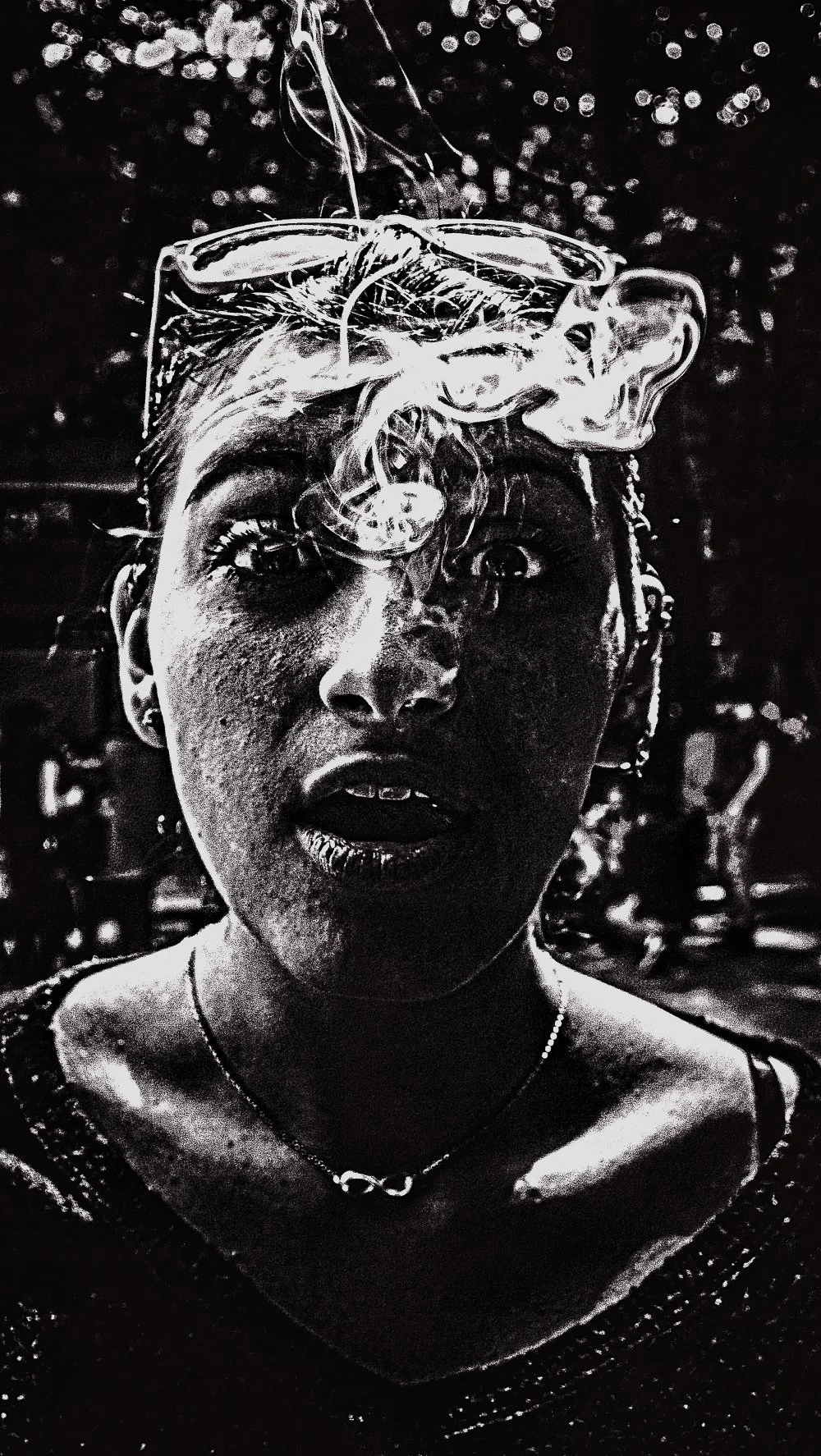
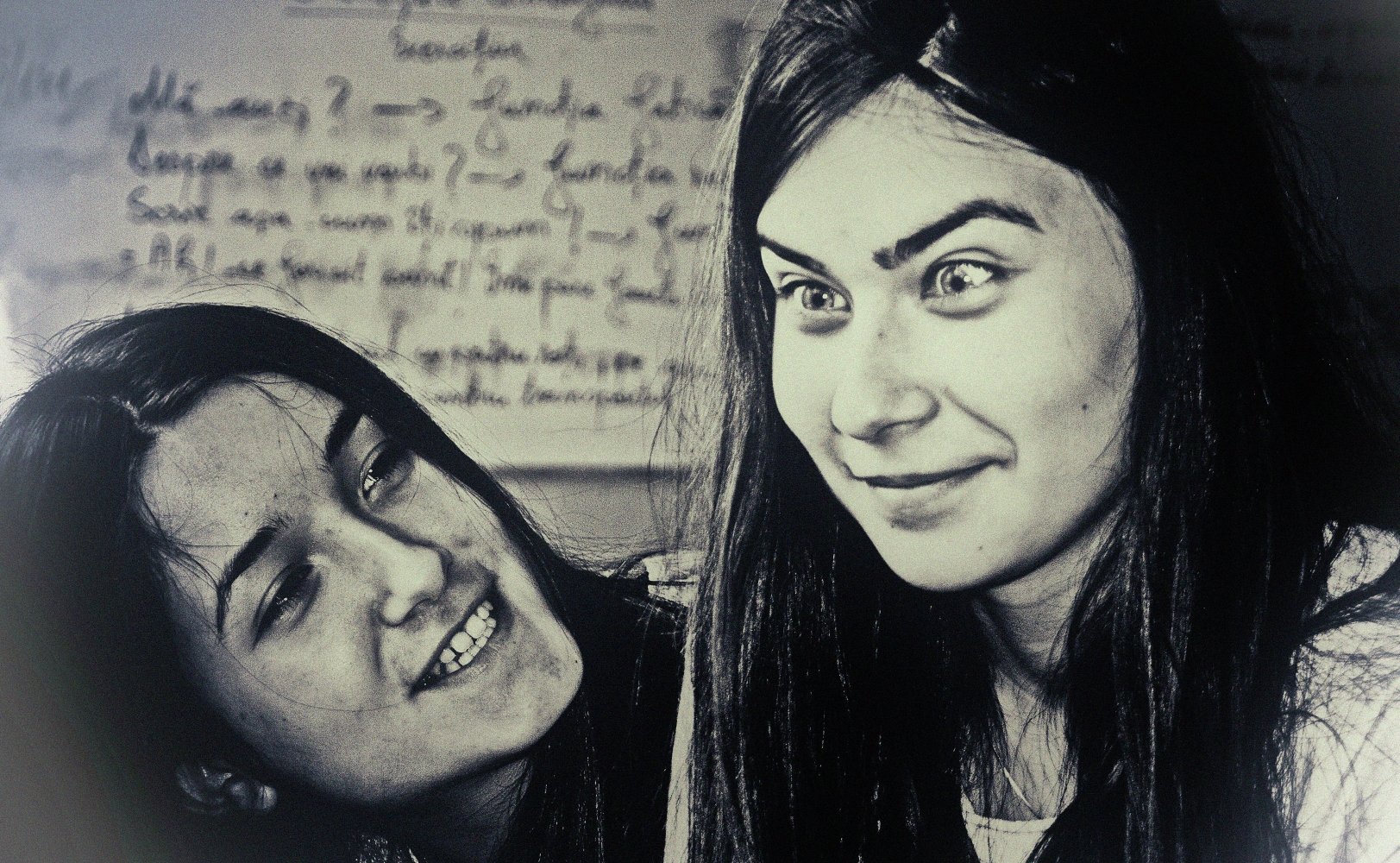
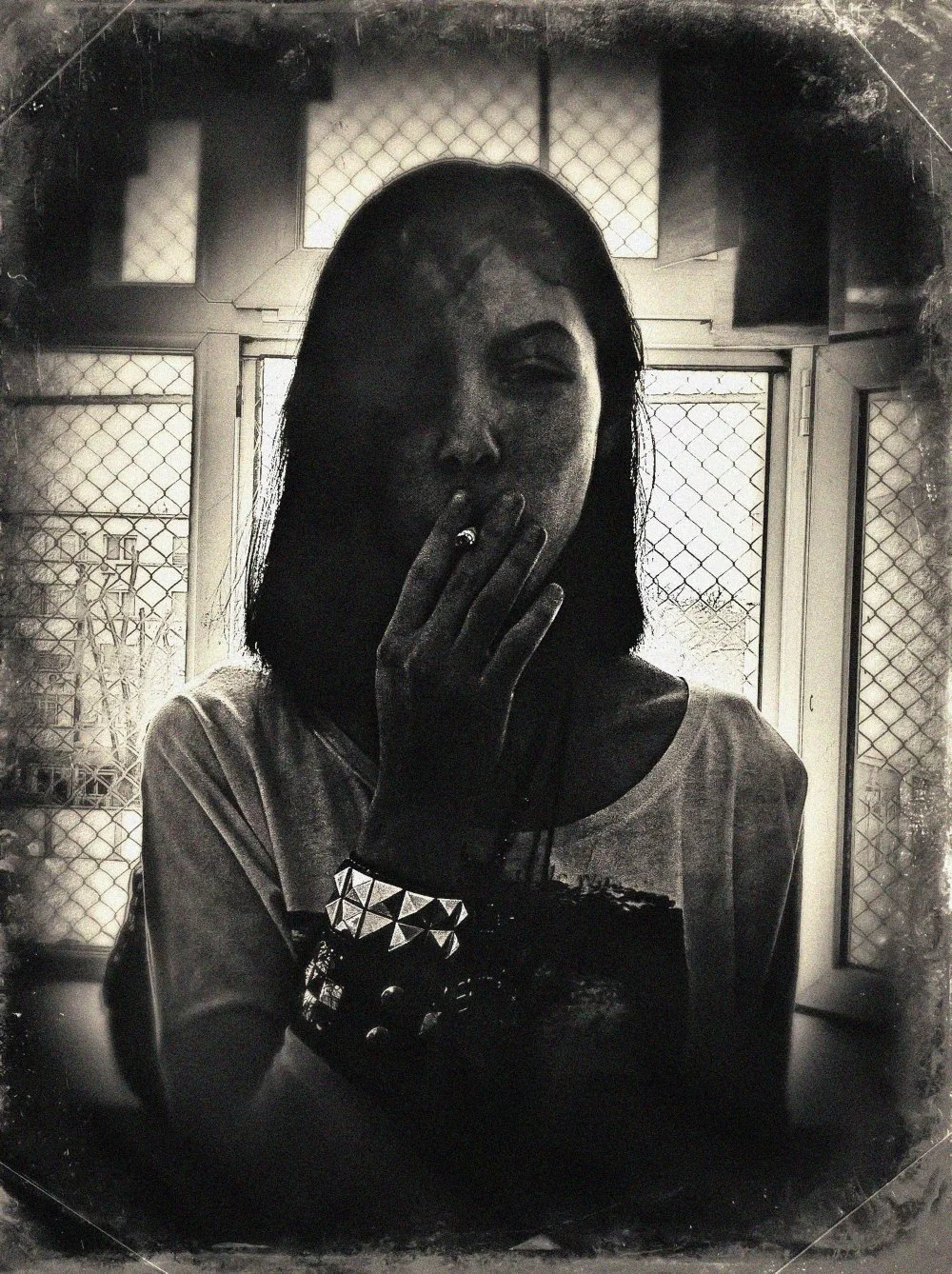

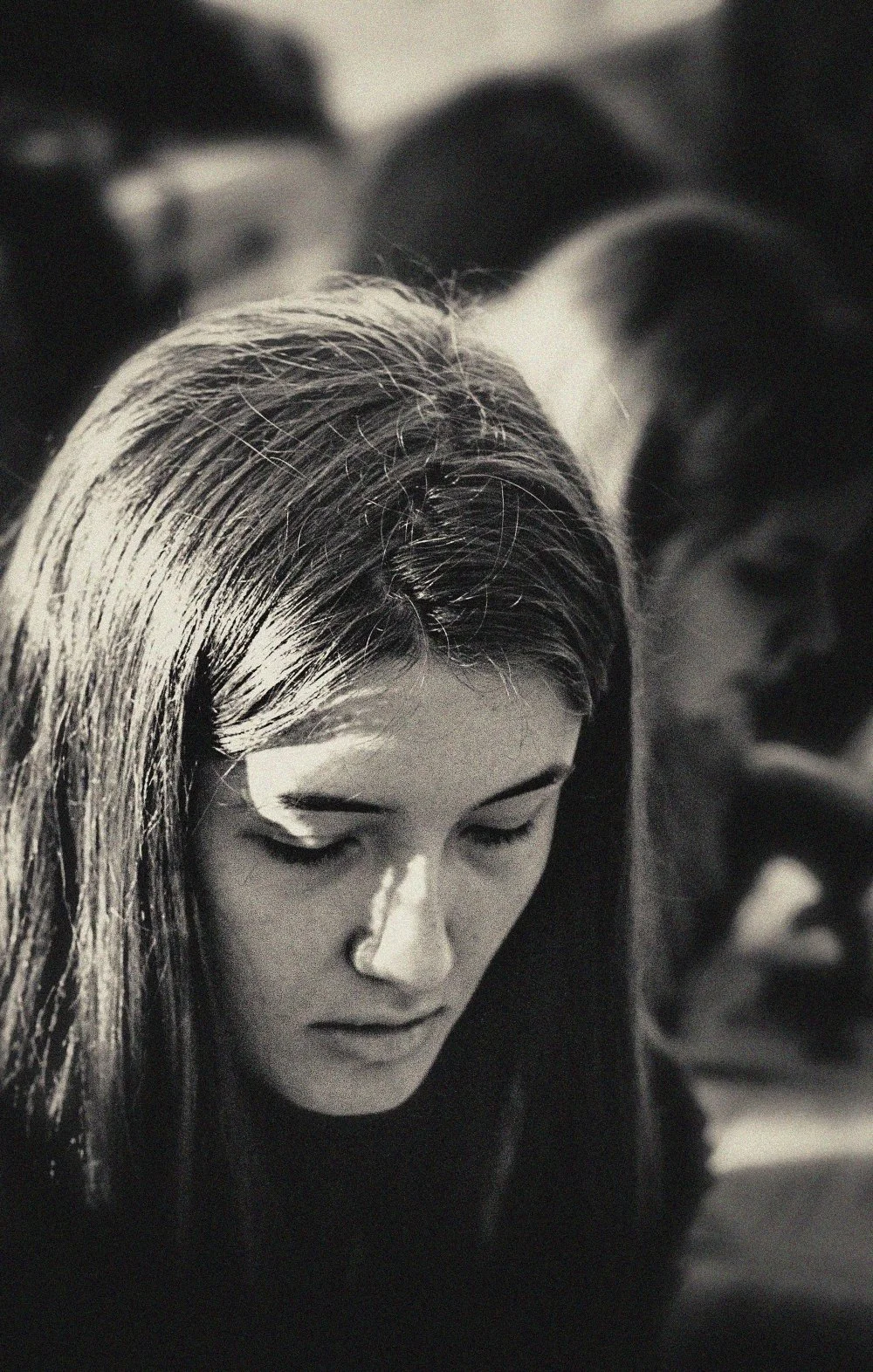


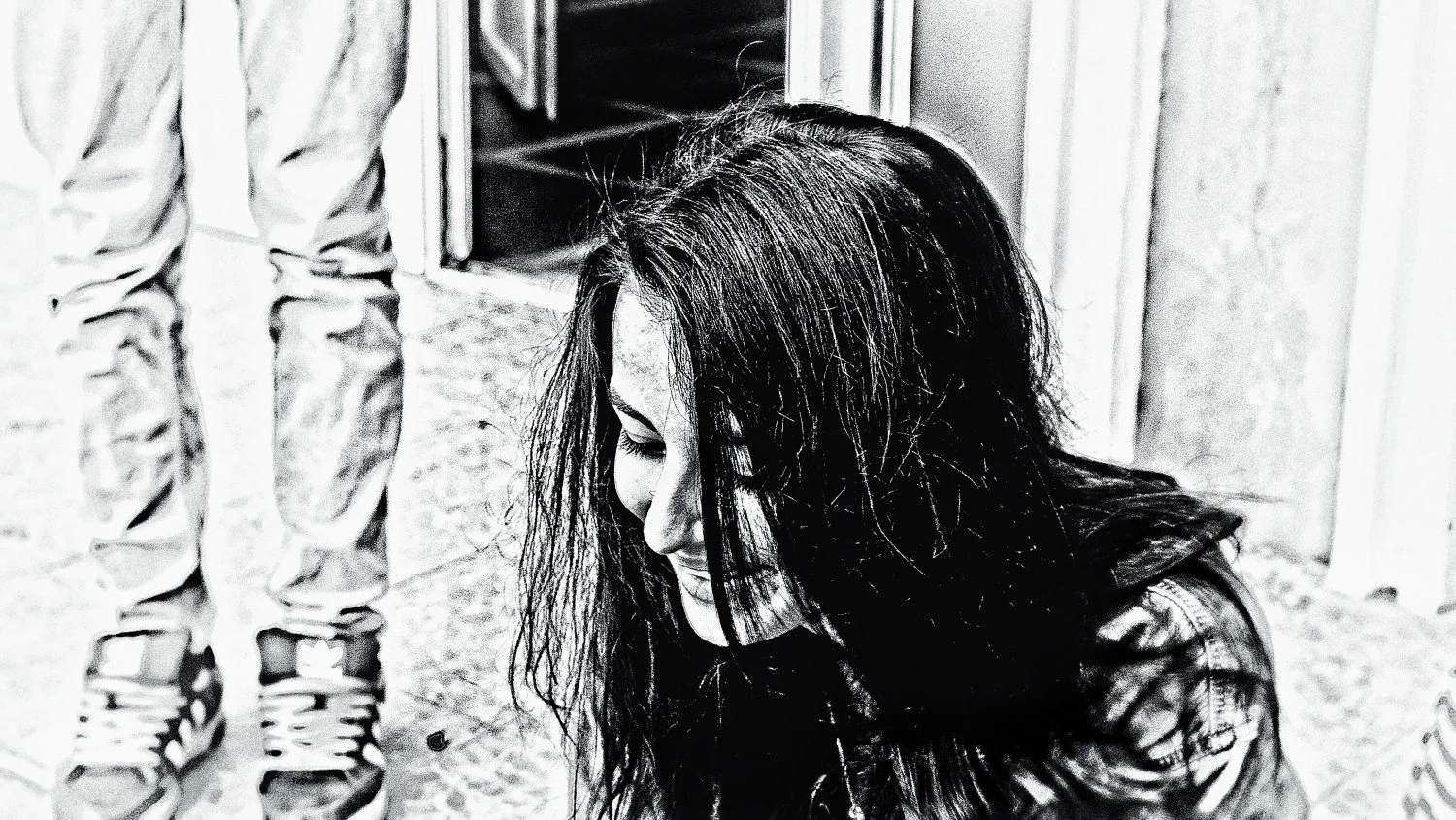

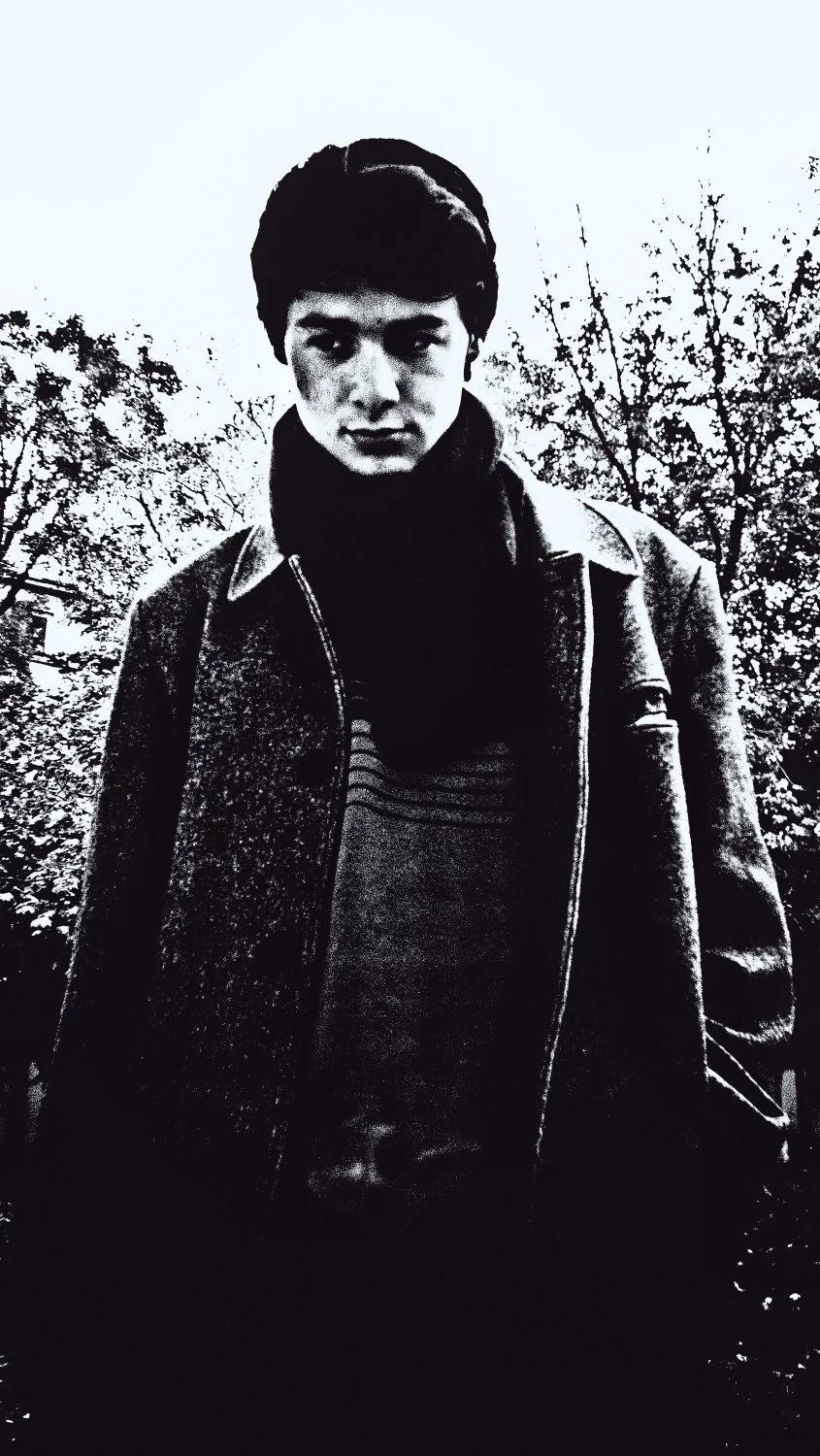

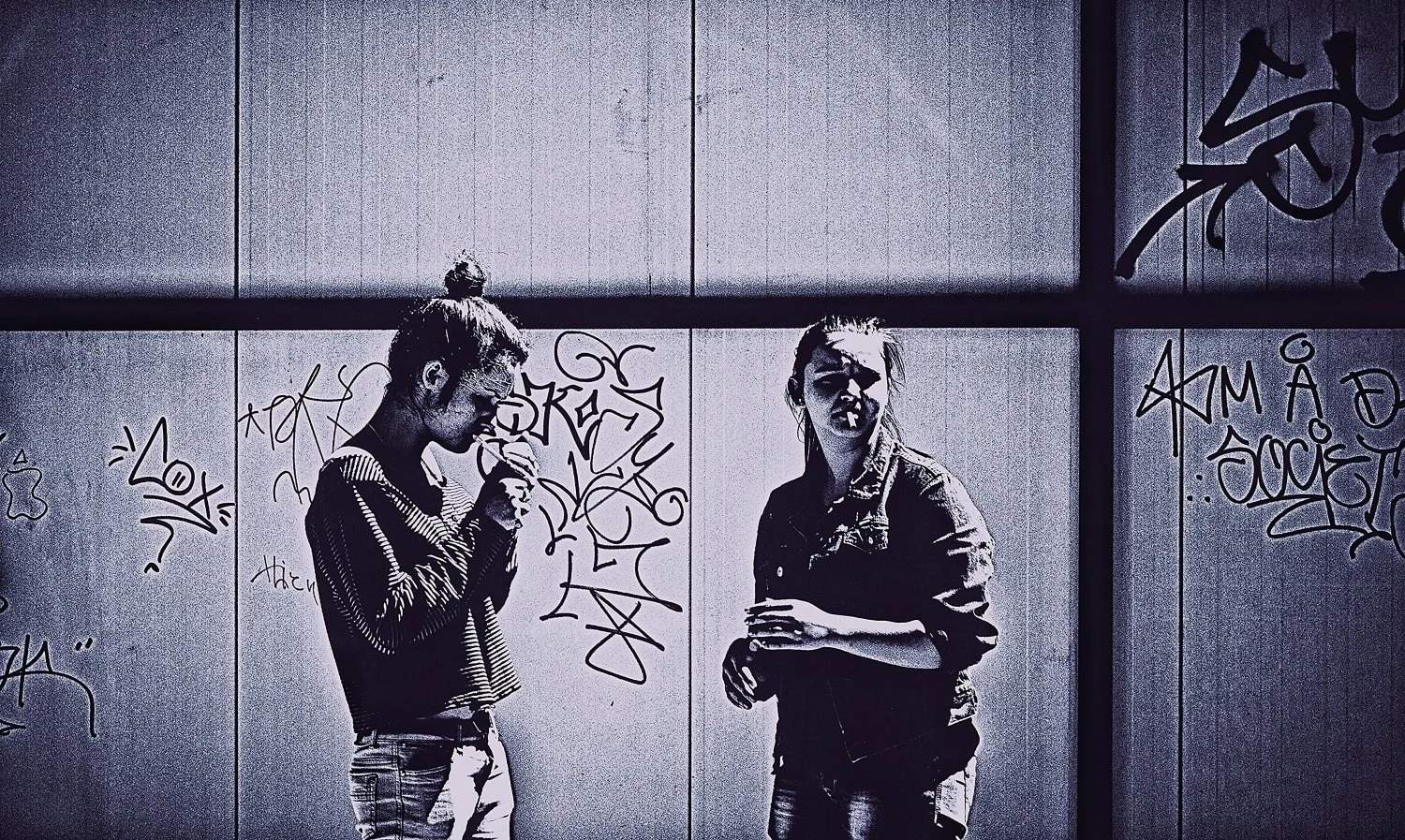

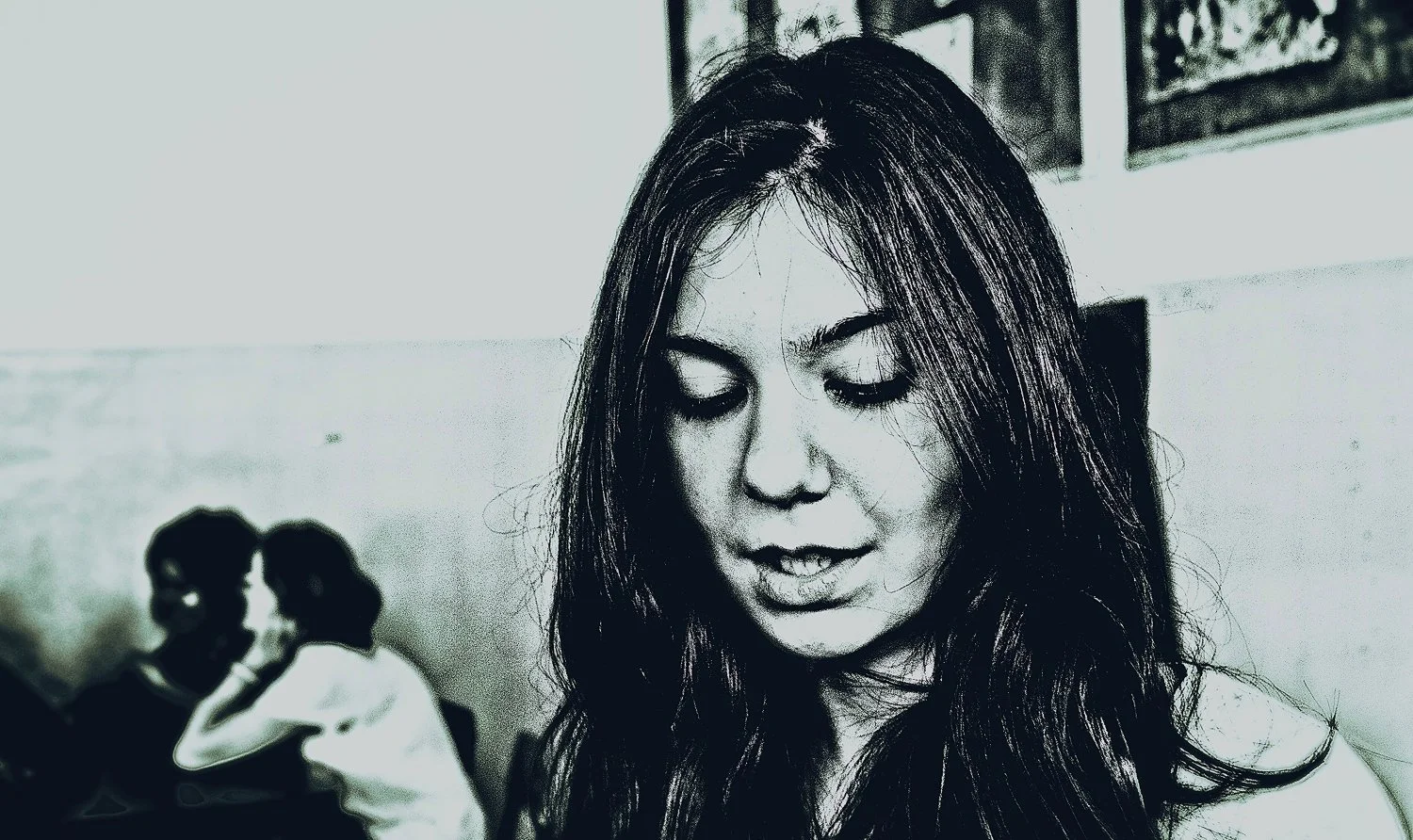
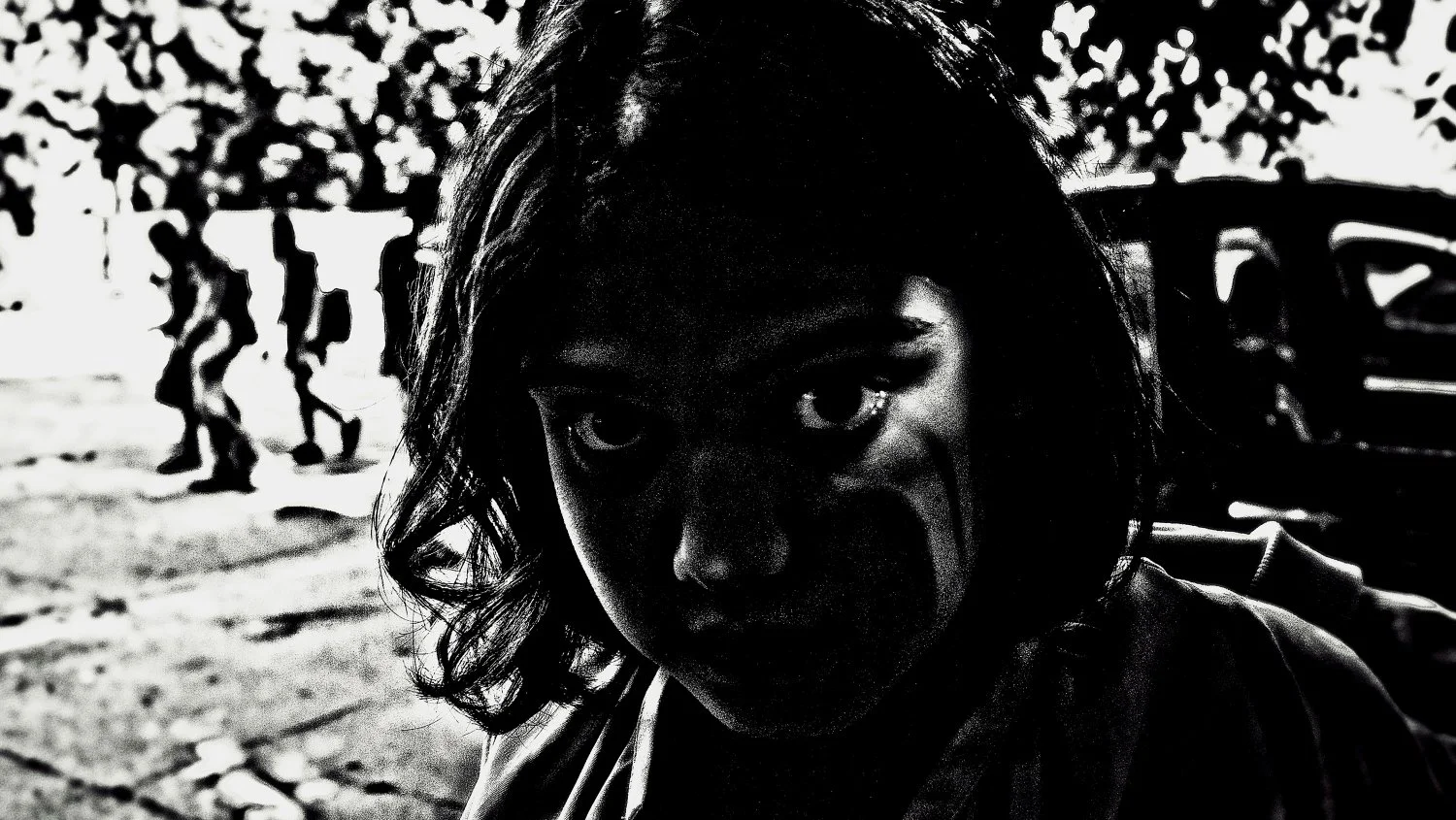
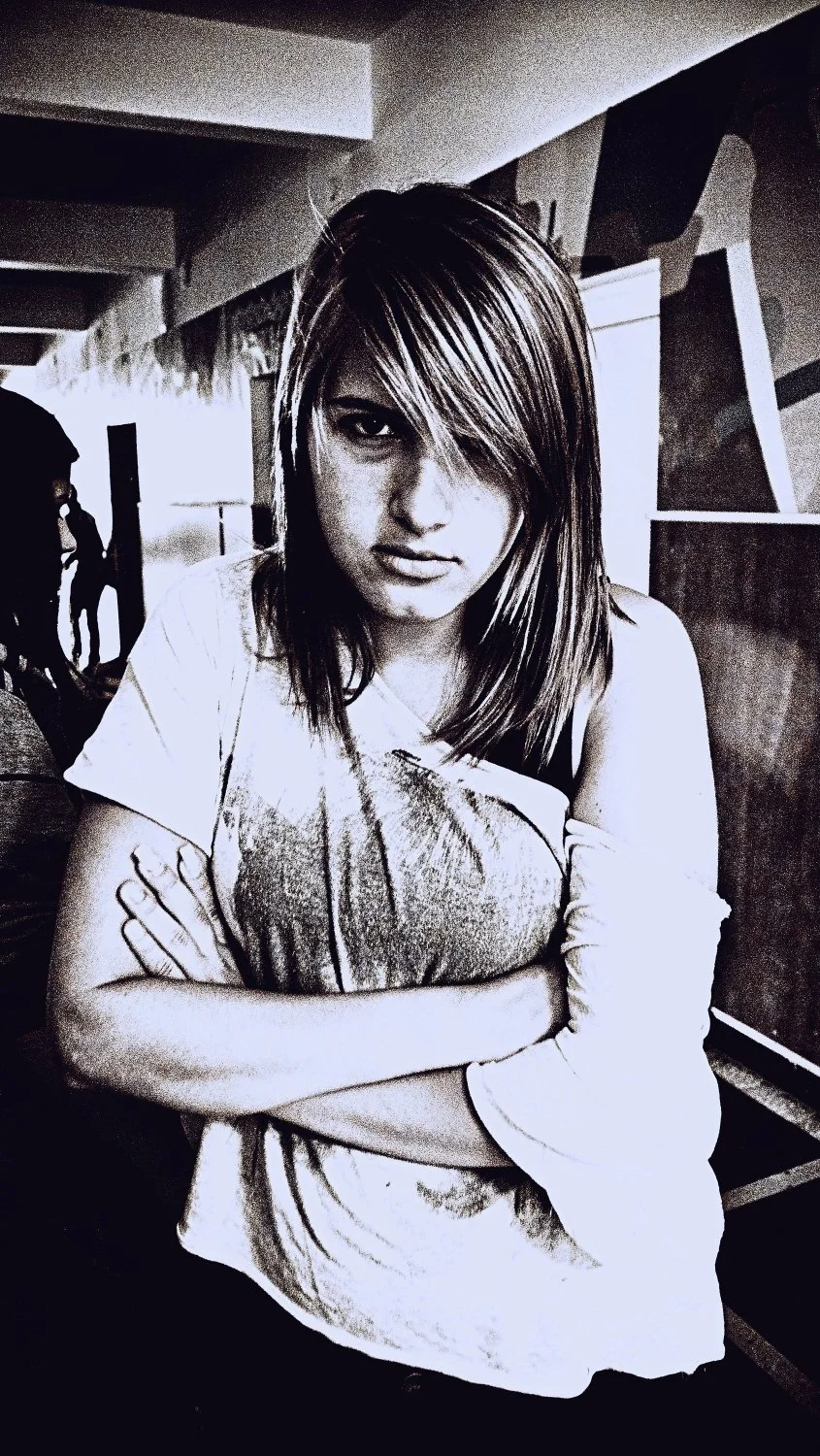
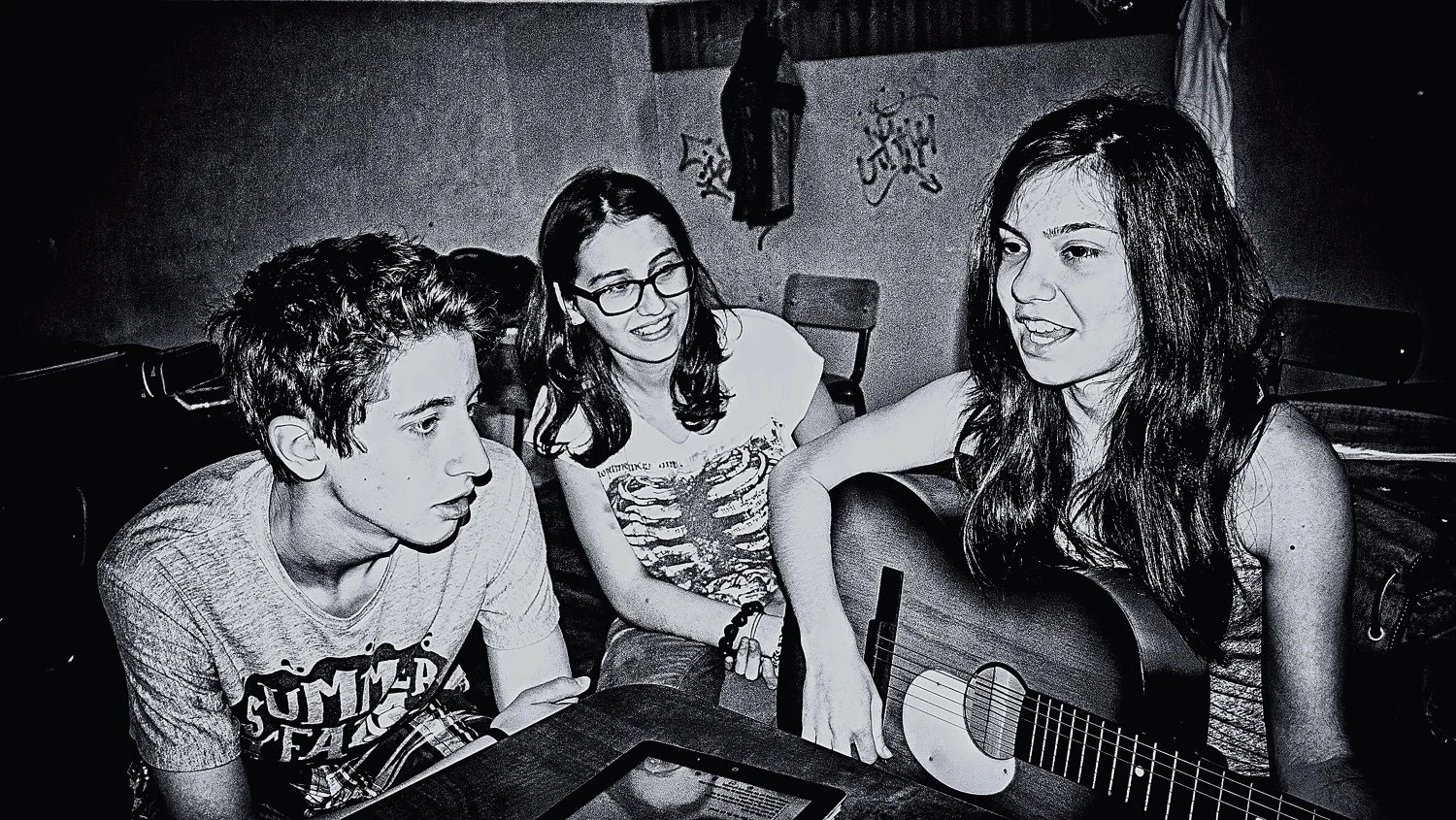
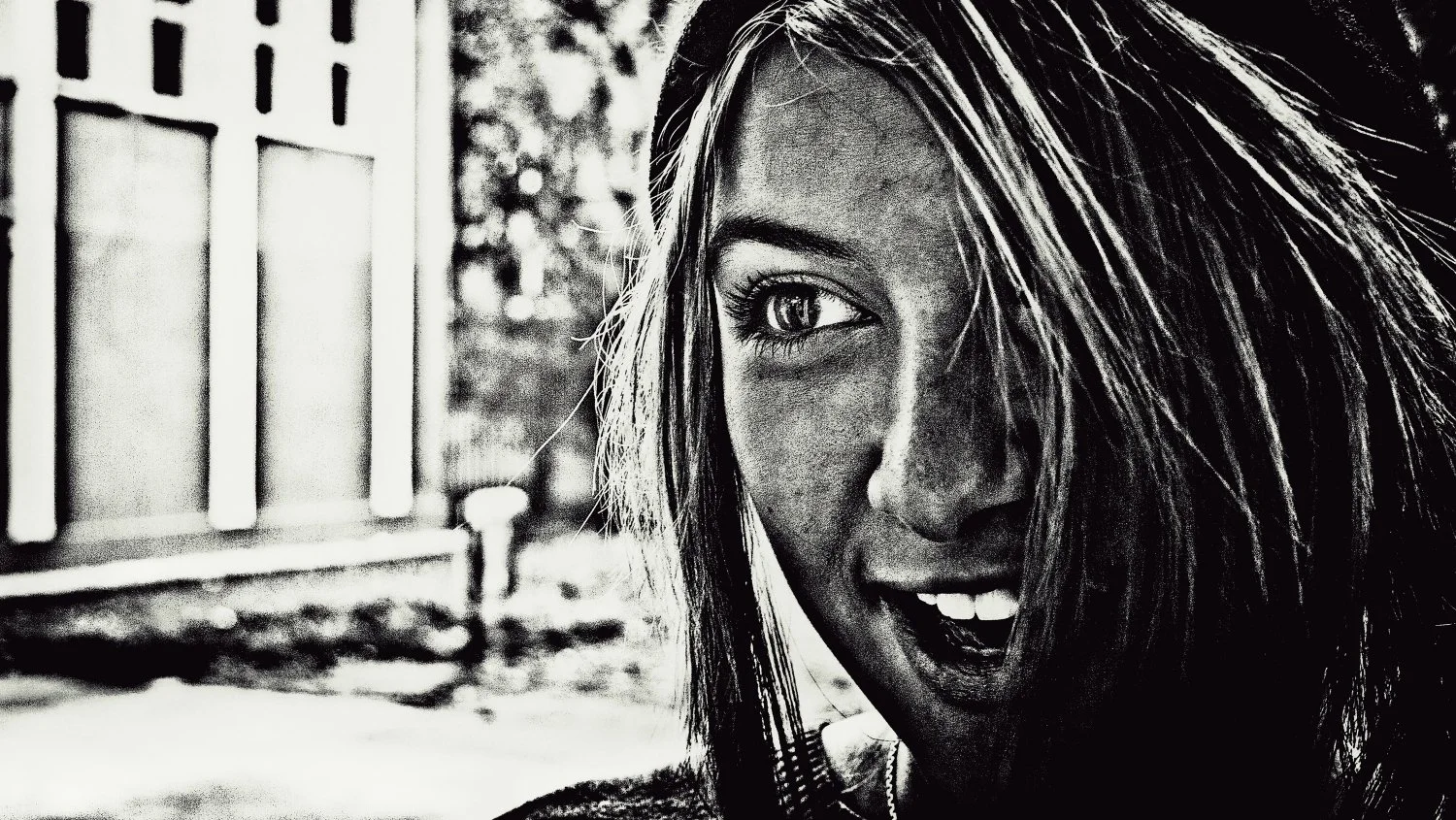
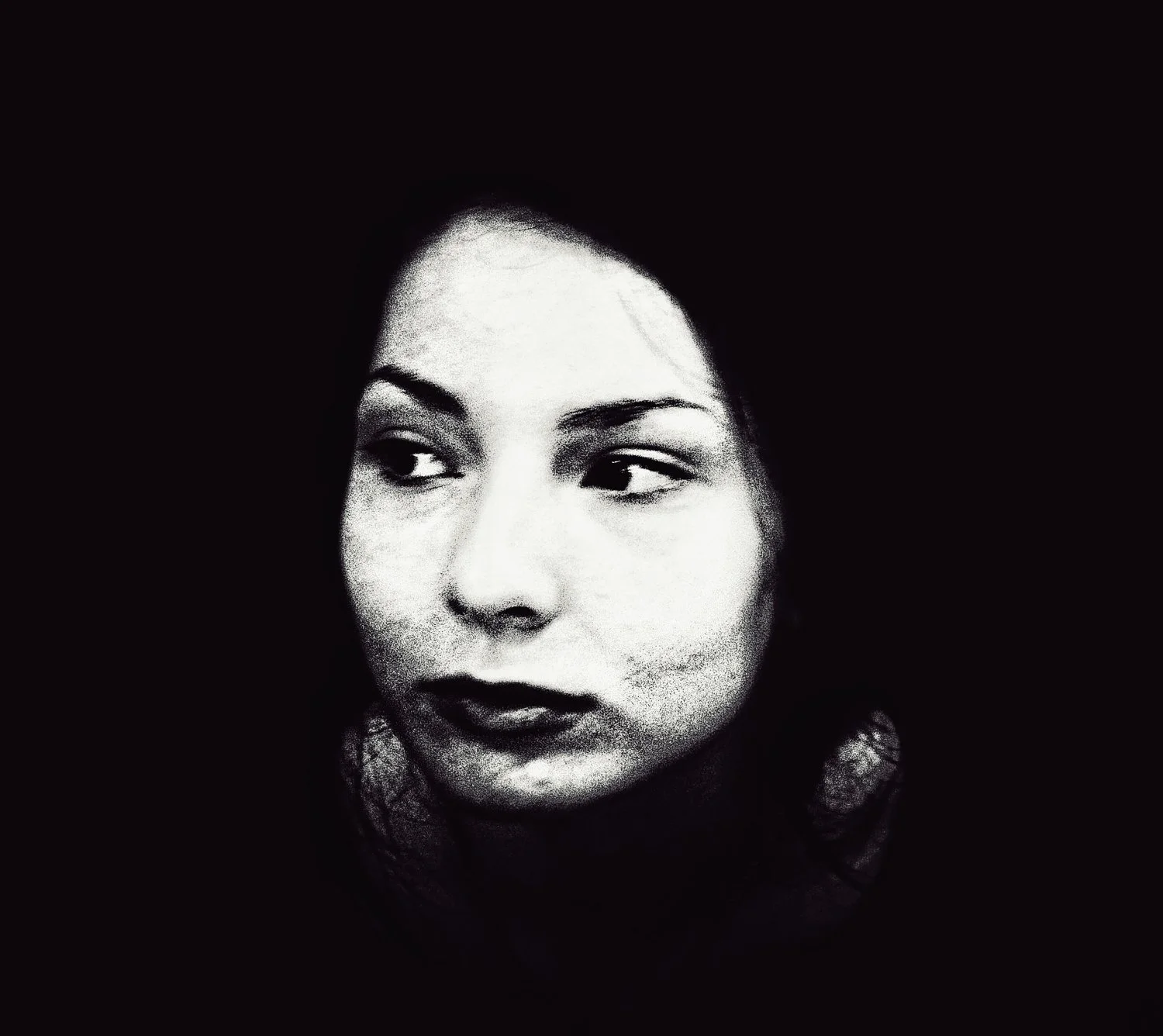
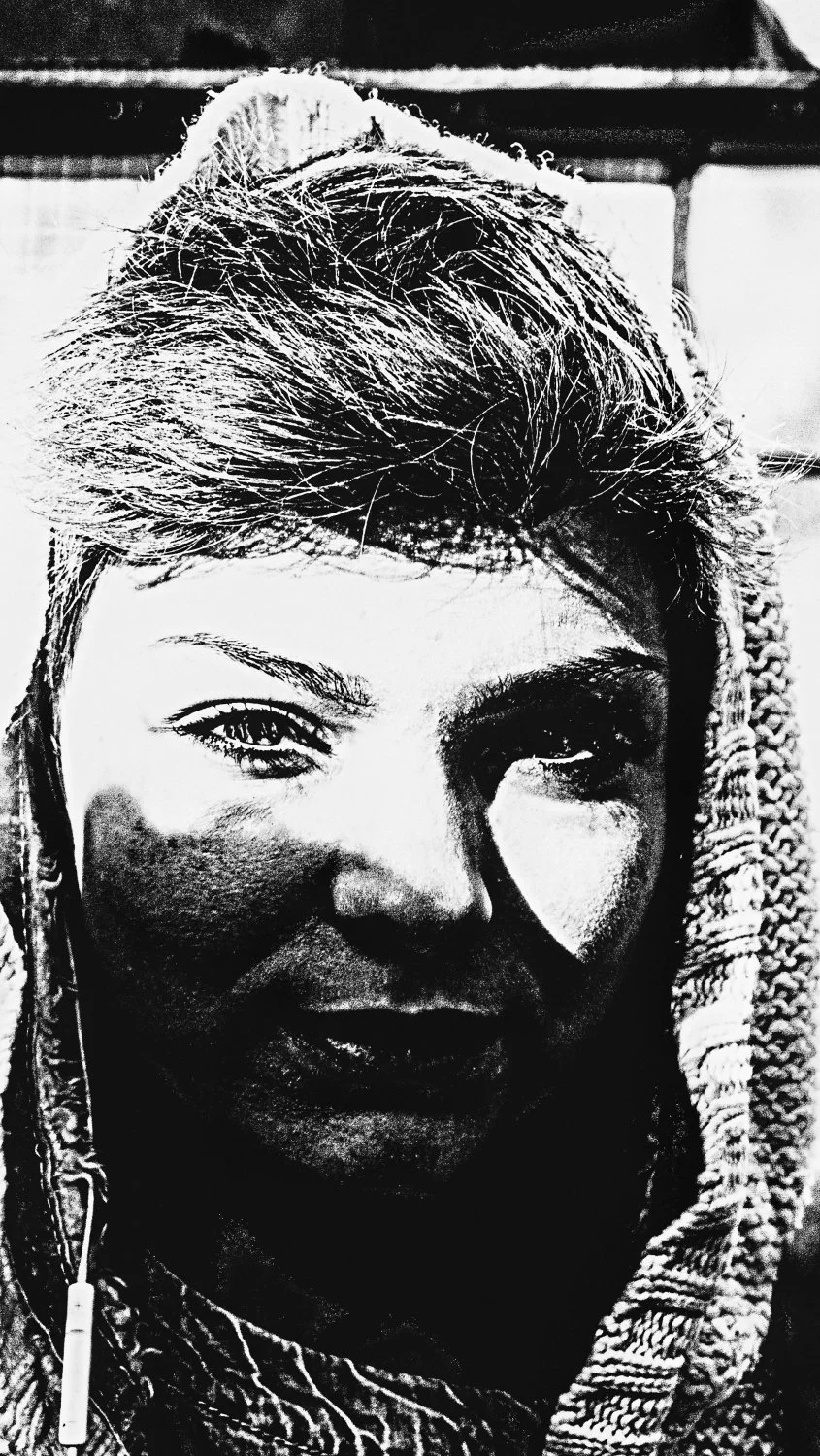

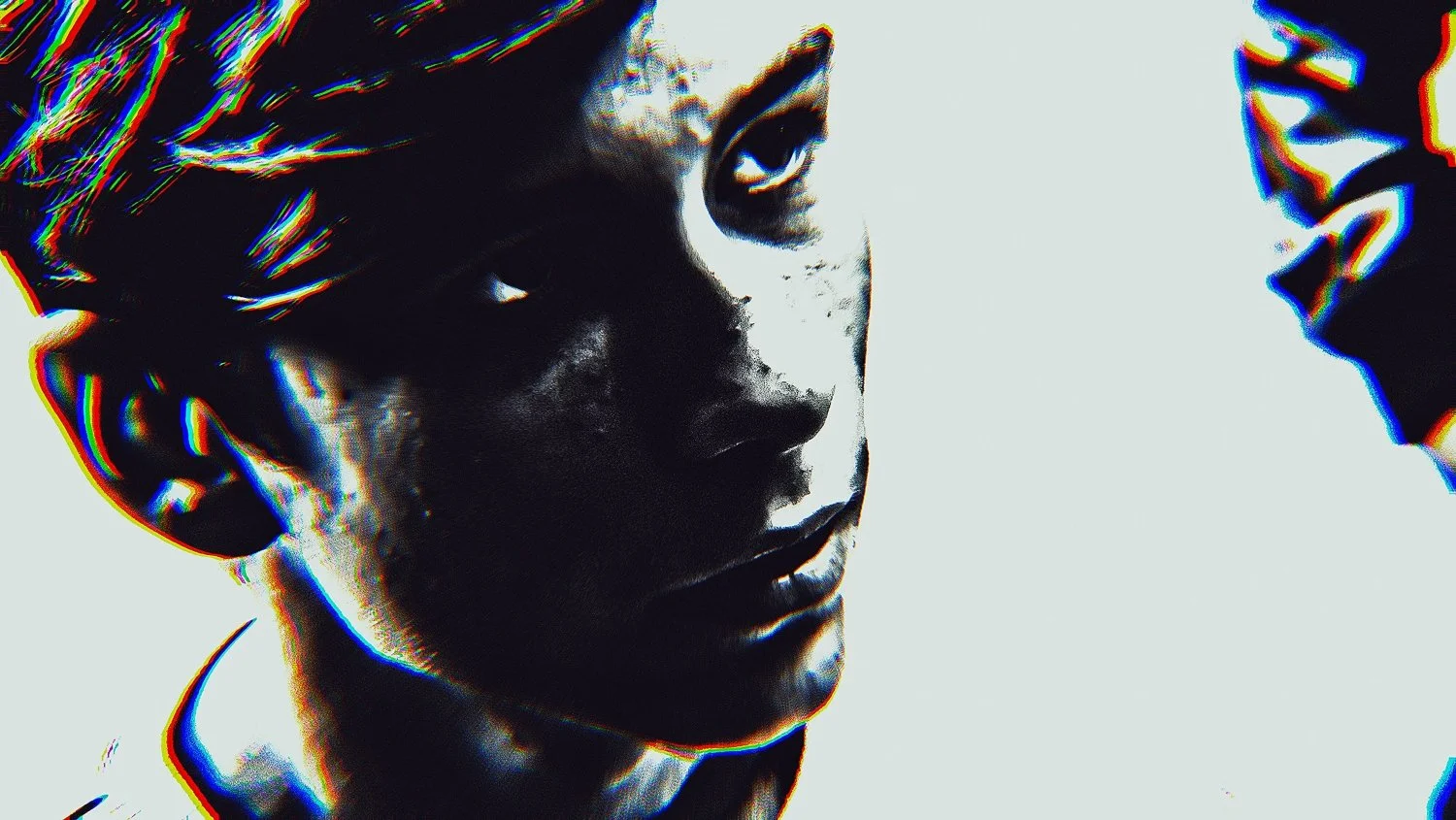
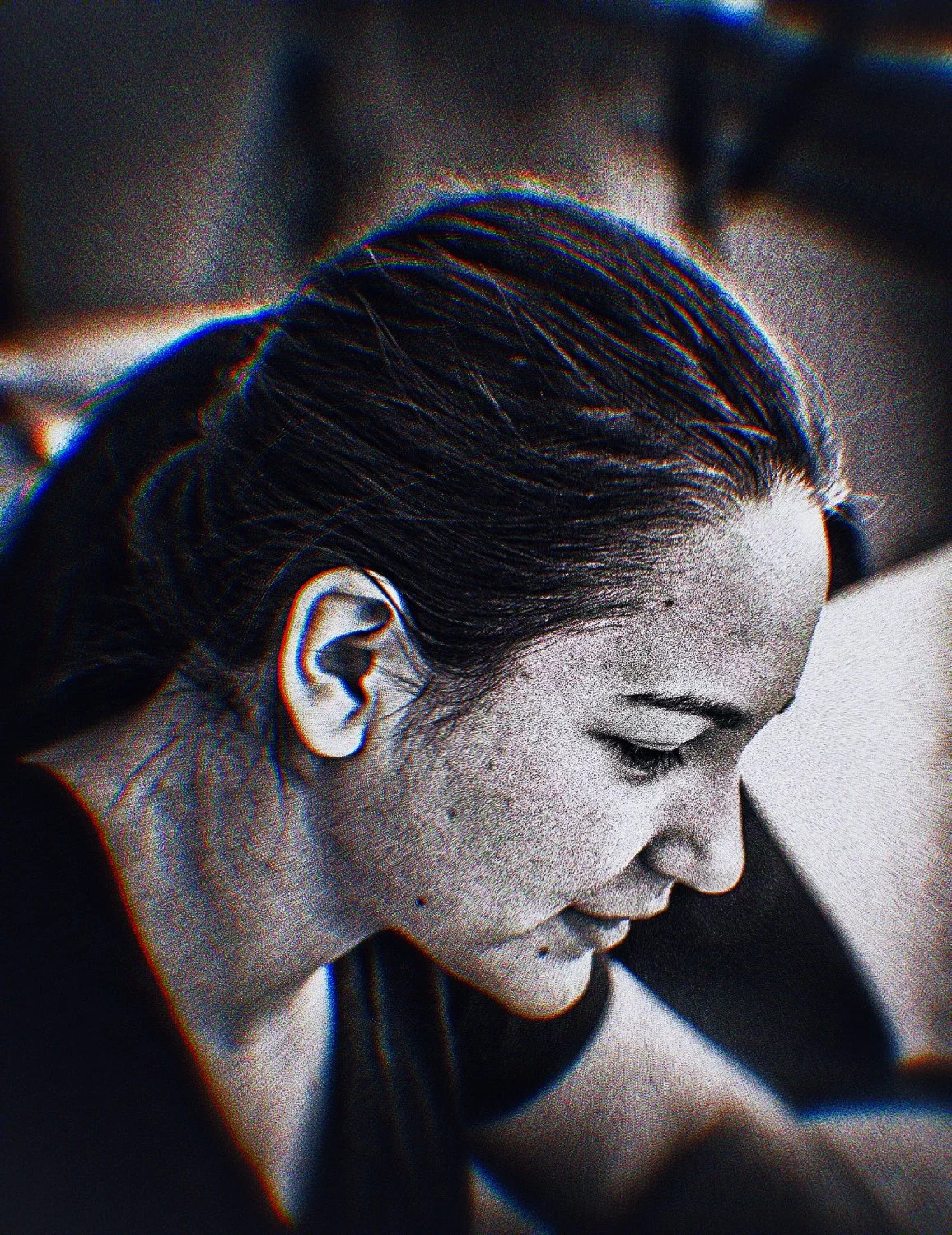
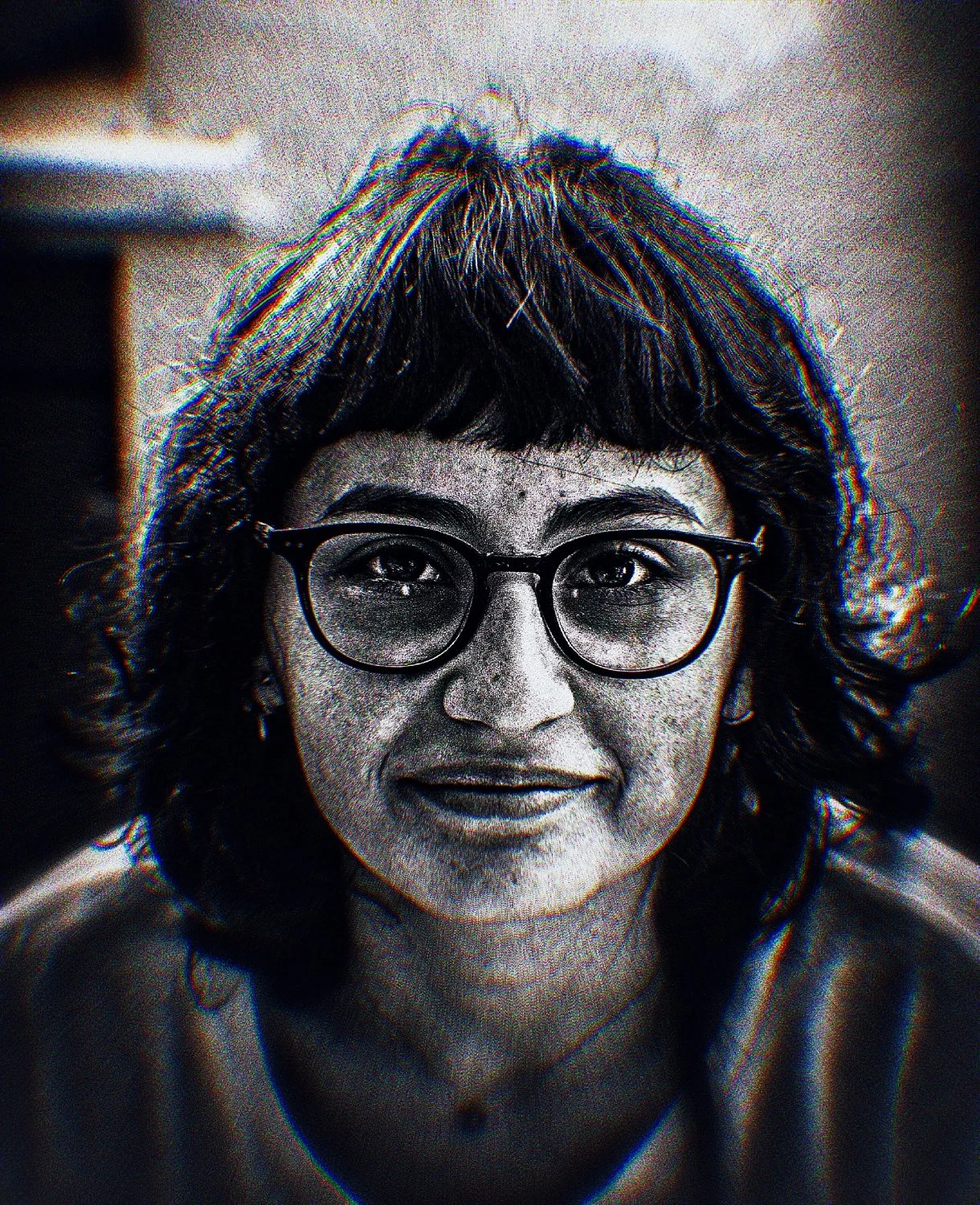
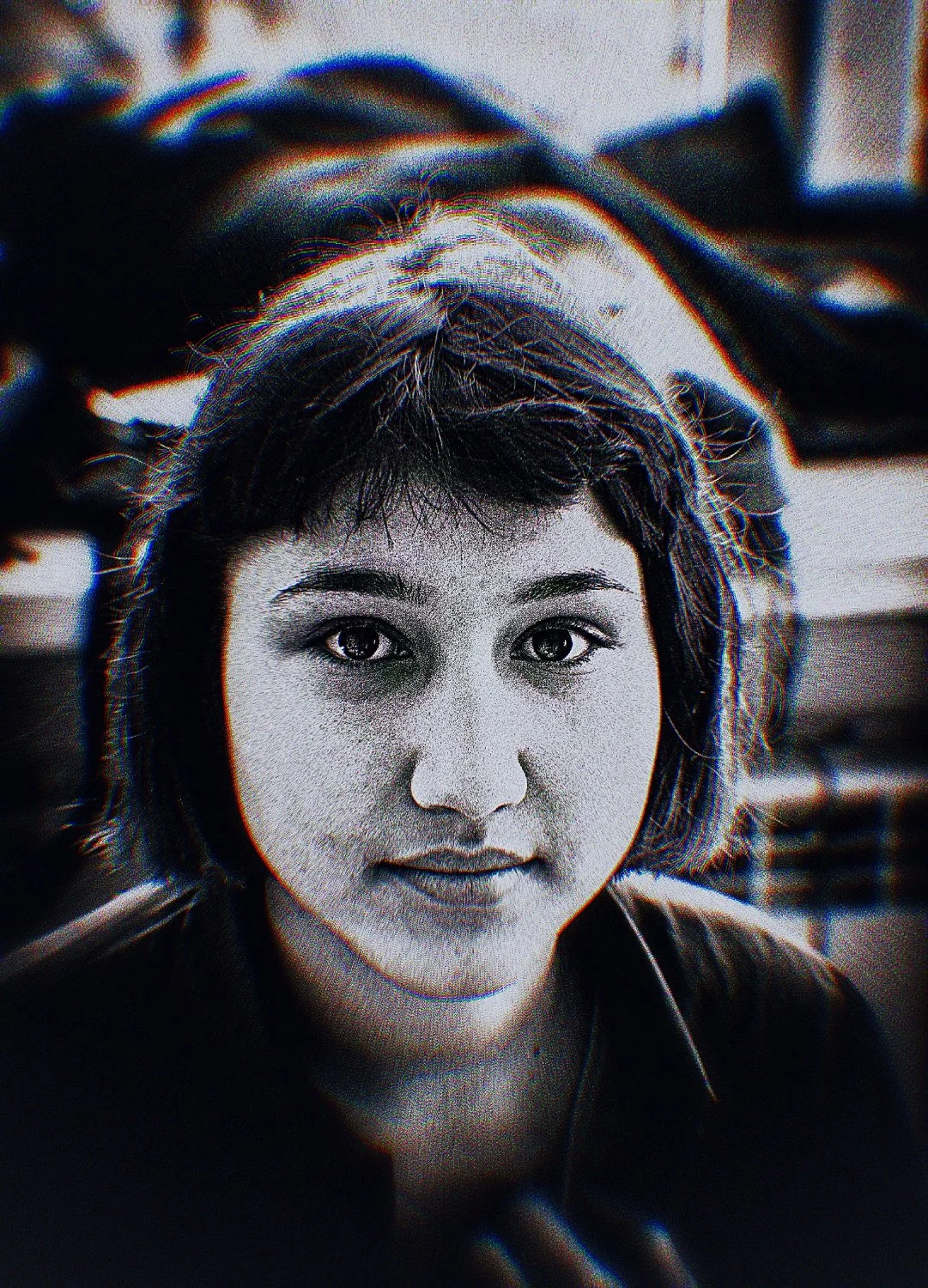
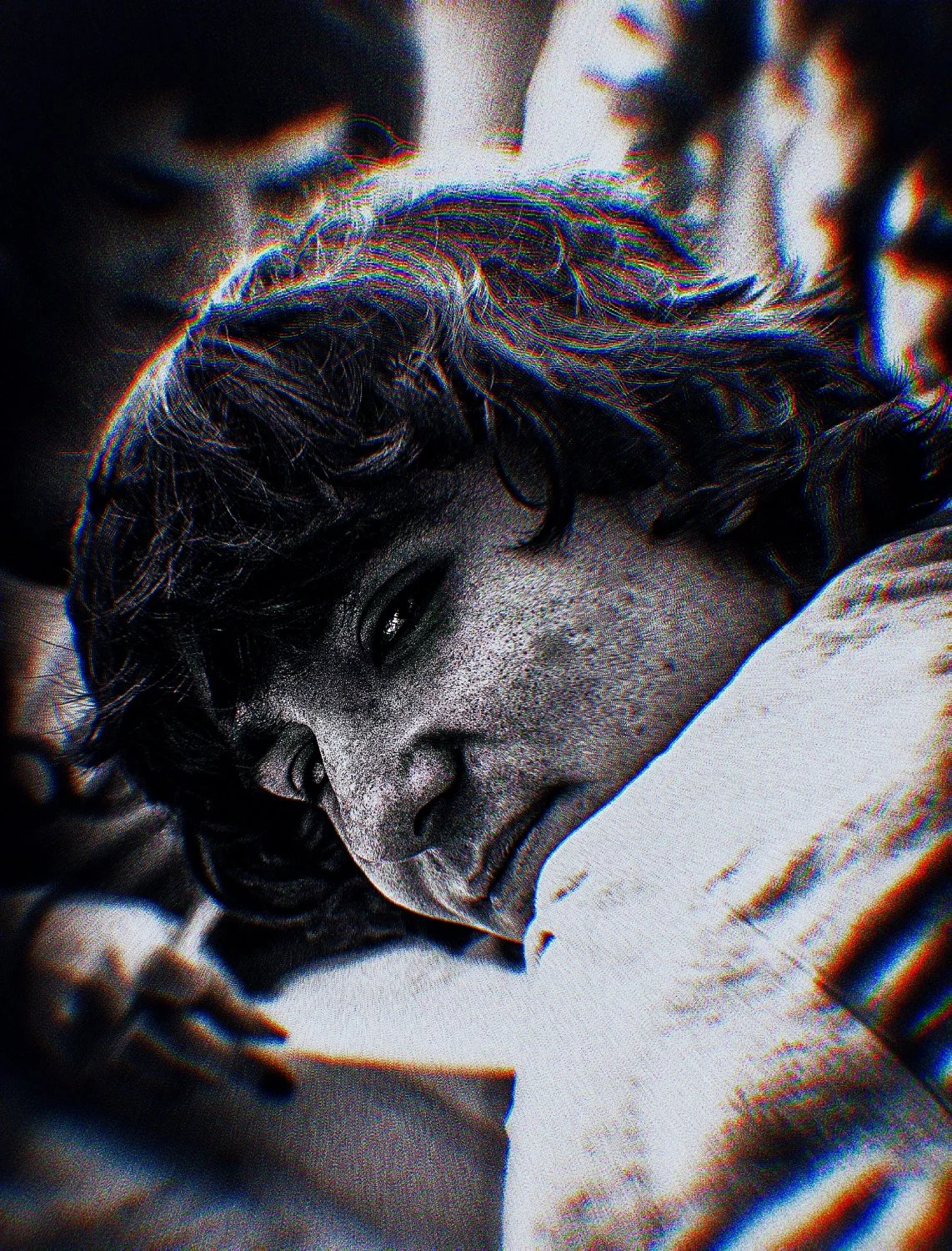
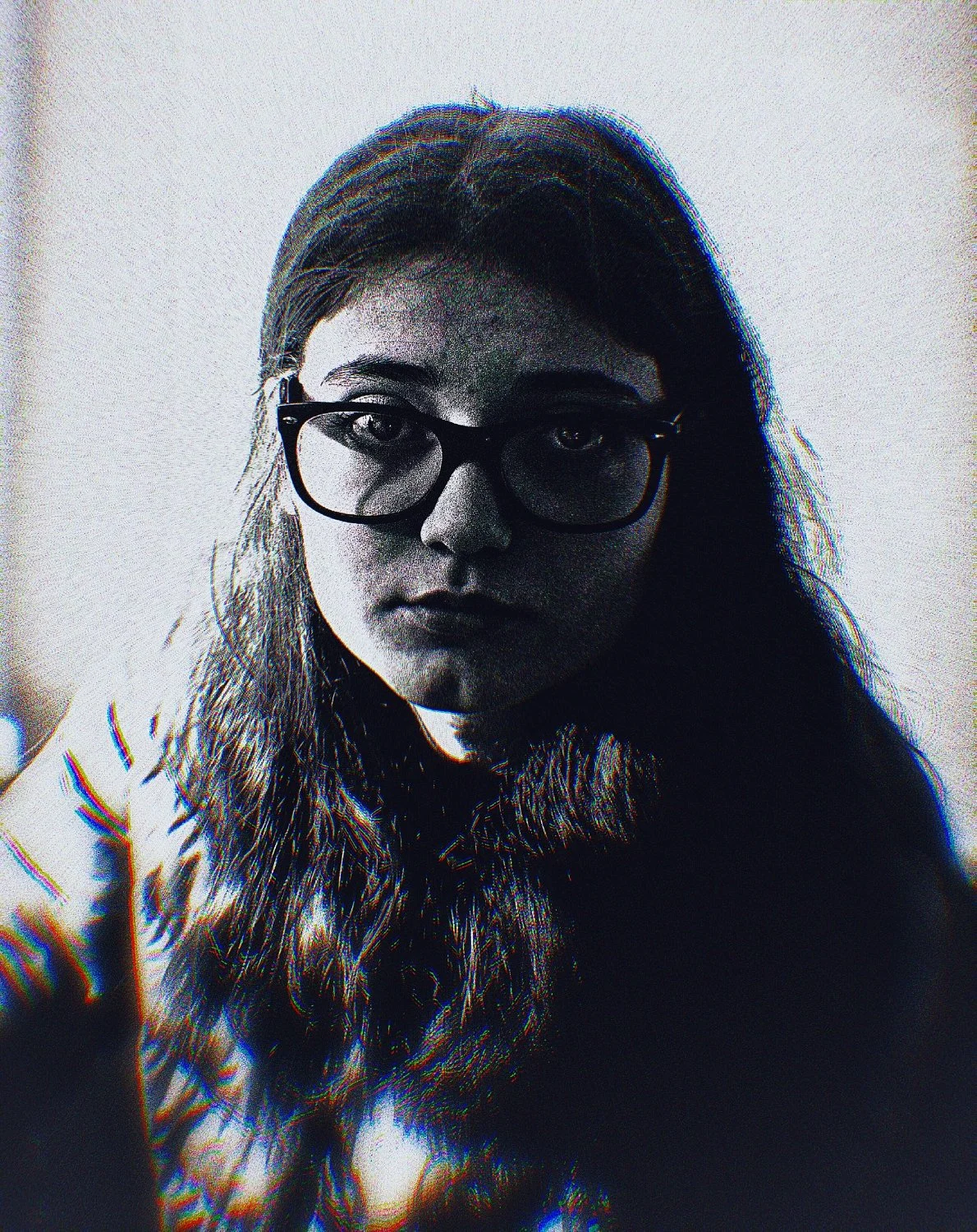
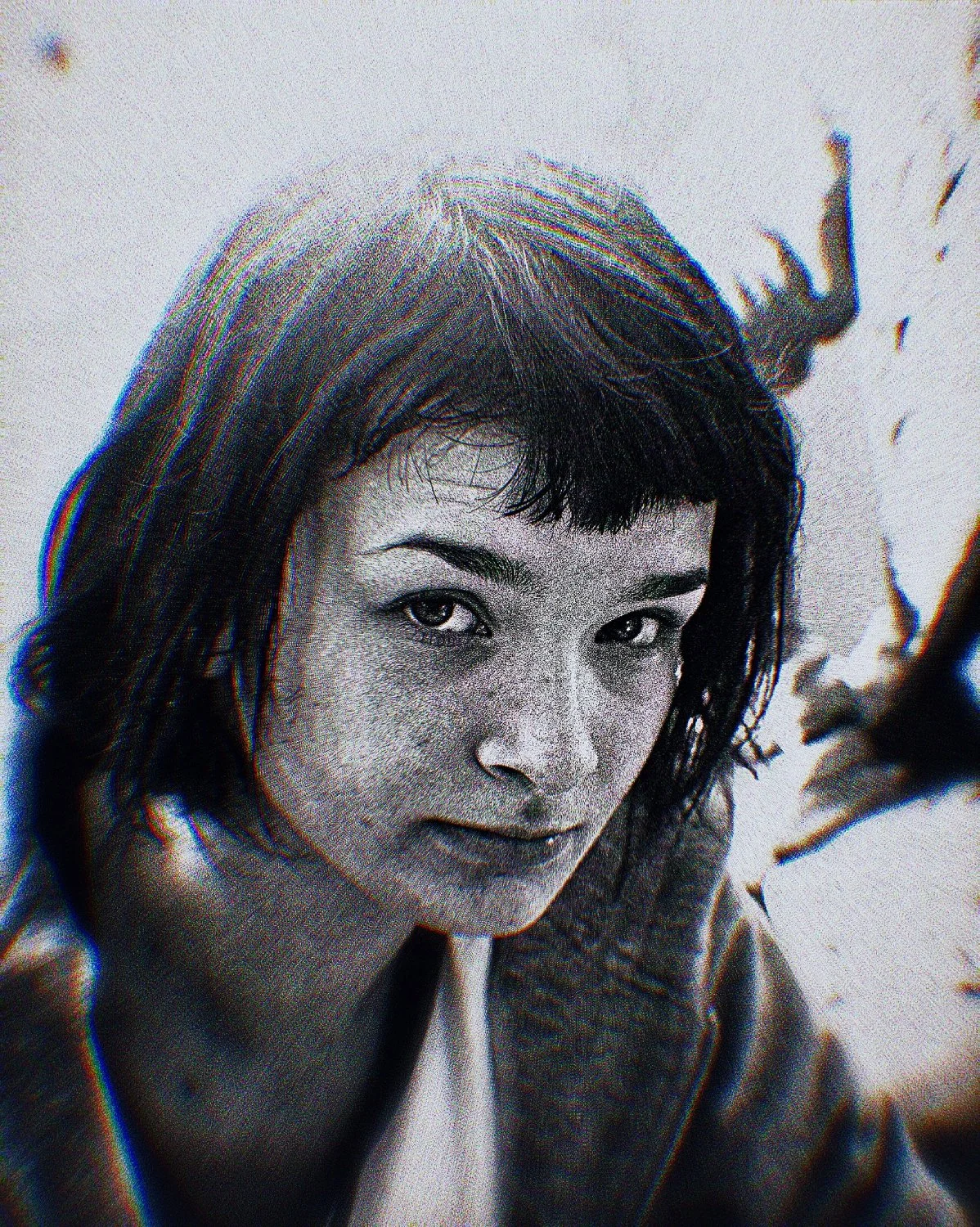
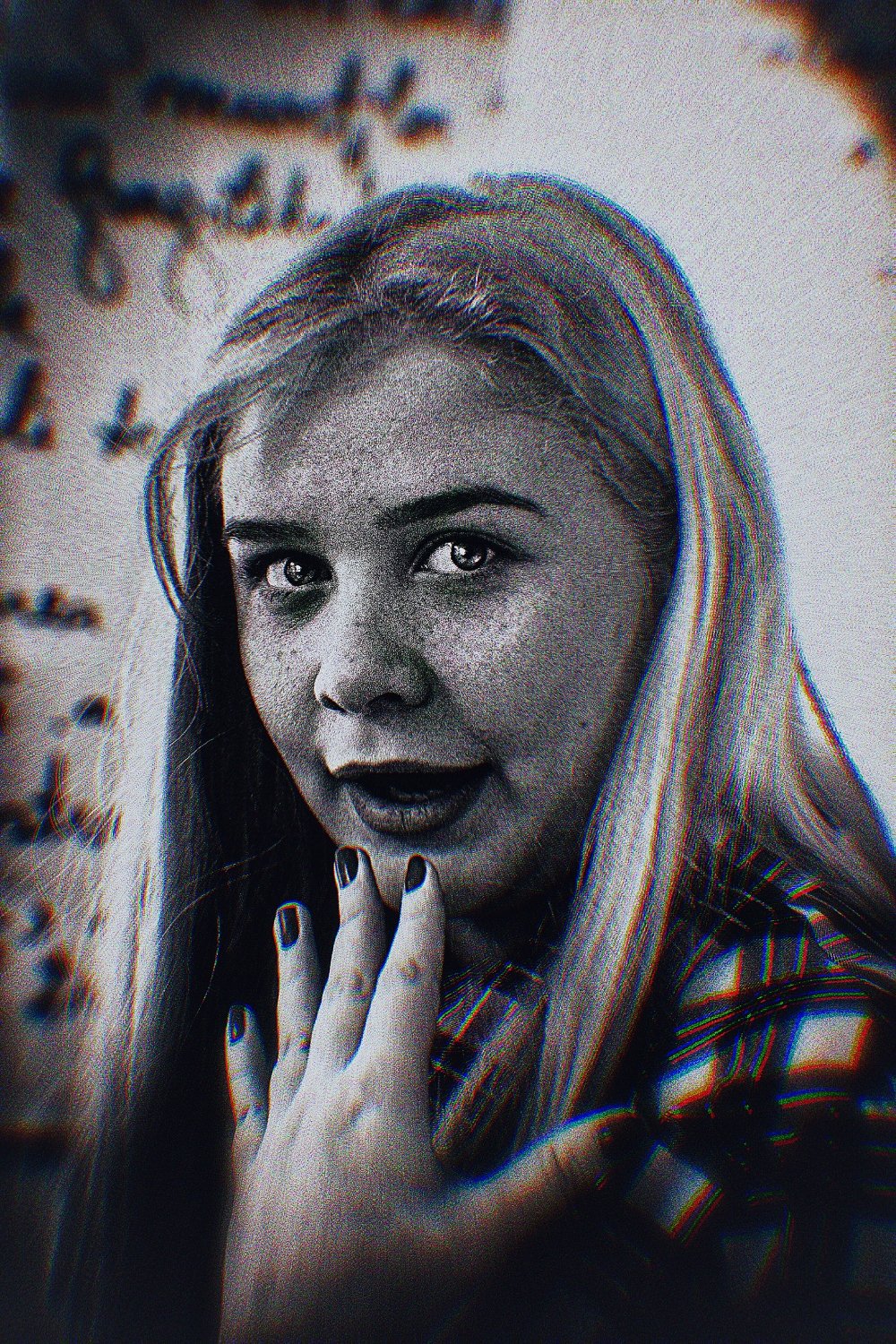
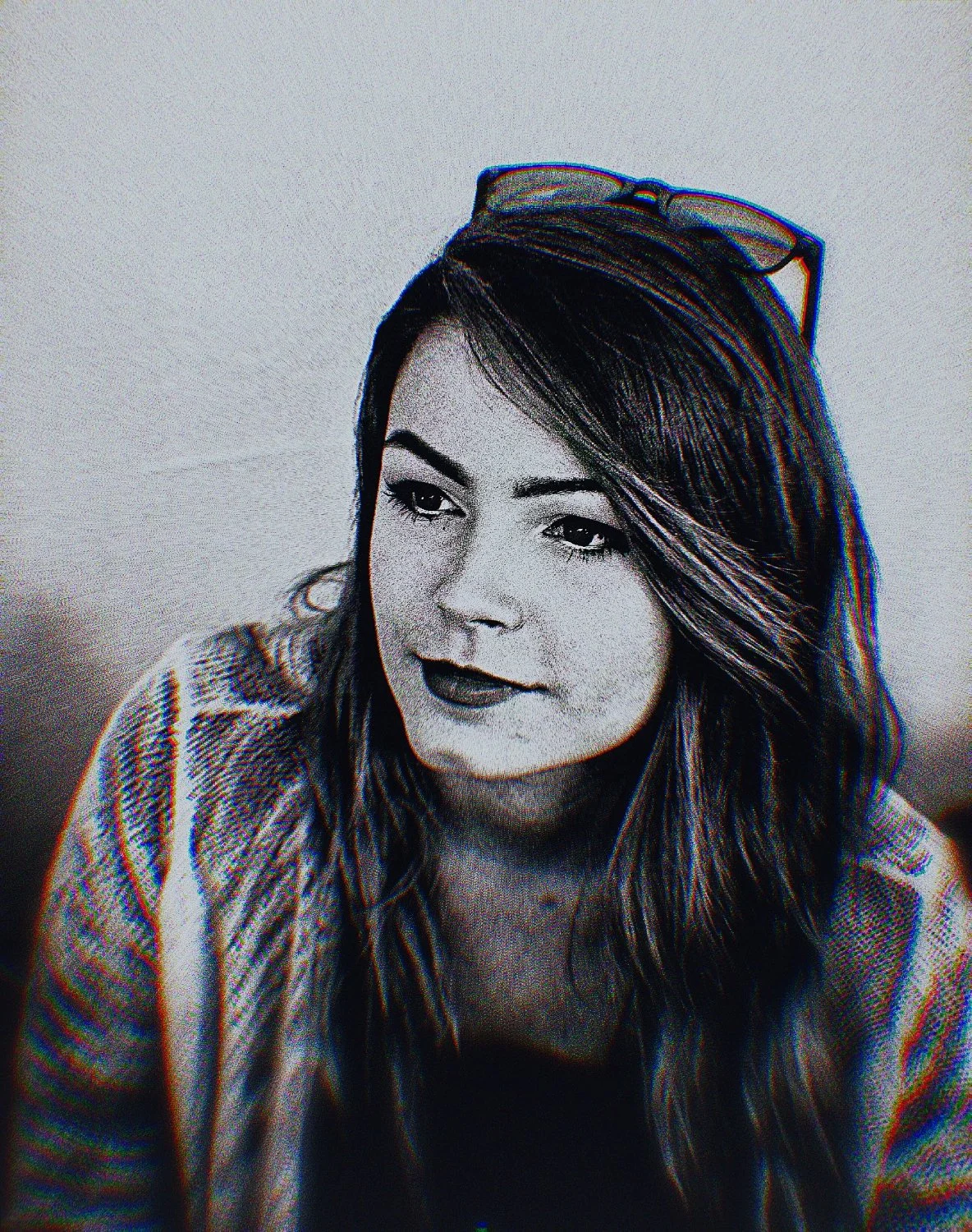
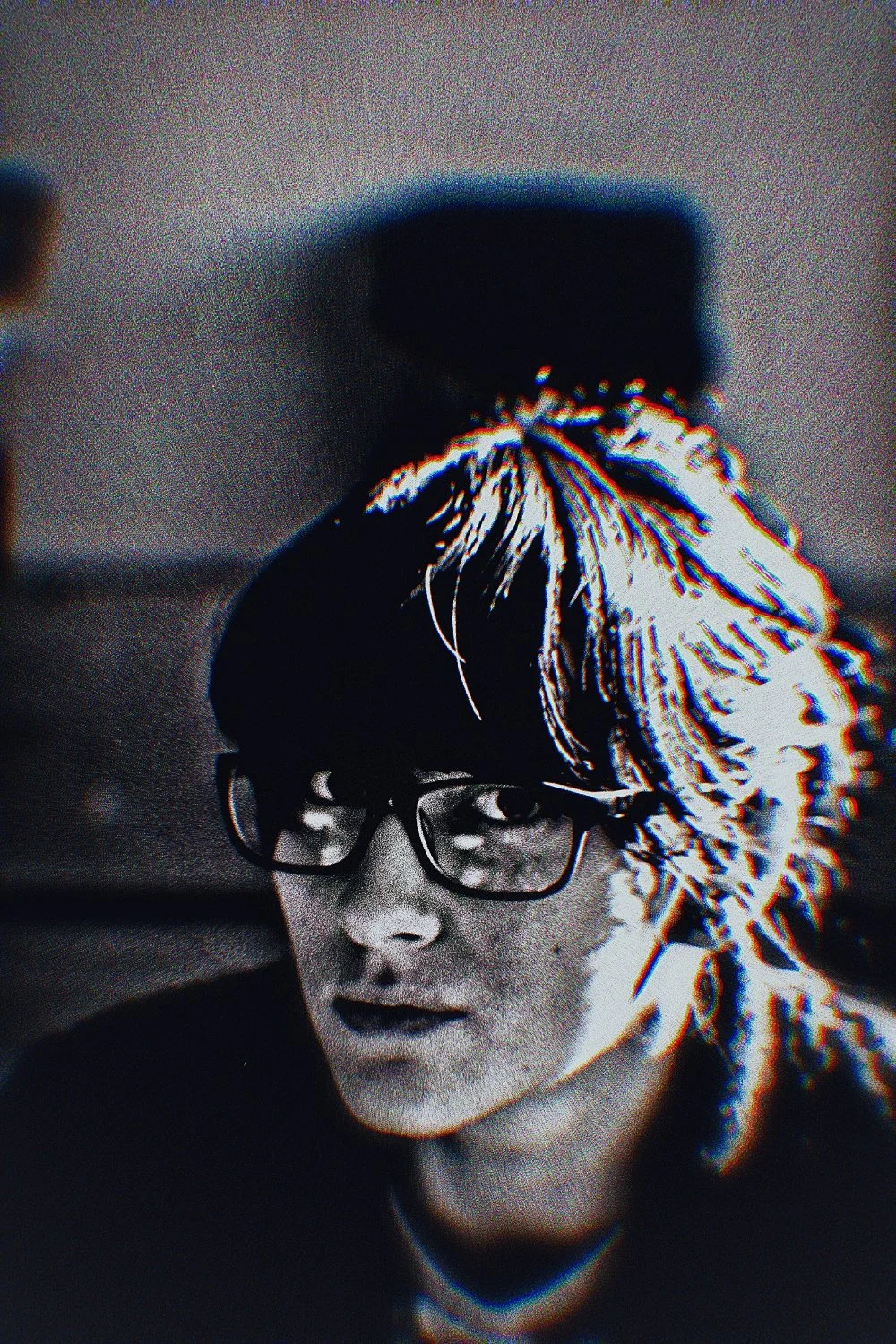
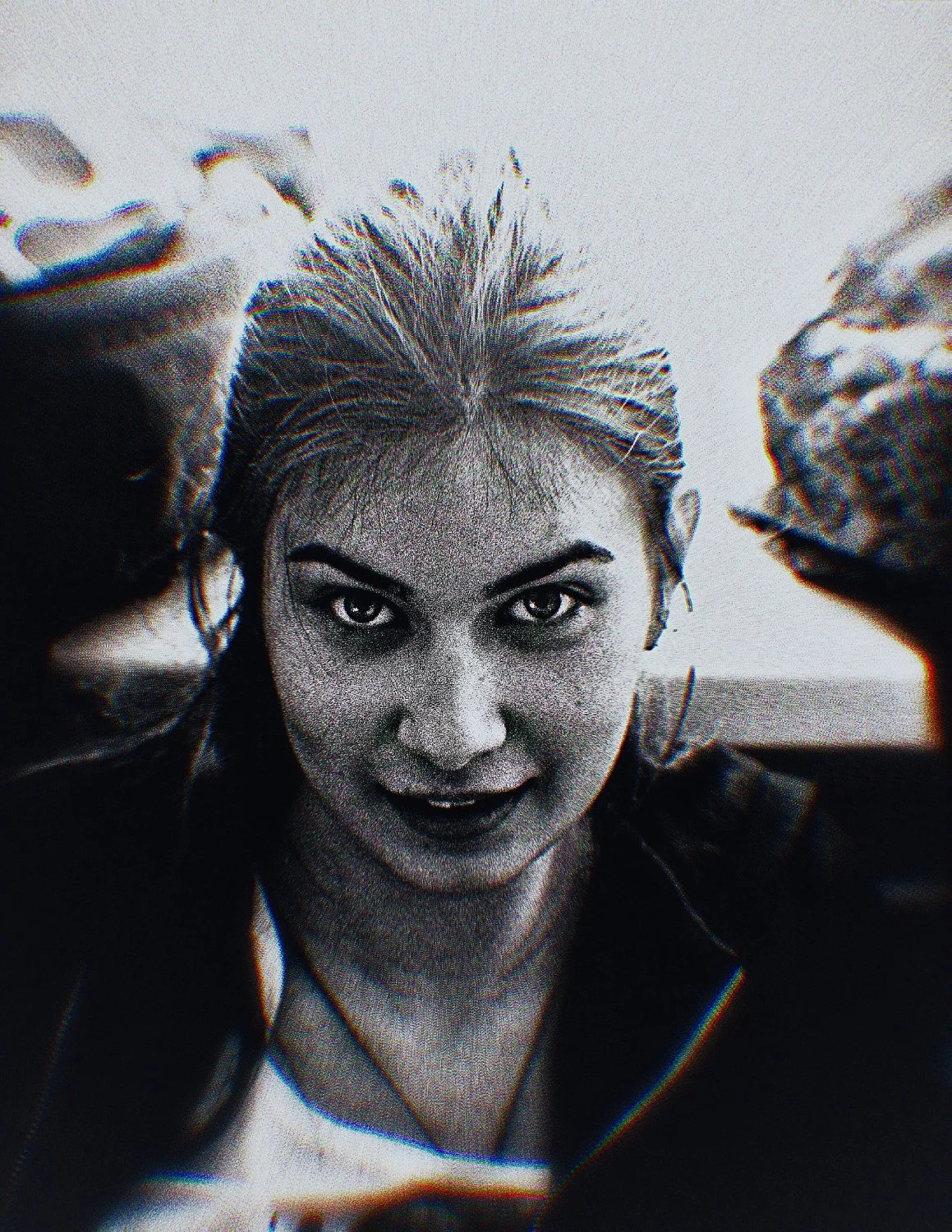

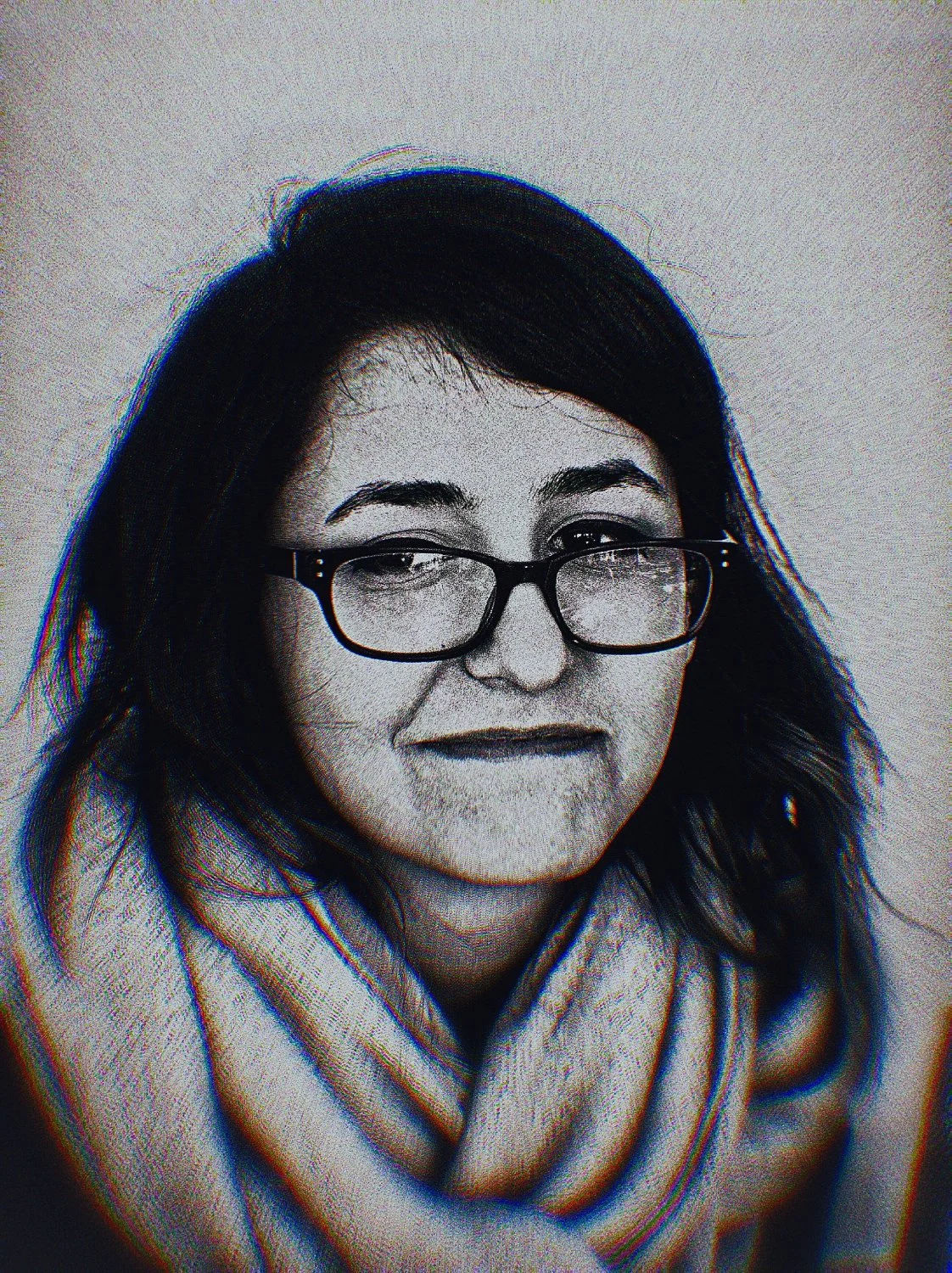

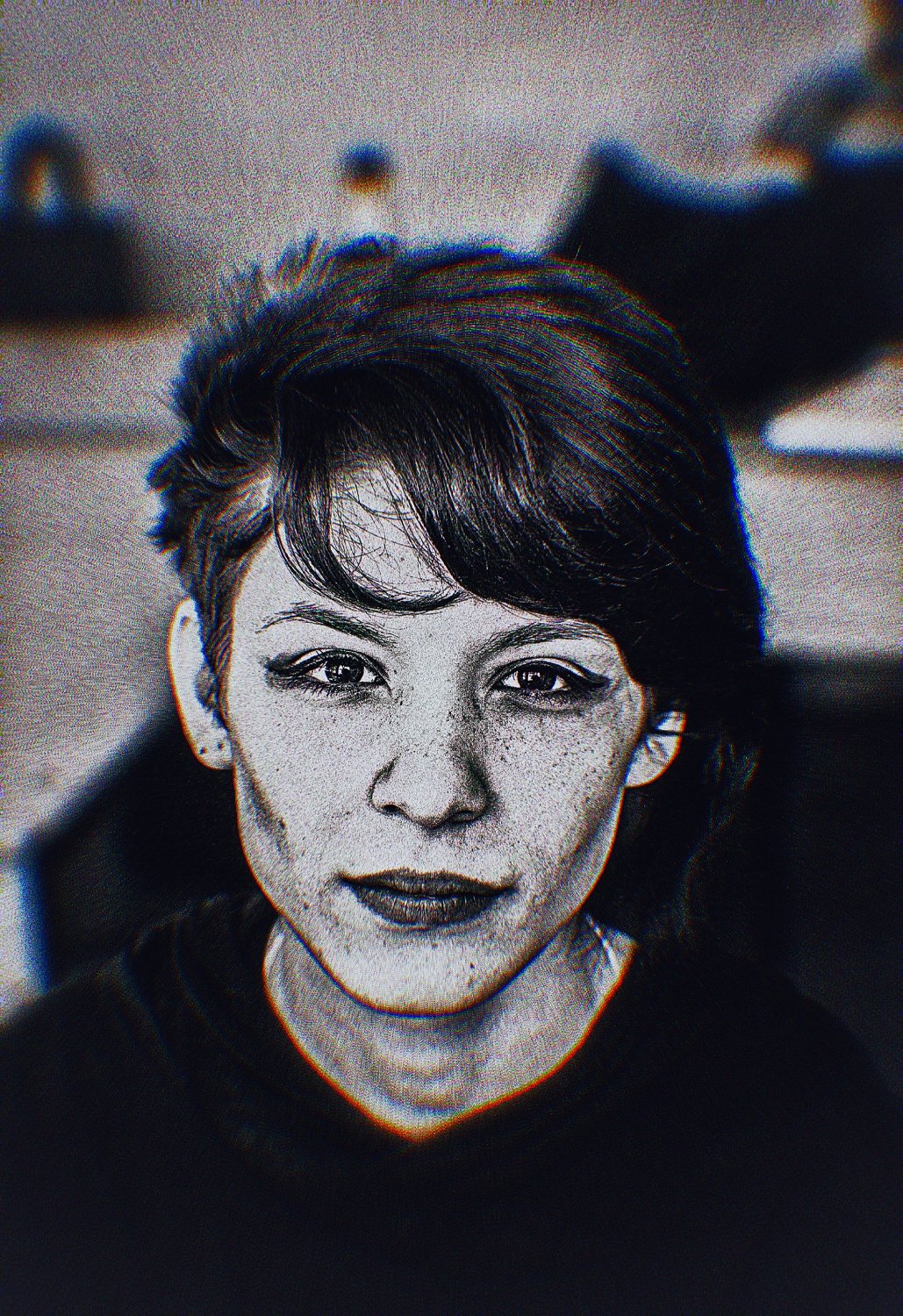

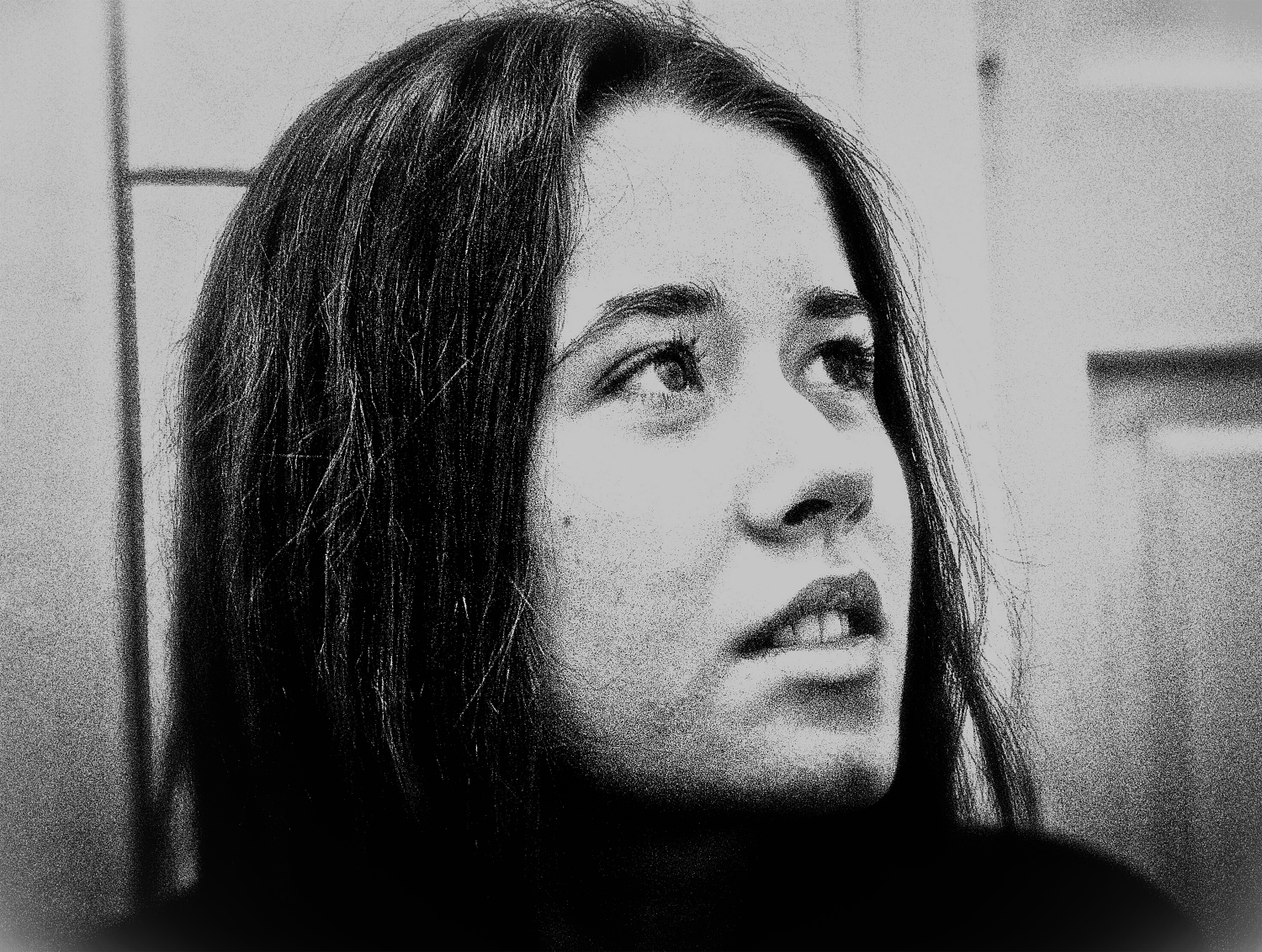

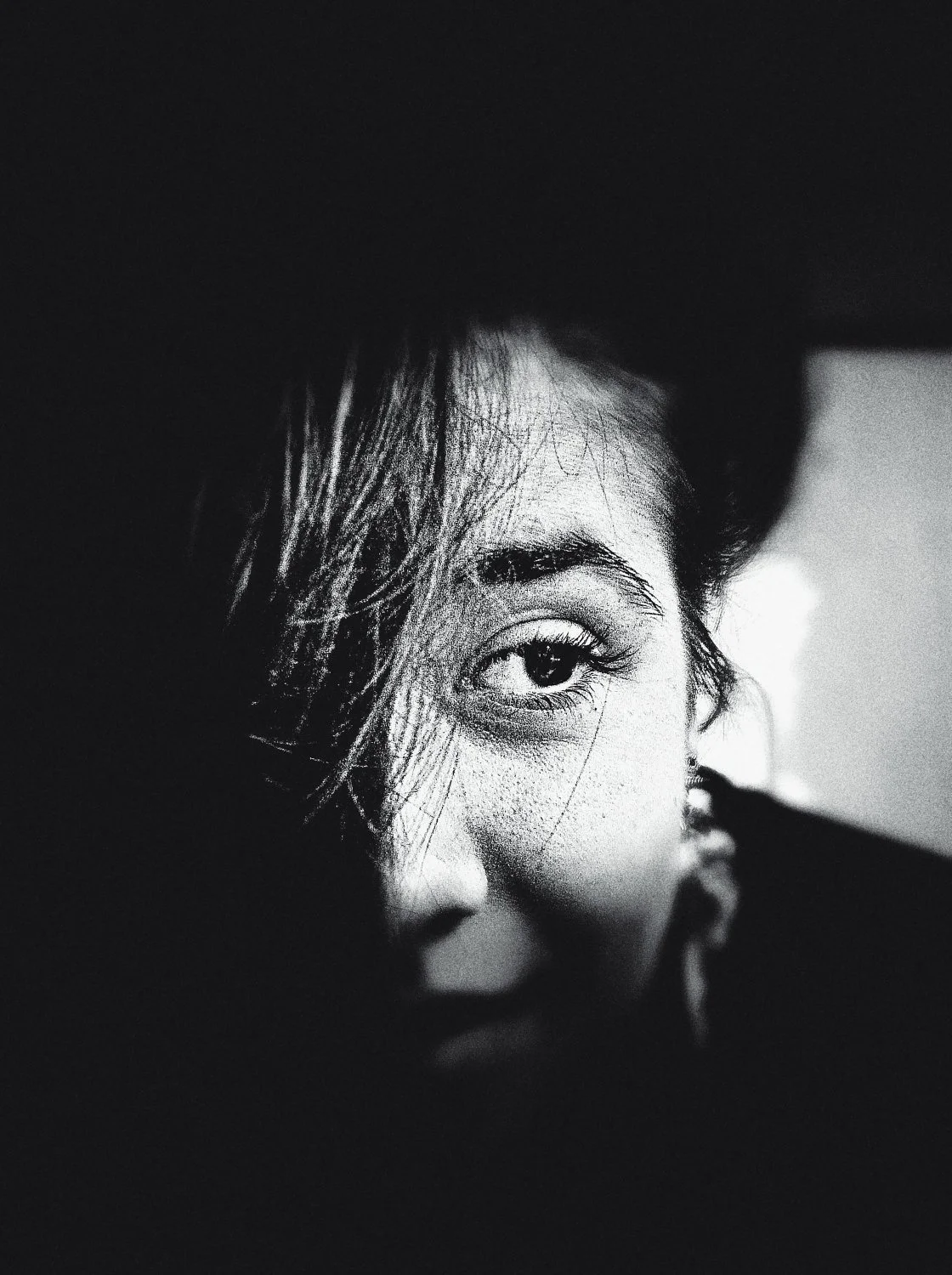
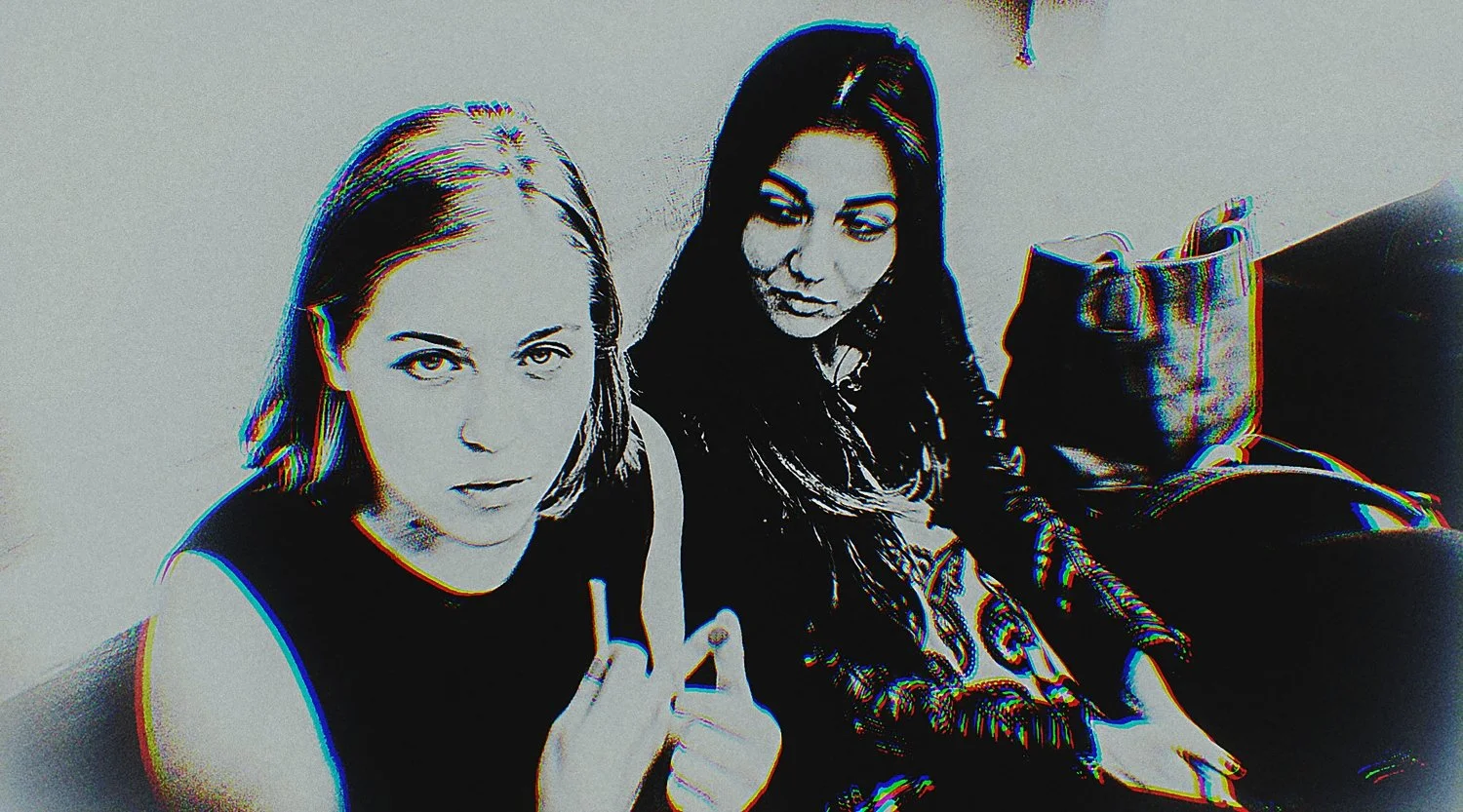
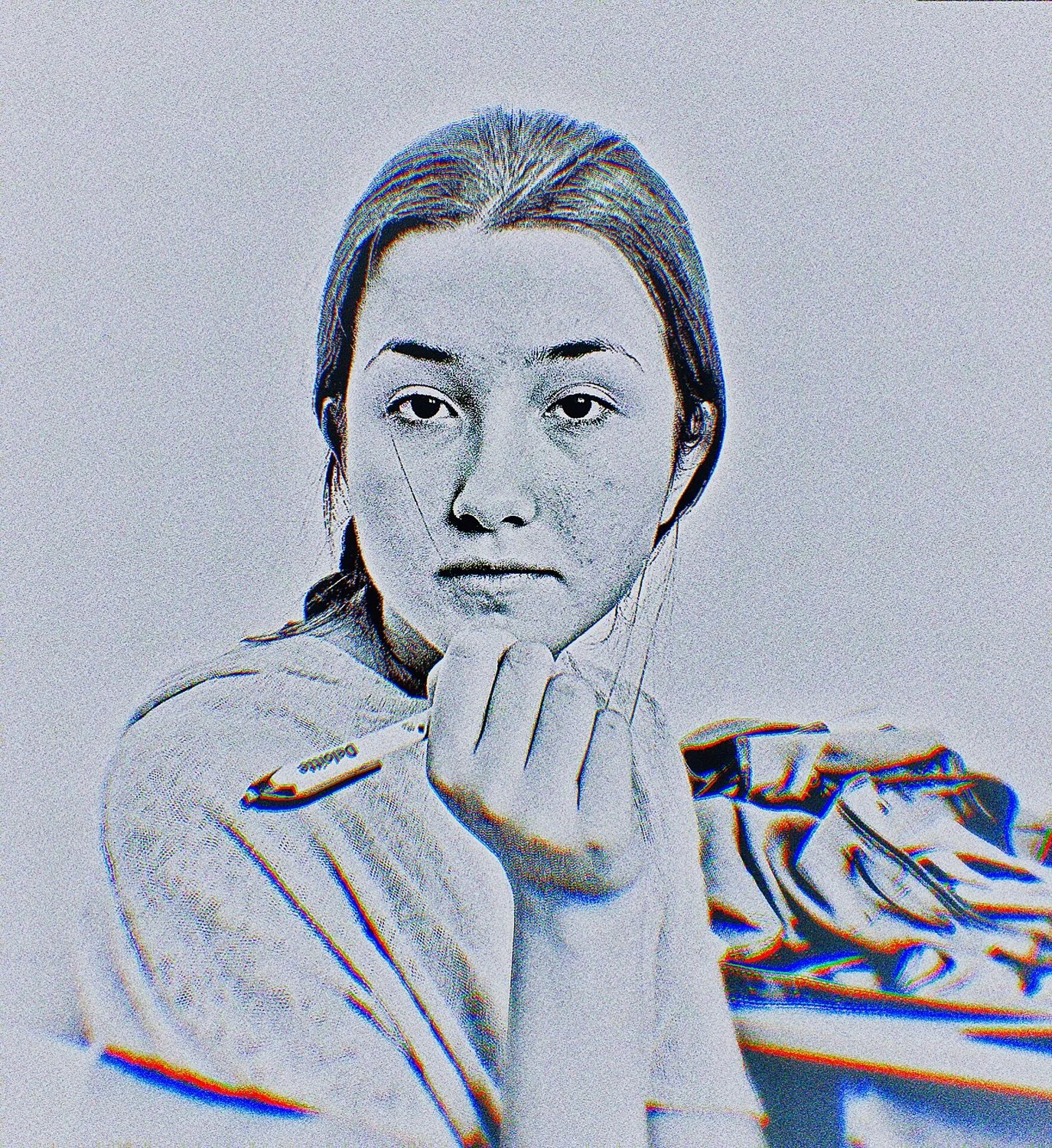

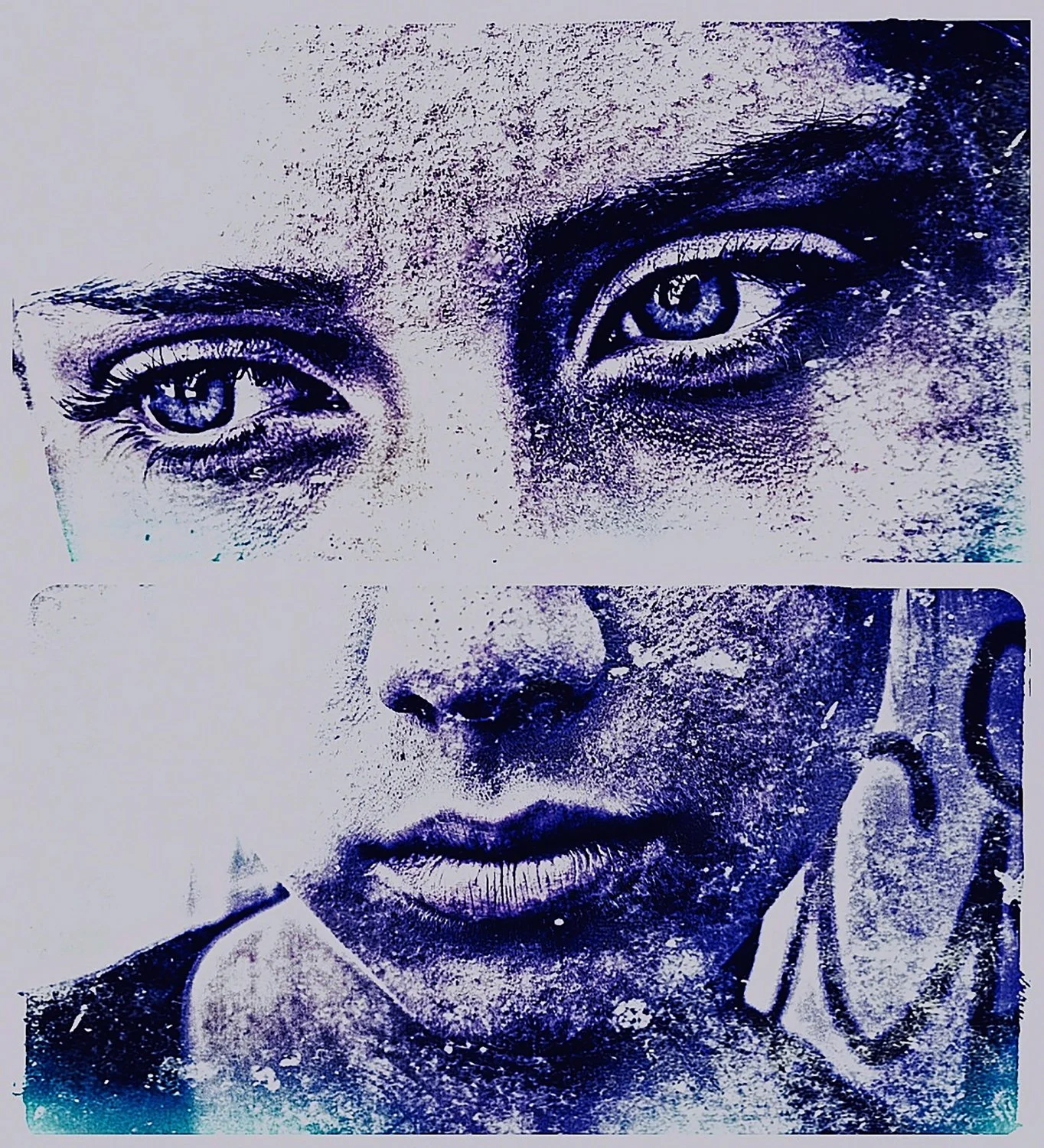

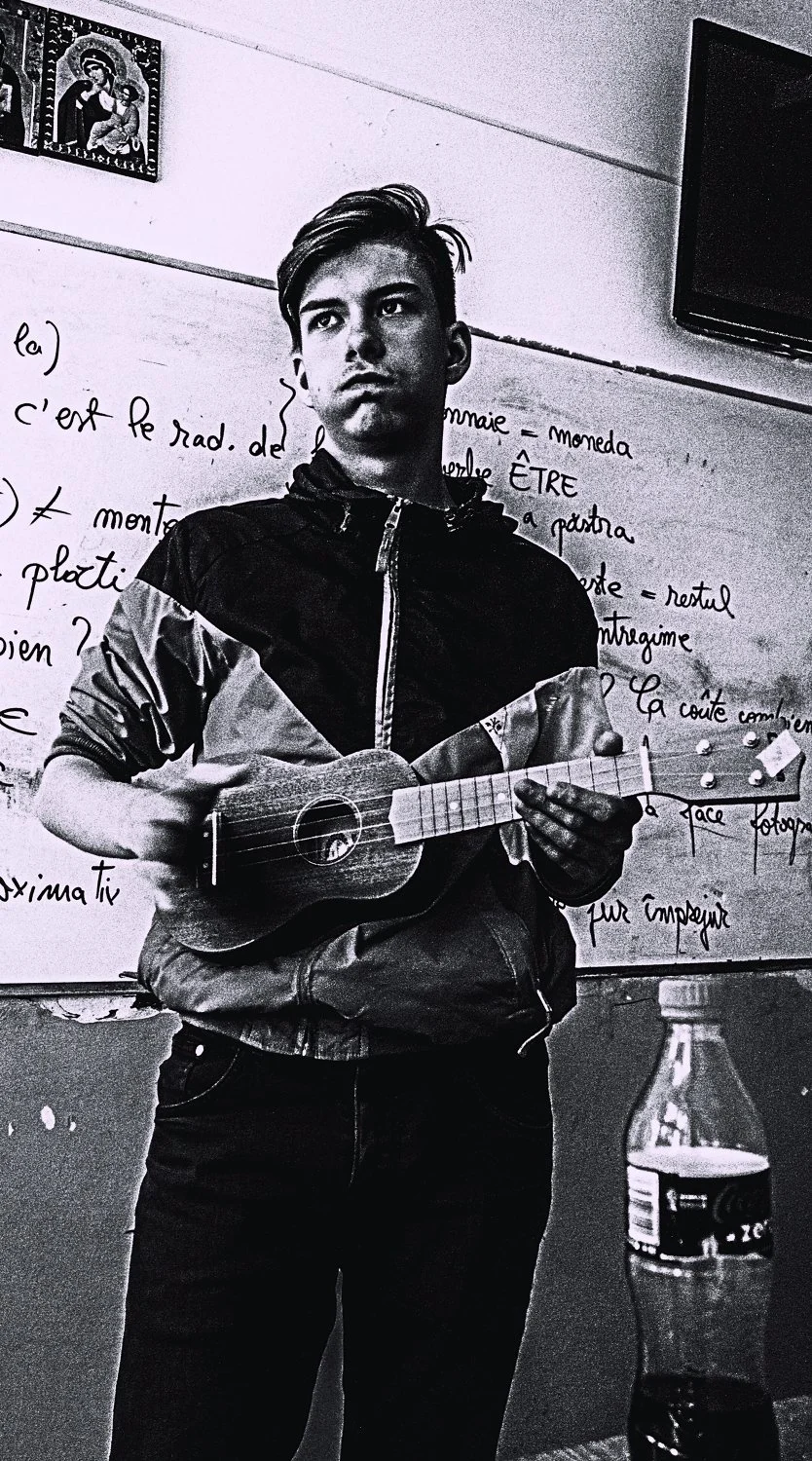
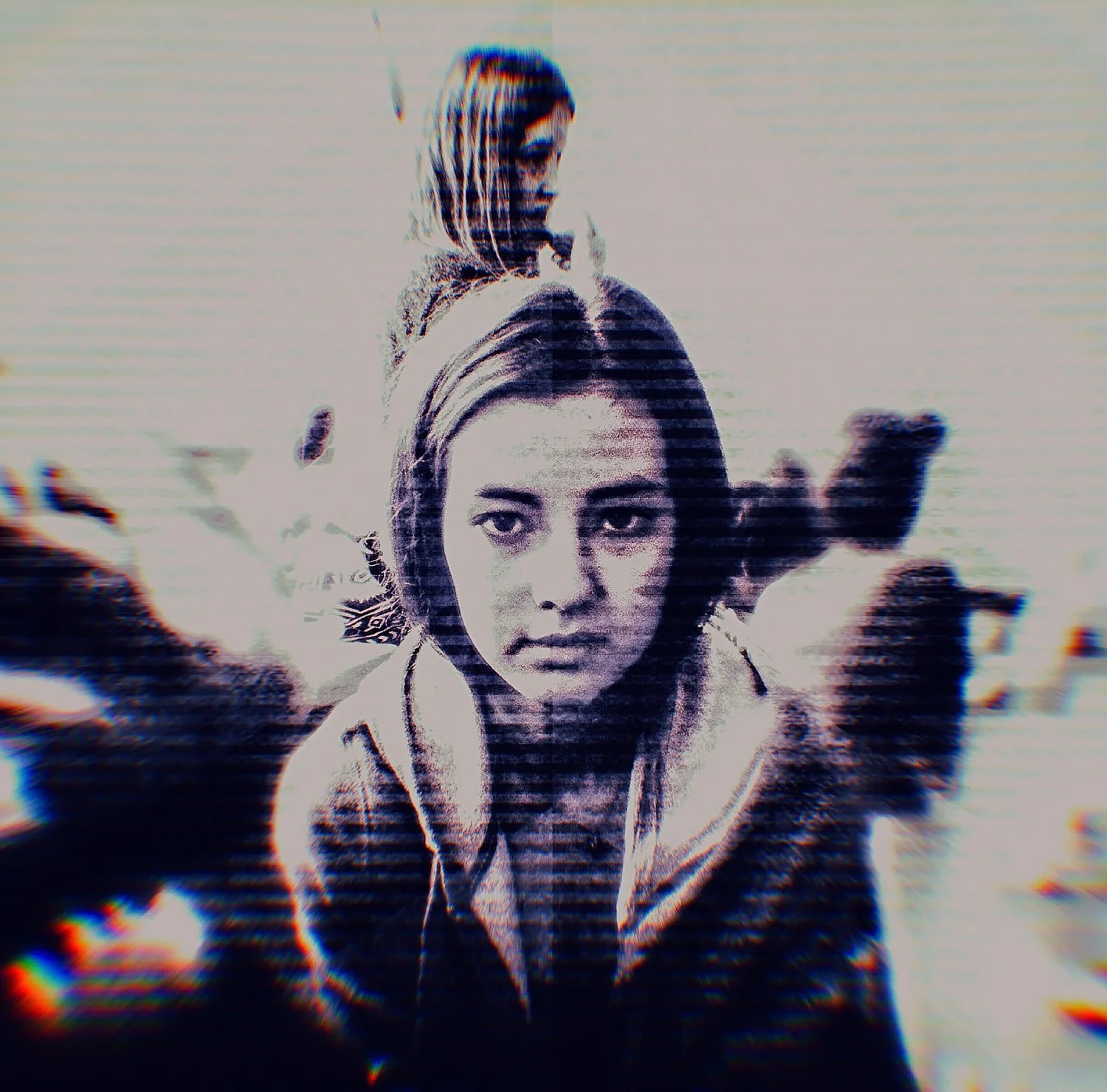
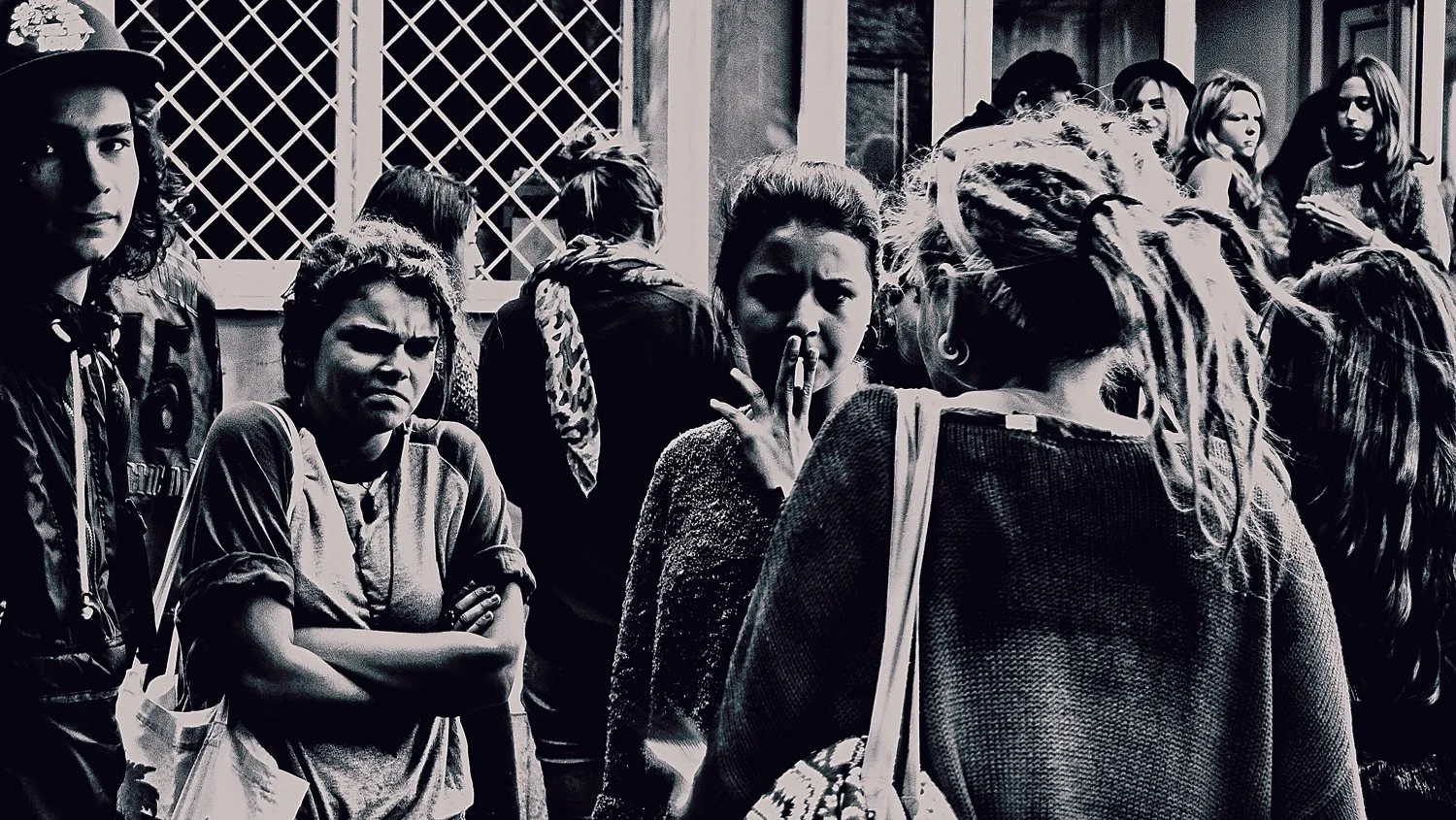
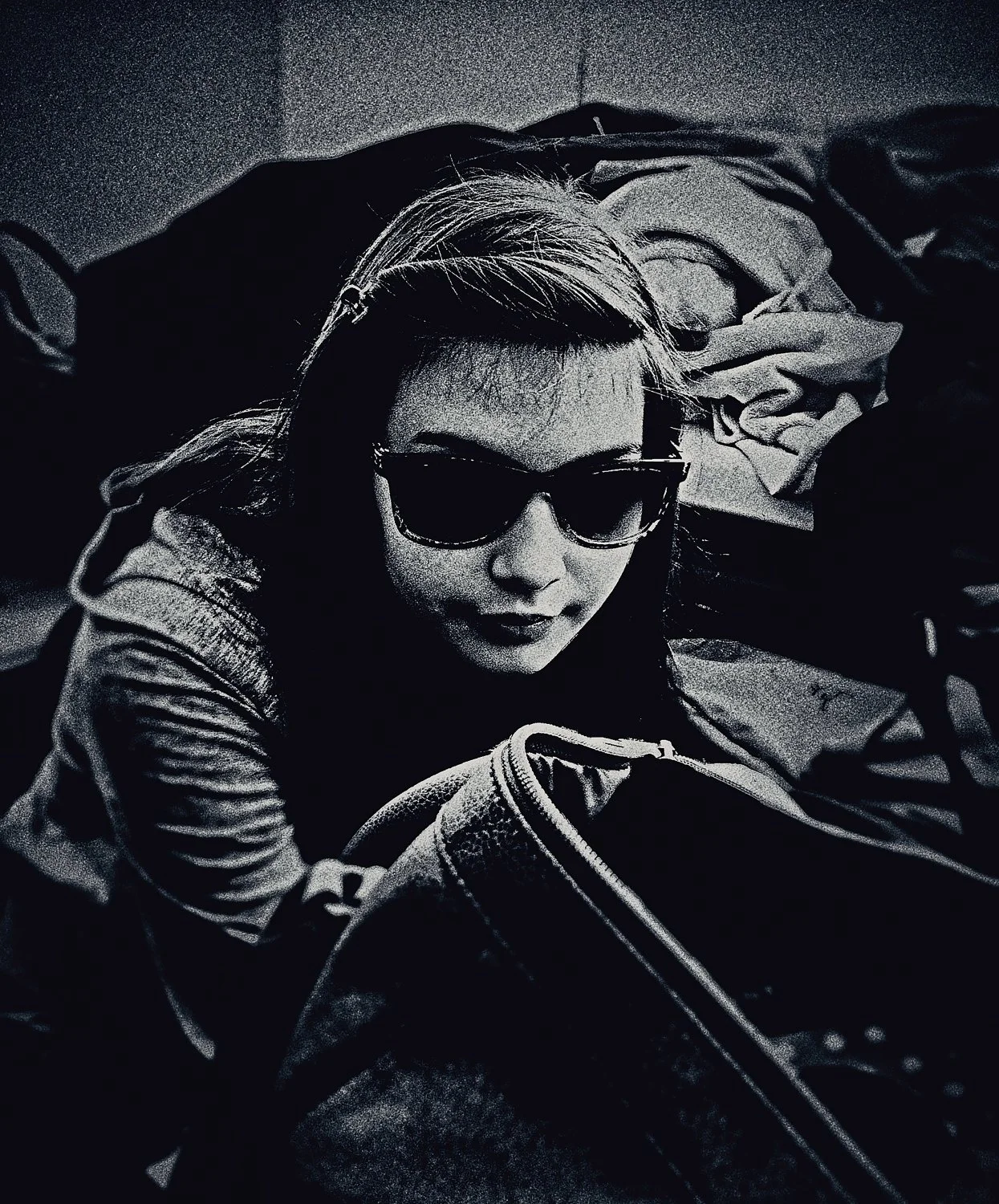
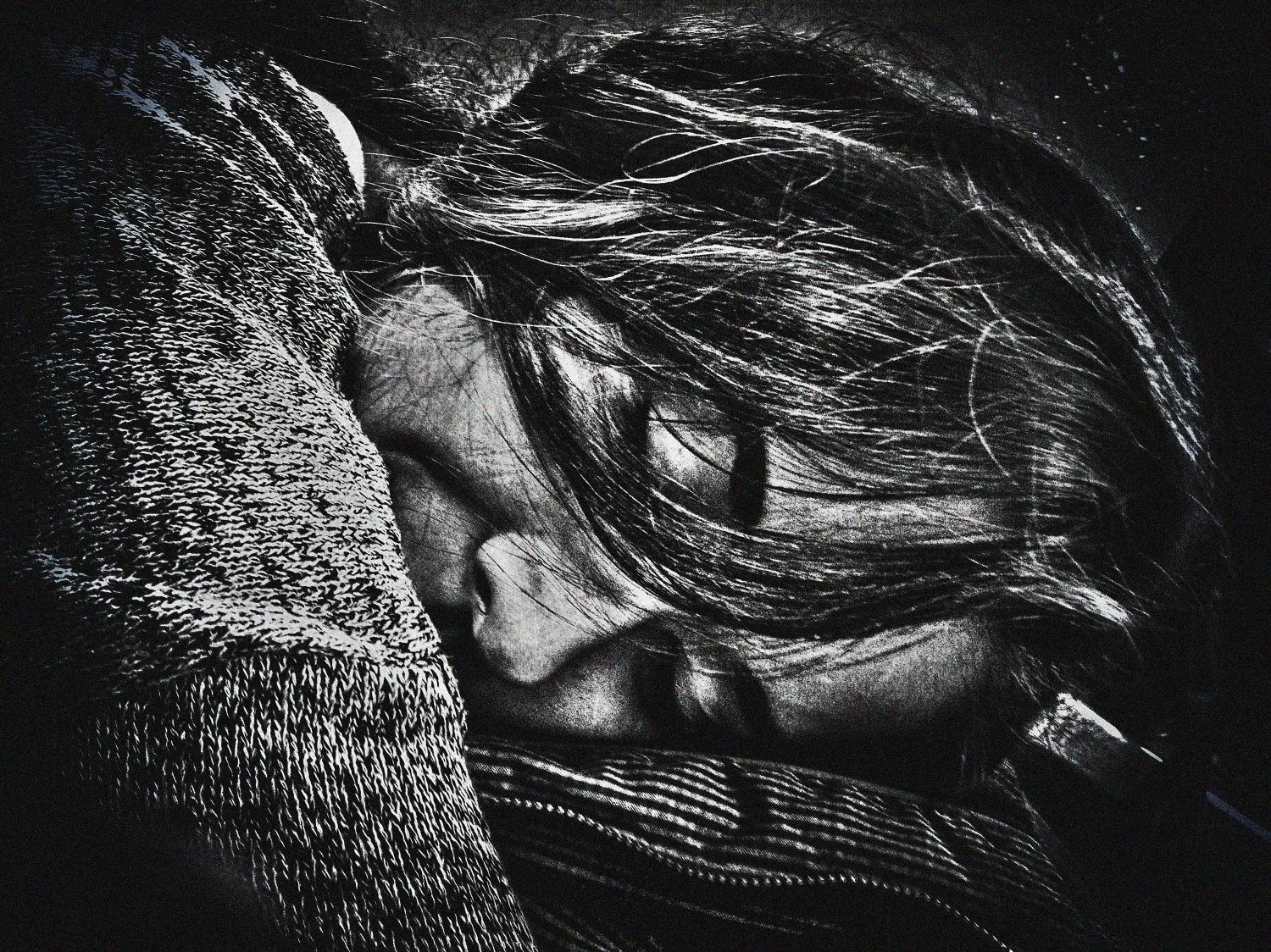
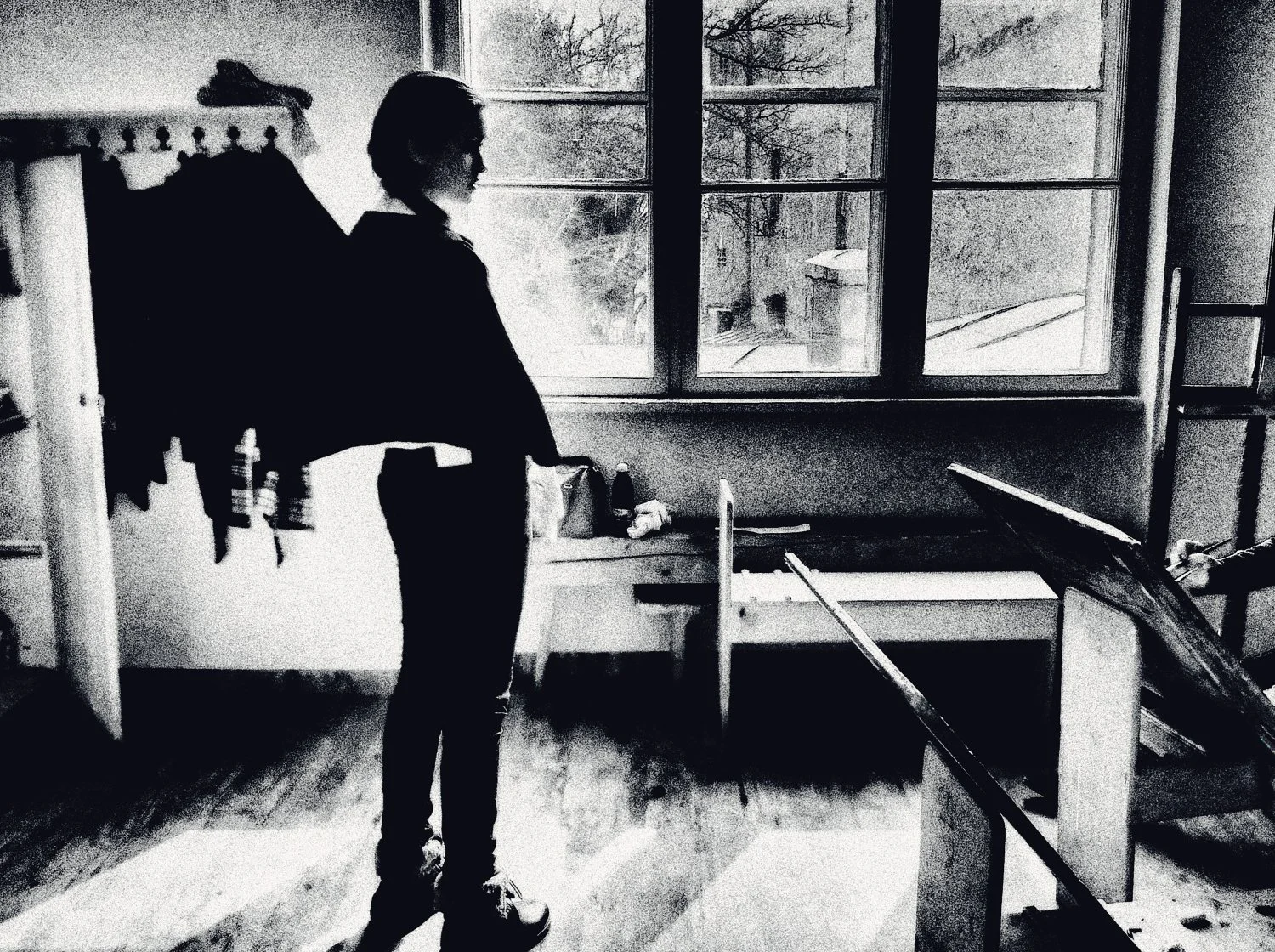
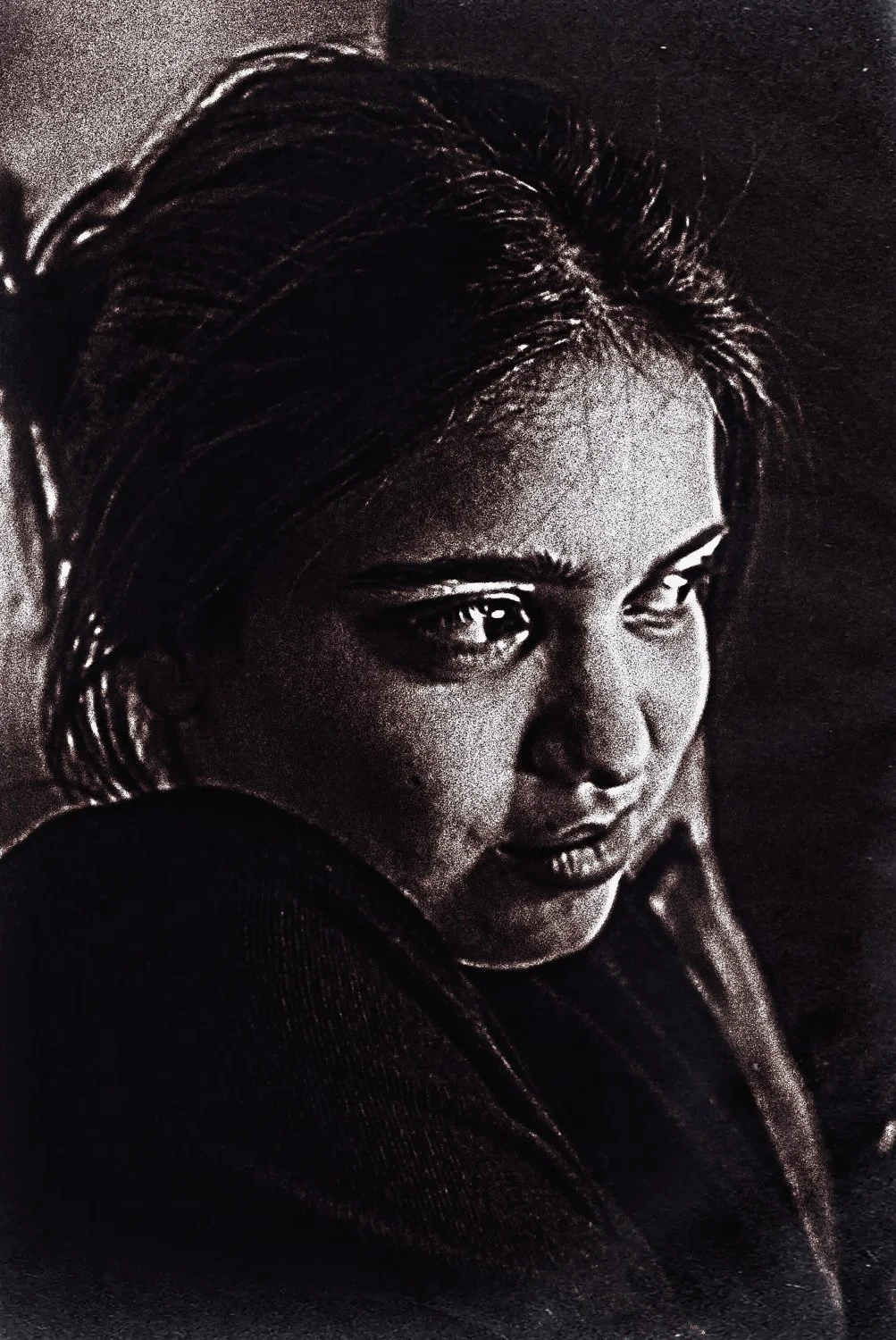
The more expensive the school, the higher the hypocrisy and audacity; the higher the percentage of entitled individuals.
In third or fourth grade, while attending a private school, I had a conversation with one of my classmates about sex. It wasn't a vulgar conversation at that age; I simply mentioned that we would study human anatomy, including sex, in seventh grade biology class. I'm not sure how it came to the principal's attention (perhaps my classmate mentioned it at home or someone overheard us), but shortly after, I was summoned to the principal's office and scolded for discussing sex.
The institution's reputation is deemed more valuable than the well-being of its students and teachers.
During high school (not a private school), there was a message posted on several classroom doors with a stamp and signature from the principal or another official school representative, stating that smoking is prohibited because it damages the school's reputation. I thought it should be prohibited due to health risks, not solely for the sake of reputation.
Only a few perspectives are considered correct, anything else is punished.
This includes various aspects, although some schools nowadays are more open-minded. From being forced to dress in a certain way to being told that only certain ways of thinking are agreeable. Most forms of out-of-the-box thinking are perceived as “tools of the devil” or being a know-it-all, rather than fostering civilized and educated discussions about different perspectives and information.
Ah, I remember another incident that is relevant here. We were assigned to sculpt geometric shapes, and I chose to make a cube with unique designs on each side. My teacher, who had been fine until then, said that it was a good piece but she would have to give it a lower grade because one of the designs resembled a Swastika. I explained to her that Hitler didn't invent the symbol and that it actually has a different meaning. Moreover, I didn't intend for it to resemble a Swastika; it was simply a coincidence. However, the teacher responded, "Regardless, this is still a banned symbol, so I will lower the grade."
It's disheartening that this cycle persists, with kids, teachers, and parents all seemingly caught in it. Many children come from broken homes, and the same goes for teachers. In a system that fails to make life easier for either party, the classroom becomes a battleground where everyone's difficult realities clash. Unfortunately, they all have to distract themselves with a meaningless education.
Nobody educates you on how to navigate life after school.
a) I learned about sex from my family, friends and partners, not from school.
b) As part of my accreditation to become a tattoo artist, I took a first aid course.
c) I gained knowledge about economics and finance through personal projects and by moving out early. Our economics teacher only showed up for 4-6 classes throughout the entire year and that was just because we needed grades to pass. Of course, we didn't mind him skipping classes since he wouldn't teach us the practical aspects of economics anyway.
d) Cooking was something I taught myself or learned from various individuals, including mothers and friends.
e) I learned to clean when I became disgusted with the state of things.
f) Schools never provided free tampons or condoms, which I believe should be essential.
g) I learned project management and event organizing from my family, friends, and artists. I once invited a teacher to one of my exhibitions and they dismissed it by saying that anyone could pay a gallery to showcase their work. However, in my case, I had secured a sponsorship and made a favorable deal with the venue. It wasn't even held in a traditional gallery. The teacher didn't even bother to let me finish explaining the event details.
Both mental and physical health in schools are a joke.
Once, I visited the school counselor, who labeled me a masochist after barely spending an hour with me and not knowing me at all. It wasn't a rude encounter, but rather a purely superficial assessment. After that, I never returned to that counselor or sought help from any other school counselor. Some counselors were dealing with their own issues or simply unfit for the role. As for physical health, while most schools provide basic medical services for minor issues, they often lack proper care for patients beyond handing out band-aids or headache pills. It's all too common for medical officials in schools to prioritize the school's interests over the well-being of the students.

Discrimination is a prevalent issue.
To put it simply, while attending a private school, I had a classmate who came from a multicultural background. Our religion teacher, at that time, told this young girl (around 10 years old) that she would burn in hell because she didn't belong to a "pure" nationality or race. She was of mixed heritage.
Abuse exists in various forms - sexual, physical, and psychological - and manipulation often masks it.
Firstly, it's unfortunate that sex scandals in schools are not uncommon, mainly because comprehensive sex education is lacking.
Then
In 5th grade (not in a private school), there was an art teacher who had a tendency to spank girls with a catalogue. While it didn't happen to me personally, I knew the teacher, and he didn't last long before facing consequences.
During high school, one of the religion teachers developed an inappropriate fascination with my desk mate and even told her that he would dream about her (he did not reveal truly inappropriate details of the dreams).
There have been instances where teachers have resorted to physical violence against students. While I personally did not experience such incidents, the details I've heard are not extensive enough to delve deeper into this matter. It's important to acknowledge that this issue is not limited to one isolated case; it is a complex situation involving multiple parties. Children, too, can exhibit extreme aggression. The intention of this text is not to assign blame solely to teachers, parents, or students individually. Instead, it aims to paint a comprehensive picture by examining the collective issues and how they manifest when they come to the surface.
Moving forward, let's address another kind of collective issue that often arises. When a "problem" student stated their name for attendance, the teacher would responded with a sarcastic remark such as, "Oh, you're here today," and immediately assigned them a failing grade. It seems that the teacher was resorting to this unfair treatment as a means of retaliation, unable to find any other appropriate response to the student's behavior.
In 3rd grade, I had an extremely temperamental teacher. This teacher would yell at us even for forgetting to use a comma after a word, every single time.
In an art group I was part of, there was a drawing teacher who forced one of the most talented students to redo her drawing until she cried, claiming that it was wrong (it wasn't, it was among the best ones!). The teacher never provided any explanation or helpful tips to improve the drawing.
There was another teacher who would overcrowd a small classroom by bringing in additional students from different groups/classes, just so they could finish early. If we were late, the teacher would lock us out until the break or keep us in until the end of the class if it was a shorter session. I could share more instances, but you get the idea. And it's important to note that I'm not referring to a single school; I've experienced this across five different schools, each with its own issues.
The educational system becomes a race where parents bribe officials of educational institutions to ensure their child's success, regardless of their abilities or shortcomings.
During an exam, I was told that you could pay a consistent sum of money to a teacher from the examination commission and another to the principal. While I cannot confirm if this is 100% true, after barely making it into the school because I didn't engage in any bribes, a second exam was held for the remaining vacant spots. A classmate of mine, who had failed the first exam and was aware of the bribes, said she didn't care and would bribe her way in this time. And she did. I was also aware of the skill level of the students participating in the second session and there were certainly others who were more skilled.
Exceptions are only made for things that bring shame; there are no exceptions for genuinely exceptional individuals, as special treatment is seen as a breach of equality.
If you make a mistake that can easily make the school look bad, they will take advantage of it to tarnish your reputation and protect their image. However, if the school makes a serious mistake, suddenly rules can be bent, and cover-ups occur in order to find a solution.
*Author's note: There was a time when I sought clarity and undeniable evidence. I contemplated pursuing journalism because I believed that information is invaluable, but only when it is in the hands of those who can utilize it wisely, without toxicity. That's why I strive to remain in this middle ground. Please don't take my experiences and opinions as absolute facts. Take them into consideration and observe what is happening around you. Perhaps you will notice patterns in certain issues. If such patterns exist, more people will discover them and only then will facts truly serve a purpose. Their purpose should be to bring about direct change, to break those patterns and transform them into something different.






















Yet, the principal may change along with the ruling political party.
I can't speak for the schools you've attended, but in some cases, when the ruling political party changes, so does the principal. 😁
Parents battling the system face the daunting wall of BUREAUCRACY!
Thanks to the Pandemic (yeyyy, we needed a Global Crisis to finally push the Romanian education system into embracing technology), things have improved. However, there are still numerous papers to be written, signed, accounted for, numbered, printed, copied, transferred, and updated. School officials may exploit the loopholes in this process to cause you trouble. And in the age of AI, technology just became a tool which facilitates brainrot instead of easing teaching and learning.
Navigating bureaucracy requires ass-kissing, even for your rightful entitlements;
Otherwise, if you encounter individuals lacking intelligence and you point out their flaws before transferring to a different school, they might unprofessionally "lose" your transfer papers.
Sycophancy works wonders, as it does in various shallow aspects of human life. It can earn you better grades, less criticism, access to extracurricular activities, contests, prestige, etc., and it's not considered "special treatment" 😯 That would all be fine if access to these opportunities were based on skill and genuine need.
Creative expression is discouraged
Even in an arts school, being a metal-head like myself was seen as problematic. However, one of the more memorable incidents occurred during 7th grade when the principal of my school unexpectedly entered our class to speak with the teacher. Upon noticing my raccoon eyes, ripped jeans, spiky bracelets, and freshly dyed hair, she forcefully dragged me to the bathroom and insisted that I wash my face. Memorization takes precedence over understanding.
Back to how creative expression is discouraged, why else would you be required to learn extensive commentary instead of engaging in debates, explorations and analyzing literature that truly interests you? Or learning math in a way that you'll actually use in the future. How about learning how to live life beyond the conditioning imposed by the school system and your family? No?
The misguided rebellion of children:
It stems not only from their natural lack of life experience but also from the exploitation of their vulnerability. People eagerly push them towards disobedience whenever they step even slightly beyond the red line of obedience.
Let me share a story I've heard. There was a student struggling with substance abuse. One teacher found them in a bad state (although they didn't disrupt classes or anything; they were just kinda unconscious) and convinced them to open up for help. Instead of receiving support, the student was expelled, leading to an unfriendly parting of ways.
Genuine change makers in these institutions are rare, but it does exist.
I can't even begin to imagine what it's like for them. While kids at least graduate and move on, those who work in these institutions often spend generations or a significant part of their lives there. It must be heart-wrenching to try to mend the chaos, knowing that tangible results are few and far between. I admire those who make an effort, and it's truly sad that they aren't adequately supported to lead the way. This is an area where I like to believe things are changing. Lately, I've been hearing more about inspiring teachers. However, since I'm no longer in school, there’s less stories getting to my ears.
Ultimately, it all amounted to nothing.
The fifth school I attended focused on the arts. Aside from the basics like communication in my native language and English, and some basic math to handle finances, the knowledge I gained in the creative field was only moderately exercised at school. The useful information I obtained through my own passion and research far surpassed what I had to endure.
I mentioned similar points before, but now I will approach them from a different angle.
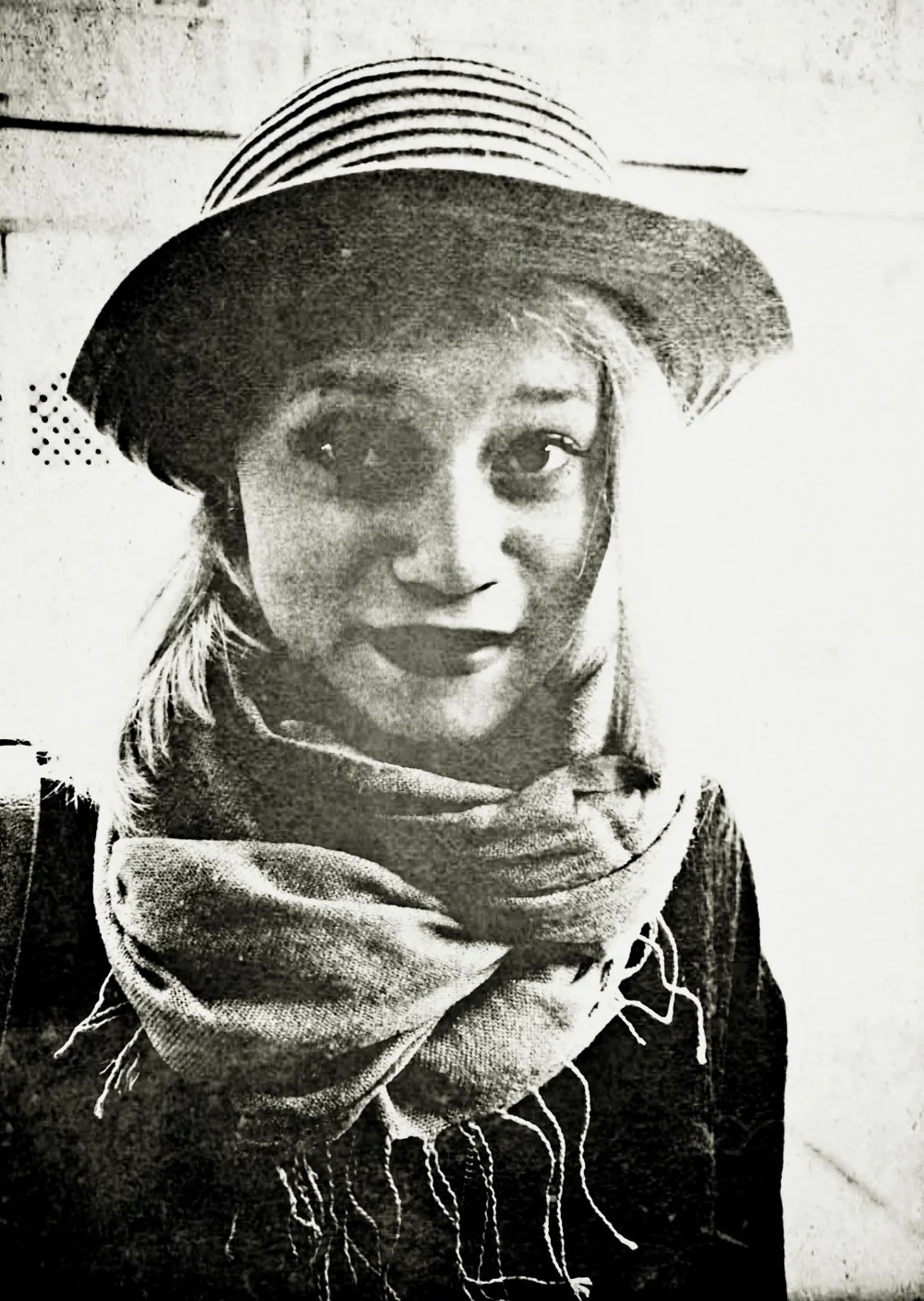
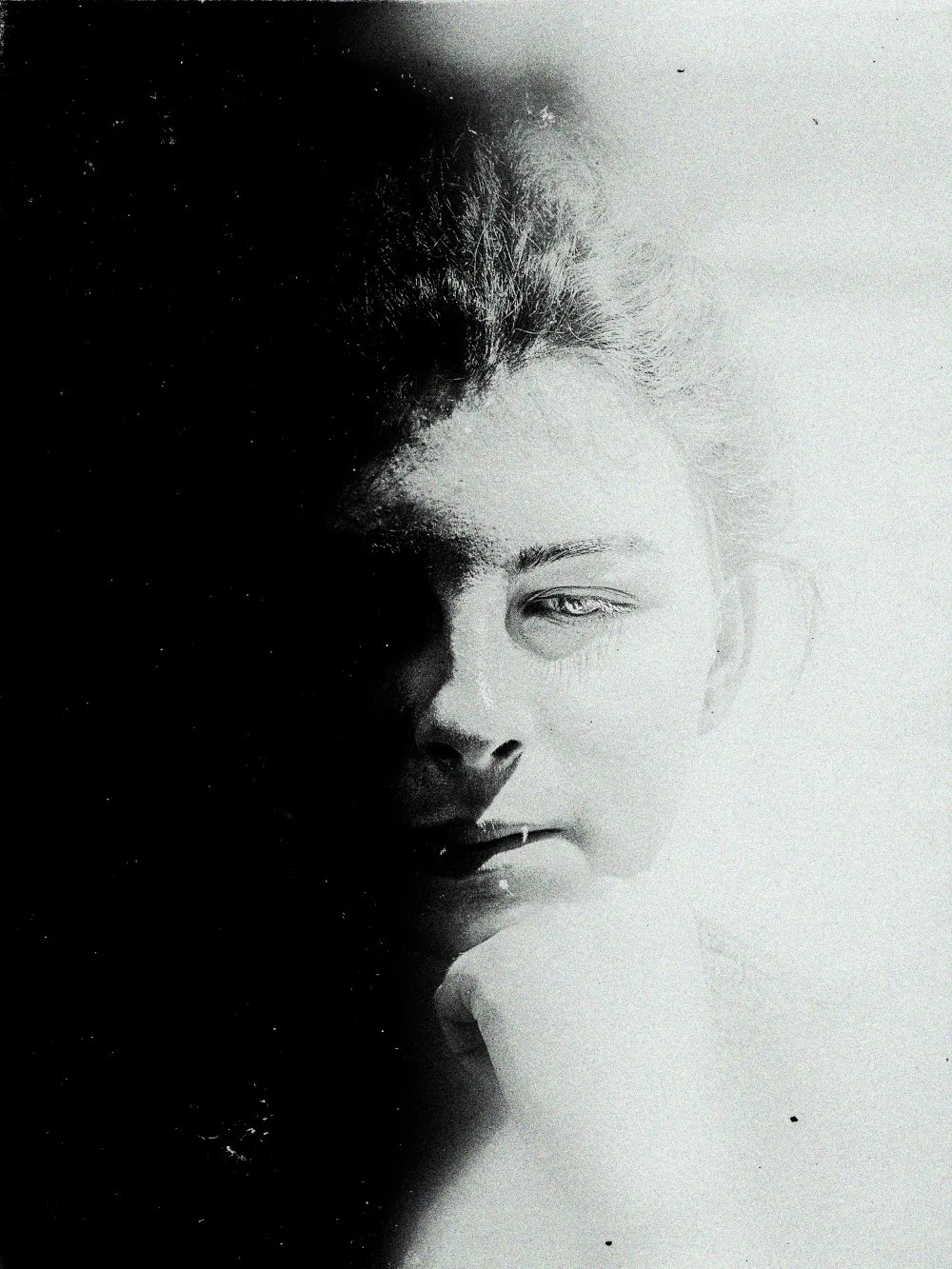
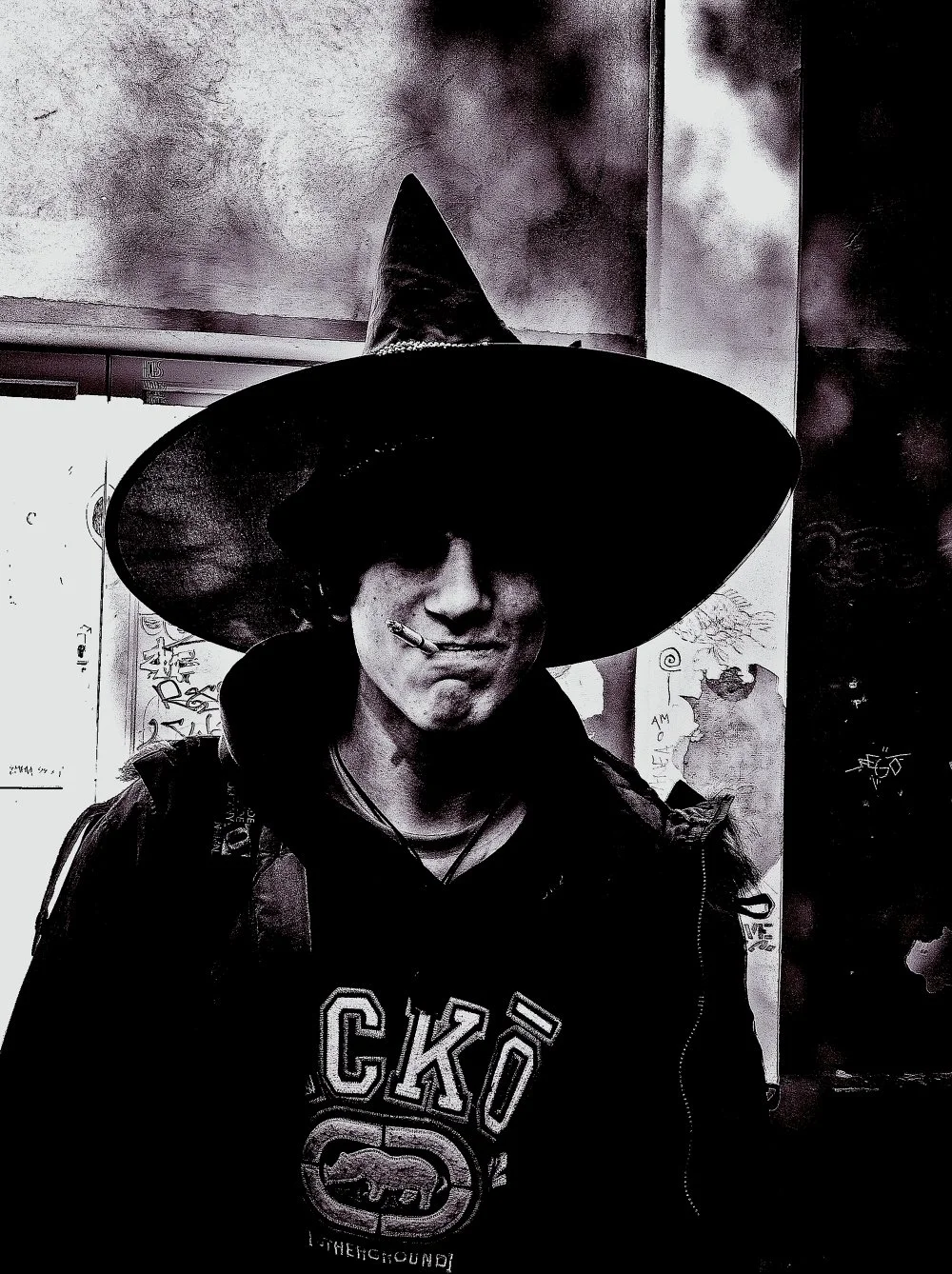
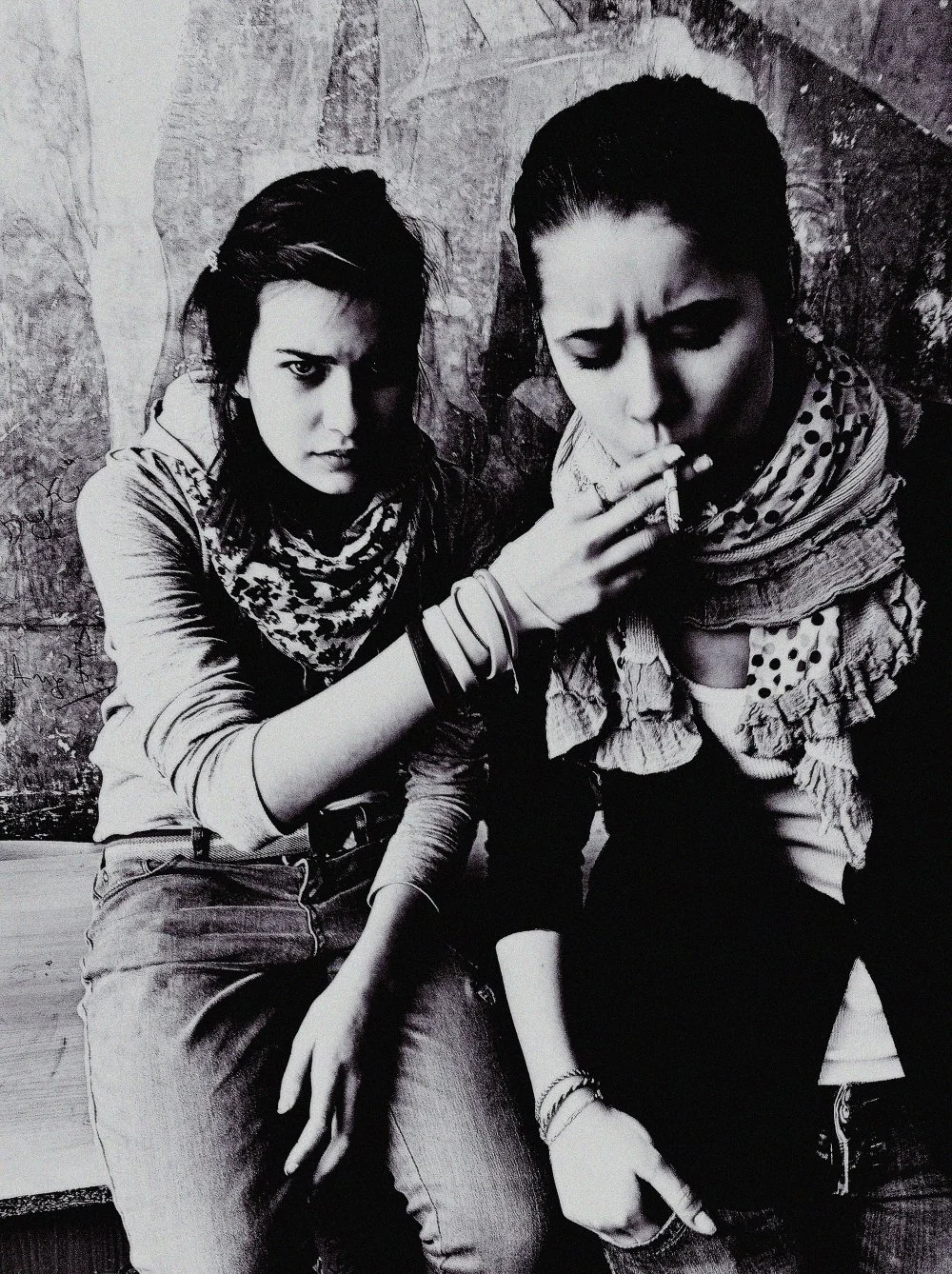
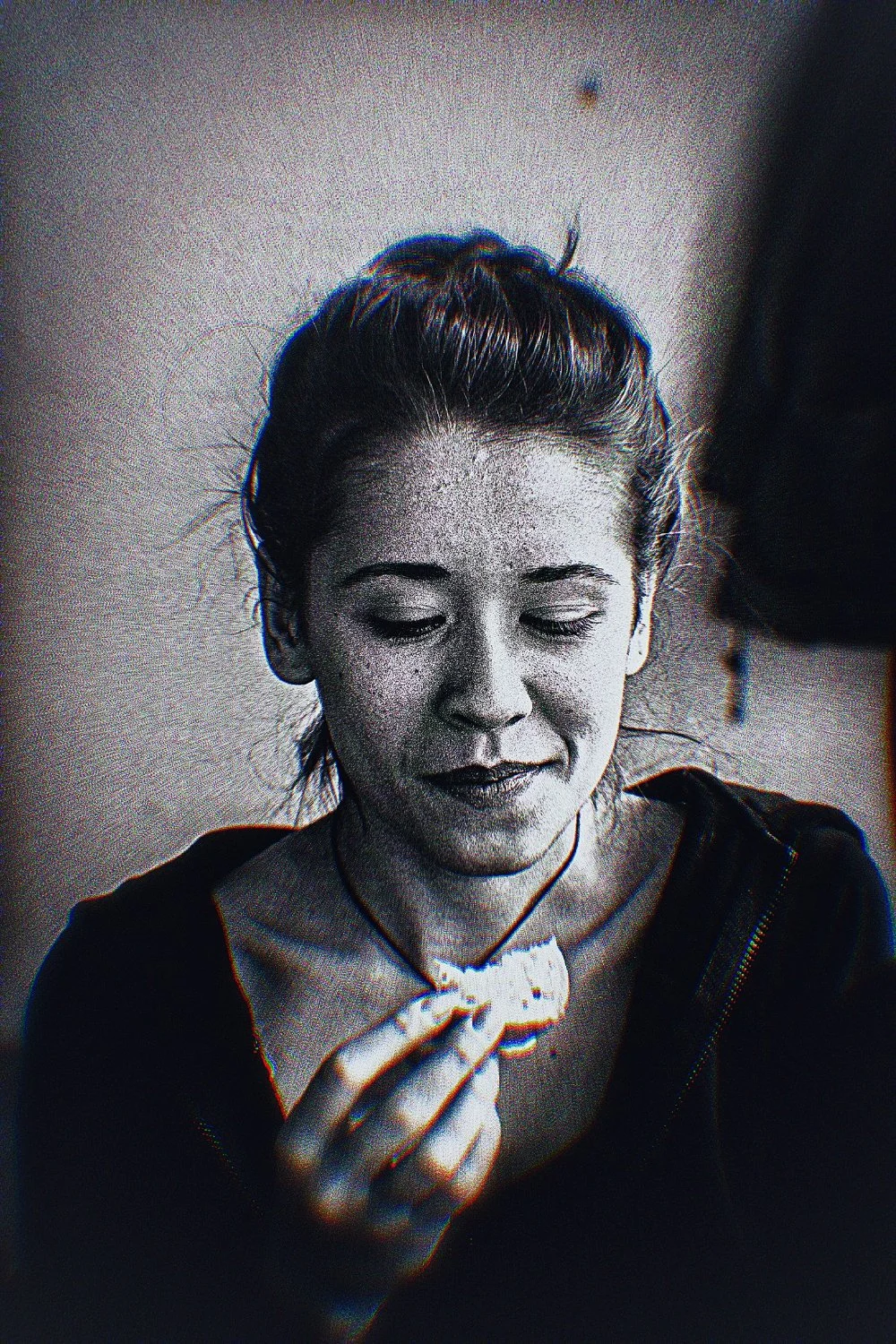
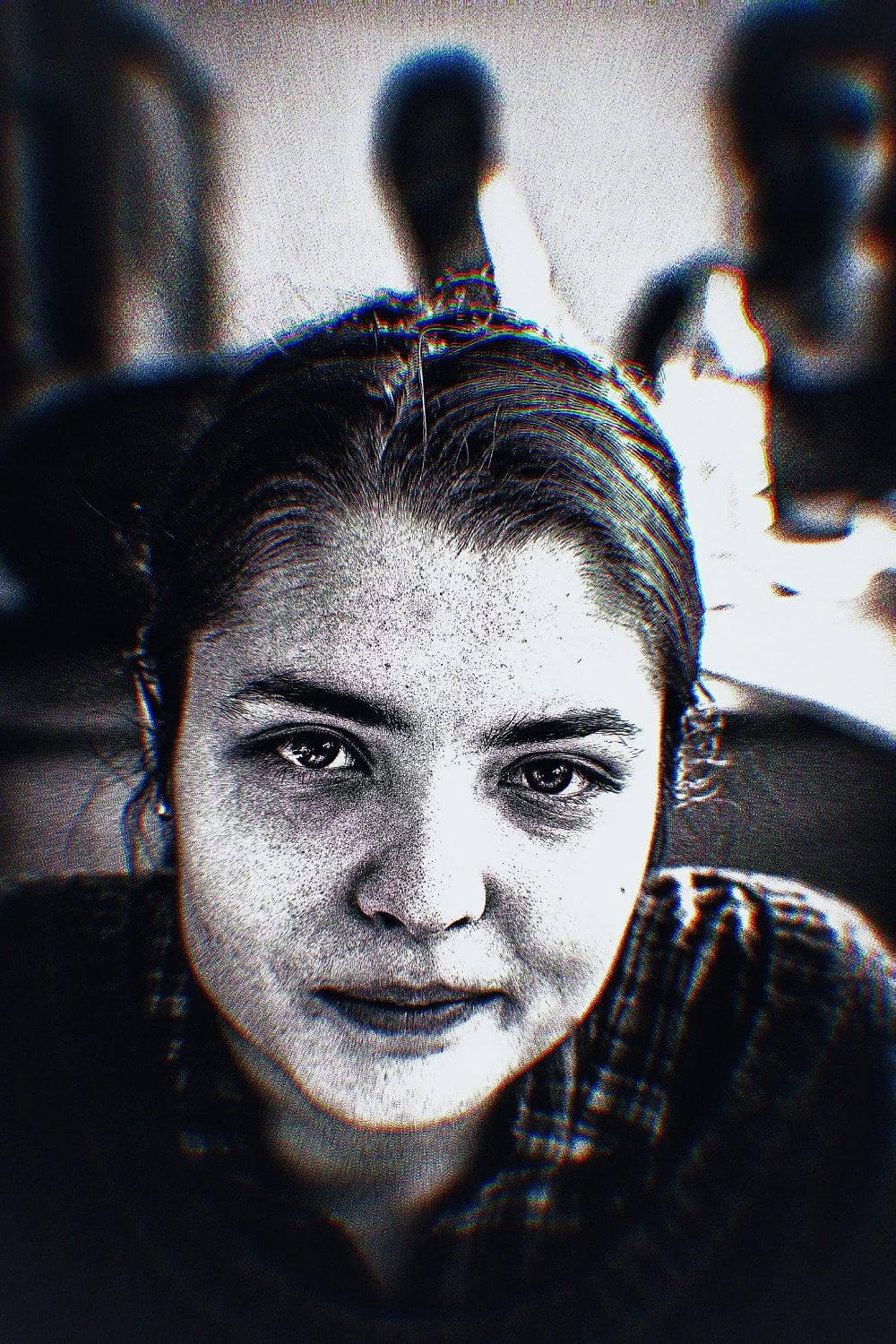
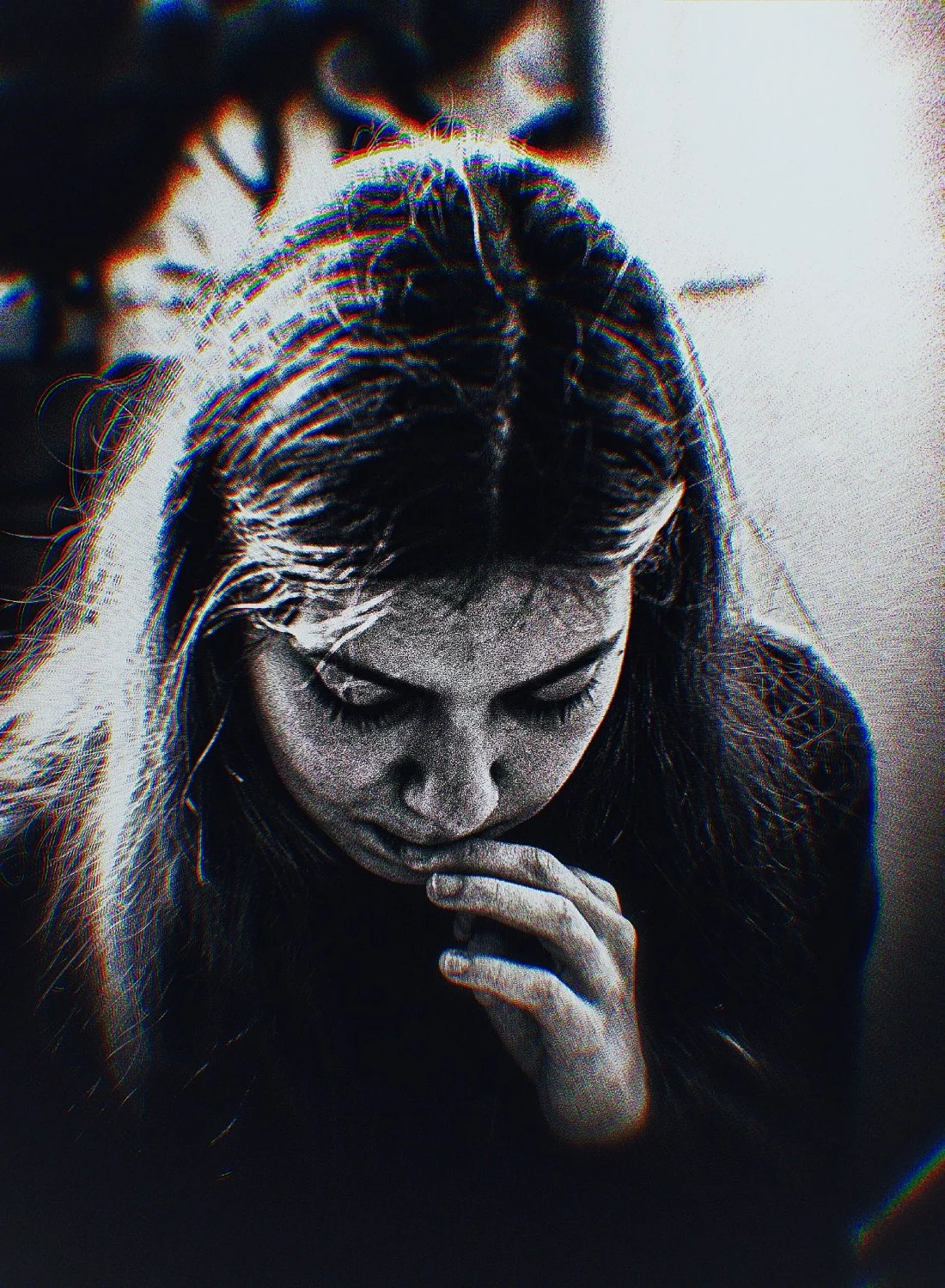
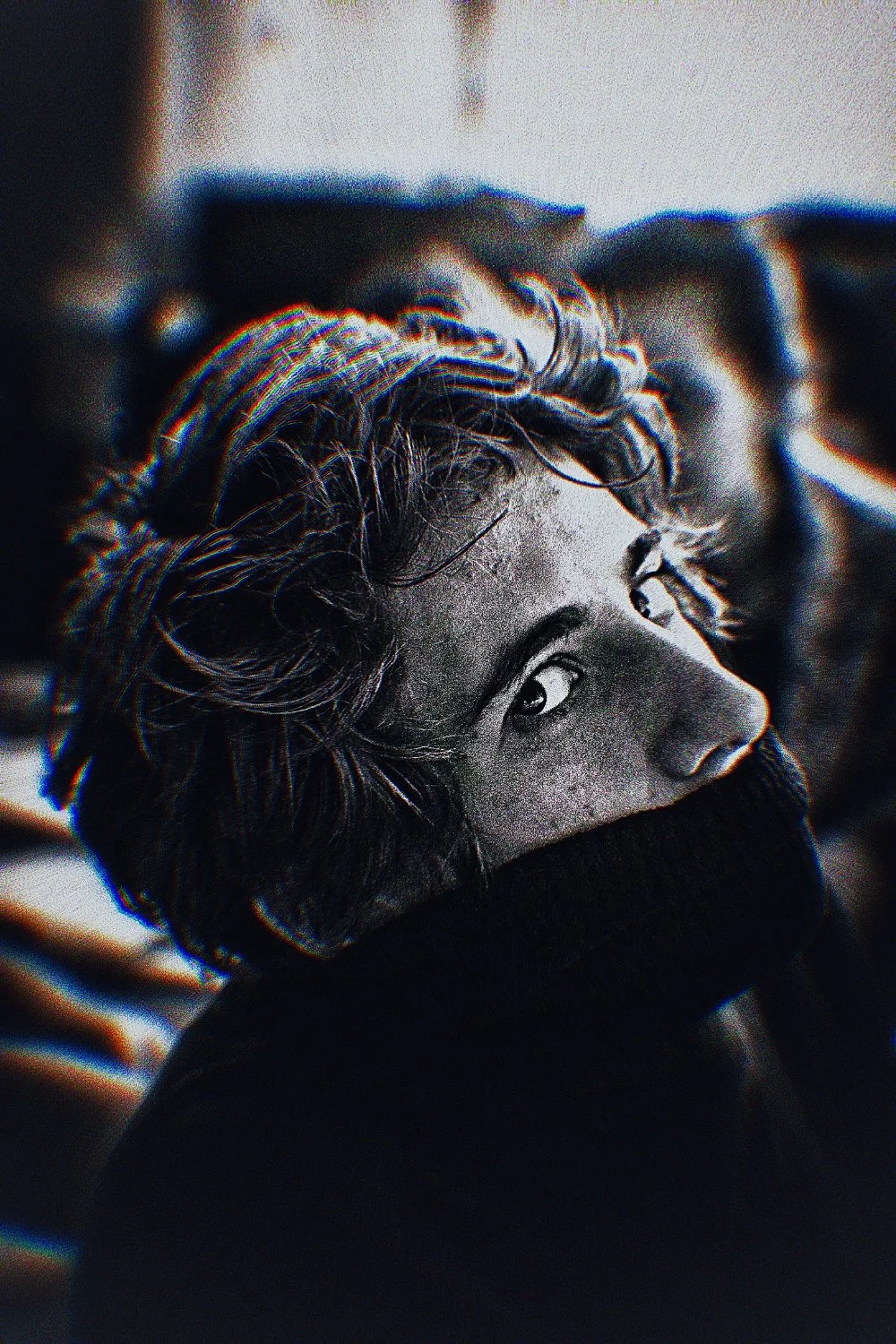
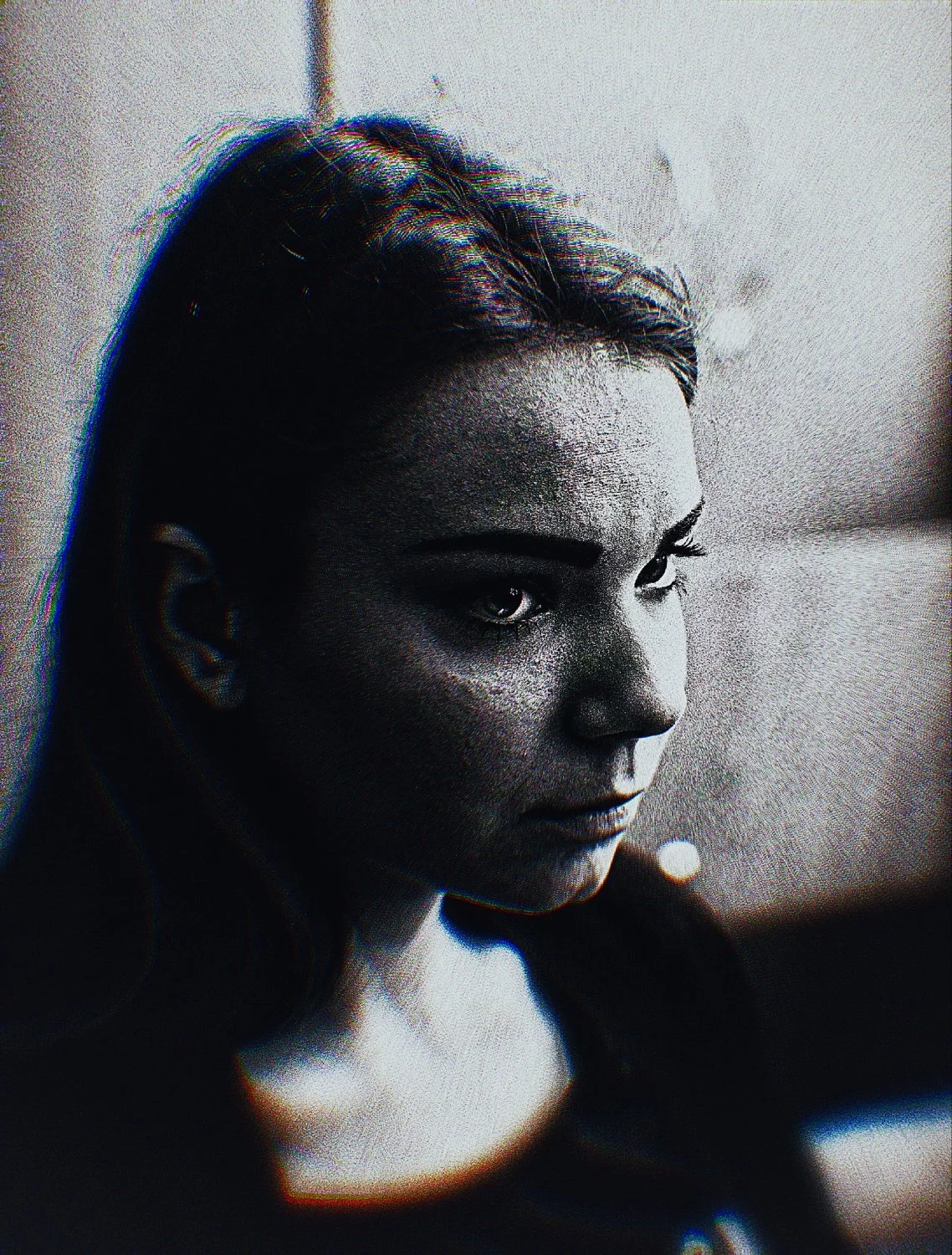
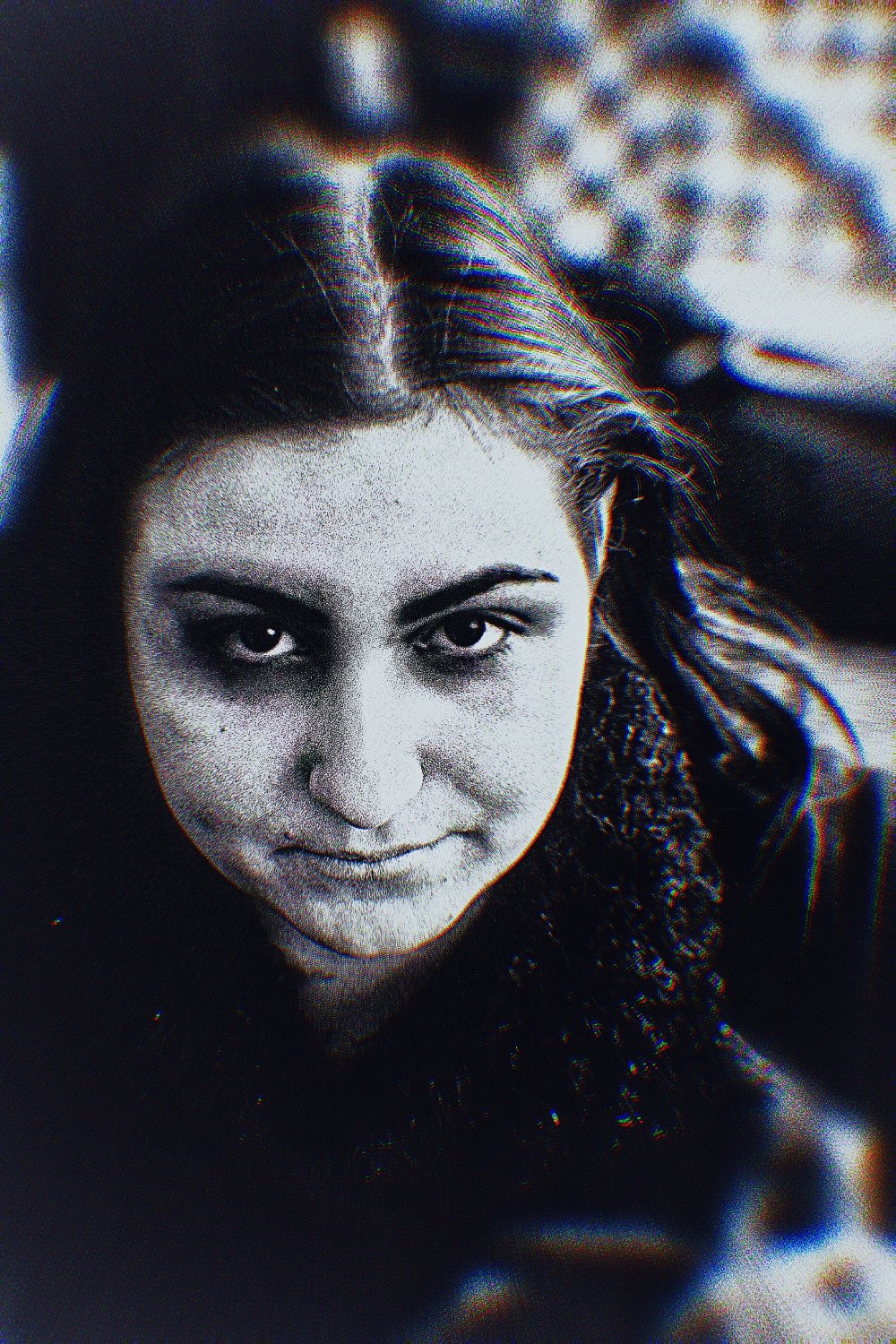
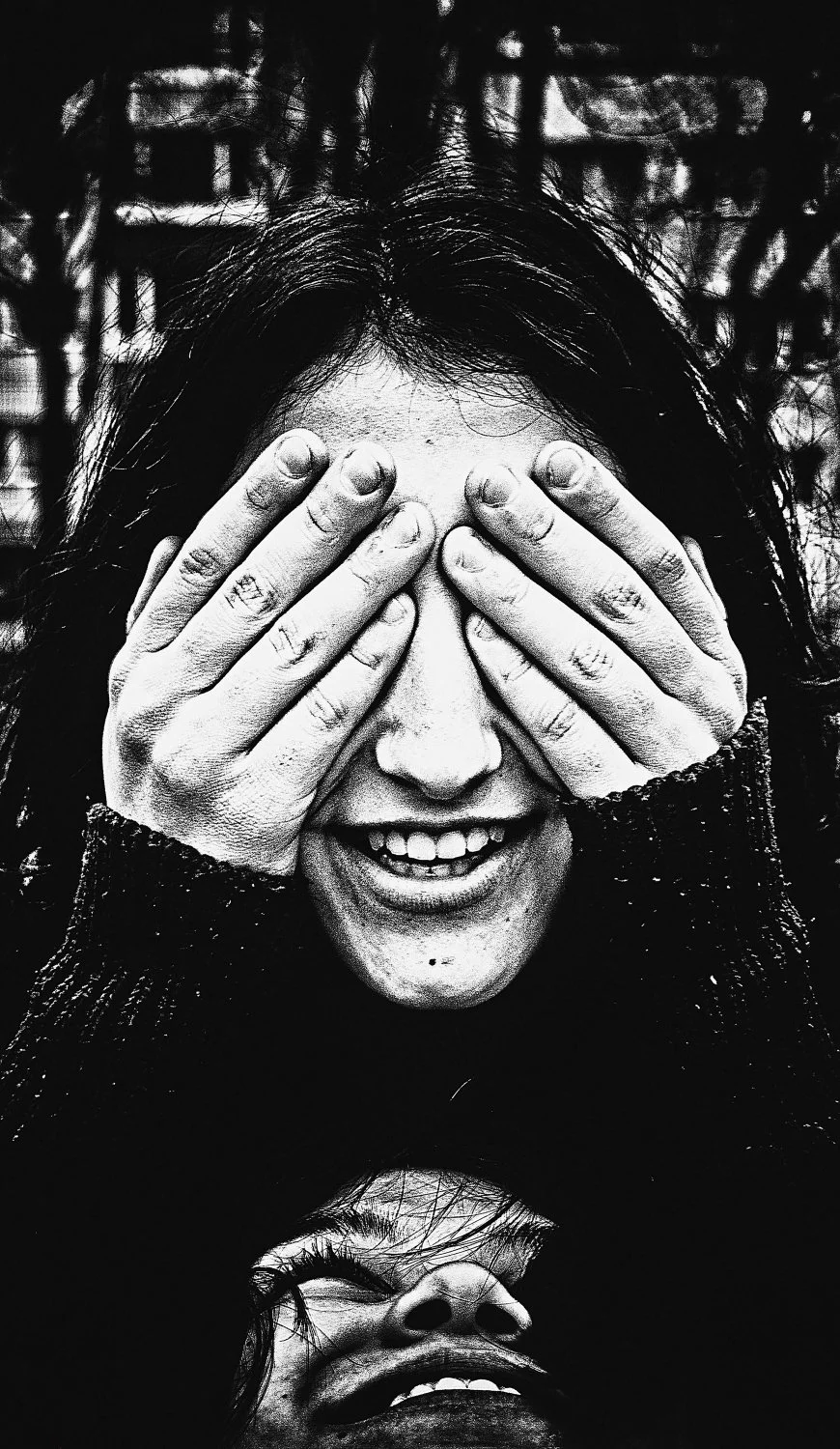
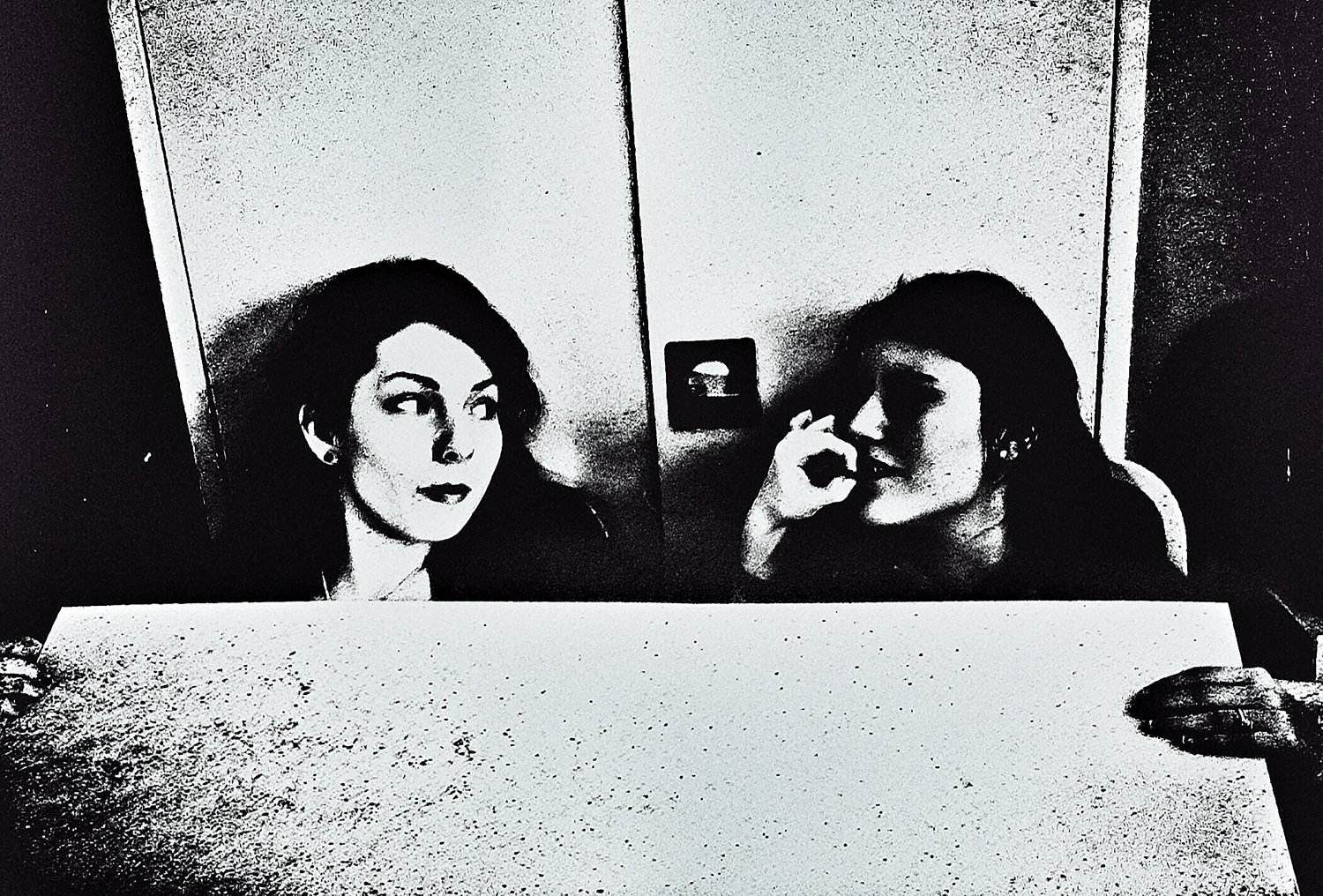
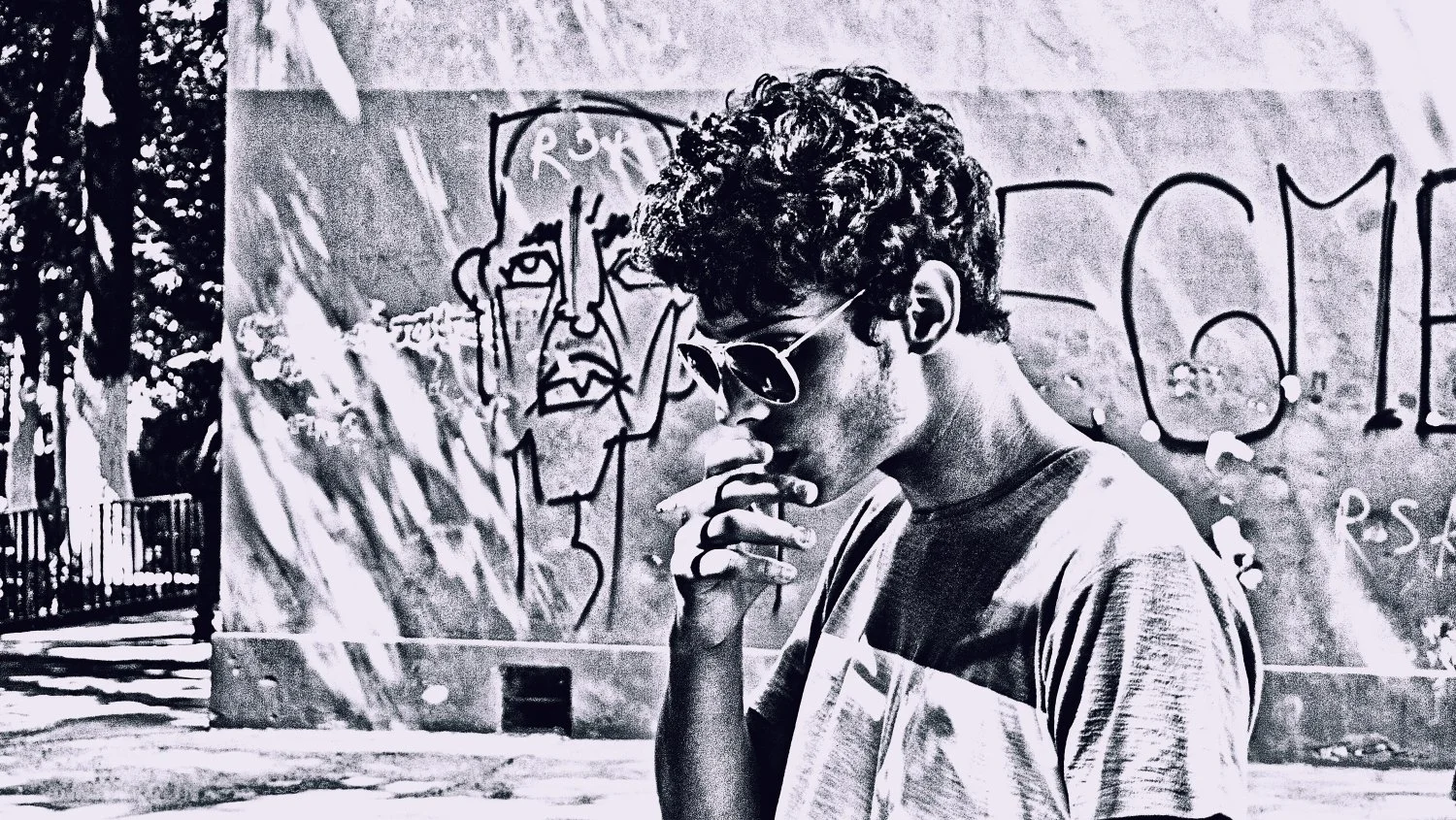
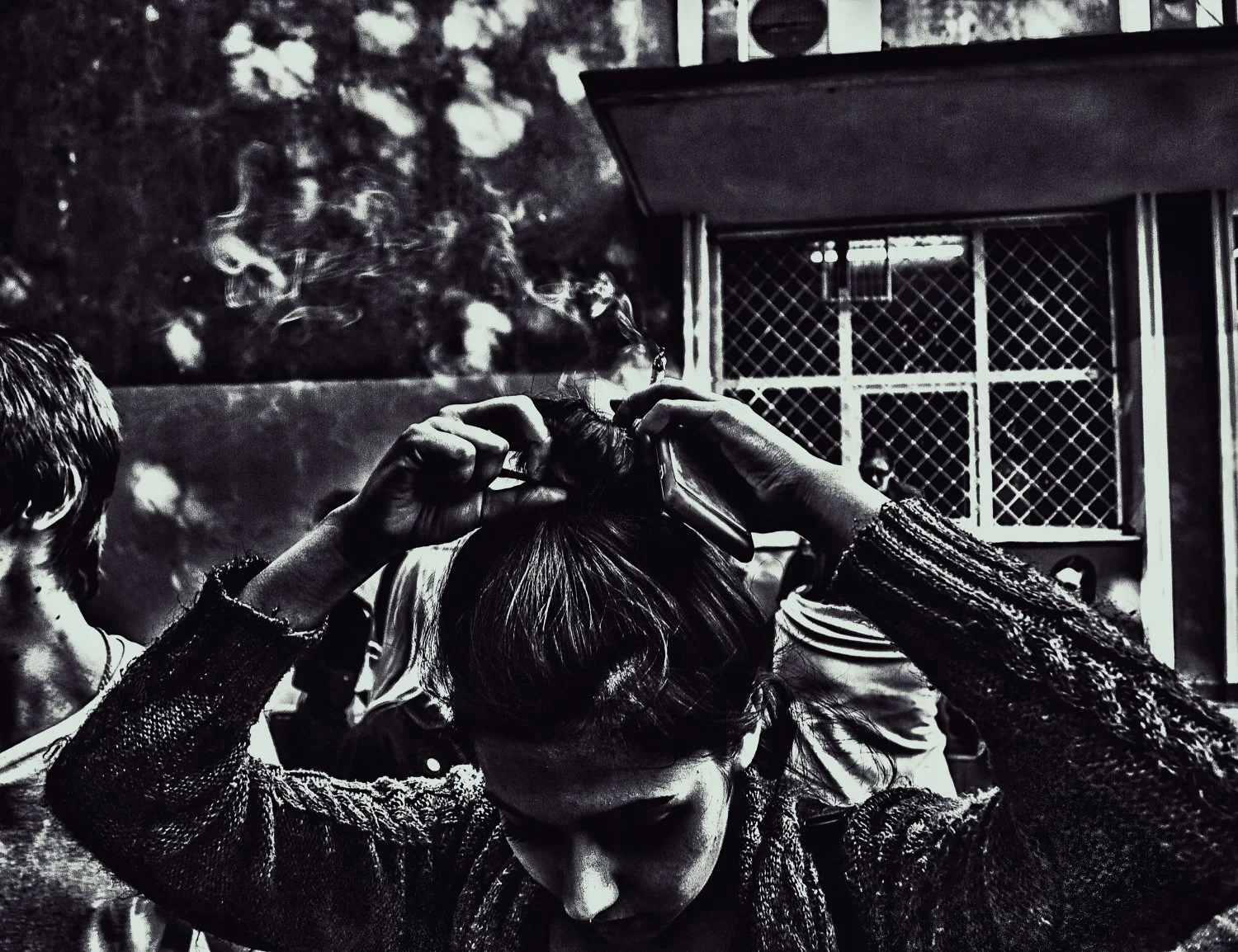
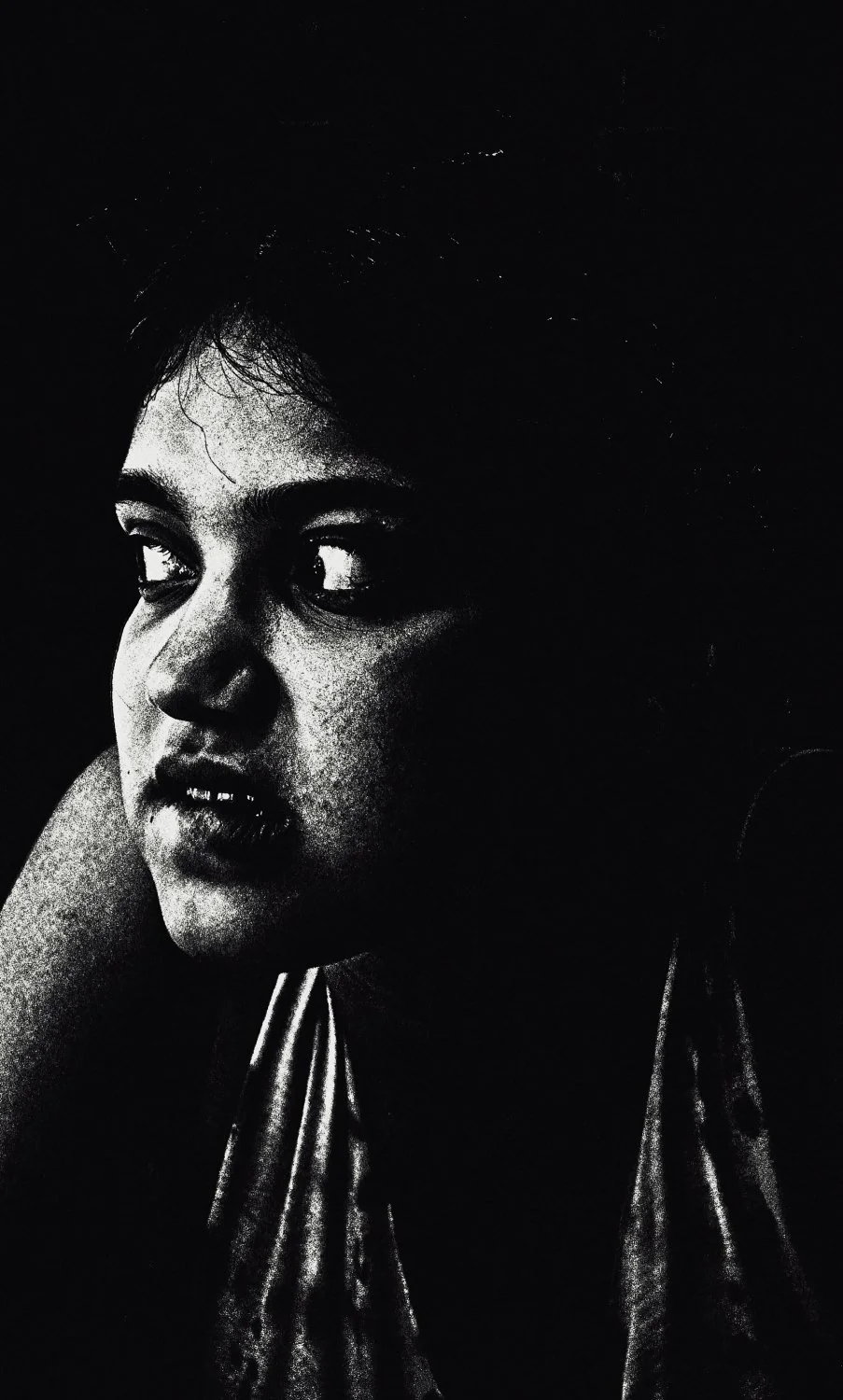
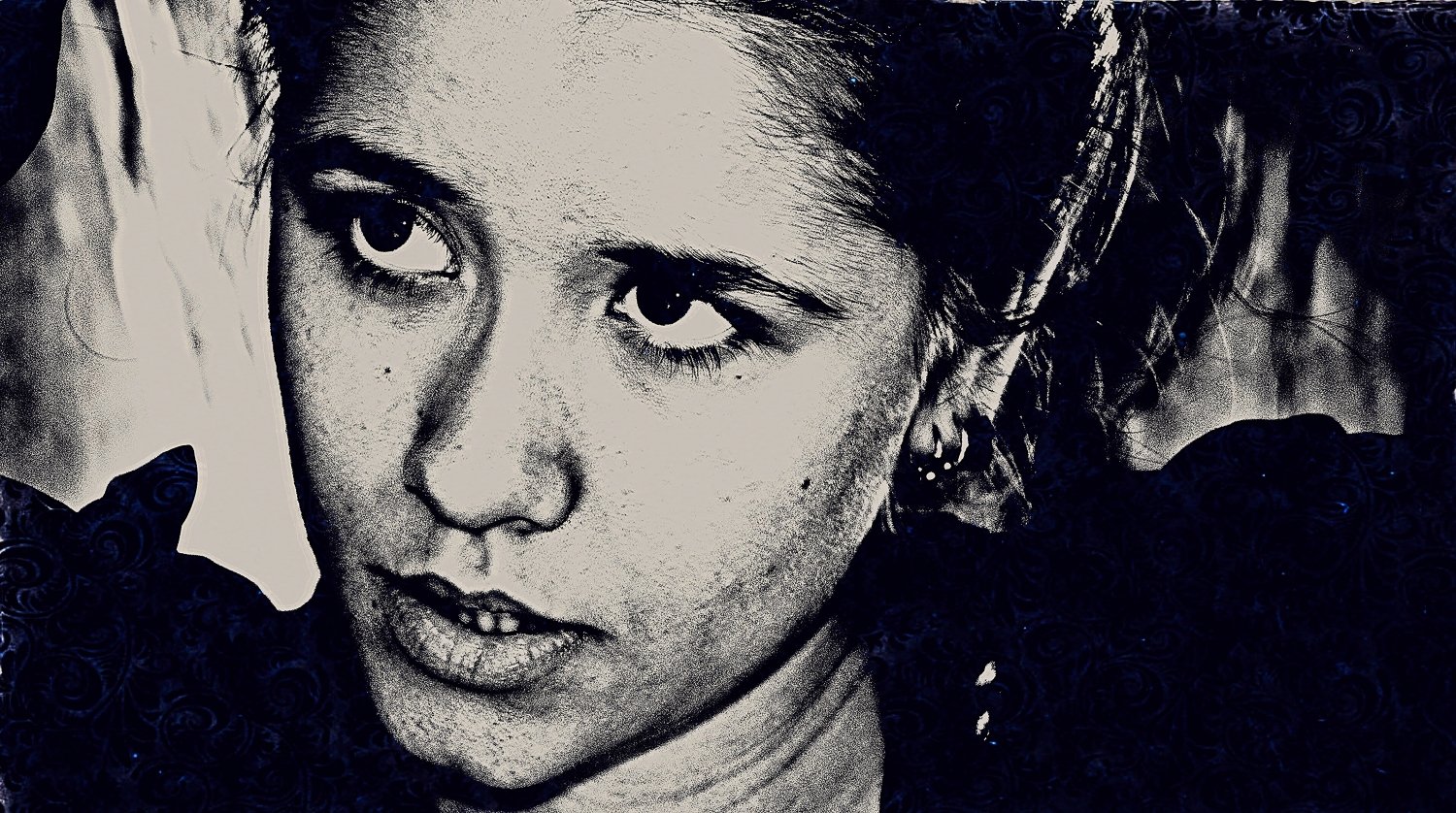
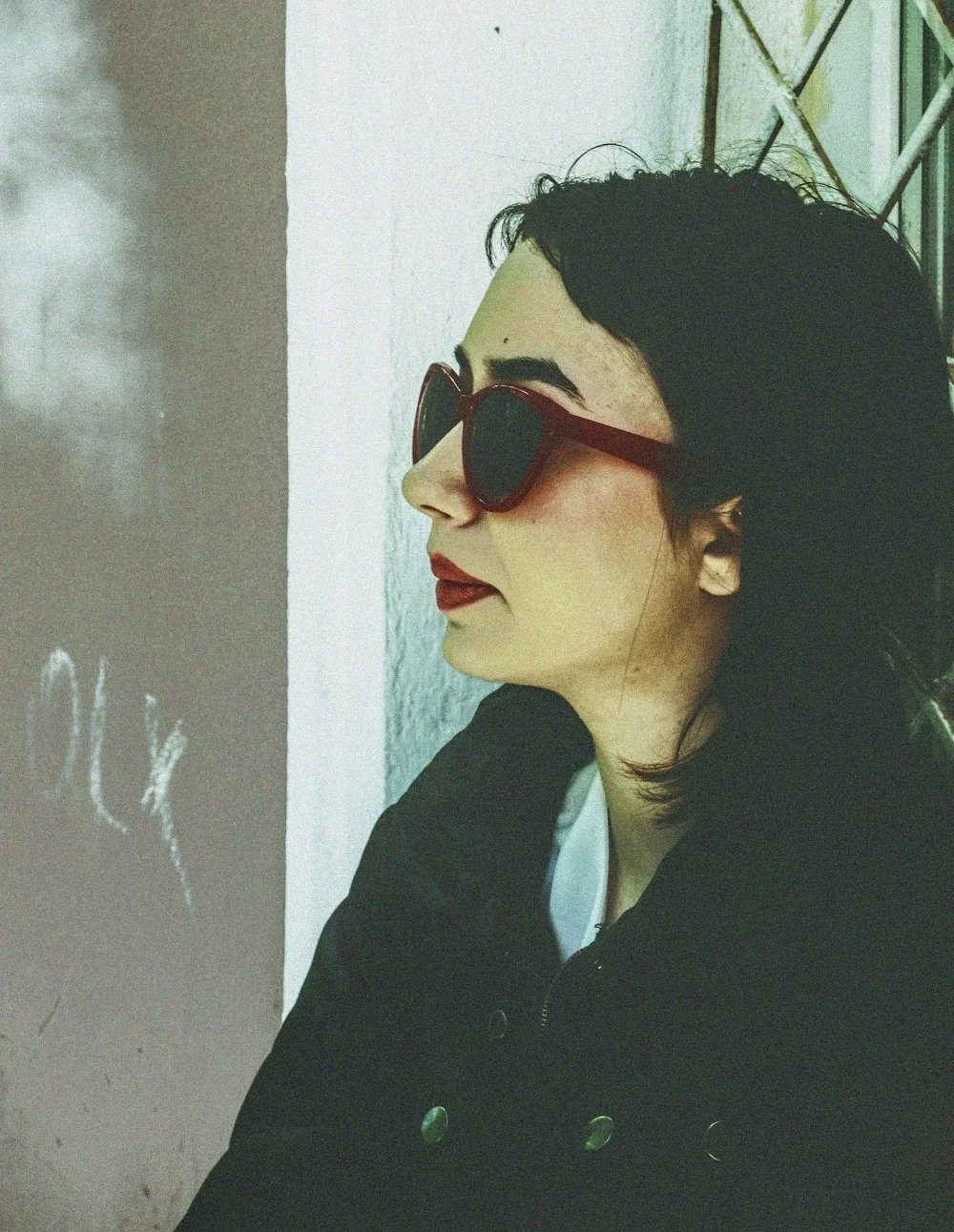
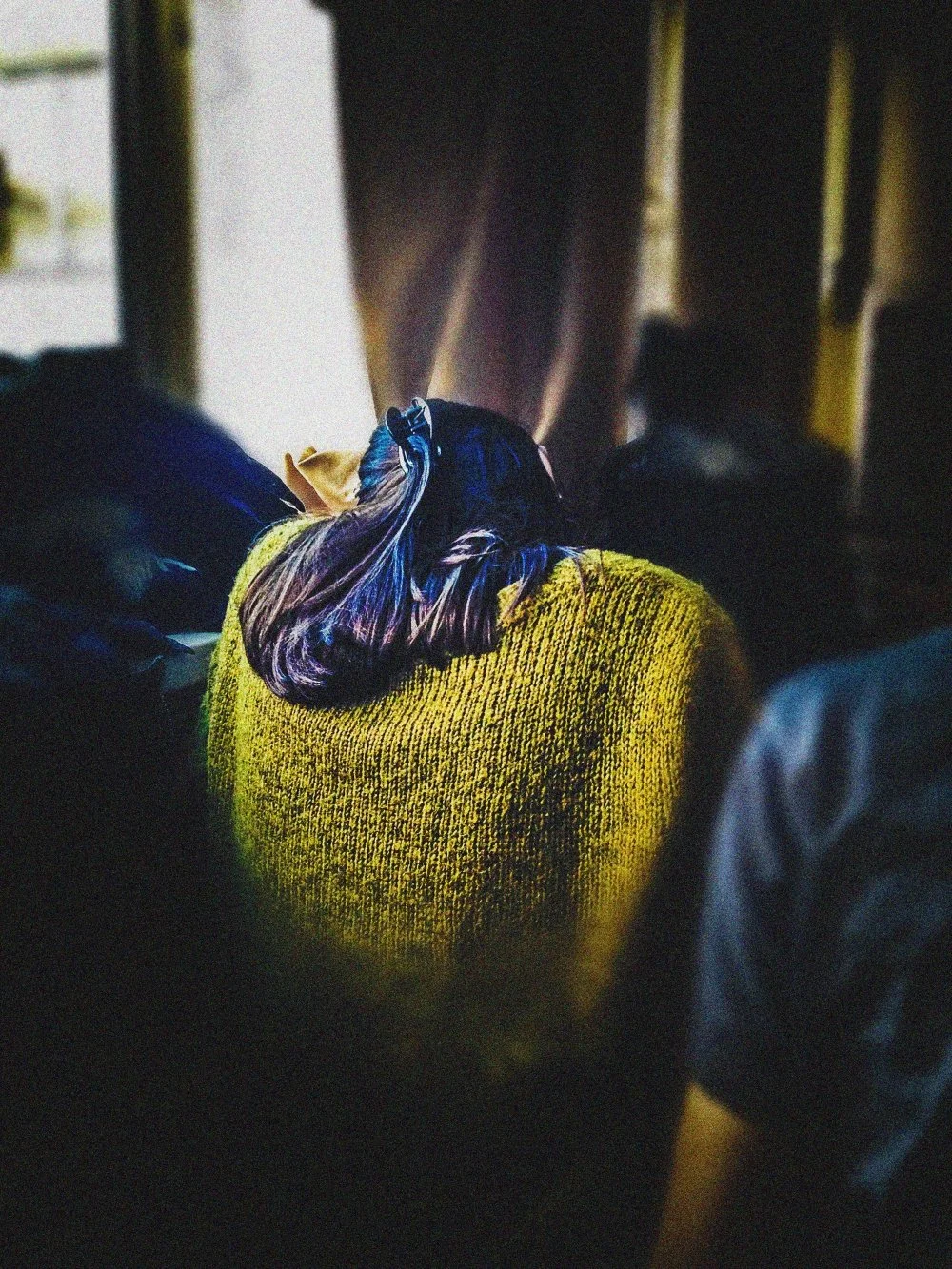
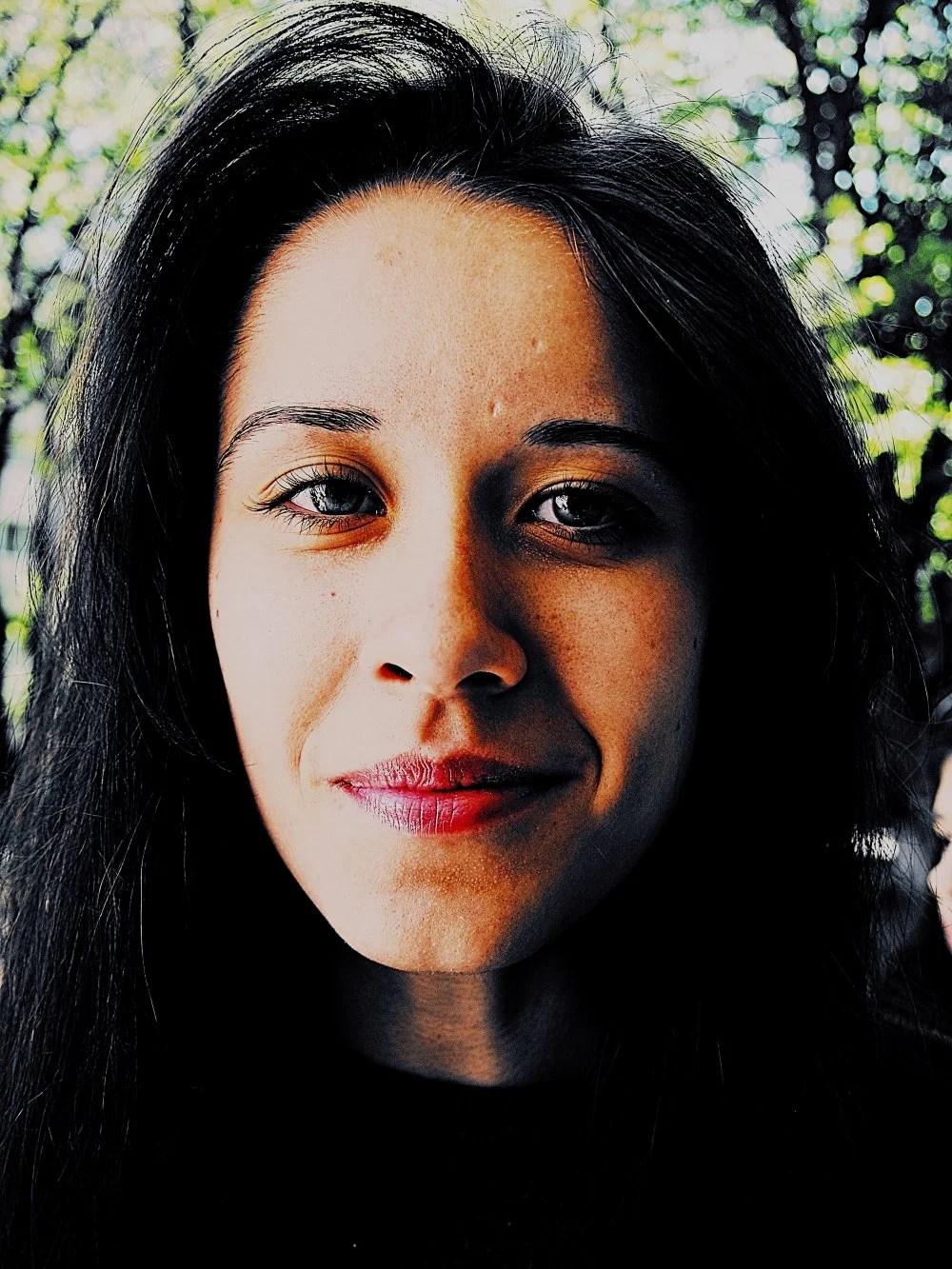
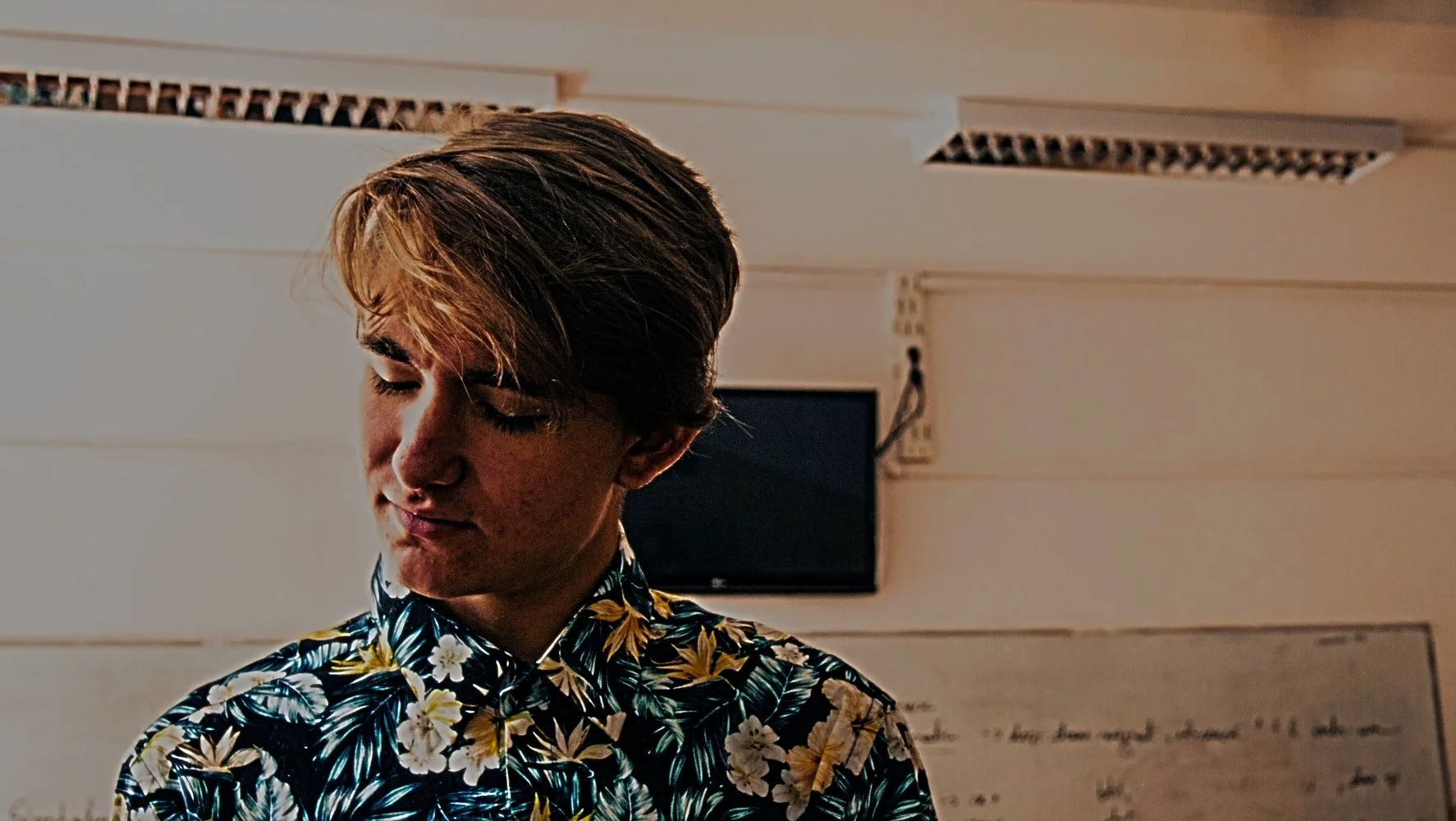
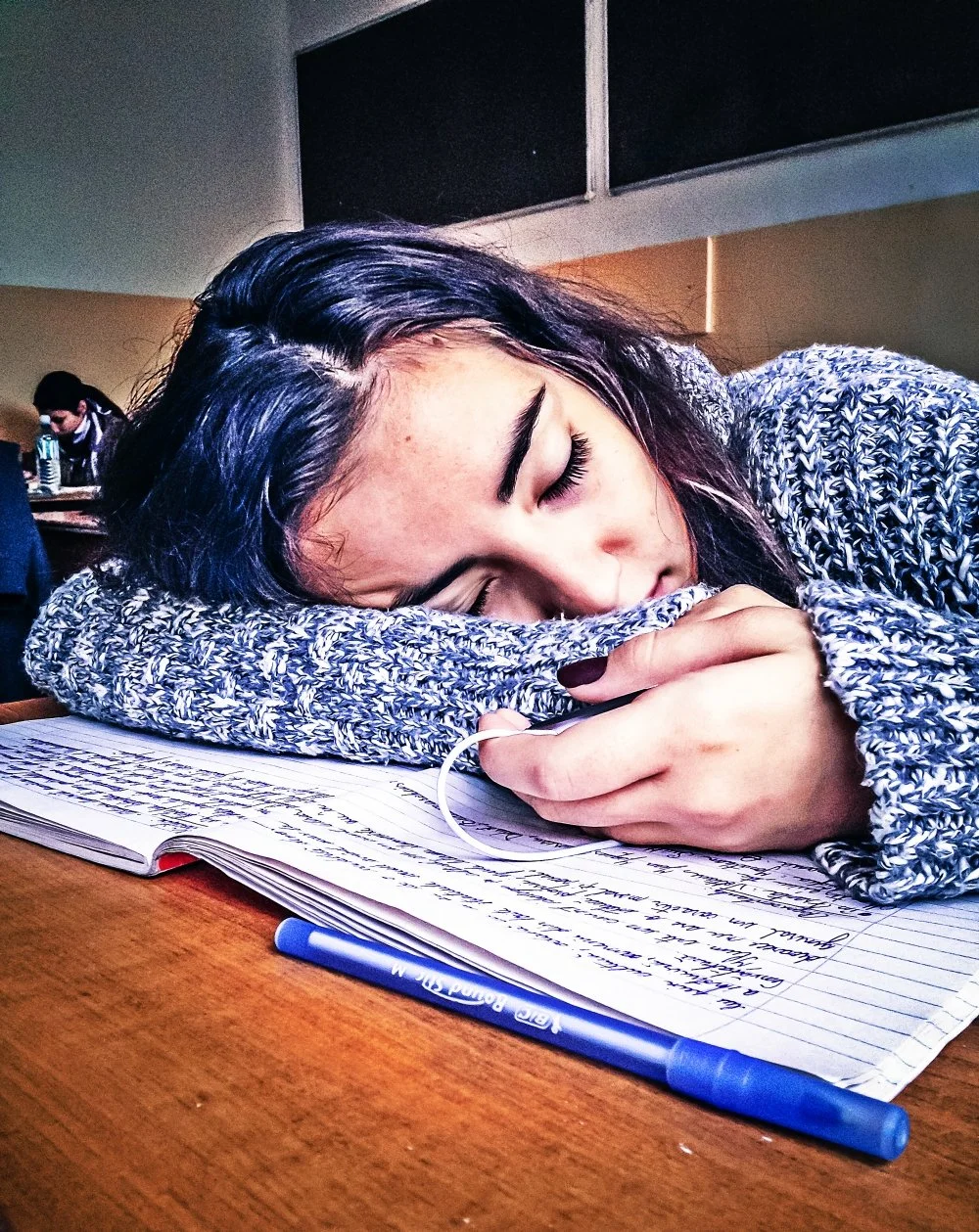
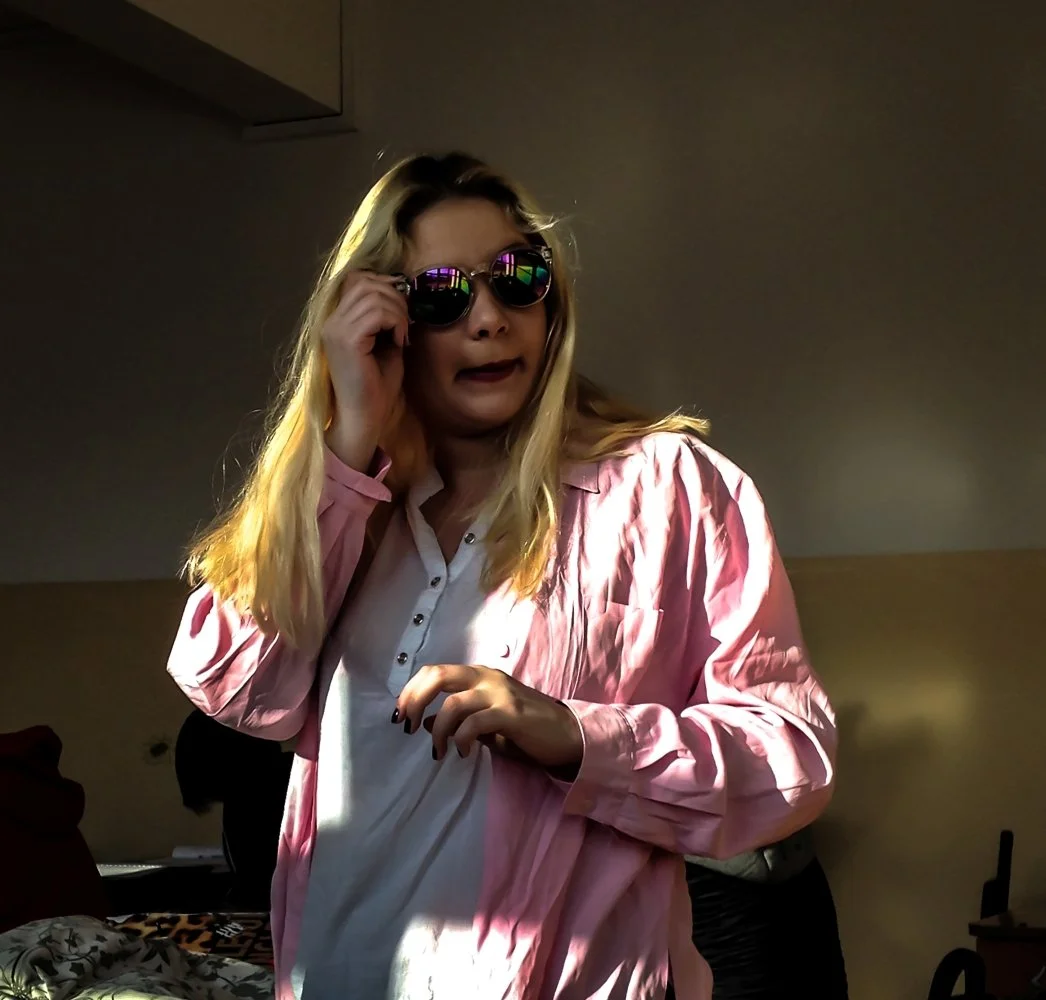
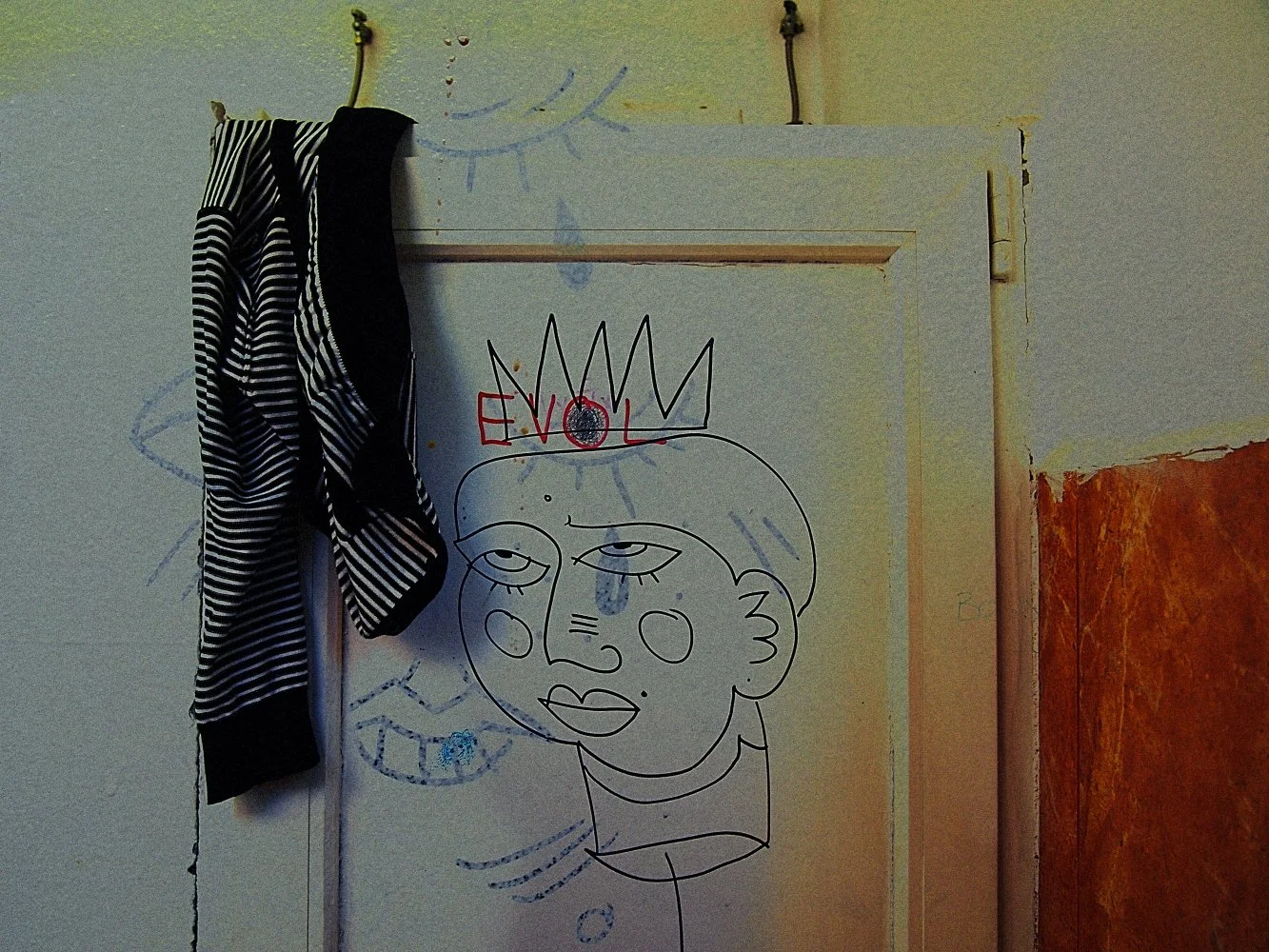
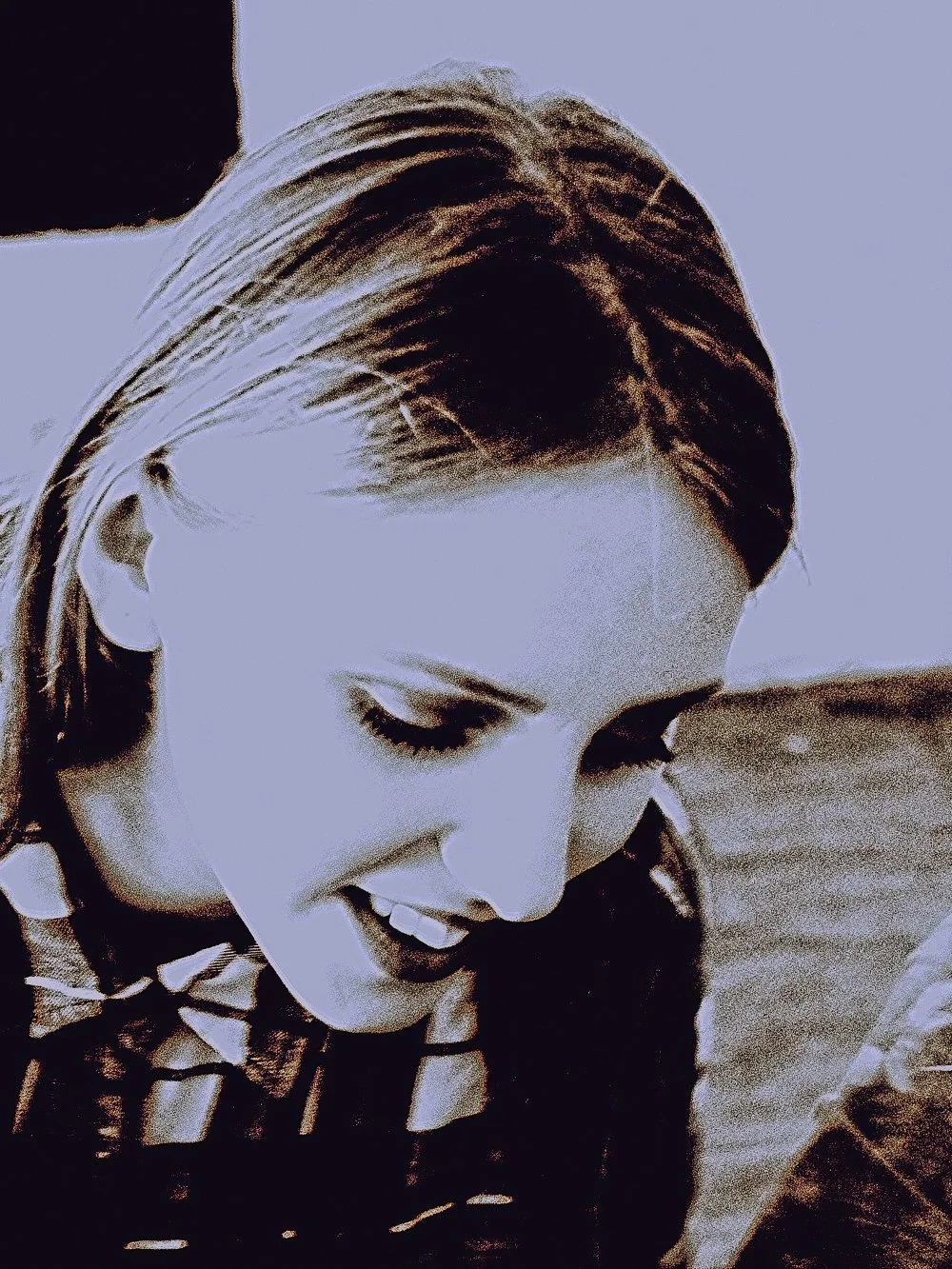
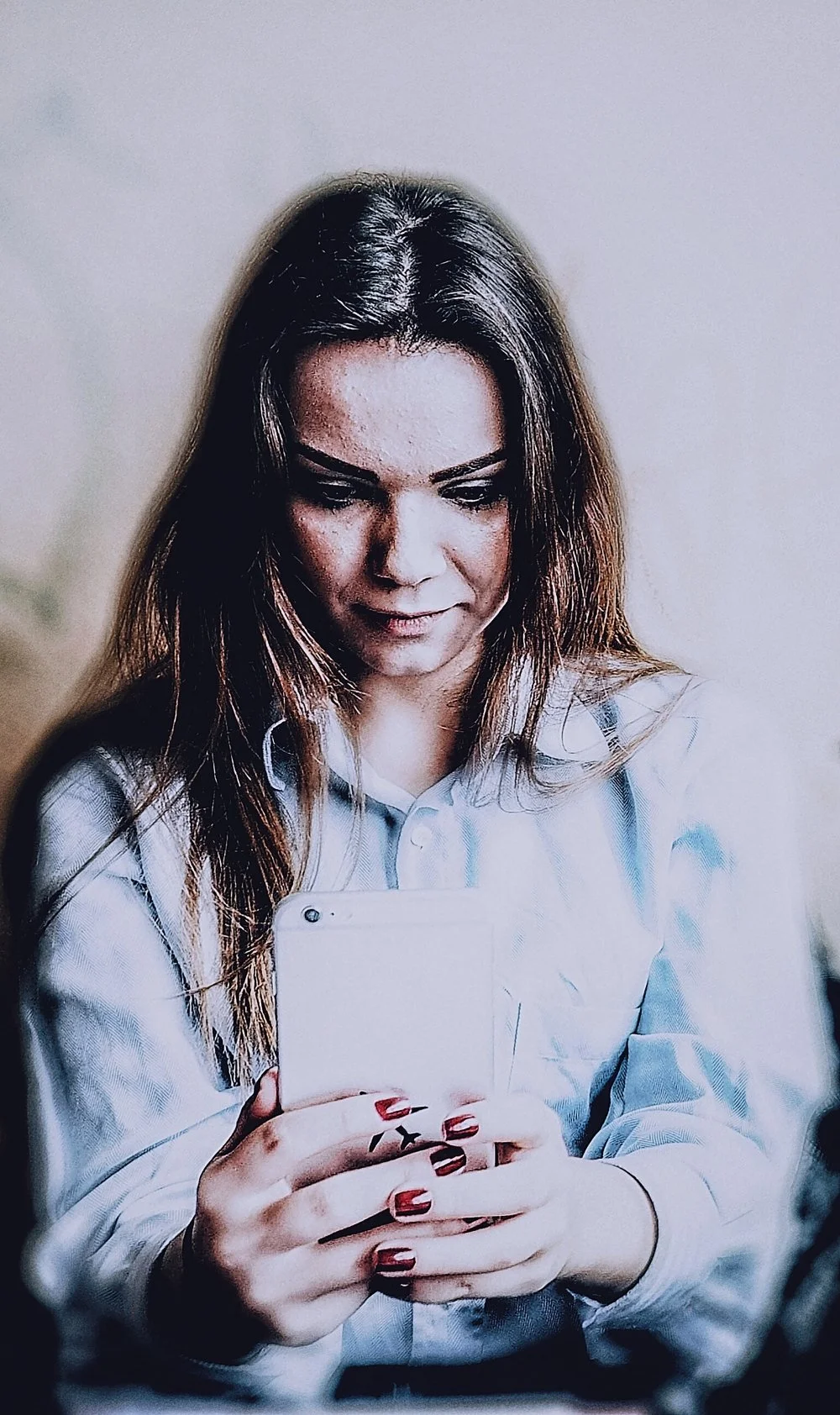
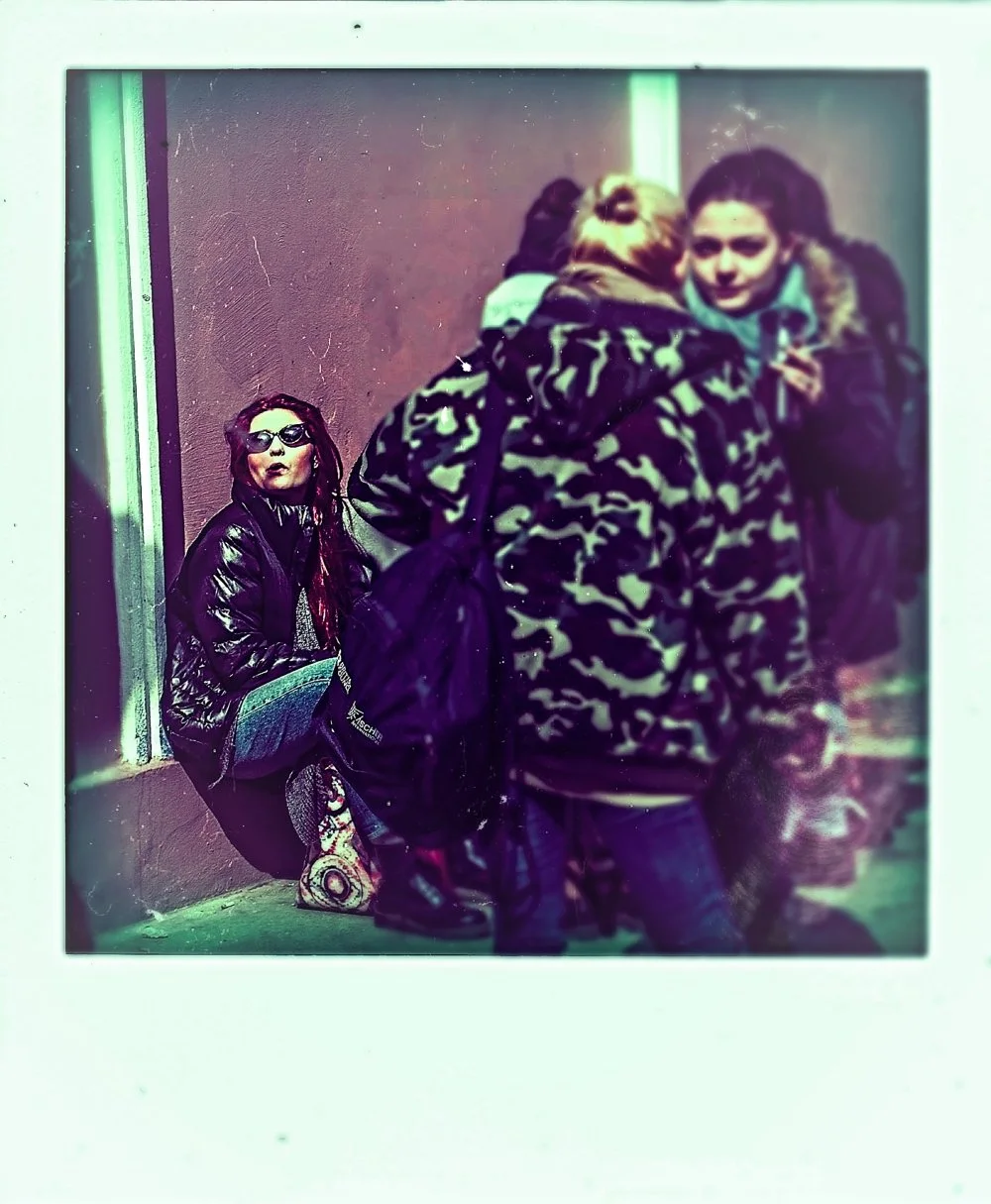
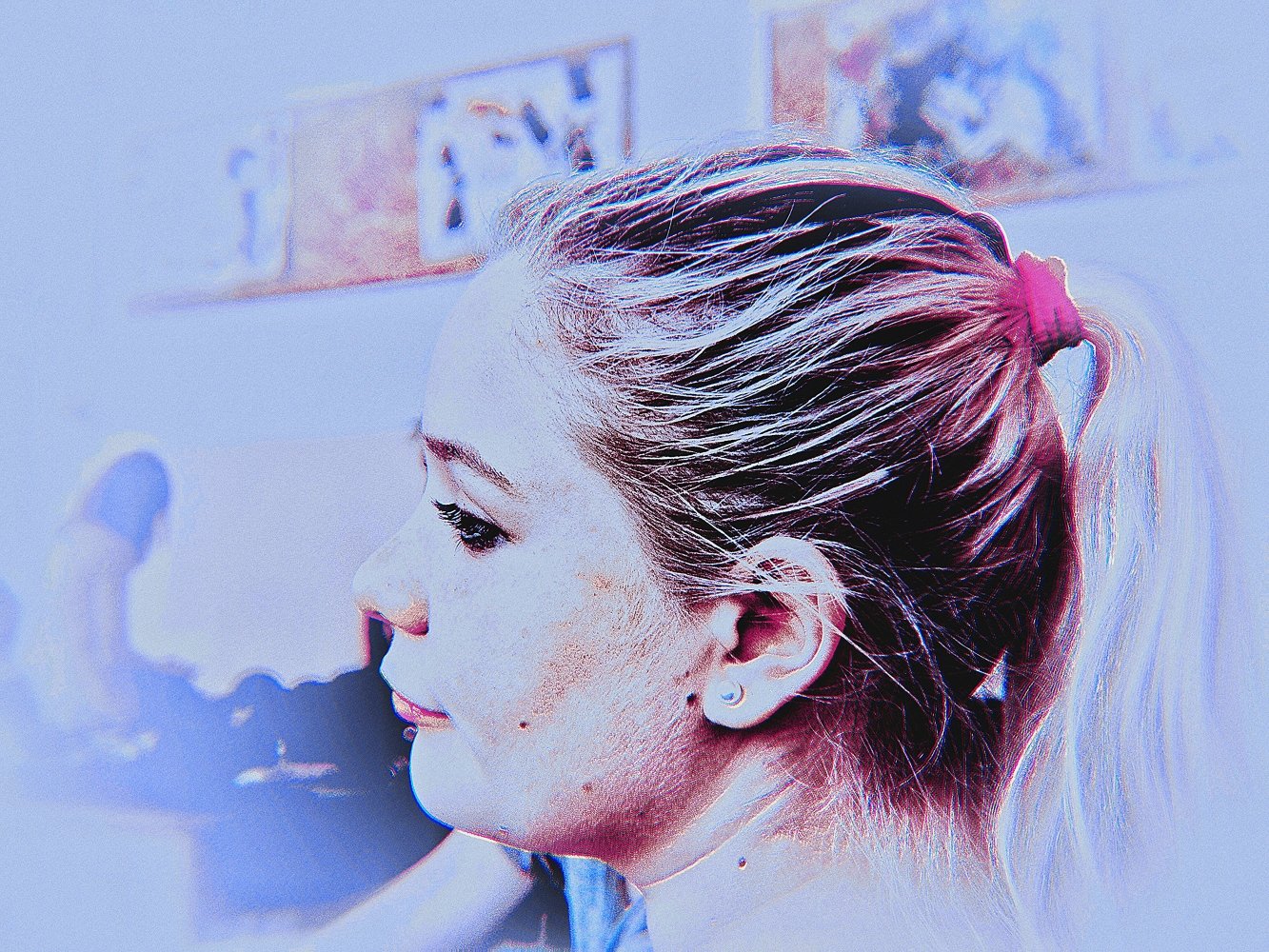
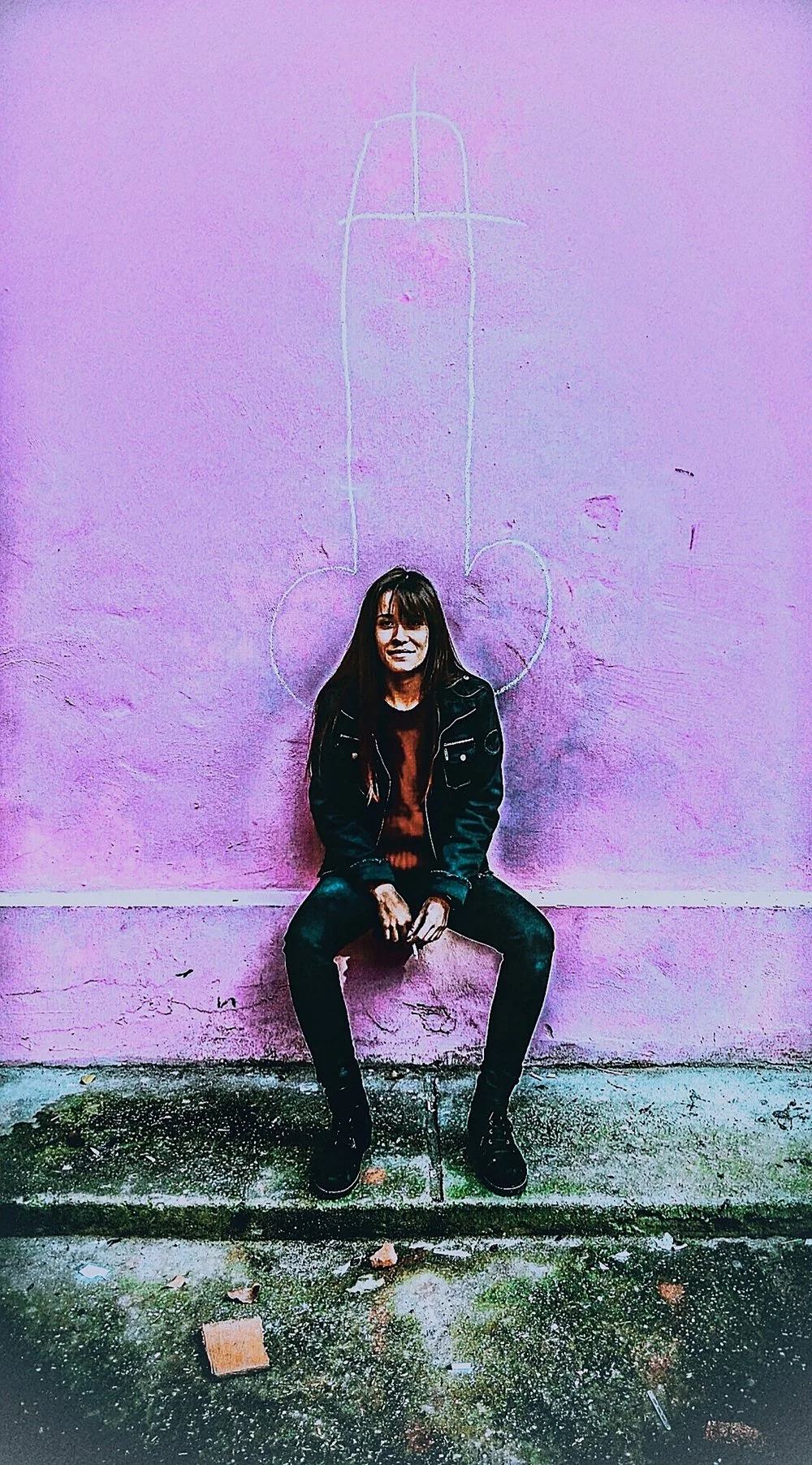
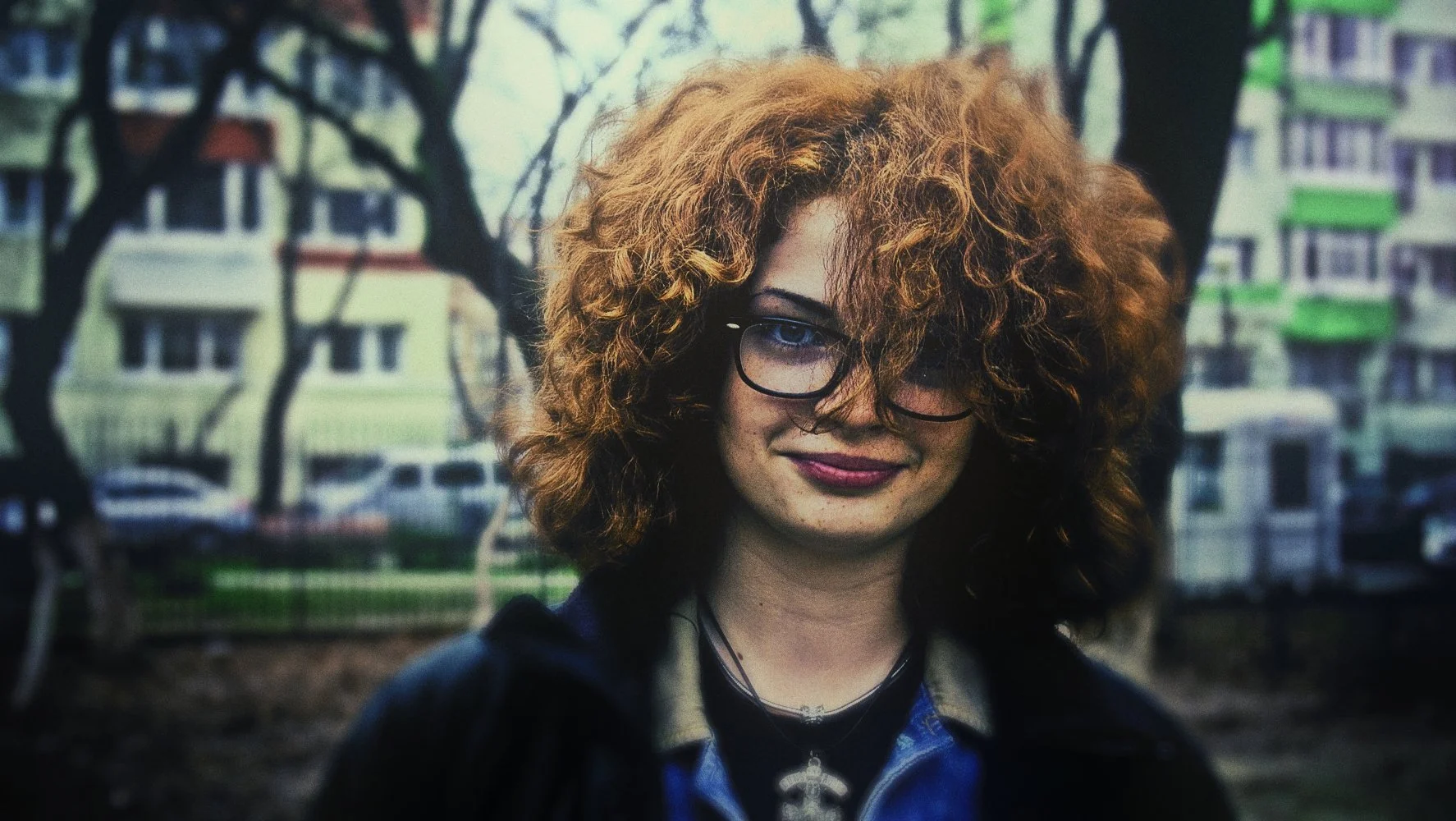
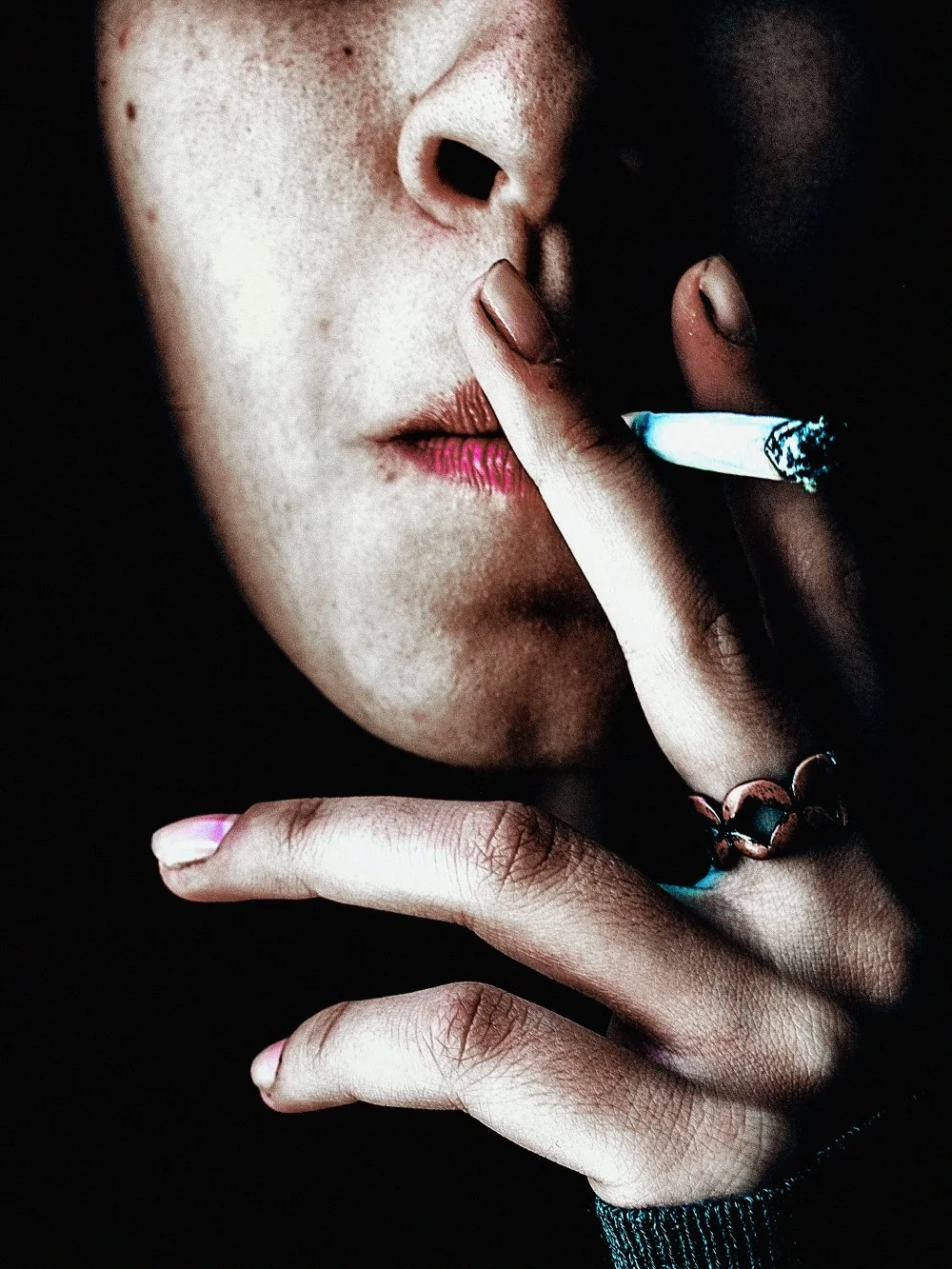
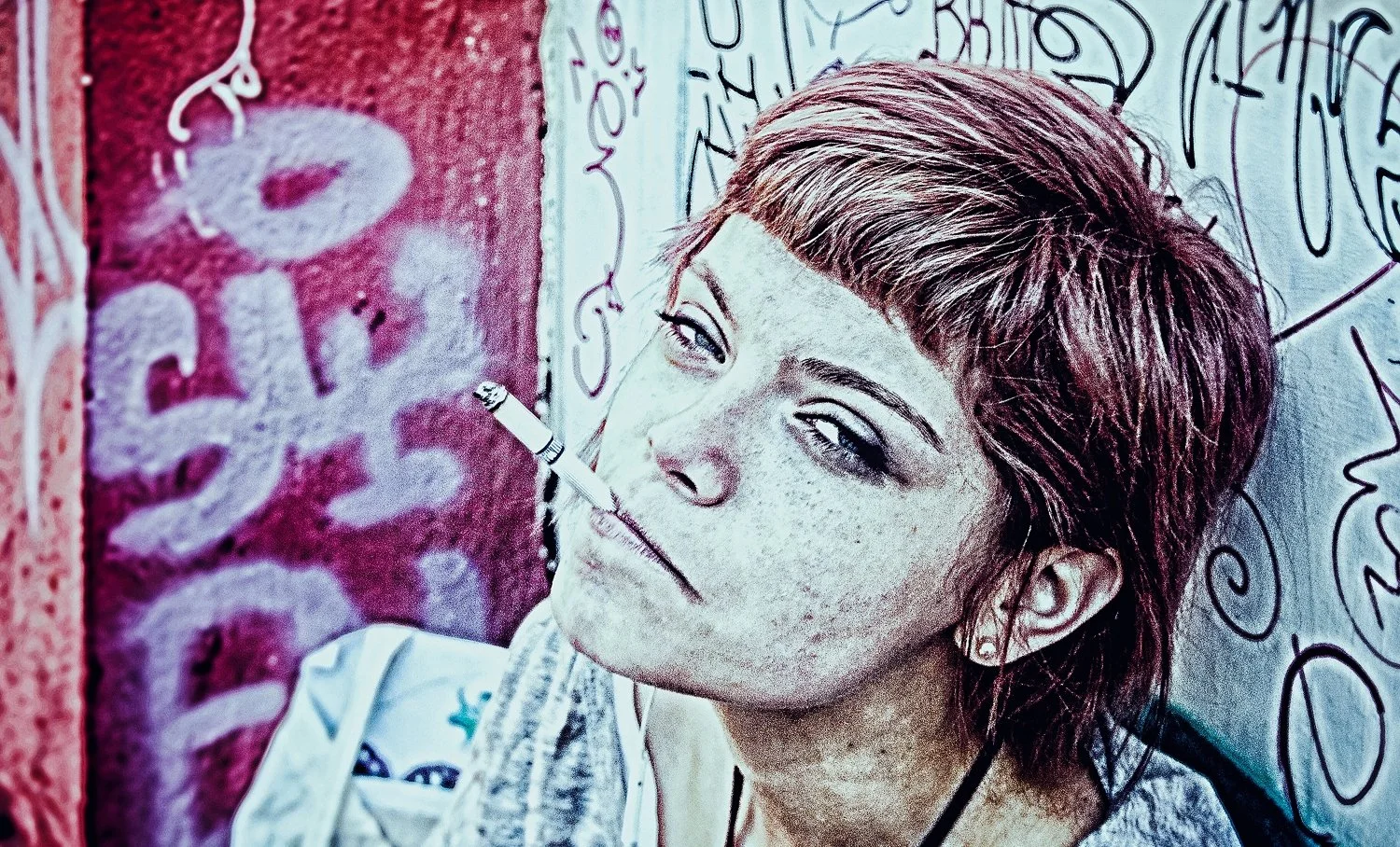
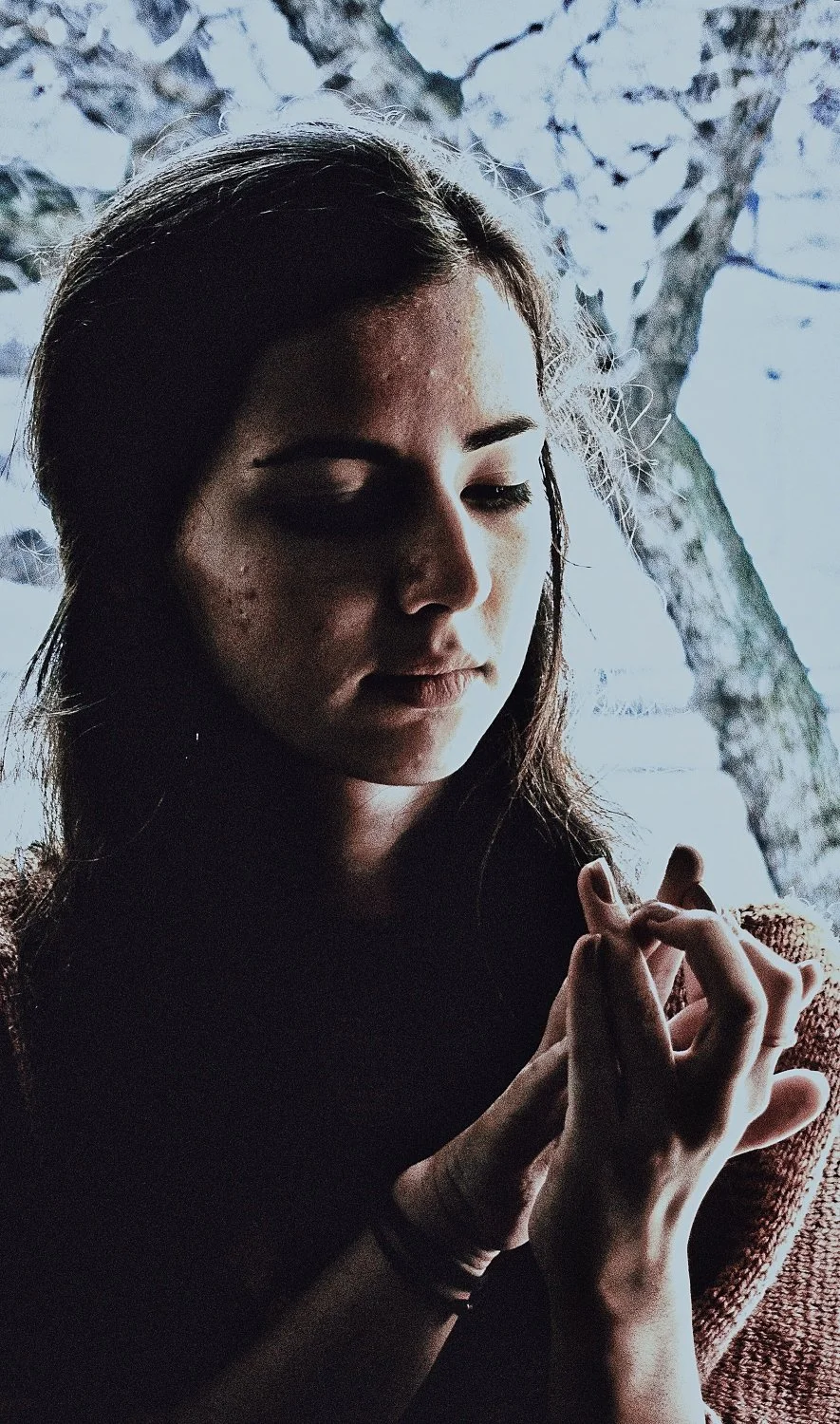
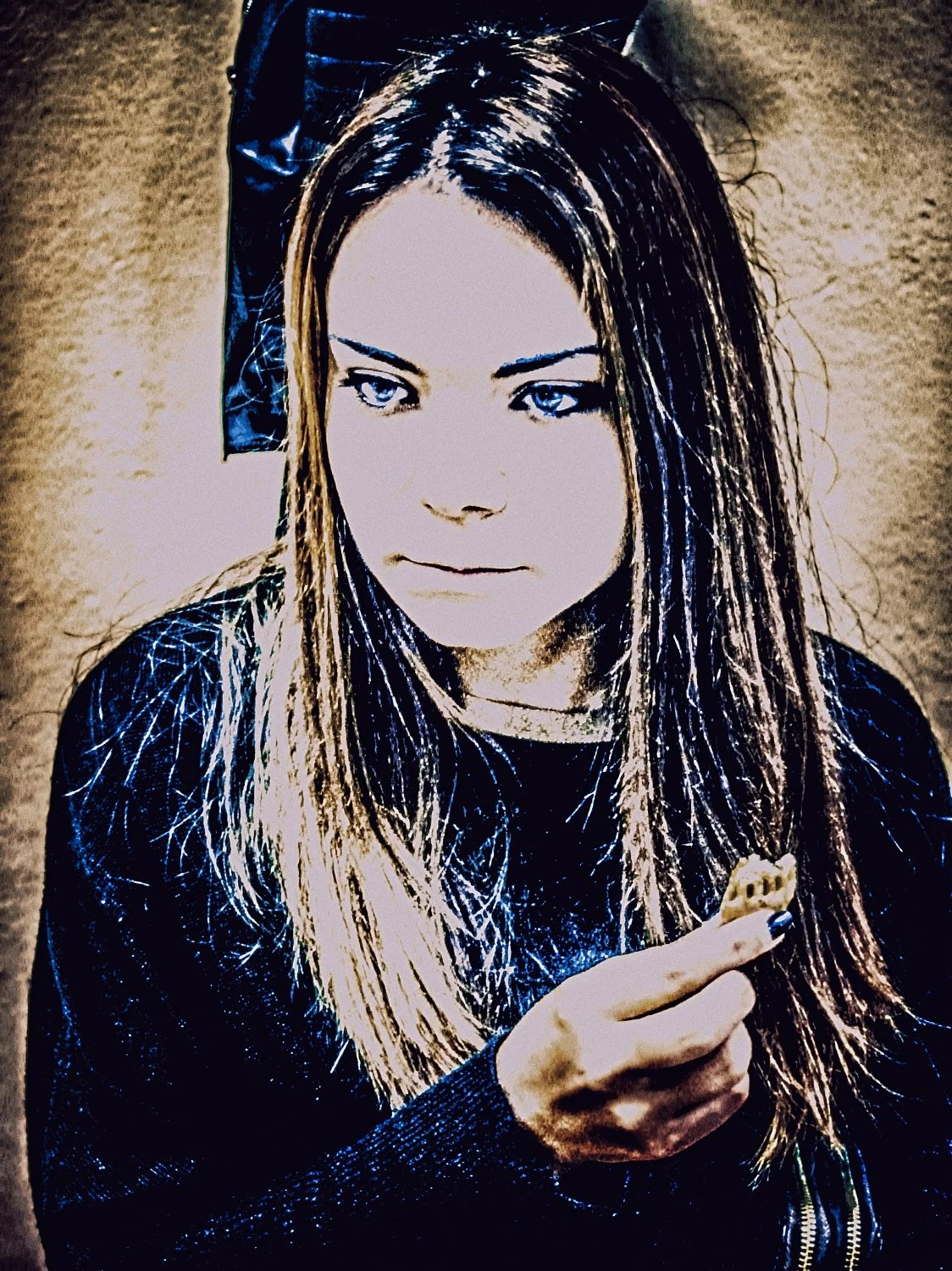
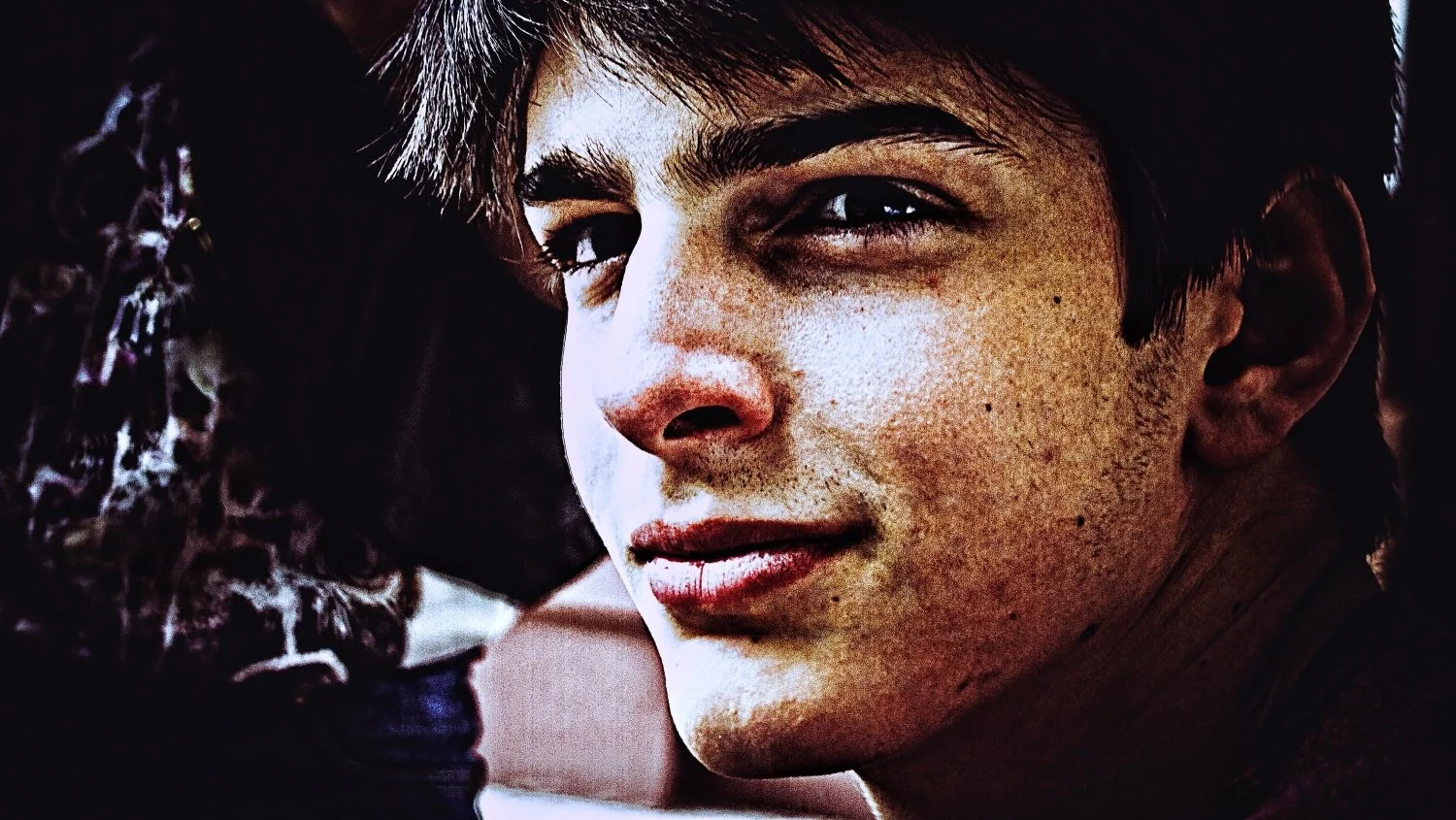
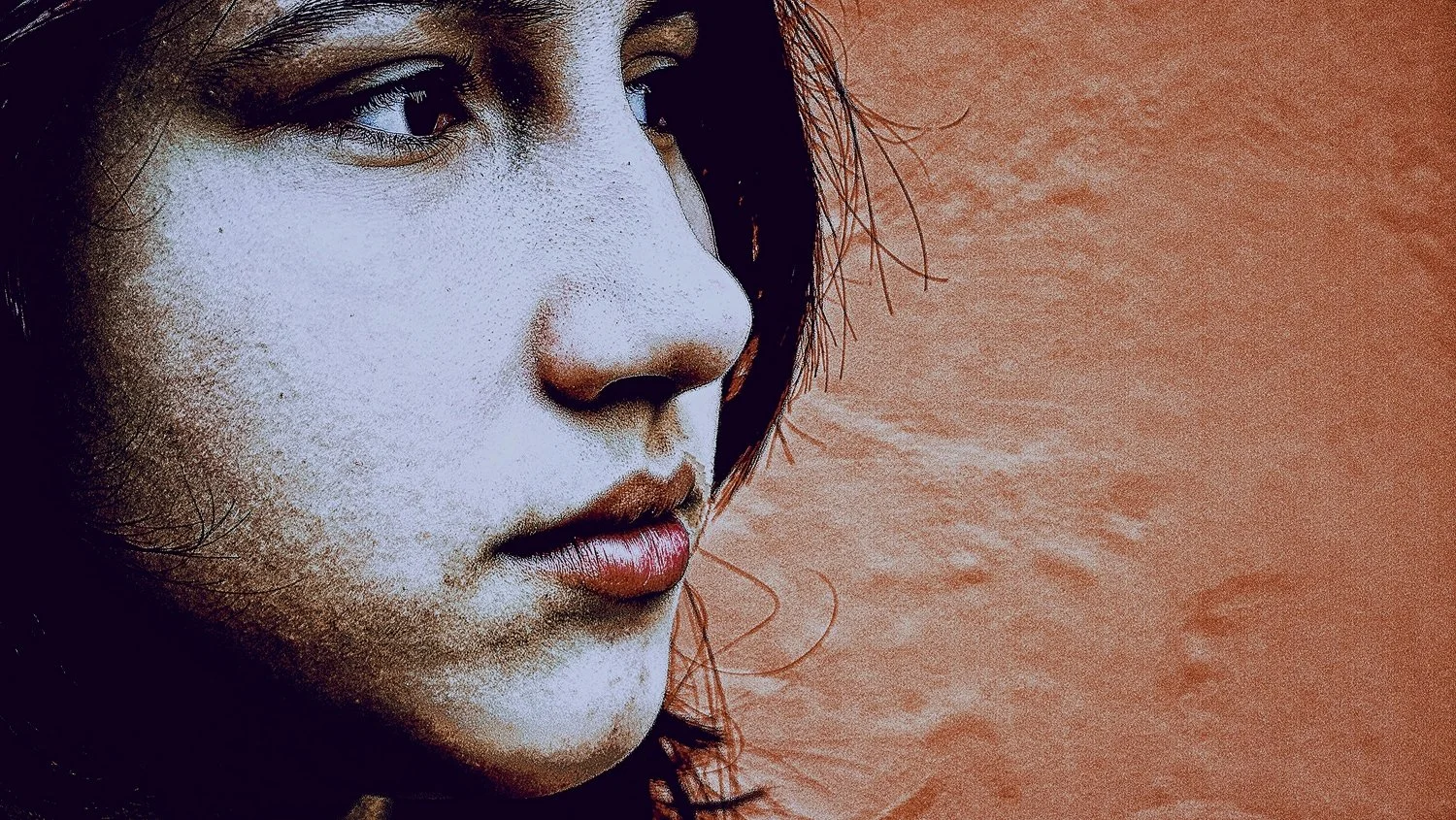
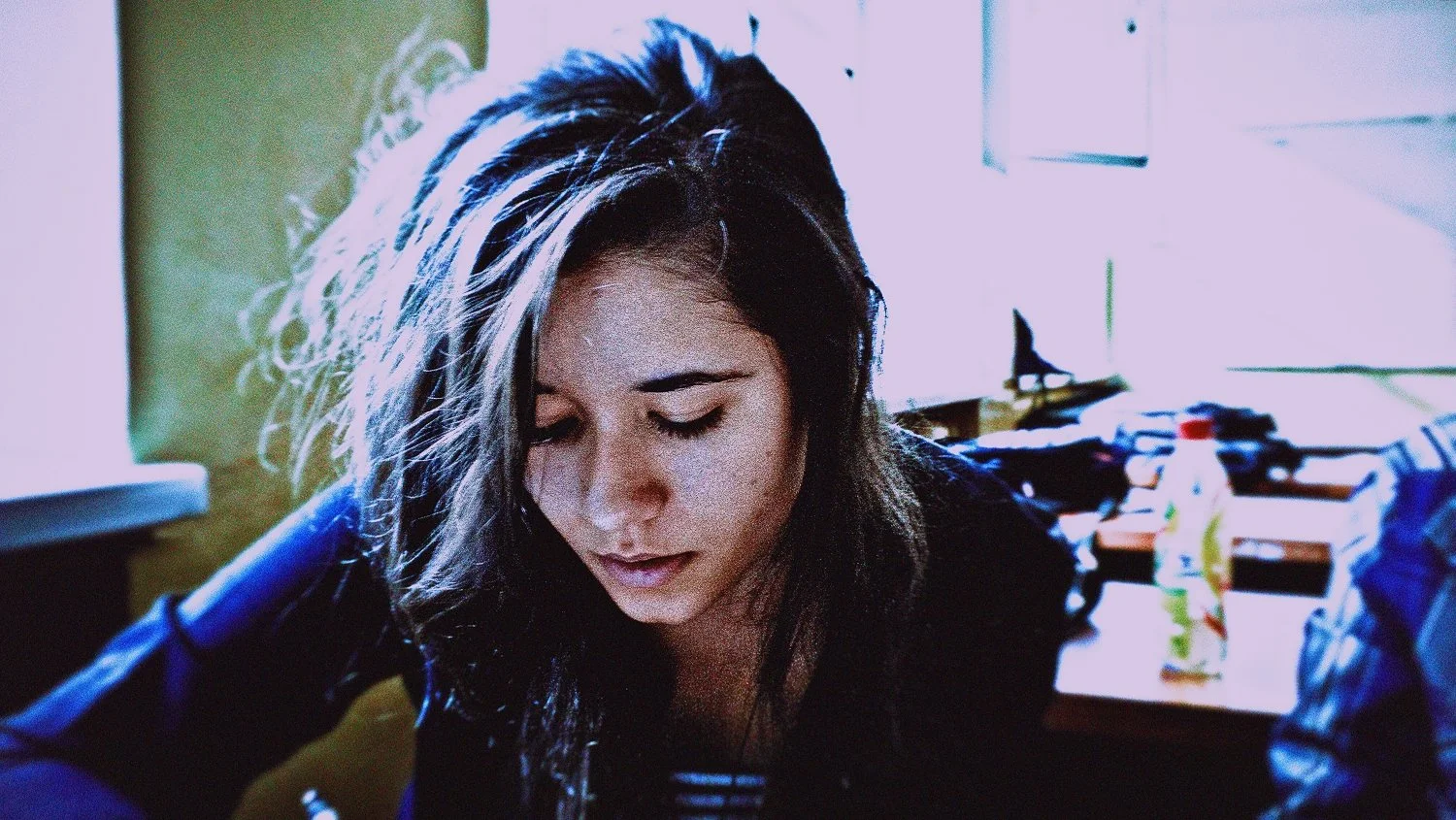
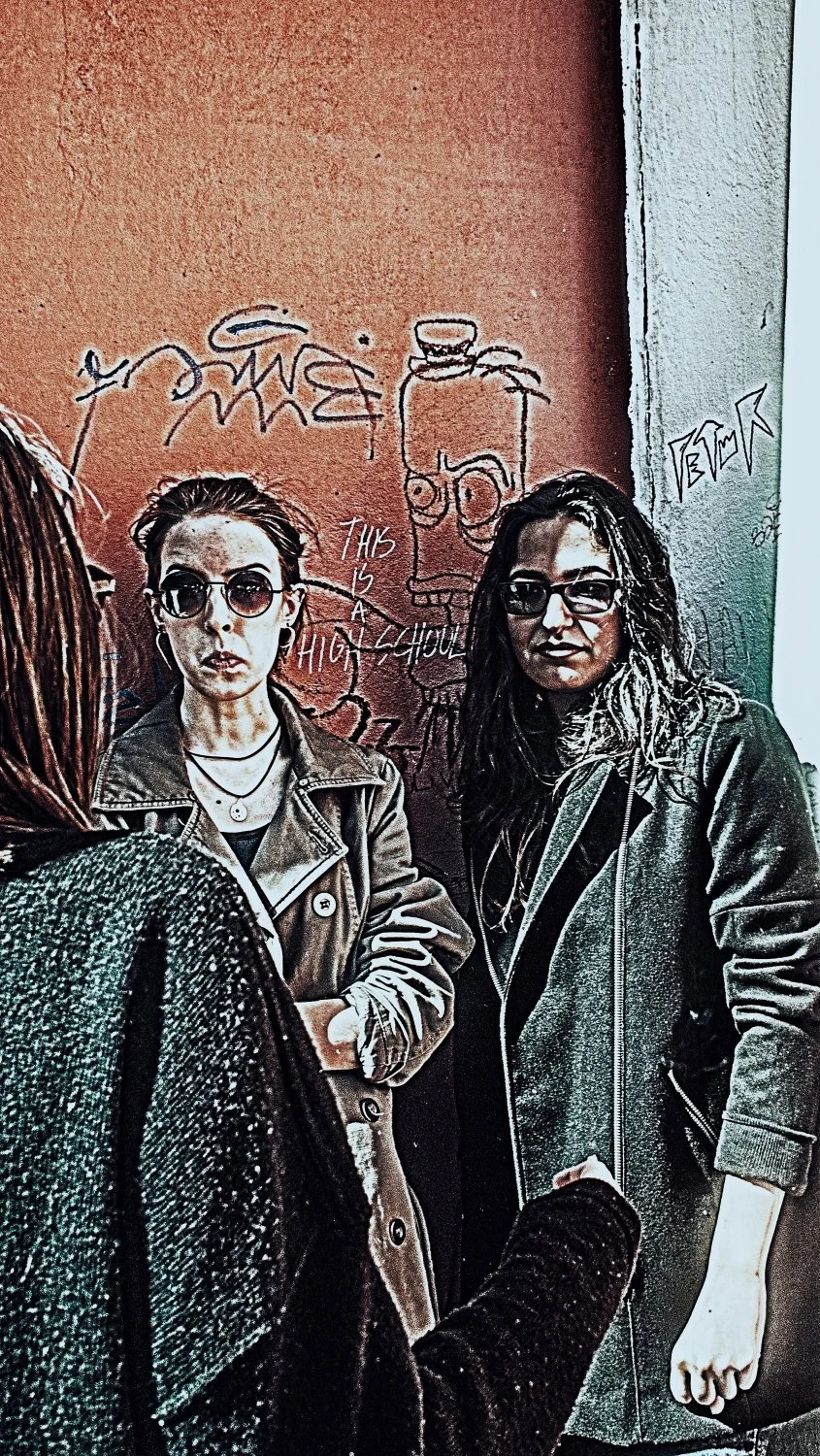
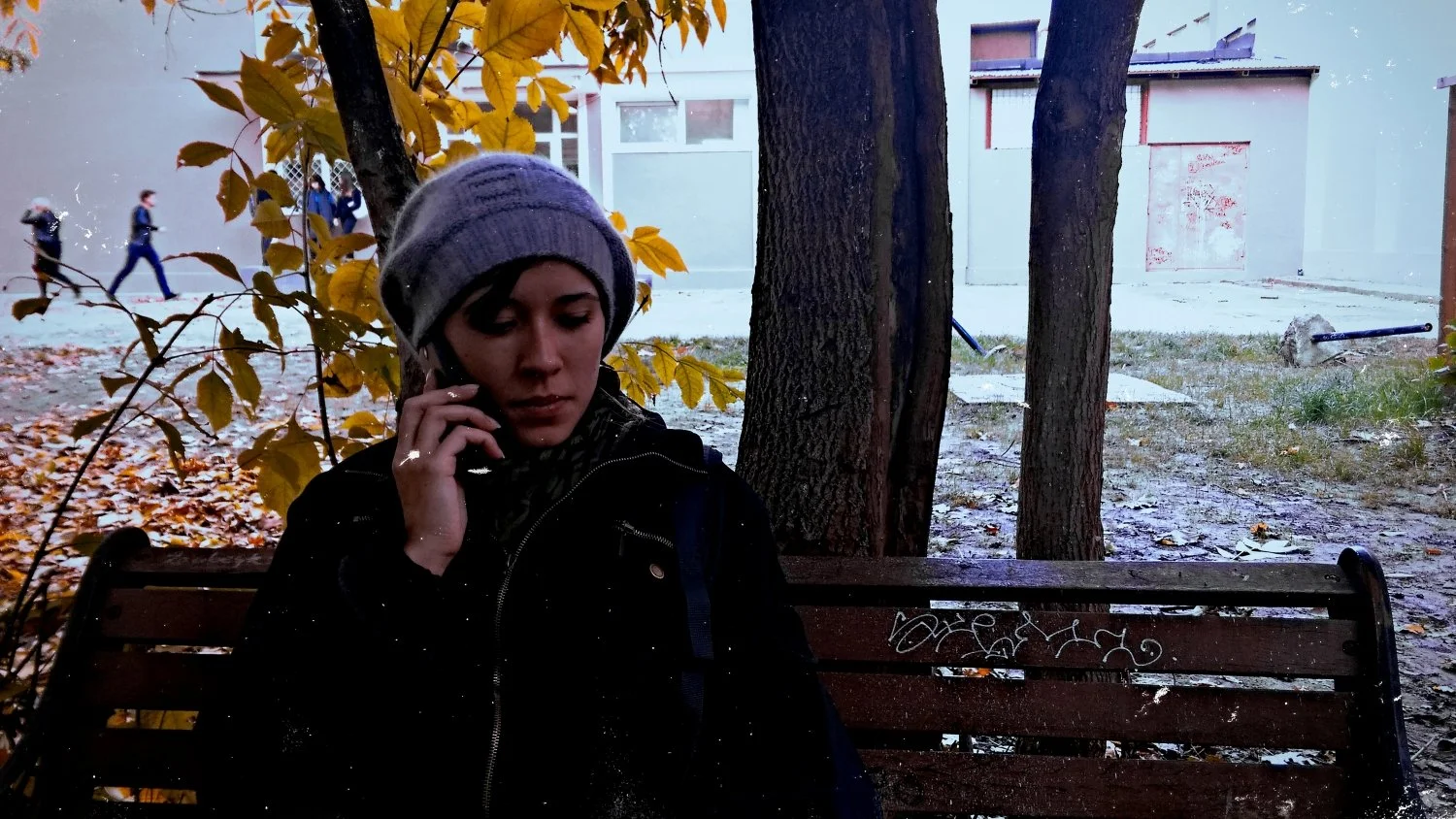
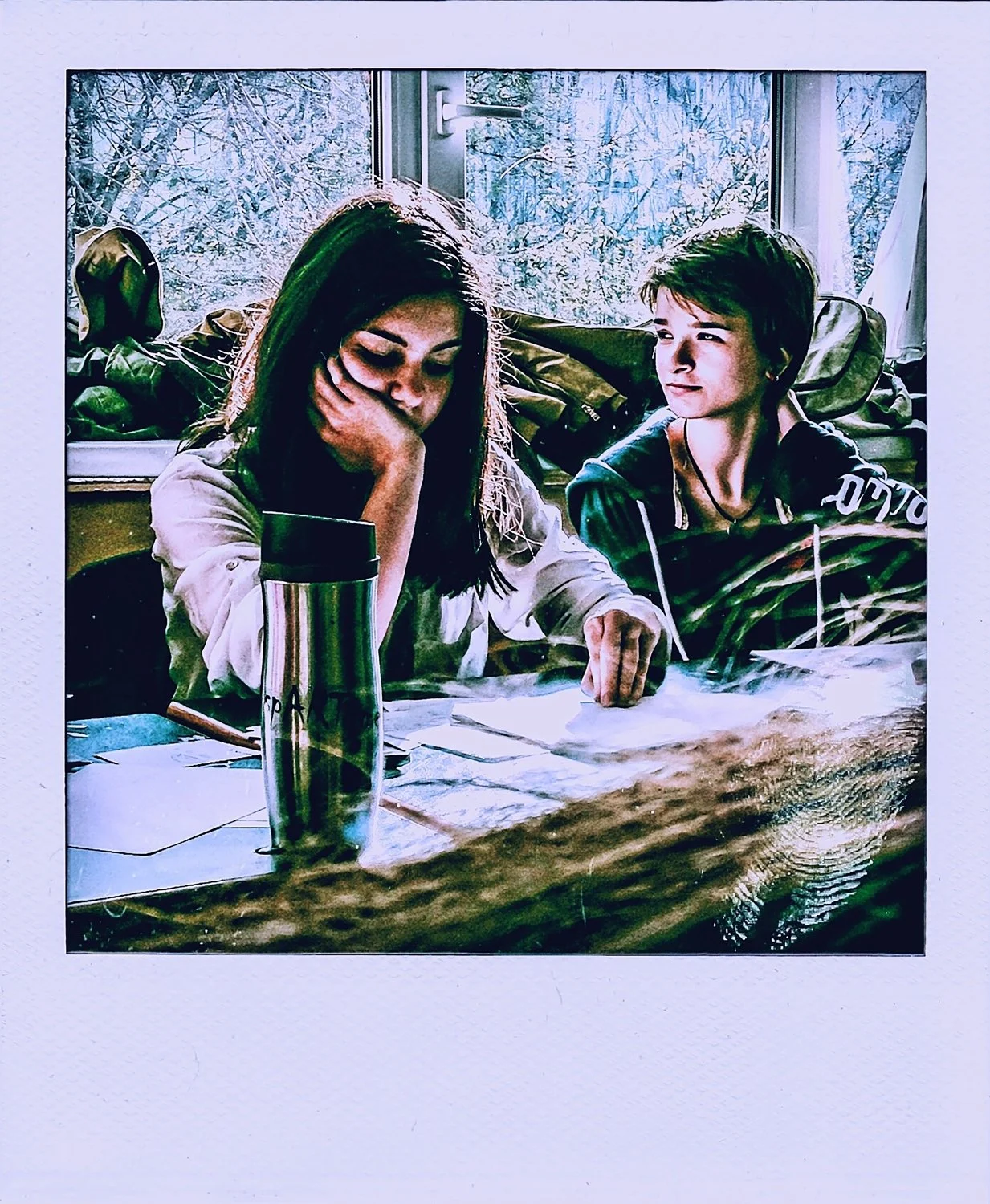
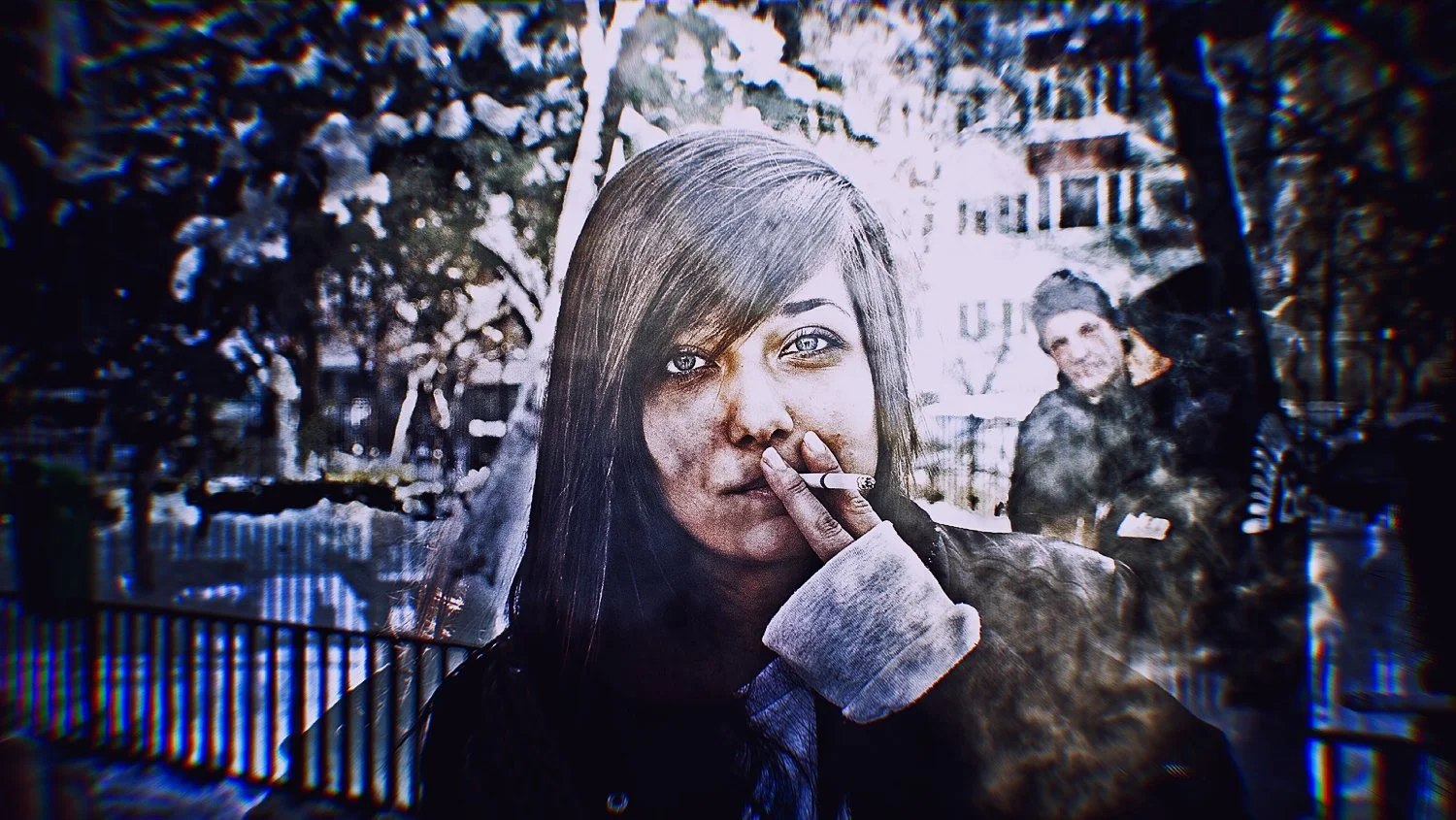
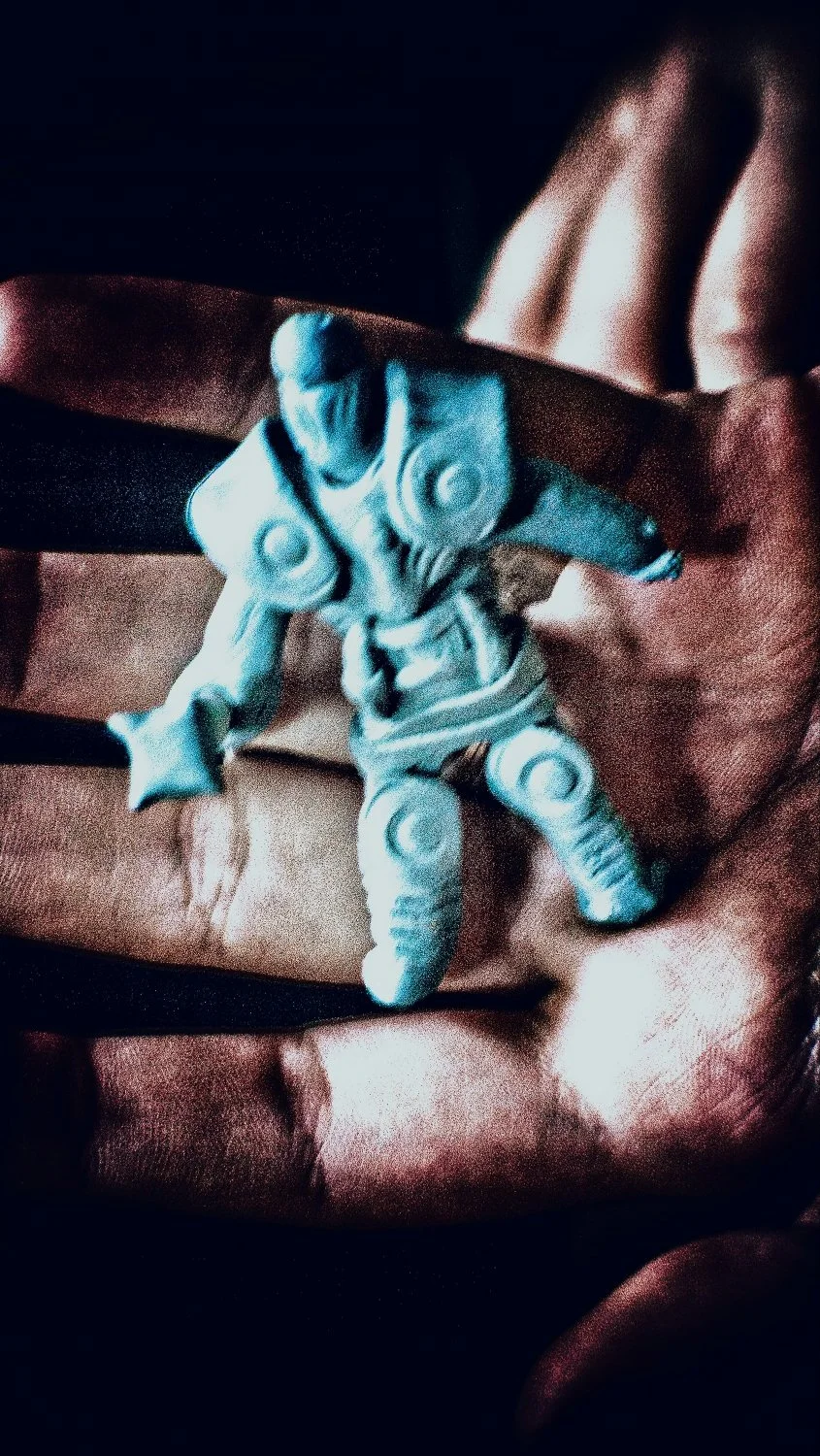
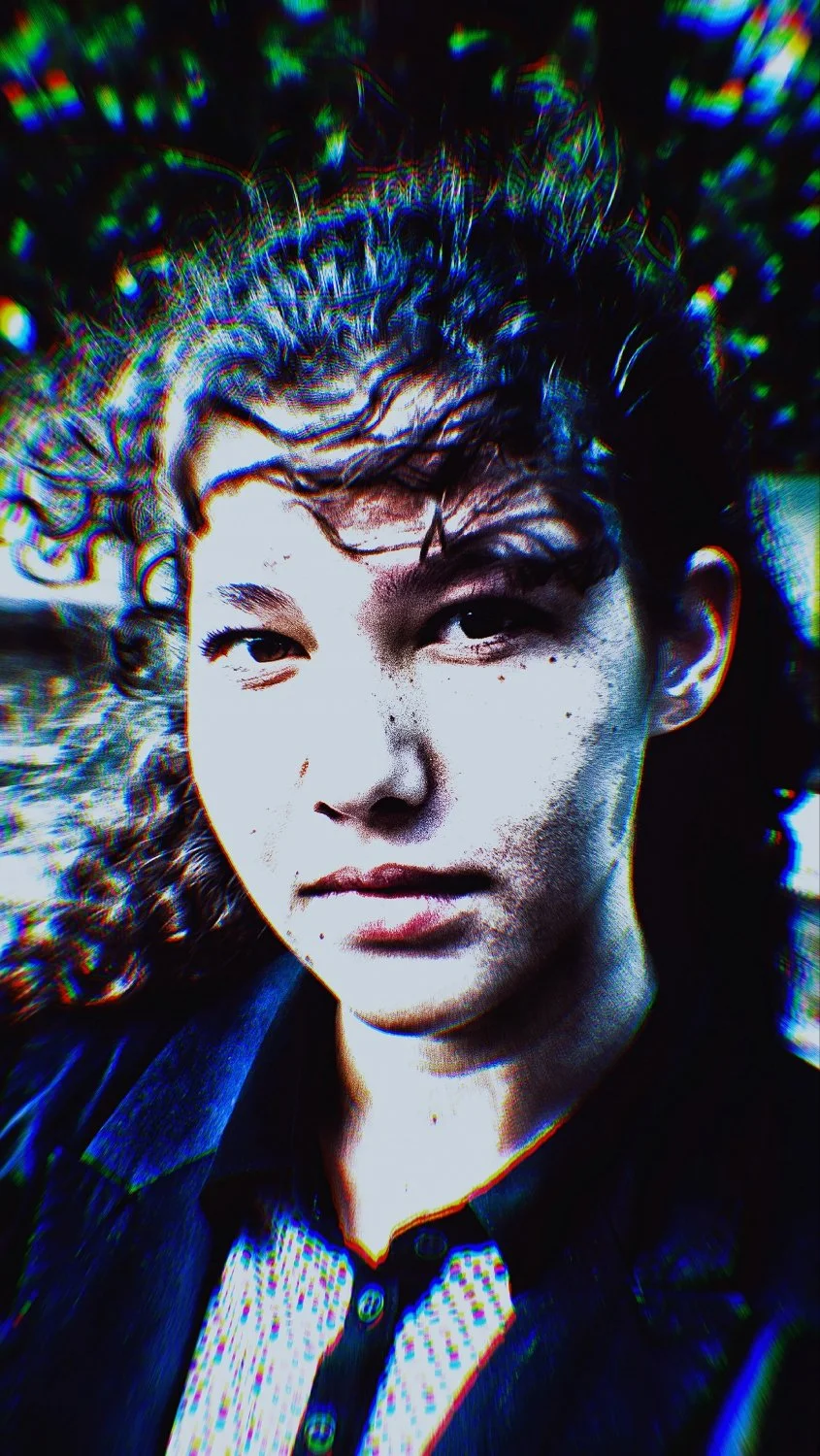
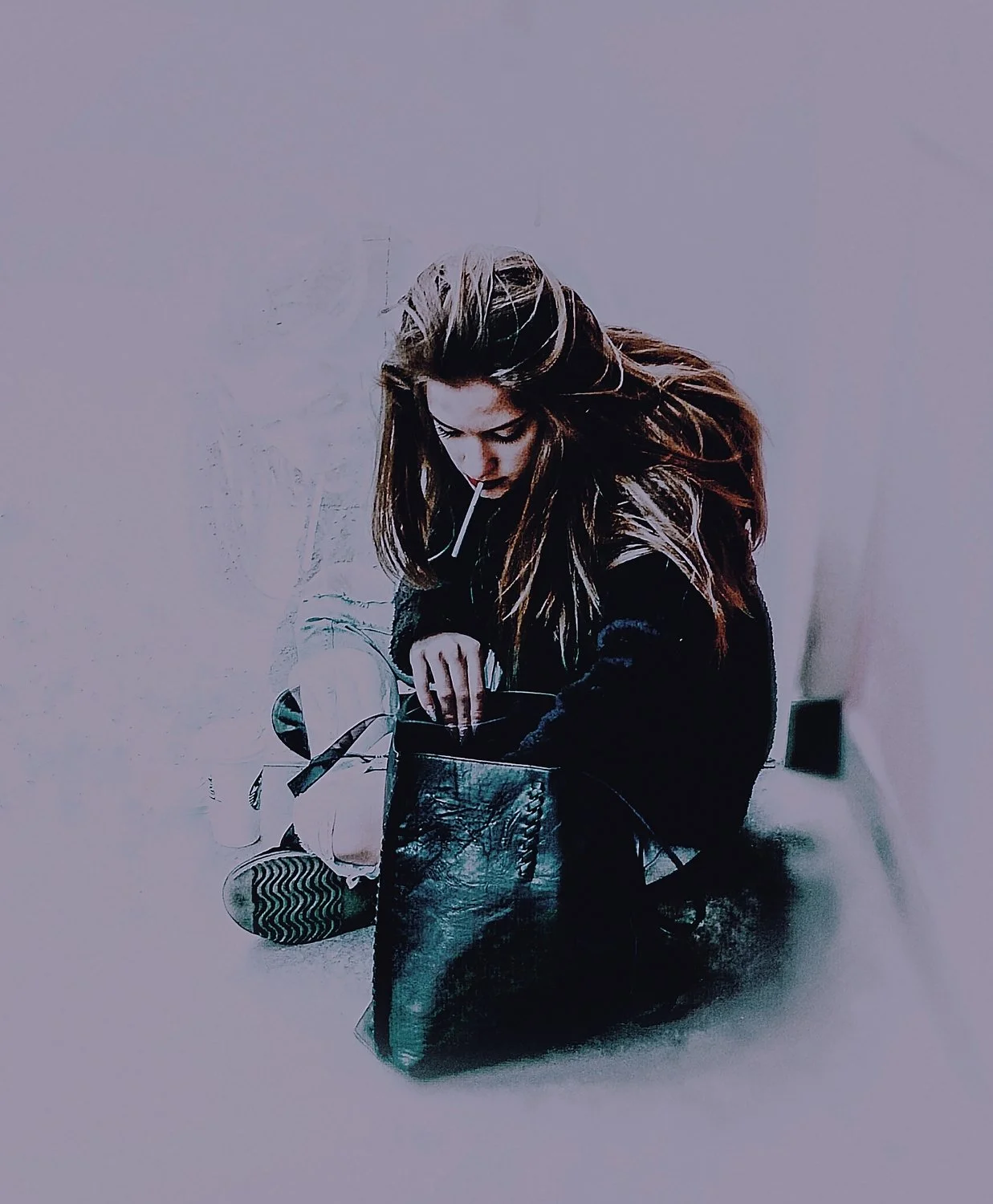
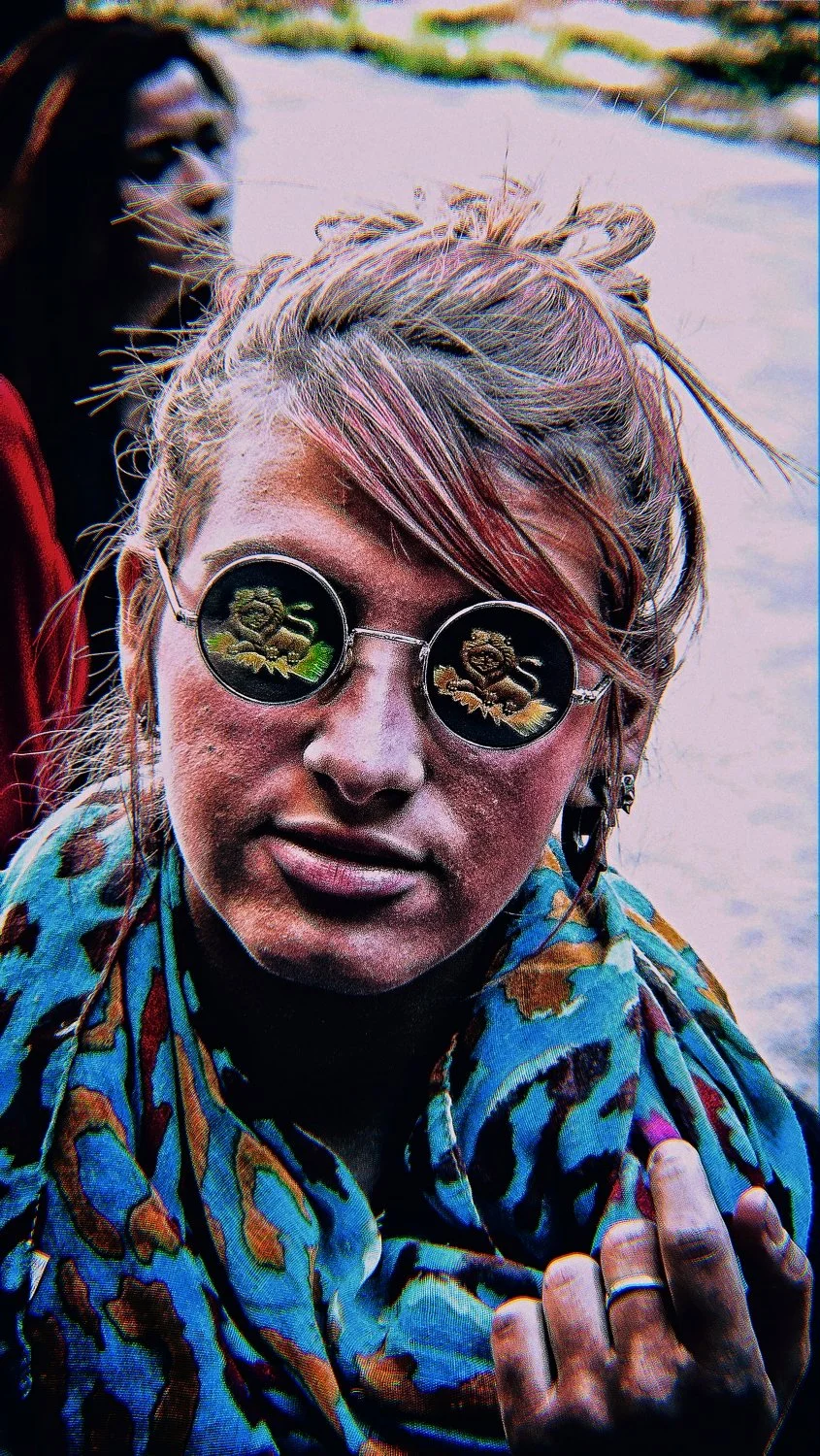
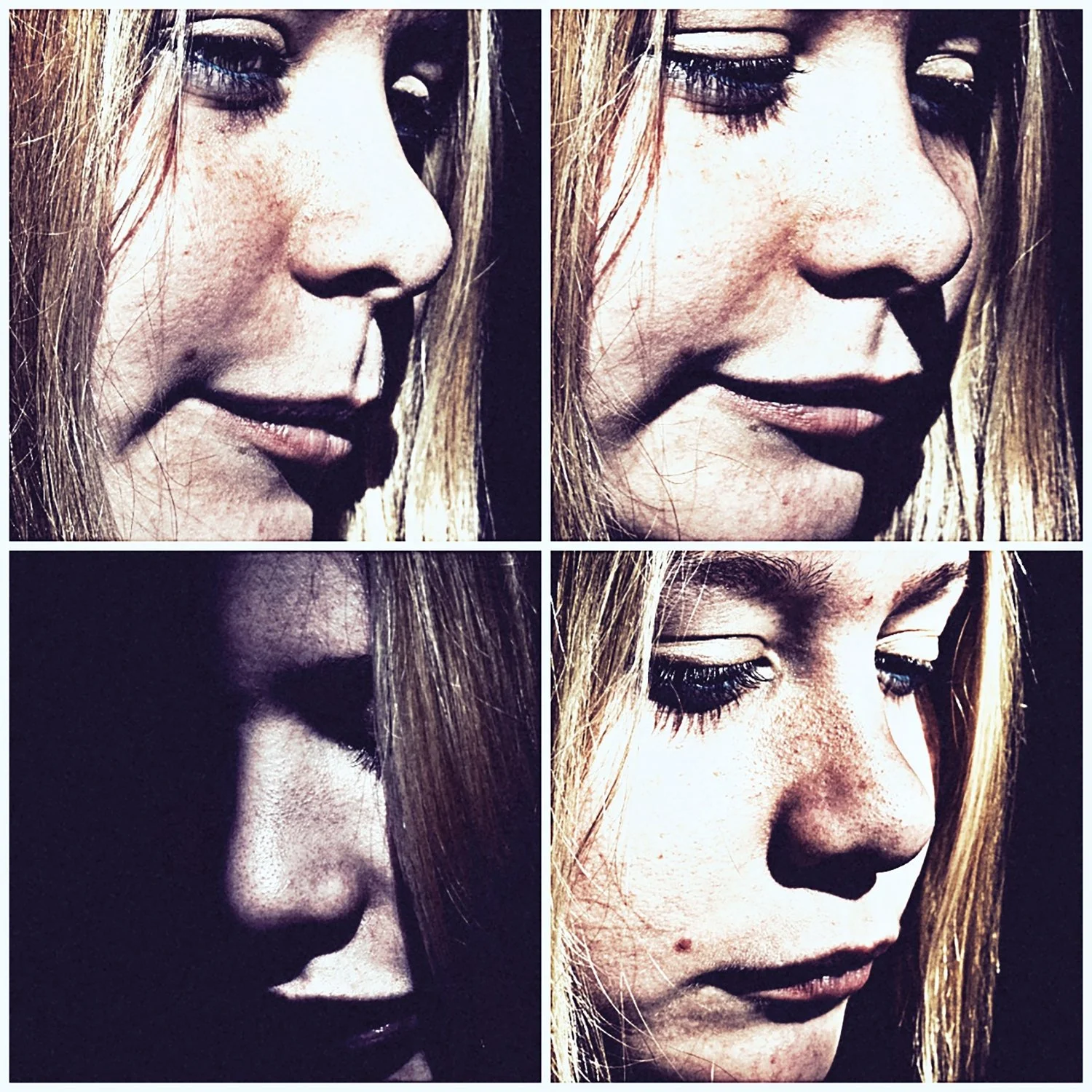
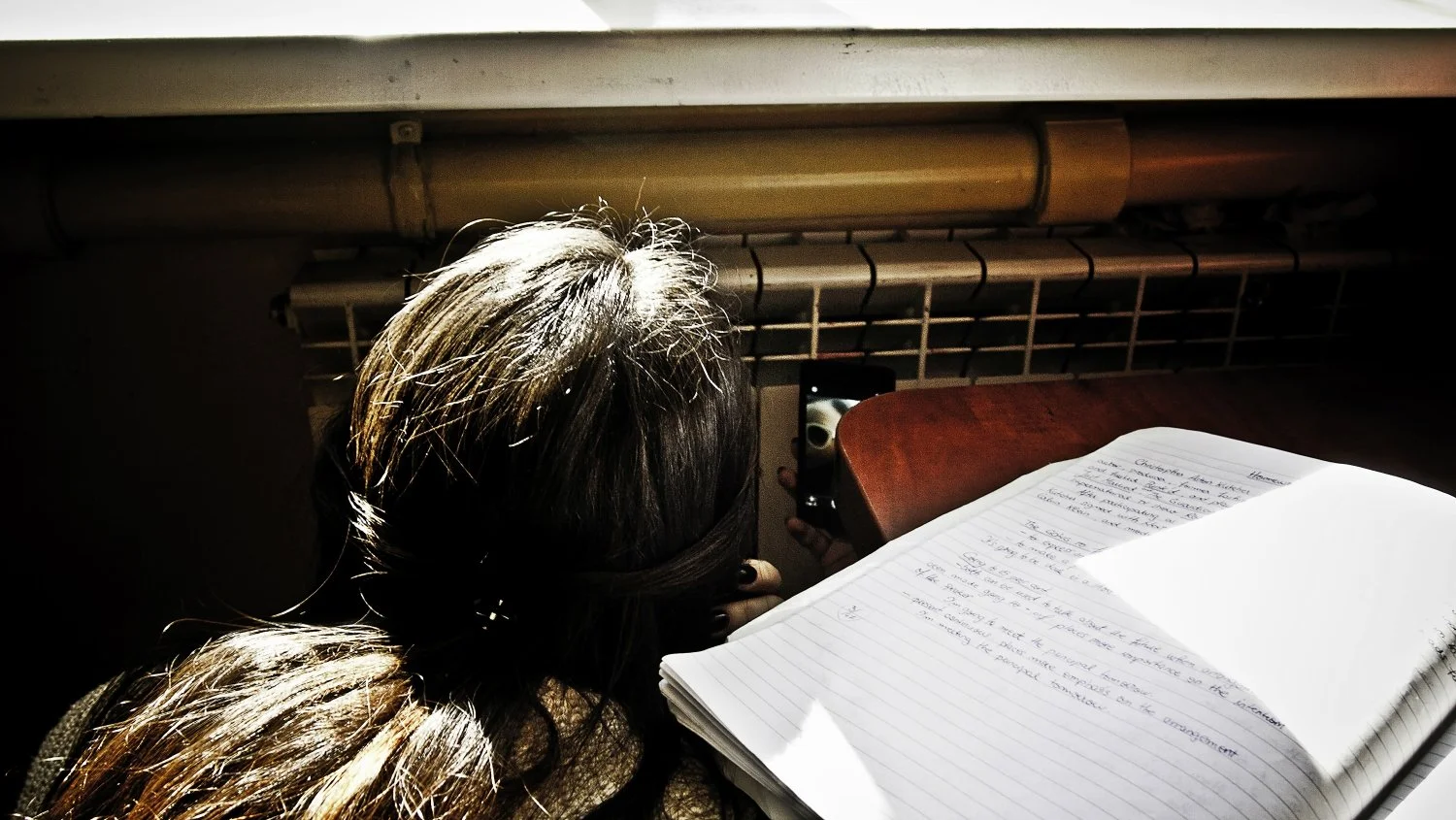
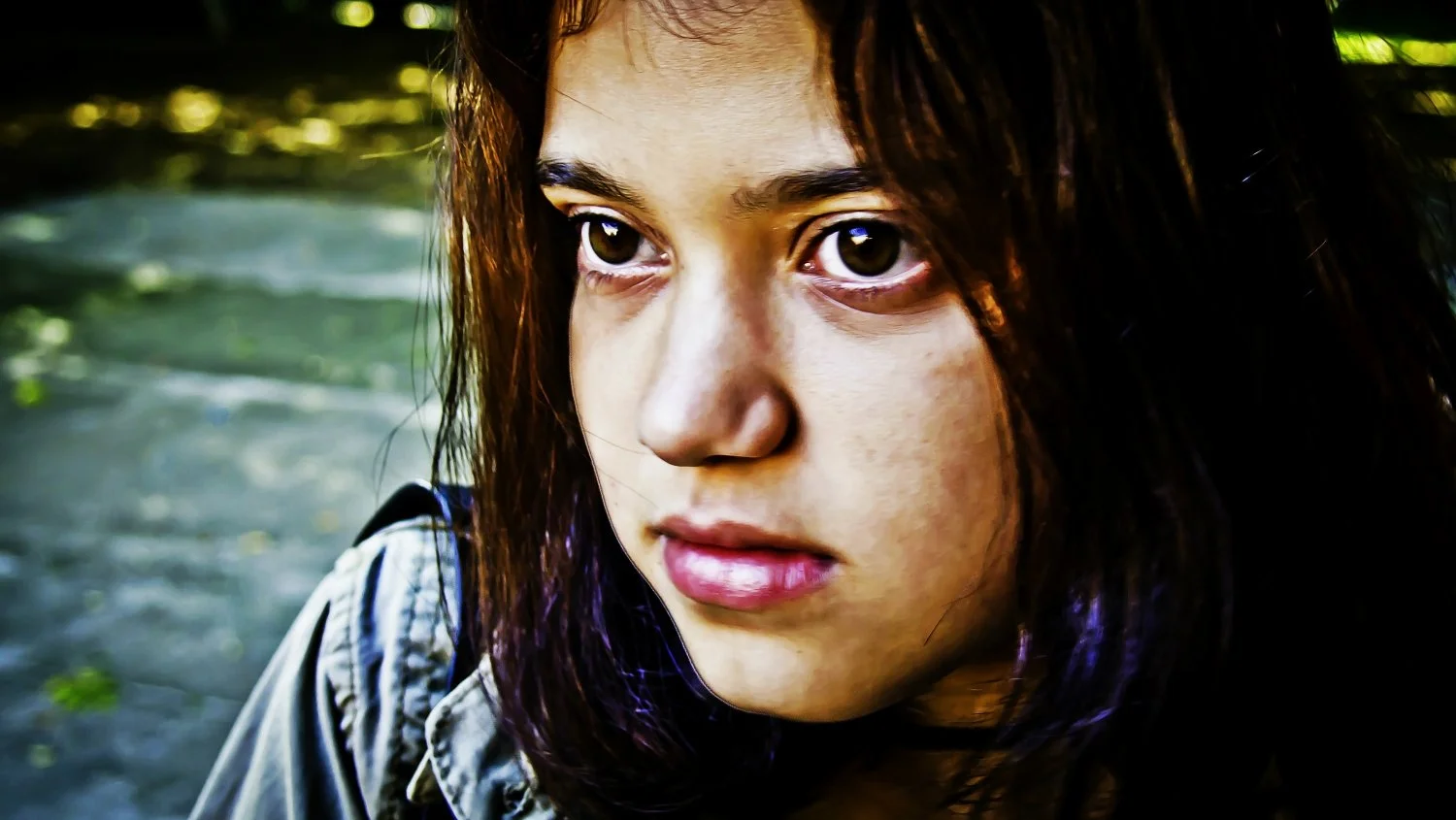
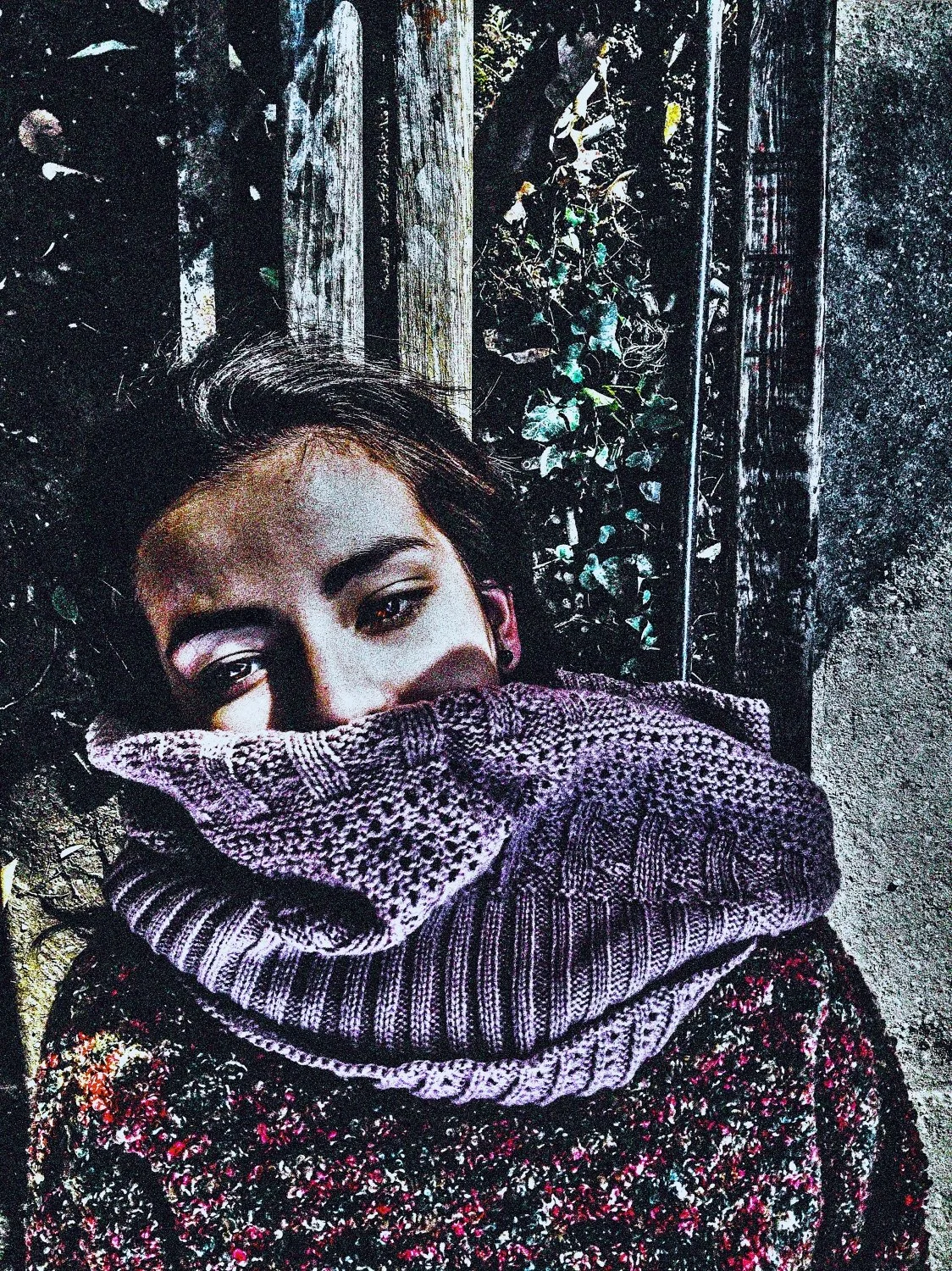
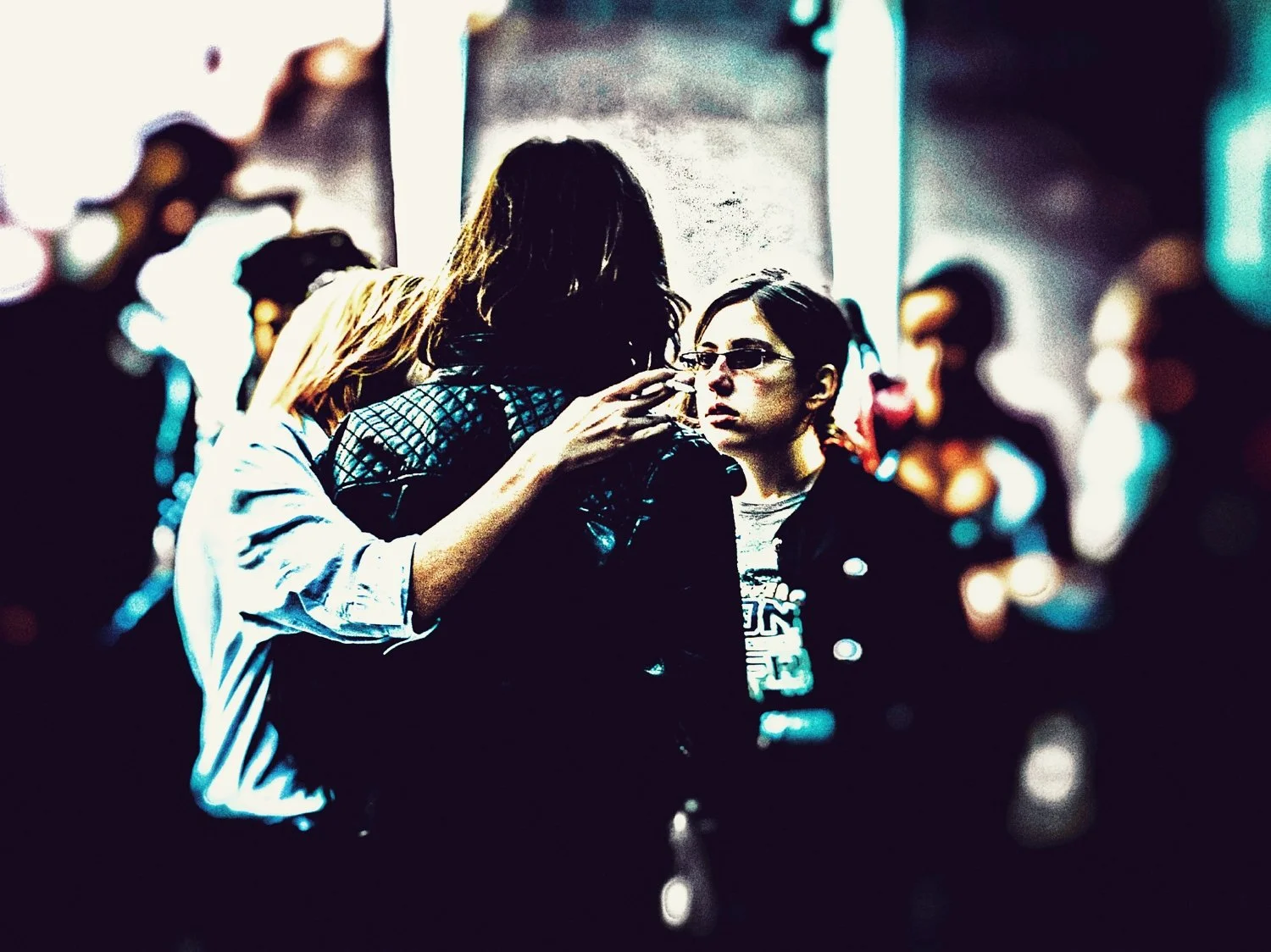
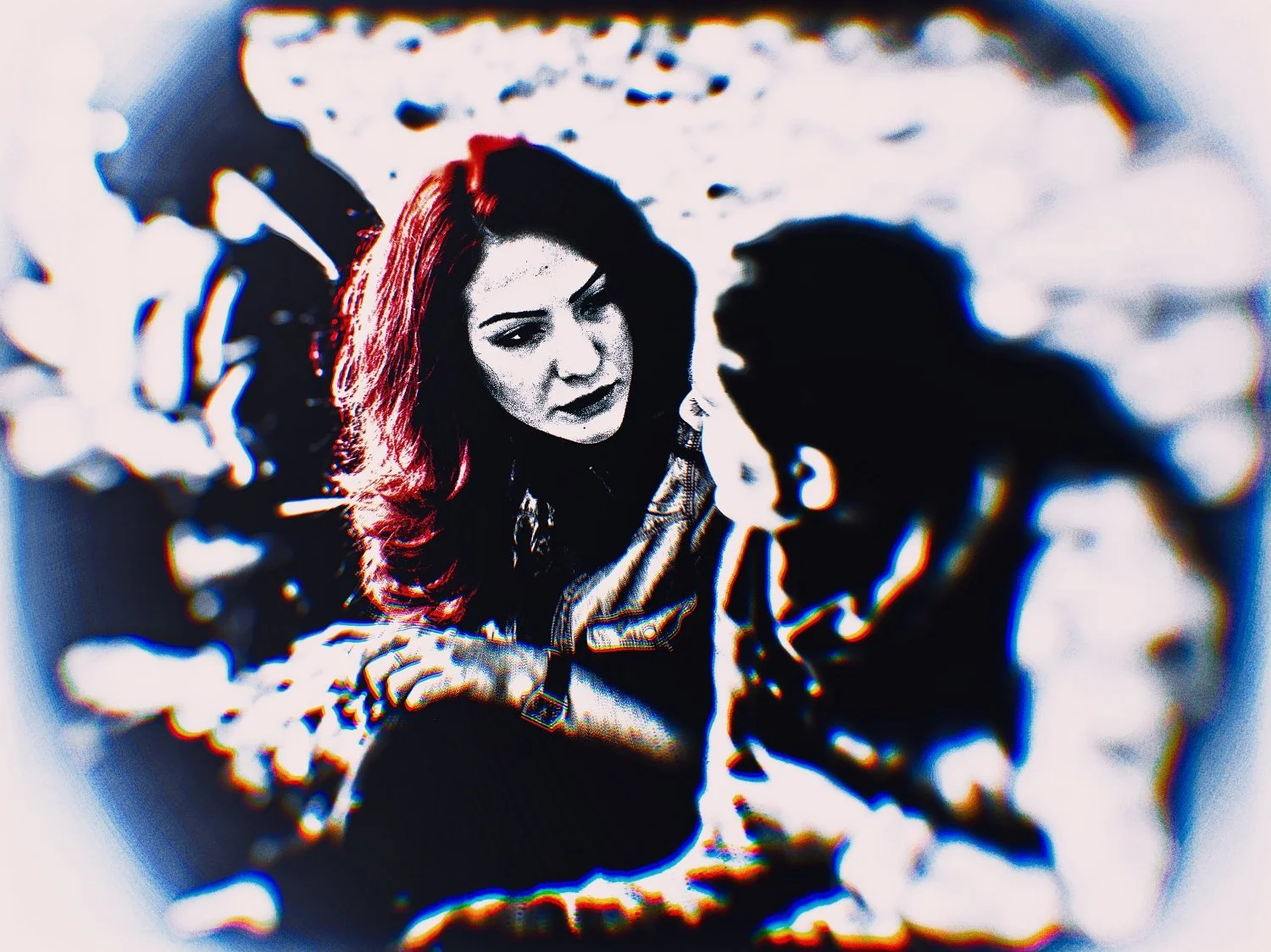
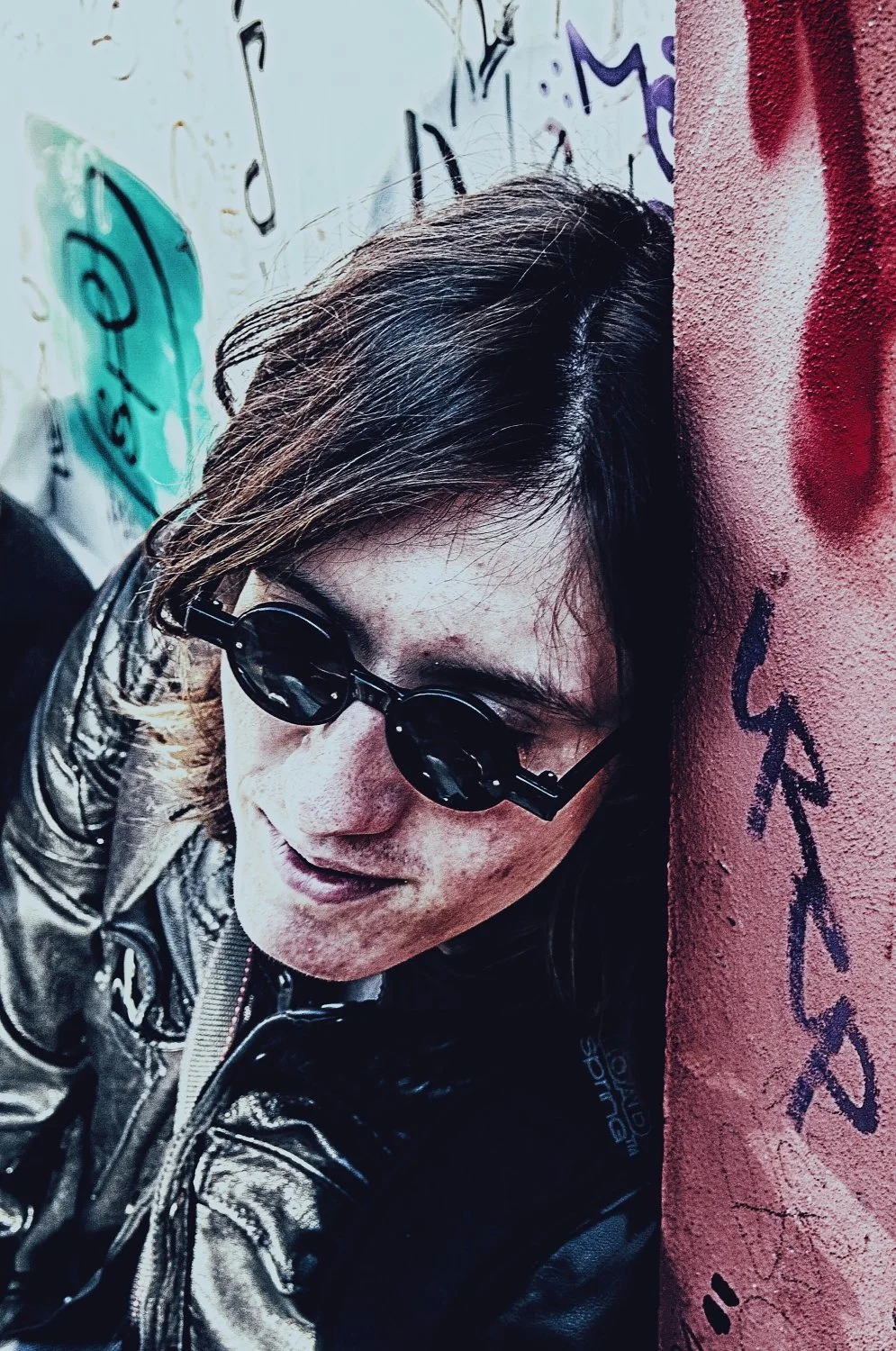
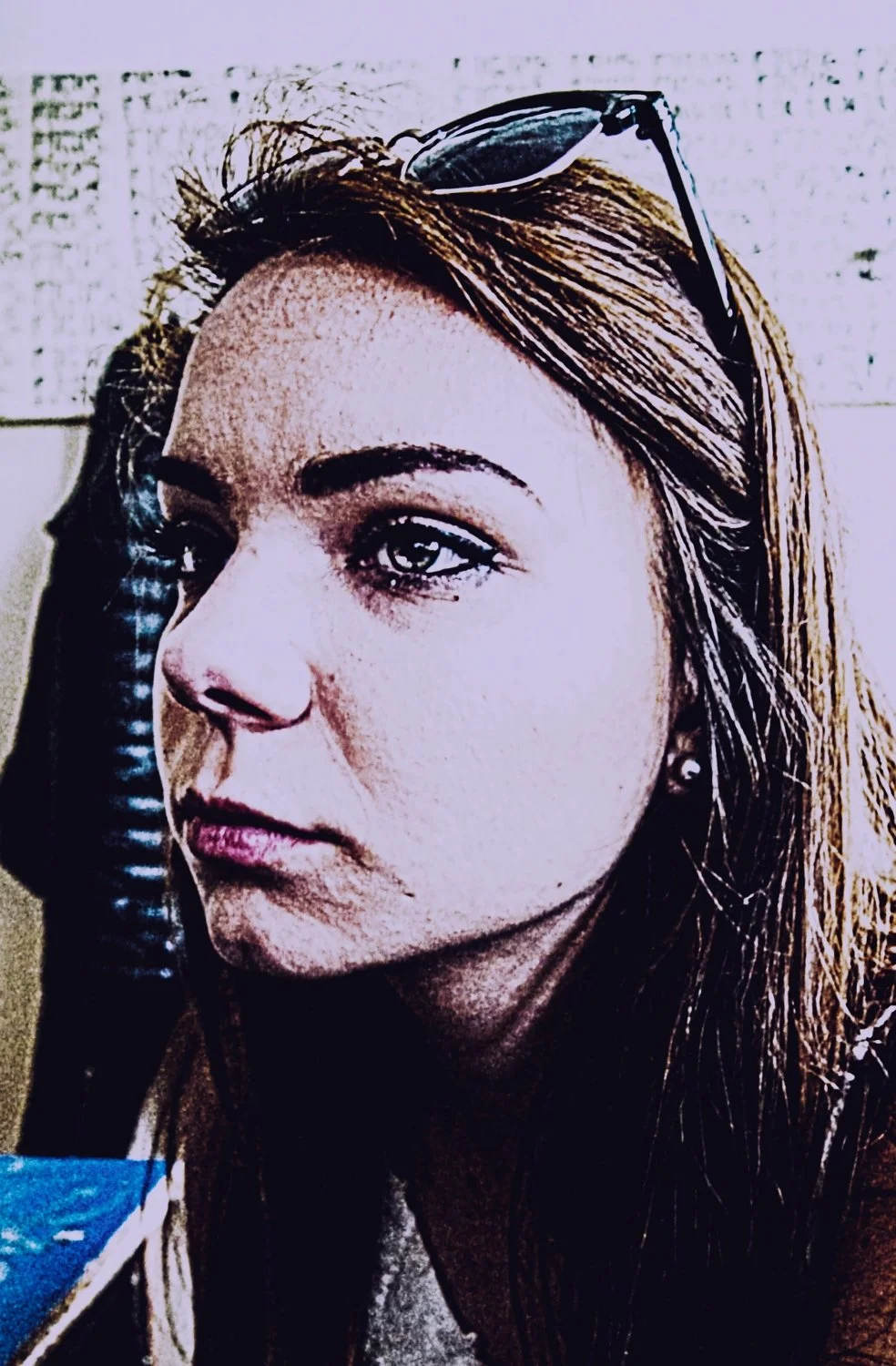
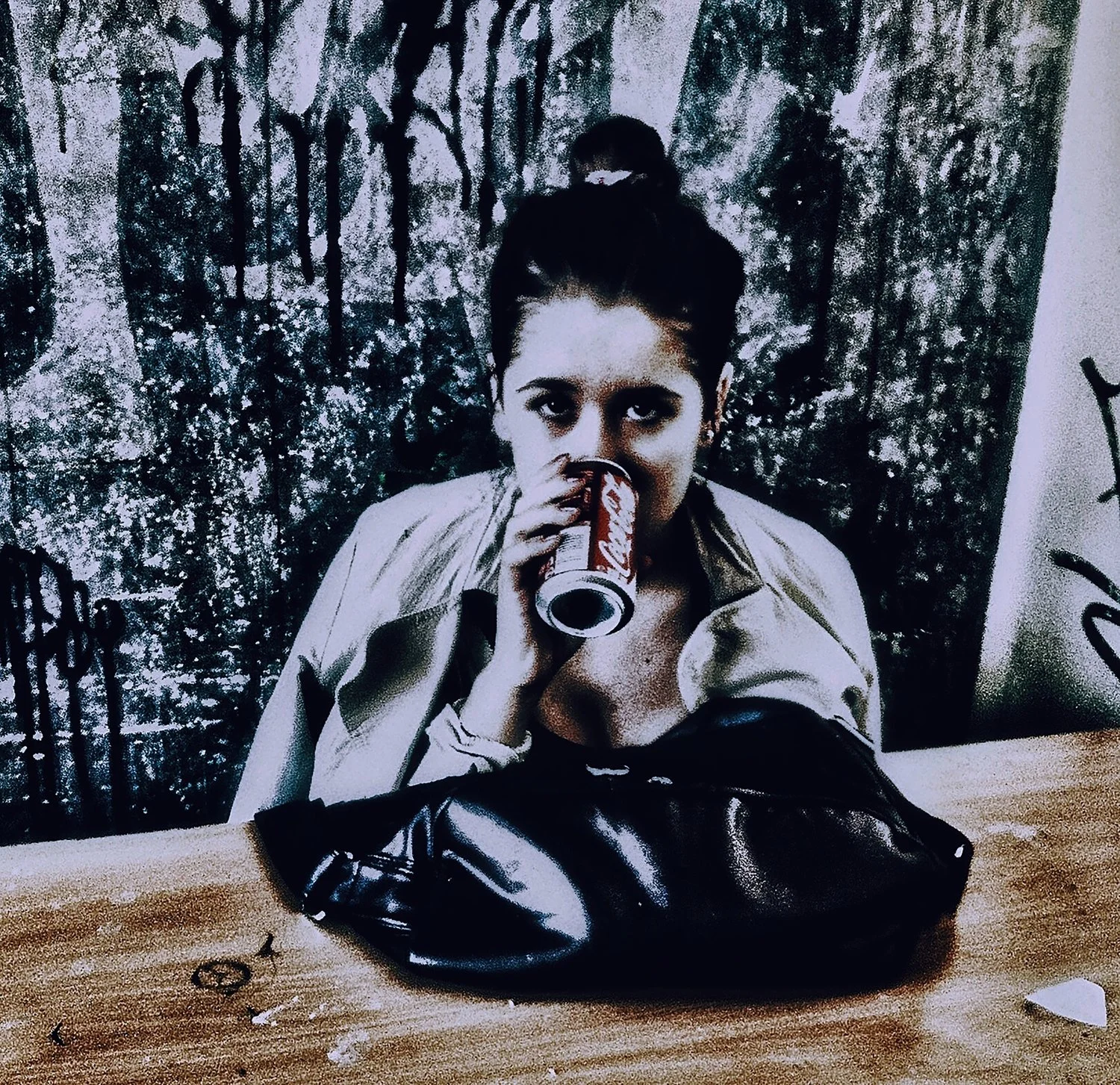
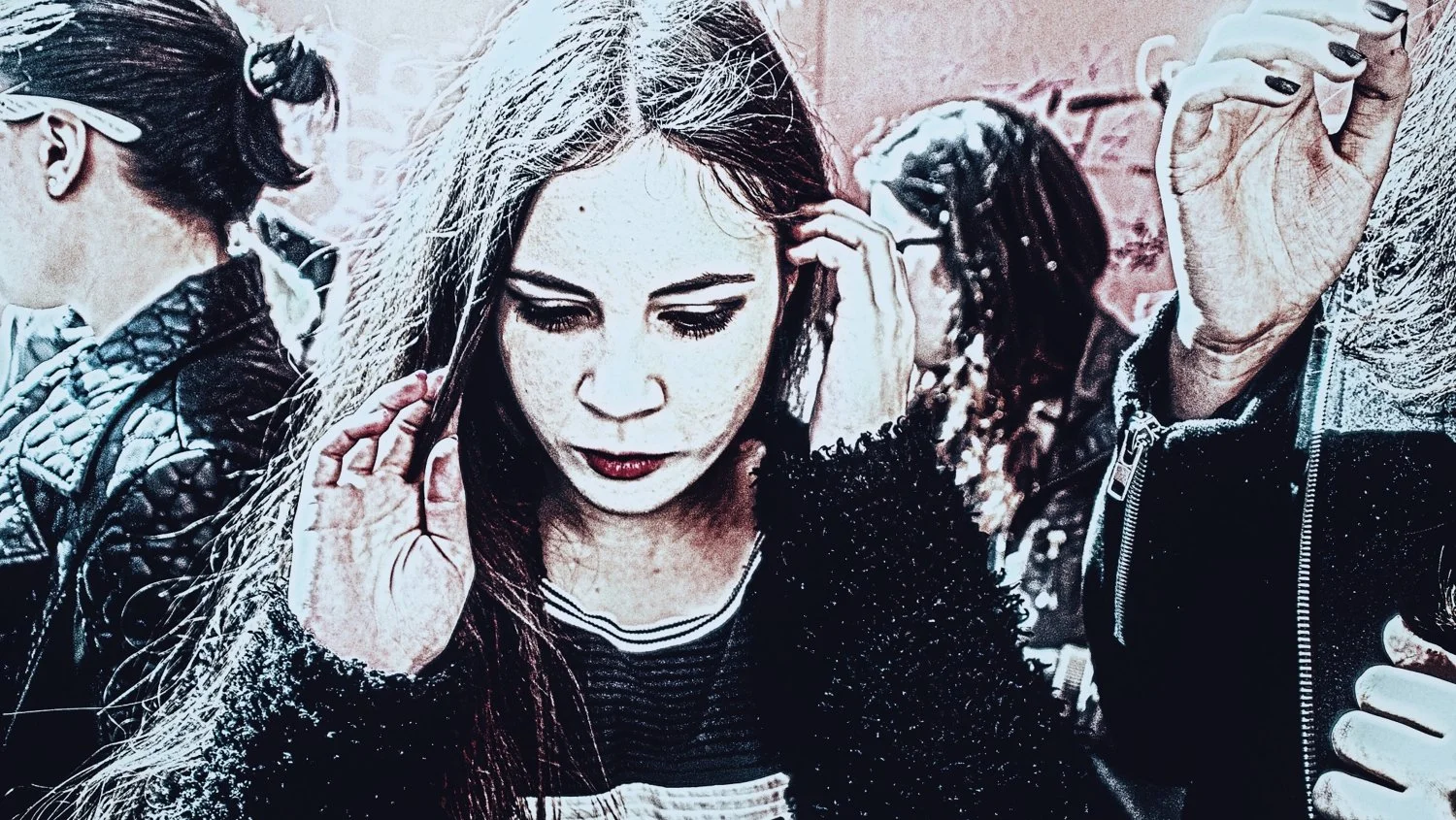
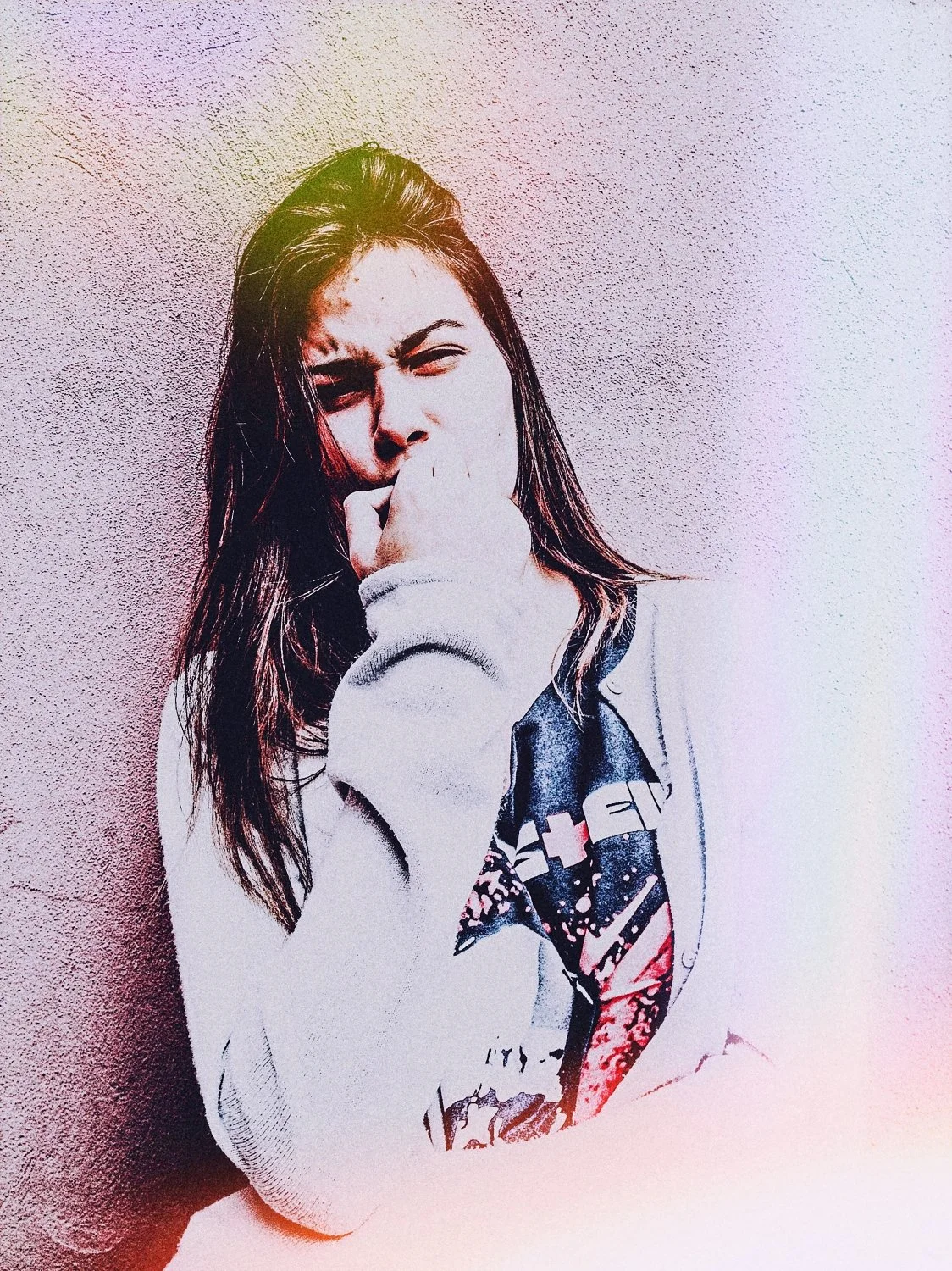
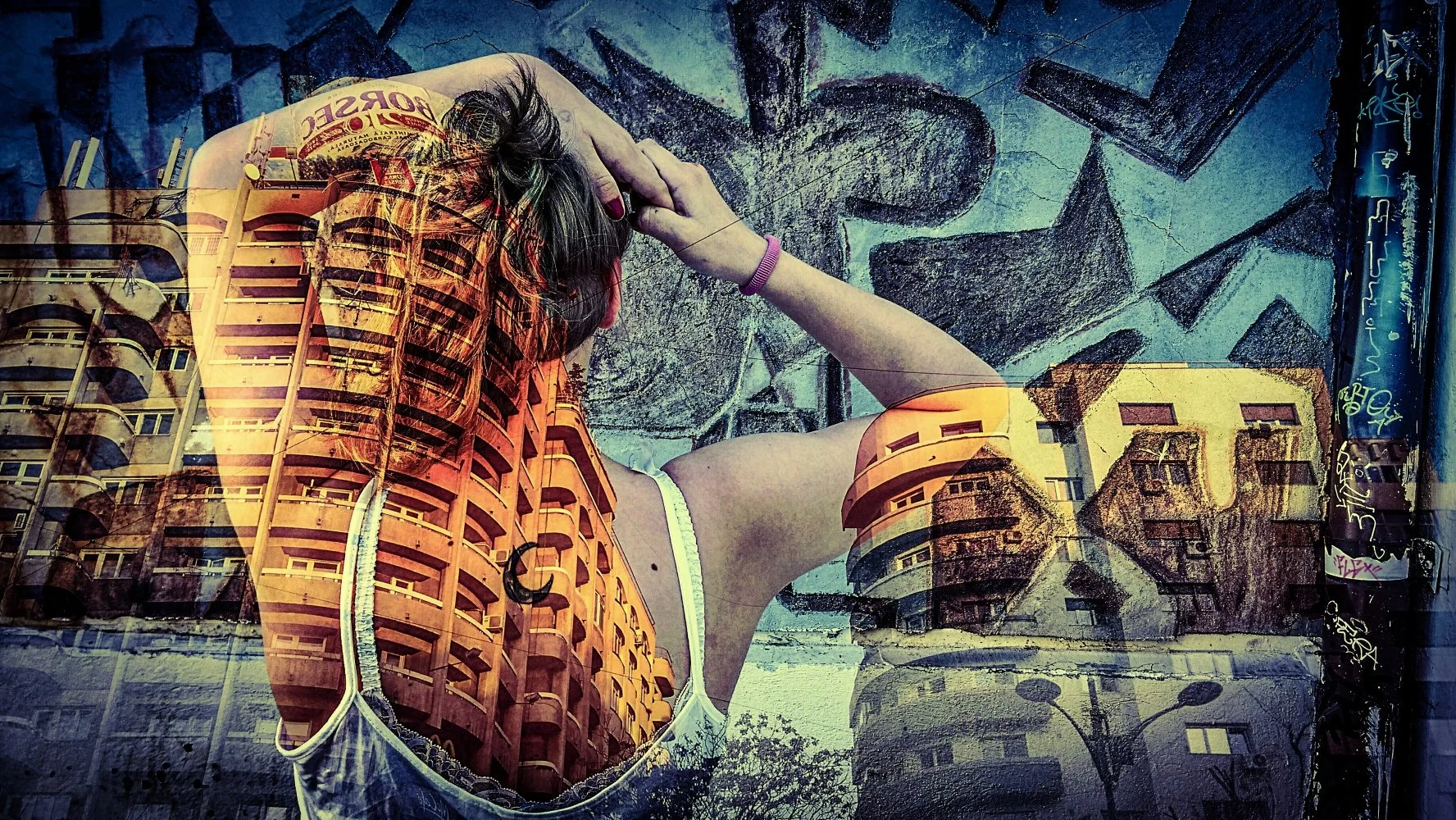
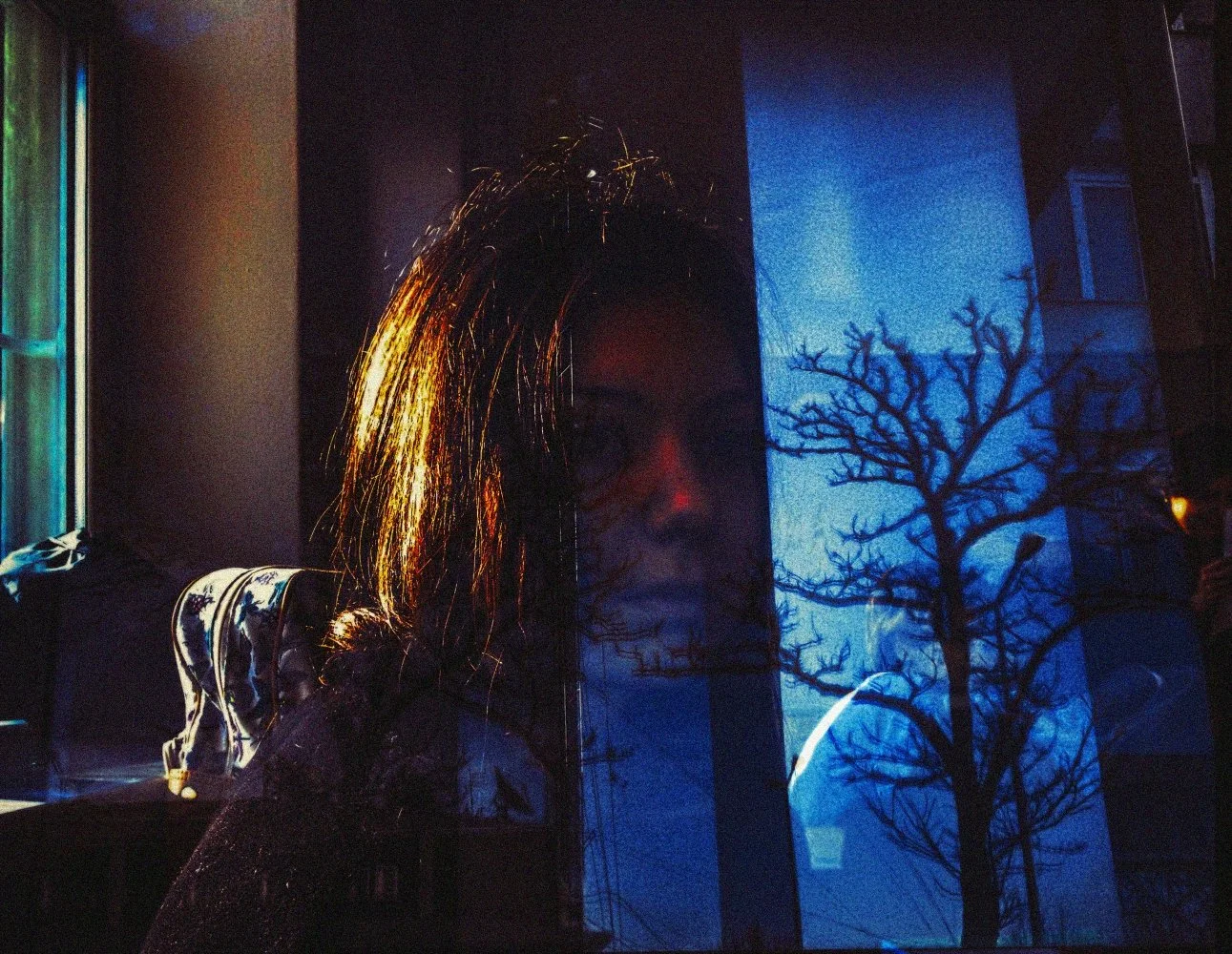
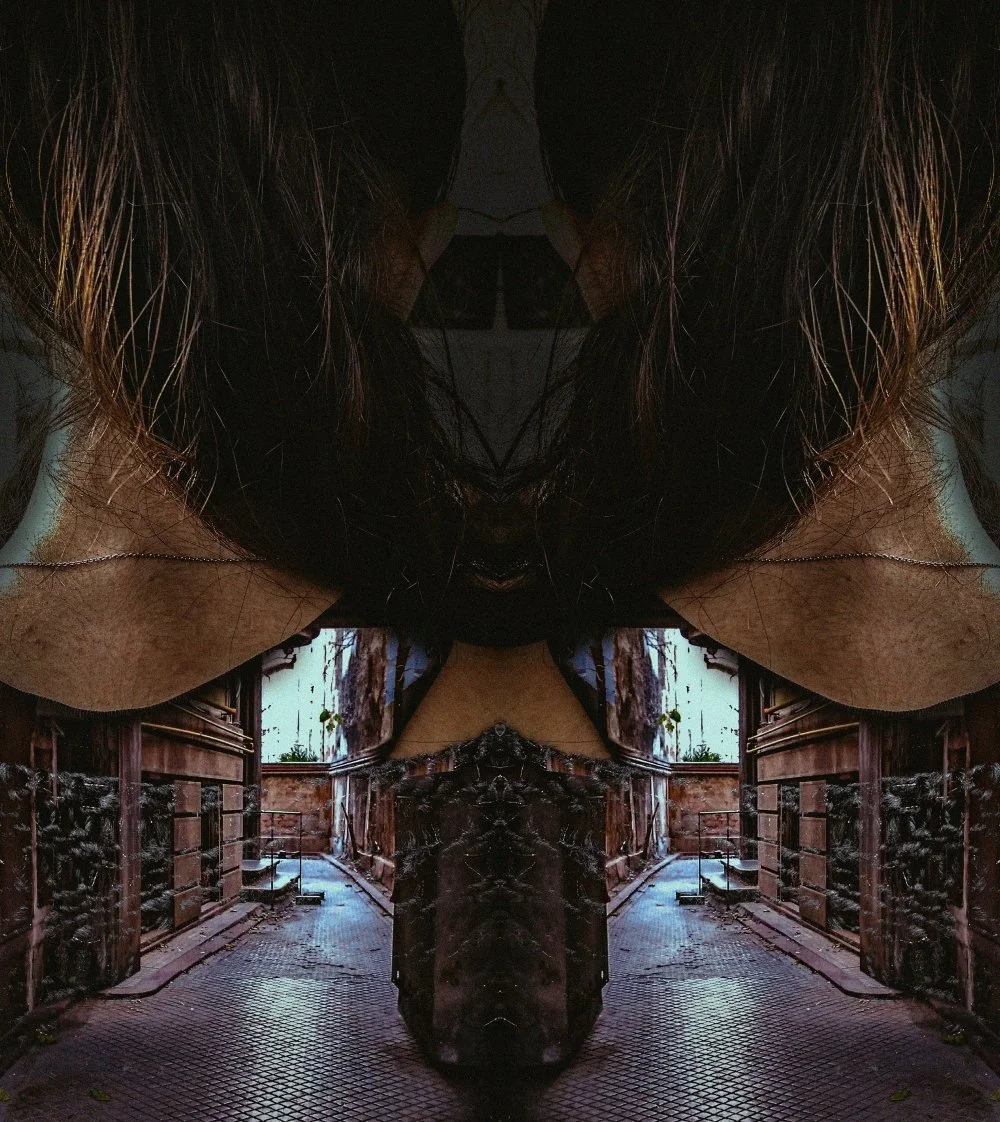
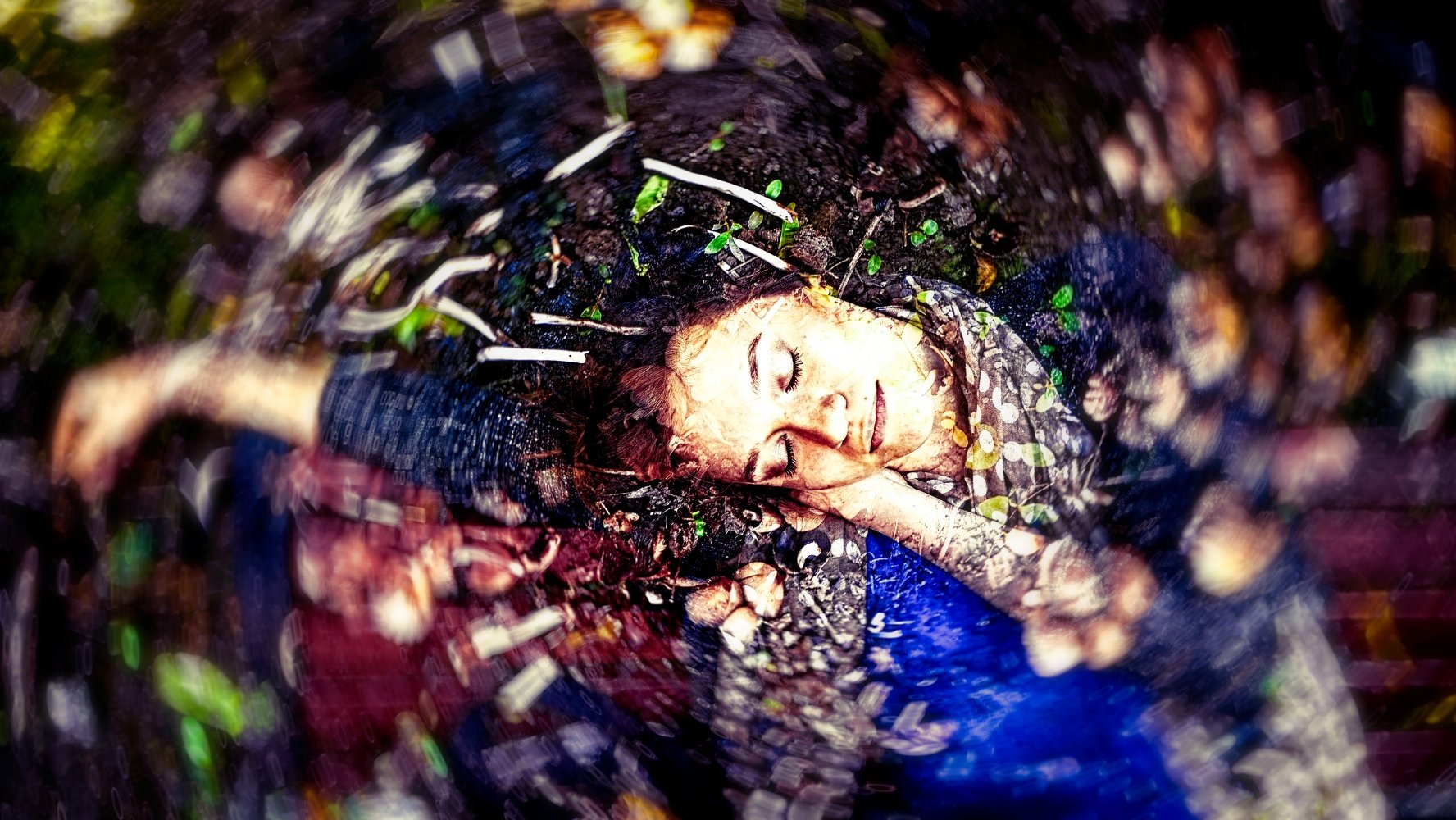
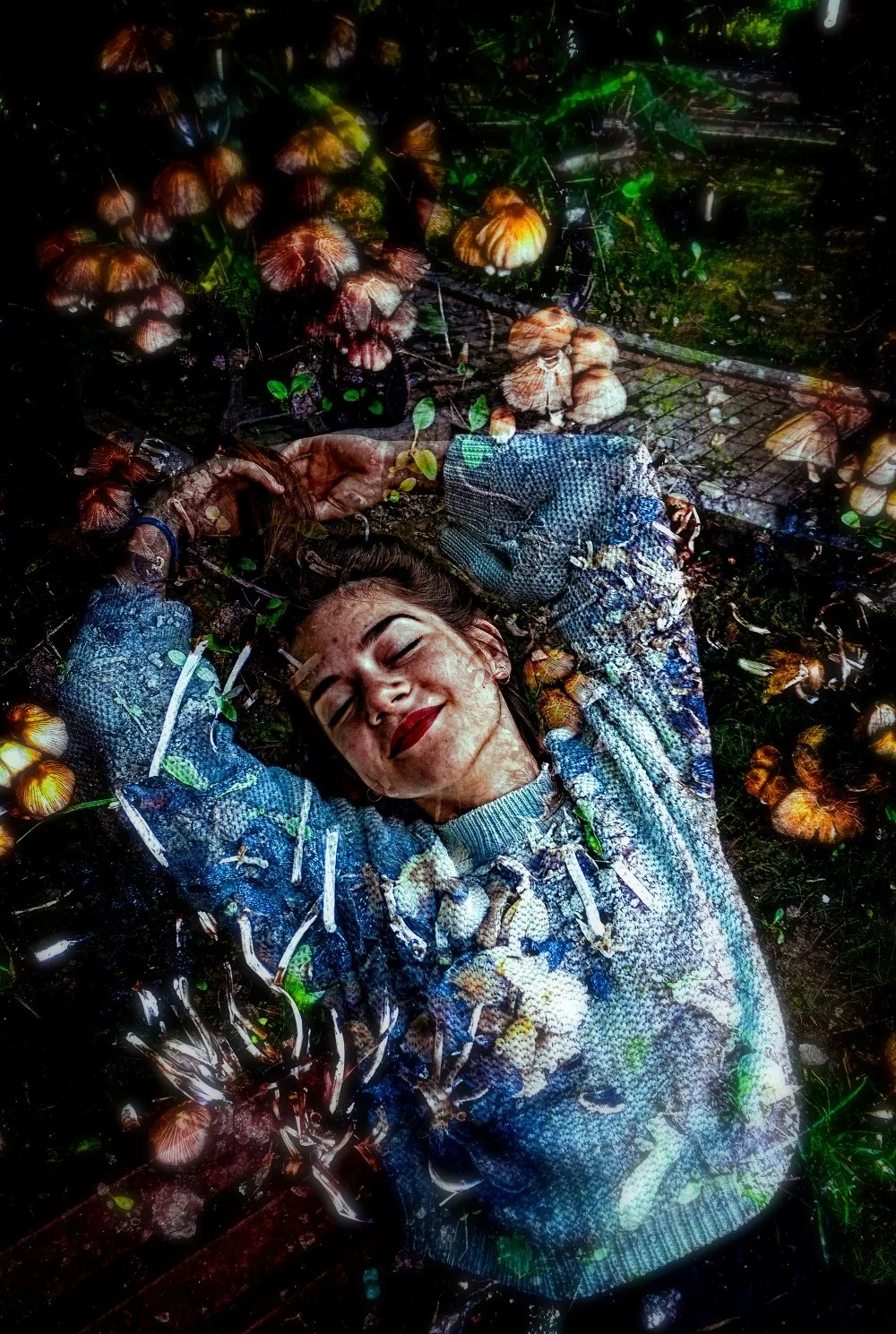
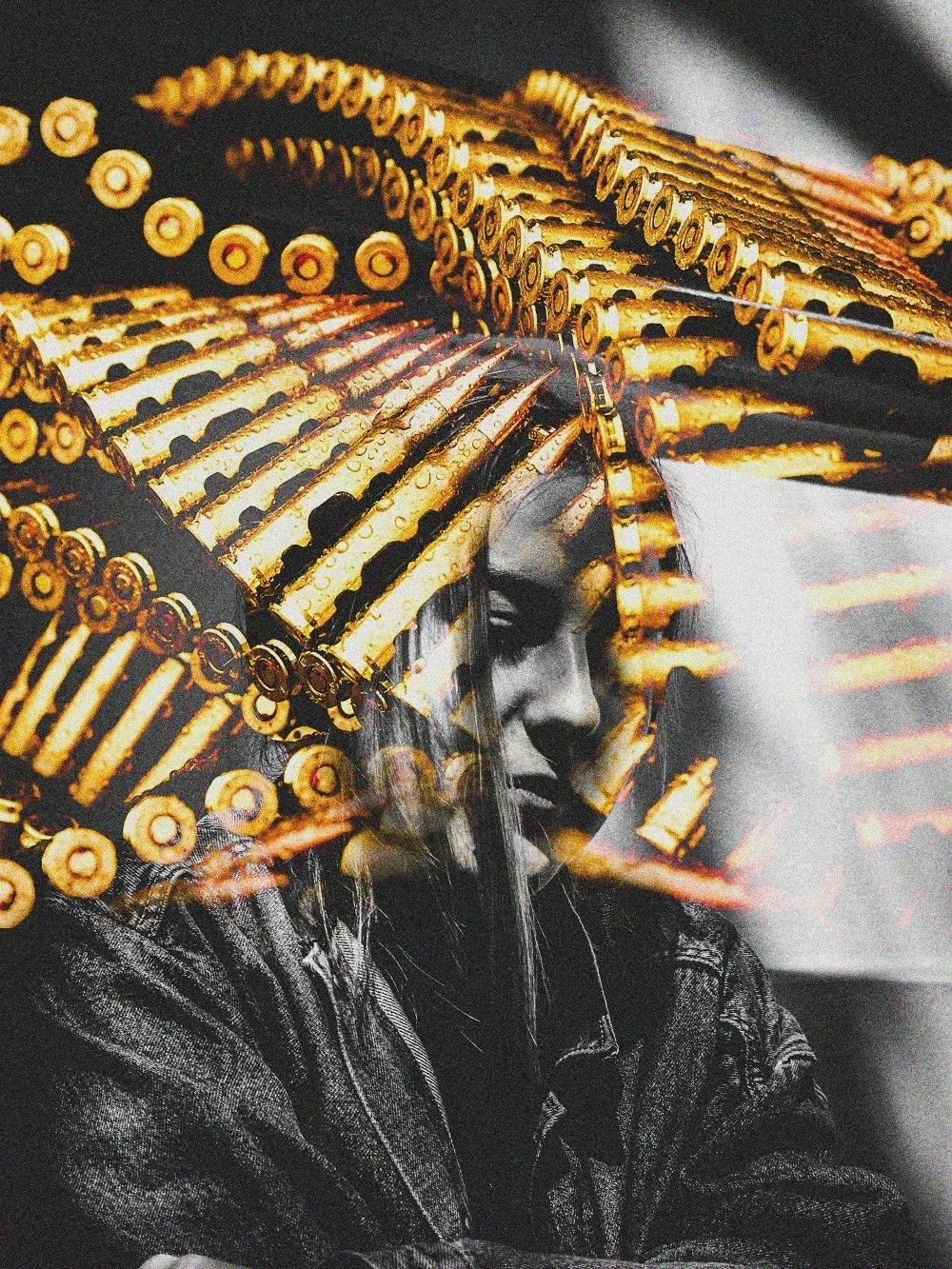
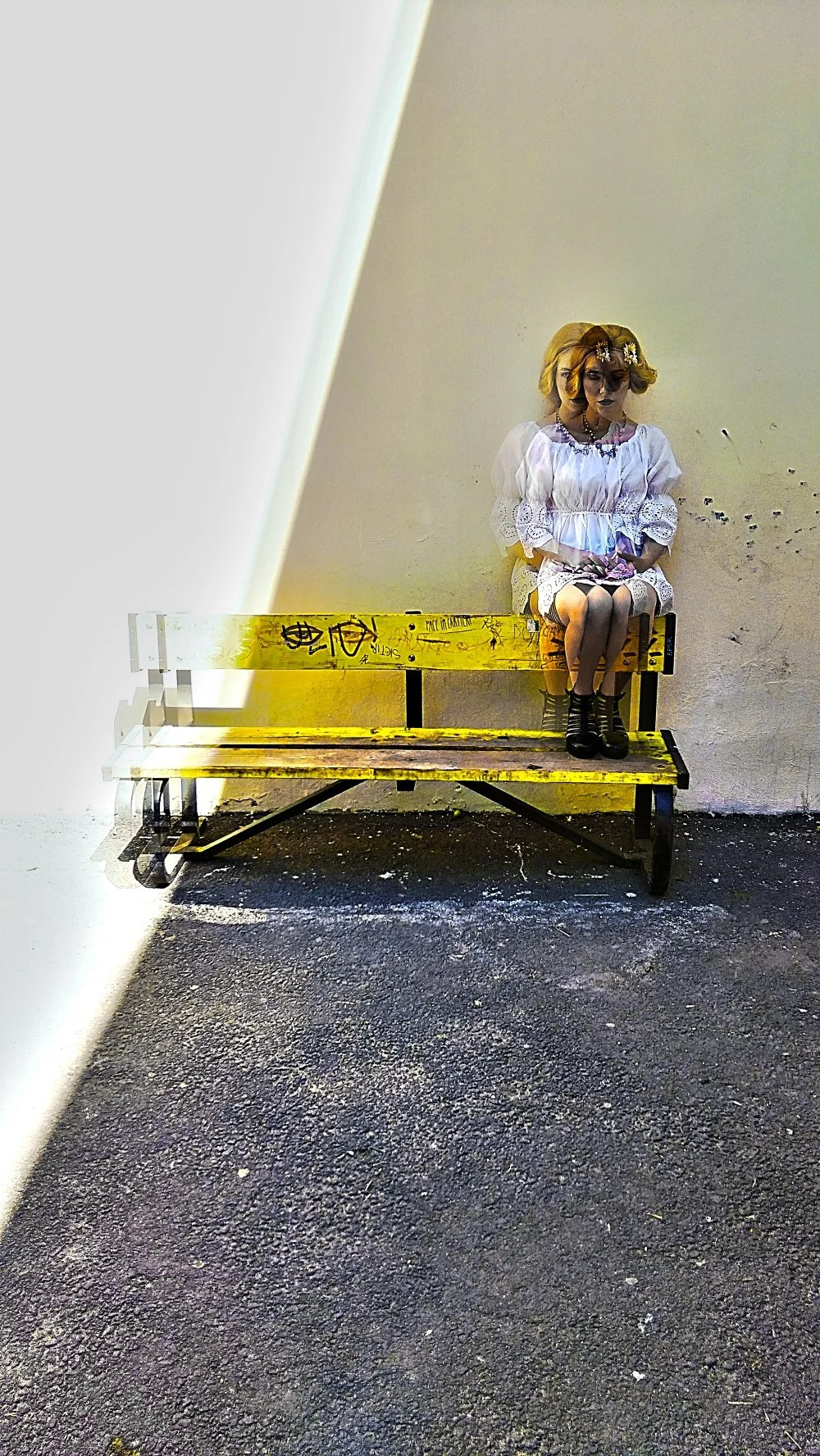
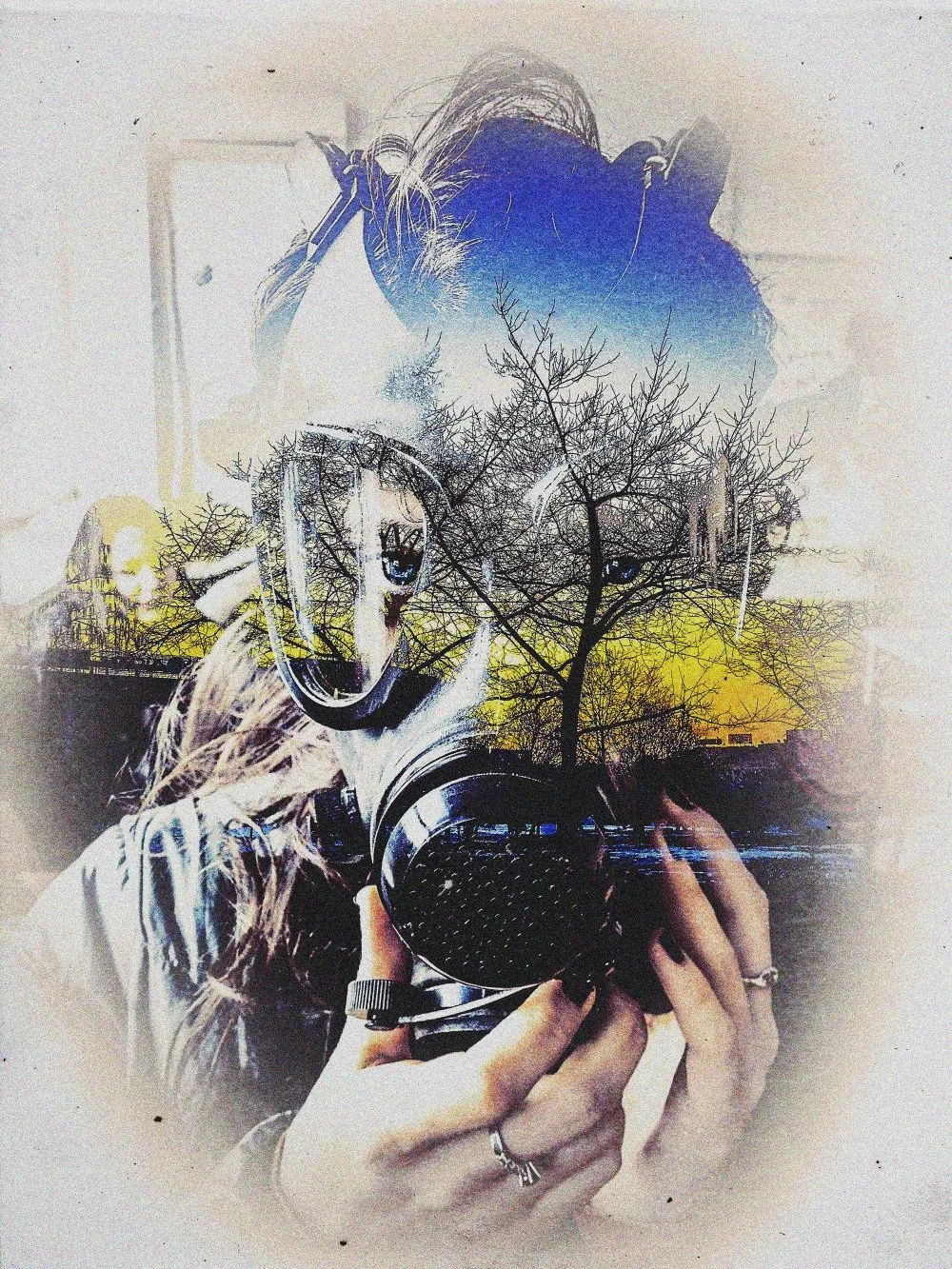
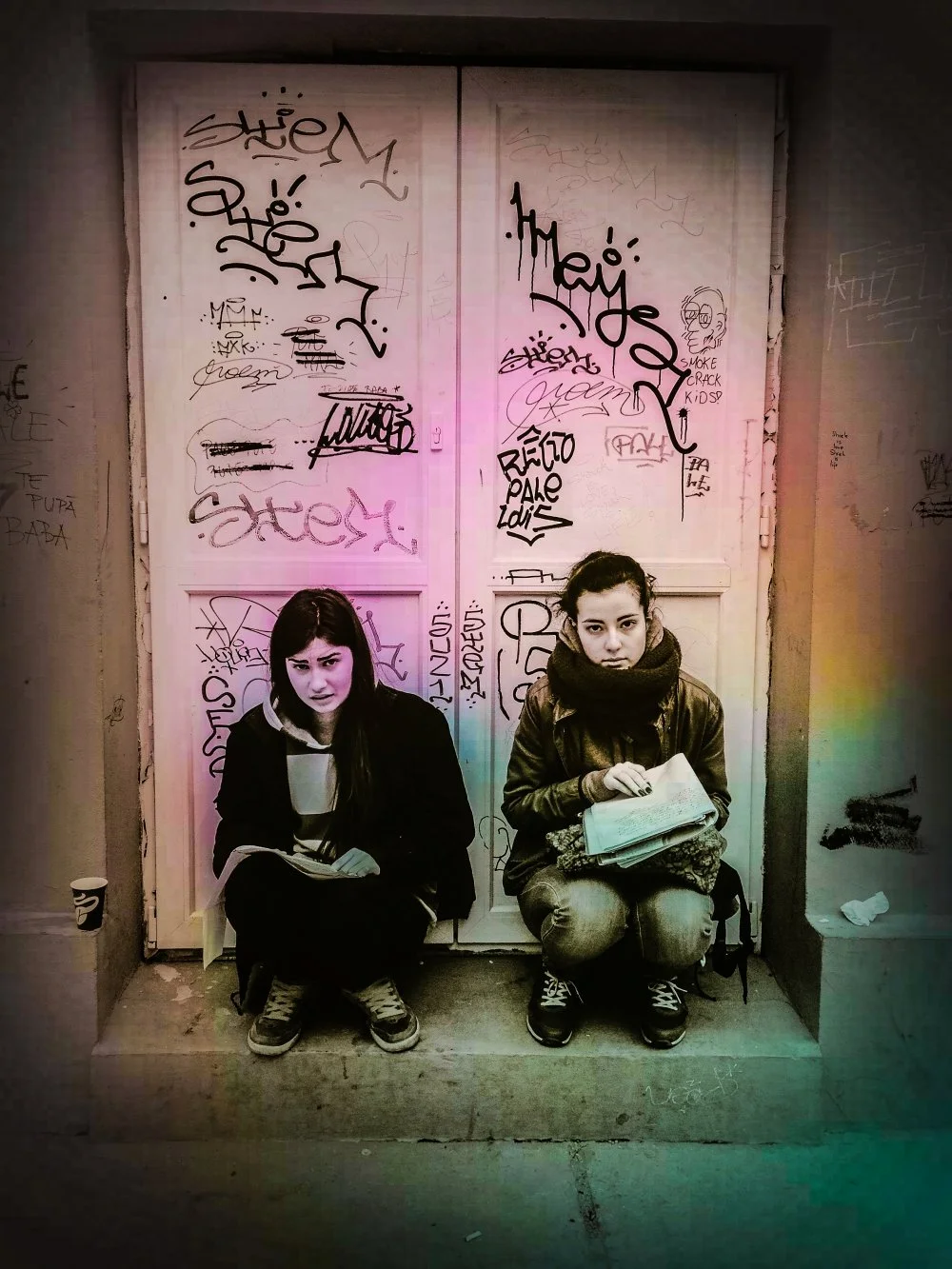
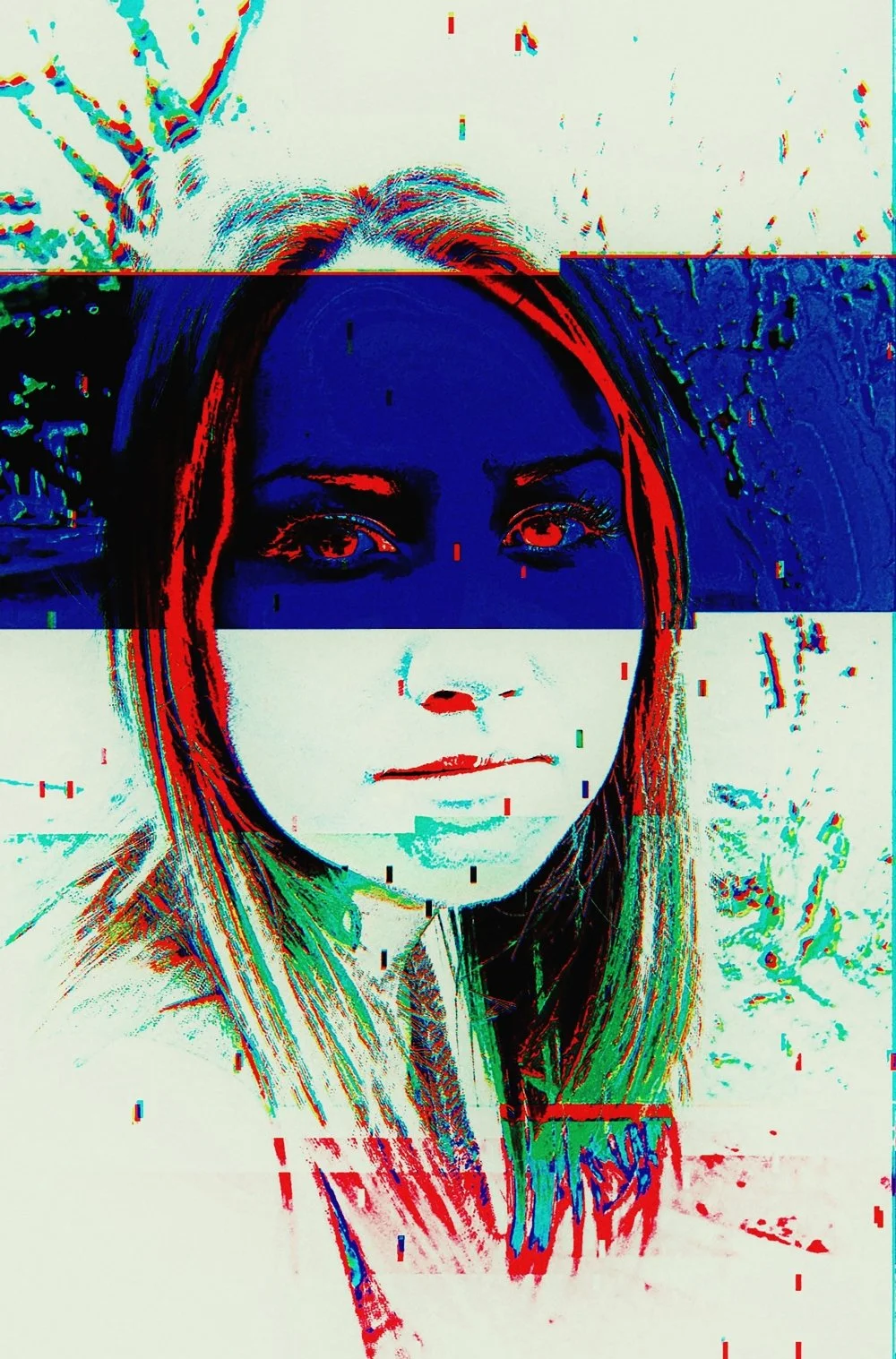
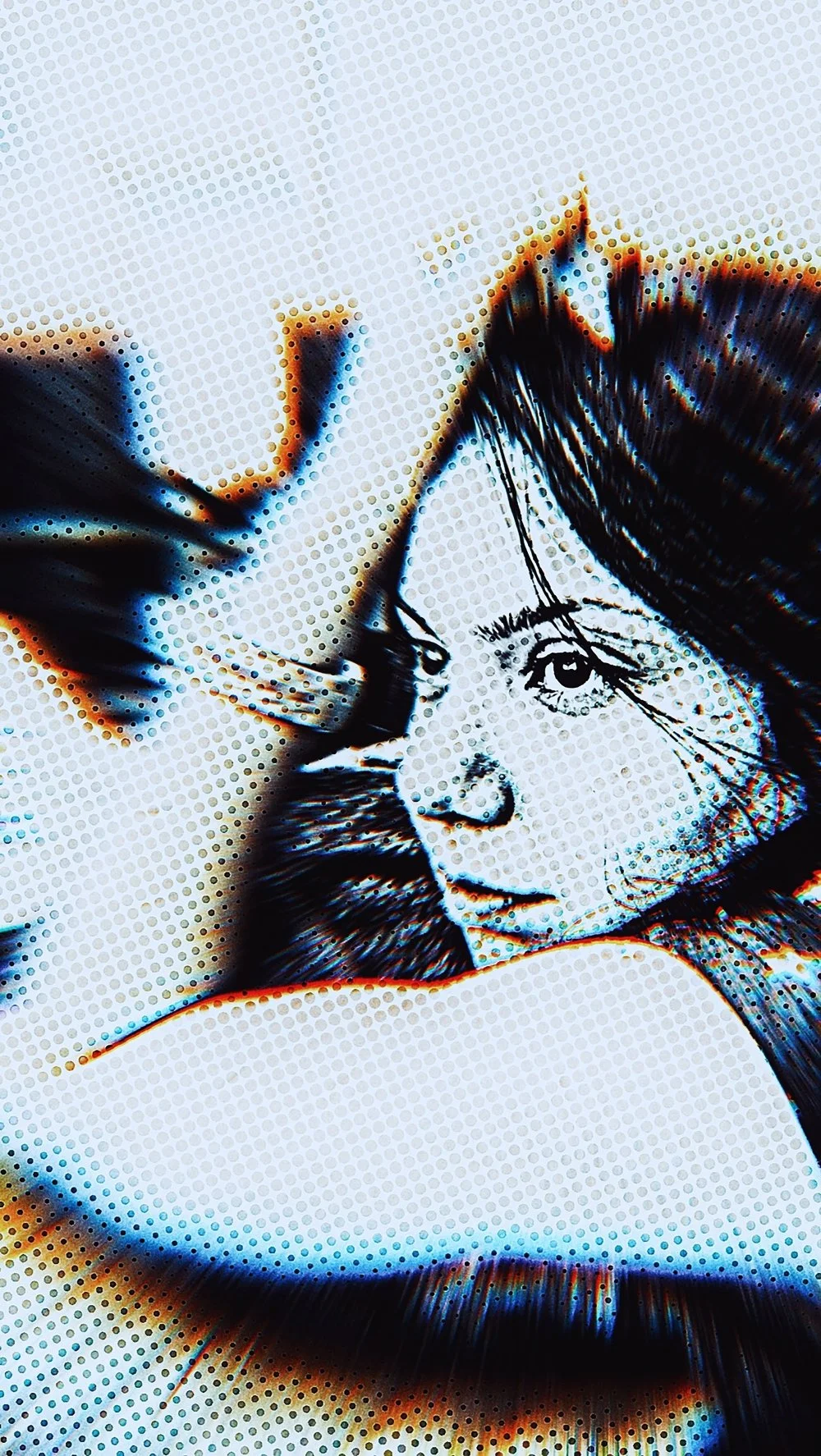
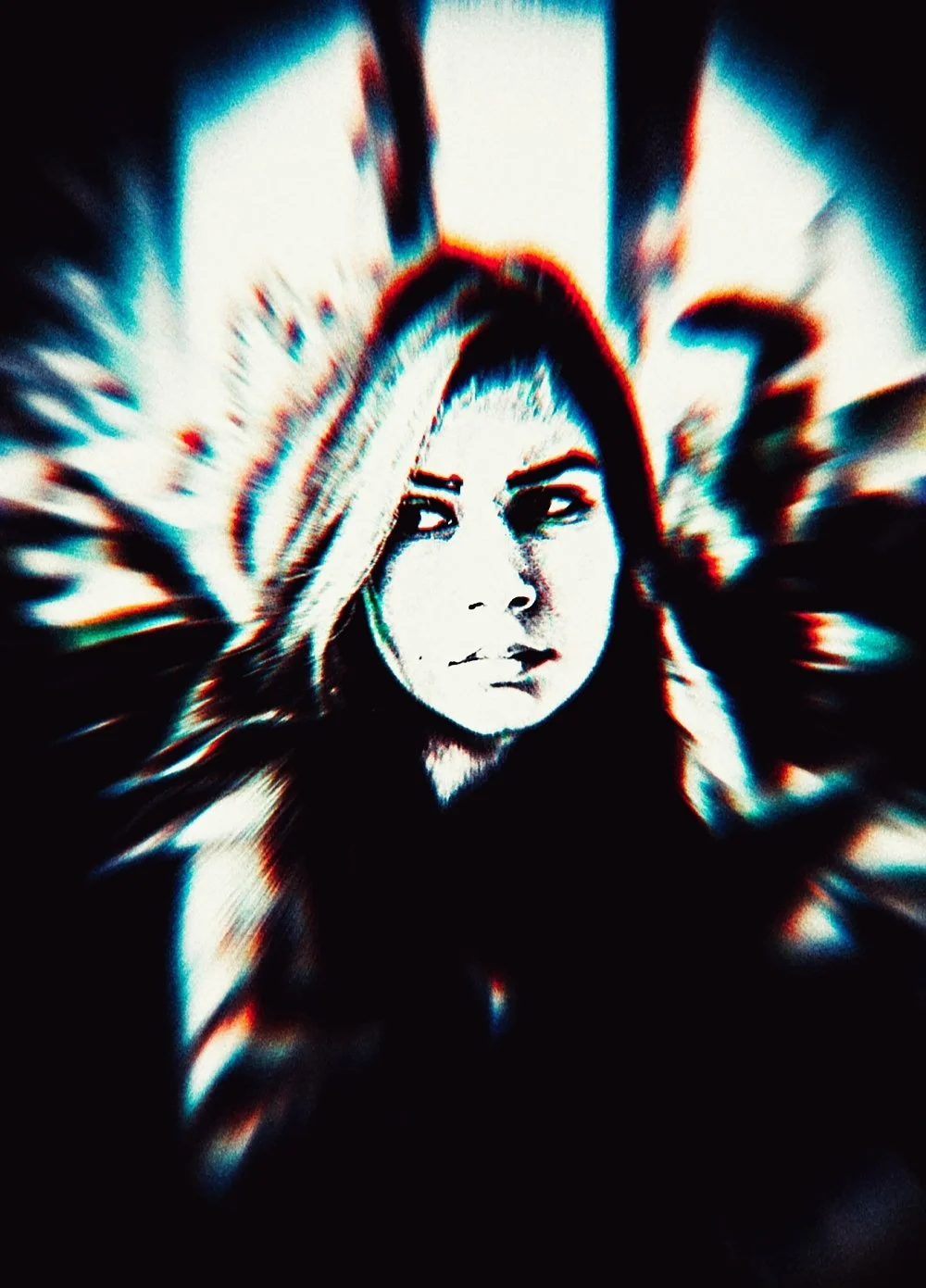
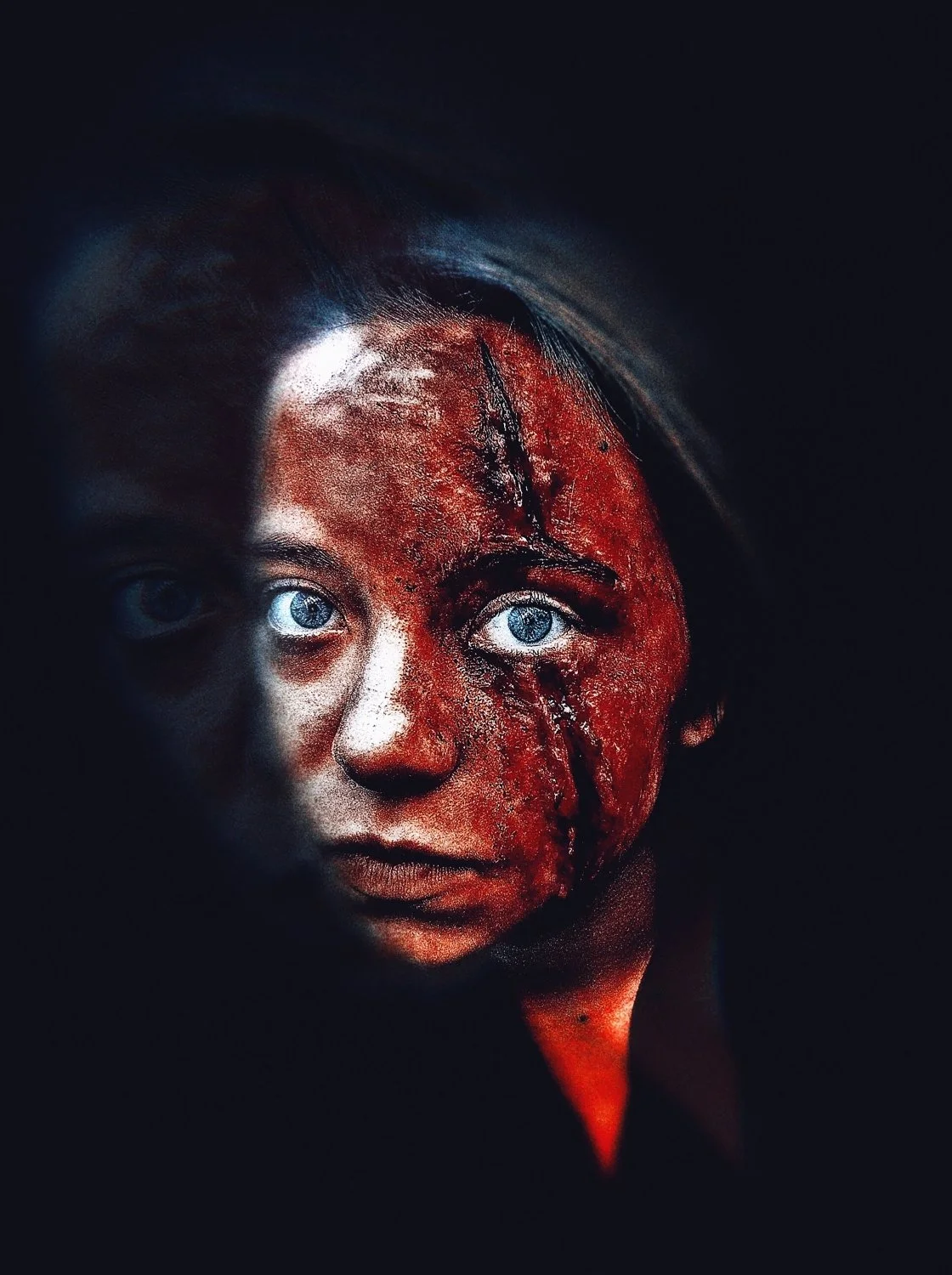
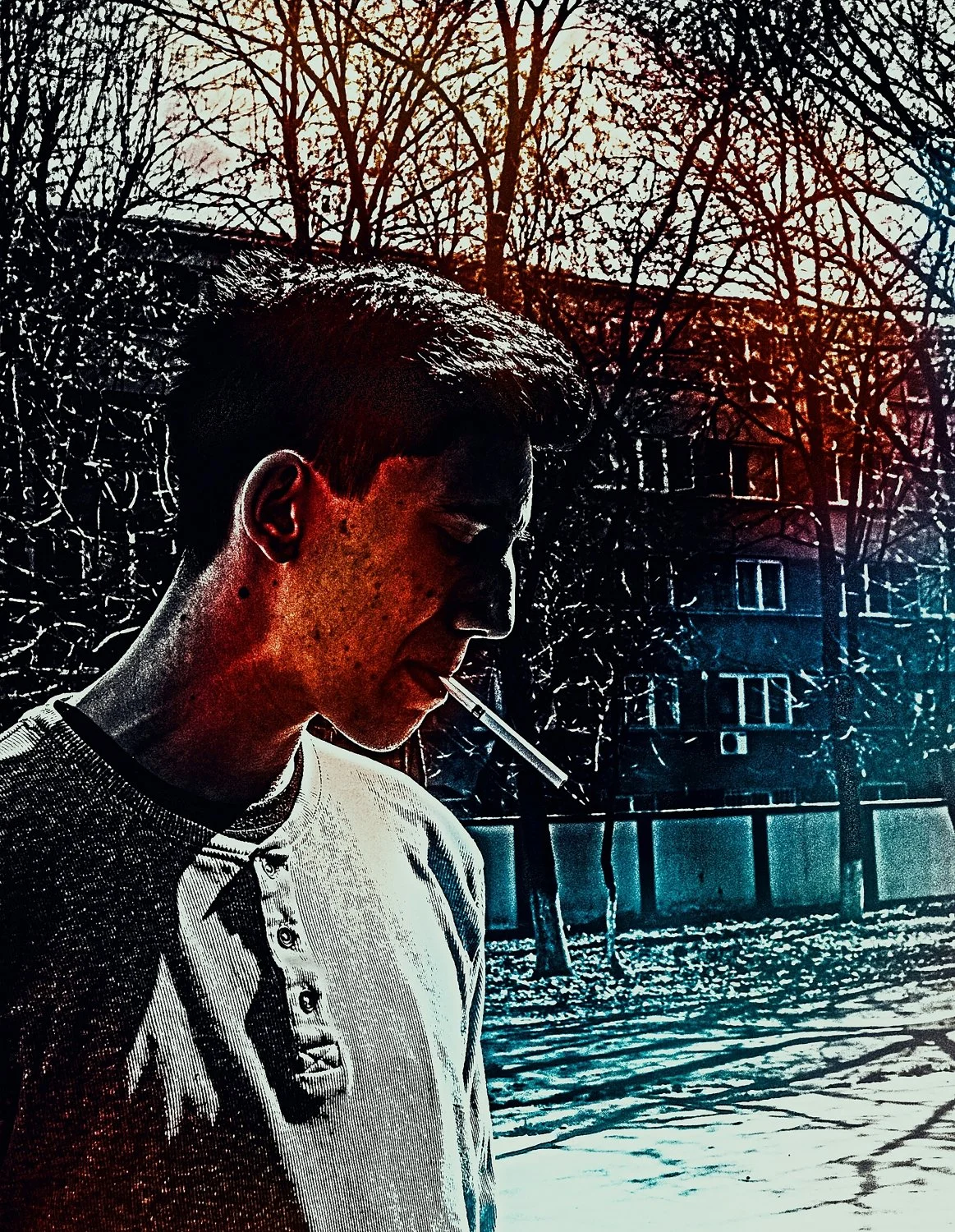
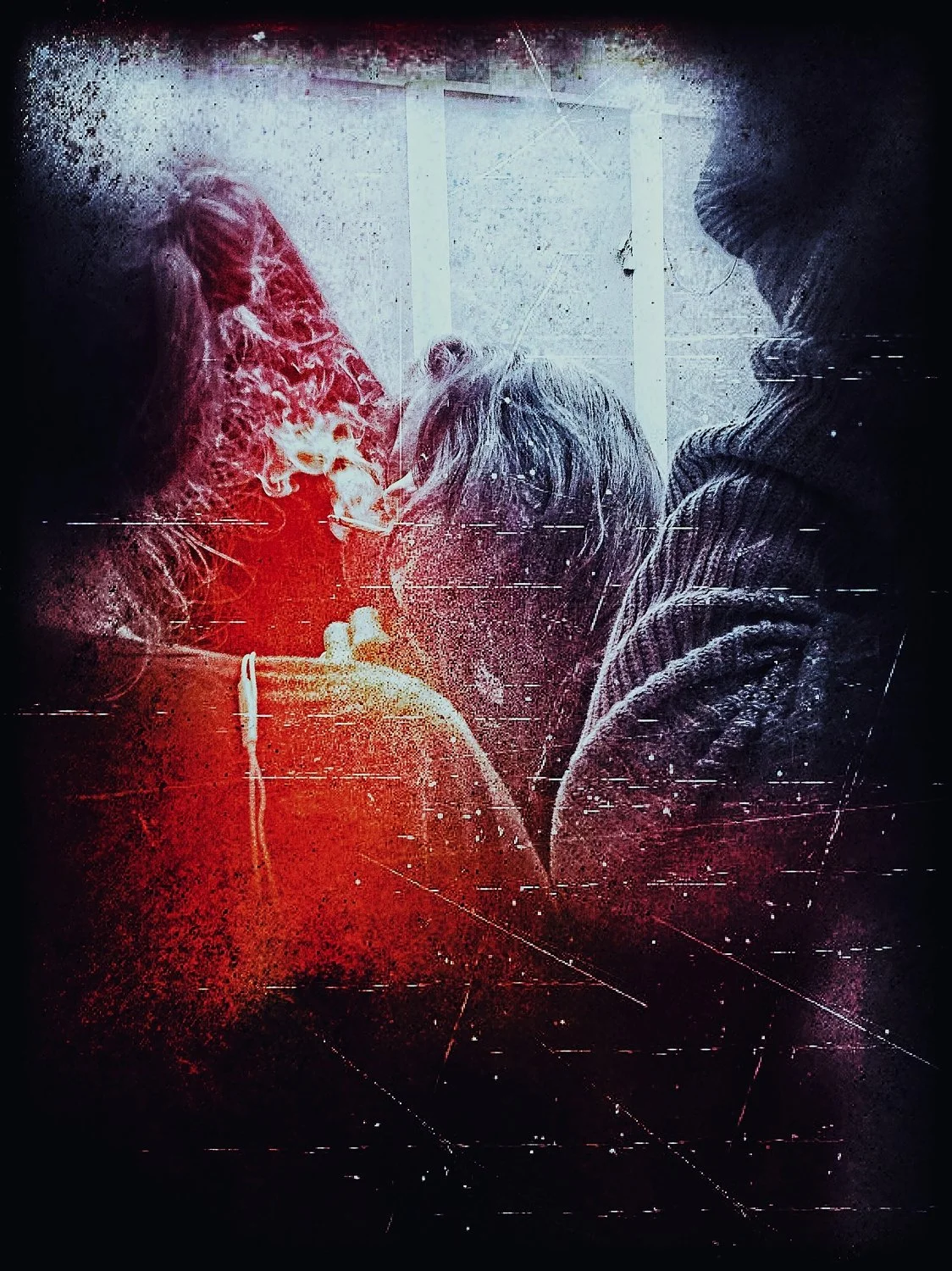
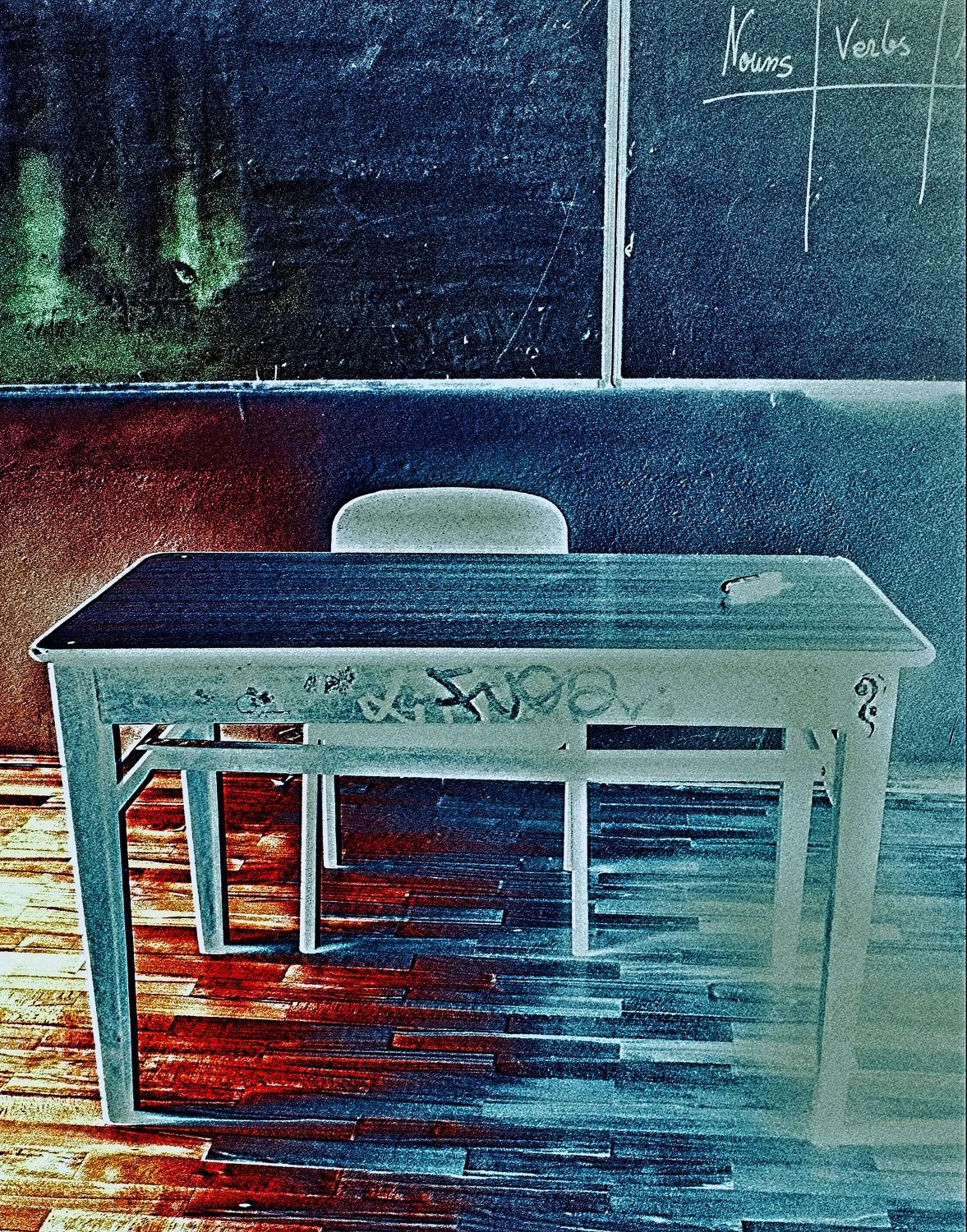
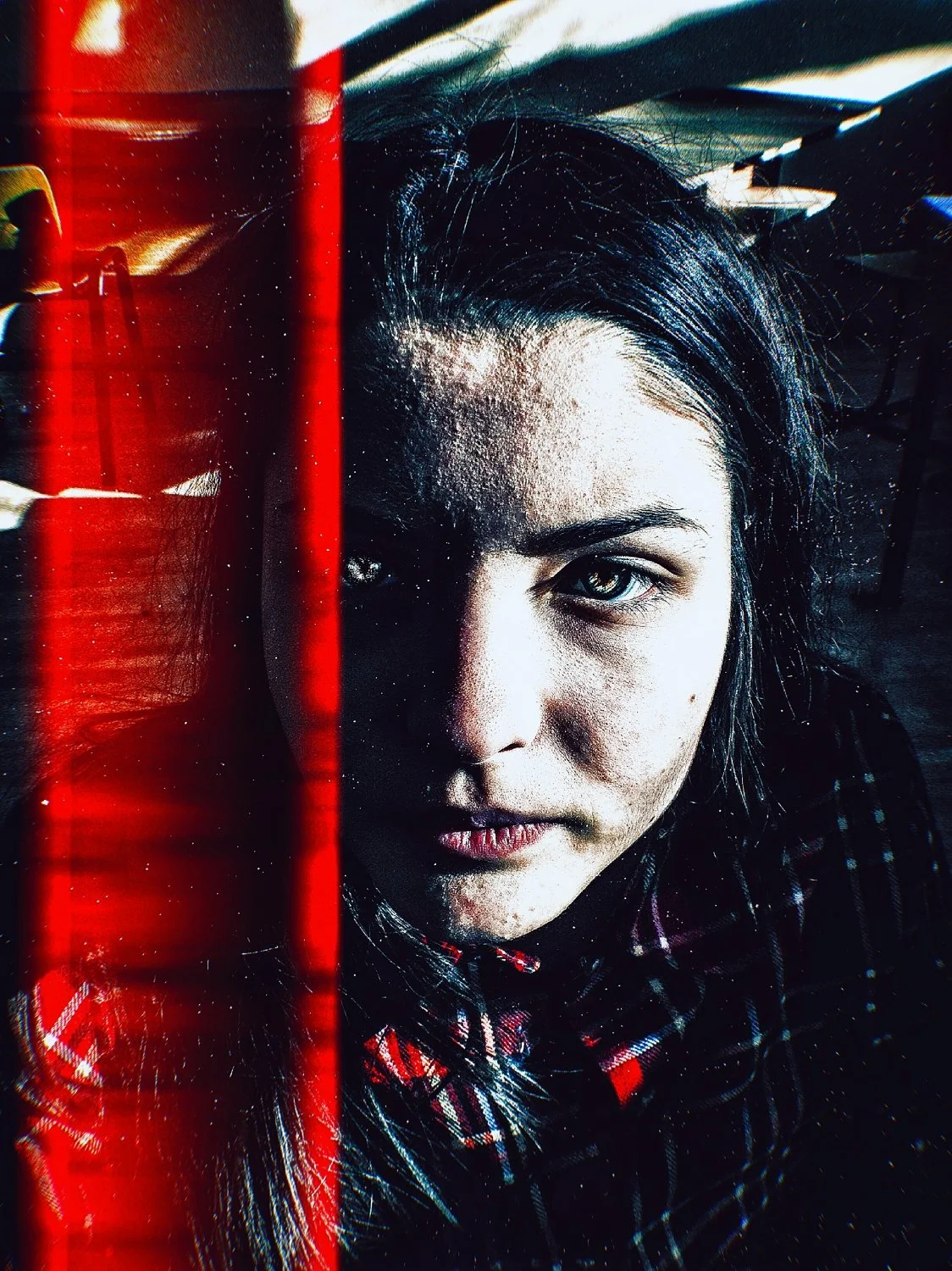
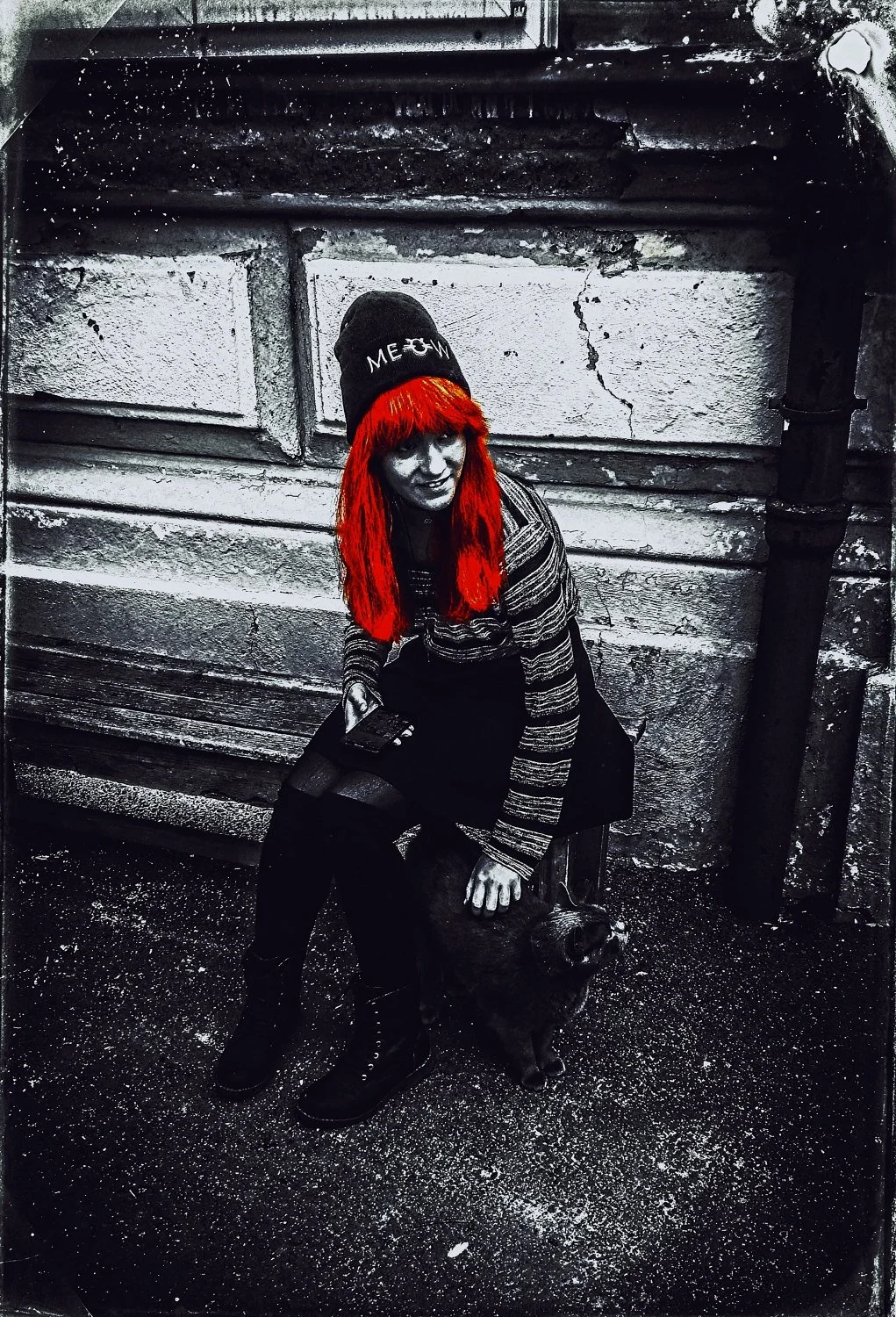
One of my biggest regrets about school is the countless hours I wasted sitting on a chair older than me. I had to constantly juggle and calculate which useless classes I could skip without getting in trouble because I desired more from life than just sitting and listening to frustrated adults trying to force-feed me information I would never use. I had to figure out which classes I could attend simply because the teacher was disinterested enough for me to draw or take pictures instead. I had to fight with my religion teachers and sports teachers to not mark me as absent even though I was excused from those subjects by my parents and the doctor. The list goes on. So many years wasted. The only good thing about school was this album and the very few former classmates I still keep in touch with.
The rest? I'm sorry, but every tragedy that occurs in any educational institution in this world is a result of factors like these. They accumulate and intensify until someone snaps. It's an interconnected injustice that affects everyone involved, from parents to students, to teachers and he Ministry of Education.
As a conclusion:
There are several key points I've identified (bearing in mind that I'm not a specialist and there are likely more) for a better school experience, none of which were met when I was a student. They are:
a) Focusing more on the individual: Teaching subjects to everyone is necessary, but the approach can be tailored to each student's strengths. Support those who excel in certain subjects while ensuring they pass the basics in areas less related to their intelligence type. Exclude subjects that become irrelevant after a certain age or within a specific domain.
b) Program flexibility: Allow for flexibility in scheduling (which may improve with online classes) and eliminate the importance of absences for well-performing students.
c) Meeting students' needs: Ensure that students have access to essentials, from food to necessary tools. A school should be a place where all needs are met and addressed, freeing students to focus on learning.
d) Interactive classes: Ditch the outdated approach of presenting absolute truths in class. Encourage students to explore and educate themselves on subjects that interest them. Foster debate and teach critical thinking skills. Teach students to engage with subjects holistically, using all their senses and faculties, not just relying on sight, hands, and memory.
e) Respect diversity: In the year 2022, it's STUPID that individuals are still scolded for their appearance, sexual orientation, or religious beliefs. NOBODY CARES (nor should they).
f) Eliminate religious education entirely, and if students wish to explore specific spiritual faiths, provide optional designated classes either within or outside of school (based on demand).
g) Consider adding subjects based on student interests and needs. If a majority of students express a desire for chess as a sport, for example, let it be included (while also exercising discretion and not accommodating every impractical proposal).
h) Involve students in shaping their own education. If they demonstrate capability, they should have a say in how education is conducted at their school.



































If I were to exhaustively analyze my mind, I might come up with more points for this list, delving deeper into the subject. However, since my experiences are unique to me, they can never fully encapsulate what it feels like to be a child, teenager, or student in Romania. Only by gathering fragments from everyone can we paint a complete picture.
I have moved on from that phase of my life as well. I didn't even bother attending the 5-year reunion (because I excel when I'm absent). There are certain individuals I would like to see and I trust that if it is meant to be, life will ensure our paths cross as many times as necessary. As for everything else, it doesn't really interest me, in general.
P.S. To the peculiar spectrum of optimists and flower-power enthusiasts whom I respect, but struggle to comprehend, I want to clarify before you blindly defend your own nostalgic memories of childhood: there were aspects of school that I cherished. However, I chose not to mention them because those moments would have held meaning regardless of whether they occurred within the confines of school. School was not a significant pillar in my personal growth, although it may have been for others. I am glad that there are people who look back on those times and smile. Any period in life that sailed smoothly deserves to be celebrated. It's just that my smile stems from the fact that even though I didn't want to attend school, I did so, challenged it and eventually graduated. I only used it as a means to establish relationships and acquire information that I deemed relevant, even if it landed me in trouble. I want to demonstrate that such experiences also exist. Some of the trouble was amusing, but much of it wore on my nerves. Life is life. If we are to take pride in our species, let's harness it to our advantage. I believe that's the underlying concept behind this "harsh review" of school and my initial advice. Education should propel humanity forward. Anything or anyone (be it a person, institution, or system) that fails to do so should not be considered a fundamental element in the development and preparation of human beings for life. Perhaps this perspective will resonate with you more.