
Shelter in Place
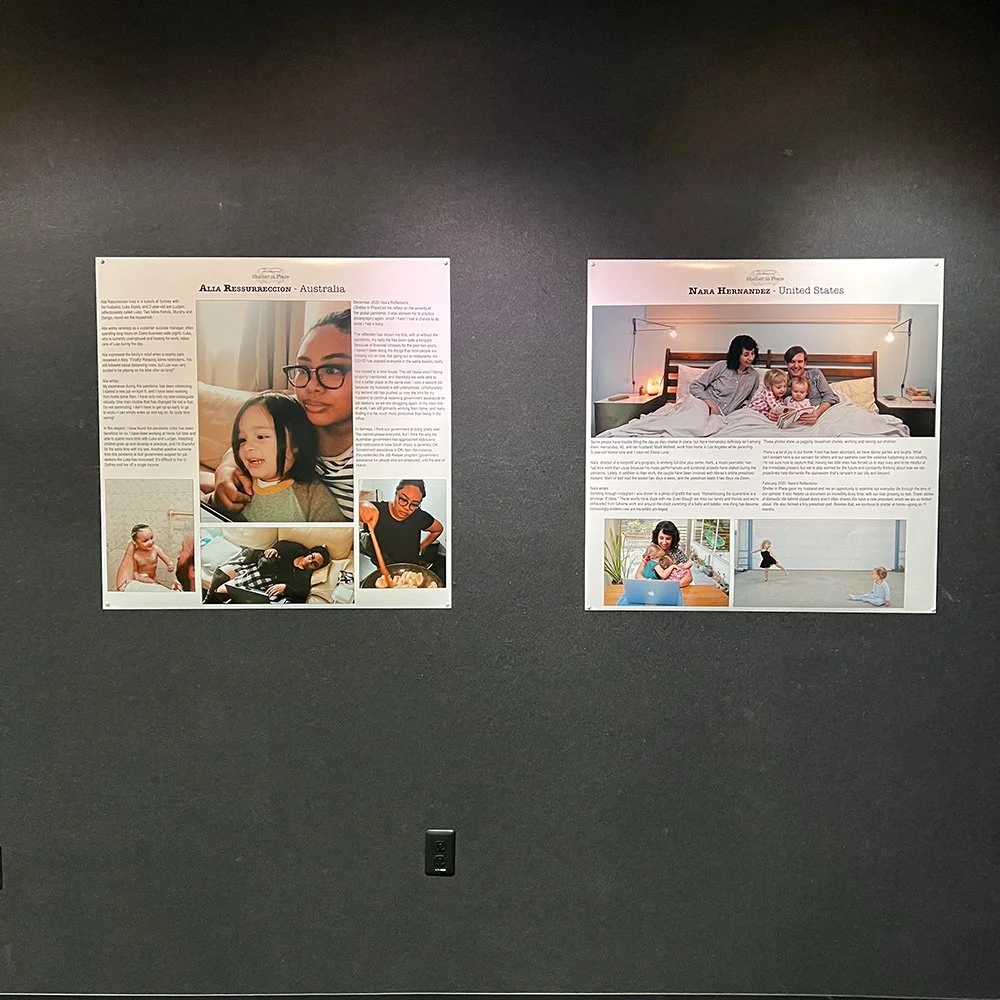
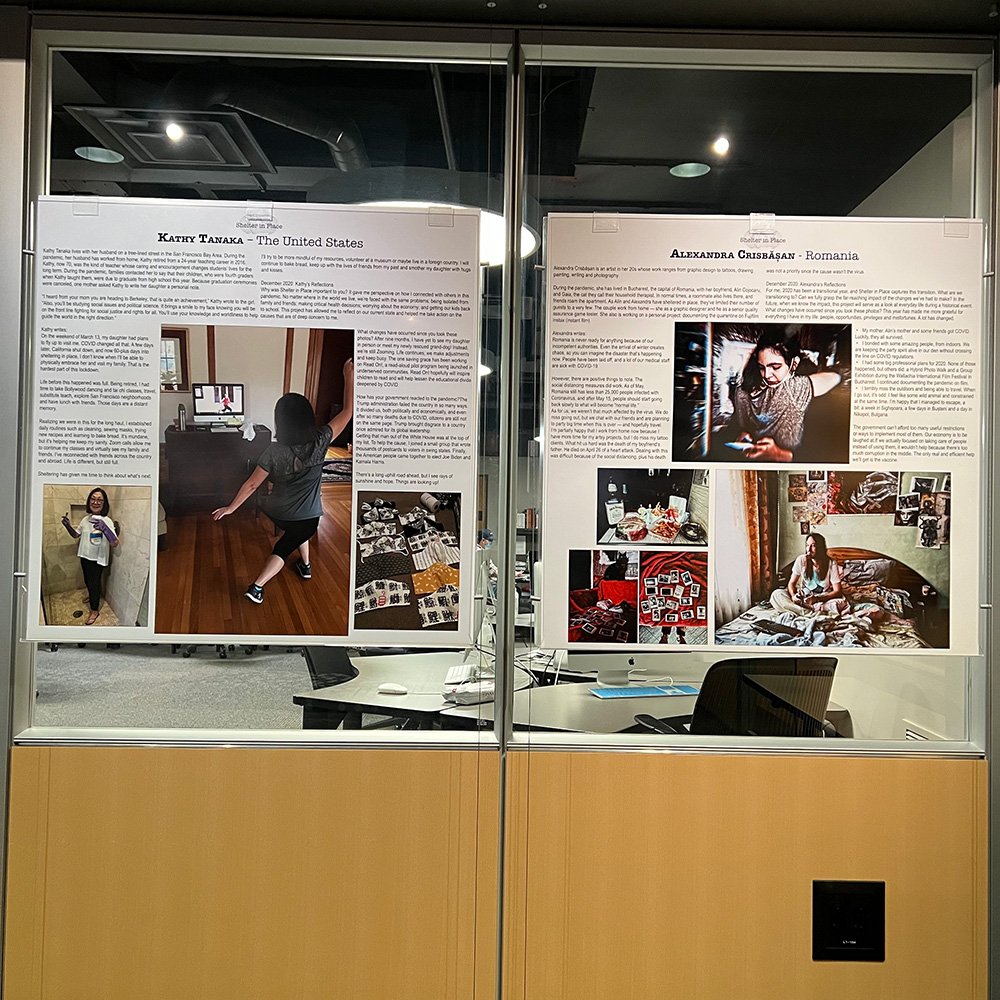
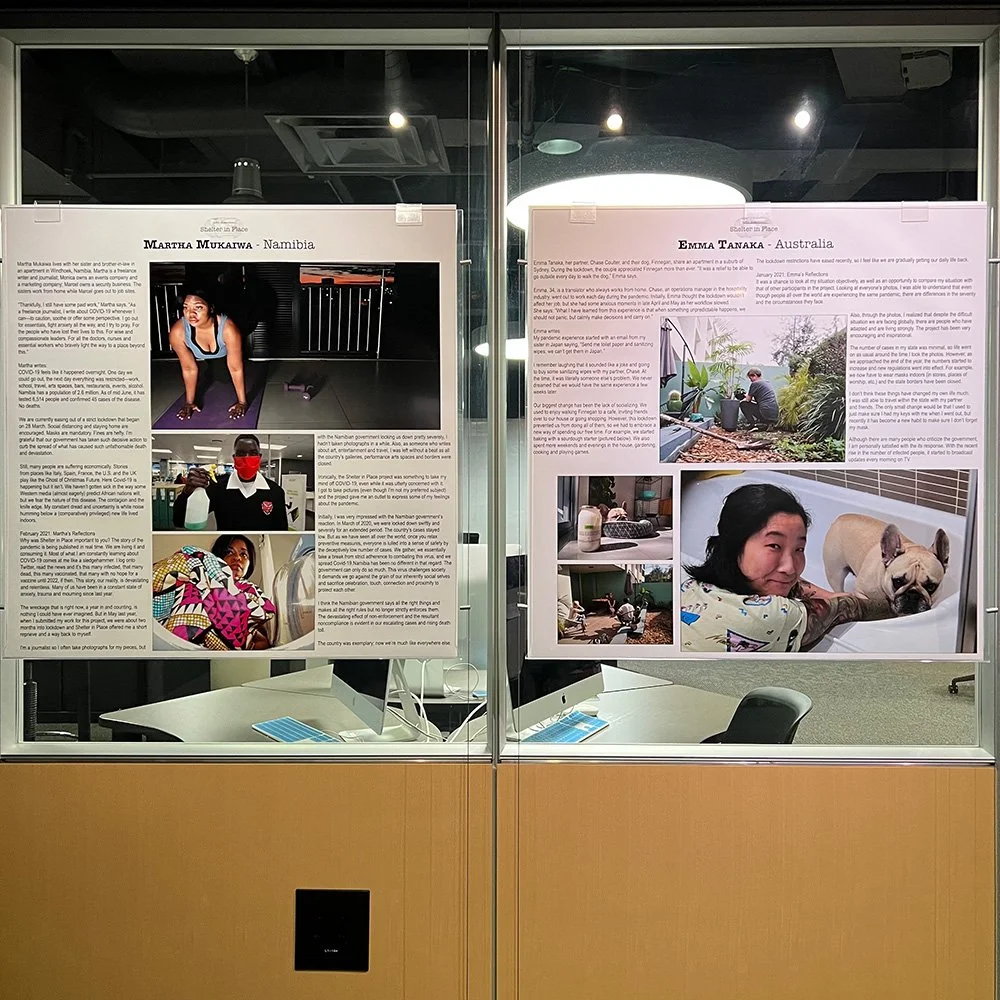
Shelter in Place is a collaborative project made to chronicle life during the COVID-19 pandemic. The documentation took place during May 2020 and later, in 2021. The project virtually traveled through five continents and different countries (from Australia to Japan, USA, Gibraltar, Namibia and Romania), 8 women shared their stories with the help of: Barbara Dunlap (coordinator), Darius Whitten (designer), Patty Reksten (photo editor) and Gregory Glover (copy editor).
THE VISUAL STORIES FROM five continents
“‘This project was all about inclusion, so I was pleased to see the student work included,’ said Barbara Dunlap, the project’s creator and editor, who earned her master’s degree from the School of Journalism in 1989 before embarking on a career as an editor.
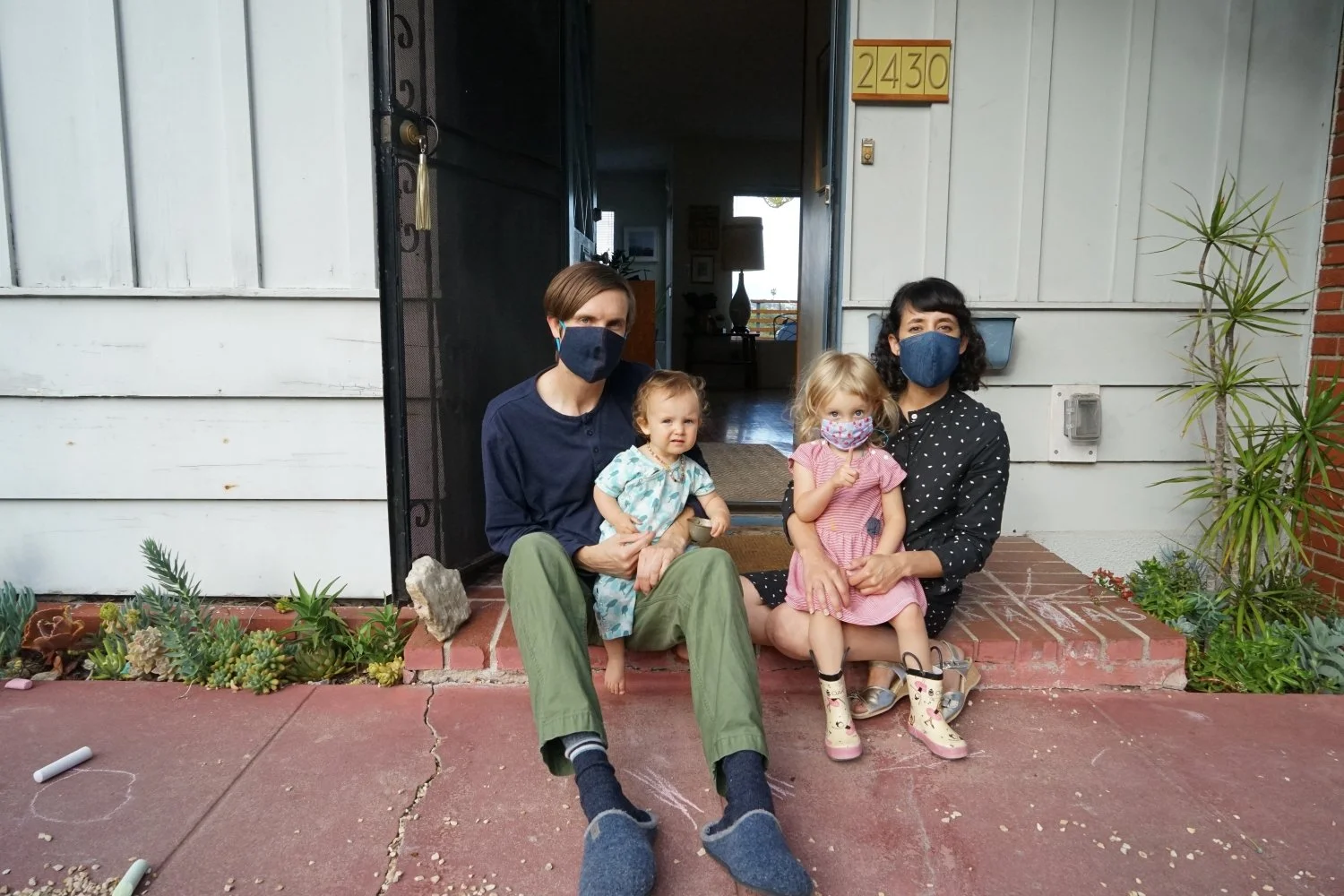
Indeed, while the collection is organized around a single principle — life during the ‘shelter-in-place’ stage of the COVID-19 pandemic — Dunlap has taken care not to squeeze them together into a single narrative. Each image tells its own story, both in pictures and with supplemental text from the artists; of living with breast cancer at a time when health systems are taxed, or of the privilege of experiencing the pandemic as an opportunity to spend more time with family. “
The collection of personal images became a universal statement about how we all cope – and find hope – during hard times.
A participant in the project summed this up a few months after the project: ‘To me, Shelter in Place represents a thread uniting stories, in a period where staying connected has been more than tricky,” wrote Alexandra Crisbășan, a Romanian artist. “I think it’s important that this project doesn’t just capture cultural diversity, but it also underlines how, once again, we adapt.’
The Shelter in Place project will be archived in the Angus and Betty McDougall Center for Photojournalism Studies.
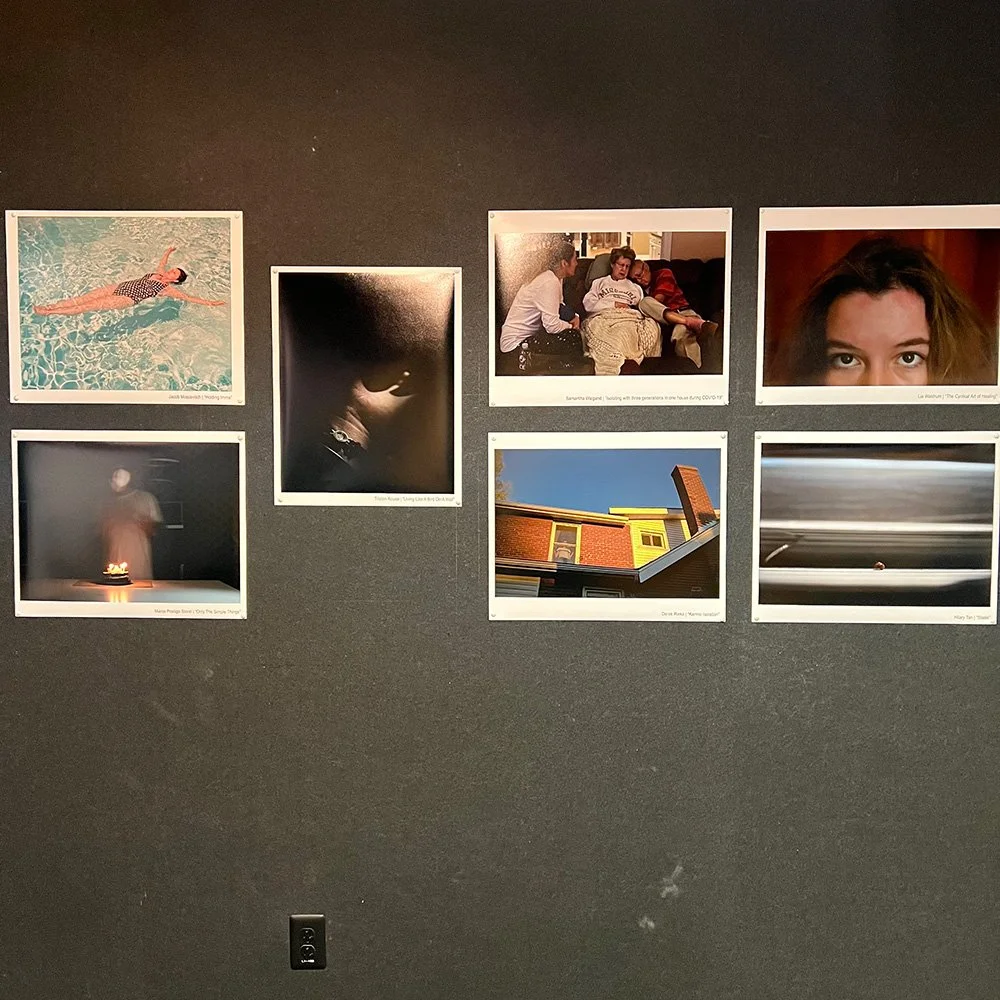
For this exhibit, the work of seven Missouri School of Journalism Photojournalism students complements The Shelter in Place project. They, too, turned their cameras on their own lives to try to define their own pandemic experience.
You can find their photographs below
“Today I woke up after a late night of tears to bright sun pouring into the room. Usually sleep offers respite doesn’t it? But this morning I woke up in a fog, weighed down by another day. And the light was too bright. So I rolled over to shield myself and create a haven that felt like my own, pressing my fingers over my eyes to block out that harmful light. I didn’t realize it but many minutes passed by and when I finally got out of bed. I passed by a mirror and saw red marks pressed into my forehead in the shape of my fingertips. The feelings inside were making their way into the visible realm. They matched the dark circles under my eyes and my red blotchy skin.
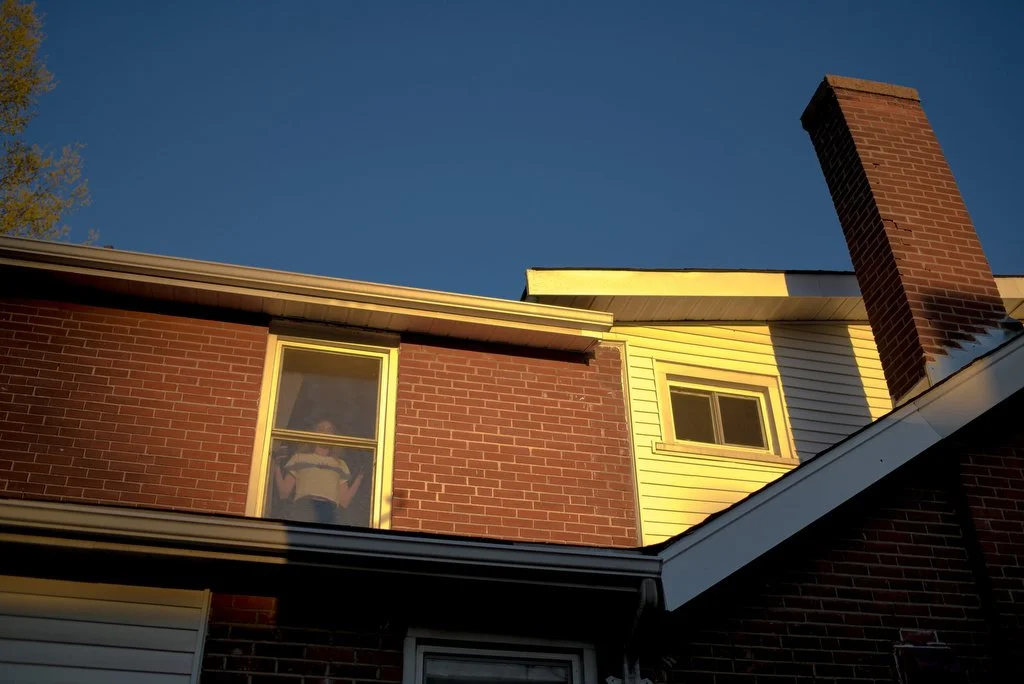
Derek Rieke, Missouri School of Journalism
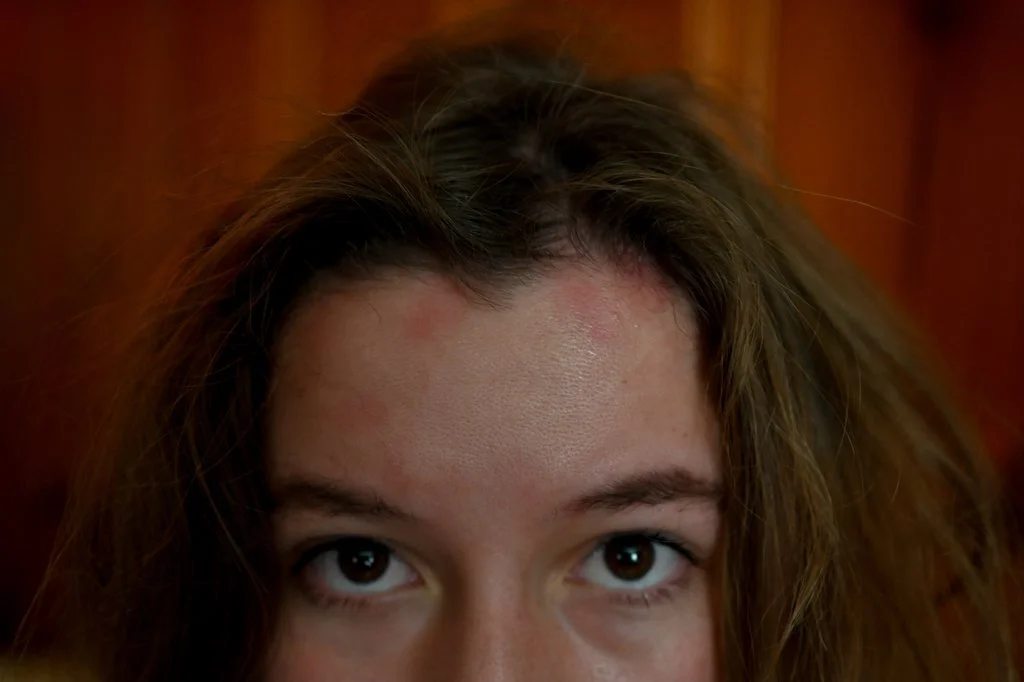
Lia Waldrum, Missouri School of Journalism
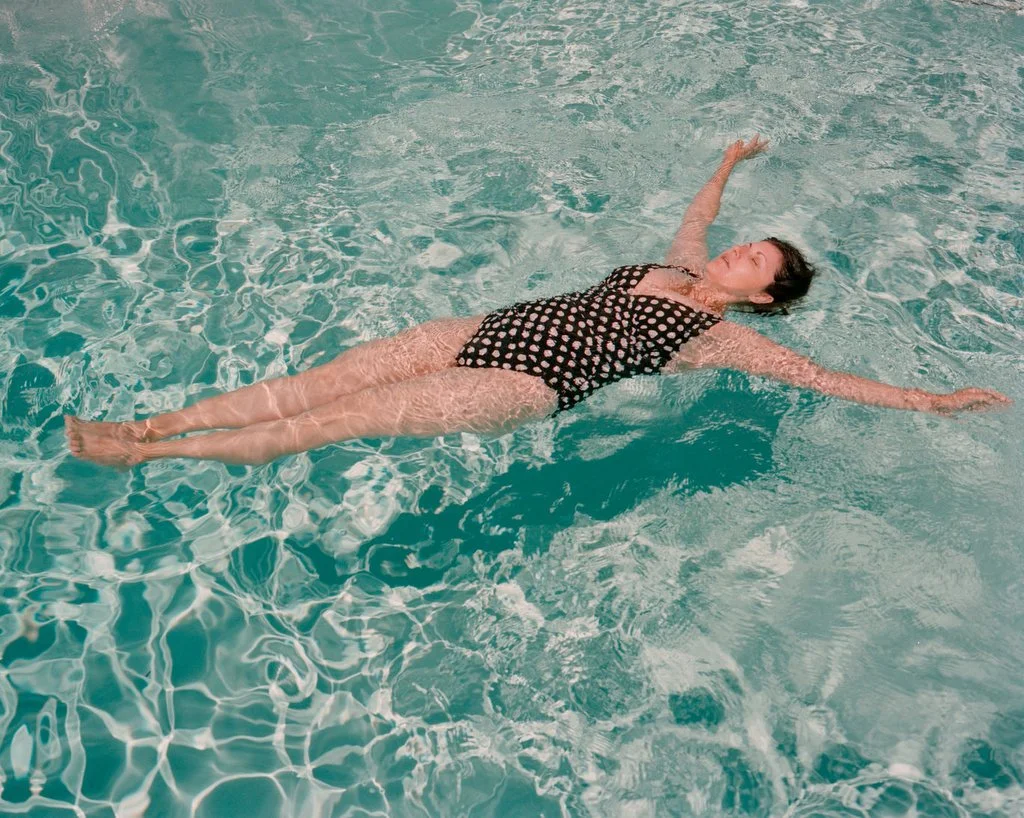
Jacob Moscovitch, Missouri School of Journalism
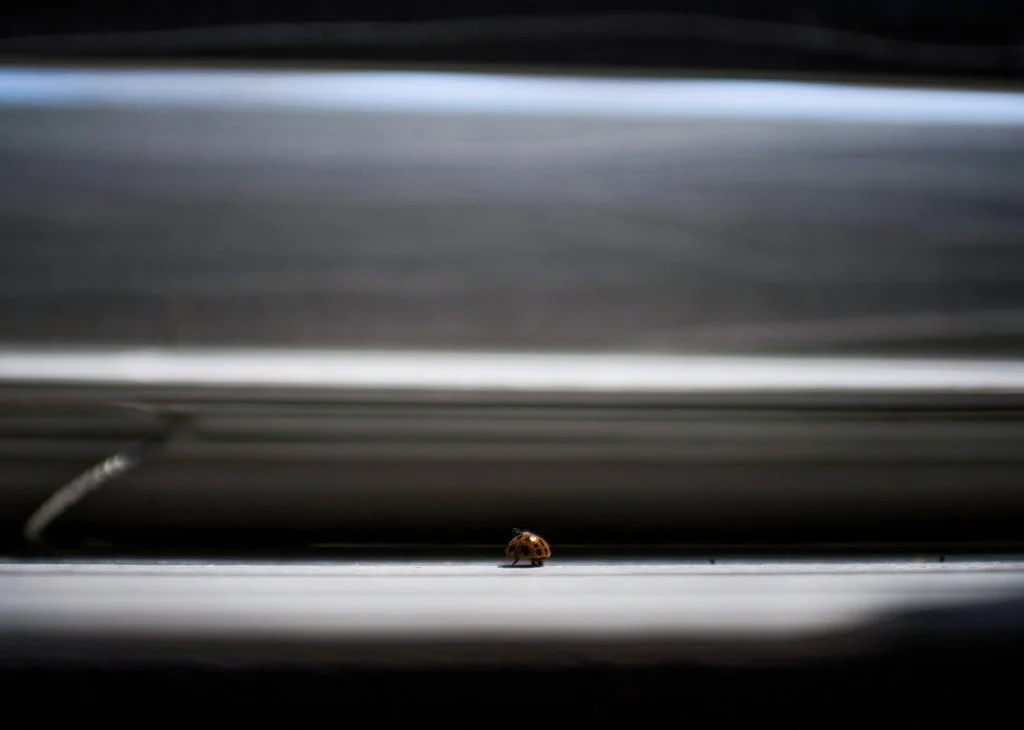
Hilary Tan, Missouri School of Journalism
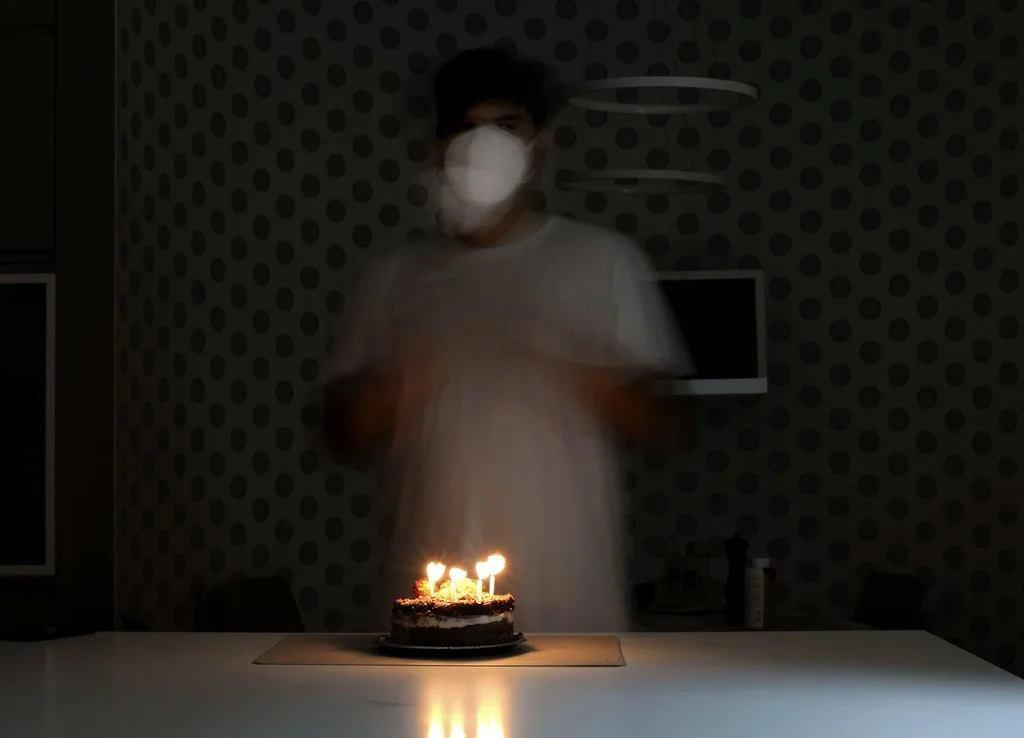
Marco Postigo Storel, Missouri School of Journalism
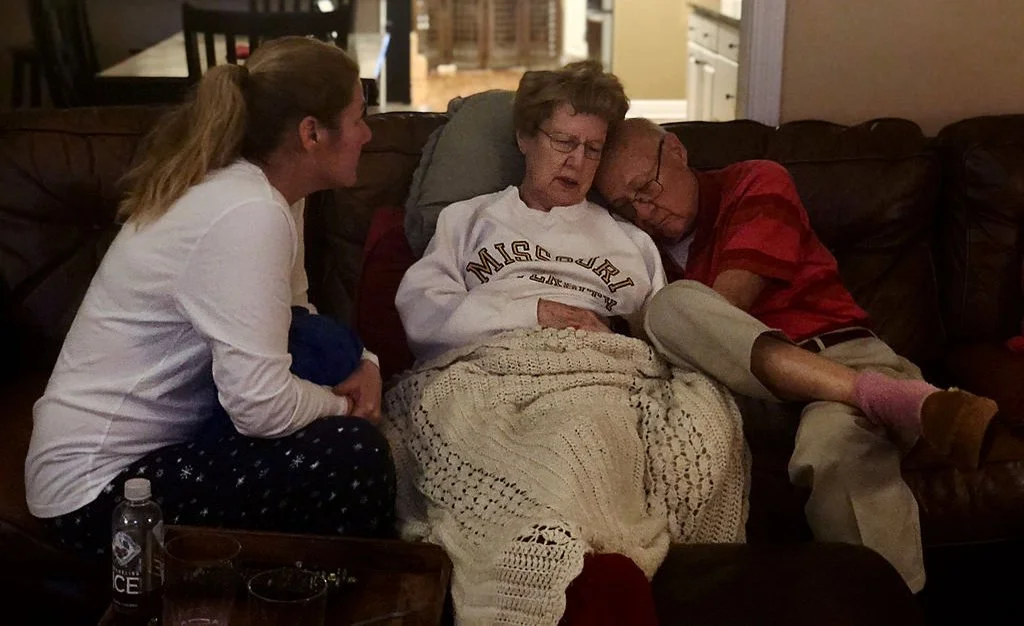
Samantha Waigand, Missouri School of Journalism
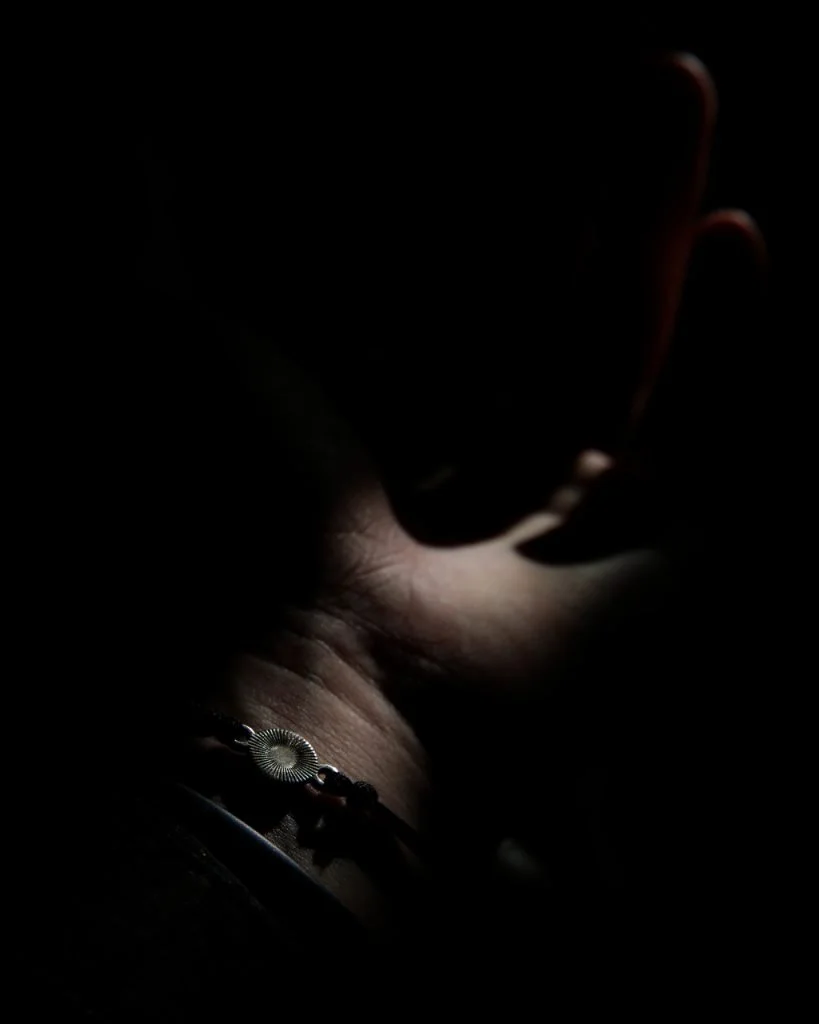
Tristen Rouse, Missouri School of Journalism
Alia Resurrection
Australia
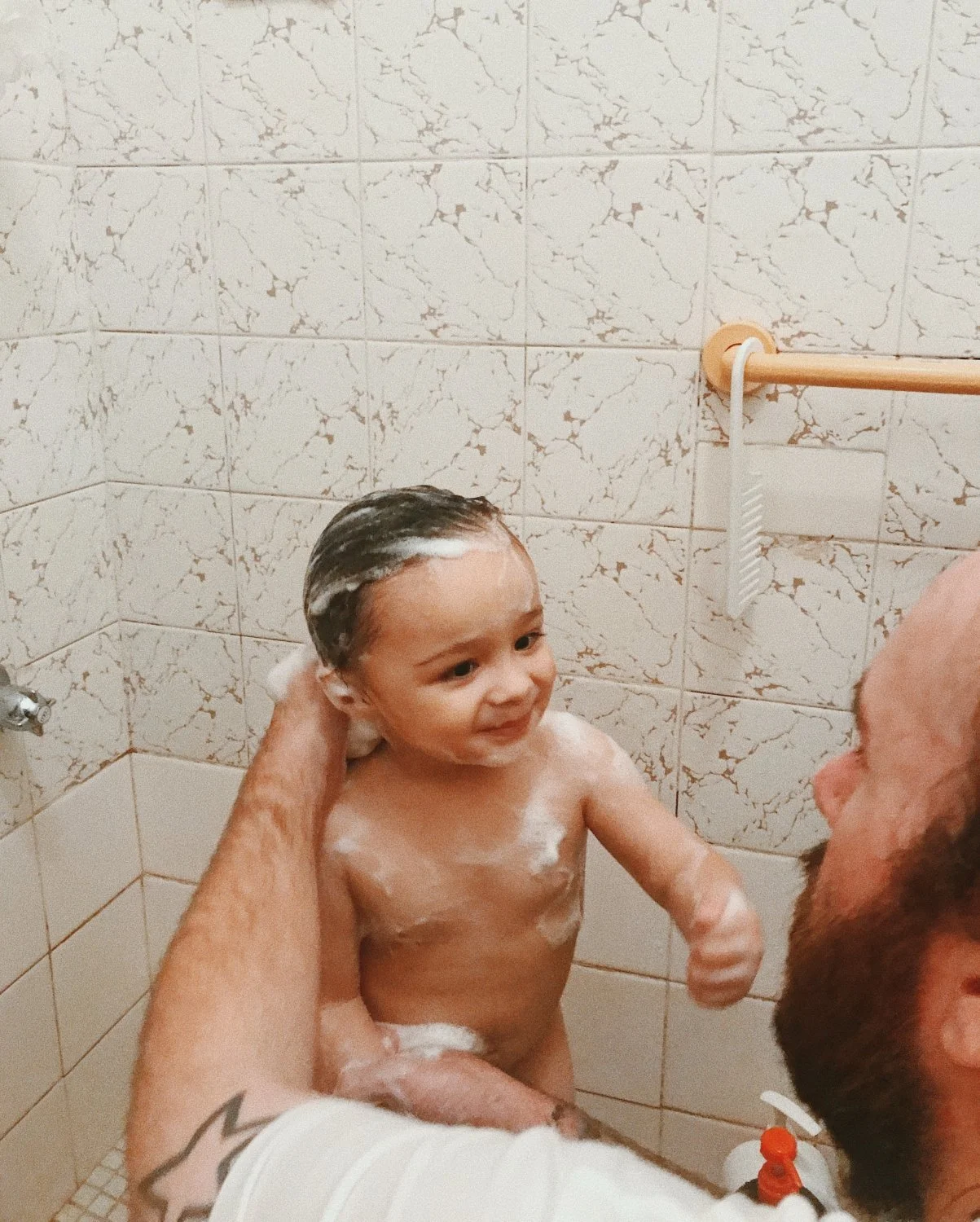
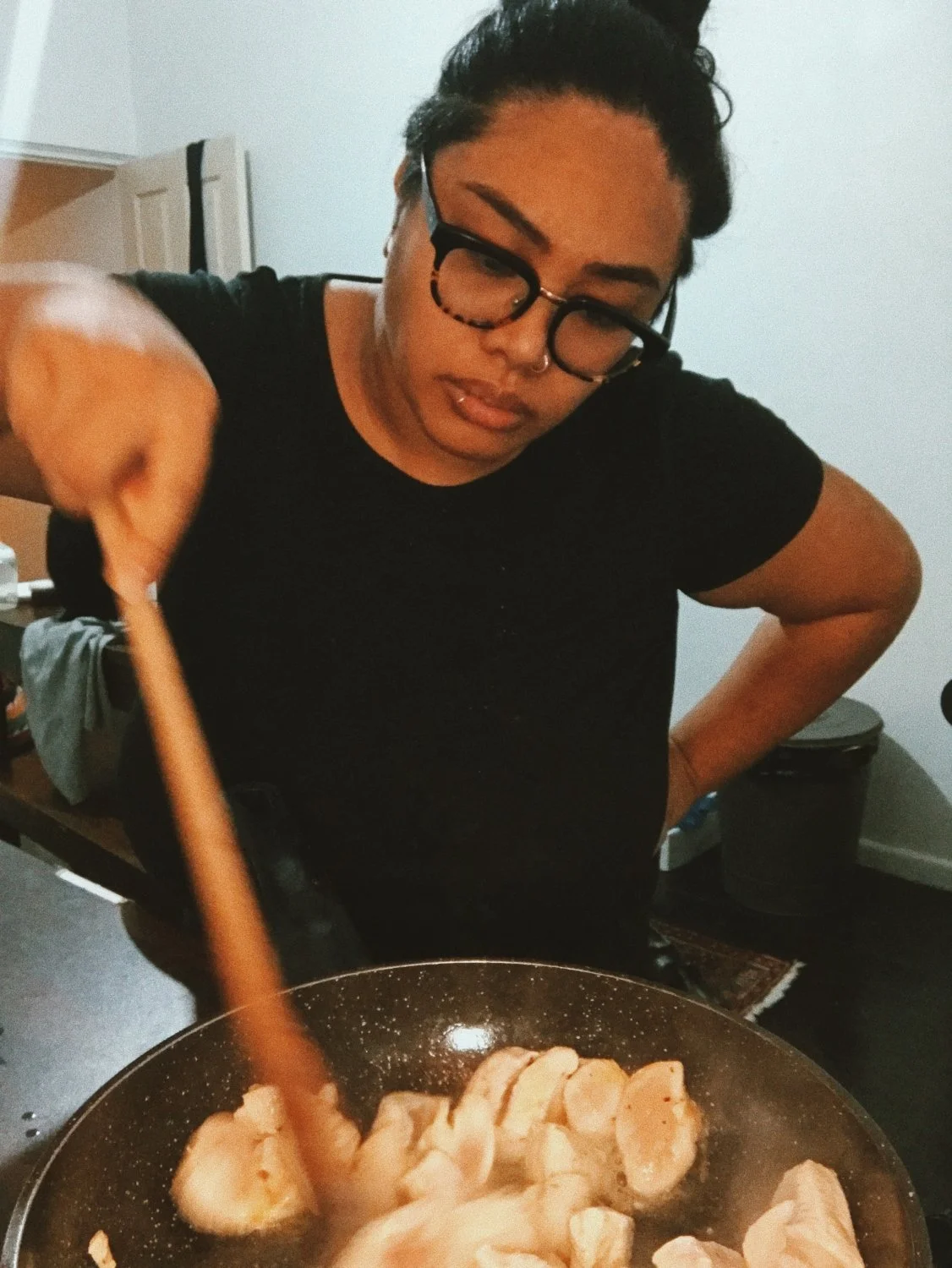
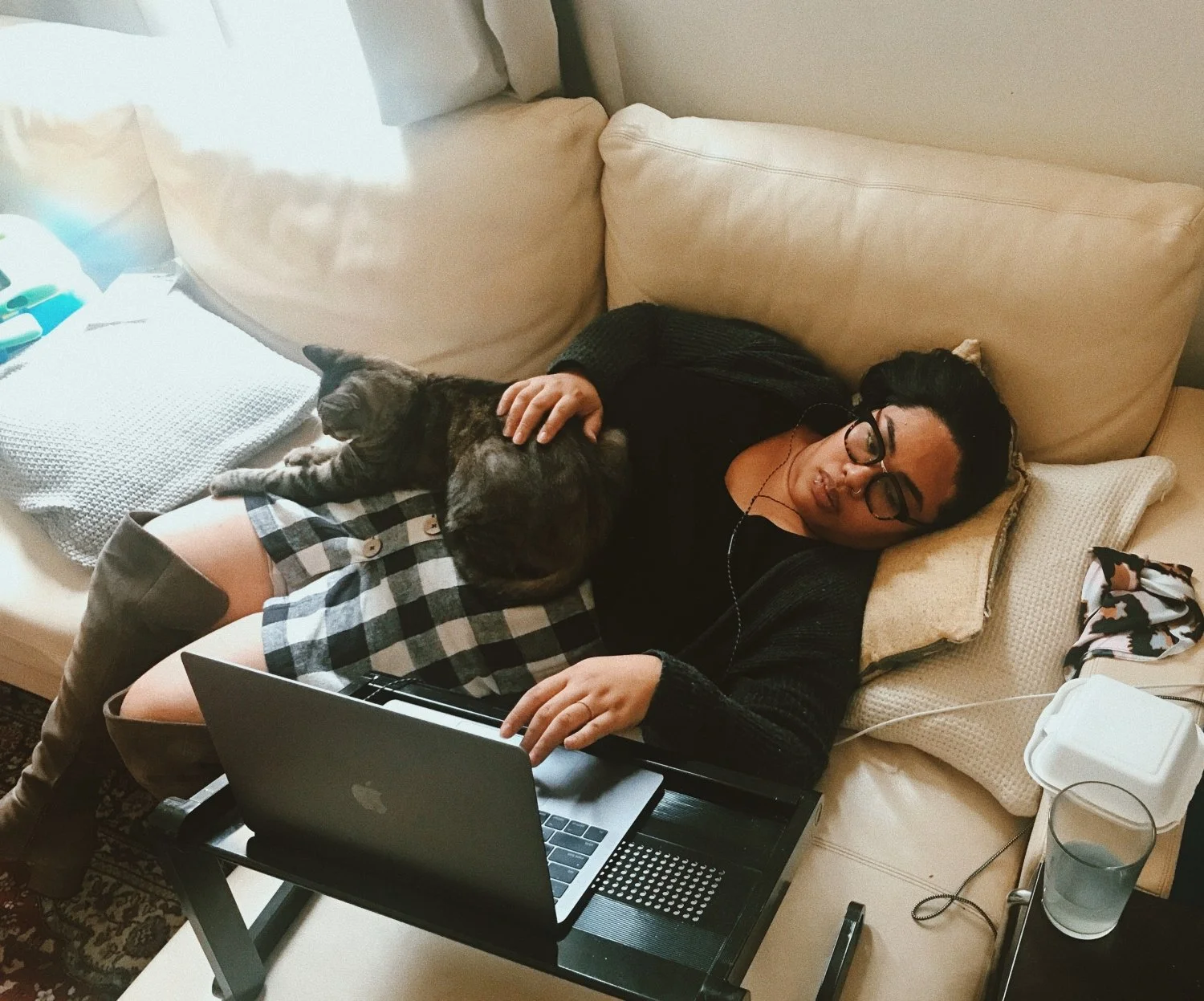
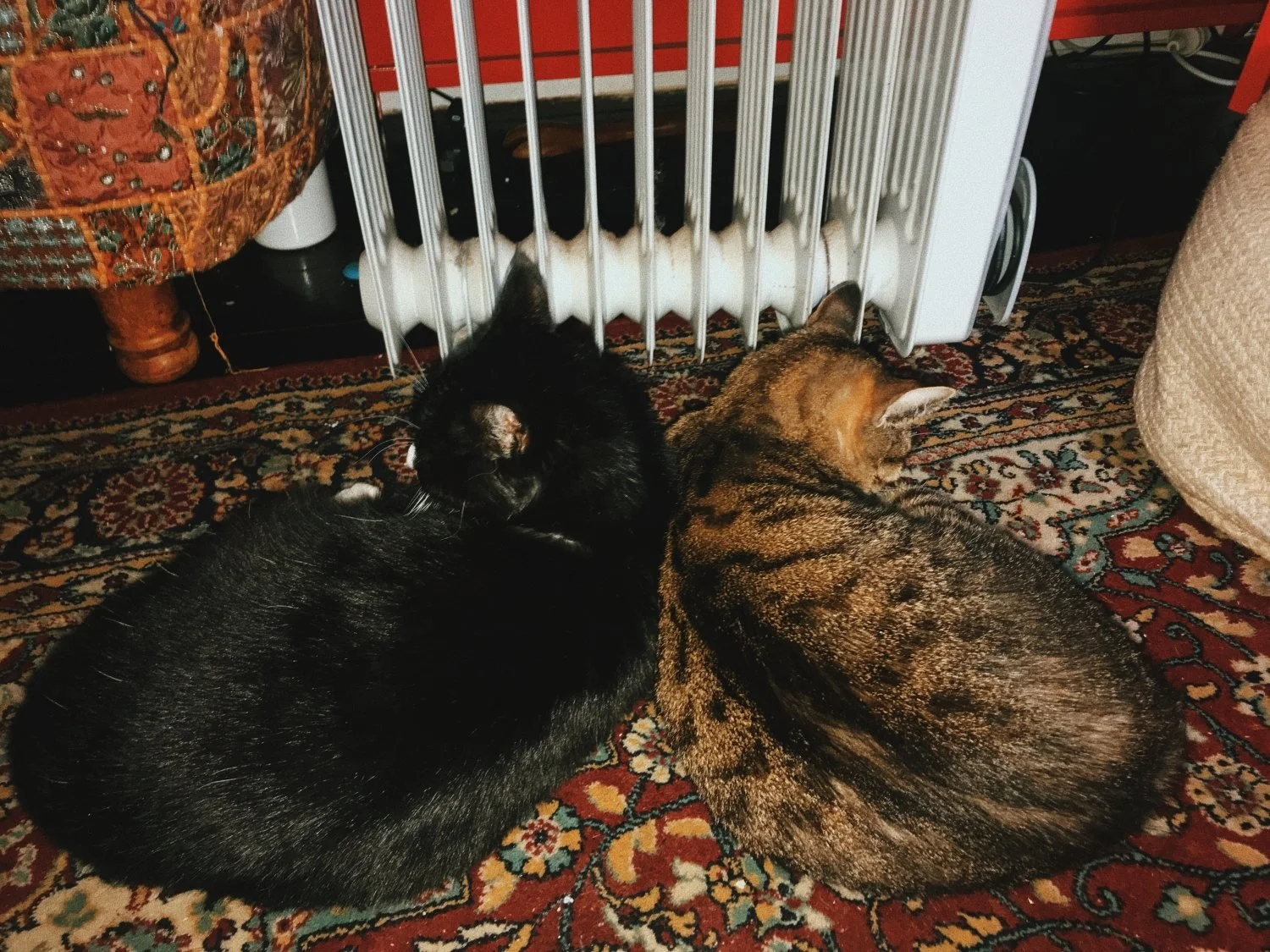
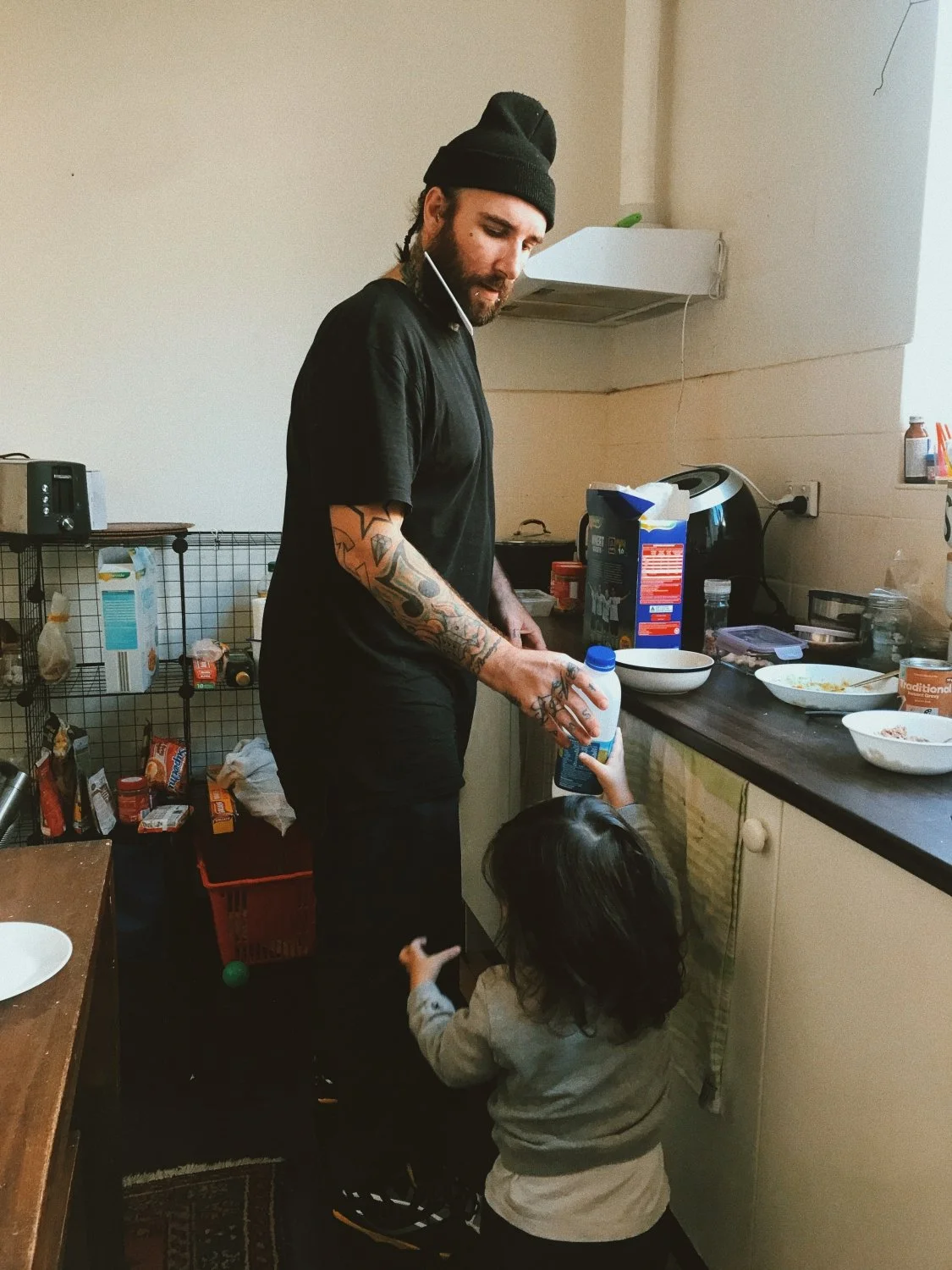
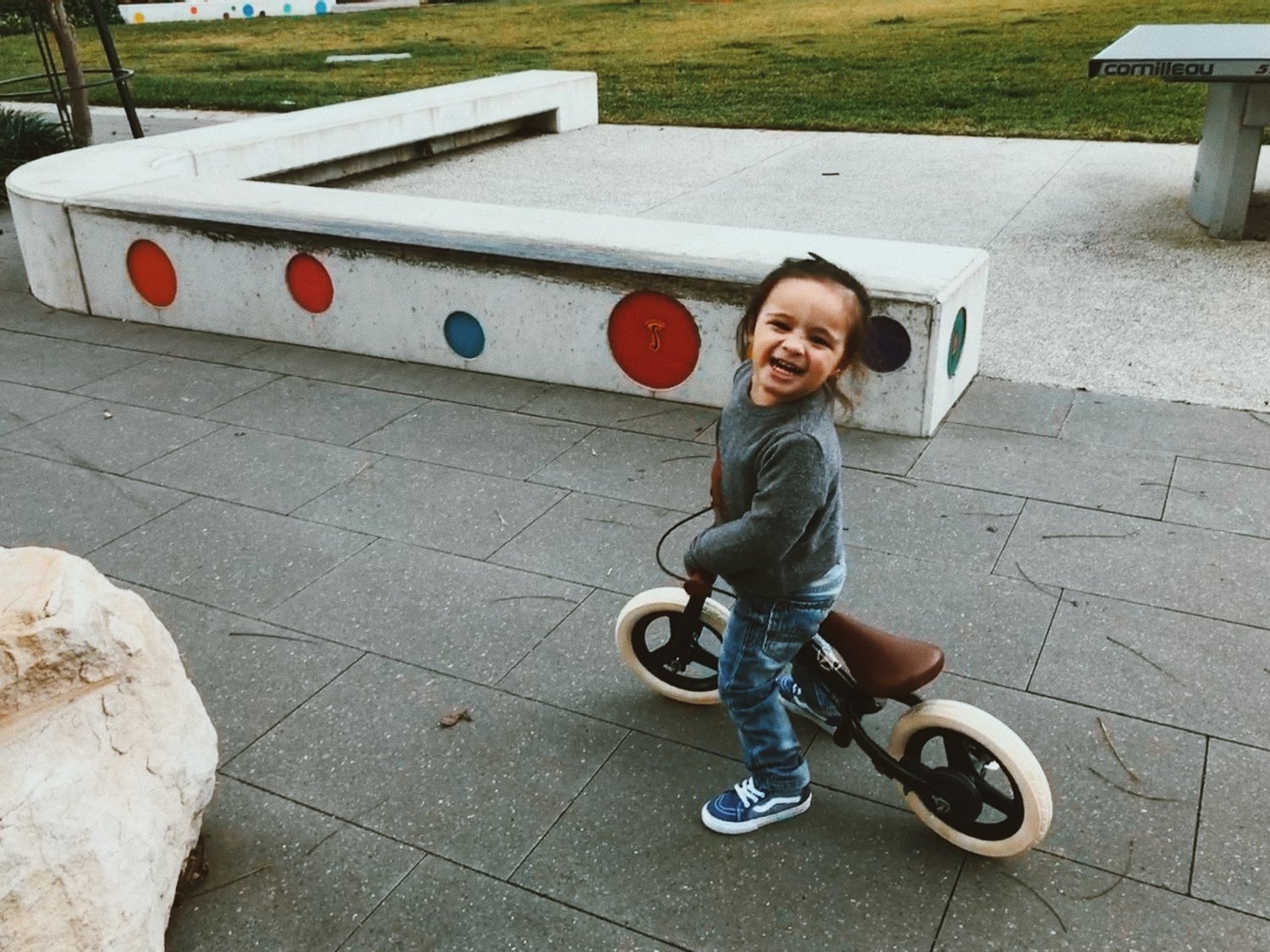
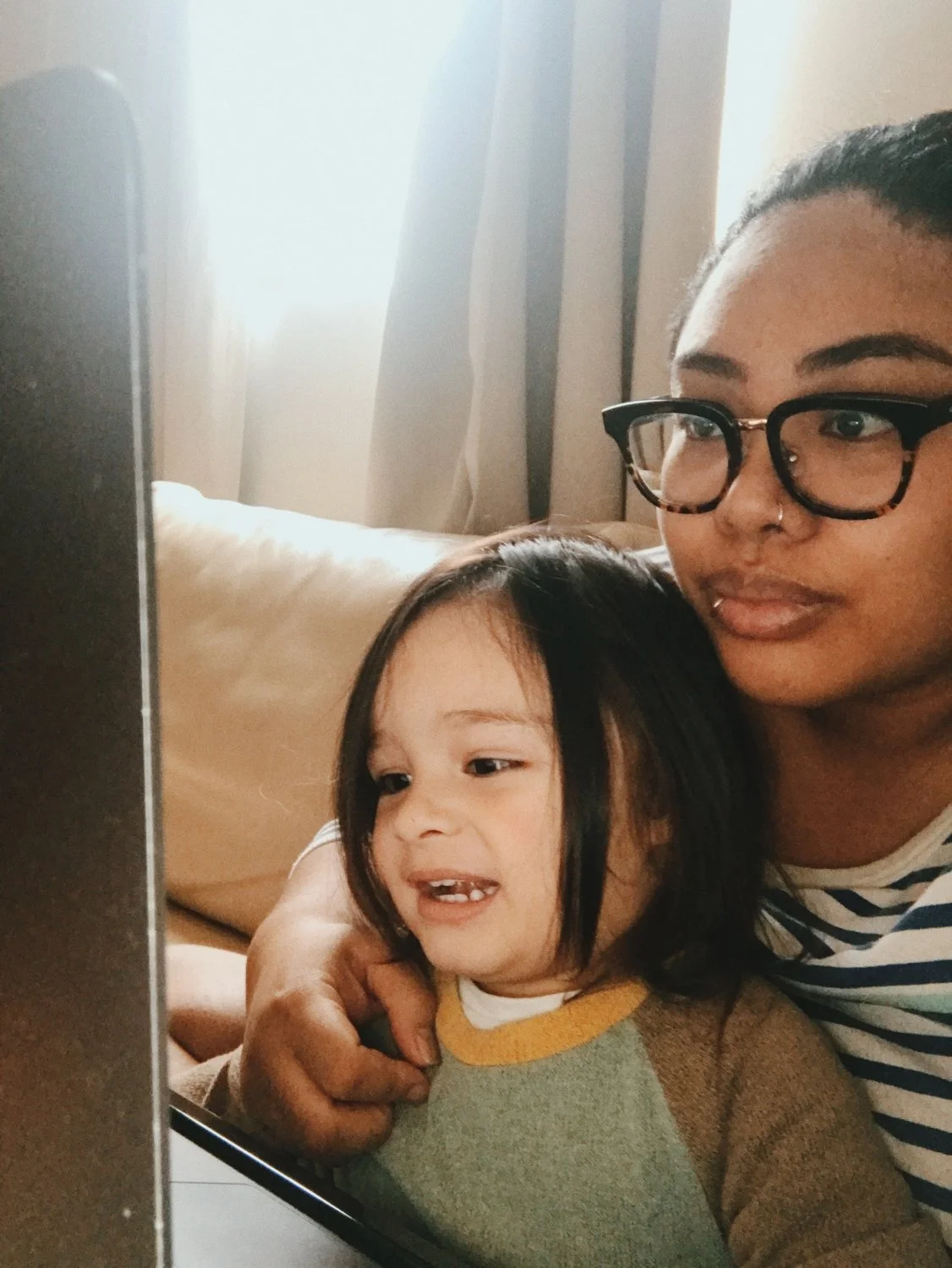
Emma Tanaka
Australia
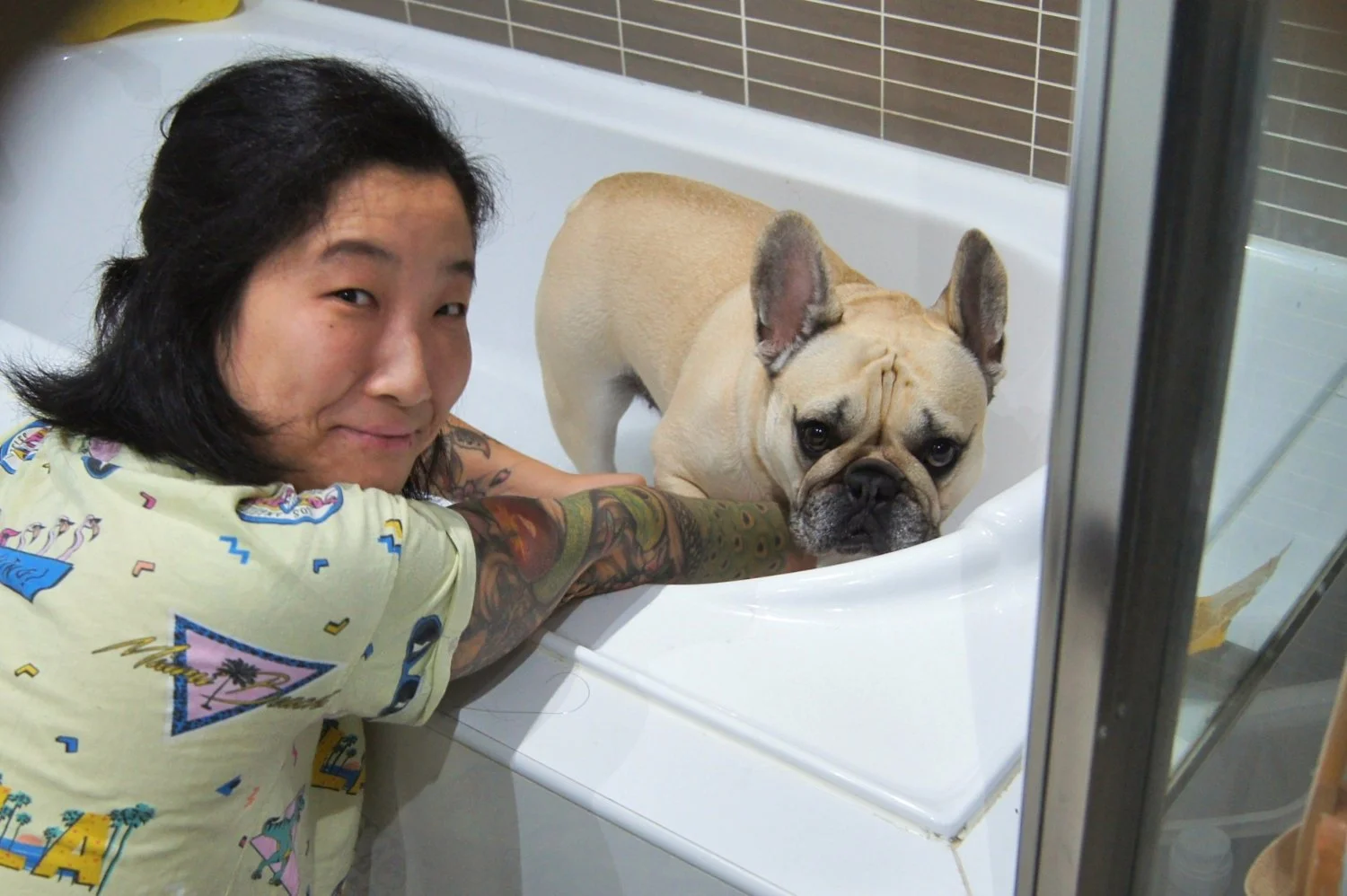
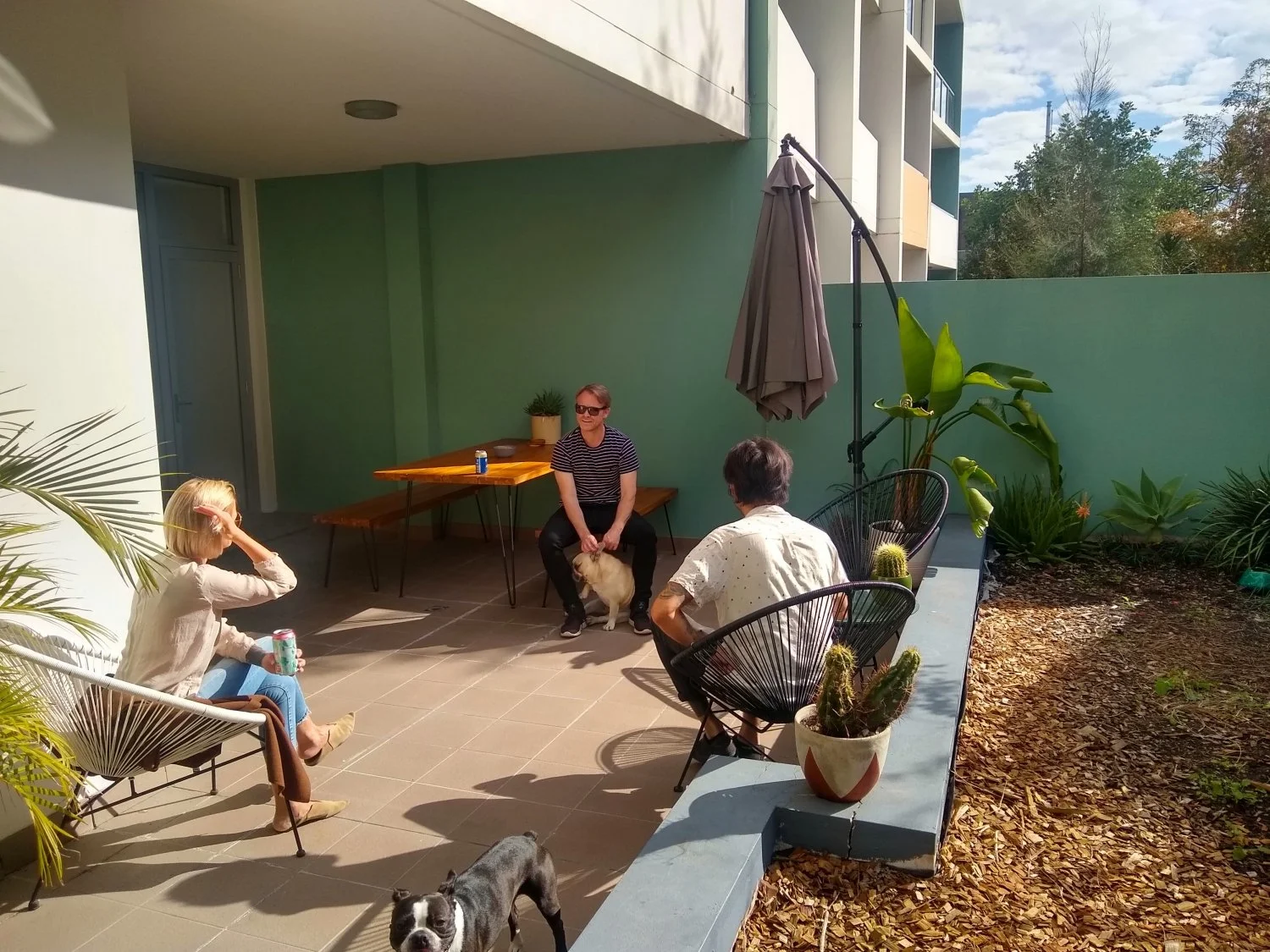
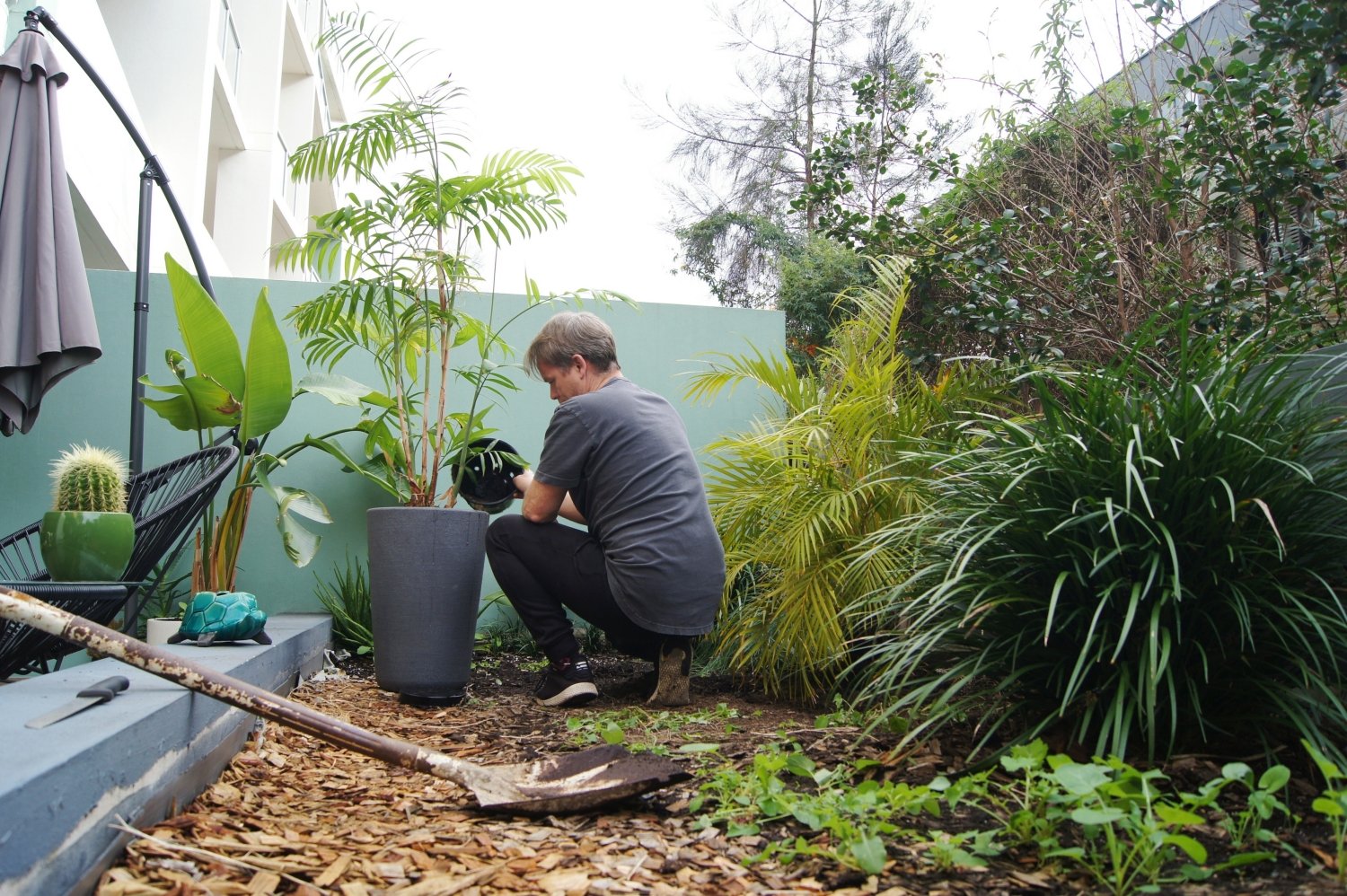
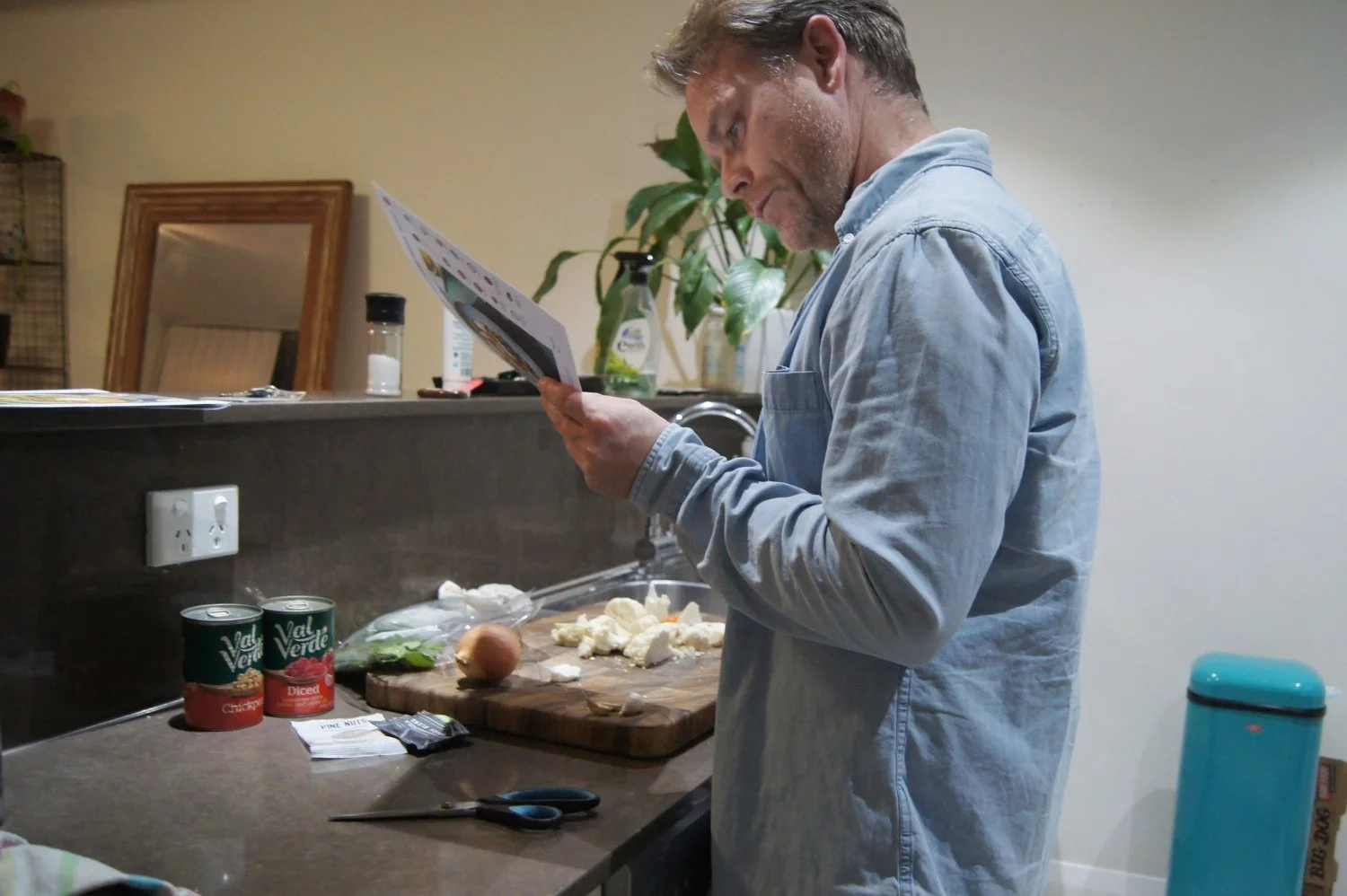
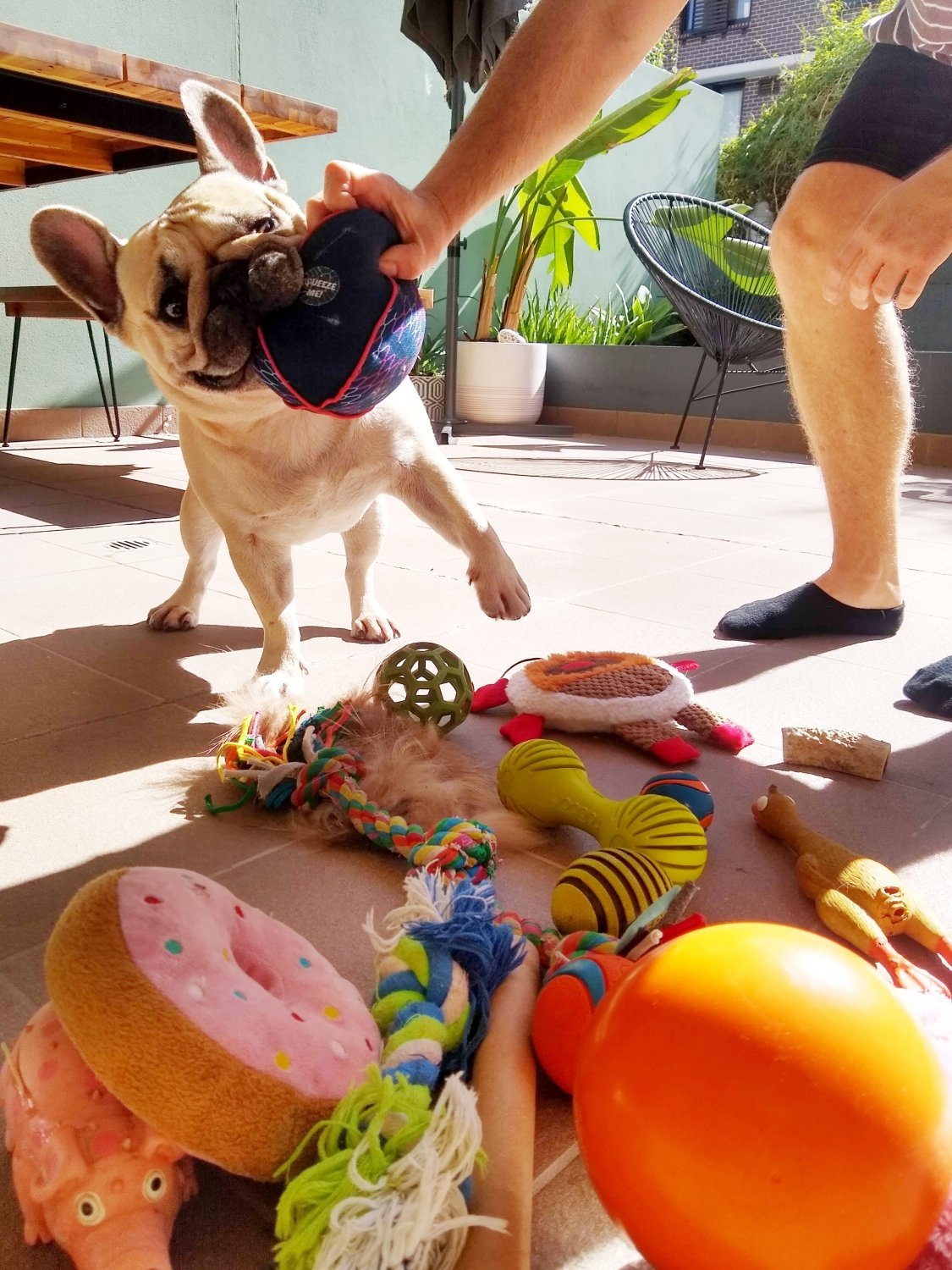
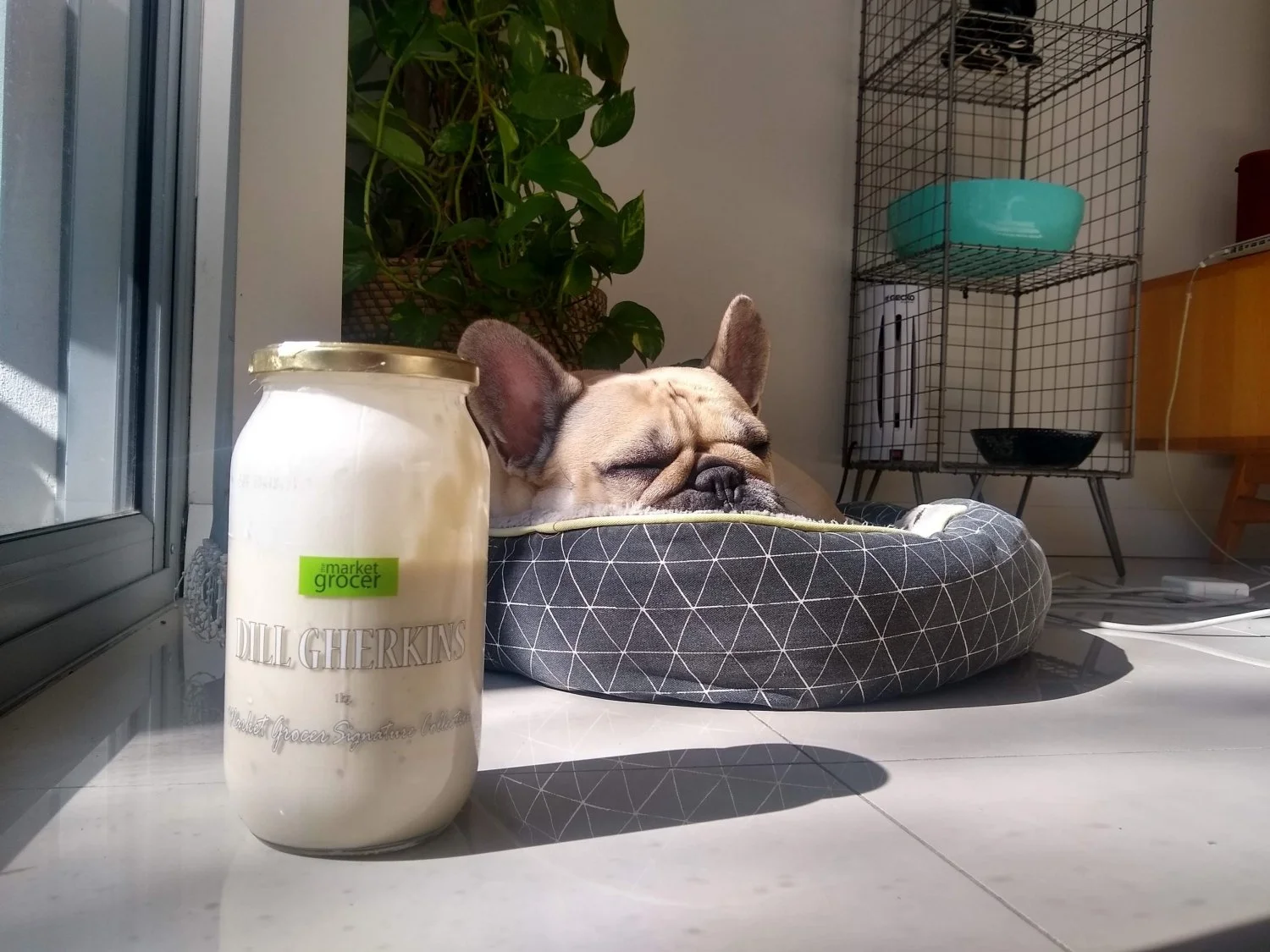
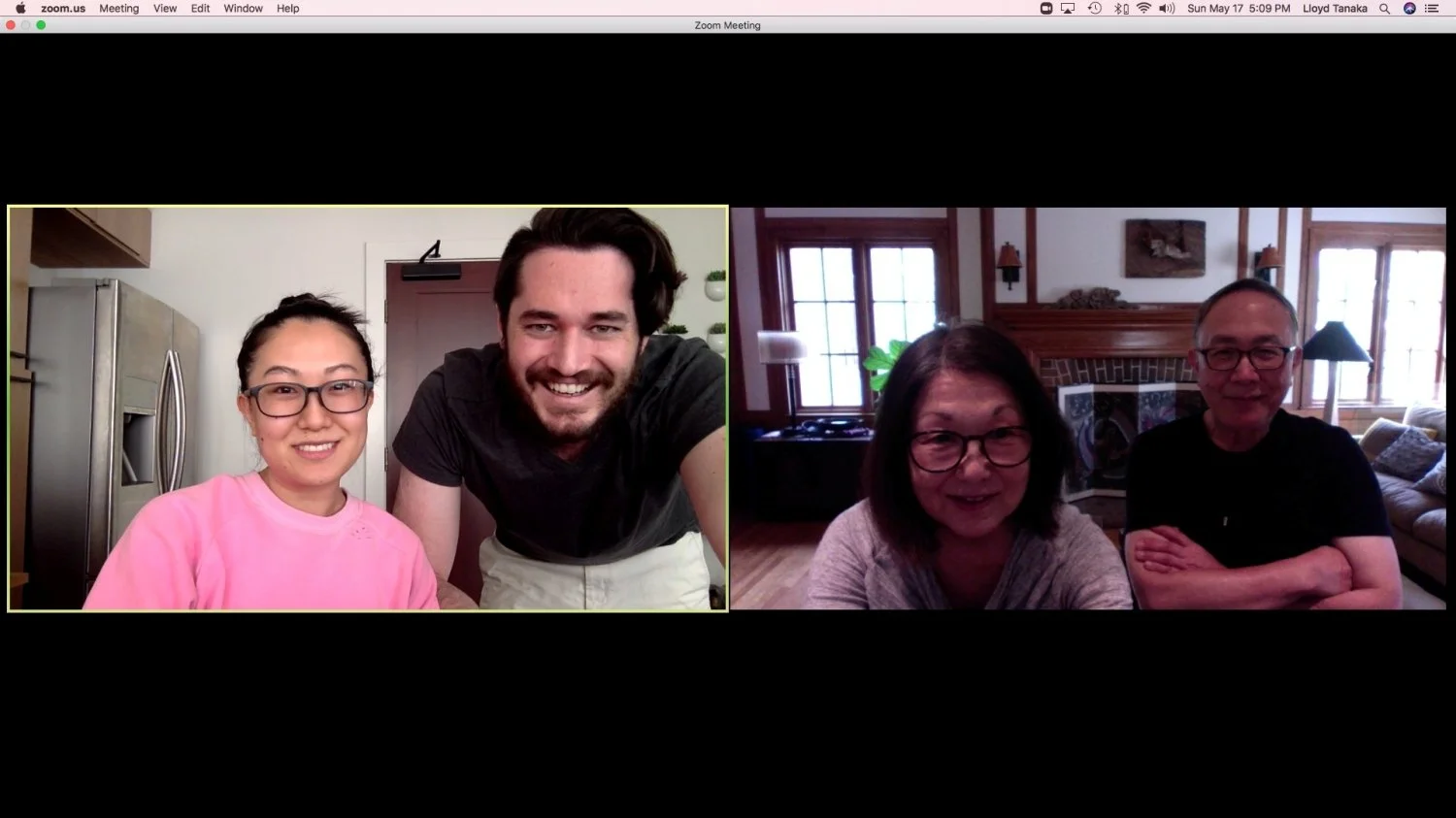
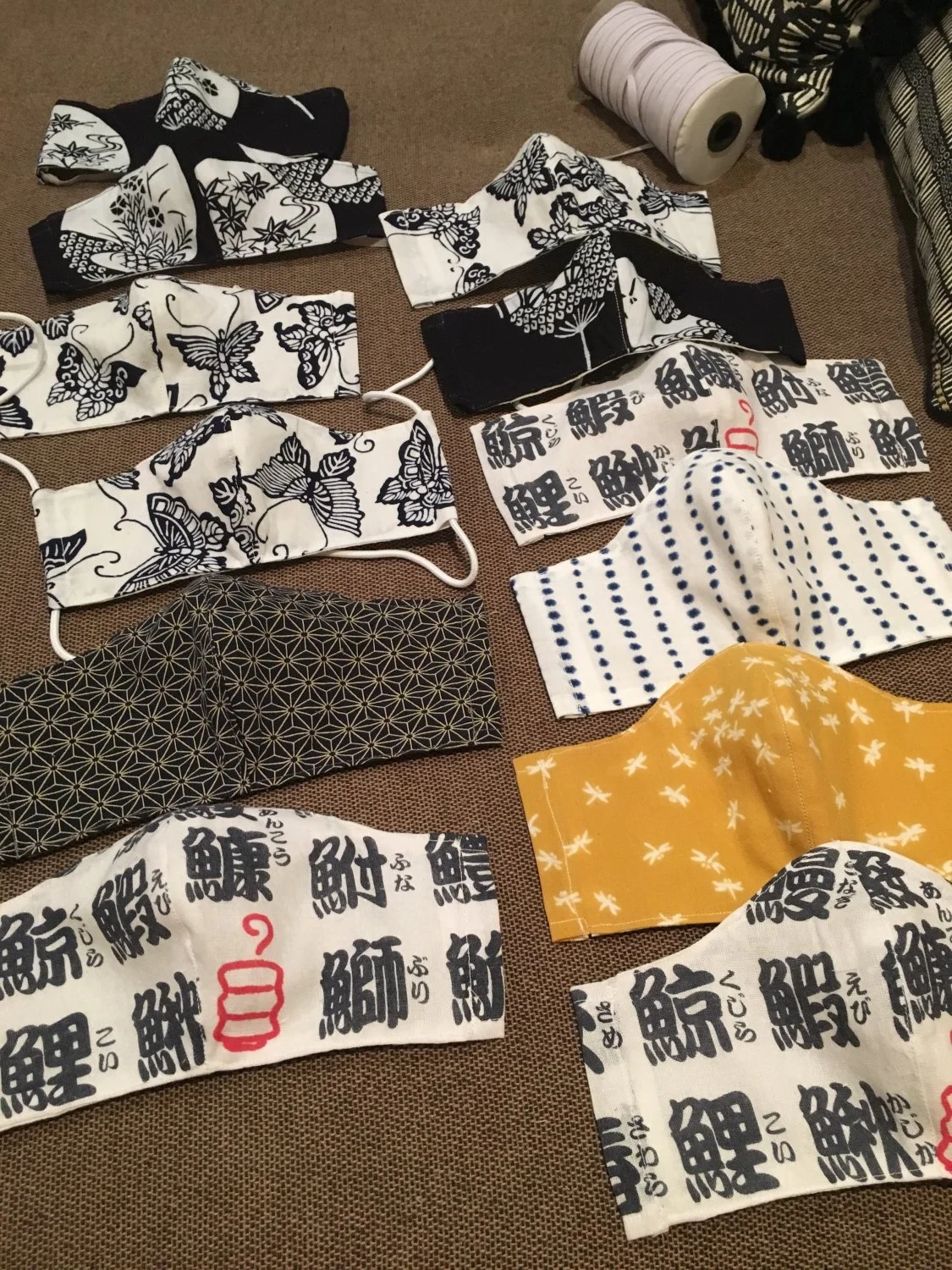
Kathy Tanaka
United States
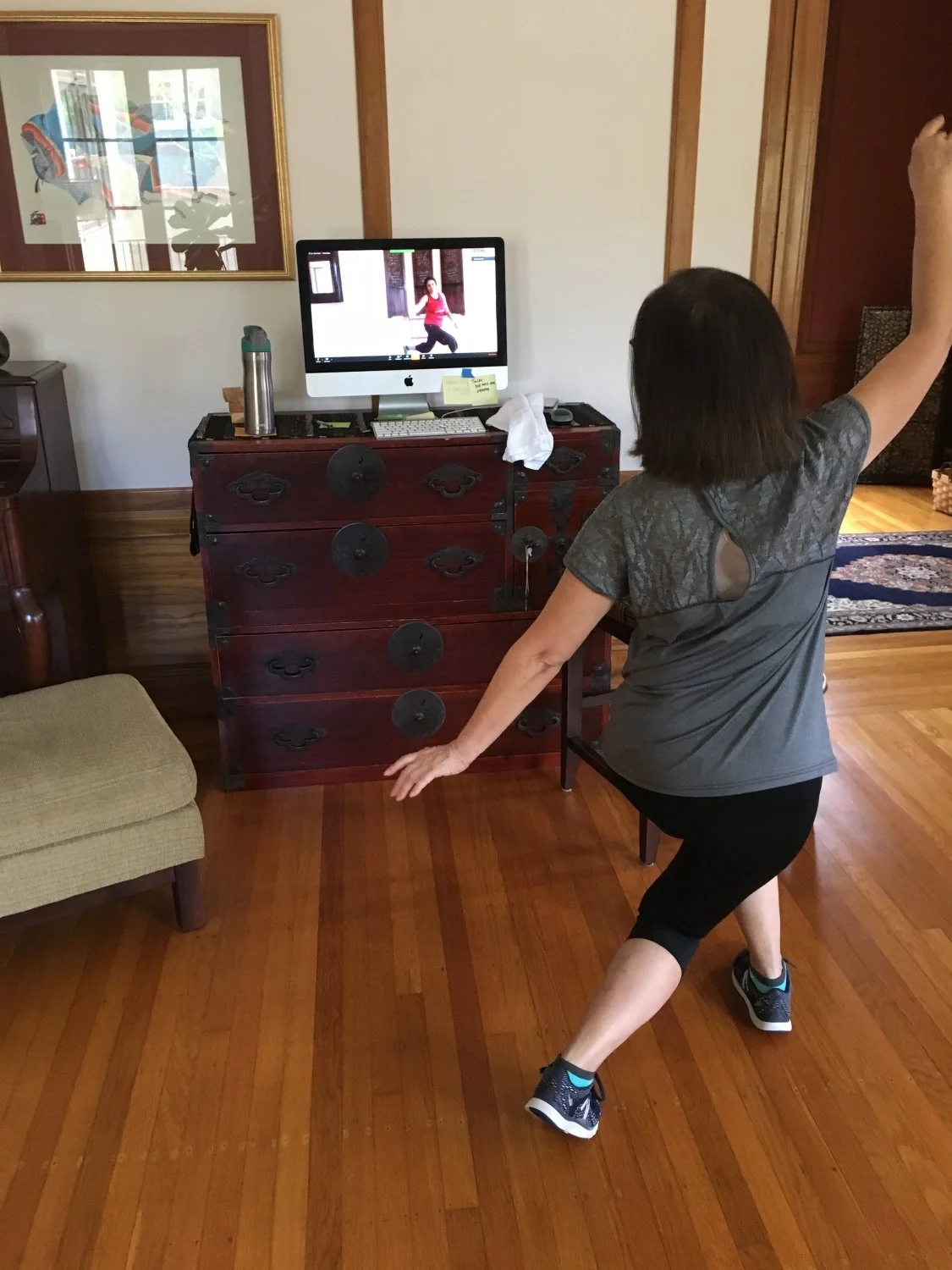
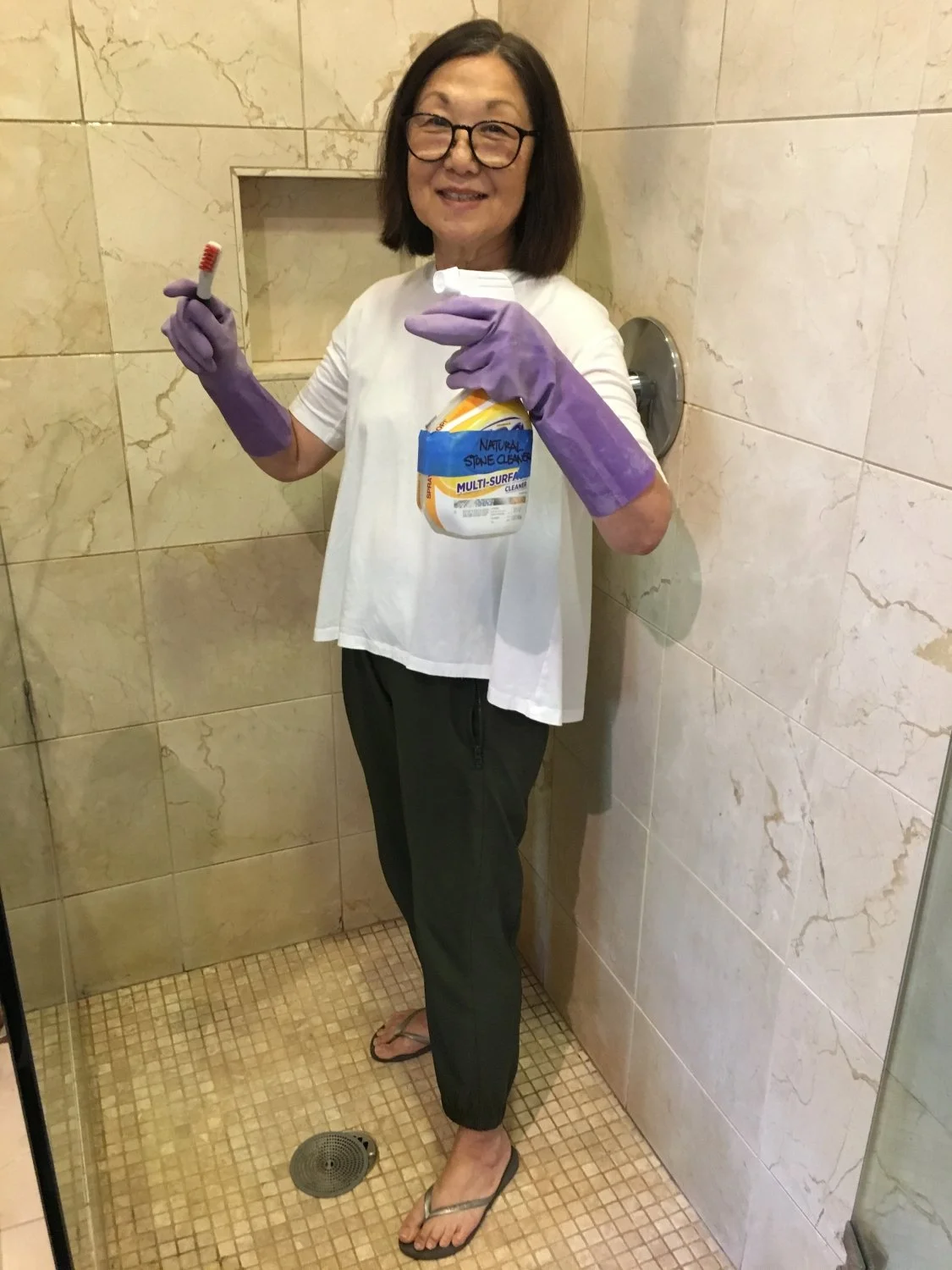
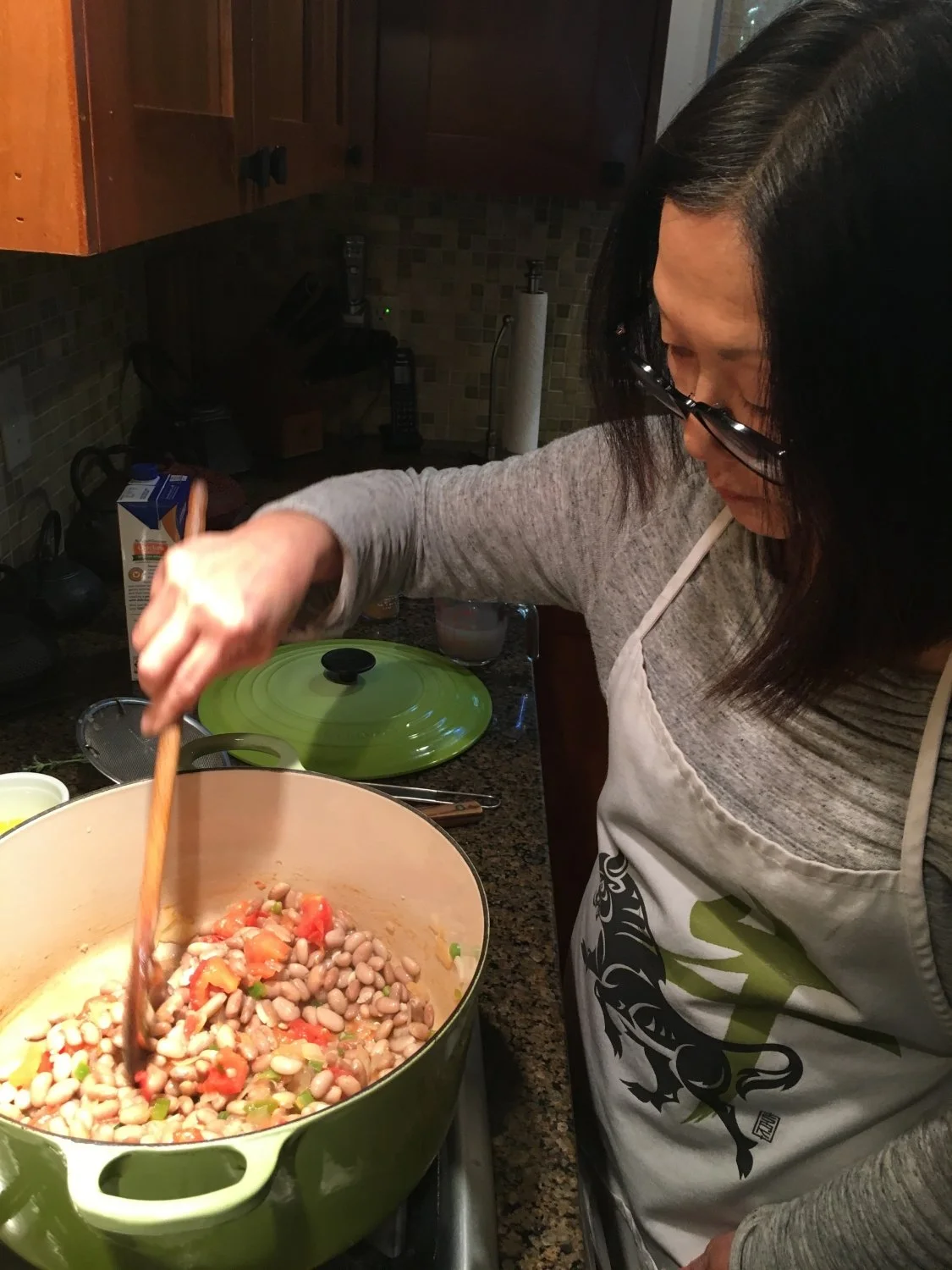
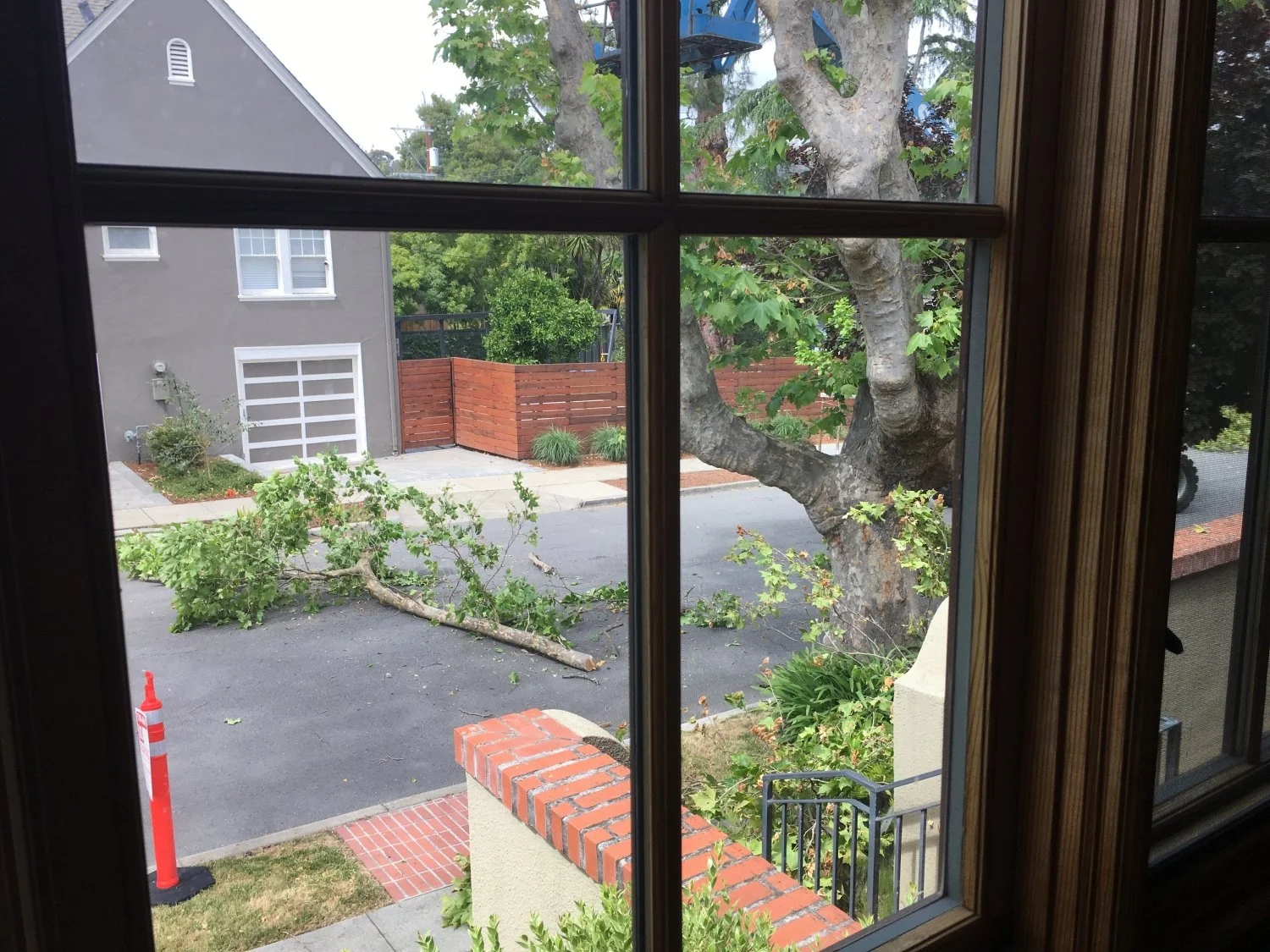
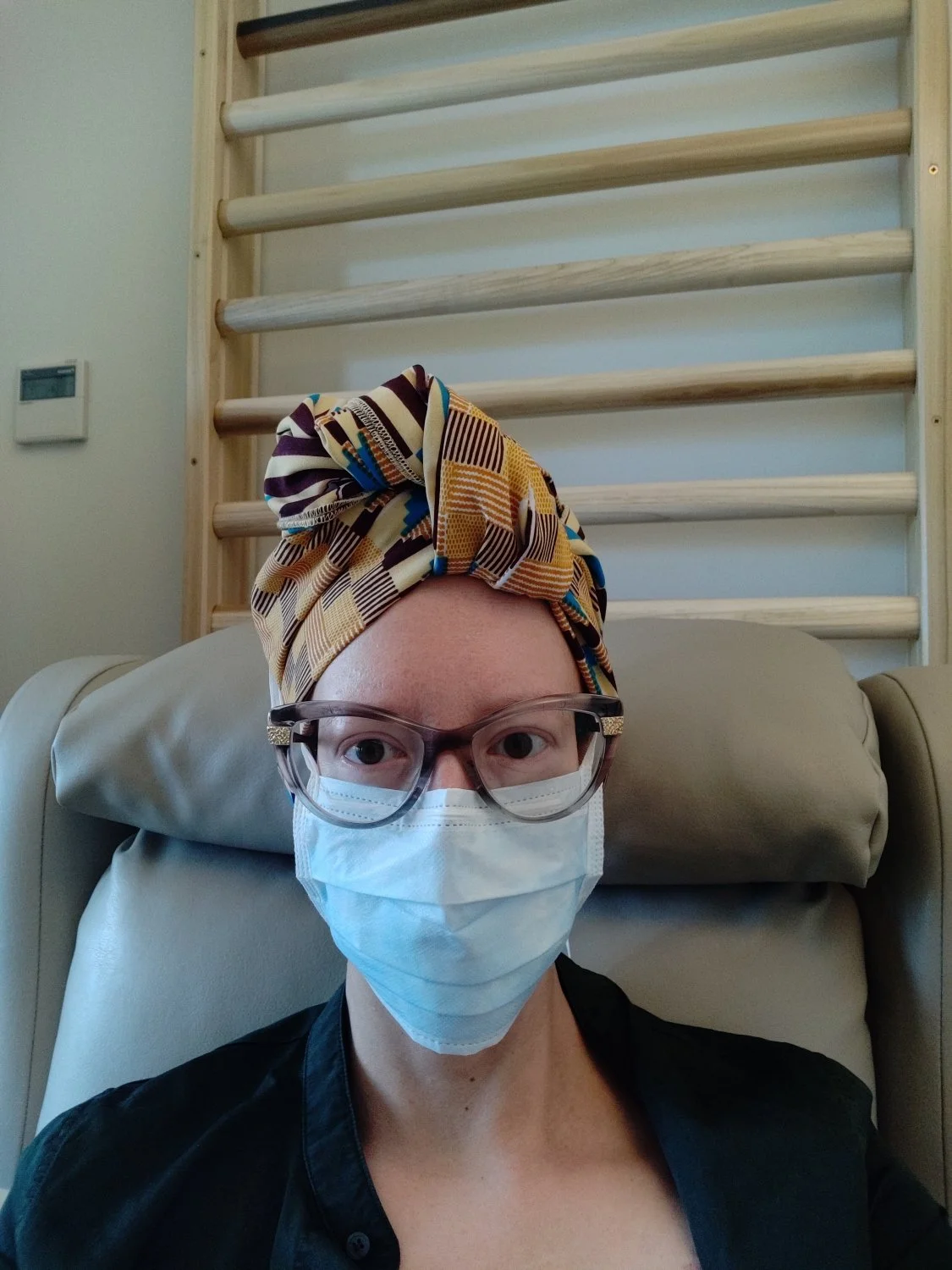
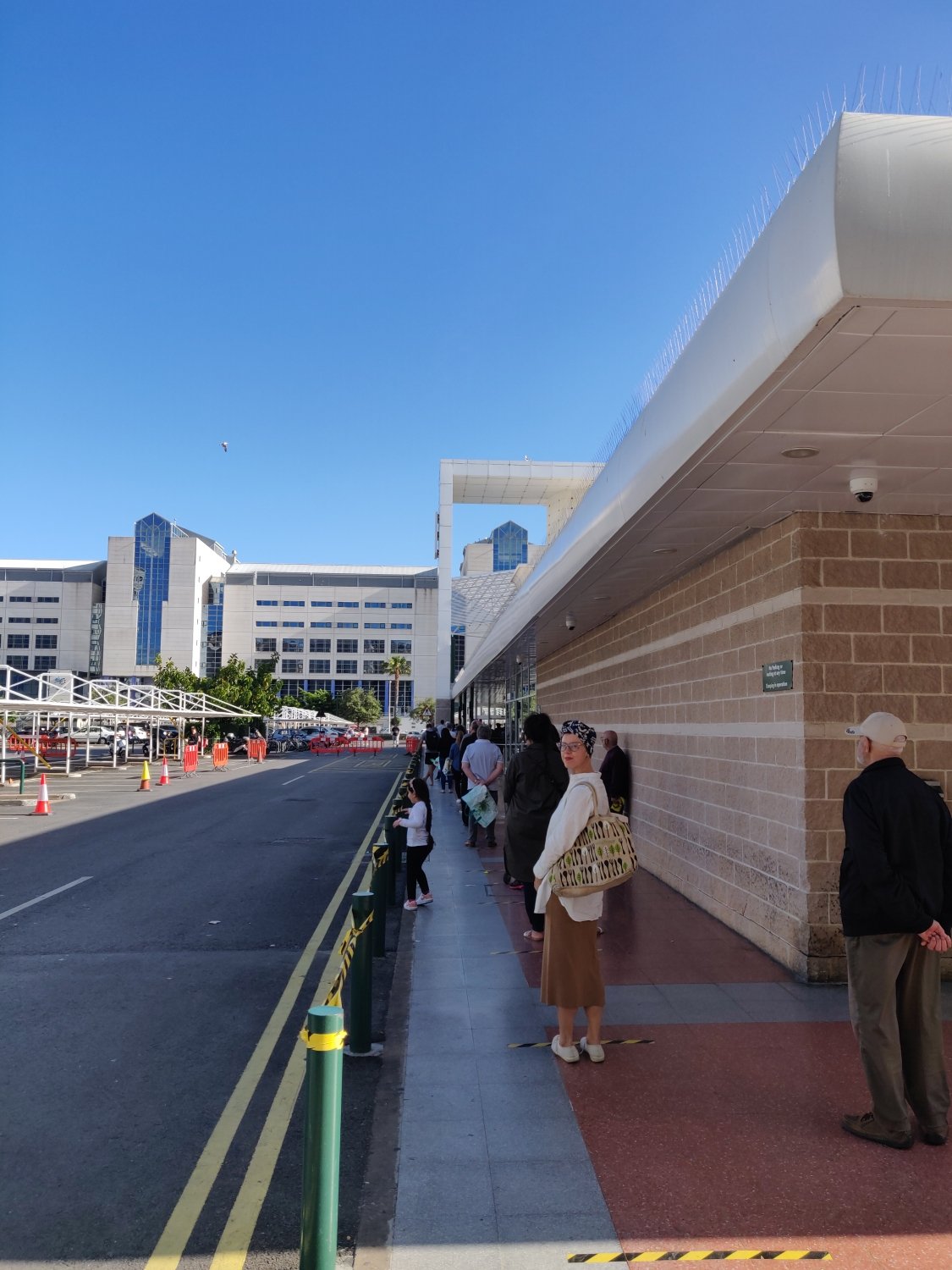
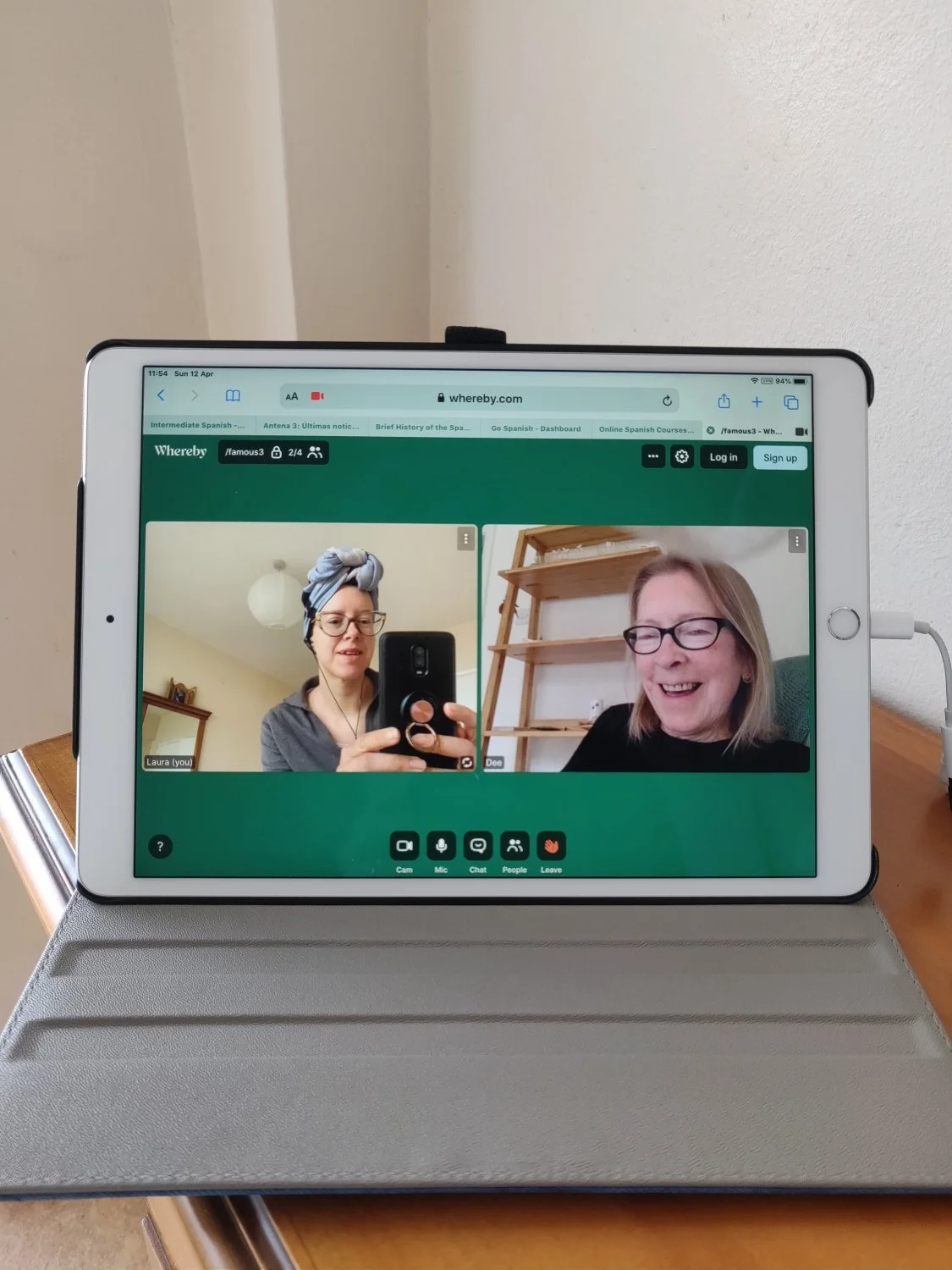
Laura Gray
Gibraltar
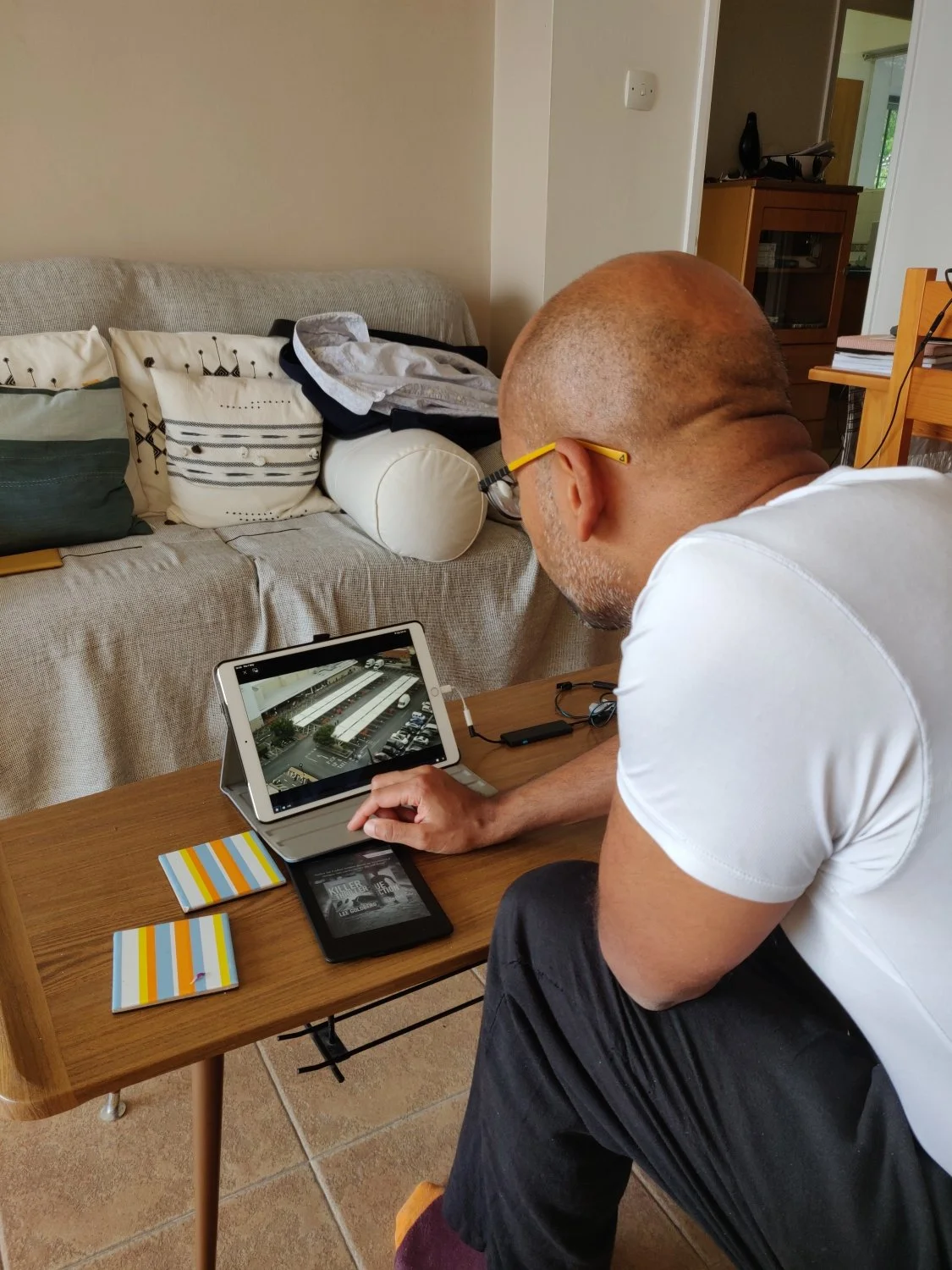
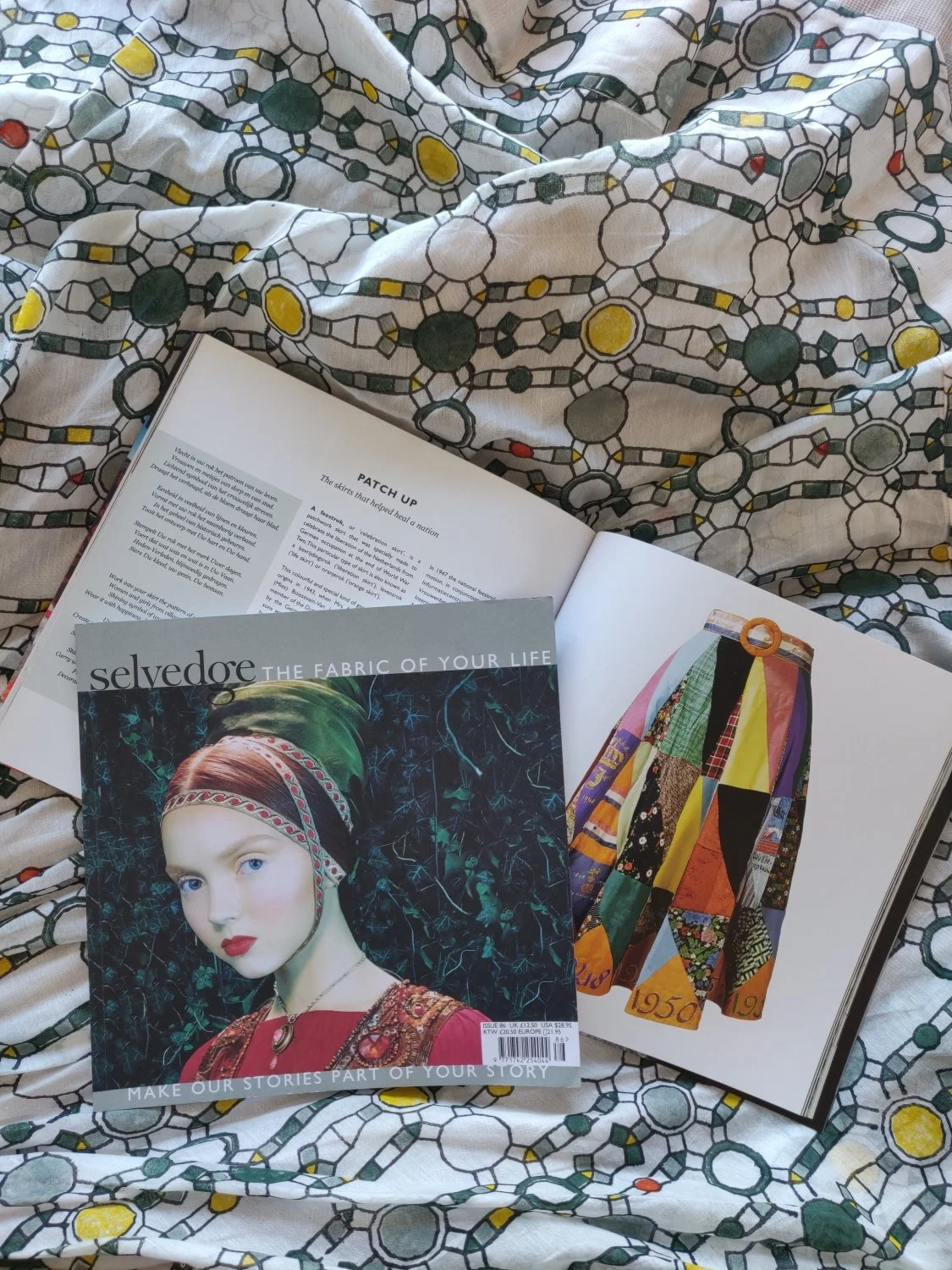
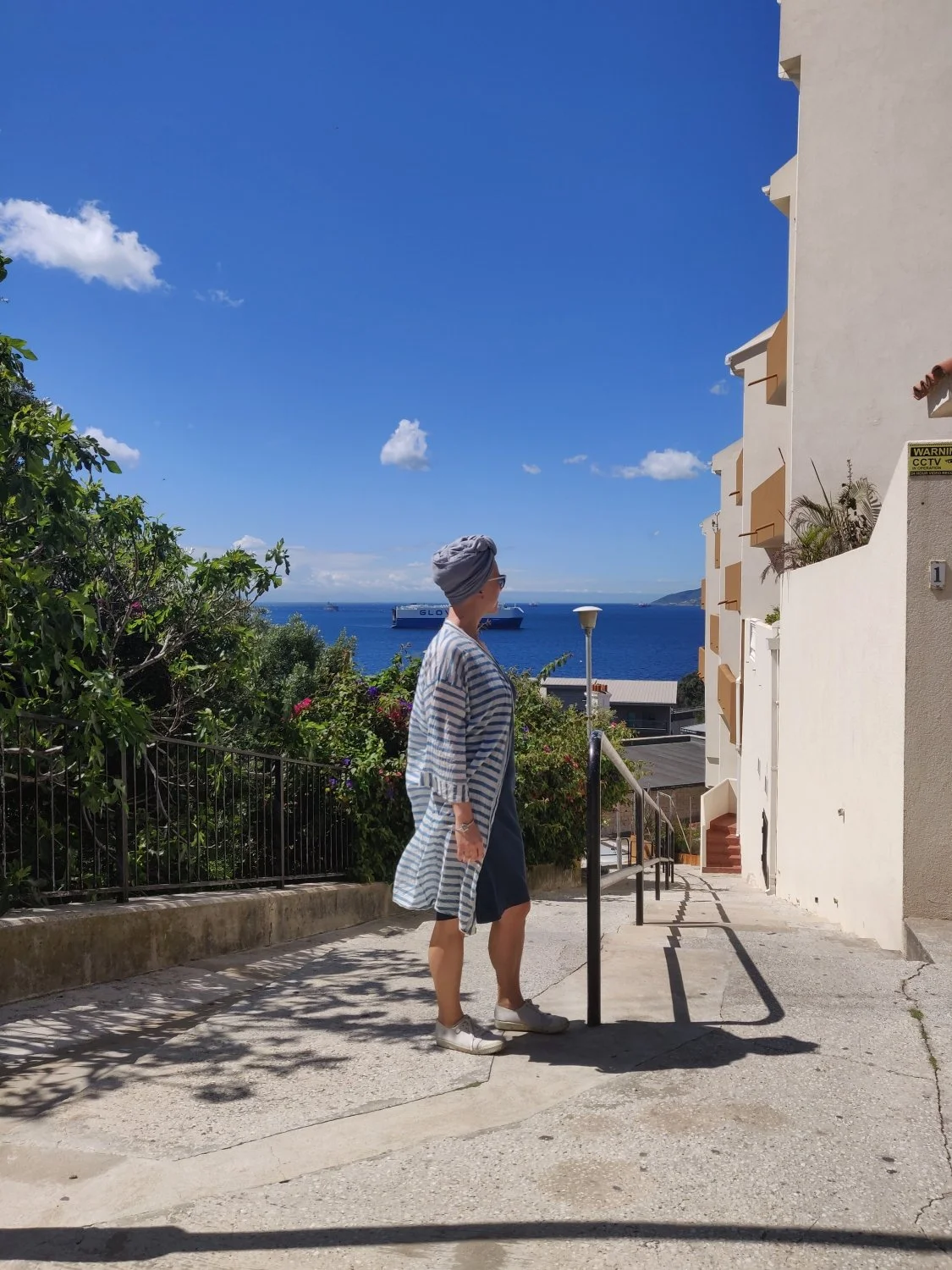
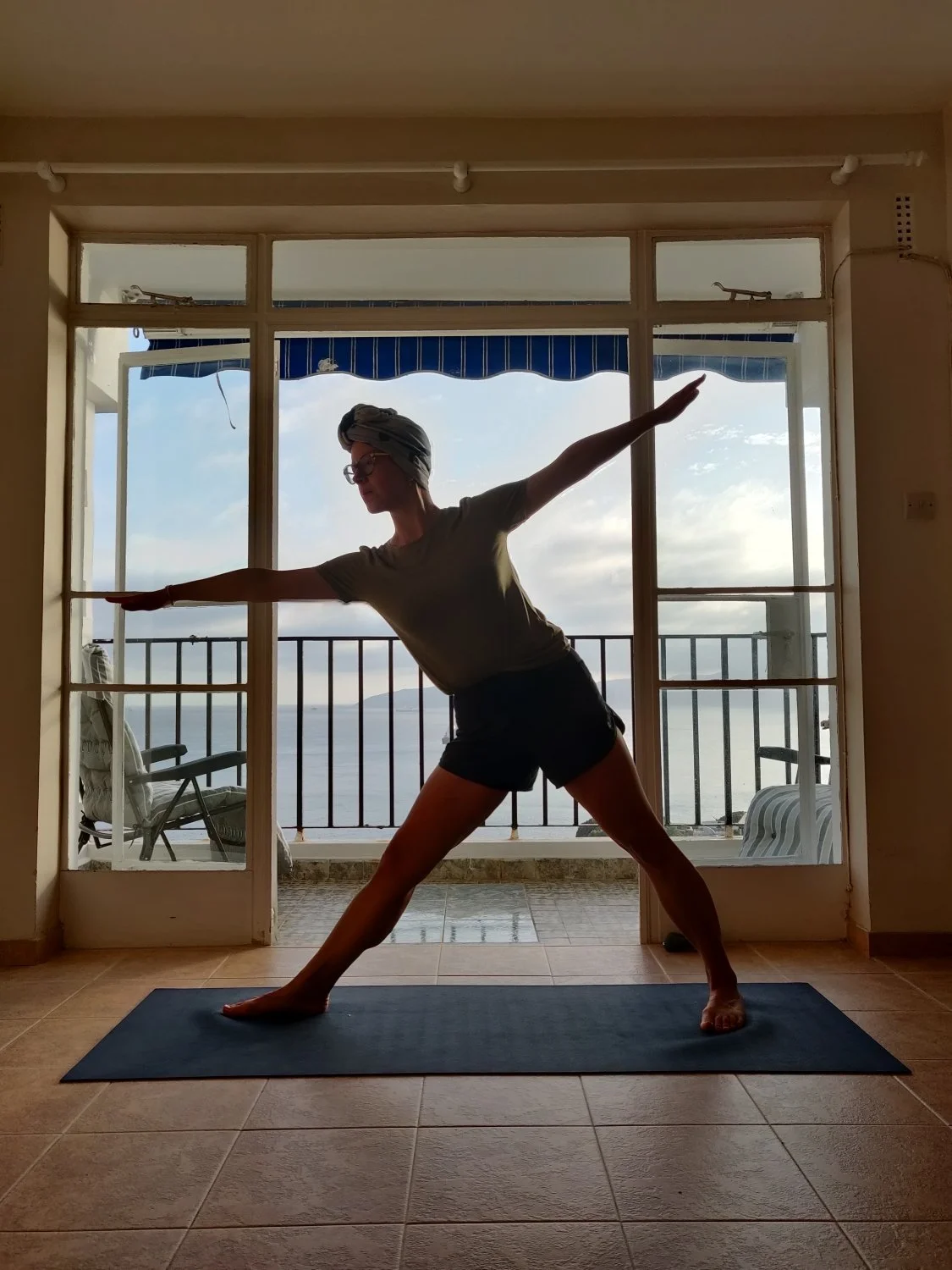
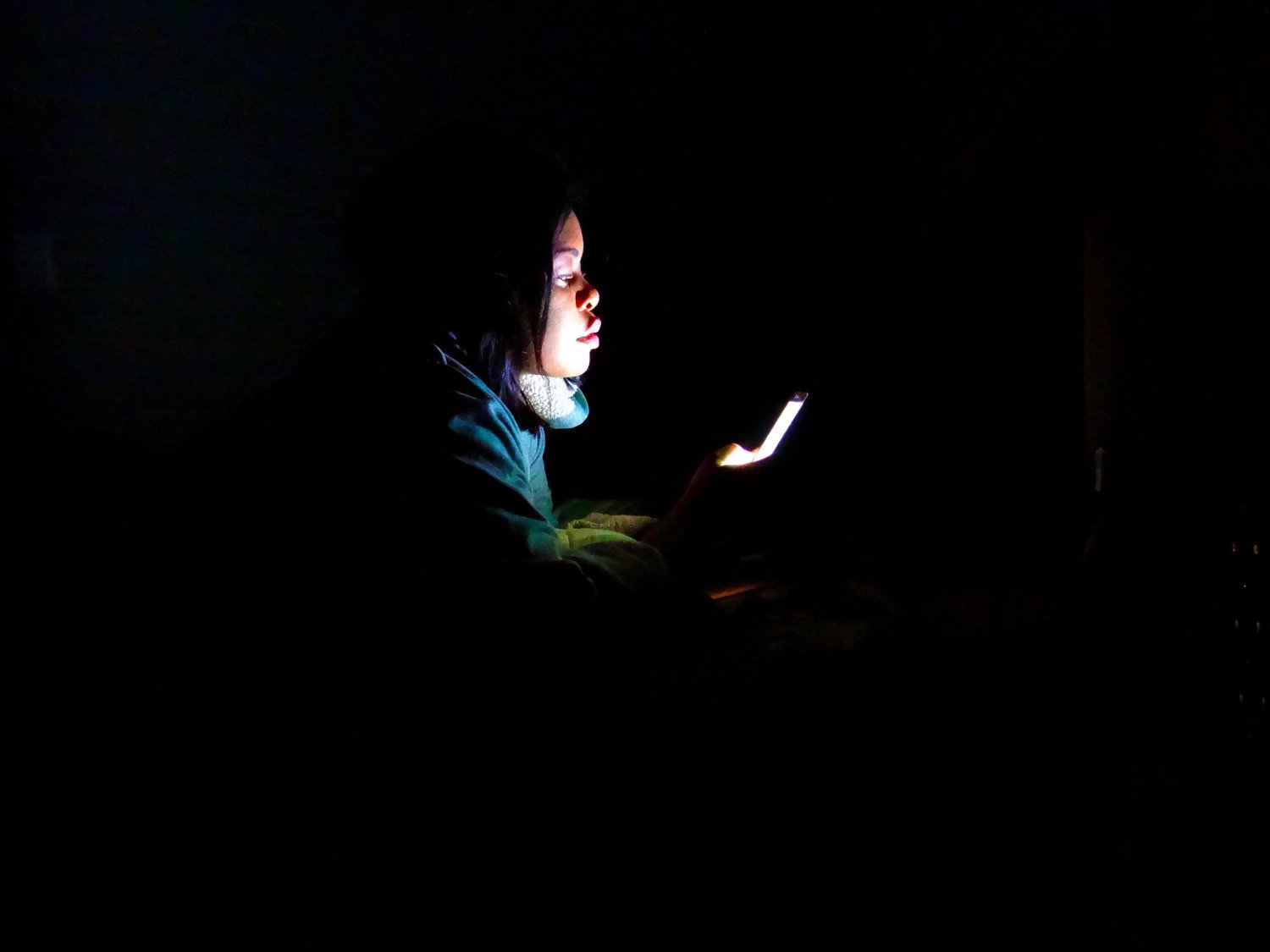
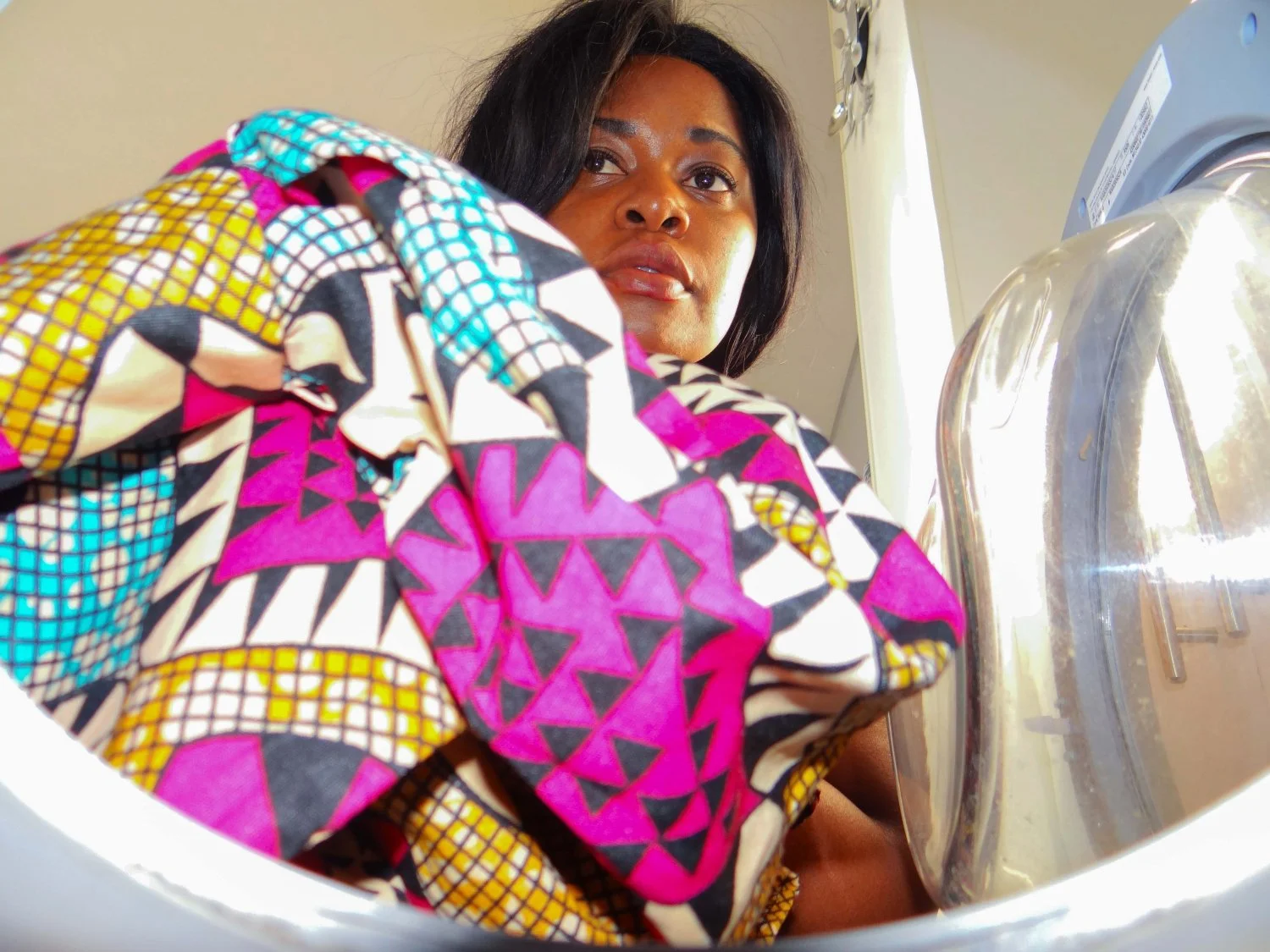
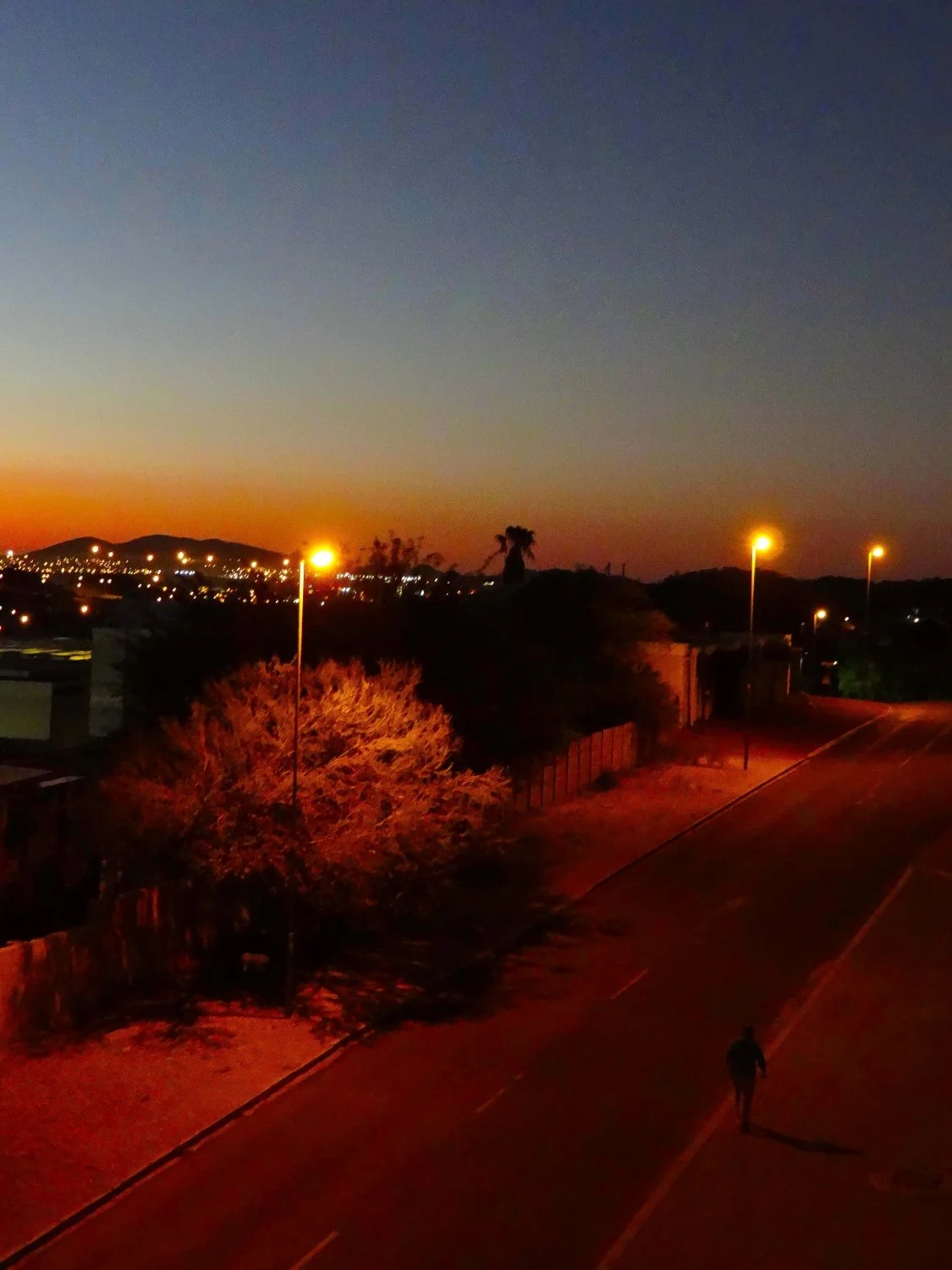
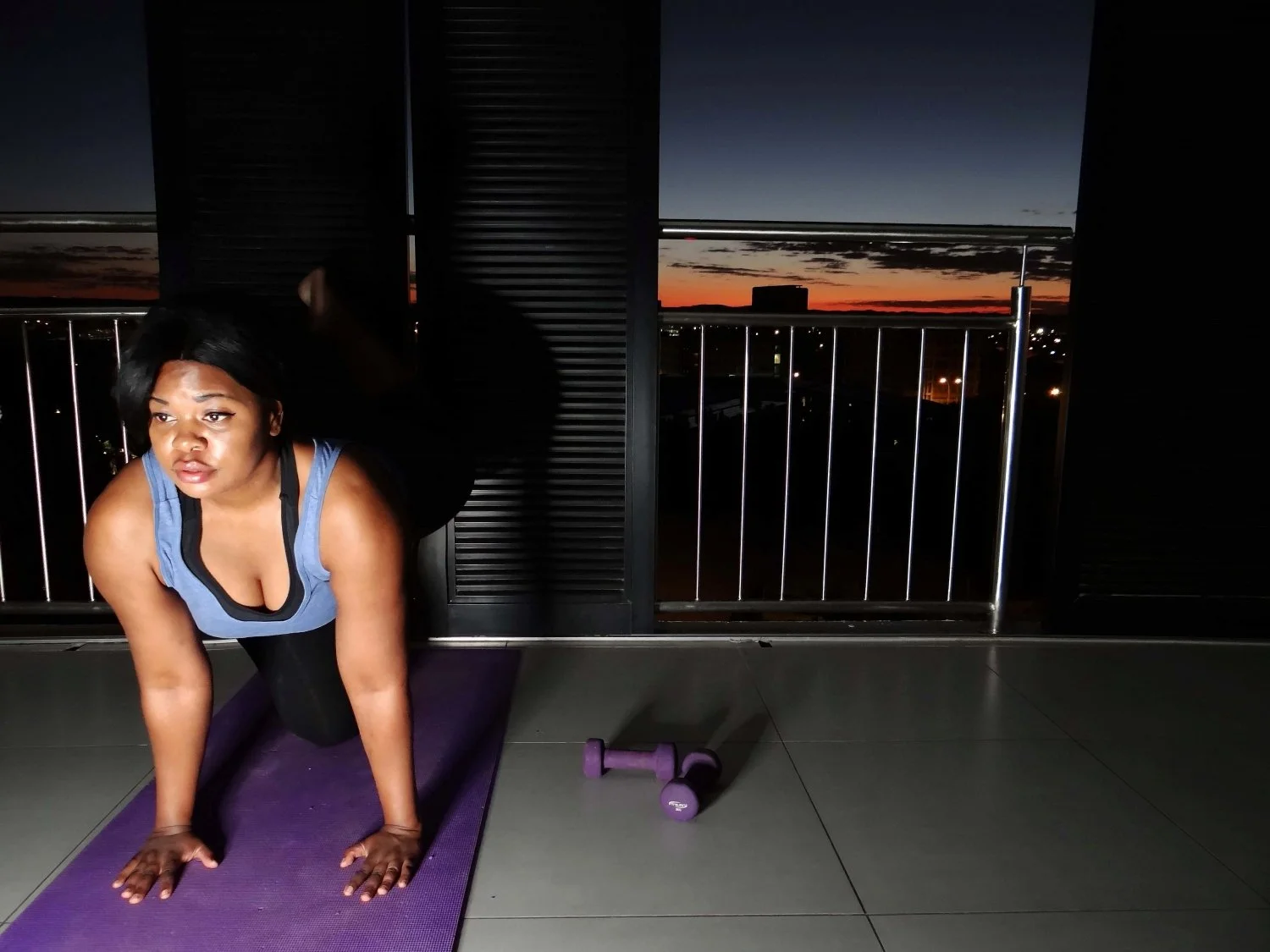
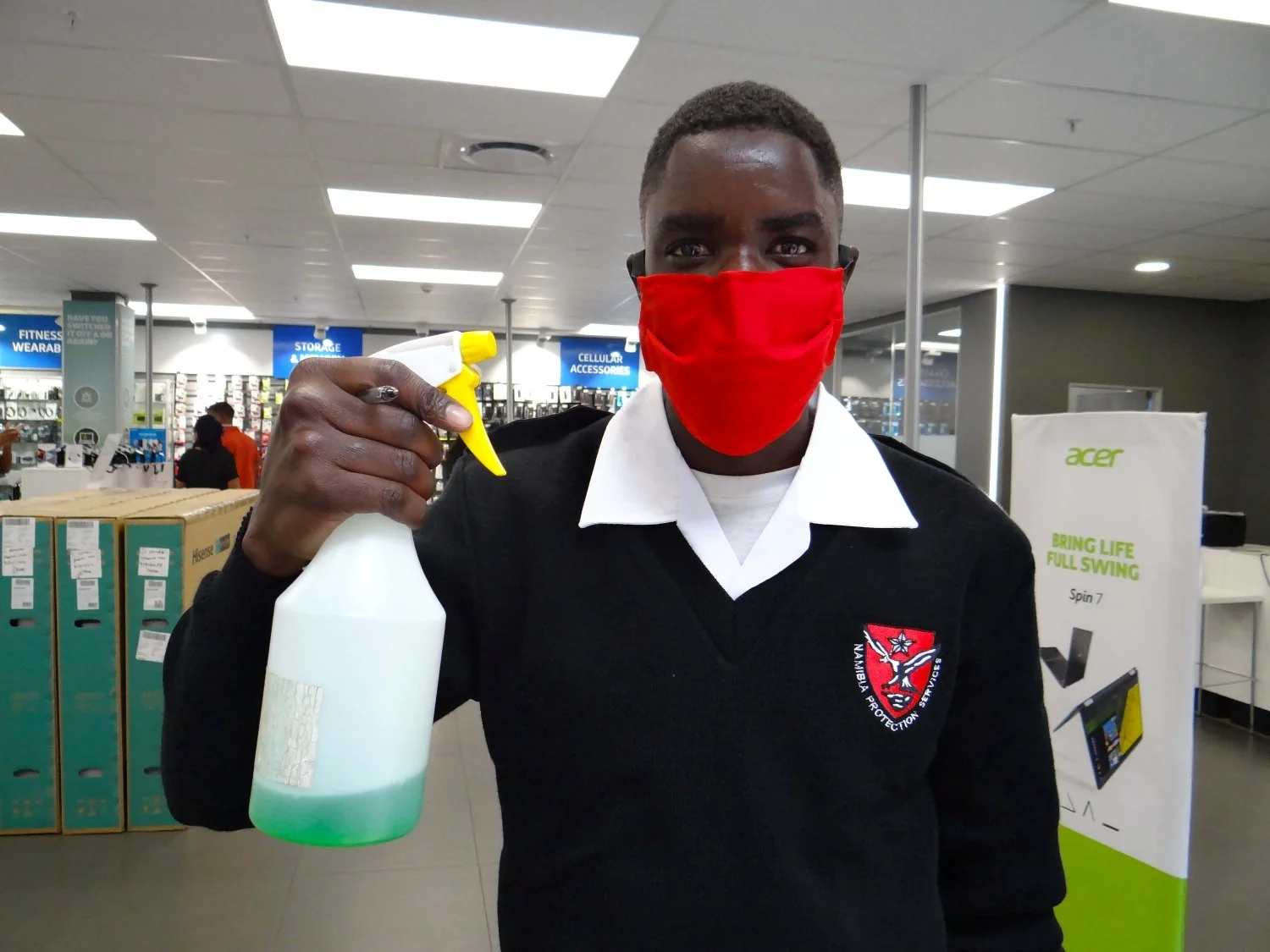
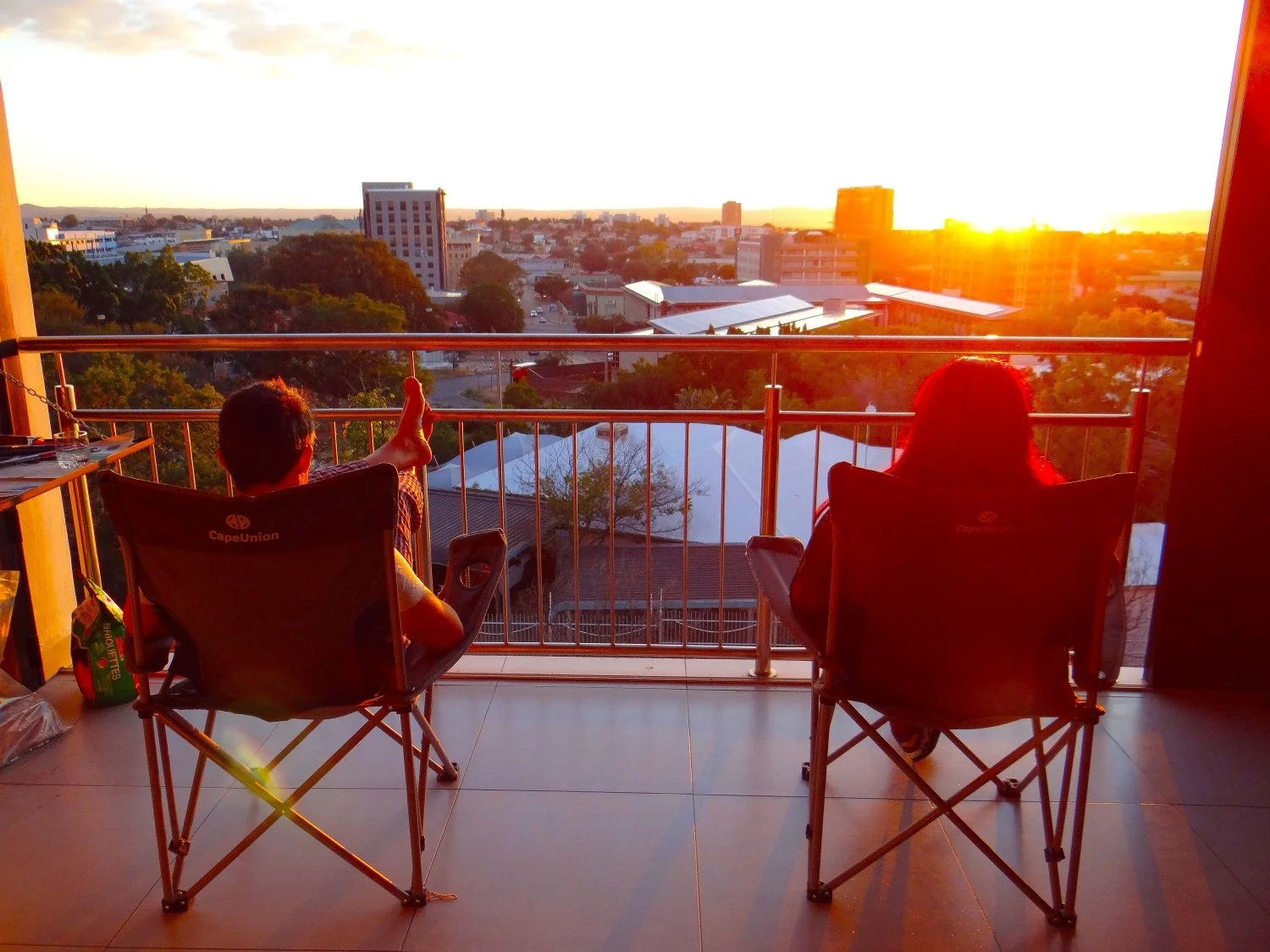
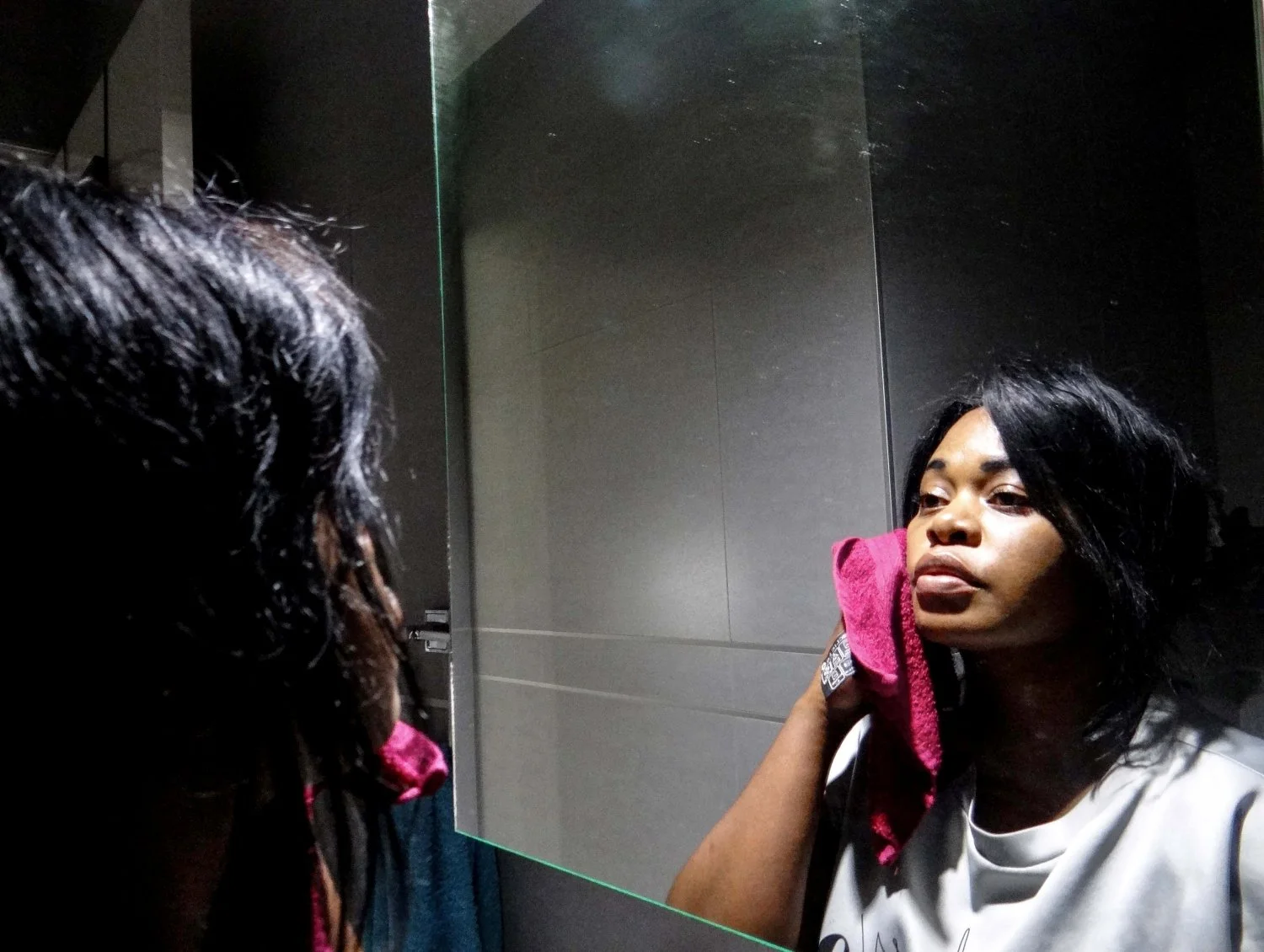
Martha Mukaiwa
Namibia
“As an avid traveler grounded indefinitely, I loved being able to ‘connect’ with the other women featured in this project. I read their entries, and it really hit home that this is happening everywhere. At the beginning of the pandemic, I think we all took it pretty personally. In one or another way, we hadn’t gotten our lives together before the plague. If only I had done A, B or C, I would be happier, more accomplished, less lonely while the world burns. But this isn’t personal. It isn’t karma. It’s just life, as cruel, mindbogglingly unfair and spectacularly shitty as it can sometimes be. And we’re all just trying to survive it.”
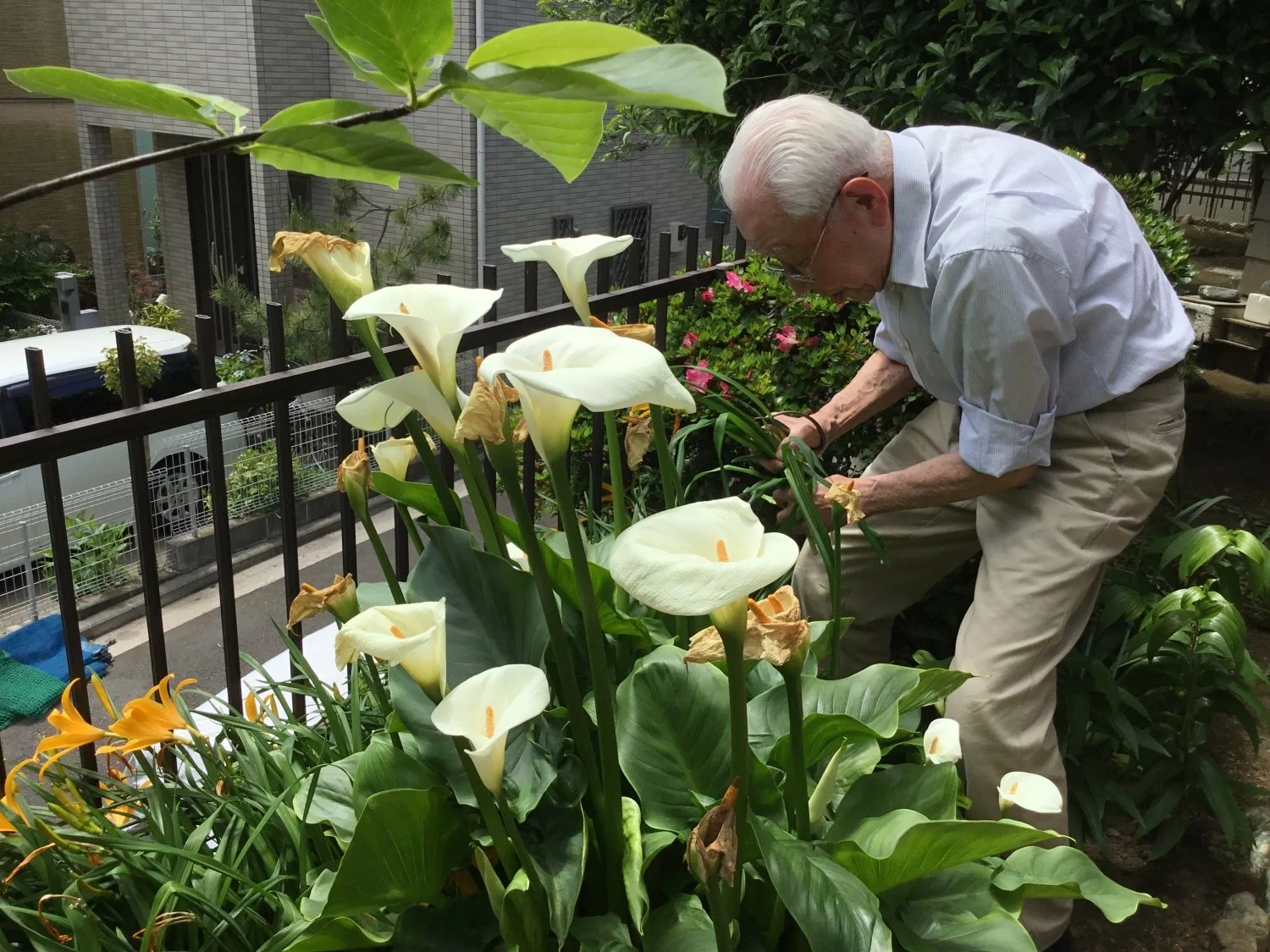
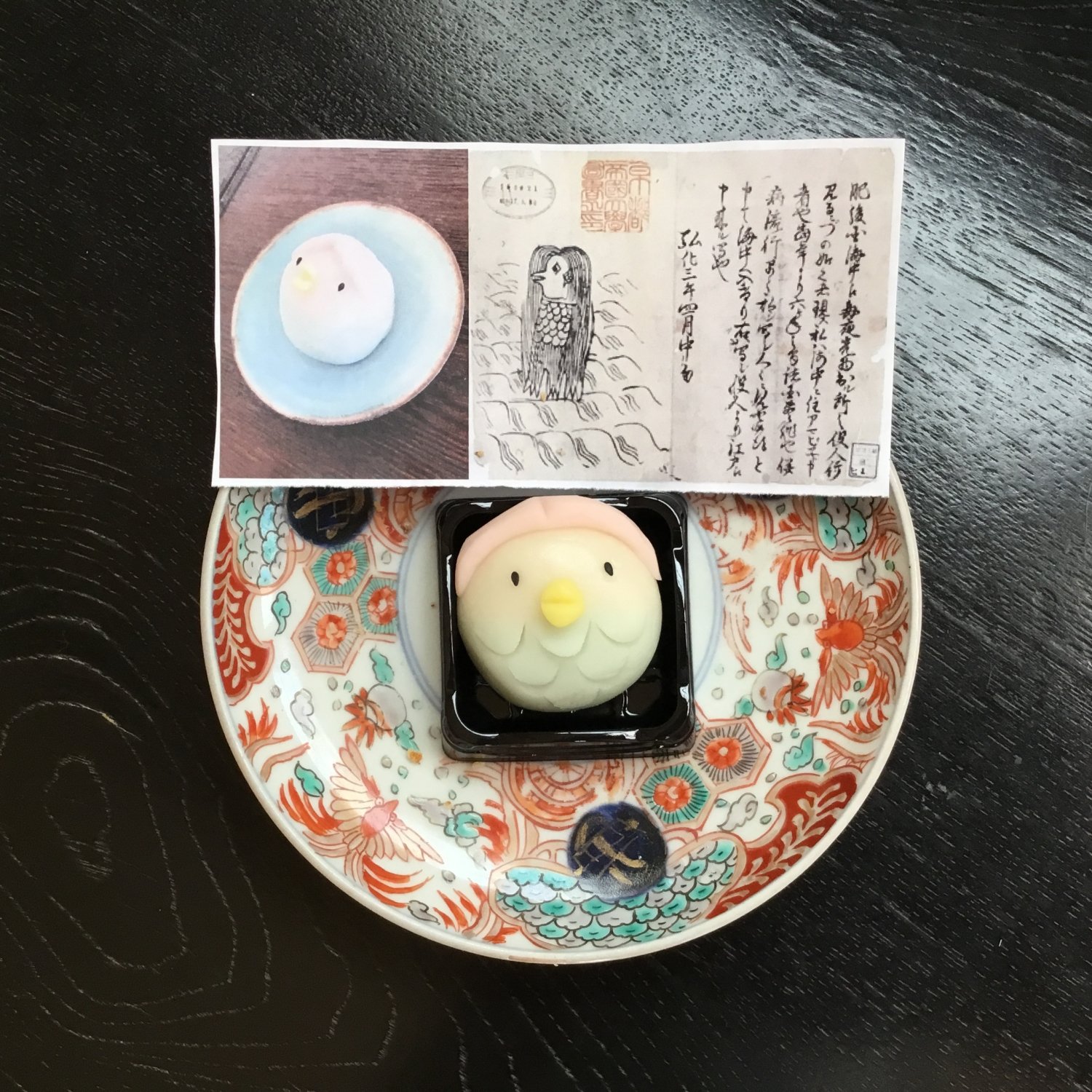
Mineko Tanizaki
Japan
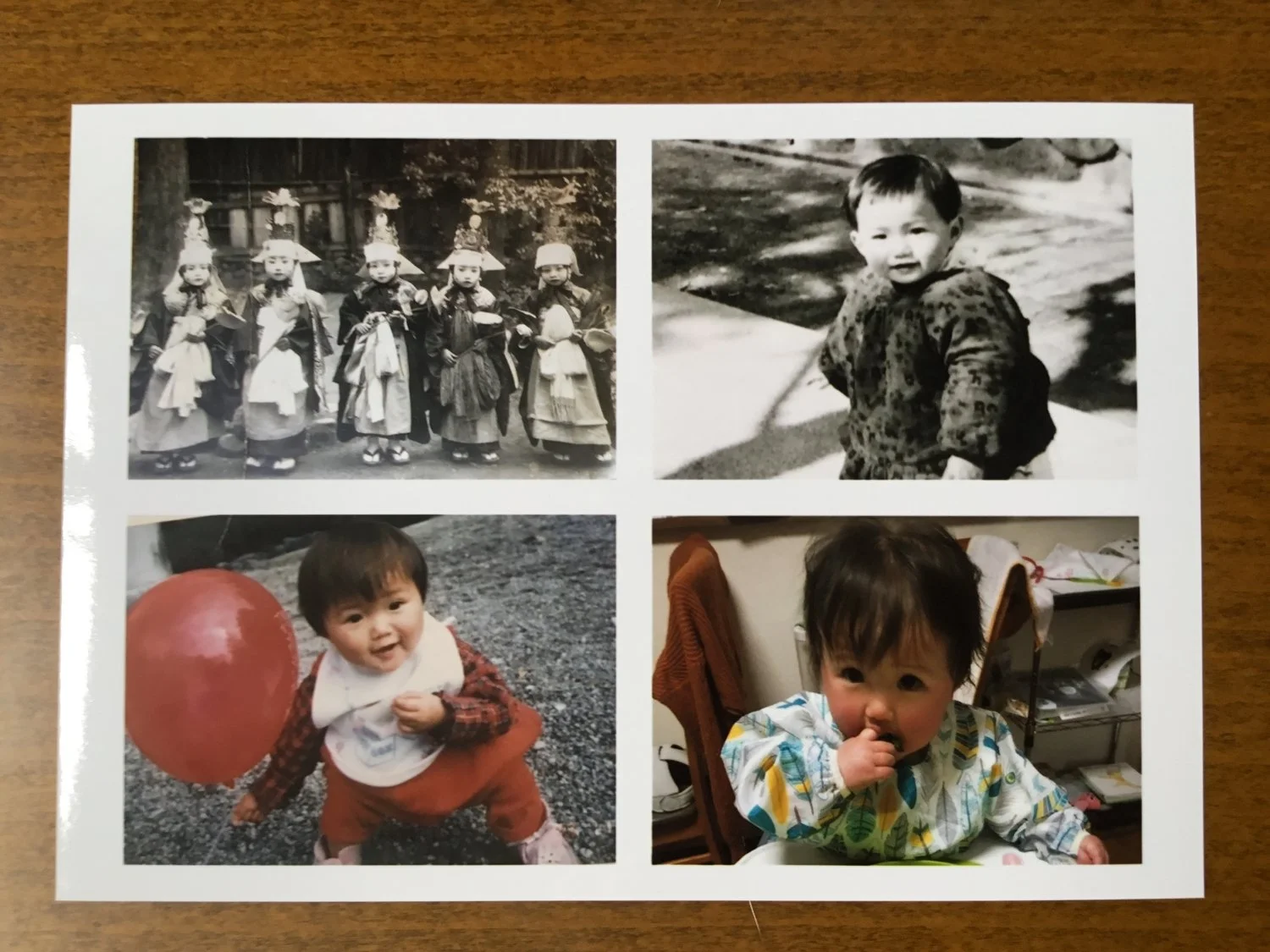
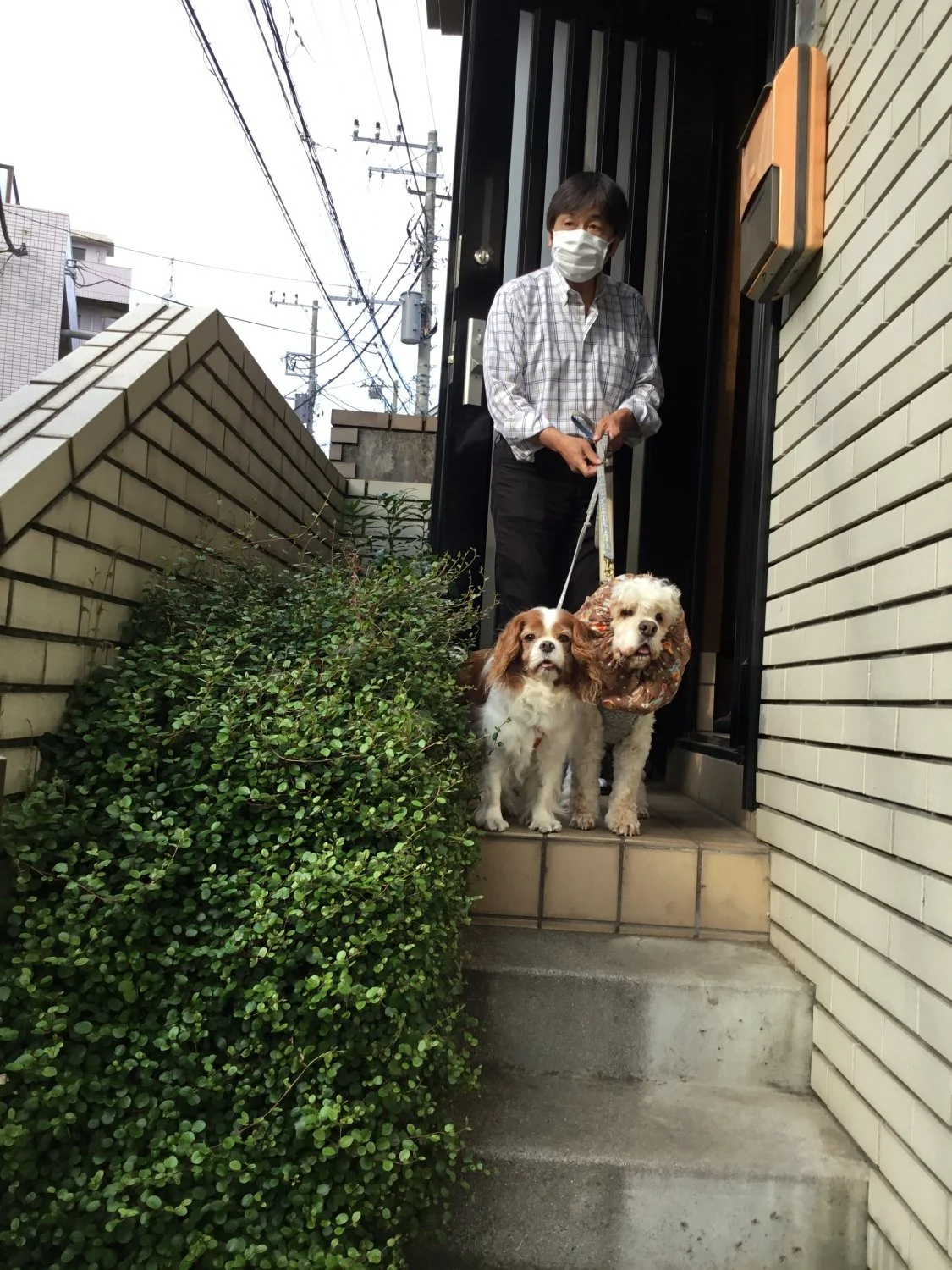
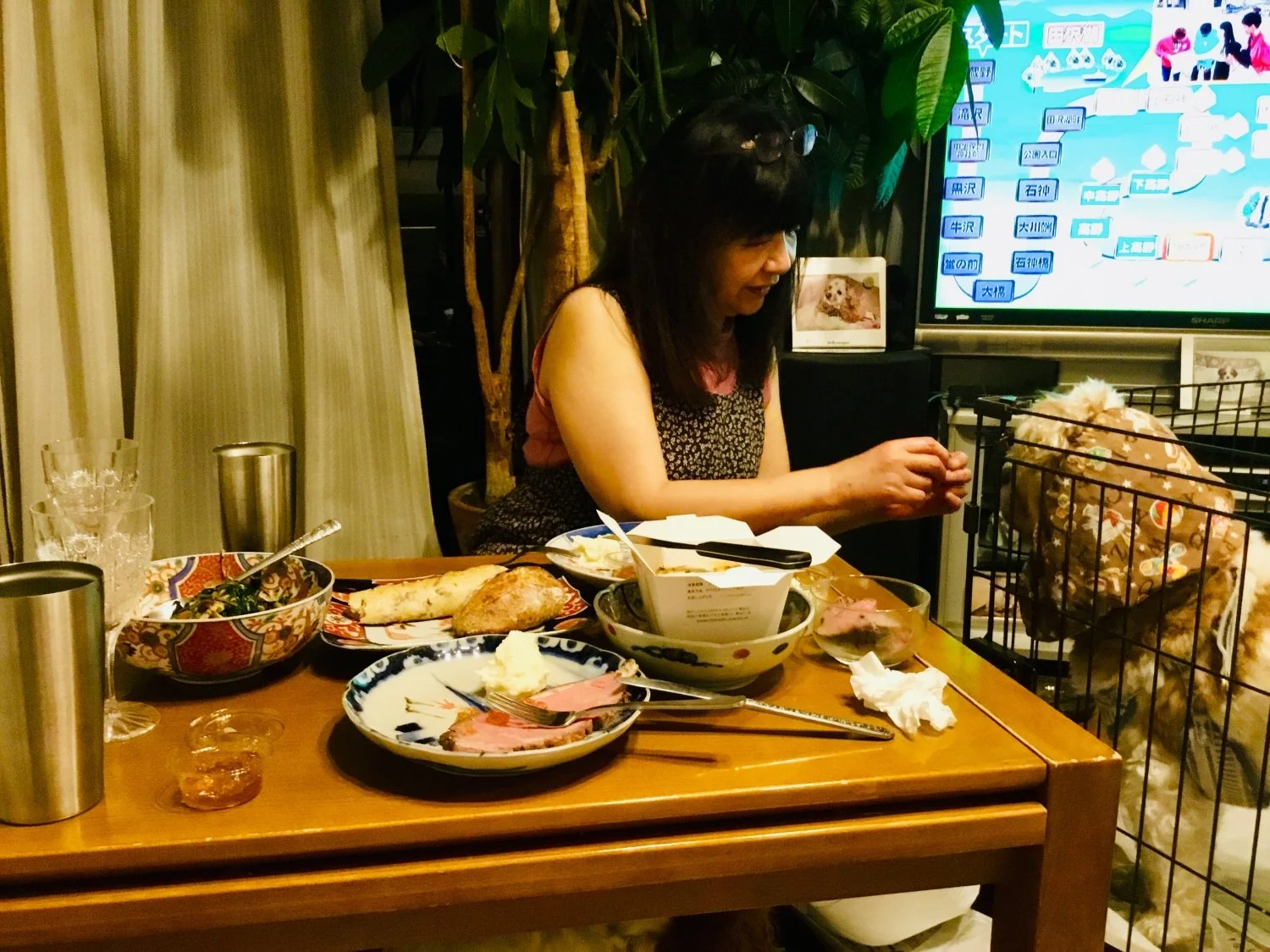
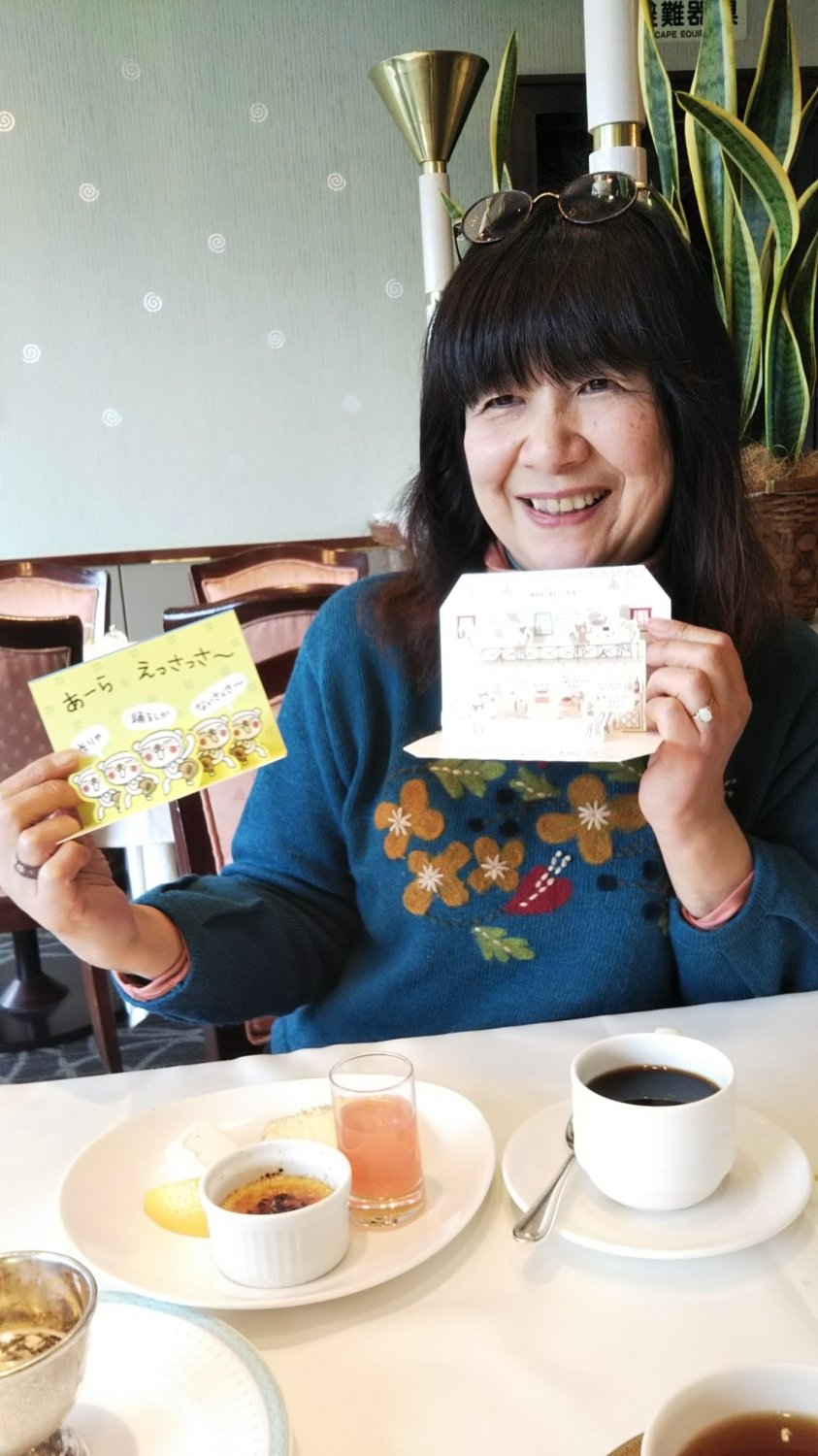
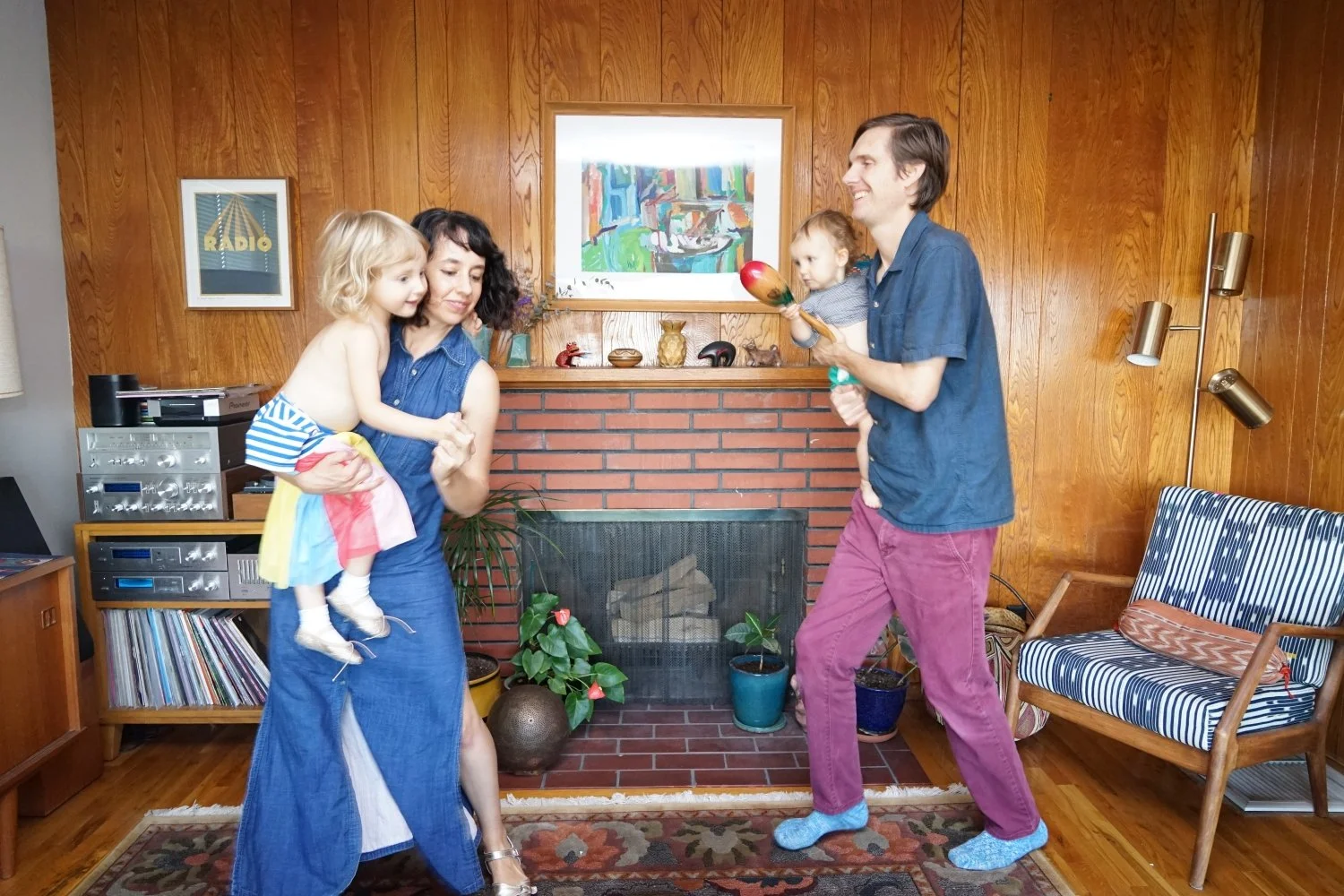
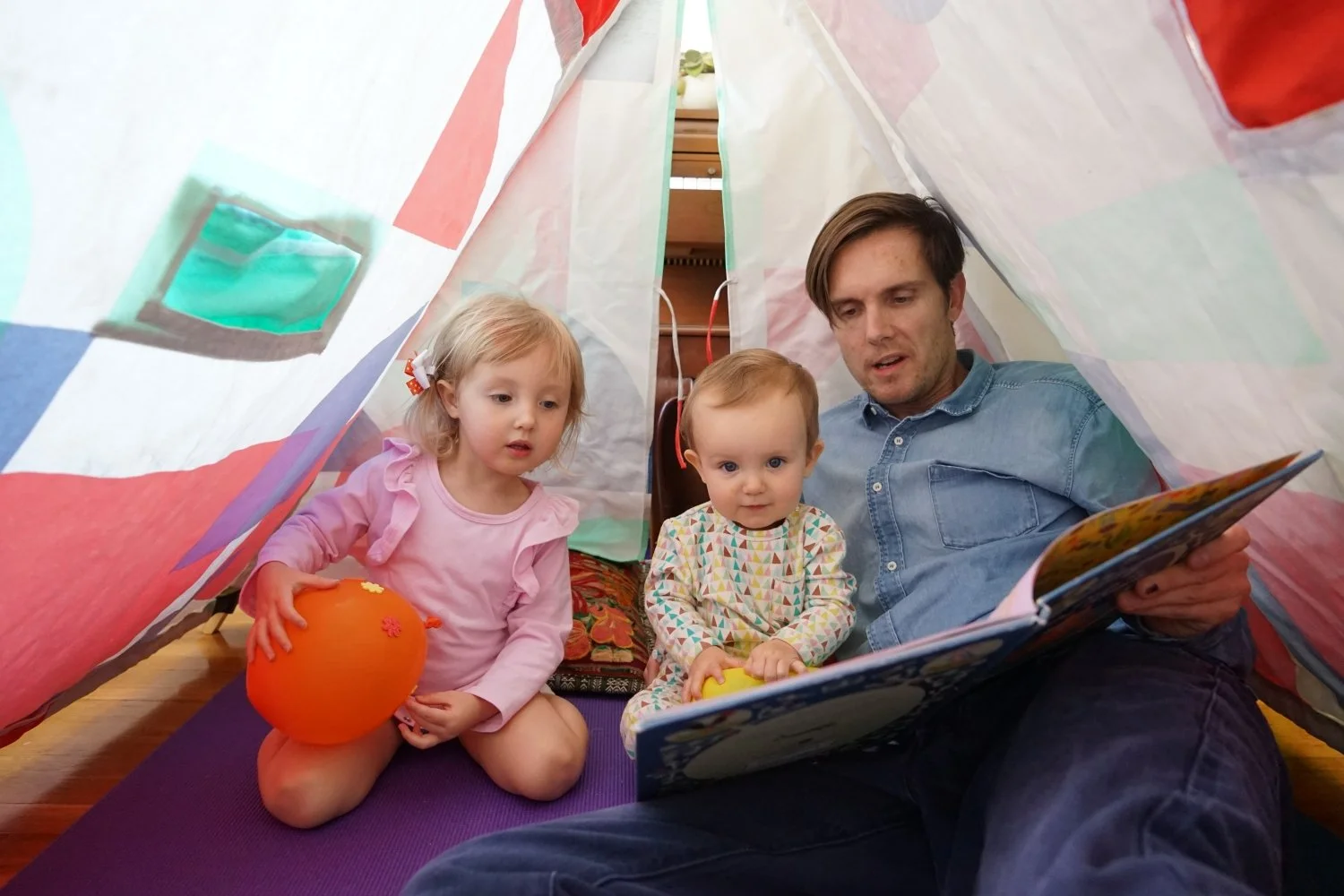
Nara Hernandez
United States
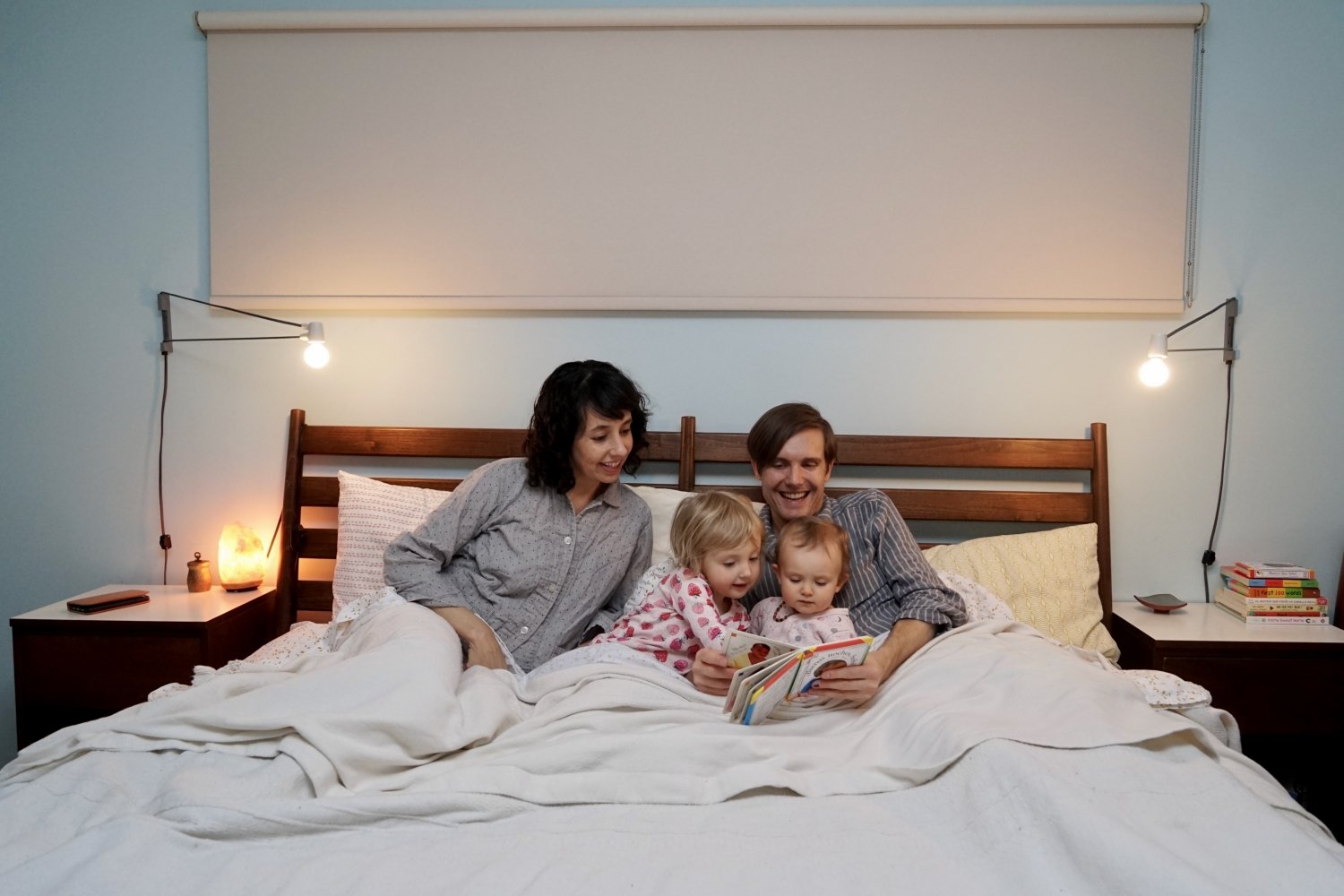
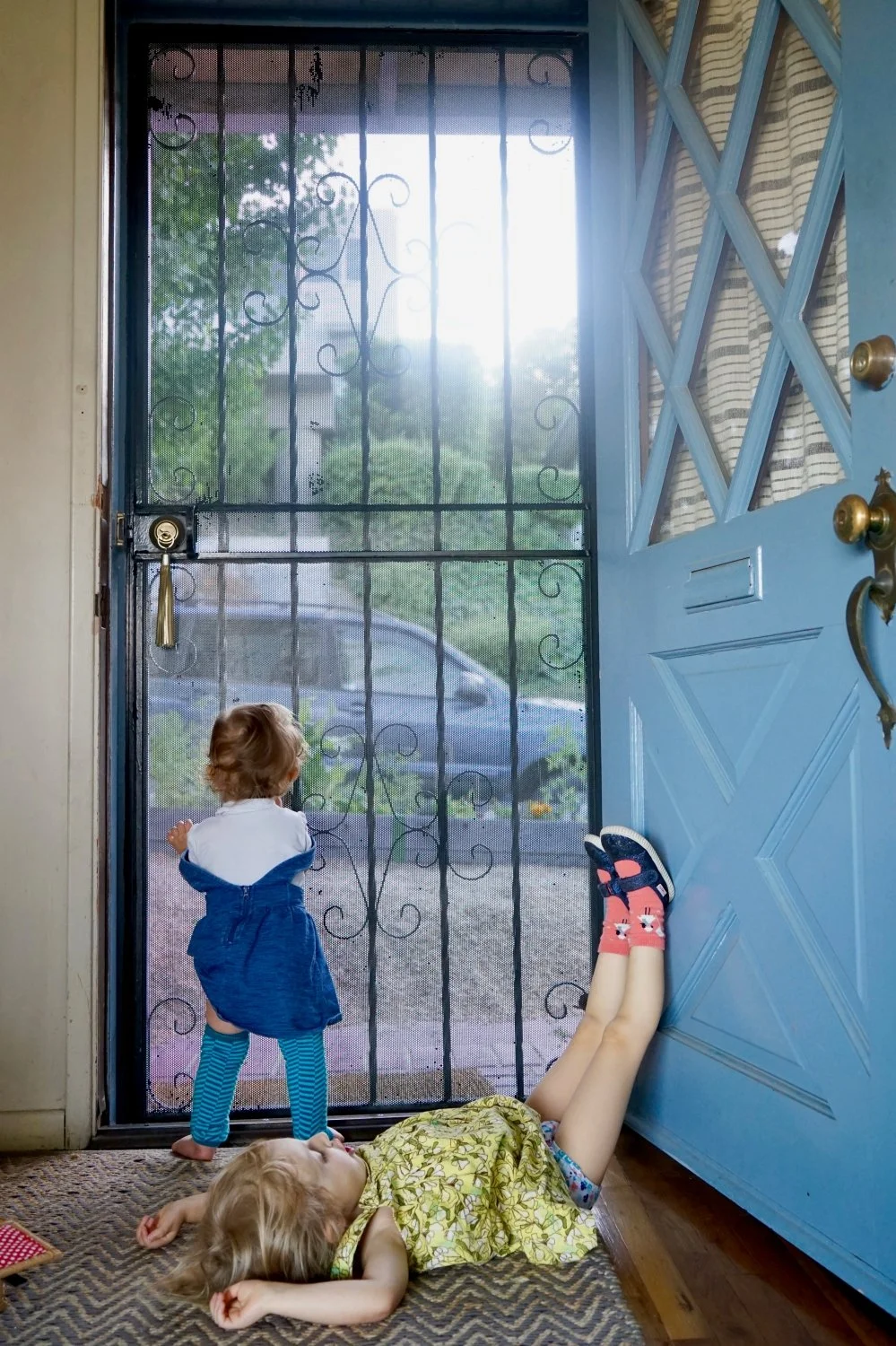
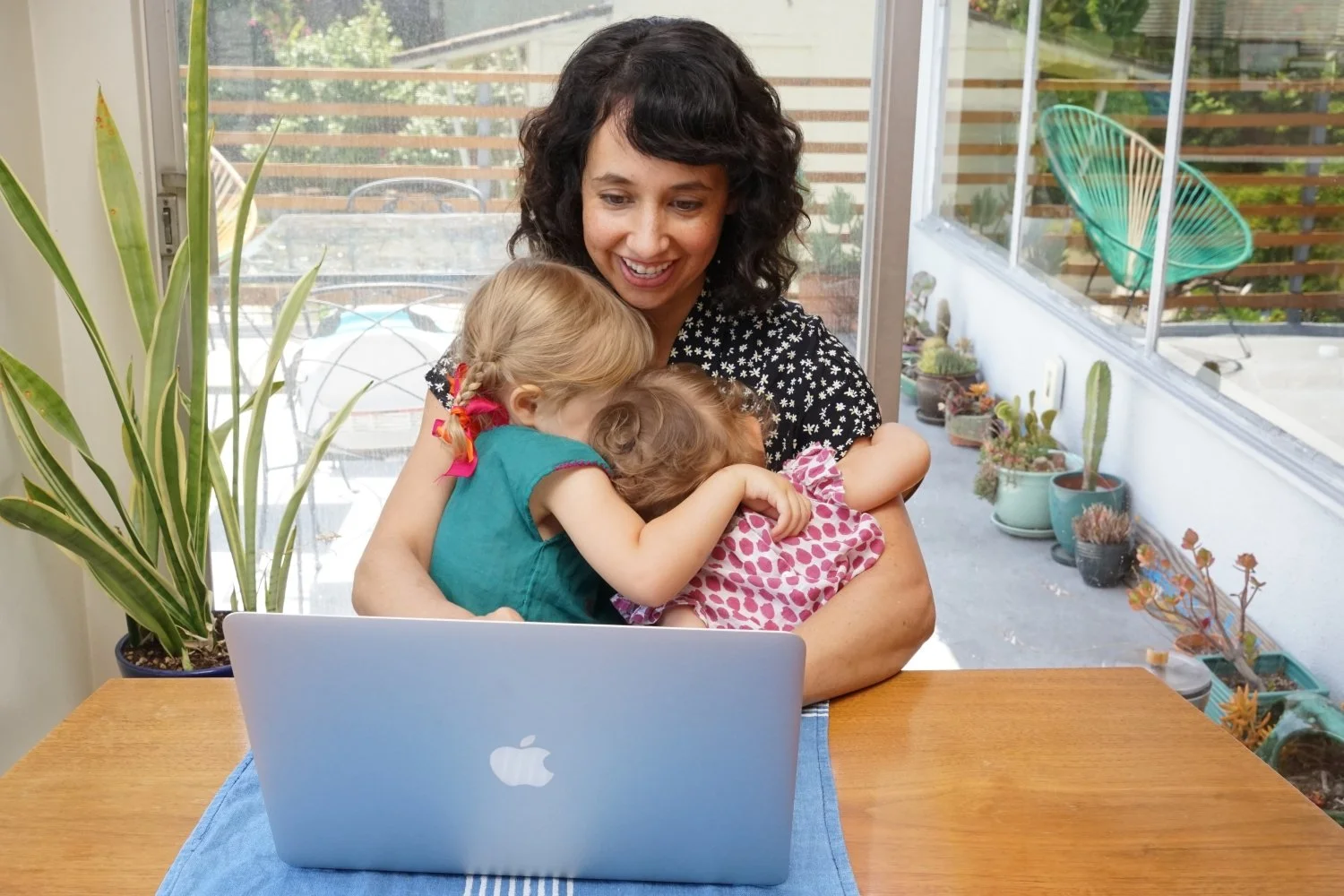
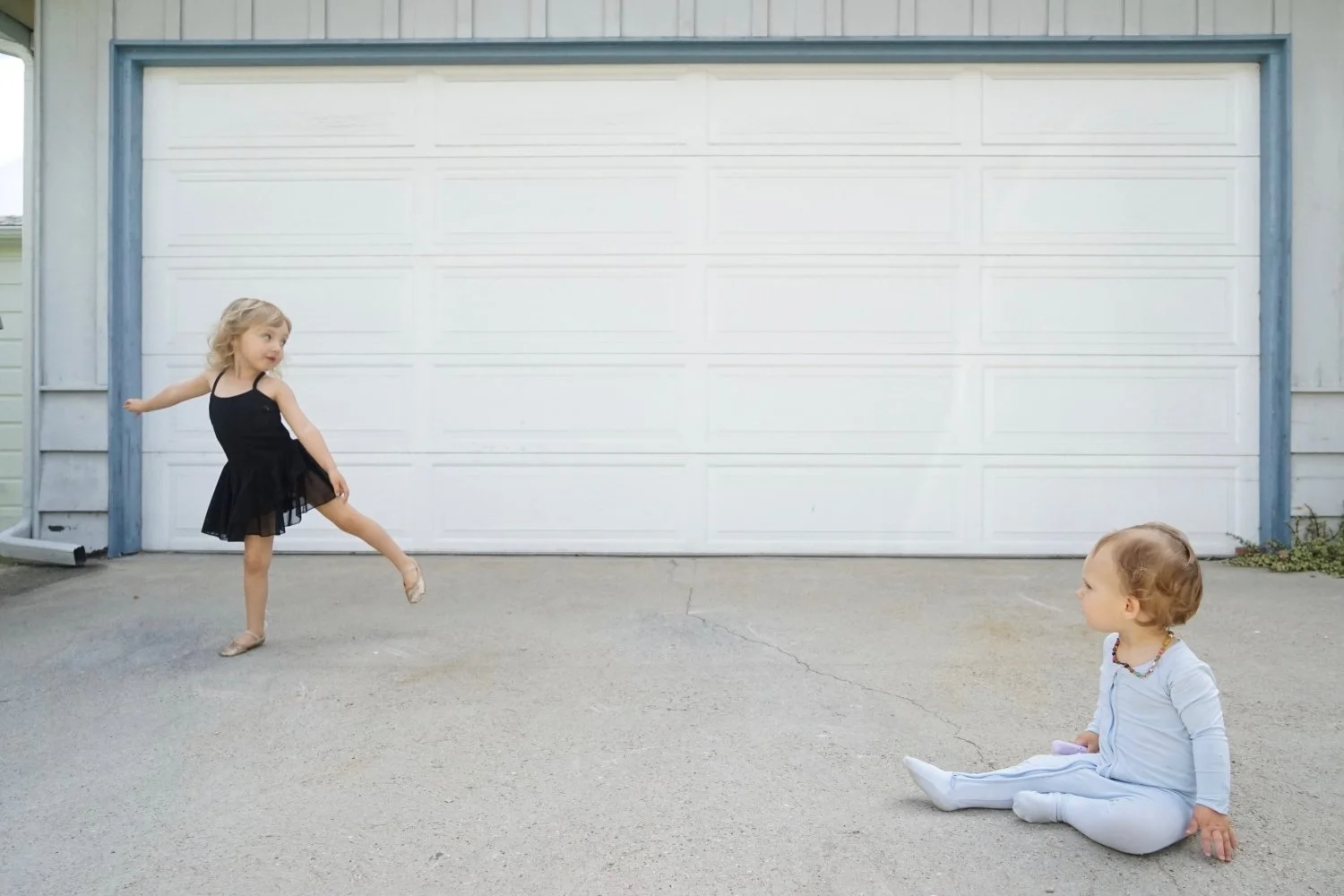
ALEXANDRA CRISBĂȘAN
ROMANIA





PART I
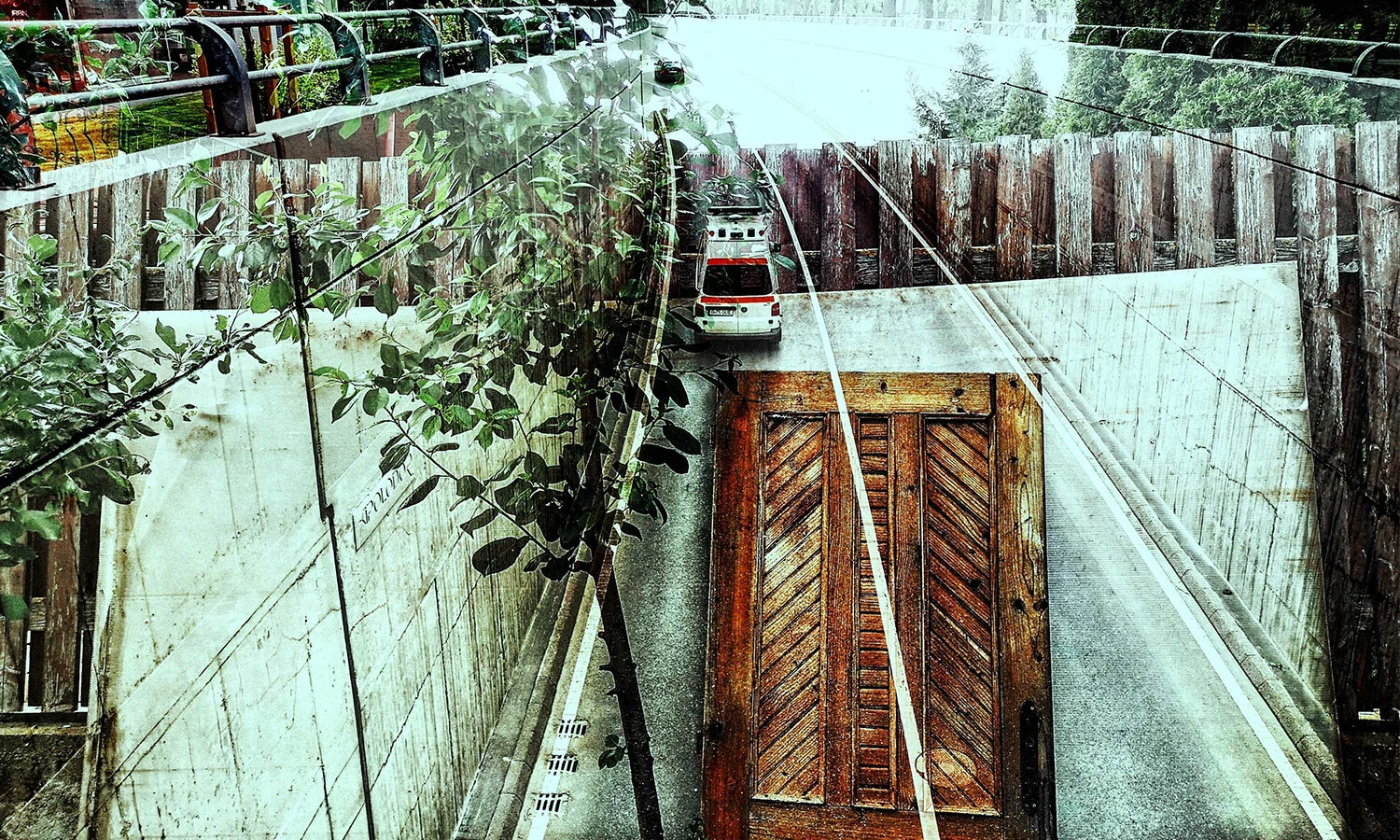
Romania is never ready for anything because of our incompetent authorities. Even the arrival of winter creates chaos, so you can imagine the disaster that’s happening now. People have been laid off and a lot of our medical staff are sick with COVID-19. The government did try to find ways by offering technical unemployment and delaying bank installments, but our politicians are too corrupt to be able to afford offering this financial support (especially since the fines for breaking the quarantine – of minimum 2.000 RON and aprox. 300.000 fines given so far – have been declared unconstitutional). However, there are positive things to note. The social distancing measures did work. Romania still has under 100,000 people infected with Coronavirus and people should start going back to what will become of the “normal life” slowly, after May 15.
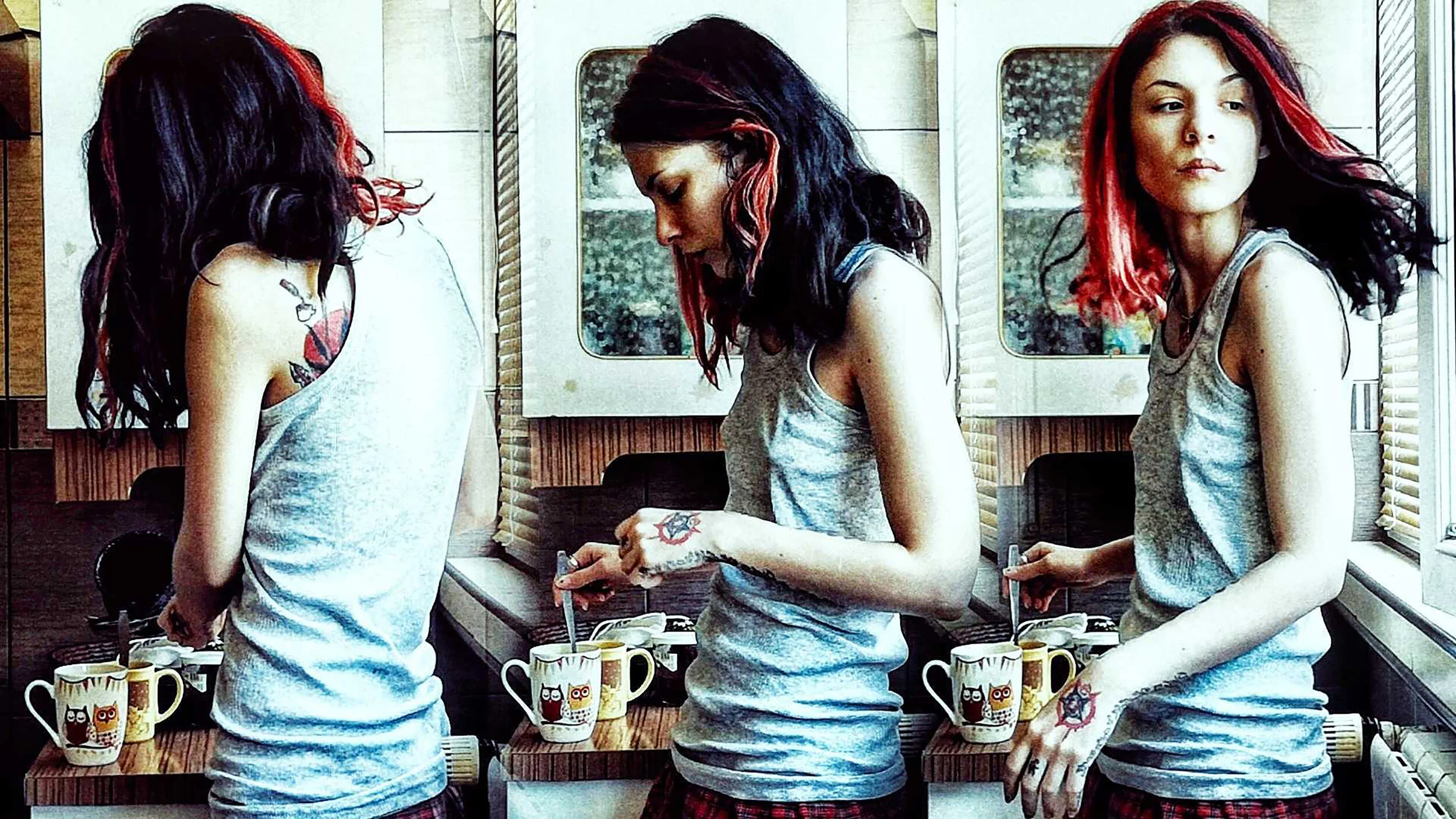
As for us, we weren’t that much affected by the Pandemic. We do miss going out, but we chat with our friends and are planning to party big time when this is over and hopefully travel. I’m partially happy that I work from home now, I have more time for my artsy projects, but I do miss my tattoo clients. What did hit us hard was the death of my boyfriend’s father. Dealing with this is difficult because of the social distancing, plus his death was not a priority for the system since the cause wasn’t COVID.
Household Information
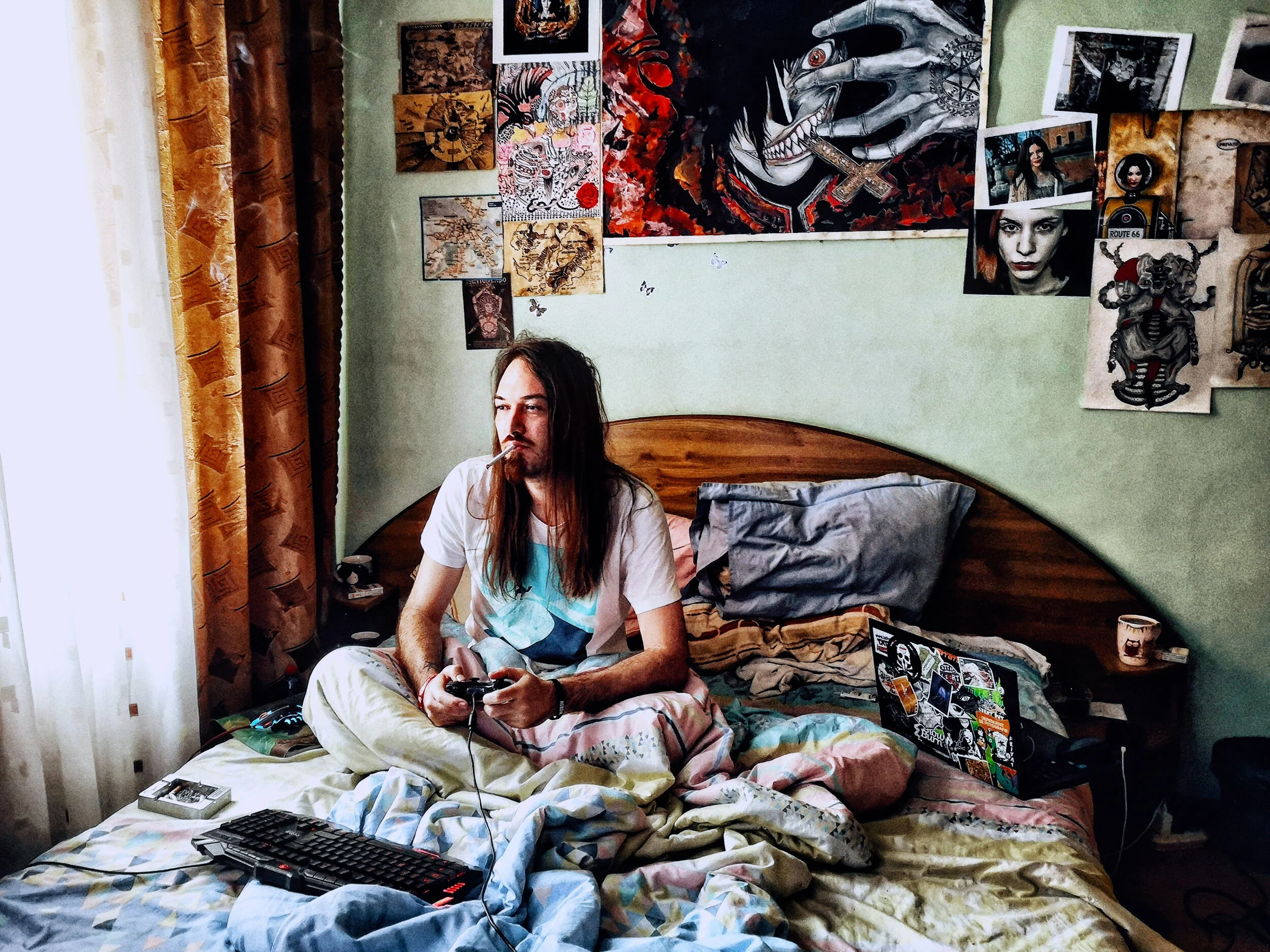
Residents: Me, boyfriend, cat & roommate. And we would like to count our friends. Since the quarantine we rarely see them, but they used to roam around the place very often. We still keep in touch as much as we can and they represent part of the household’s spirit.
City and country in which you reside: Bucharest, Romania | Nationality: Romanians
Approximate date you received your shelter in place order or request: Around March 15
Current work status of adults in your household (laid off, not working, going to a workplace, working from home):
Alexandra and Alin: Are successfully working from home. Alina (roommate) is working as she catches projects, but will begin to work more when this crisis is over.
If there are school-age children in the home, are they doing lessons at home via computer or with the help of family members?
There are no school-age children in this house, but I have 15 year old brother, who lives with my parents. What I can tell you is that they are trying. Kids from big cities do online classes, but the situation with children in rural areas is very complicated since not all of them have internet access or can afford a computer or a tablet.

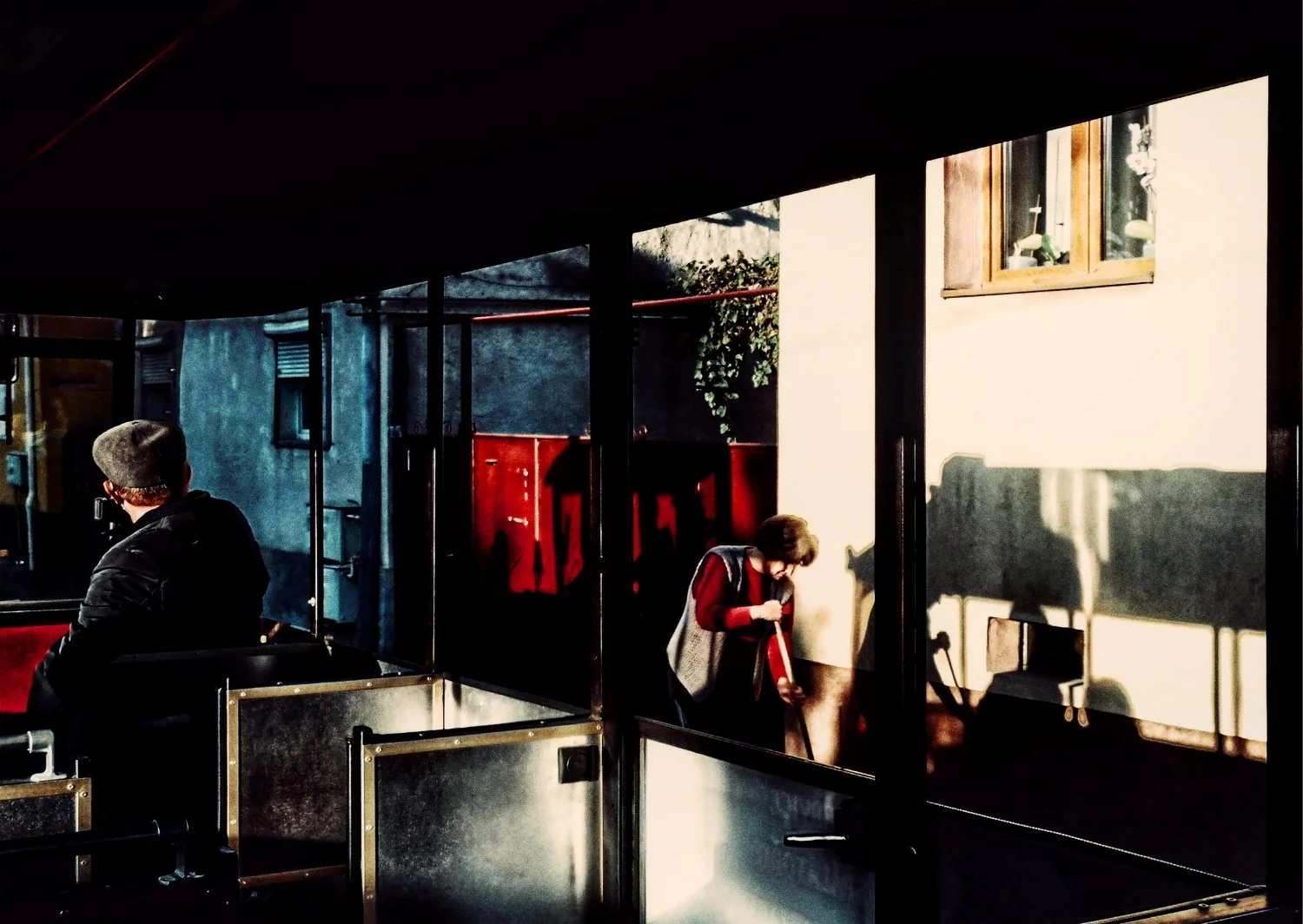

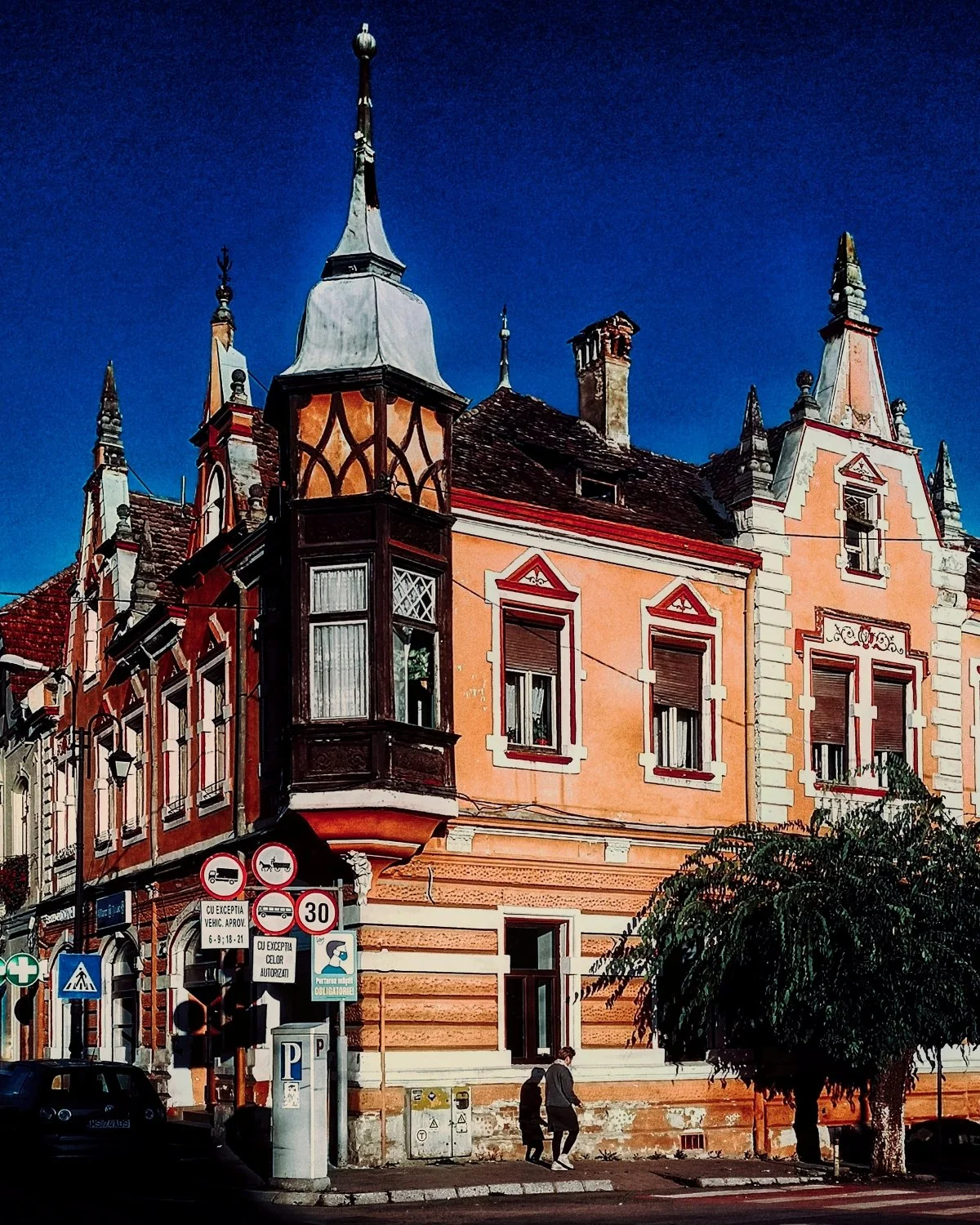
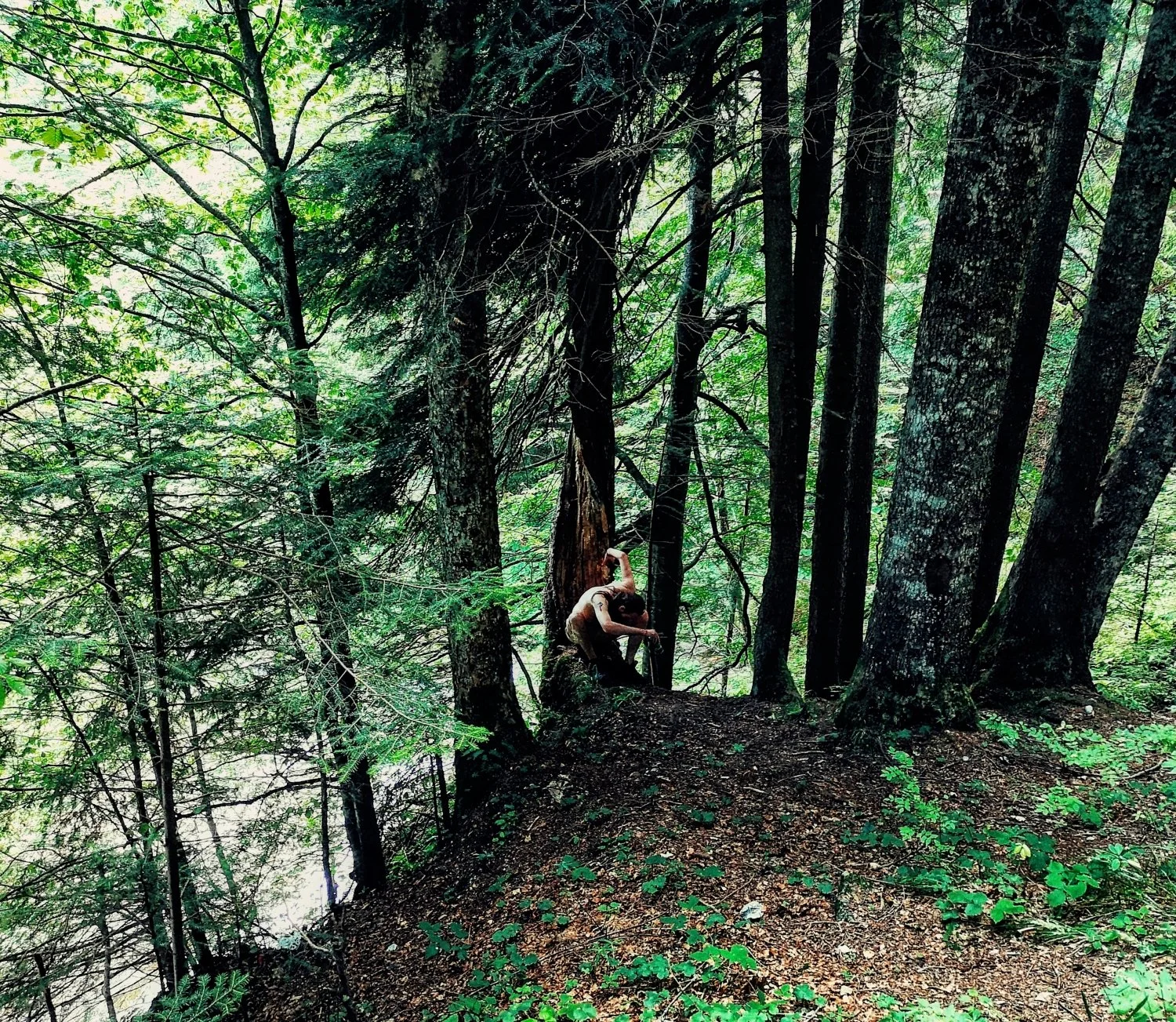
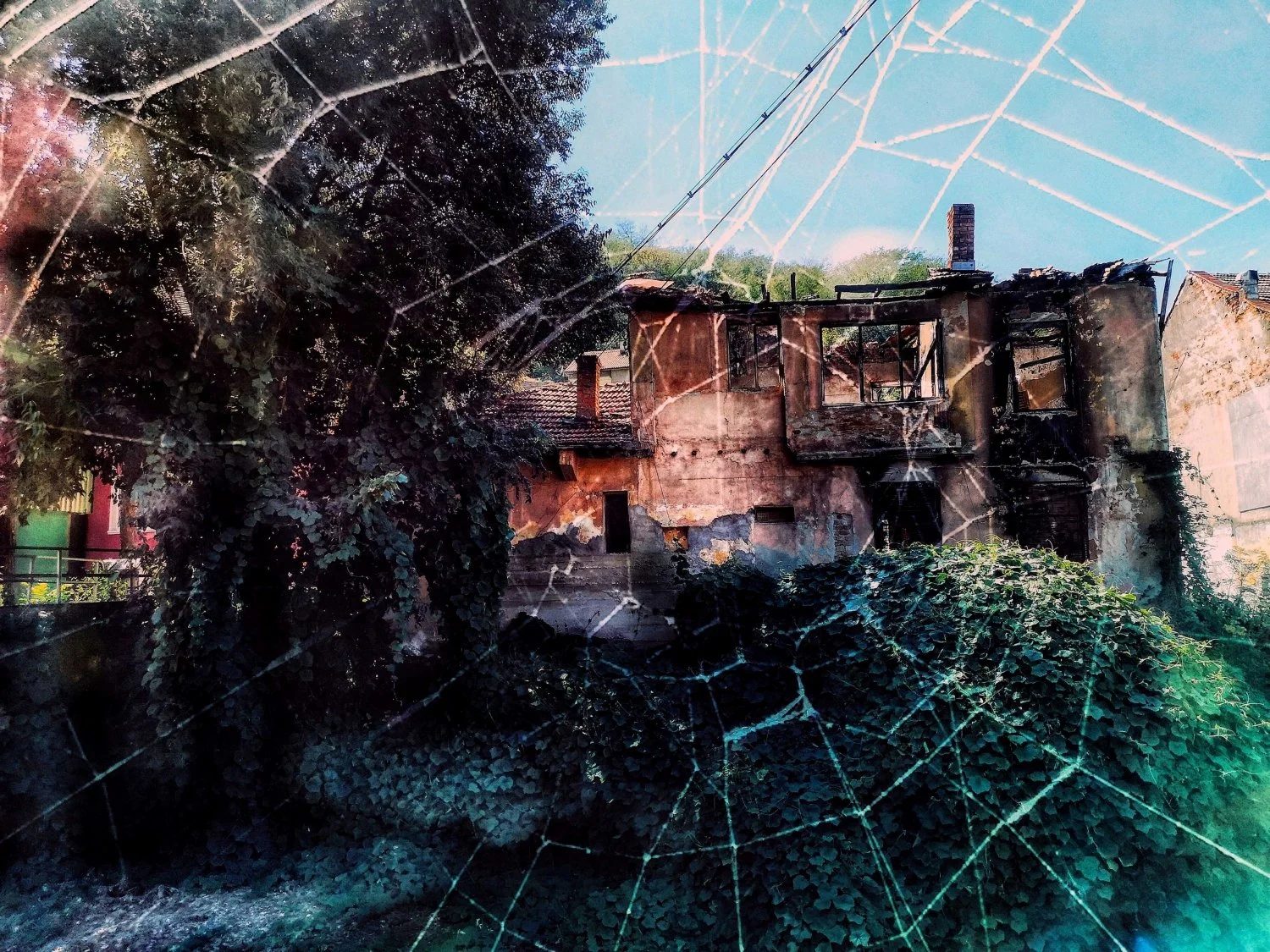
PART 2
1) Why do you think Shelter in Place is an important project and/or Why was Shelter in Place important to you?
To me Shelter in Place represents a thread uniting stories, in a period where staying connected has been more than tricky.
I think it’s important that it doesn’t just capture cultural diversity, it underlines how once again, we adapt. Even if we have to social distance, we find other ways to be together. Maybe this Pandemic has shown us how technology became or has to become an extension of ourselves in order to be able to start solving society’s problems.
2020 has been a transitional year and Shelter in Place: Views of the World Indoors captures this transition. What are we transitioning to? Can we fully grasp now, how far reaching and impacting the changes which we had to do will be? We know how things were and we know that now we’re at the end of a bizarre year. I’m very curious of where we are going. Aren’t you?
In the future, when we will see the impact, looking back on this project will serve as peeking through the highlights of a historical event.
2) What changes have occurred in your life since you took the Shelter in Place photos? (This can cover health, work, personal, political or other changes you'd like to share.)
This year has made me more grateful of whatever I have in my life. I’m including everything here: people, opportunities, privileges and misfortunes. A lot has changed. Let’s have some sad, but mostly good news:
· People close to me started getting COVID. My mother had it, Alin’s mother has it now – however the cases are unrelated - some friends have it as well. Luckily, none of them have been in need of hospitalization, yet.
· In 2019 I had some big plans for 2020. Three of them would have been: going back to Berlin because I fell in love with the city, publishing my debut poetry book, getting better tattoo gear along with more clients and exhibiting in Turkey. None of those happened, others happened. A Hybrid Photo Walk, a Group Exhibition during Wallachia Int’l Film Festival and I continued documenting the Pandemic on film.
· Sofi, the girl with the burnt toast from the first set of pictures, moved to Bulgaria with her fiancée, Tibi. They managed to find better jobs there and to achieve the classic Romanian dream of getting out of here. As soon as the restrictions drop, a trip is to be made.
· Apparently working from home has helped me and Alin to perform better professionally and it hasn’t gone unnoticed.
· I bonded with some new amazing people, indoors. We are keeping the party spirit alive in our Den without crossing the line on COVID regulations.
· We have a new wonderful roommate and keep in touch with the old one.
· We found out that we don’t have to move from our rented apartment. We’ll be staying an indefinite amount of time, so, it’s time to redecorate!
· I terribly miss the outdoors and being able to travel. When I go out I feel like some wild animal and constrained at the same time, it’s odd. I’m happy that I still managed to escape, a bit: a week in Sighișoara, a few days in Bușteni and a day in Nikopol, Bulgaria.
All in all, 2020 was tough but we’re not scared. I’m saying we’re because I can’t stop thinking about the efforts everyone I know, made. This year was not great, not terrible. What’s most important and is also part of Shelter in Place is that we’re all experiencing it in a breathtaking variety of ways. I don’t know how everybody else views it, but in my opinion, after this ride, we need to toast with the loved ones we have left, in this last month.
3) How is your local or national government reacting to the pandemic? (Please feel free to compare the current reaction with the government's original reaction.)
Poorly, as always. Back in spring, when we had few cases, there were some really harsh measures and many people were fined or laid off. Those measures we’re not better than those of today. We seem to be having this problem where it’s either black or white. There’s no balance. Back then, Romania had under 25,000 cases, now Romania is not far from 600,000 cases.
Lately we’ve been having between 5.000-10.000 cases per day. For Romania these are big numbers. While there still are restrictions and some are new, I don’t think they are the best ones. We went from black to white. For example, you can go out between 11PM and 05AM only with a declaration. Literally almost no one is out at that time if the clubs, pubs or restaurants aren’t open. This restriction would have been useful during daytime when the Subway gets crowded and cars and people flood the streets.
Romania can’t afford too many useful restrictions or ways to implement most of them. Our economy is to be laughed at. If we actually focused on taking care of people instead of using them, it would only make it worse because there’s too much corruption in the middle. The only real and efficient help we’ll get, is the vaccine.
2022 exhibition photos
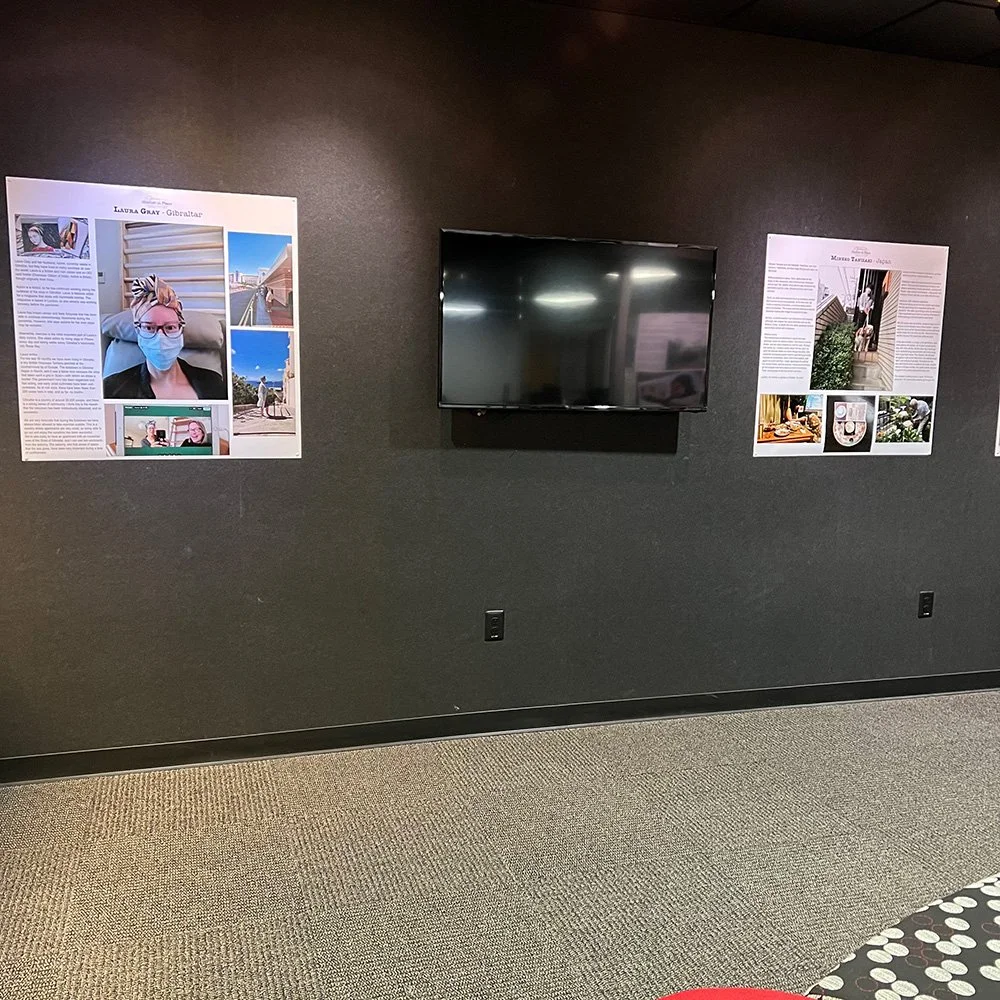
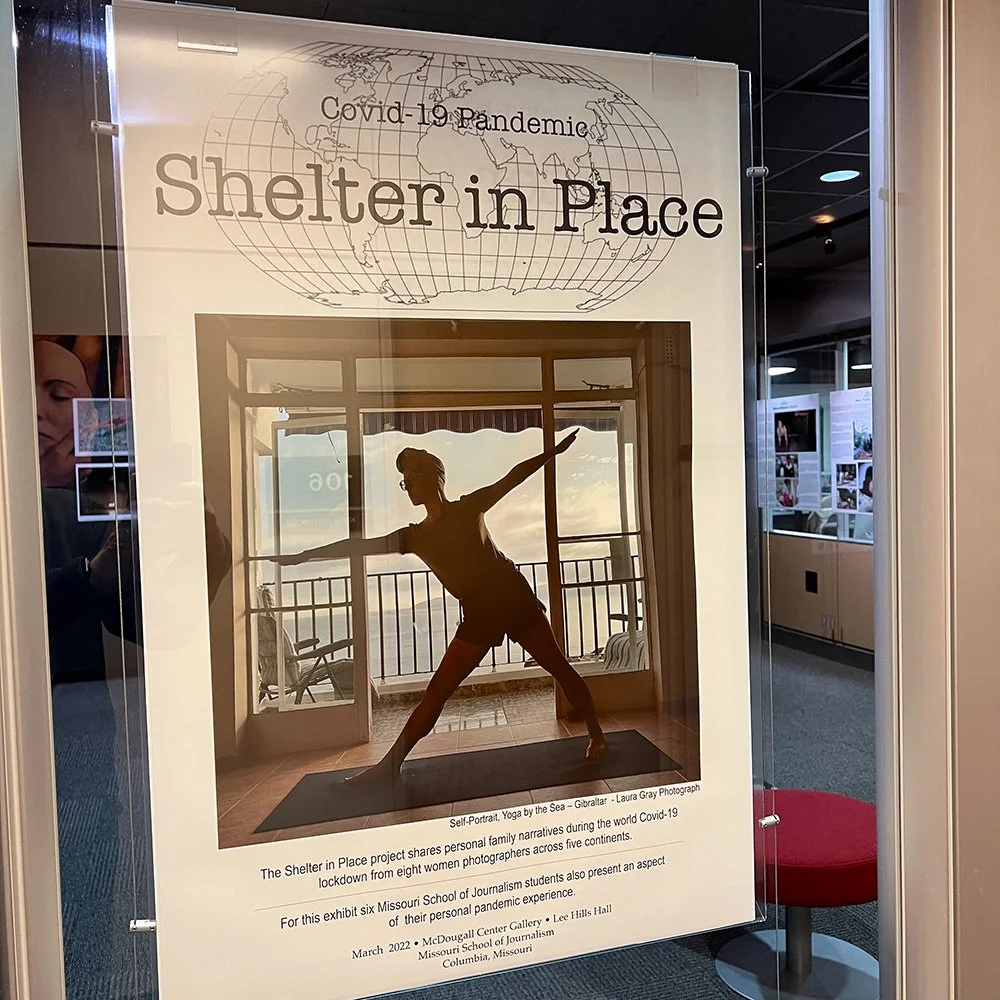
And that would be all, folks! If I will get my hands on any new information, I will add it here.
In the end I would like to send my thanks and appreciation to everyone who took part in this project. It was an interesting experience that I would like to repeat, for the valuable insights it provided, at least and I am grateful for getting the opportunity to work with Barbara Dunlap. This project felt like friends keeping in touch long distance, friends sharing bits of the world they find themselves to be in and getting connected through the vividness of each story. In chaotic times, in times of crisis, i think anyone would at least emotionally benefit from turning struggles into hints that can help in the future or show that as long as people stay connected through the right means, it doesn’t matter what times we are living, something always grows. quite often, in unexpected ways.